

Maine’s Most Dramatic Coastline
The Bold Coast Trail in Cutler runs through 12,234 acres of public reserved land along 4.5 miles of sea cliffs that rise 100 feet straight out of the Atlantic. This is not a gentle shoreline. The cliffs here are dark basalt and rhyolite, carved by waves and weather into something that looks more like the coast of Ireland than anything else in New England.
The trail forms a 9.7-mile loop with five primitive campsites spread along the coast. There are no fees, no permits, and no reservations. You show up, hike in, and claim a site. It is one of the most spectacular coastal backpacking experiences on the East Coast, and it is completely free.
There is NO fresh water source anywhere on the Bold Coast Trail. None. Carry a minimum of 3 to 4 liters per person. More in hot weather. This is the single most important thing to plan for on this trip. People underestimate the distance and run out.
The Campsites
All five sites are primitive. That means a cleared area for a tent and nothing else. No fire pits, no toilets, no water. Maximum six people per site. First-come, first-served.
Fairy Head has three campsites and the best cliff views on the trail. You camp on the headland with the ocean dropping away below you. On clear mornings the sunrise over the Atlantic from here is extraordinary. These are the most popular sites and fill first on summer weekends.
Long Point Cove is often less crowded than Fairy Head. It has its own cobble beach tucked into a cove, which gives it a more sheltered feel. If Fairy Head is full when you arrive, Long Point is not a consolation prize. It is a different experience and just as good.
Black Point Cove is the most sheltered of the three areas. Access involves a log ladder section on the trail. The cove itself is protected from the prevailing wind, which matters on this stretch of coast where fog and wind are the default, not the exception.
The parking lot holds roughly 20 cars and fills by 9 AM on summer weekends, especially in July and August. If you arrive and the lot is full, you cannot park on the road. Plan to start early or go on a weekday. Friday afternoon arrivals work well for overnight trips.
The Trail
The 9.7-mile loop runs clockwise from the parking area on Route 191. The inland section is mostly through spruce forest on a well-maintained path. The coastal section is where it gets interesting.
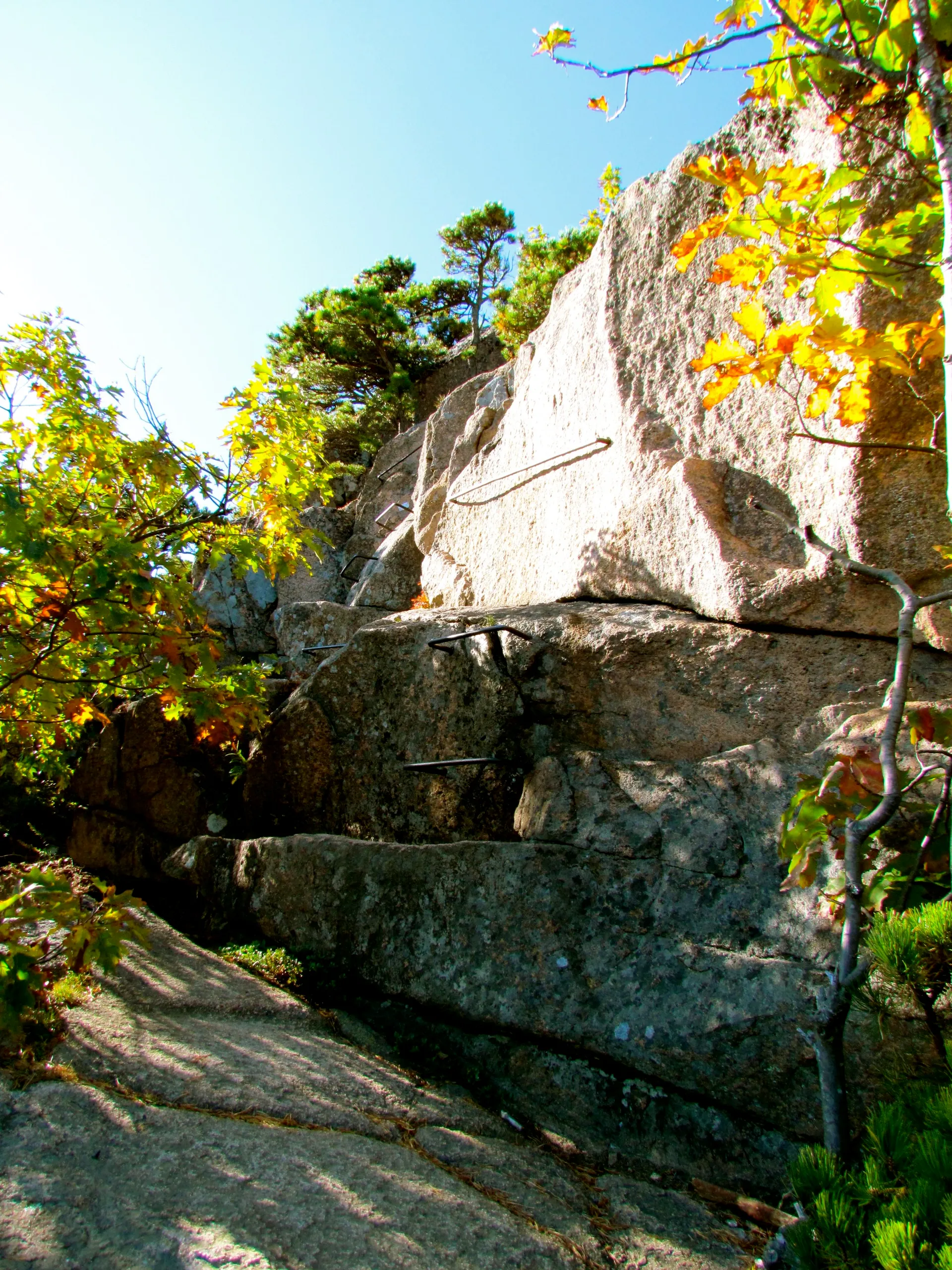
Once you hit the shoreline, the trail follows the cliff edge with views that go on for miles. There is one section with a rope assist on a steep descent. It is not technical climbing, but it requires hands and some confidence on wet rock. Dogs can manage it, but it is tight.
The footing along the cliffs is uneven: roots, rocks, mud, and the occasional boardwalk over boggy sections. Hiking boots with ankle support are not optional here. Trail runners will work in dry conditions, but this coast sees fog and rain more often than sun.
Fog is extremely common on the Bold Coast, especially June through August. It can roll in within minutes and reduce visibility to 50 feet. The trail is well-marked, but bring a map and compass. Do not rely on your phone for navigation. There is zero cell service.
Getting There
Cutler is remote. That is part of the appeal, but it requires planning. The town itself has almost nothing. No grocery store, no gas station, no gear shop. Stock up in Machias, about 25 minutes west on Route 1. Machias has a grocery store, a few restaurants, and gas.
From Portland, the drive is about 4.5 hours. From Bangor, roughly 2 hours and 15 minutes. Route 1 through Downeast Maine is two lanes with limited passing, and it runs through several small towns. Build in time and do not plan to rush.
Wild blueberries grow along the trail and ripen in late July. The barrens near the coast are loaded with them. Bring a small container and graze as you hike. Also look into puffin-watching tours to Machias Seal Island, which depart from nearby Cutler Harbor. Book well in advance as spots fill months out.
When to Go
Spring
Muddy, cold, and foggy. Trail can be waterlogged. Fewer people, but conditions are rough.
Summer
Warmest weather, longest days. Fog is frequent. Parking fills fast on weekends.
Fall
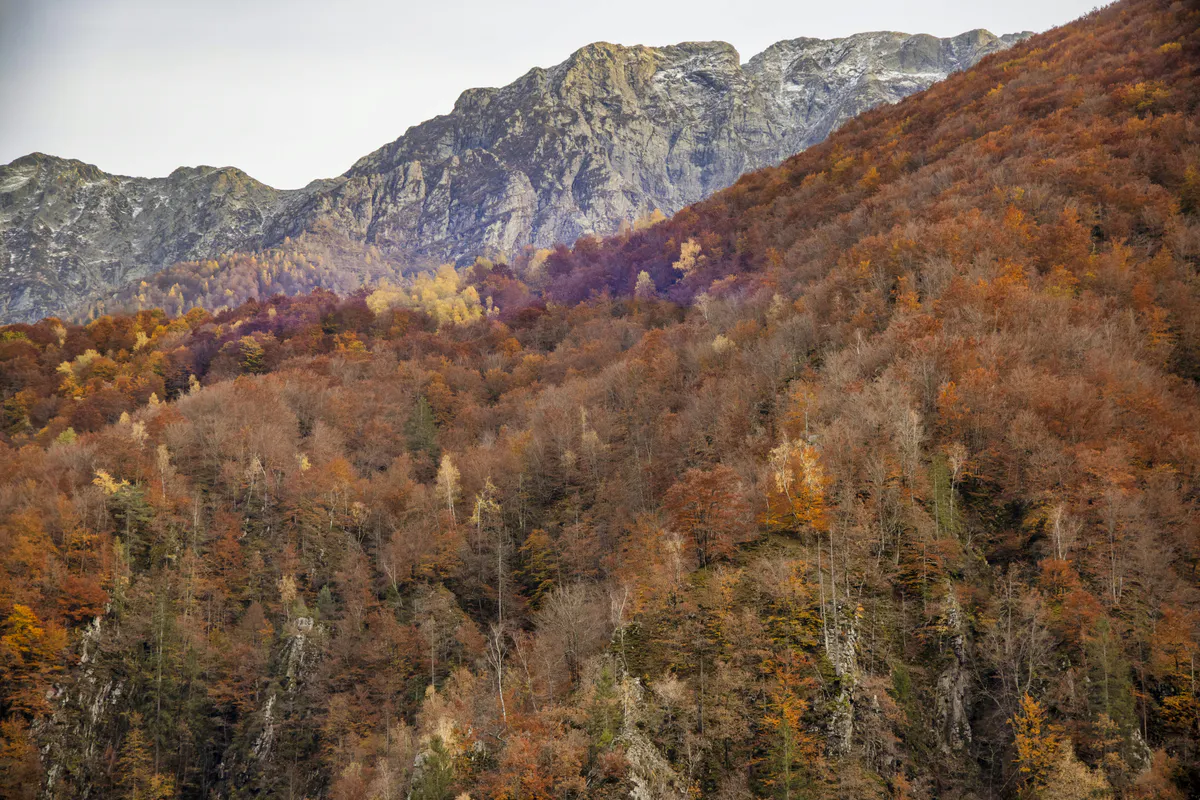
Clearer skies, fewer crowds, wild colors on the headlands. Nights get cold. Stunning.
Winter
Technically open, but exposed cliffs with ice and wind make this dangerous. Not recommended.
Late August through September is the sweet spot. The summer crowds thin, the blueberries are ripe, the fog lifts more often, and the light on the cliffs in September is something photographers travel hours to capture.
Backpacking Packing List
Bold Coast Trail Packing List
- Tent with rain fly (expect fog and rain)
- Sleeping bag (40F rated for summer, 30F for fall)
- Sleeping pad
- Camp stove and fuel
- 3-4 liters of water per person (NO water on trail)
- Water filter (backup only, no reliable sources)
- Rain jacket and wind layers
- Hiking boots with ankle support
- Headlamp with extra batteries
- Bug spray (blackflies in June, mosquitoes in July)
- Map and compass (no cell service)
- First aid kit
- Trowel for waste (pack out everything else)
FAQ
Is there really no water on the Bold Coast Trail?
Correct. There is no reliable fresh water source on the trail. You must carry all the water you need. Plan for 3 to 4 liters per person minimum. In hot weather, bring more.
Can I do the Bold Coast Trail as a day hike?
Yes. The 9.7-mile loop is manageable as a day hike for fit hikers. Allow 5 to 7 hours. Many people hike to the Fairy Head cliffs and back (about 5 miles round trip) as a shorter option.
Do I need to reserve a campsite?
No. All five campsites are first-come, first-served with no reservations and no fees. Each site has a maximum capacity of six people. Arrive early on summer weekends to secure a spot.
Are dogs allowed on the Bold Coast Trail?
Yes, dogs are allowed. Keep them under control near the cliff edges. There is a rope section on the trail that can be tricky for larger dogs. Bring extra water for your dog since there is none on the trail.
How bad are the bugs?
Blackflies peak in June and can be fierce. Mosquitoes are worst in July. By August the bugs taper off. A head net and DEET or picaridin help. The coastal breeze knocks down bugs on the cliff sections, but the inland forest trail sections can be thick with them.