Why Acadia Matters
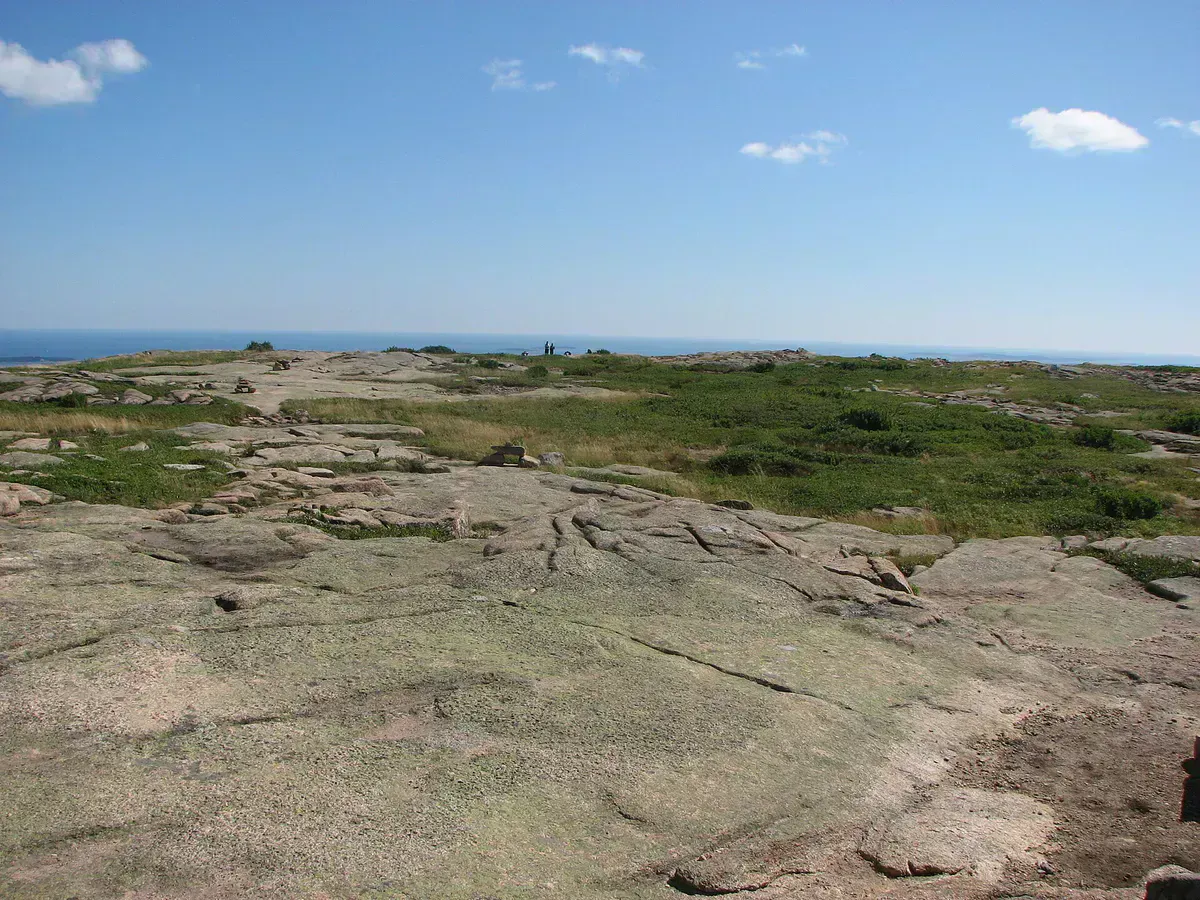
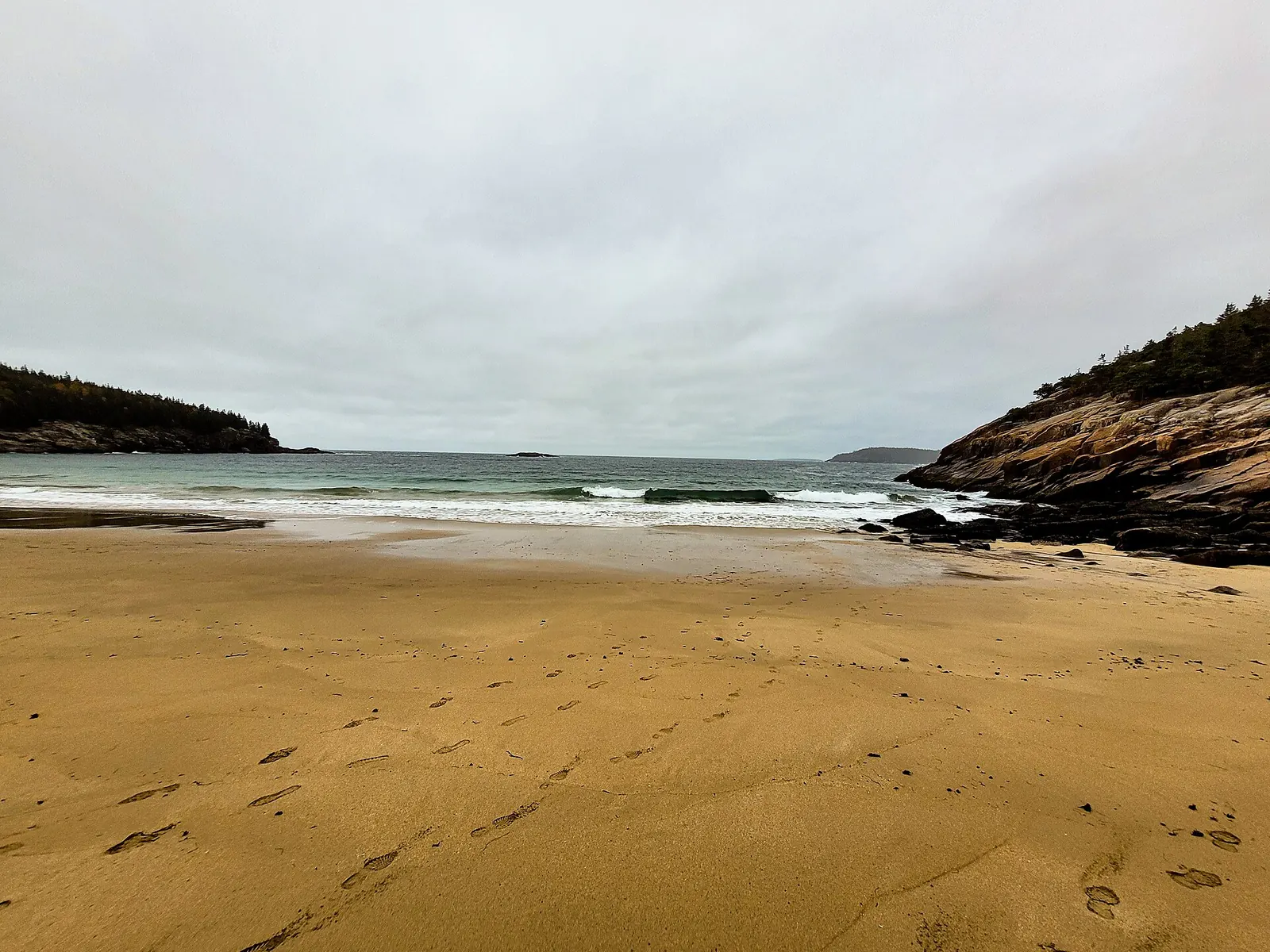
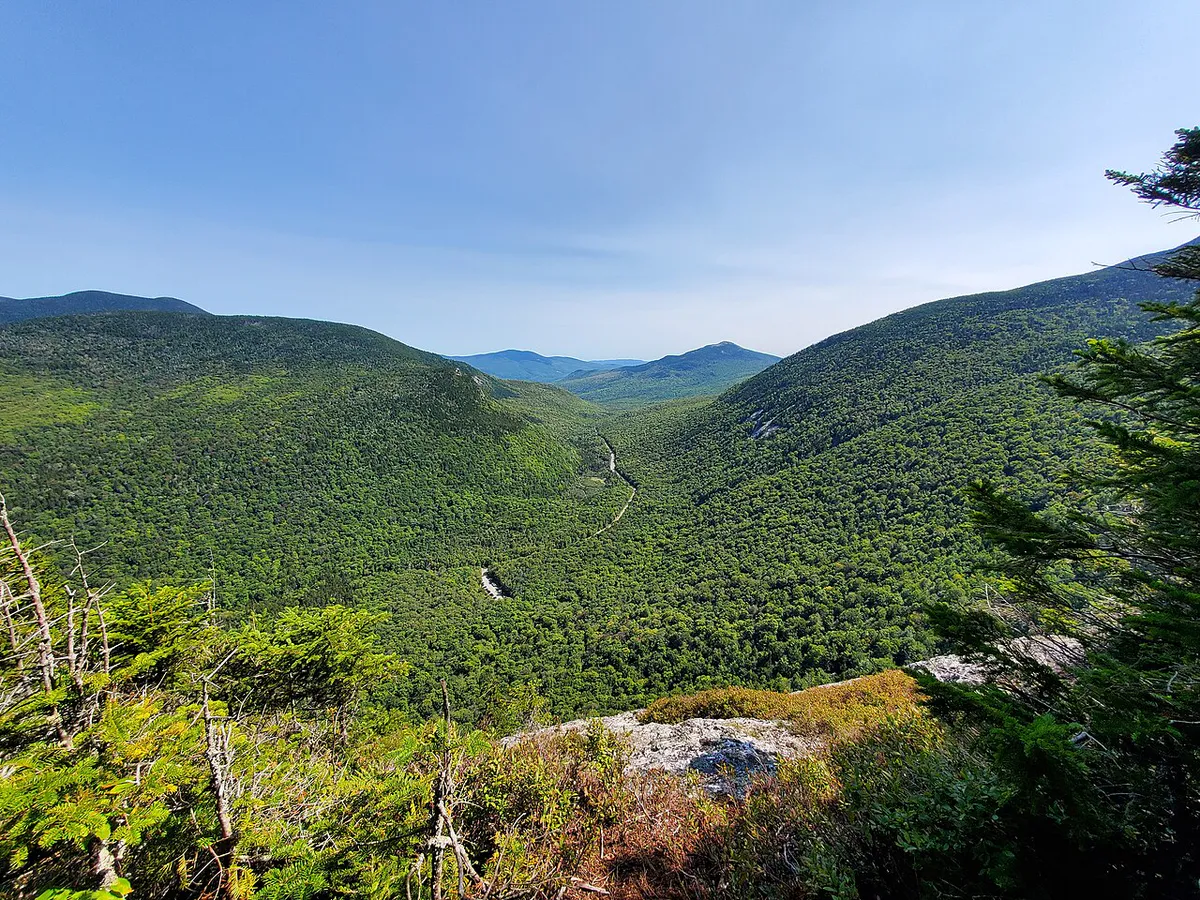
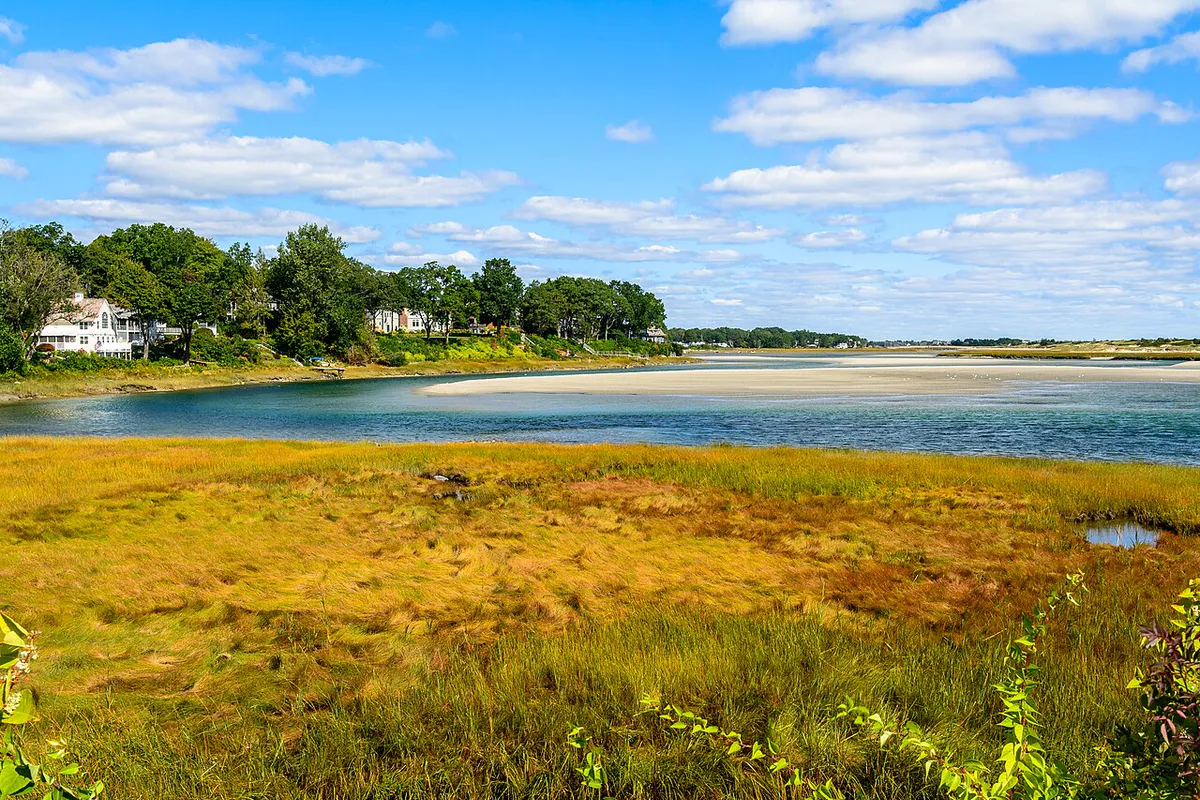
Acadia National Park covers 49,000 acres across Mount Desert Island, the Schoodic Peninsula, and Isle au Haut. Granite summits drop straight into the Atlantic. Freshwater ponds sit between forested ridges. Rocky headlands take the full force of open-ocean swells while sheltered coves hold some of the only sand beaches on the Maine coast. It all fits into a space you can drive across in 20 minutes.
The park sees over 4 million visitors a year, and the popular stops along Park Loop Road get crowded in summer. But the western side of the island, the quieter carriage roads south of Jordan Pond, and the Schoodic Peninsula across the bay are all worth the effort to reach. Even in July, you can find a stretch of trail to yourself.
Park Loop Road and Getting Oriented
The 27-mile Park Loop Road connects most of Acadia’s major stops: Sand Beach, Thunder Hole, Otter Cliff, Jordan Pond House, and the Cadillac Mountain summit road. From mid-June through Columbus Day, large sections run one-way, which actually makes the drive more relaxing. Budget two to three hours for the full loop if you plan to stop at overlooks and short trails.
If you have one day, Park Loop Road covers the highlights. With three or more days, use it as a starting point and spend your time on the trail system and the less-visited parts of the island.
Island Explorer Shuttle
The Island Explorer buses run free throughout the summer and connect Bar Harbor village, trailheads, and campgrounds. They cut down on parking headaches significantly, especially at Sand Beach and Jordan Pond where lots fill before 9 AM on summer mornings. Routes run frequently enough that you rarely wait more than 30 minutes. The shuttle also connects to the Schoodic Peninsula via a ferry from Bar Harbor.
Trails for Every Ability
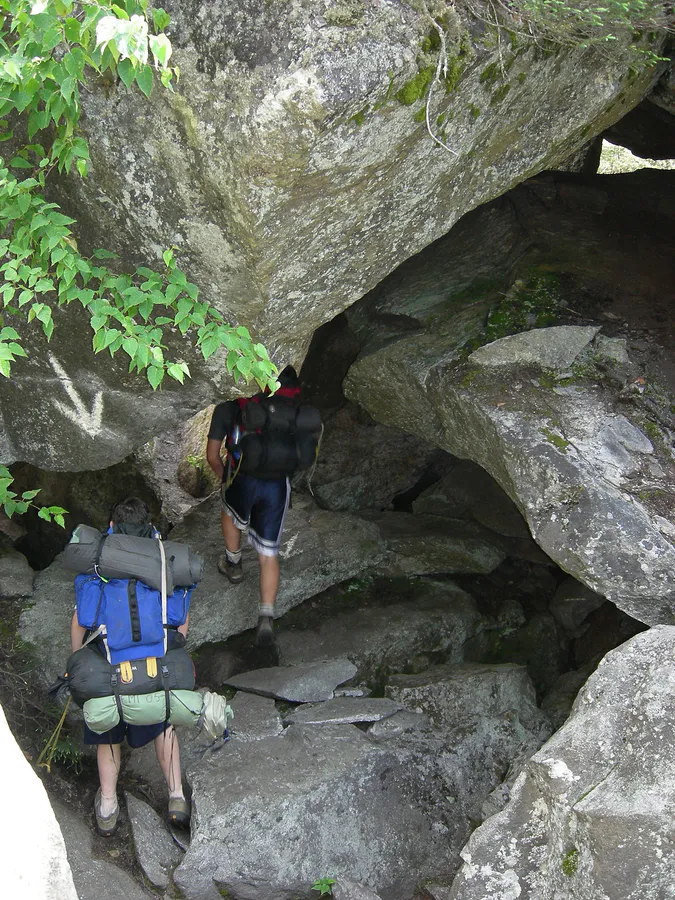
Acadia has over 150 miles of hiking trails, from flat accessible paths to iron-rung scrambles up cliff faces. A family with young kids and a serious peak-bagger can both fill a day here.
| Trail | Distance | Difficulty | Time | Best For |
|---|---|---|---|---|
| Jordan Pond Path | 3.3 mi loop | Easy | 1.5-2 hrs | Families, reflections of the Bubbles |
| Ocean Path | 4.4 mi one-way | Easy | 2-3 hrs | Coastal scenery, Thunder Hole access |
| Cadillac South Ridge | 7 mi round trip | Moderate | 4-5 hrs | Panoramic summit views, open granite |
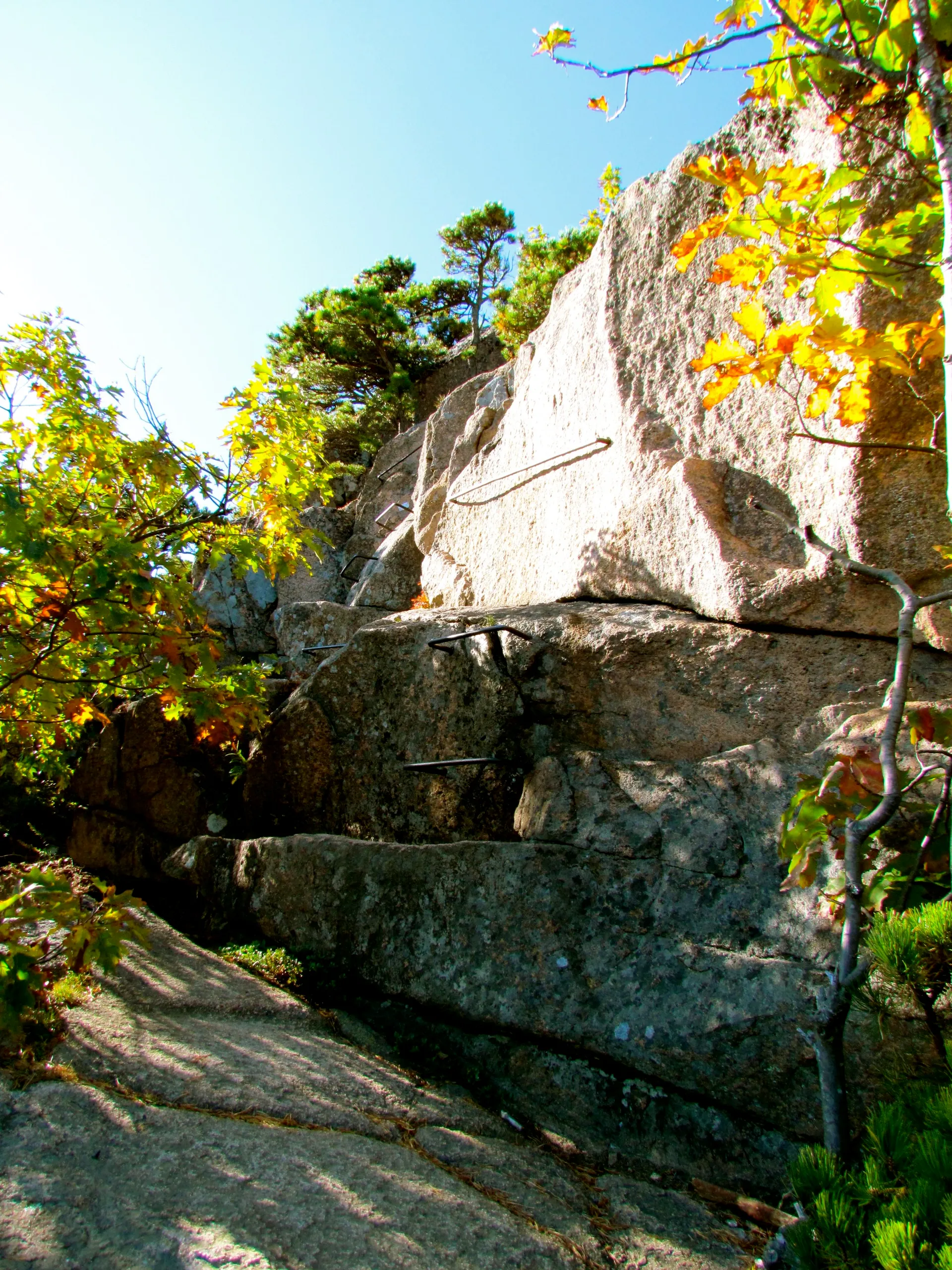
| Beehive Trail | 1.5 mi loop | Strenuous | 1-1.5 hrs | Iron-rung scramble, cliff exposure |
| Precipice Trail | 1.6 mi loop | Strenuous | 1.5-2 hrs | Most exposed climb, peregrine falcon closures |
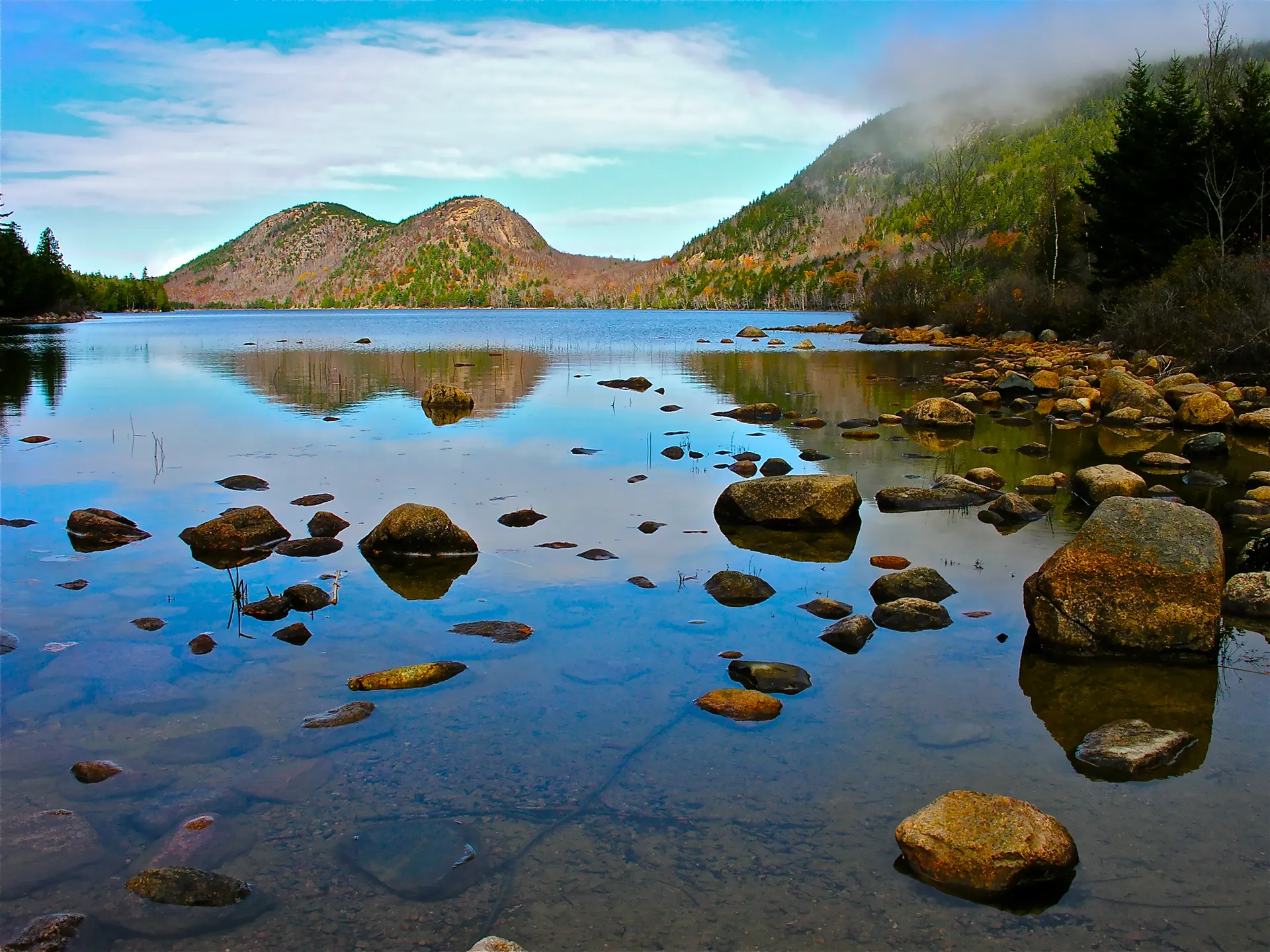
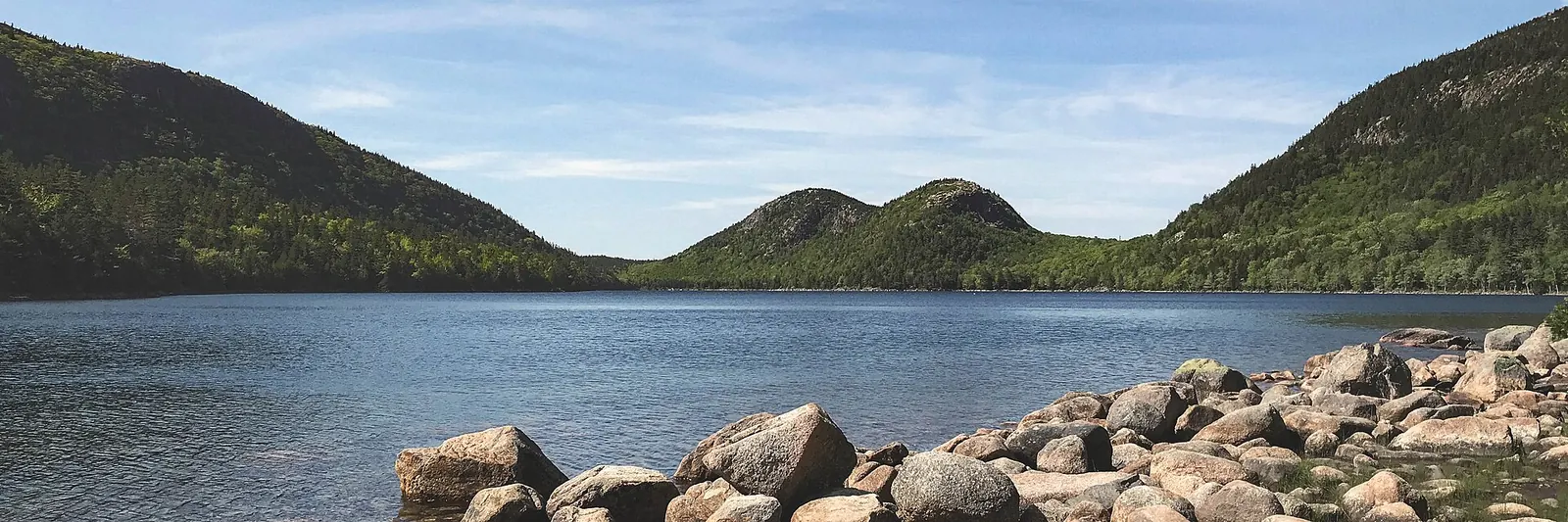
For a first visit, the Jordan Pond Path and the Ocean Path (Sand Beach to Otter Point along the coast) are the two essentials. Jordan Pond gives you the quiet interior: mirror-still water reflecting the rounded peaks called the Bubbles. Ocean Path gives you the dramatic coastline: waves crashing against granite ledges, with Thunder Hole and Otter Cliff along the way.
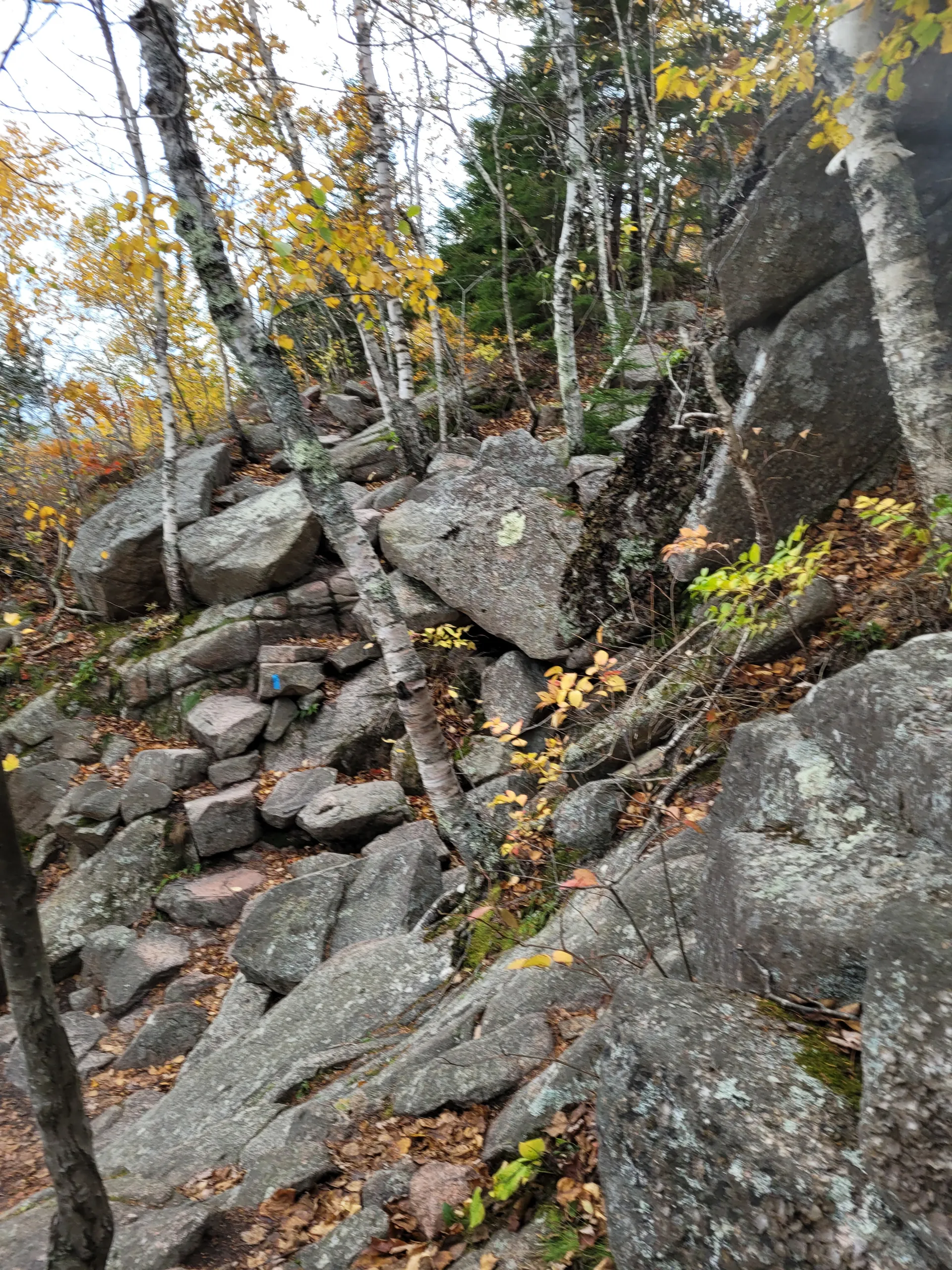
For more challenge, Cadillac Mountain via the South Ridge Trail climbs exposed granite slabs with views that open wider with every step. The Beehive Trail and Precipice Trail are the park’s famous iron-rung climbs. Both are short but intense, with genuine exposure. Do not attempt them if you are uncomfortable with heights or narrow ledges. Precipice closes seasonally (usually spring through mid-August) to protect nesting peregrine falcons.
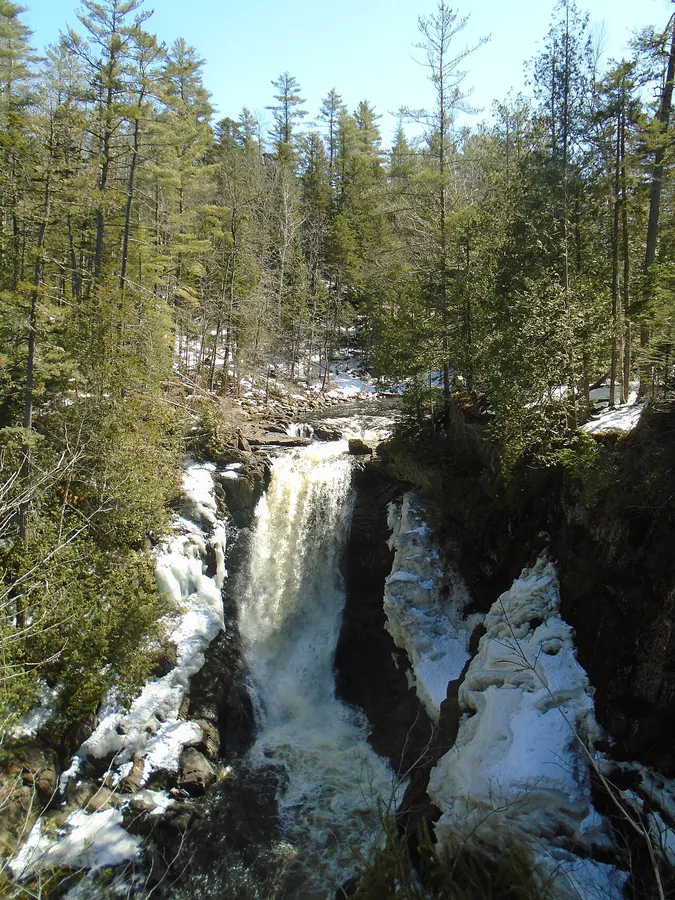
Winter transforms the carriage roads into cross-country ski and snowshoe routes. The frozen landscape has a stark beauty the summer crowds never see.
Thunder Hole
Thunder Hole is a narrow inlet carved into the granite shoreline along Park Loop Road, about a mile south of Sand Beach. When conditions are right, incoming waves compress air in the slot and release it with a deep boom that you feel in your chest. Spray can shoot 40 feet in the air.
The timing matters. Visit one to two hours before high tide for the best effect. At low tide or calm seas, Thunder Hole is just a quiet cleft in the rock. At high tide during a storm, waves wash over the viewing area and the park closes the lower platform. Check the tide tables before you go.
The overlook is wheelchair-accessible from the parking pulloff. The lower staircase to the water level is steep and gets slippery from spray.
Jordan Pond House
Jordan Pond House is the only restaurant inside the park, and it has been operating in some form since the 1870s. The current building replaced the original, which burned in 1979. It sits on the south shore of Jordan Pond with a direct view of the Bubbles.
Get the popovers. Jordan Pond House is the only restaurant in the park, and the popovers with butter and jam on the lawn overlooking the Bubbles are an Acadia institution. Expect a wait in summer.
The restaurant serves lunch and dinner from mid-May through late October. Reservations are recommended for peak hours but not always required on weekdays. The lawn seating is what you want if the weather cooperates.
The Carriage Roads
John D. Rockefeller Jr. financed 45 miles of broken-stone carriage roads through Acadia between 1913 and 1940. These car-free roads wind through forests, cross 17 hand-built stone bridges, and connect viewpoints that feel almost European in their craftsmanship.
The carriage roads work well for cycling, walking, cross-country skiing, and horseback riding. The stretch around Eagle Lake and the loop connecting Jordan Pond to Bubble Pond are the most scenic sections. Bikes can be rented in Bar Harbor or near the park entrance. E-bikes are permitted on carriage roads, which opens these routes to more visitors.
Tide Pools and Marine Life
Acadia’s rocky coastline is excellent for tide pooling. The best time is within an hour of low tide, when receding water exposes pools full of sea urchins, hermit crabs, sea stars, periwinkles, and anemones.
Bar Island is the most accessible tide pool area. At low tide, a gravel bar connects Bar Harbor to the island, and you can walk across and explore the exposed pools along the shoreline. Pay close attention to the tide schedule. The bar floods completely at high tide, and people get stranded every summer.
Wonderland, on the quieter western side of the island, has a flat 1.4-mile round-trip trail to a rocky shore with good tide pools and fewer crowds than the eastern side. Ship Harbor, just south of Wonderland, is another strong option with a figure-eight trail through coastal forest to the shore.
Schoodic Peninsula
The Schoodic Peninsula is the only section of Acadia on the mainland, about 45 minutes by car from Bar Harbor (or accessible by ferry in summer). It sees a fraction of the visitors that Mount Desert Island gets.
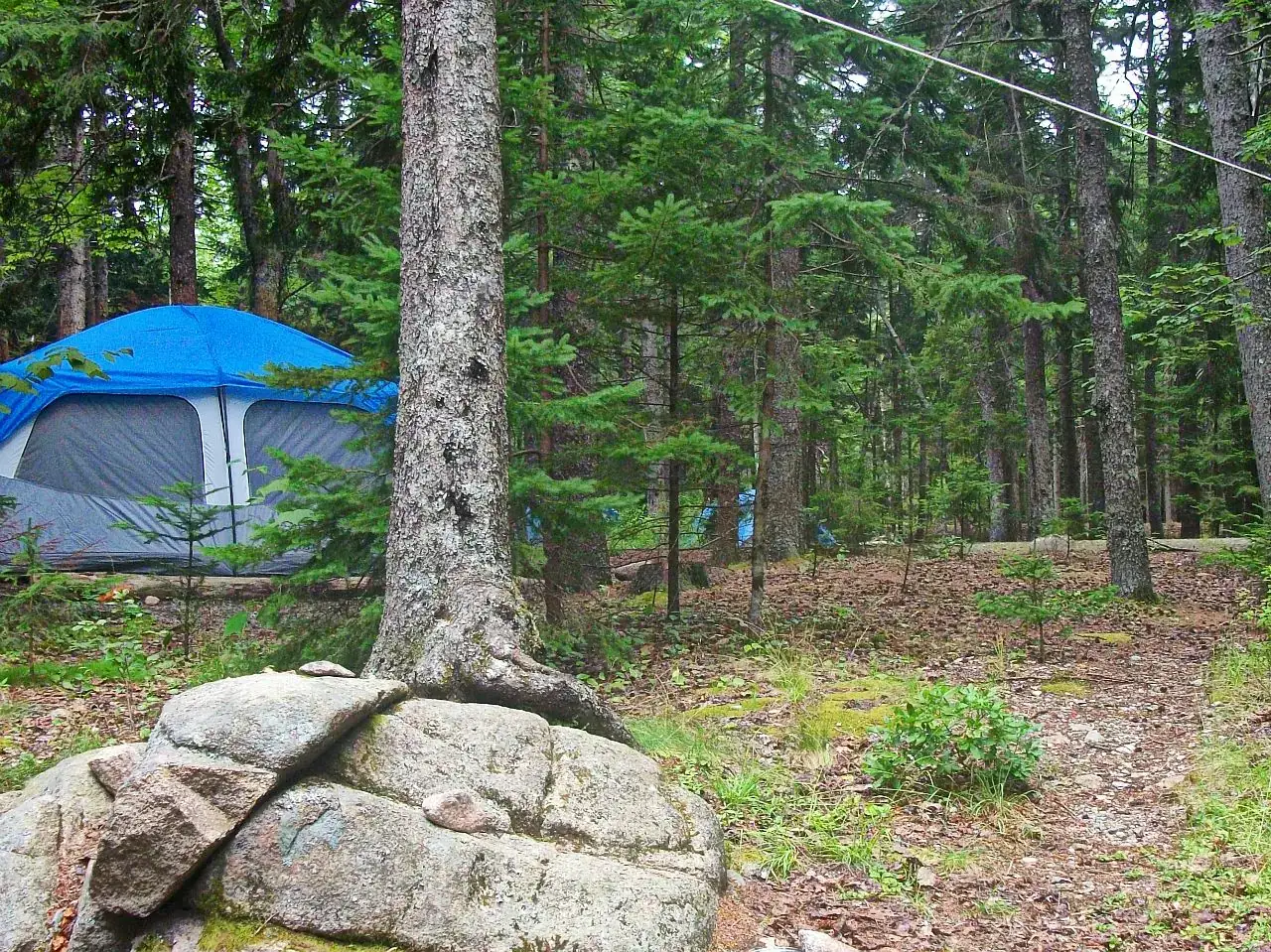
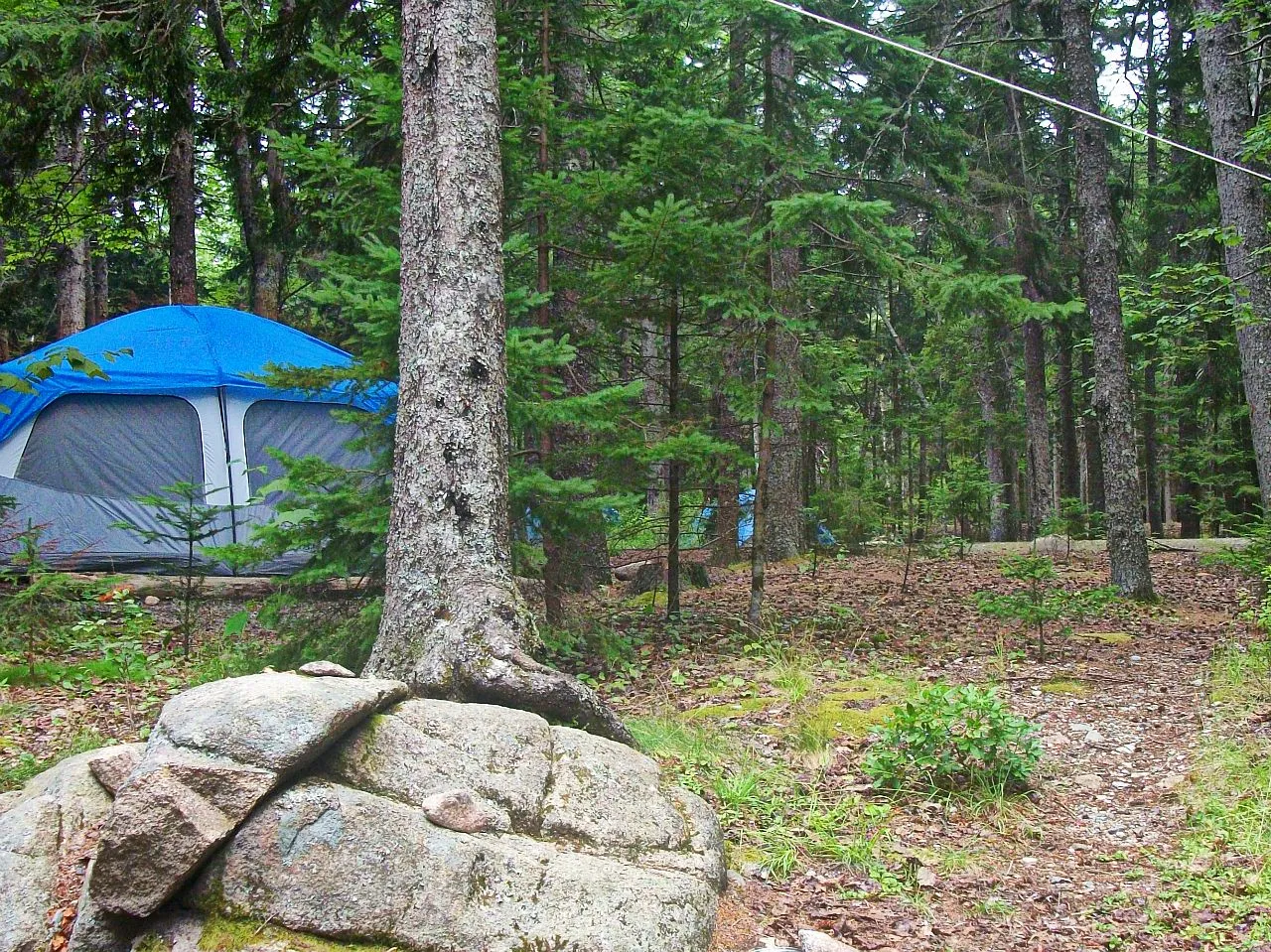
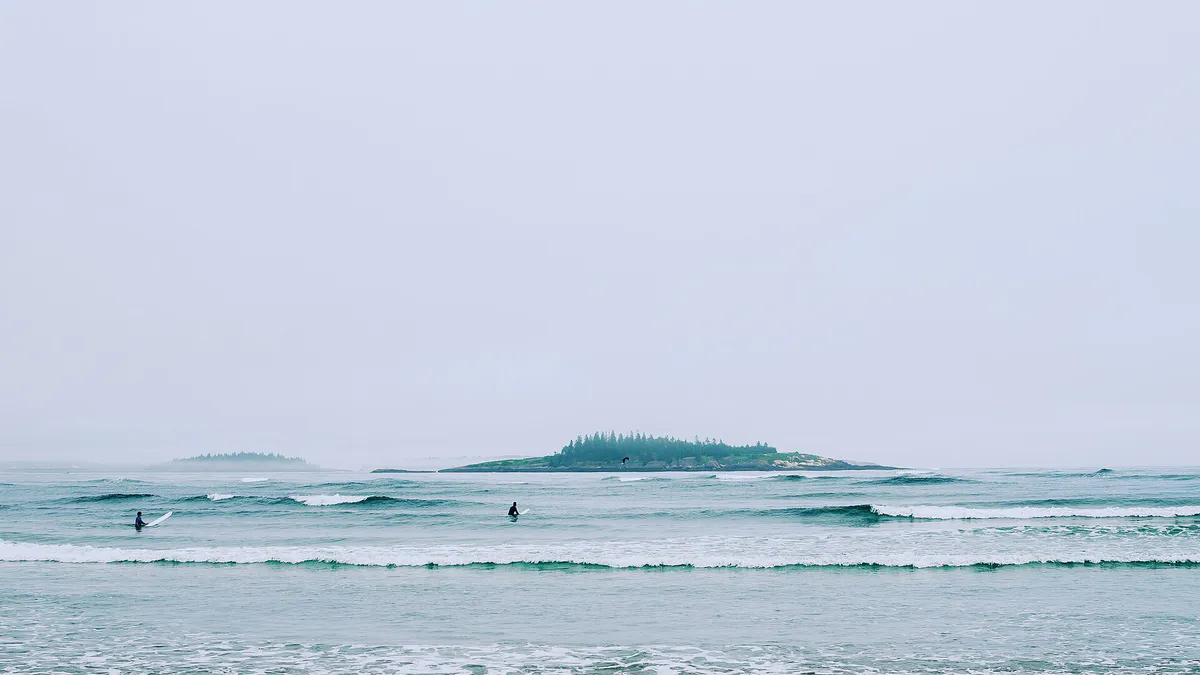
Schoodic Point, at the tip of the peninsula, has massive granite slabs that slope into the ocean. The surf here is more exposed than most of MDI, and storm watching is excellent. A 6-mile one-way road loops through the peninsula with pulloffs, short trails, and a ranger station. The Schoodic Woods Campground, opened in 2015, is one of the newer campgrounds in the national park system.
Ranger Programs and Accessibility
Acadia runs free ranger-led programs from June through October, including guided hikes, tide pool walks, birding outings, stargazing events, and campfire talks at Blackwoods and Seawall campgrounds. Check the park’s event calendar when you arrive. The programs are well-run and especially good for kids.
For accessibility, several trails are wheelchair-friendly, including the Jordan Pond Path (partial), the Ocean Path (paved sections), and many of the carriage roads, which have firm, compacted gravel surfaces. The Cadillac summit area and several overlooks along Park Loop Road are accessible. The park’s accessibility guide is available at visitor centers.
Fee Options
Acadia’s entrance fee is $35 per vehicle for a seven-day pass. Motorcycles are $30, and individuals on foot, bike, or the Island Explorer pay $20.
- Annual Acadia Pass: $70. Pays for itself in two visits.
- America the Beautiful Pass: $80. Covers all national parks and federal recreation sites for a full year. Worth it if you plan to visit any other national parks.
- Cadillac Summit Road reservation: $6 per vehicle, required in addition to the entrance fee and booked via Recreation.gov.
Beginning in 2026, Acadia charges an additional $100 per non-U.S. resident age 16 and older, unless the visitor is admitted with an Annual or America the Beautiful Pass.
The park is open year-round, but most visitor facilities, campgrounds, and Park Loop Road operate from roughly May through October.
Vehicle reservations for the Cadillac summit road sell out within minutes of release on Recreation.gov, 90 days in advance. Reservations are required from late May through late October. Set a reminder and be ready at the release time. The sunrise slots go first.
Acadia Day Trip Packing
- Park pass (or cash for entrance fee)
- Layered clothing (weather changes fast)
- Water (at least 2L for hiking)
- Snacks or packed lunch
- Camera
- Bug spray (essential May through July)
- Sunscreen
- Trail map (or downloaded offline map)
Best Times to Visit
Spring
Mud season. Many trails wet into May. Fewer crowds, unpredictable weather.
Summer
Warm weather, all facilities open. Peak crowds July-August. Start early.
Fall
Smaller crowds, cool hiking temps, peak foliage. Clearest views from Cadillac.
Winter
Snow-covered carriage roads, peaceful. Most facilities closed. Dress for cold.
Summer (June through August) brings the warmest weather and the biggest crowds. Parking lots at popular trailheads fill by 9 AM in July and August. Start early or use the shuttle.
Fall is many people’s favorite season at Acadia. September and October bring cooler hiking temperatures, fewer visitors, and foliage that lights up the hardwood forests around Eagle Lake and the carriage roads. The air is clearer in fall, which makes the views from Cadillac Mountain sharper.
Spring (April and May) is mud season. Many trails are wet or partially snow-covered into May. It is quieter, but conditions are unpredictable. Winter is for the dedicated, but those who make the trip find a peaceful, snow-covered park almost entirely to themselves.
Practical Planning
Bar Harbor is the main gateway town with restaurants, gear shops, groceries, and accommodations from motels to historic inns. The town is walkable and connected to the park by the Island Explorer shuttle. Southwest Harbor and Northeast Harbor on the western side of the island are quieter alternatives with excellent restaurants and easier access to the less-visited trails.
Cell service is good through most of the park, though it drops on some interior trails and along the western shore. Download offline maps before heading out.
FAQ
How much does it cost to enter Acadia?
A 7-day vehicle pass is $35. Motorcycles are $30. Walk-in, bike, or shuttle visitors pay $20 per person. An annual Acadia pass is $70, and the America the Beautiful pass ($80) covers all national parks for a year. Beginning in 2026, Acadia charges an additional $100 per non-U.S. resident age 16 and older, unless the visitor is admitted with an Annual or America the Beautiful Pass.
When is the best time to visit Acadia?
Late September through mid-October for foliage and fewer crowds, or June for long days and warmer weather without peak-summer congestion. July and August are the busiest months.
Do I need reservations for Cadillac Mountain?
Yes. Vehicle reservations are required from late May through late October and must be booked on Recreation.gov. The reservation fee is $6 per vehicle, in addition to the park entrance fee. They release 90 days in advance and sell out within minutes. Sunrise slots go first.
Are dogs allowed in Acadia?
Dogs are allowed on most trails on a leash no longer than 6 feet. They are banned from Sand Beach (June 15 to September 15), ladder trails (Beehive, Precipice), and some lake swimming areas. Check the park's pet rules for the full list.
How many days should I spend at Acadia?
Three days is enough to see the highlights: Park Loop Road, a few hikes, the carriage roads, and Bar Harbor. Five days lets you explore the Schoodic Peninsula, more trails, and the western side of the island at a relaxed pace.
What can I do at Acadia on a rainy day?
Visit the Abbe Museum in Bar Harbor for Wabanaki history and culture. Browse the shops and restaurants in town. Drive Park Loop Road with stops at covered overlooks. The Dorr Museum of Natural History at the College of the Atlantic is small but worth a visit.
Is Acadia National Park on an island?
Mostly, yes. The core of the park is on Mount Desert Island, Maine's largest island, reached by a causeway on Route 3. The park also includes the Schoodic Peninsula on the mainland and part of Isle au Haut, which you reach by mailboat.
Is Acadia National Park open year-round?
Yes. The park is open 24 hours a day, year-round, and is free to enter in winter when the entrance stations are unstaffed. Most facilities, including visitor centers, campgrounds, and the Cadillac Summit Road, run from roughly May through October, and the Park Loop Road closes to vehicles in winter.
Where is Acadia National Park?
On the Downeast coast of Maine, centered on Mount Desert Island next to Bar Harbor. It is about a 3-hour drive northeast of Portland and roughly an hour from Bangor, the nearest city with a commercial airport.
How big is Acadia National Park?
About 49,000 acres spread across Mount Desert Island, the Schoodic Peninsula, and Isle au Haut. Most visitors concentrate on Mount Desert Island, where the Park Loop Road connects the major sights.