Where Granite Meets the Atlantic
Acadia keeps people coming back. Spread across Mount Desert Island and a handful of quieter parcels on the mainland, Acadia National Park protects over 49,000 acres of rocky coastline, forested mountains, and glacier-carved lakes. It is the most visited national park in New England, and for good reason. Ocean cliffs, alpine summits, and pristine freshwater ponds sit within a few miles of each other, all connected by trails and carriage roads.
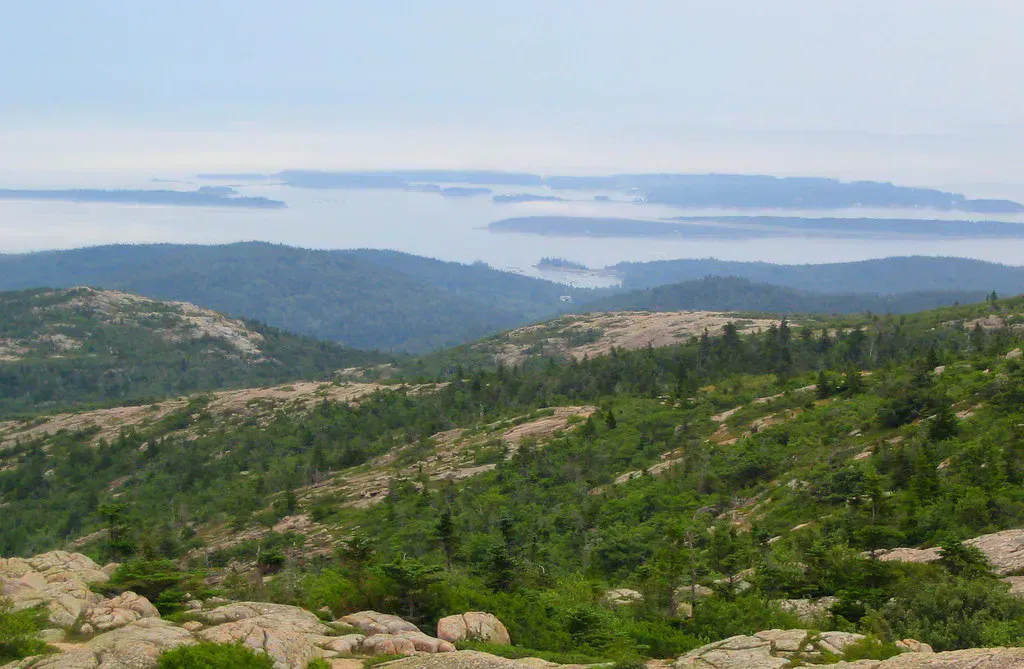
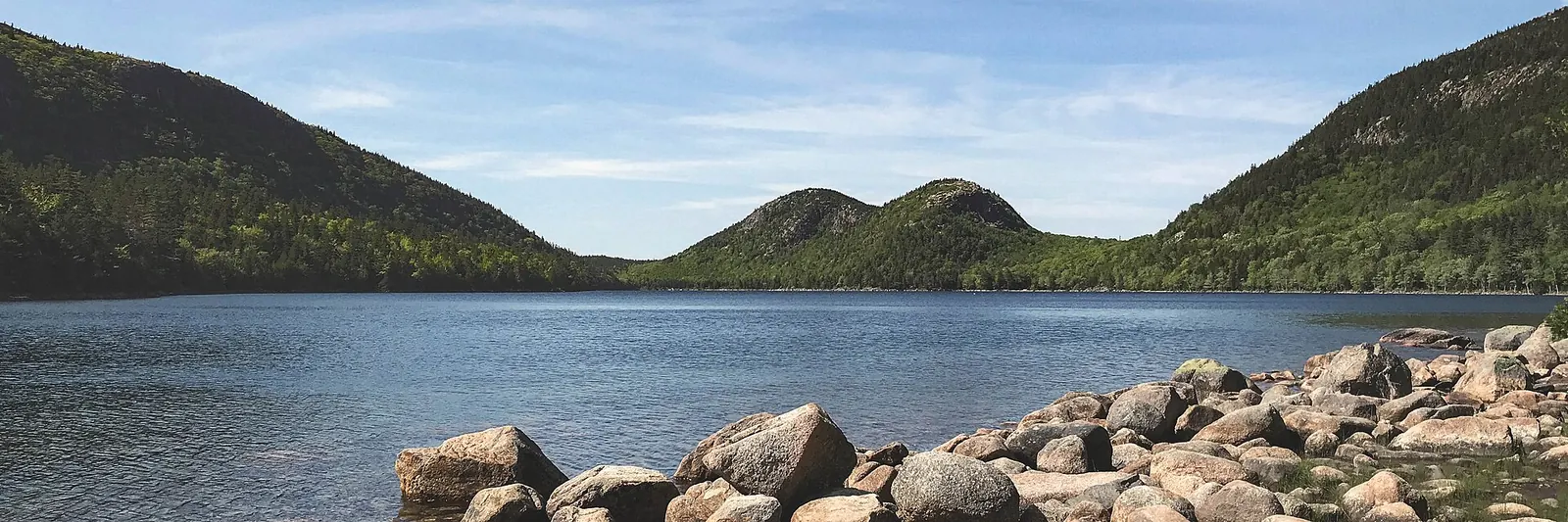
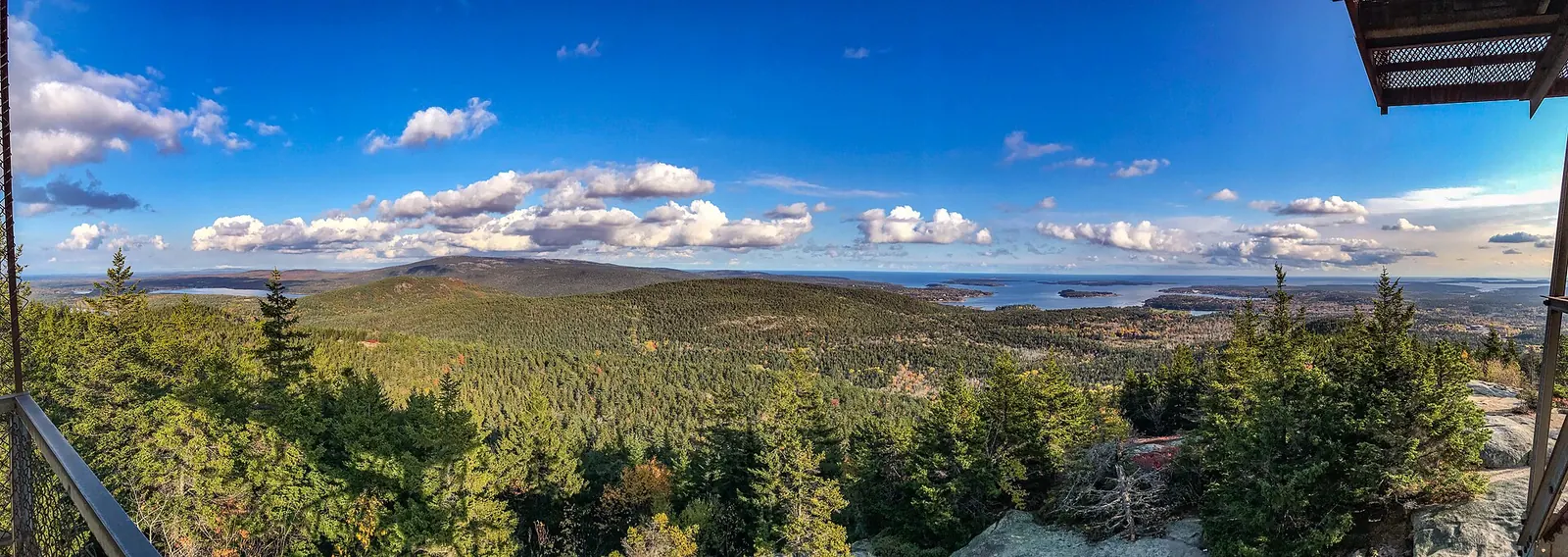
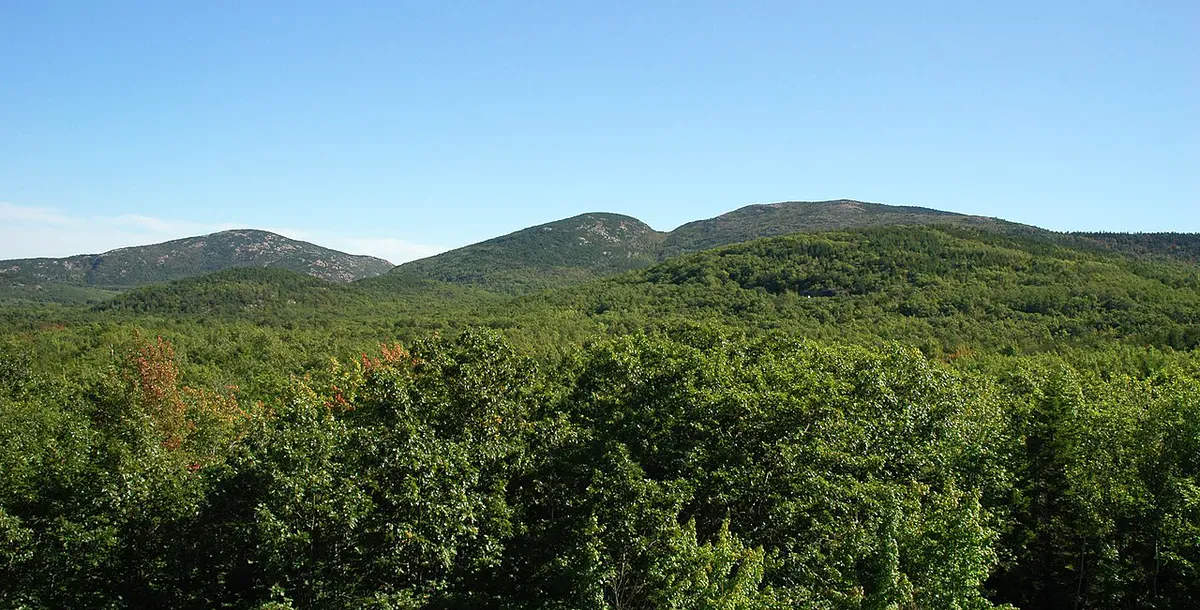
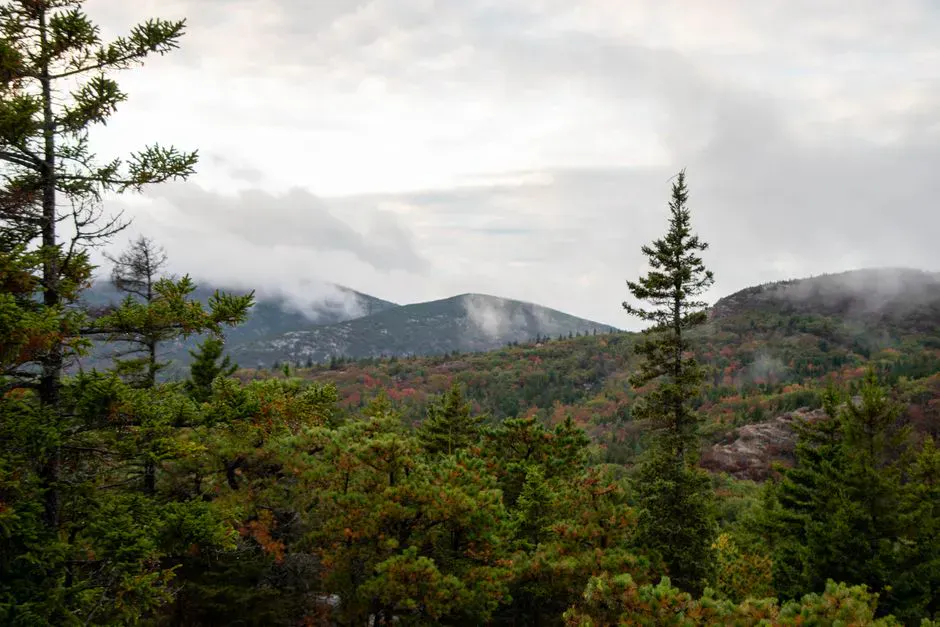
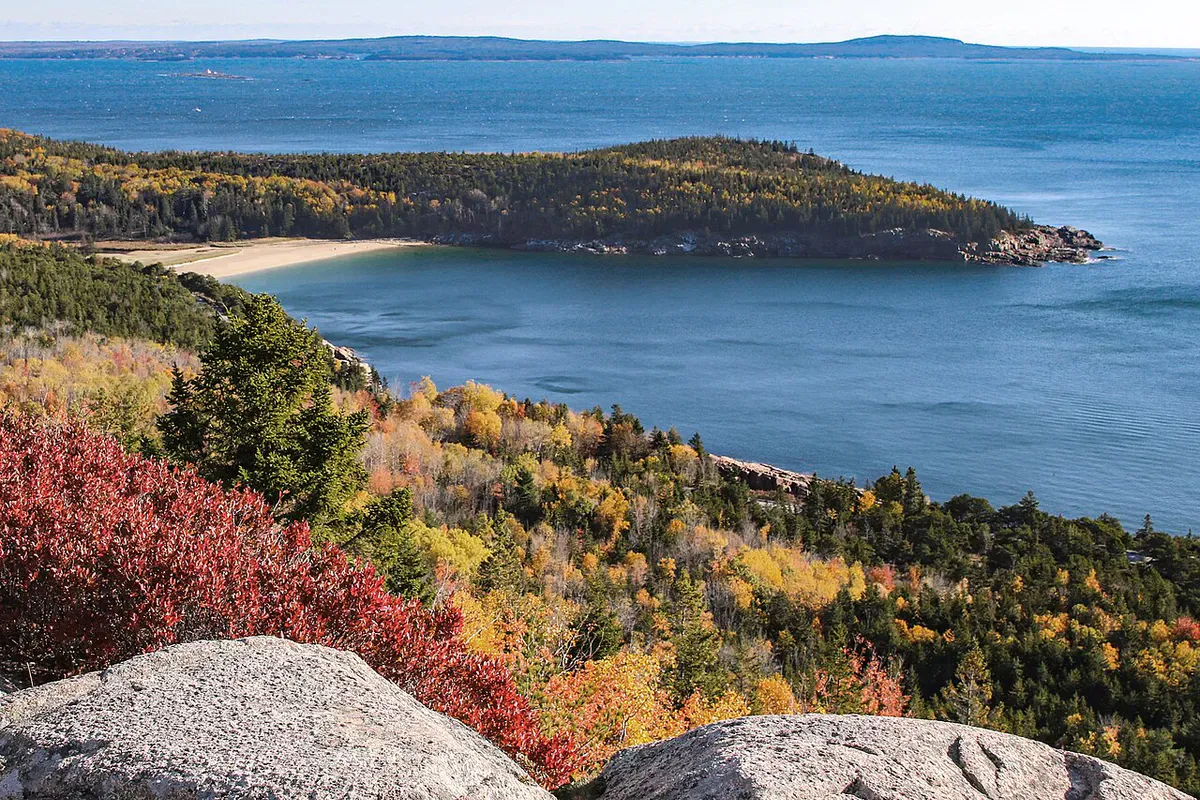
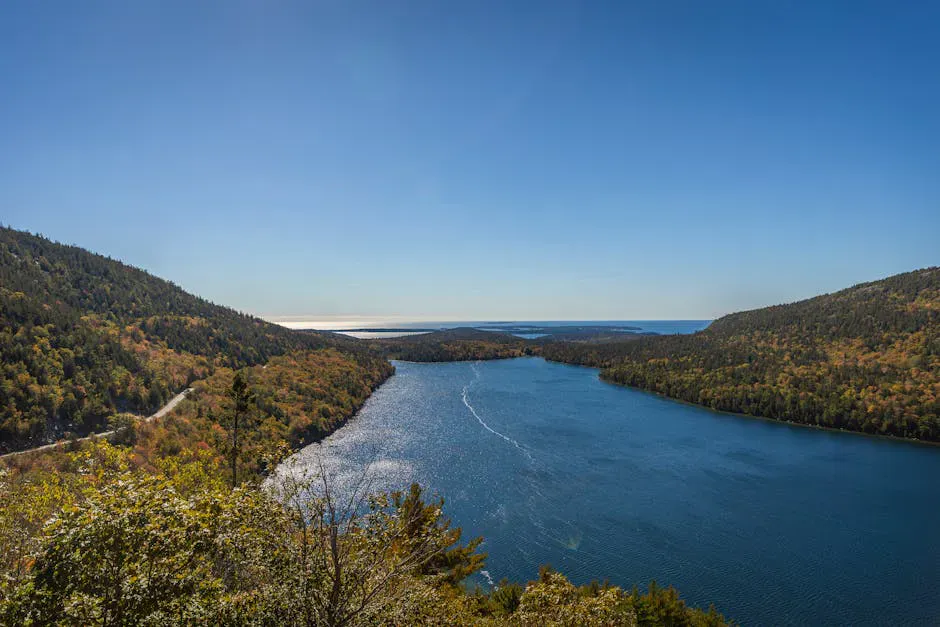
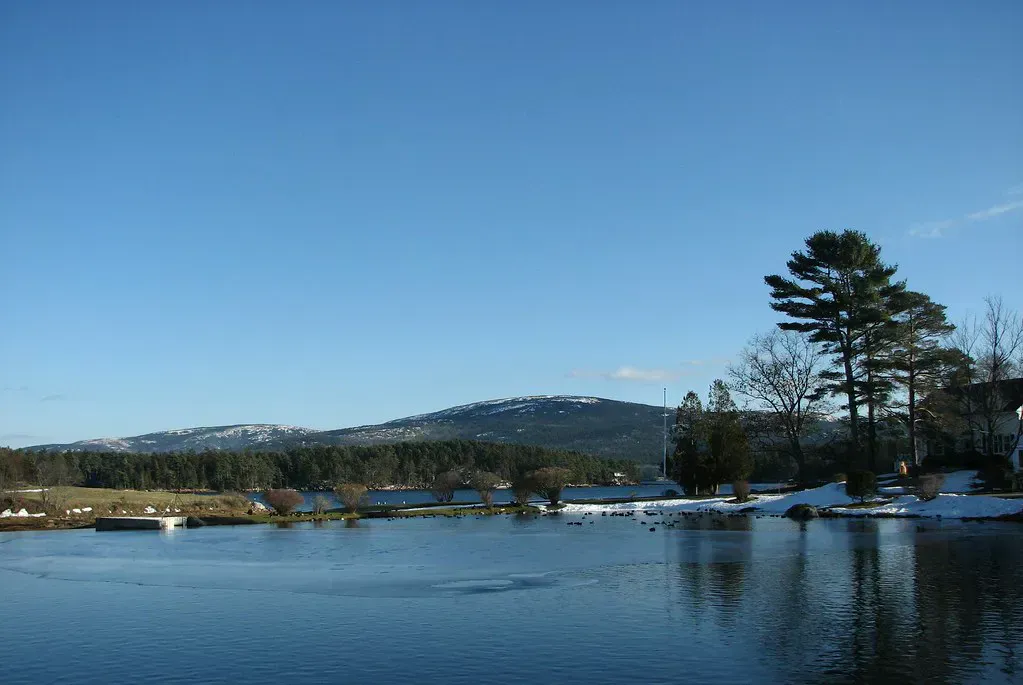
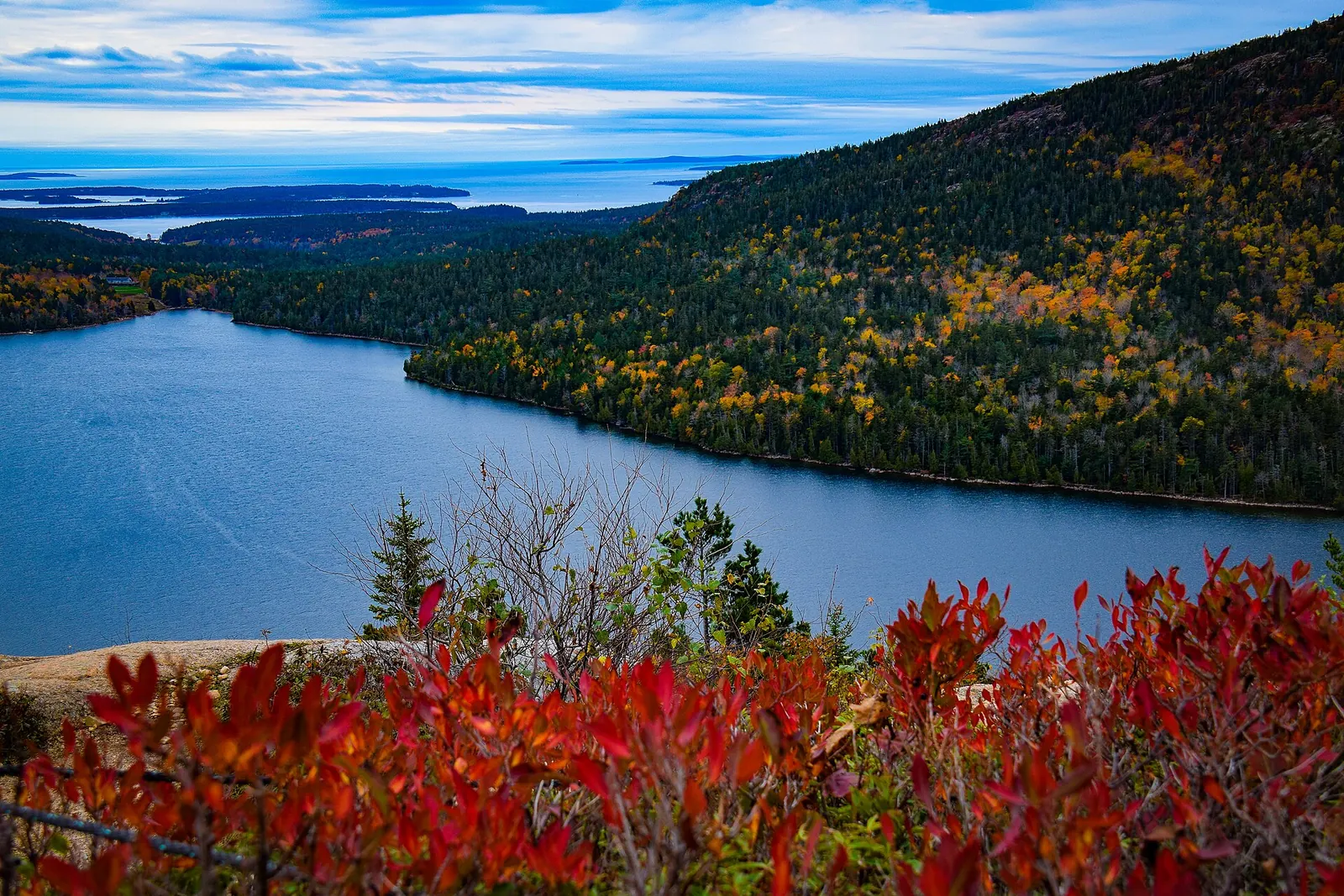
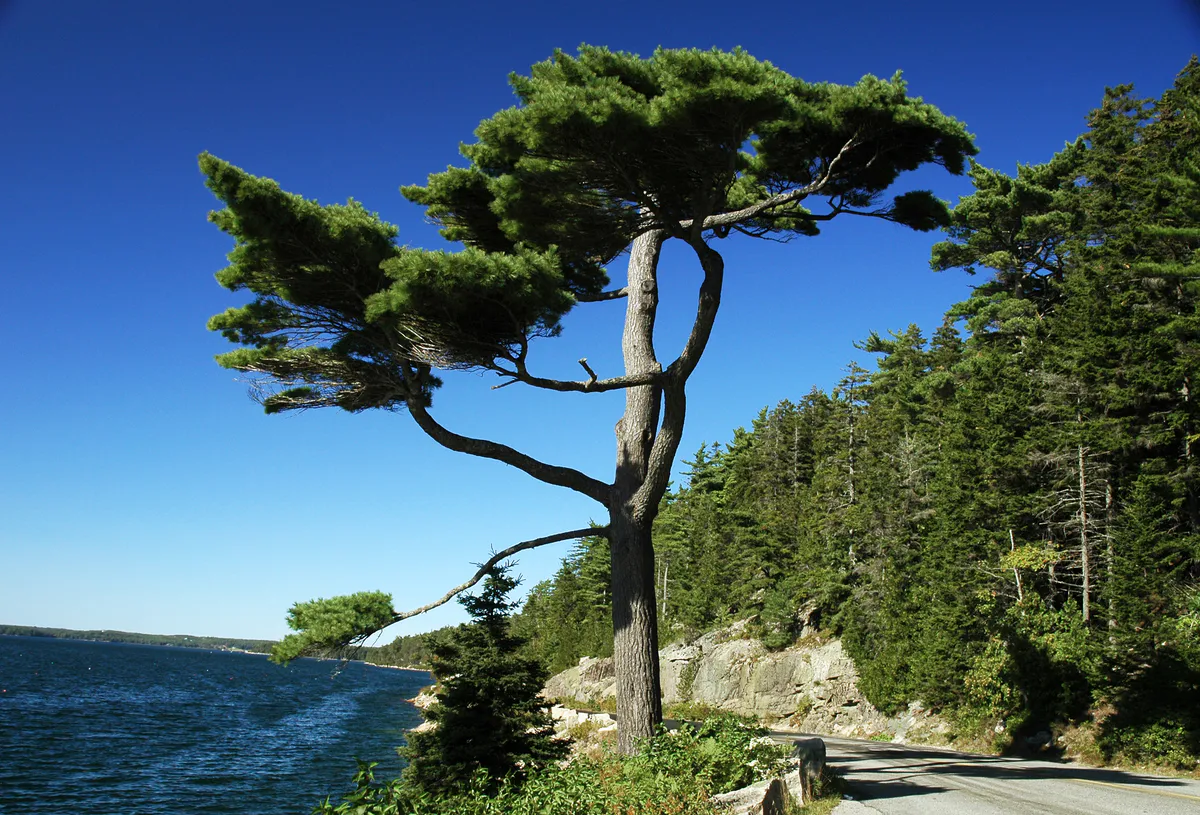
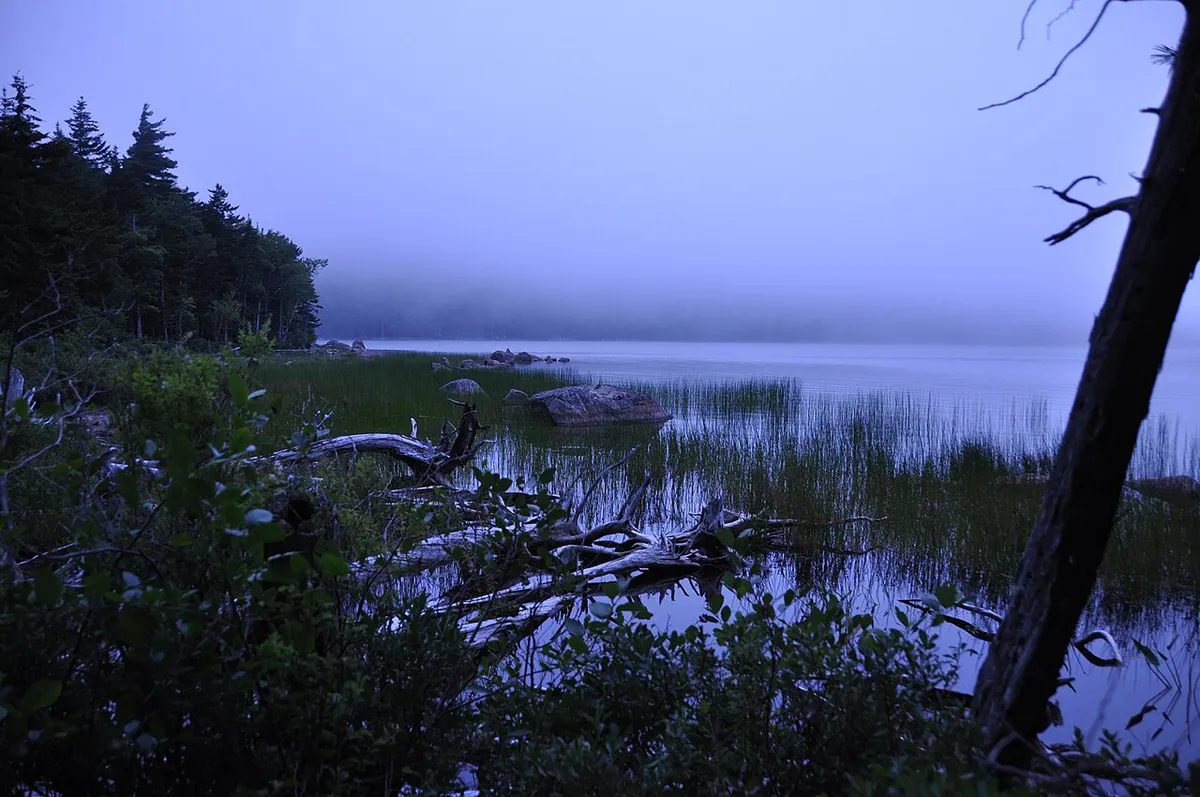
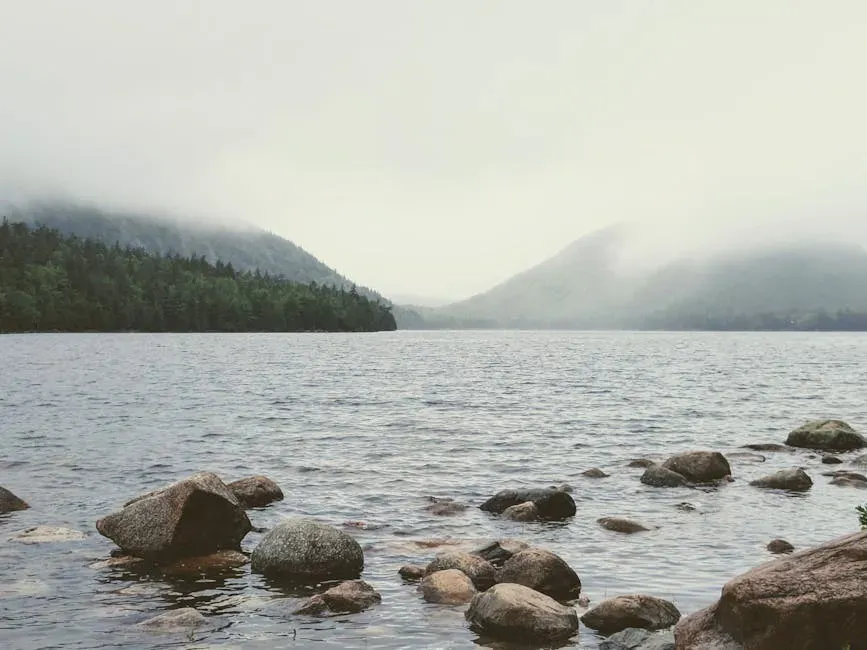
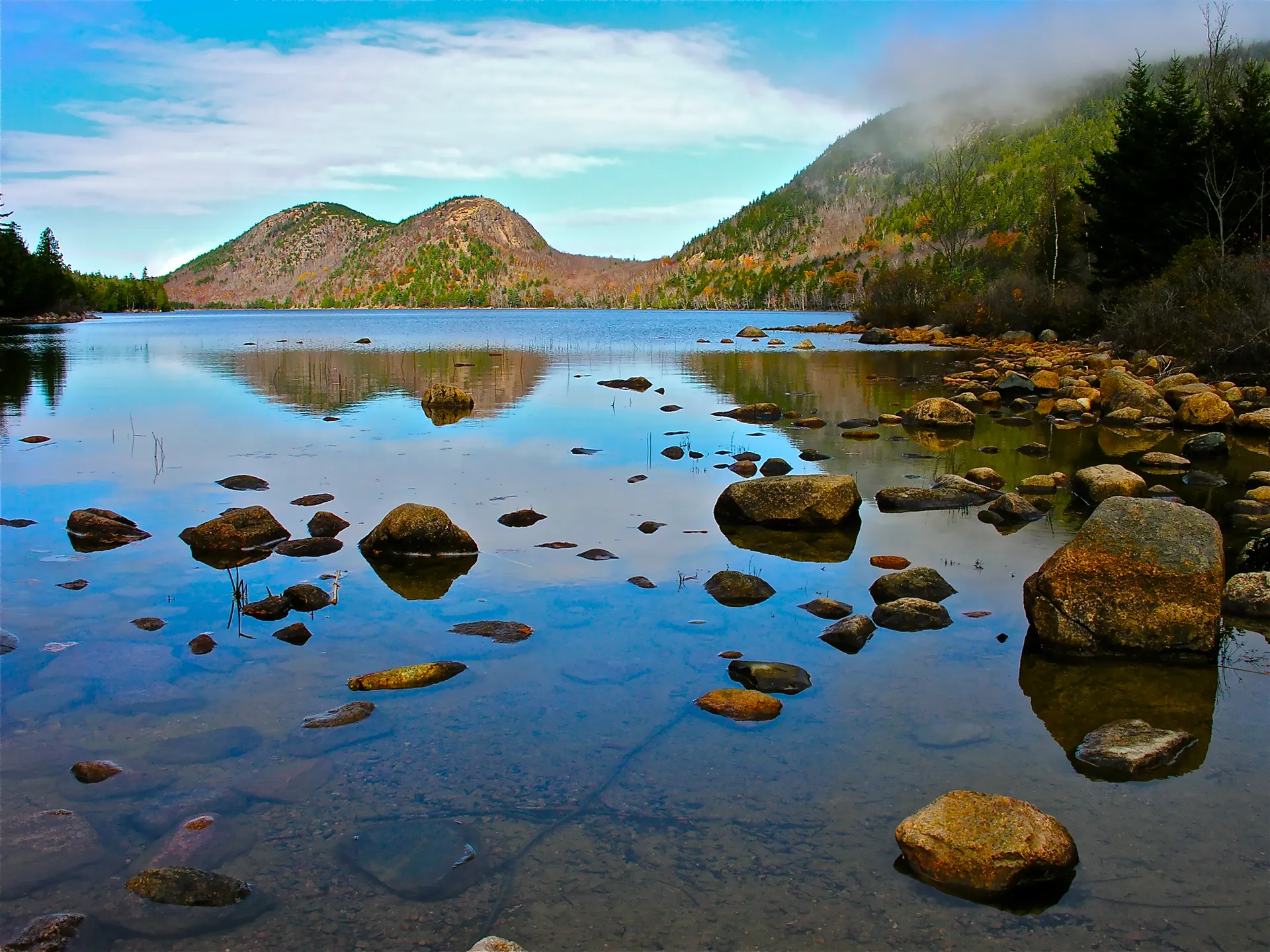
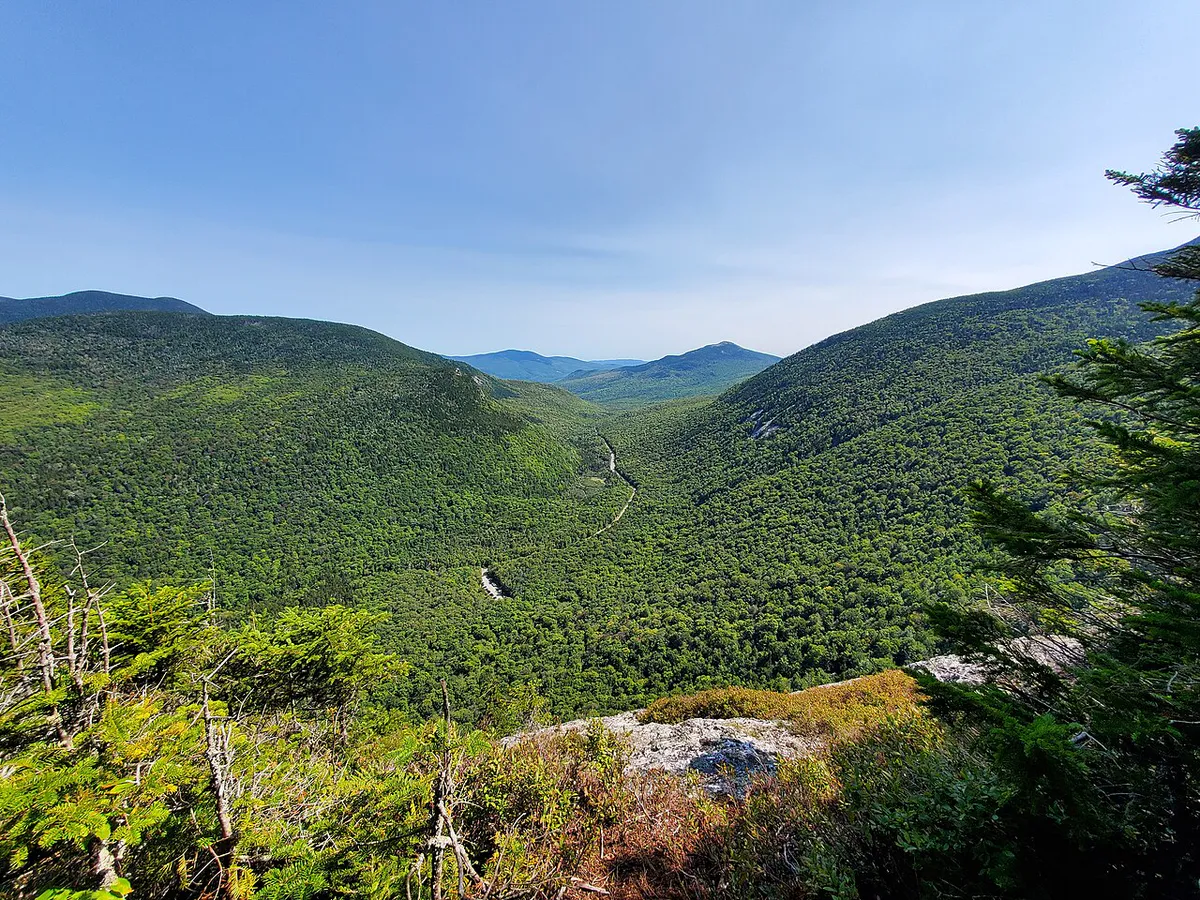
The landscape here was shaped by ice. Glaciers carved Somes Sound, the only fjord-like inlet on the U.S. Atlantic coast, and left behind a chain of pristine ponds, including Jordan Pond, Eagle Lake, and Echo Lake. The mountains are modest by western standards, topping out at 1,530 feet on Cadillac Mountain, but what they lack in elevation they make up for in drama. Nearly every summit offers open views of the ocean, offshore islands, and the Maine coastline stretching in both directions.

A Park Built by Vision
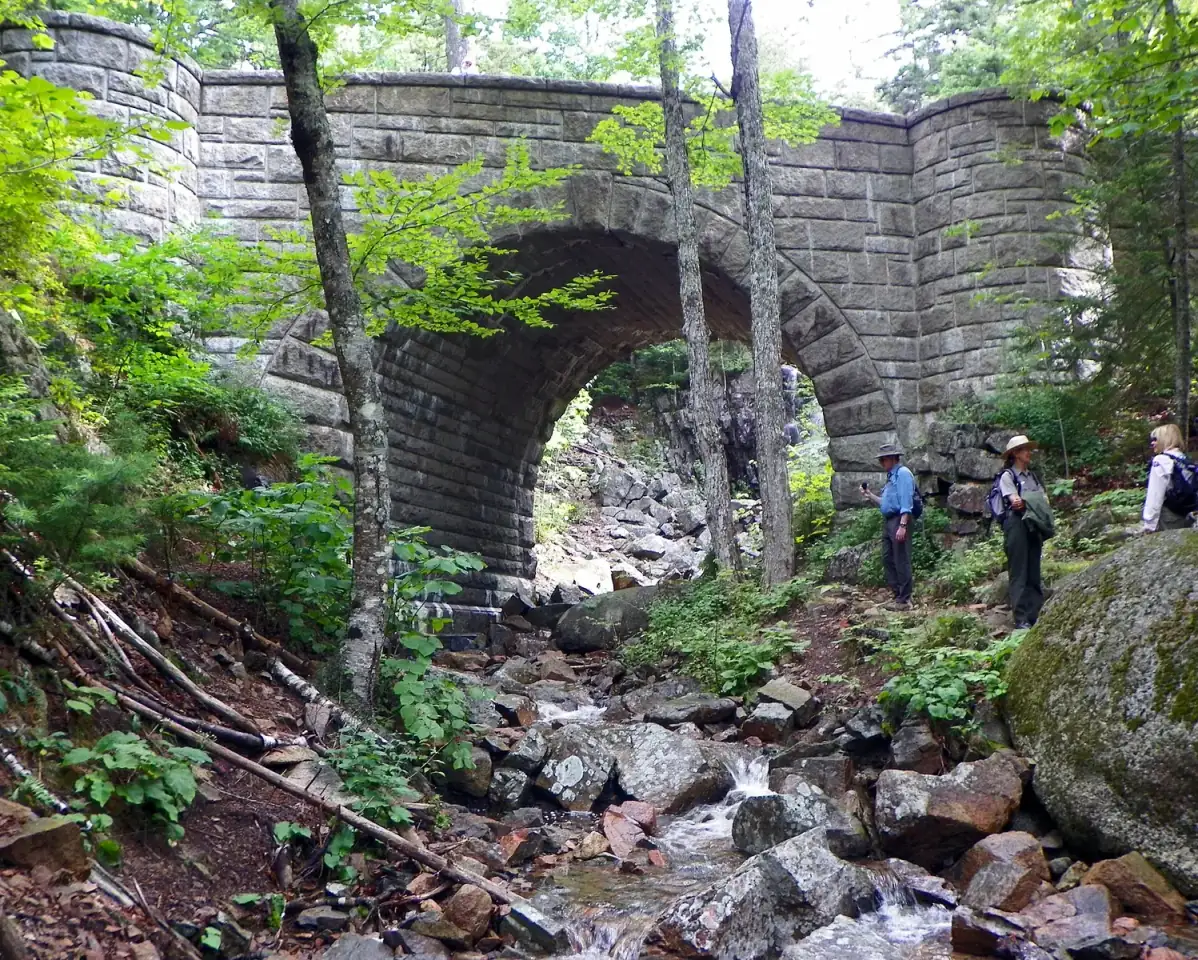
Acadia is the oldest national park east of the Mississippi, established in 1916 thanks to the efforts of George B. Dorr, Charles W. Eliot, and other private citizens who pieced together donated land to create what was then called Sieur de Monts National Monument. John D. Rockefeller Jr. was so taken with the place that he personally funded and designed the 45-mile network of crushed-stone carriage roads and seventeen stone bridges that now serve as the park’s quietest routes for walking and cycling. They are some of the finest examples of broken-stone road construction anywhere in the country, and they exist because one wealthy donor wanted a place to ride horses without dodging cars.
The Wabanaki people lived on Mount Desert Island for thousands of years before any of this. The Abbe Museum in Bar Harbor is the only Smithsonian-affiliated museum in Maine and tells that history far better than any park brochure. Visit it on a rainy day, before or after a hike, to understand the land you are walking through.


What Makes Acadia Different
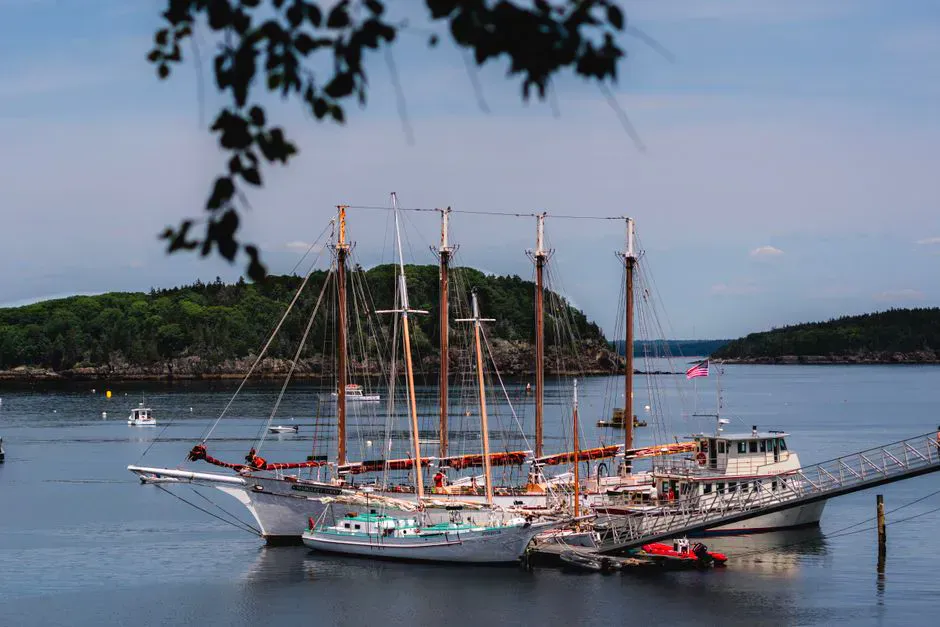
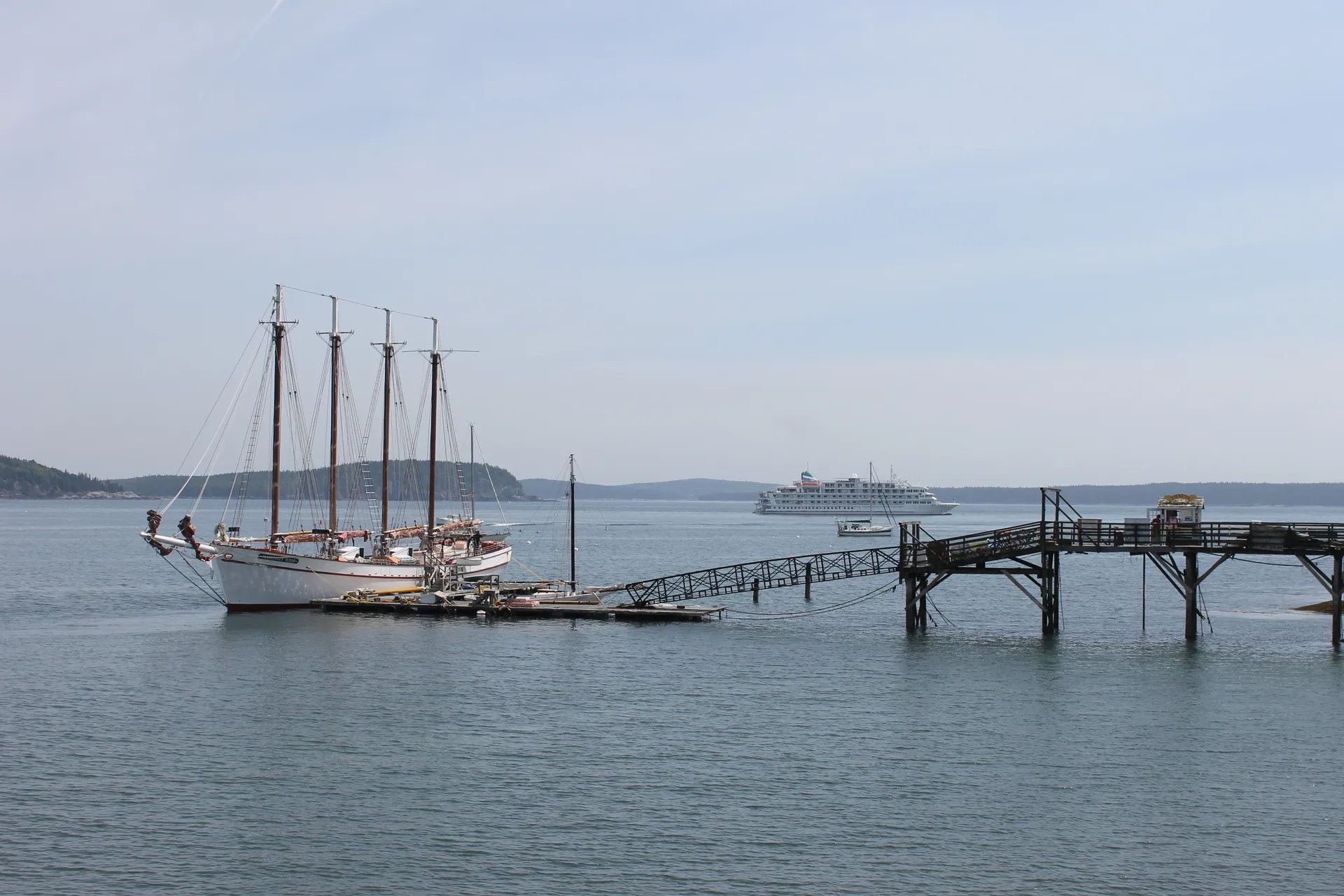
Most national parks are inland, surrounded by buffer land and accessed by long drives between major attractions. Acadia is a coast, an island, a working harbor town, and a wilderness, all stacked on top of each other within a few square miles. You can finish a sunrise hike on Cadillac Mountain, eat breakfast in Bar Harbor, paddle a sea kayak in the harbor, and be on a forested mountain trail by mid-afternoon. The compression is the appeal.
It also means Acadia gets crowded. The combination of small geography, easy road access, and a famous coastline means parking lots fill, popular trails feel busy, and reservations are required for several major experiences. The crowds are real, and ignoring them ruins the trip. Plan around them.
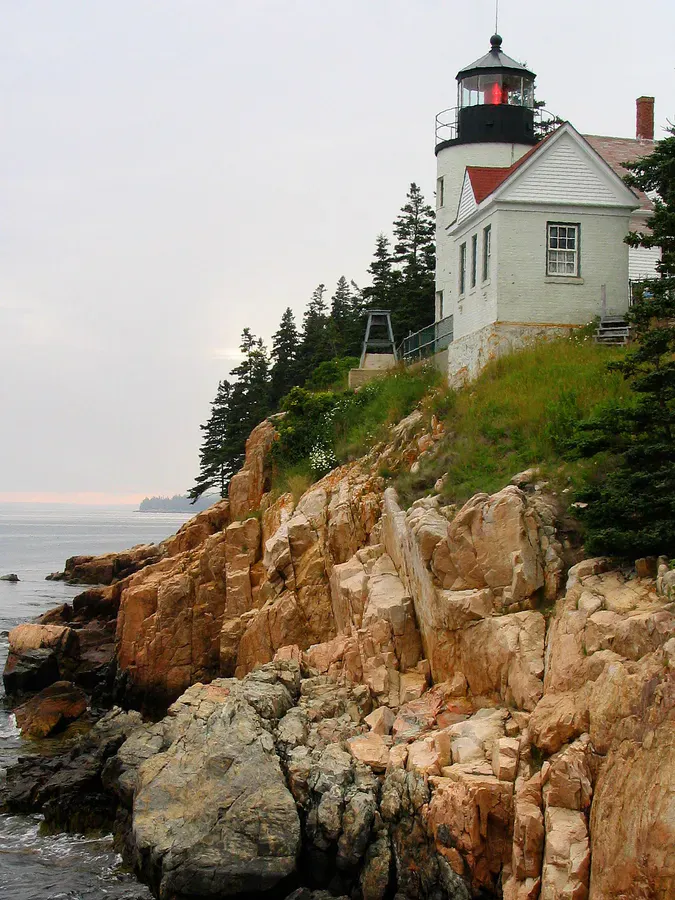
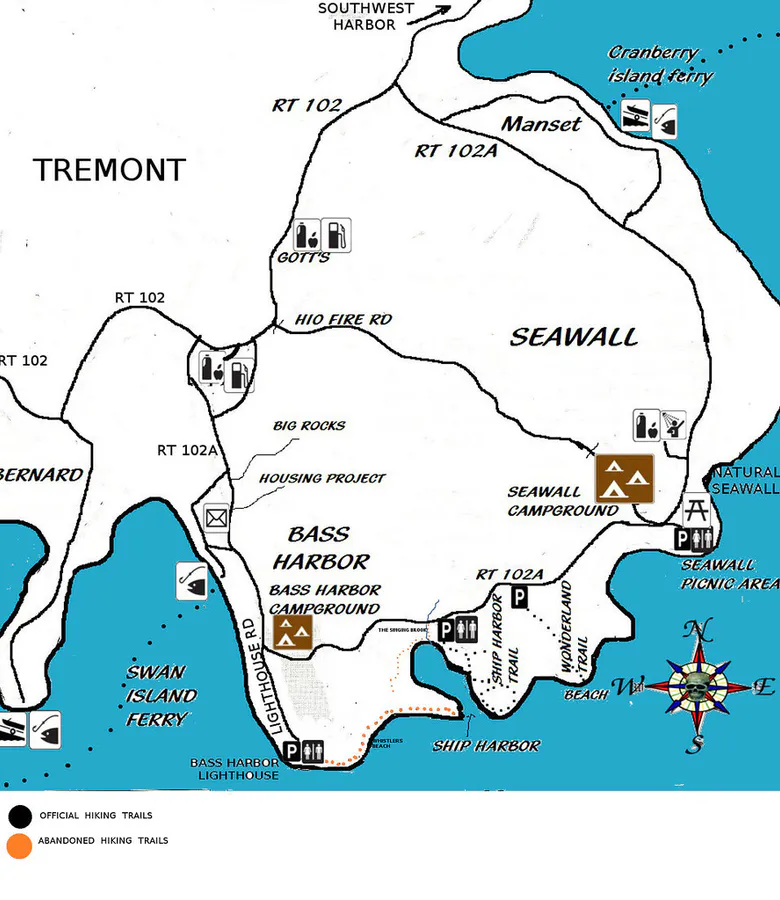
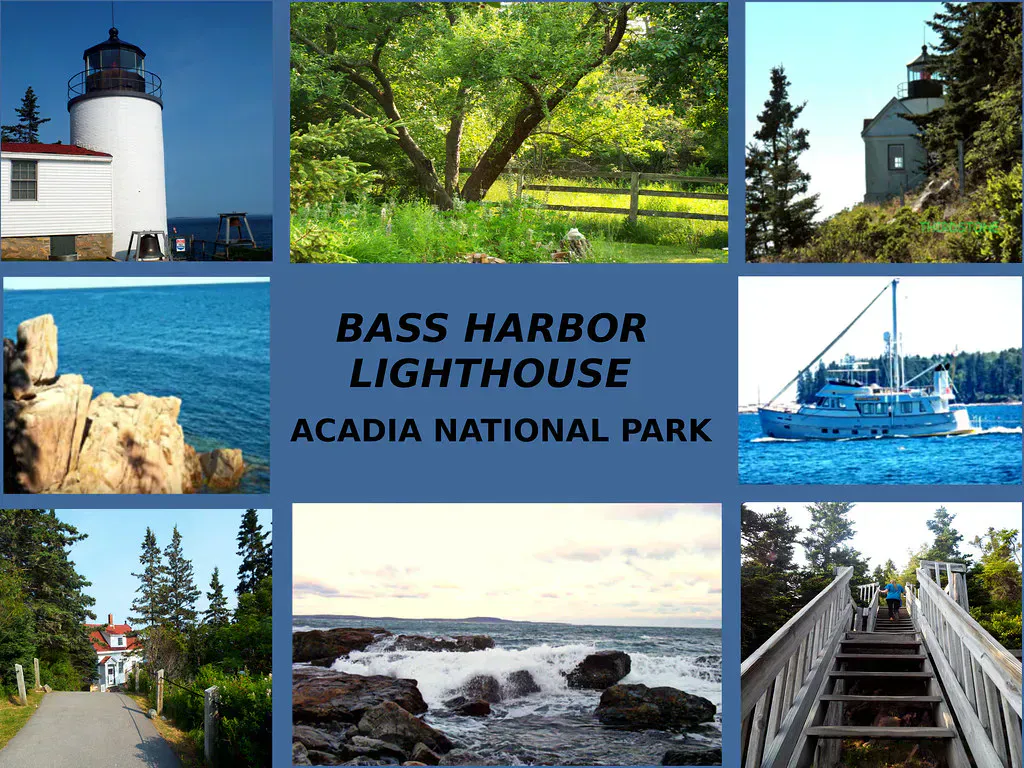
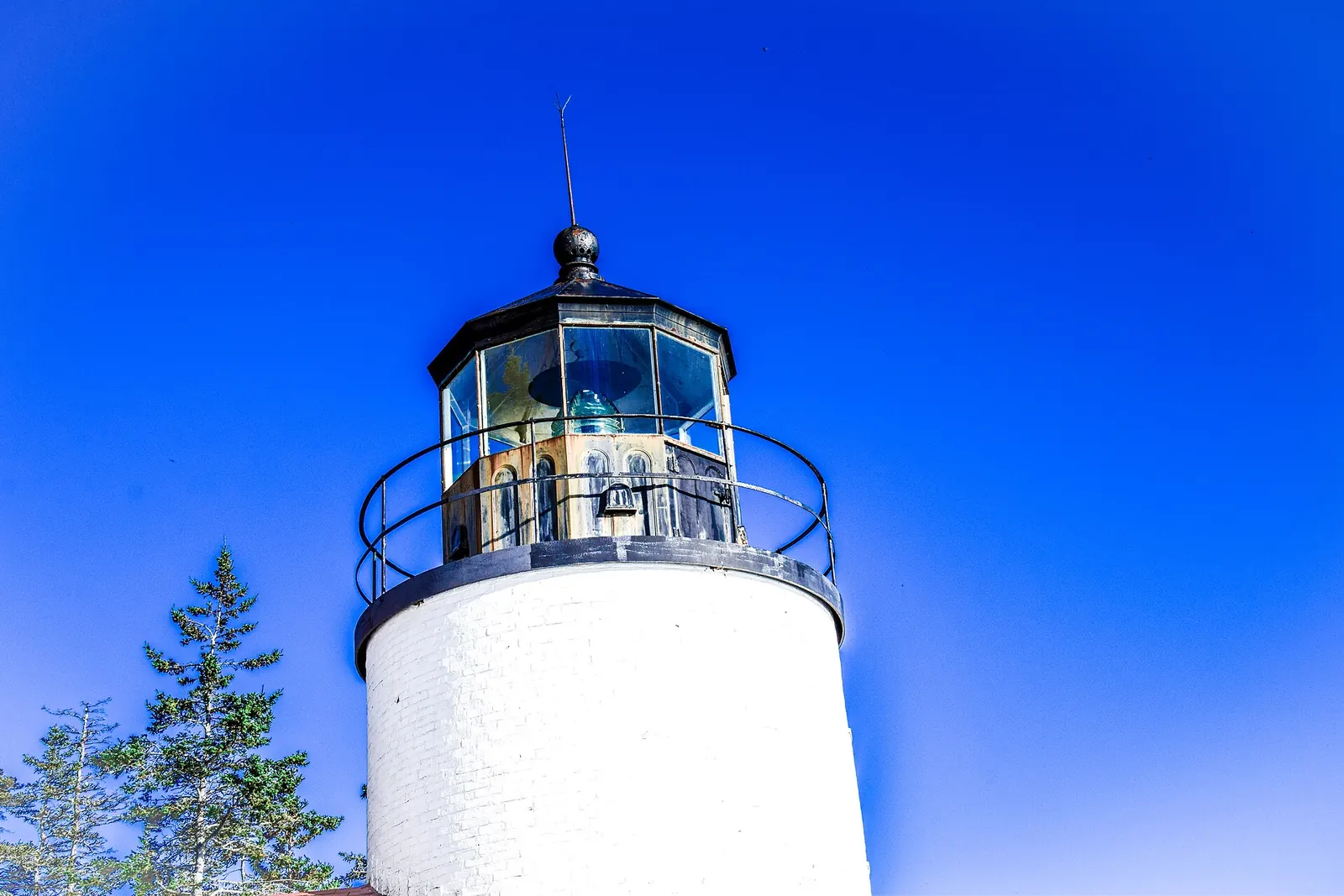
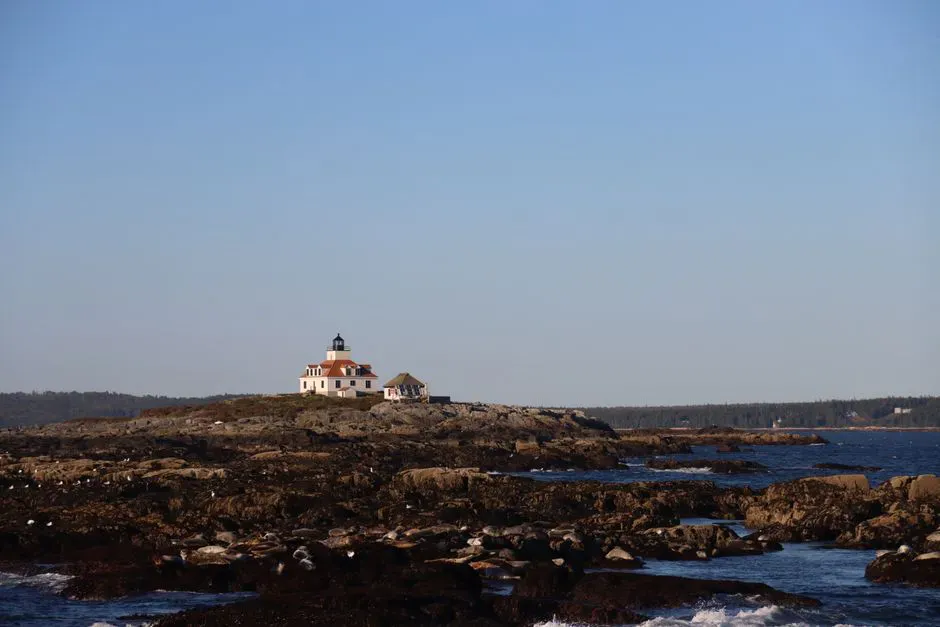
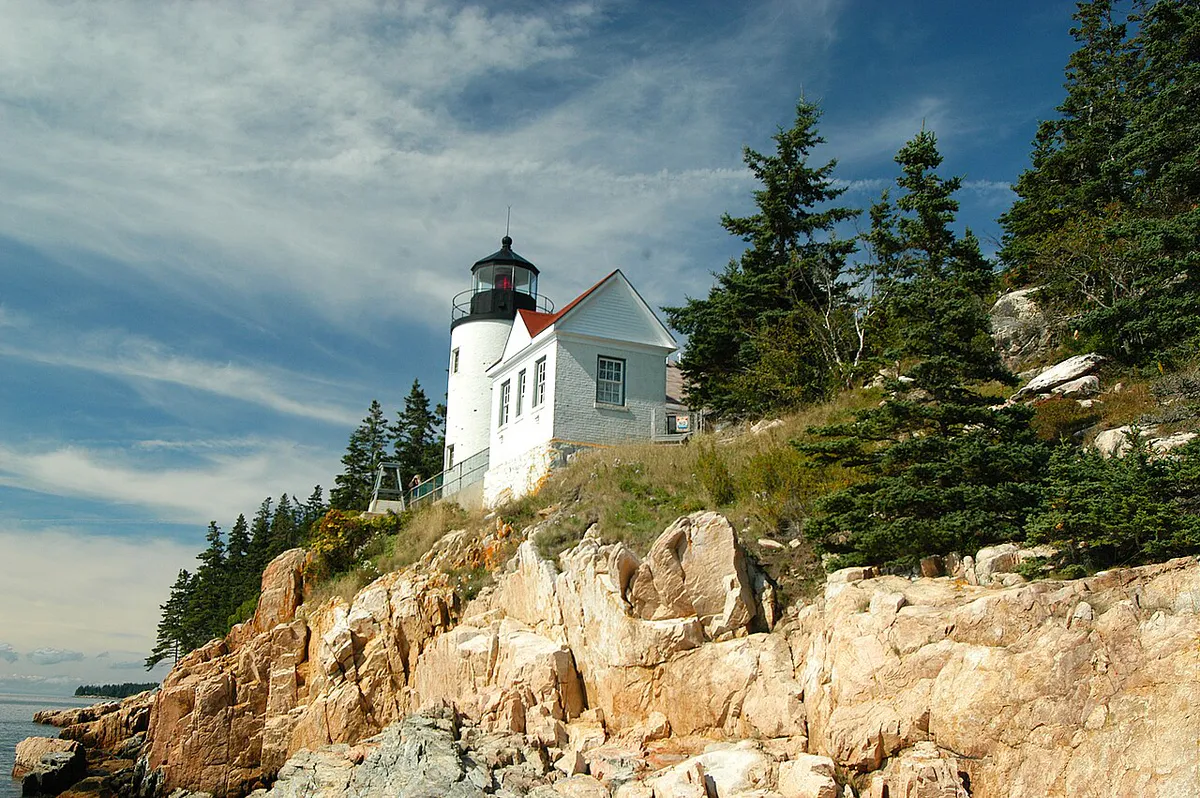
The single biggest mistake first-time visitors make is trying to do Cadillac Mountain on the busy east side at 10 a.m. on a July weekend. Either commit to a sunrise summit (vehicle reservation required, book months ahead) or hike up at first light. If neither works, drive to Bass Harbor Head Light or the Schoodic Peninsula instead. The west side and the mainland section see a fraction of the visitors and are just as good.

When to Visit
Spring
Quiet but muddy. Many trails closed for mud season. Facilities mostly shut.
Summer
Best weather, warmest water. Parking fills by 8 AM. Book Cadillac reservations early.
Fall
Warm days, thin crowds, peak foliage mid-Oct. Locals' favorite season.
Winter
Solitude and cross-country skiing on carriage roads. Park Loop Road closed to vehicles.
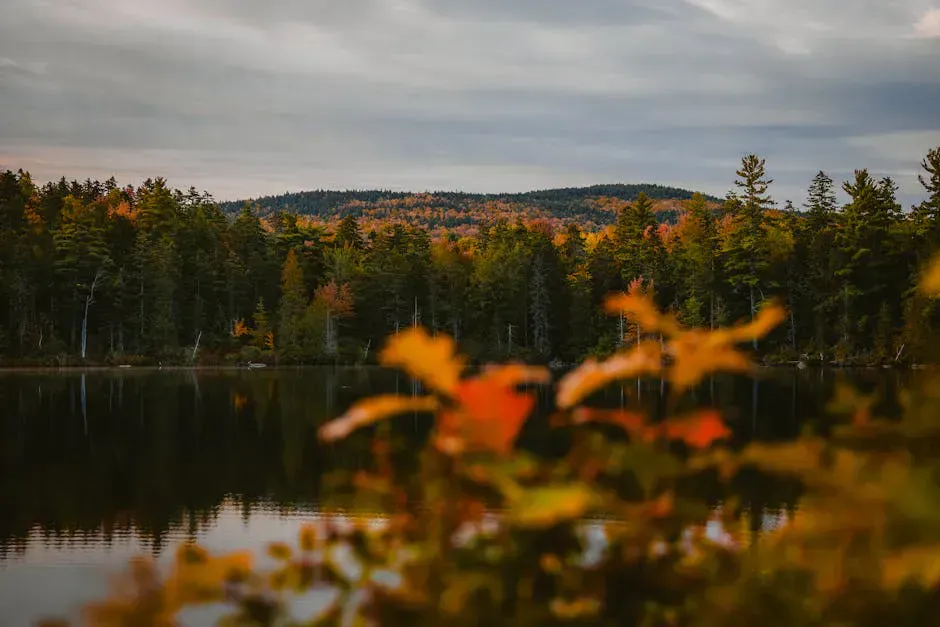
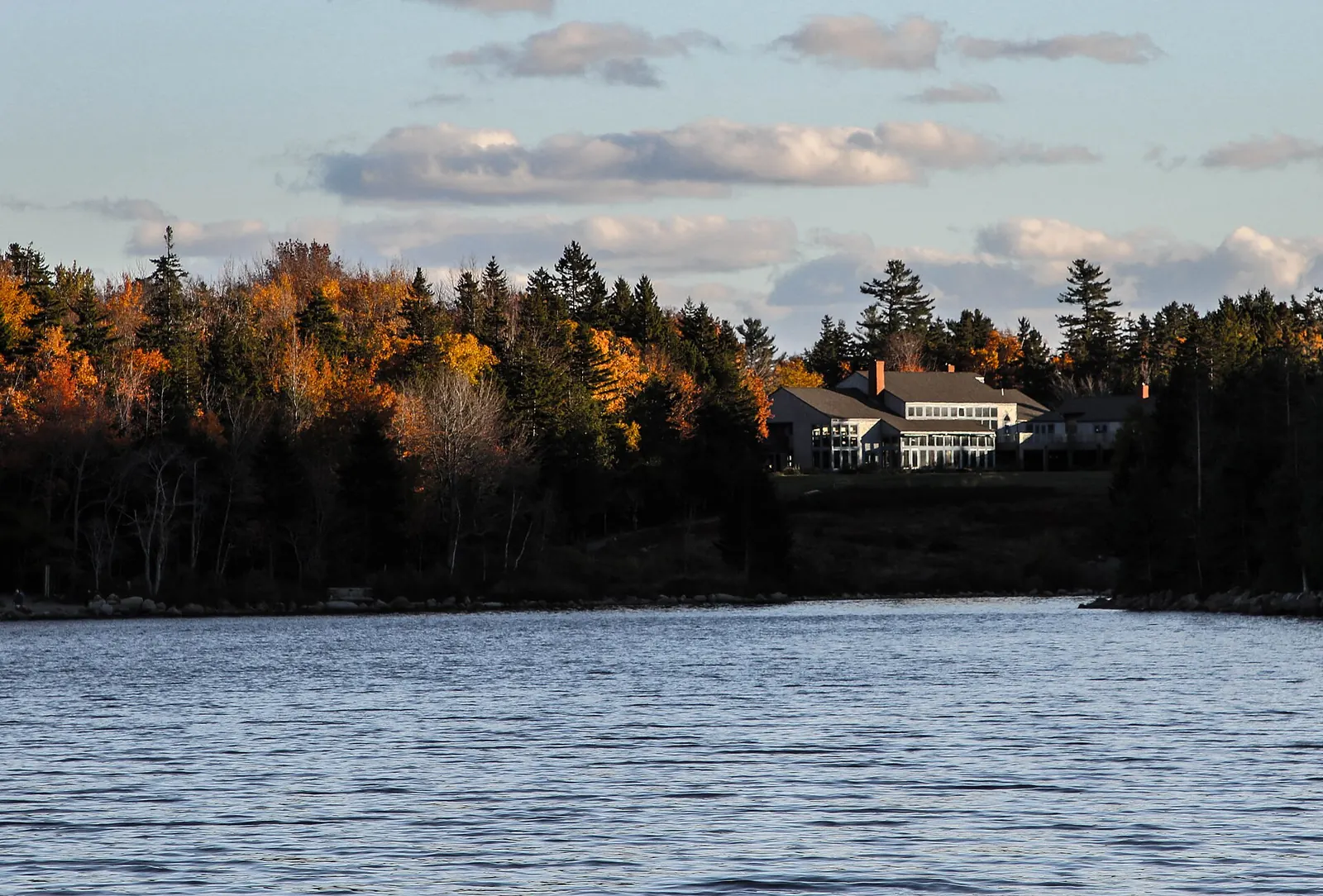
Summer (June through September) brings the best weather, the warmest water, and the biggest crowds. July and August are peak season, and parking at popular trailheads fills by 8 a.m. on weekends. If you can manage it, September and early October are the sweet spot: warm days, thinner crowds, and fall foliage that lights up the hillsides.
Spring (April and May) is quiet but muddy. Many trails close during “mud season” to protect fragile soils. Winter offers solitude and cross-country skiing on the carriage roads, though most facilities shut down and the Park Loop Road closes to vehicles.


The Island Explorer is a free shuttle system that runs throughout Acadia and Bar Harbor from late June through Columbus Day. Eight routes connect trailheads, campgrounds, and the village. Leave your car at the hotel or campground and ride the shuttle to Sand Beach, Jordan Pond, or anywhere on the Park Loop Road. It eliminates the biggest headache in Acadia: parking.
Don’t Miss
Three experiences that define an Acadia trip:
- Jordan Pond House popovers. The restaurant on the shore of Jordan Pond has served warm popovers with butter and jam since the 1890s. The lawn seating with views of the Bubbles is the most iconic lunch spot in the park. Reservations are strongly recommended in summer.
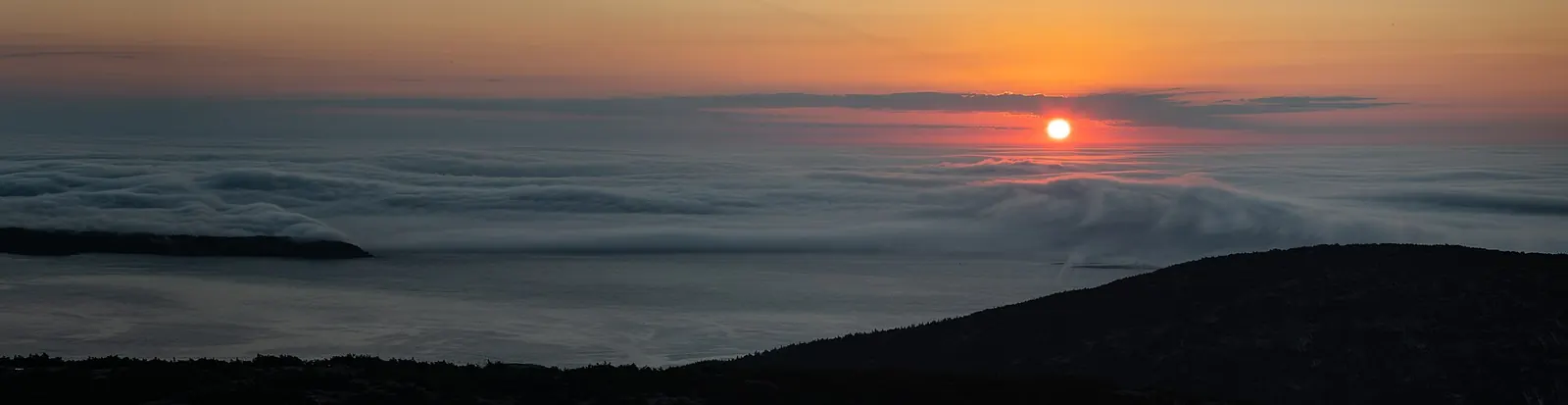
- Sunrise from Cadillac Mountain. Set the alarm. The summit road requires a vehicle reservation (book well in advance for sunrise slots), or hike the South Ridge Trail in the dark with a headlamp. Either way, watching the first light hit the Atlantic from the highest point on the coast is the kind of morning that sticks with you.
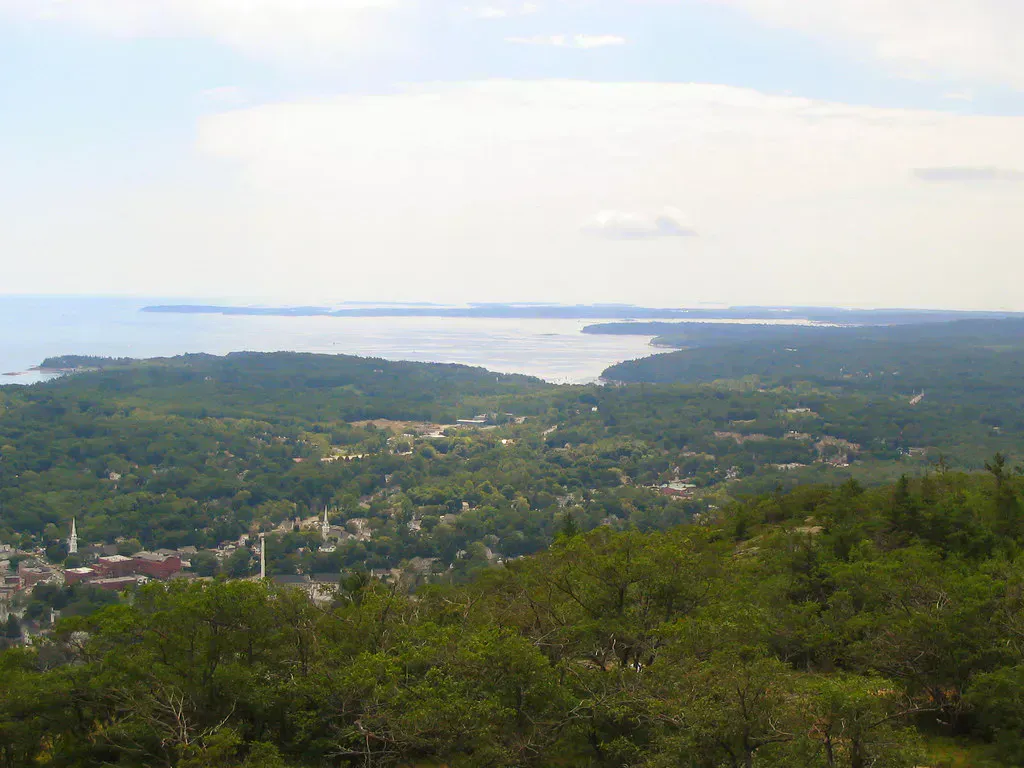
- Bar Island at low tide. A gravel bar connects Bar Harbor to Bar Island for about three hours around low tide. Walk across, hike the short trail to the summit for harbor views, and get back before the water rises. Check the tide chart before you go. People do get stranded.

Trails Beyond Cadillac and the Beehive
The headline hikes get the crowds, but Acadia has well over a hundred miles of trail, and several reward the walk to a quieter trailhead.
- Penobscot Mountain climbs from the Jordan Pond parking area up open granite slabs to a 1,194-foot summit, a moderate 3.2-mile loop. It asks more of your legs than Cadillac with none of the exposure of the cliff routes, and the top looks straight down on Jordan Pond and the Bubbles. Strong hikers can add the ridge to Sargent Mountain, the park’s second-highest peak.
Hiking with kids? Our kid-friendly hikes in Acadia guide sorts the gentle trails from the ones to save for later.
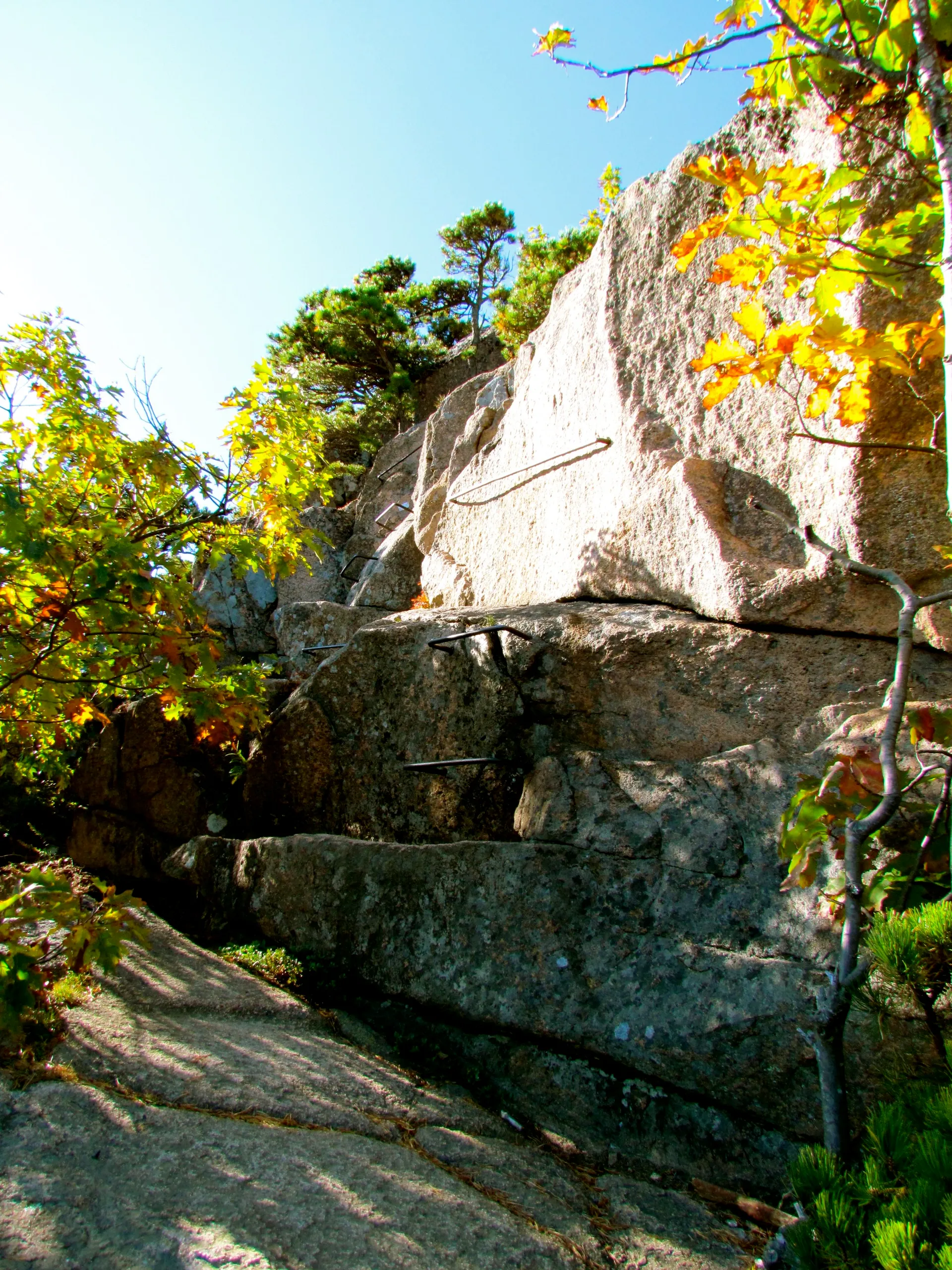
- Jordan Cliffs Trail is the harder neighbor: 3 miles of iron rungs, ladders, and exposed ledge traverses along the east side of Jordan Pond. It closes from mid-March to mid-August for peregrine falcon nesting, so it is a late-summer and fall hike only.
- The Precipice on Champlain Mountain is the park’s most extreme iron-rung climb, a 1.6-mile route straight up a near-vertical east face. It is rated expert and also closes for falcon nesting, usually reopening in late August. Skip it if heights unsettle you.
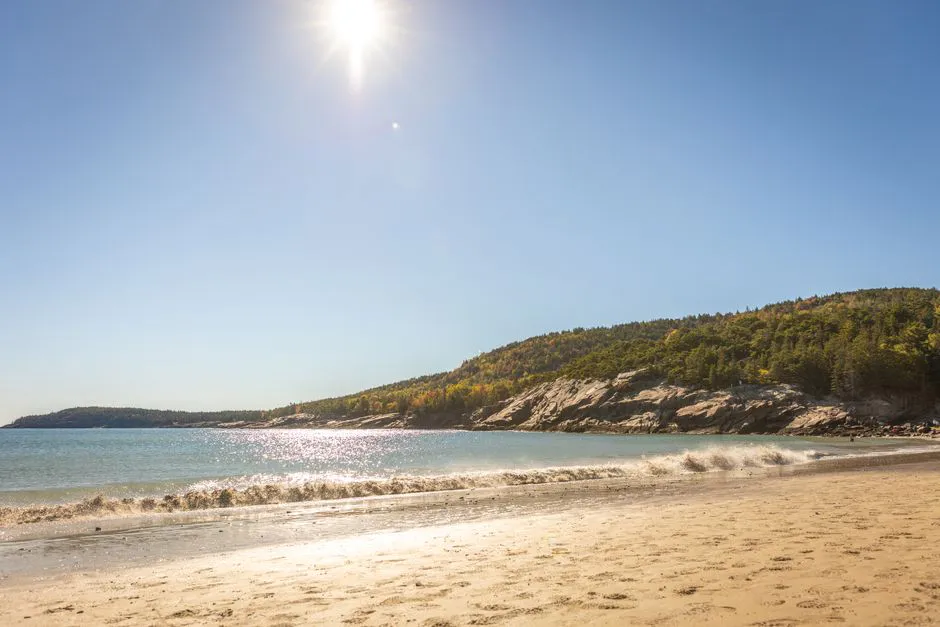
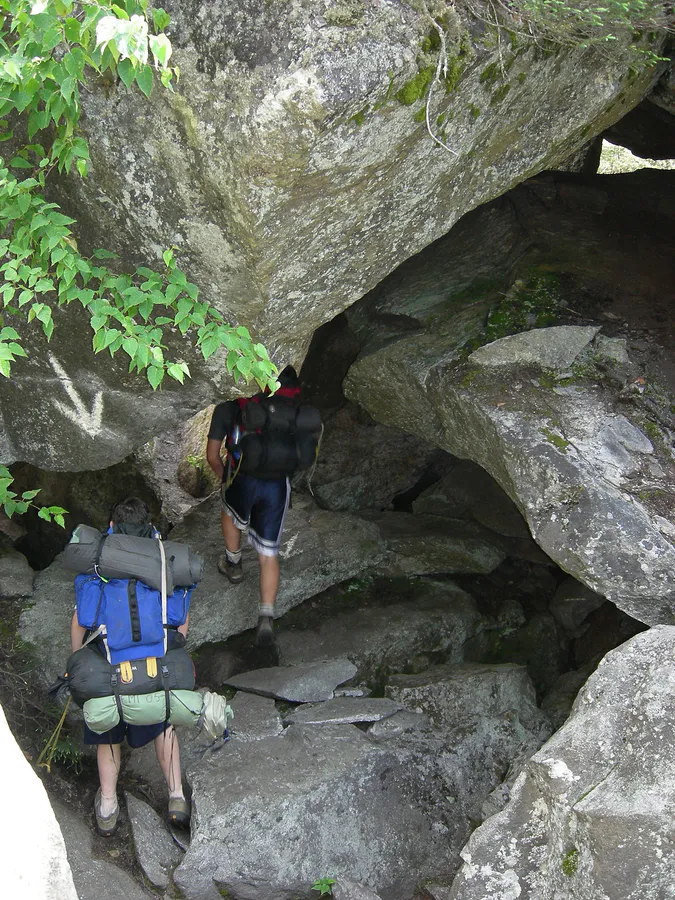
- Gorham Mountain is the gentler counterpart near Sand Beach: a moderate 3.5-mile round trip to a 525-foot summit with open ocean views most of the way, plus an optional cave scramble on the Cadillac Cliffs side trail.
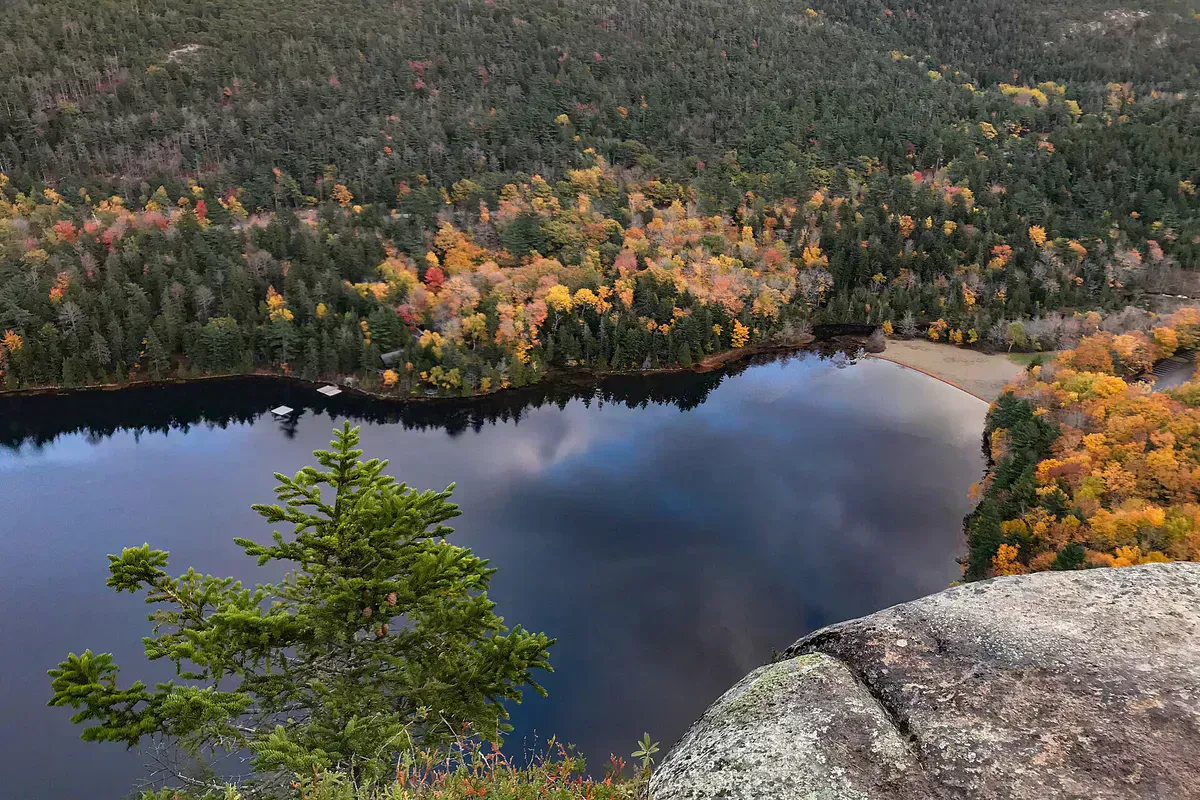
On the quieter west side of the island, Acadia Mountain near Southwest Harbor is a 2.5-mile loop with views down Somes Sound, and the short Beech Cliff Trail climbs a ladder route to a clifftop overlook of Echo Lake. Both see a fraction of the east-side traffic.
Ponds for Swimming and Quiet Water
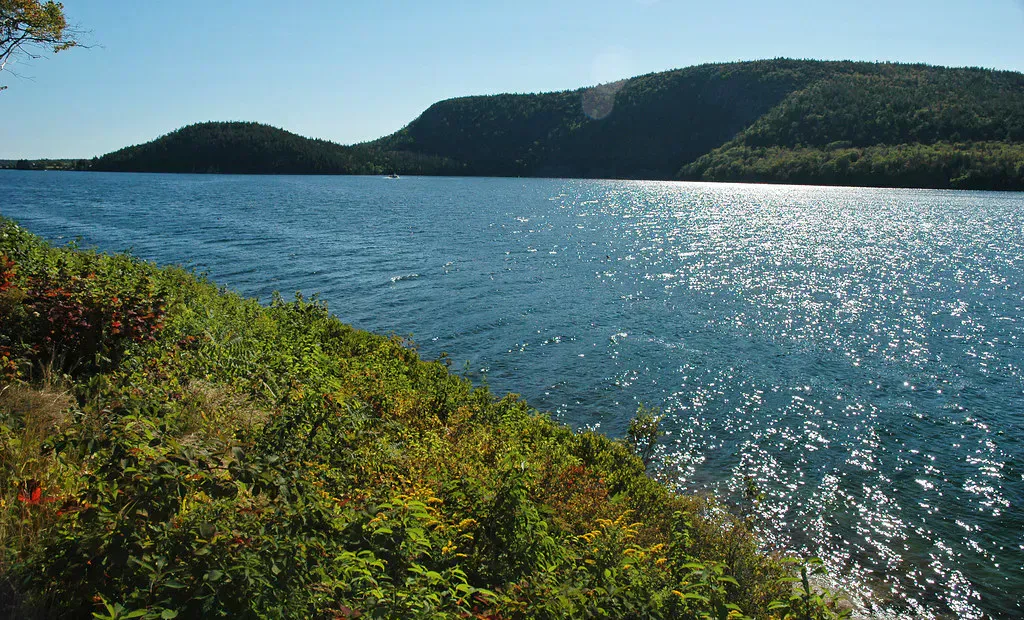
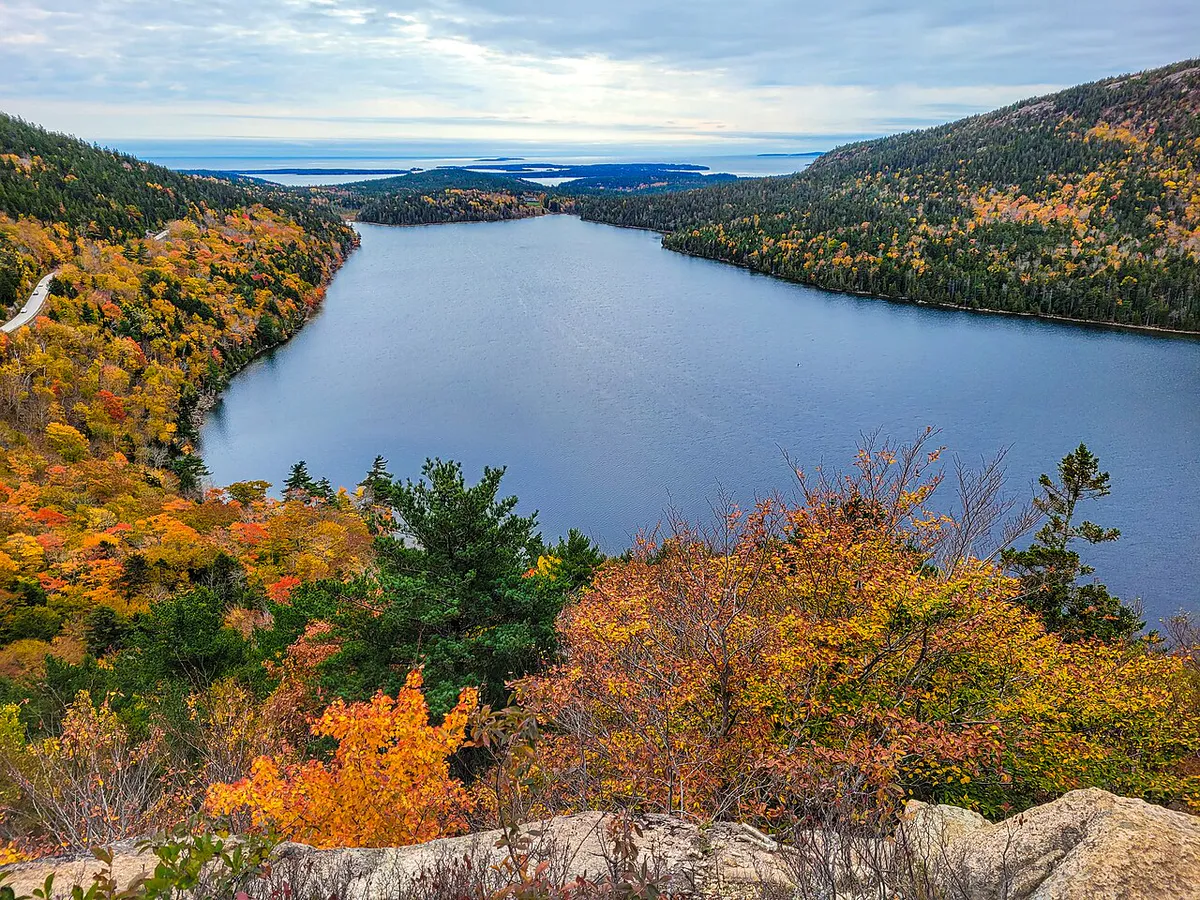
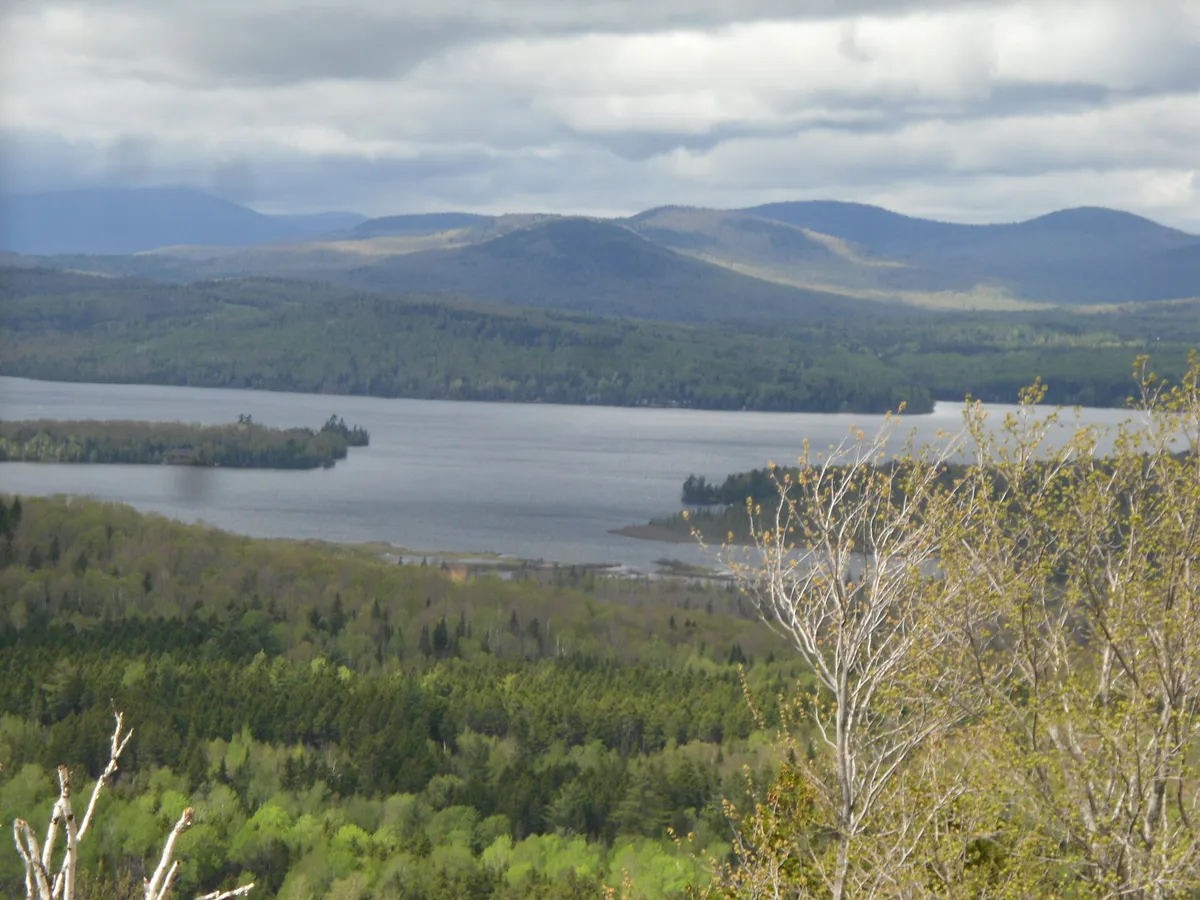
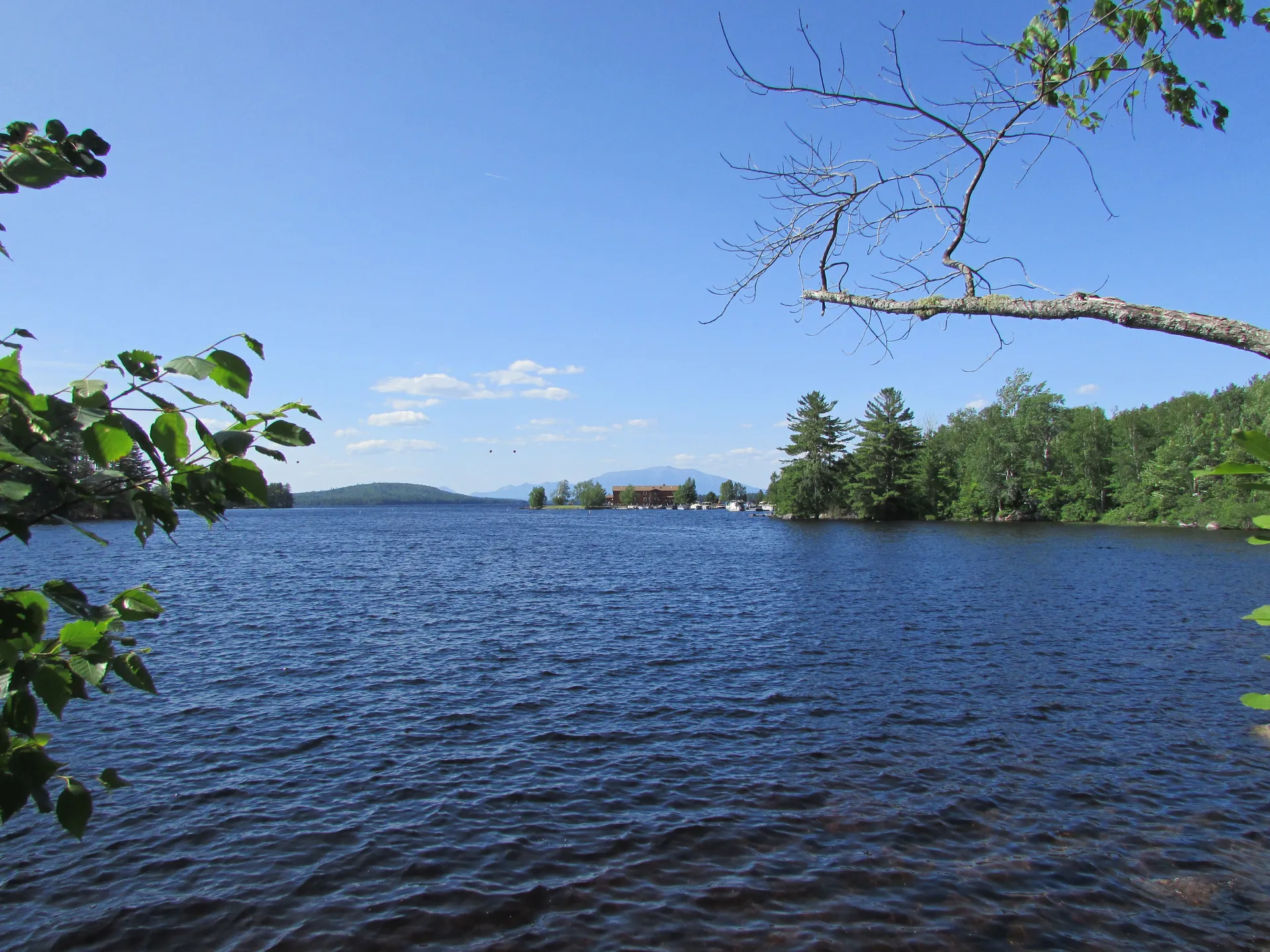
Acadia’s fresh water is as much a draw as its peaks. Echo Lake on the west side has a sandy swimming beach with lifeguards from mid-May through mid-September, and its 237 acres warm up far more than the ocean ever does. Large motorboats are not allowed, so it stays calm. Jordan Pond is the one to look at rather than swim in: 150 feet deep and glass-clear, framed by the Bubbles, with a flat path circling the shore and the Jordan Pond House popovers at the north end. Just outside the park in Ellsworth, Branch Lake covers nearly 3,000 acres of exceptionally clean water backed by a public forest. Every boat must pass a free invasive-species inspection before it can launch.
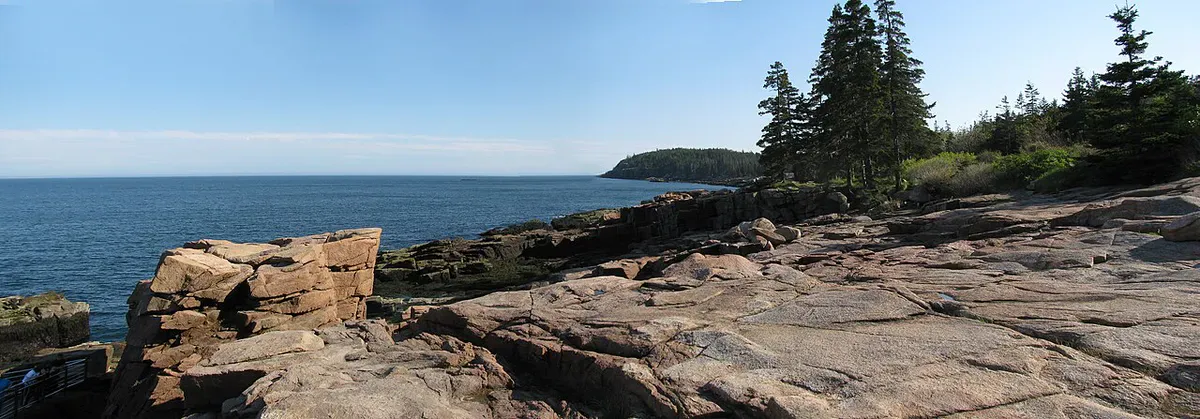
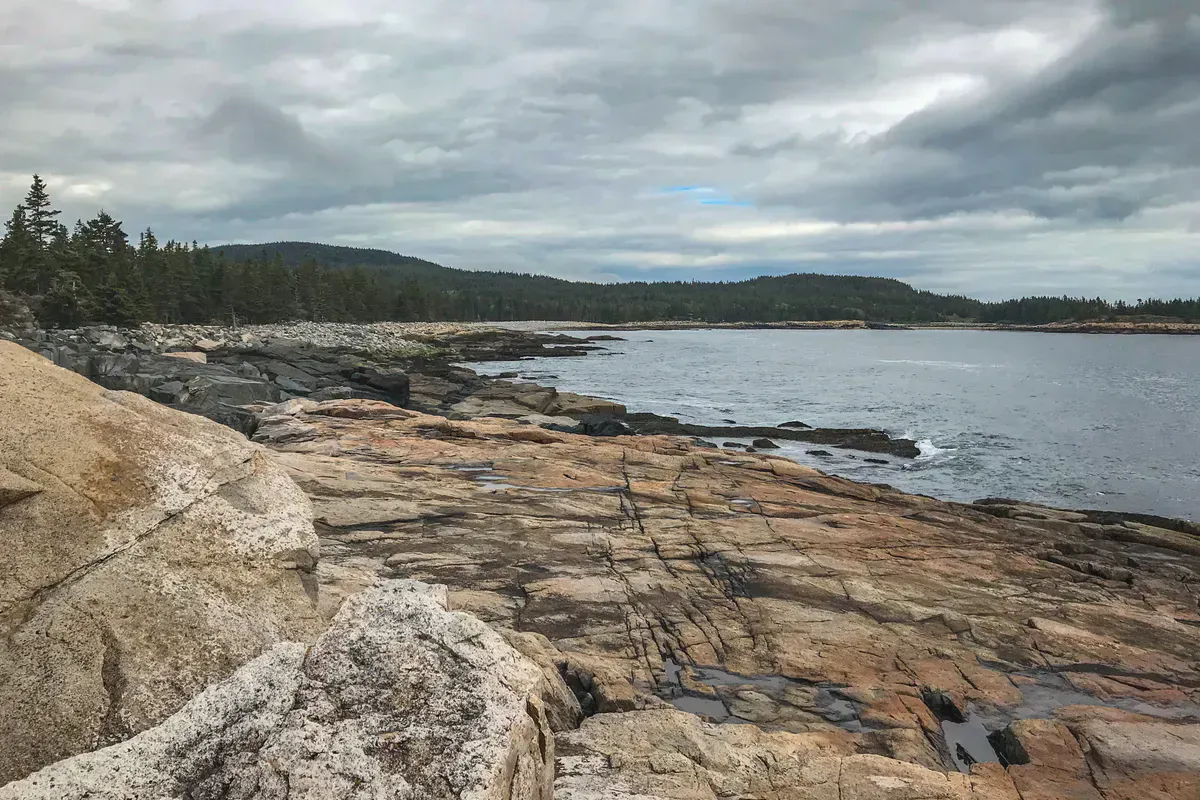
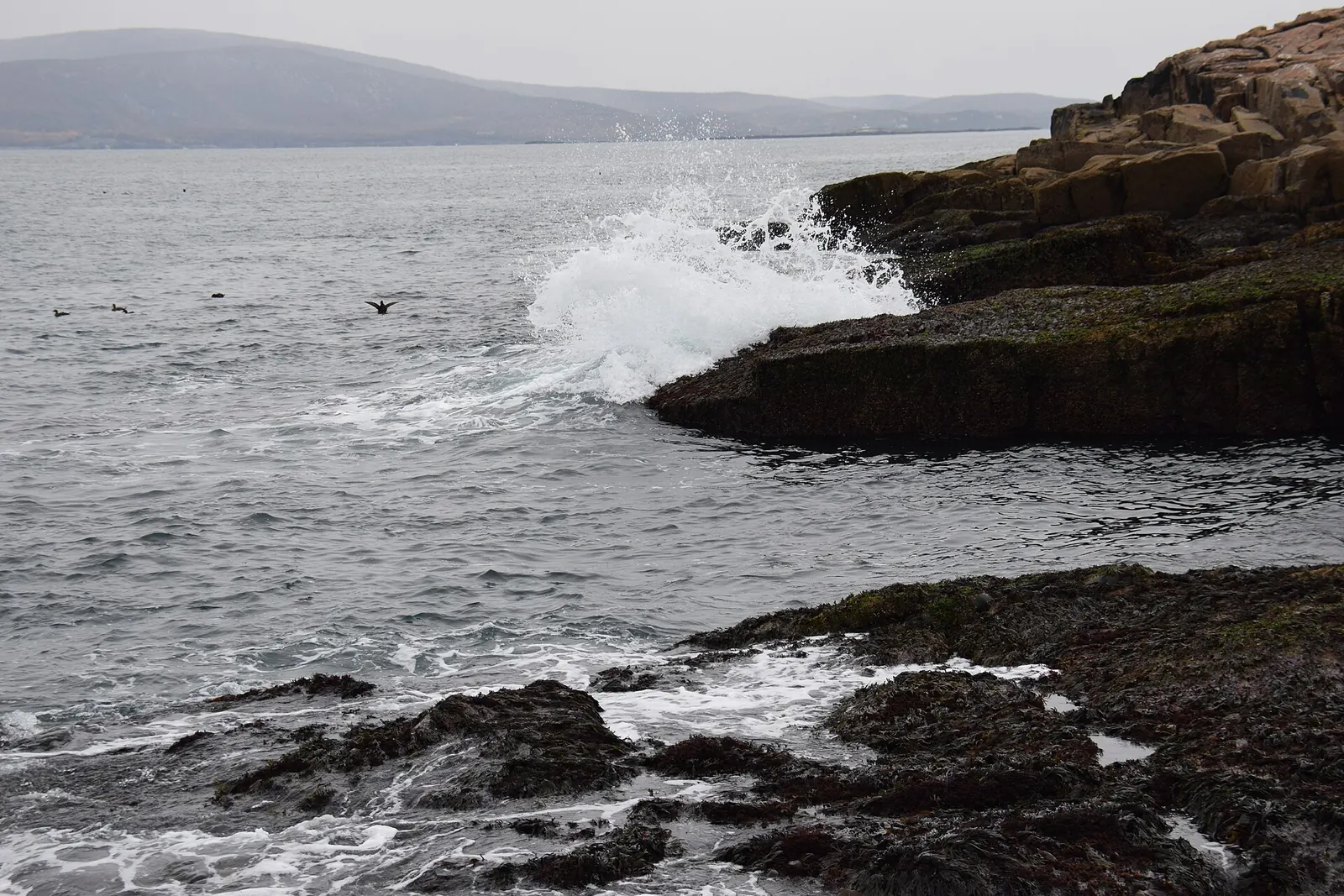
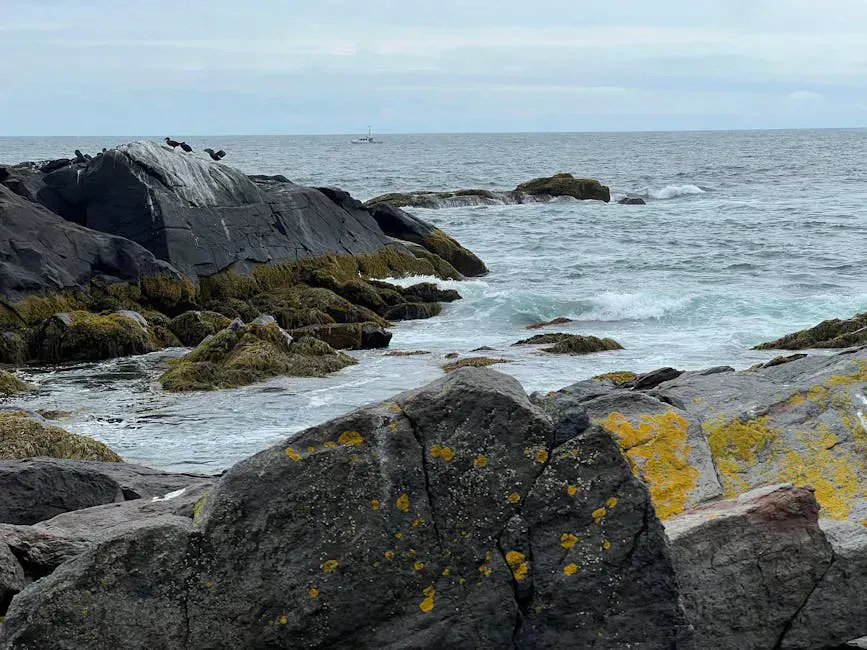
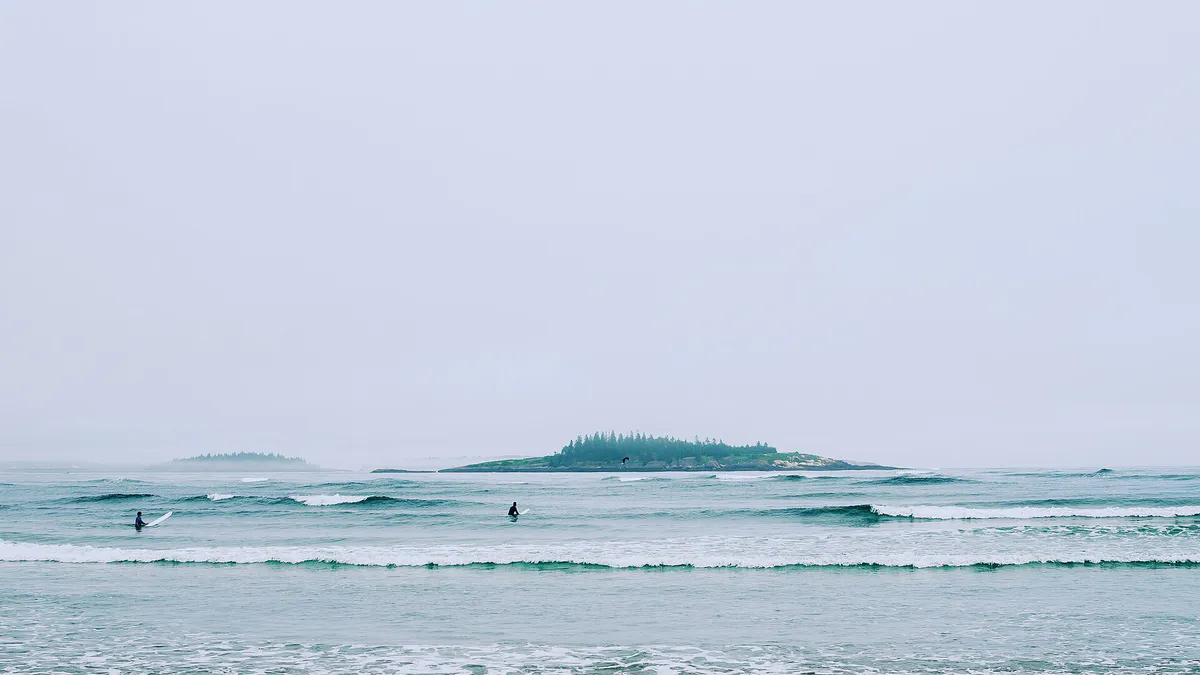
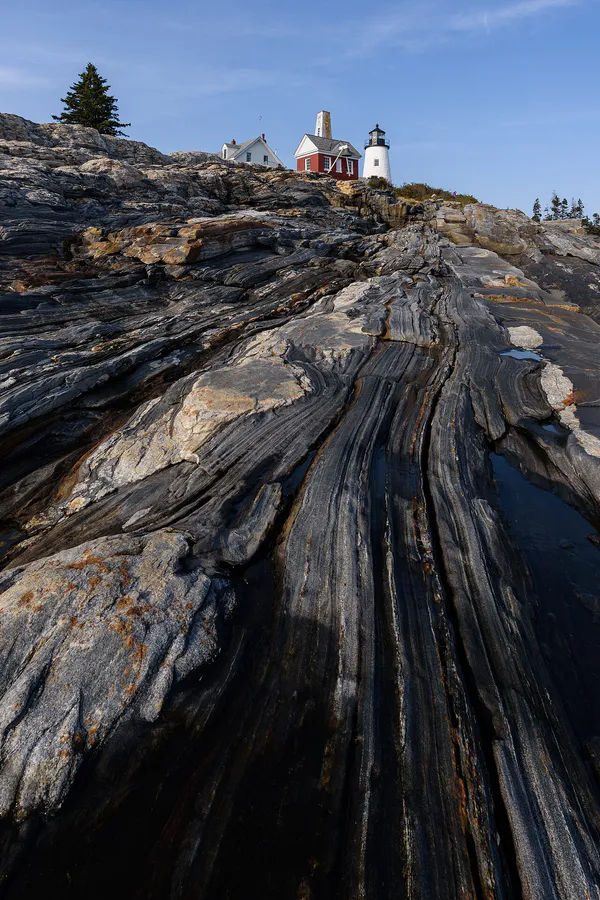
If you cross to the mainland, Schoodic Point is the payoff: a wave-swept granite peninsula veined with dark volcanic dikes, an easy walk from the parking area, and the least crowded corner of the whole park.
Tips for Your Visit
Arrive early. Seriously. Parking is the single biggest challenge in Acadia during peak season, and the most popular lots fill before 9 a.m. A vehicle reservation is now required for the Cadillac Summit Road, so plan ahead.
Pack layers. Even in July, mornings on the summit can be windy and cool, and fog rolls in without warning. Bring a rain jacket, sturdy footwear with good grip for the granite, and plenty of water.
Do not skip the quieter side of the island. Southwest Harbor and the western half of Mount Desert Island see a fraction of the visitors but offer excellent hiking on trails like Acadia Mountain and Beech Cliff, plus a more relaxed village atmosphere. If Bar Harbor feels crowded, head west.
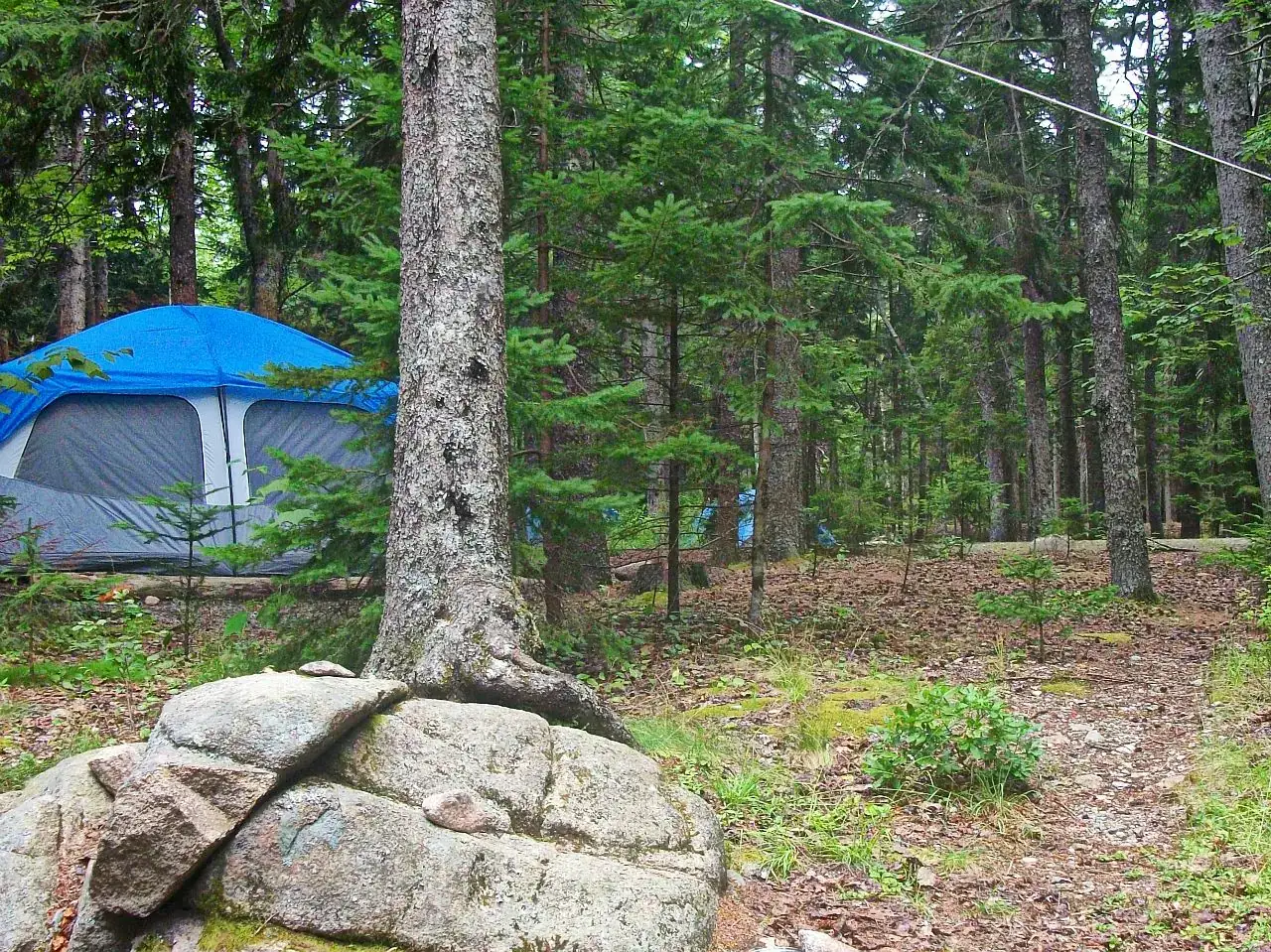
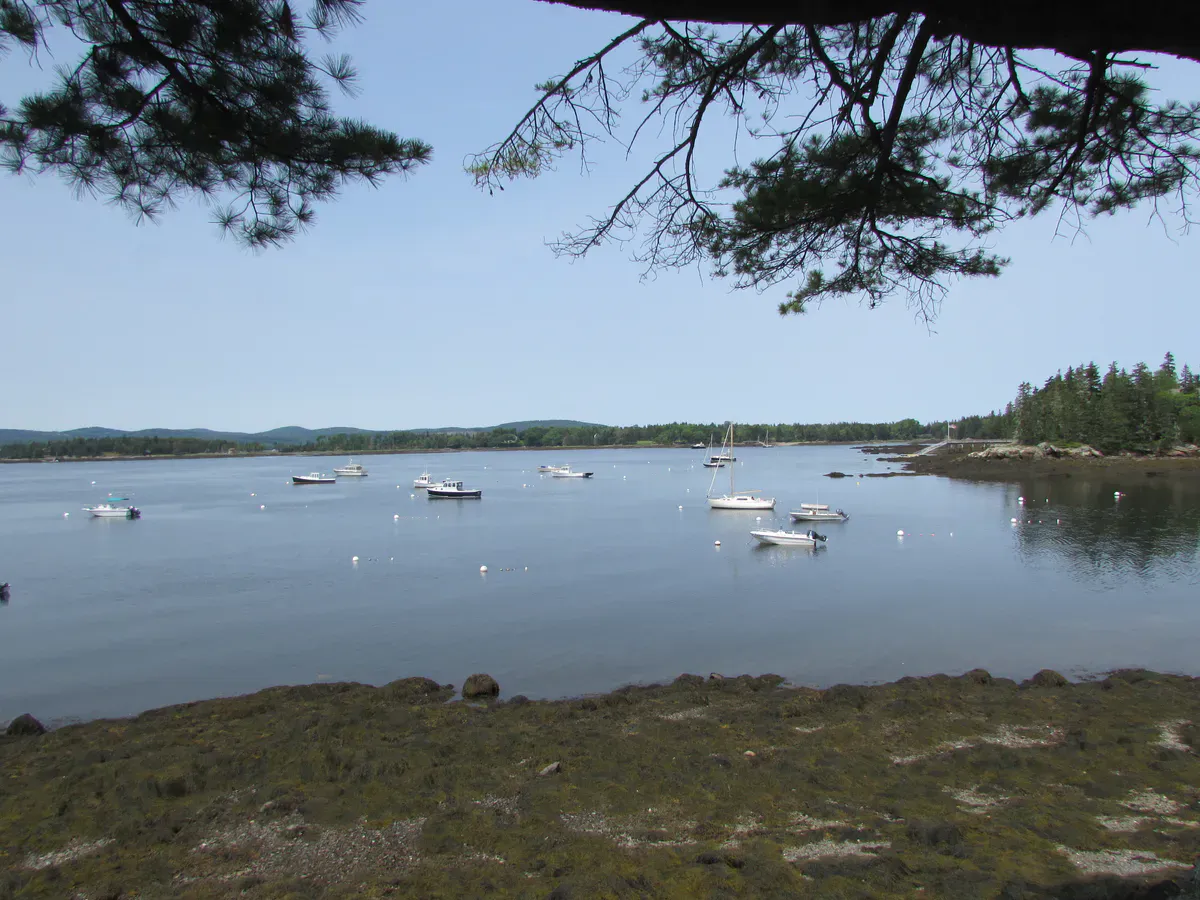
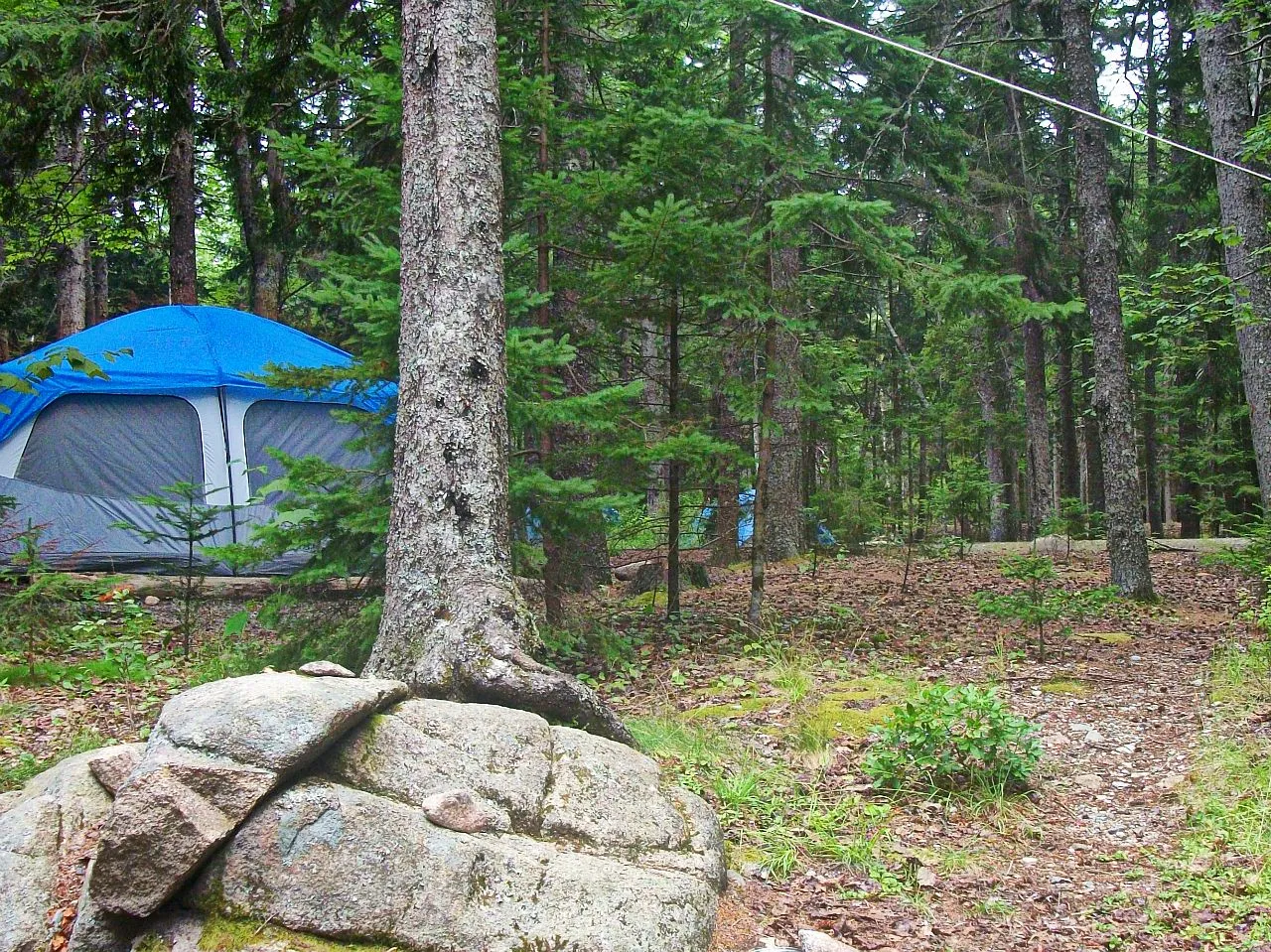
Consider Schoodic. The Schoodic Peninsula is the only part of Acadia on the mainland. It is an hour’s drive from Bar Harbor, but the Schoodic Loop Road, the dramatic surf at Schoodic Point, and the small Schoodic Woods Campground make it feel like a separate park. Crowds are a fraction of Mount Desert Island.
FAQ
What is the best time to visit Acadia National Park?
September and early October offer the best combination of warm weather, manageable crowds, and fall foliage. Summer (July and August) has the warmest water and longest days but is the most crowded. Late June is a good compromise if you want summer weather without peak-season parking battles.
How many days do you need for Acadia?
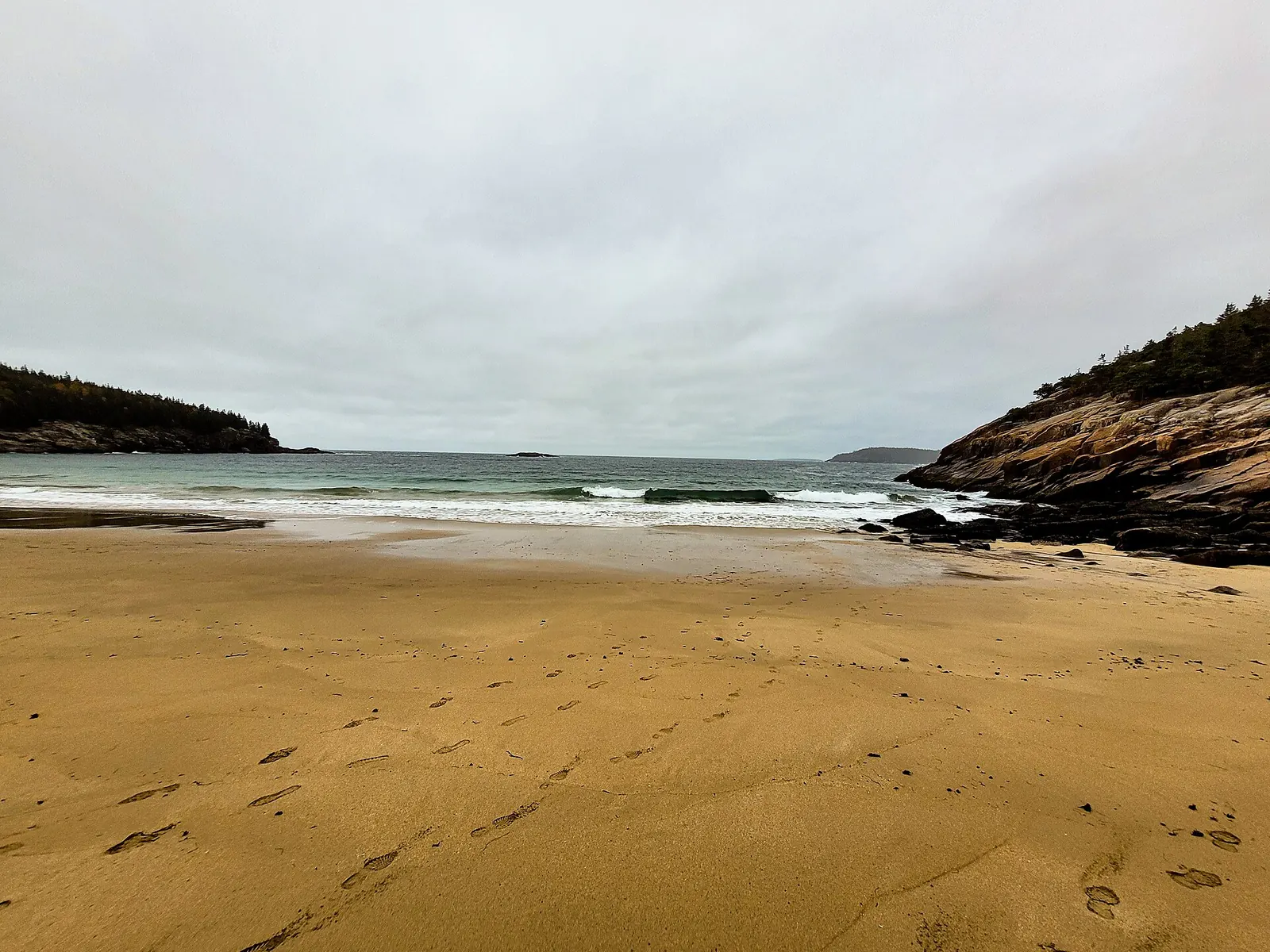
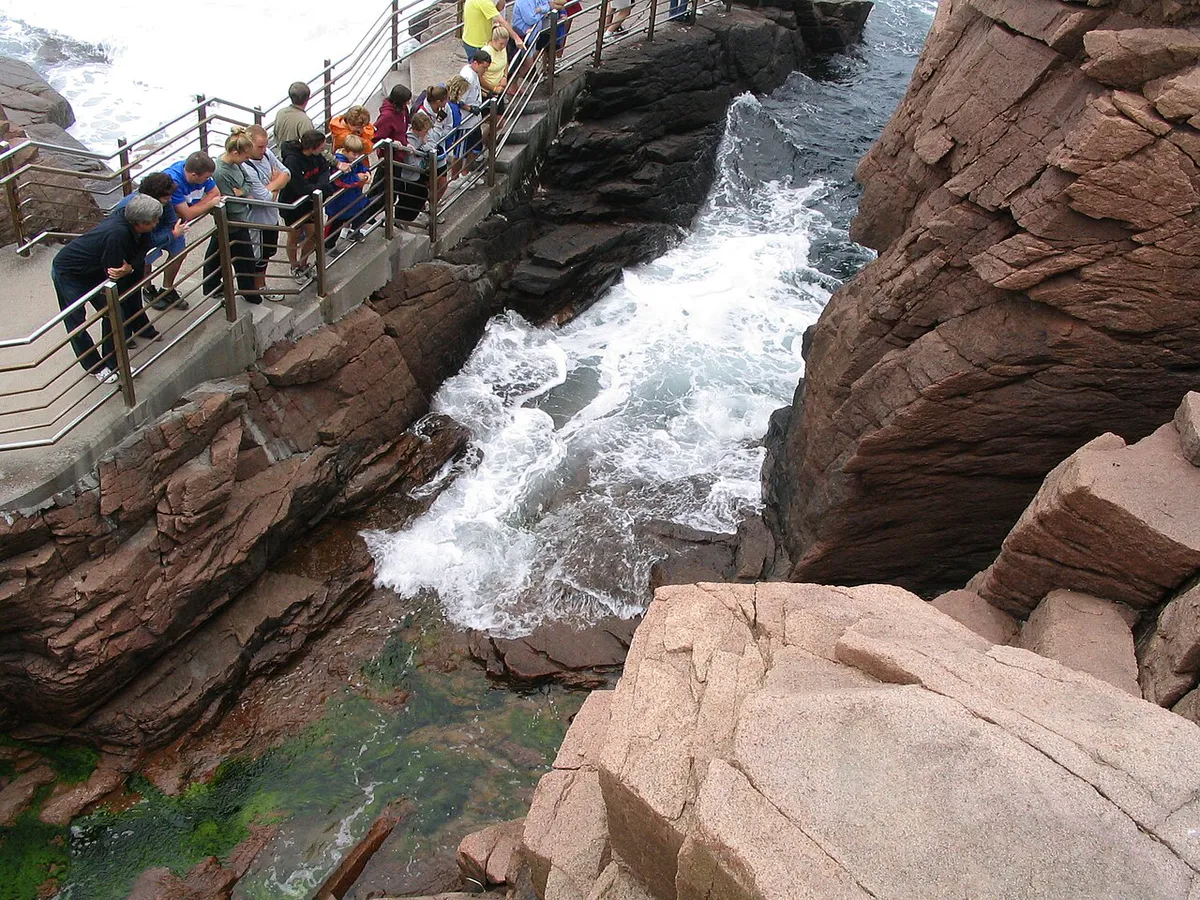
Three days is a good minimum. That gives you time for a major hike (Beehive, Cadillac, or Precipice), a day on the Park Loop Road with stops at Sand Beach and Thunder Hole, and a day to explore the carriage roads or the quieter western side of the island. A week lets you slow down and explore the peninsulas and islands beyond Mount Desert.
Do I need reservations for Acadia National Park?
A vehicle reservation is required for the Cadillac Summit Road from May through October. No reservation is needed to enter the park itself, but parking at popular trailheads fills early. The Island Explorer shuttle is free and avoids the parking problem entirely.
Is Acadia good for kids?
Very. The Jordan Pond Path is flat and stroller-friendly. Sand Beach is great for wading and sandcastles. The carriage roads work well for family bike rides. The Beehive and Precipice trails are not appropriate for young children due to exposed cliffs and iron rungs, but there are dozens of kid-friendly trails in the park.
What is the difference between Mount Desert Island and the Schoodic Peninsula?
Both are part of Acadia National Park. Mount Desert Island is the main, busy section, with most of the famous hikes, the carriage roads, and Bar Harbor. The Schoodic Peninsula is the only mainland section of the park, about an hour east of Mount Desert Island. It is dramatically less crowded with its own loop road, surf-hammered point, and small campground.