Where the Mountains Meet the Sea
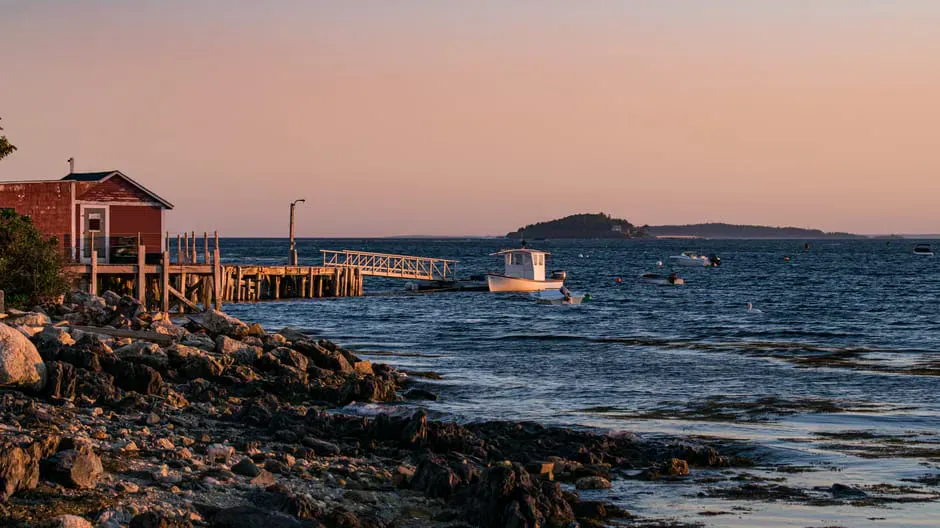
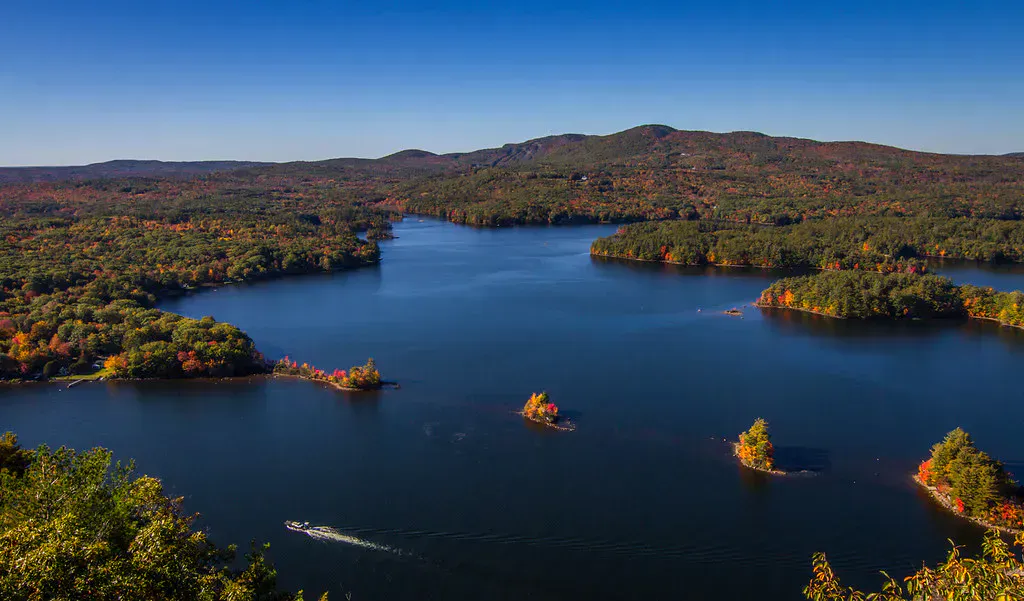
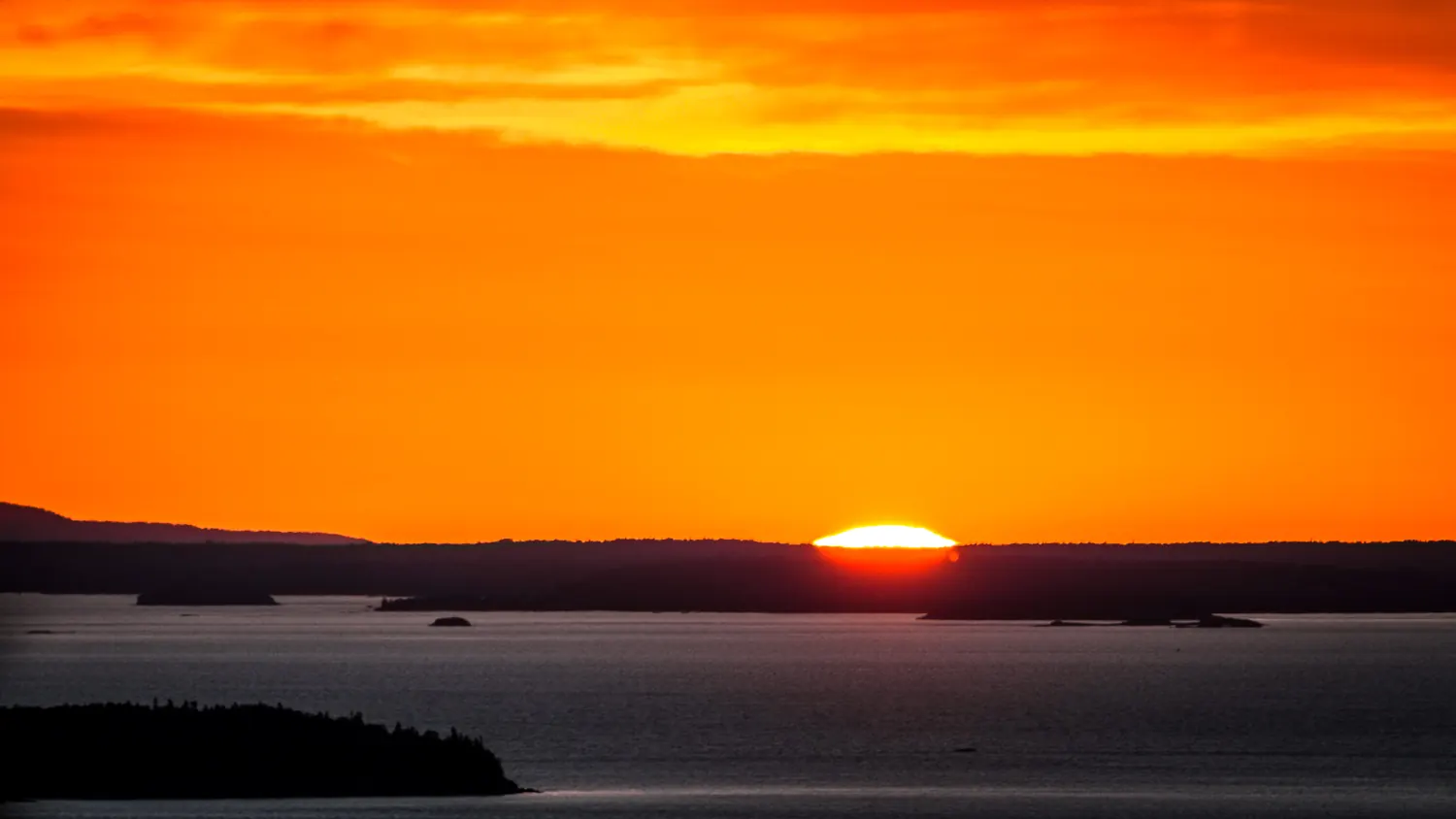
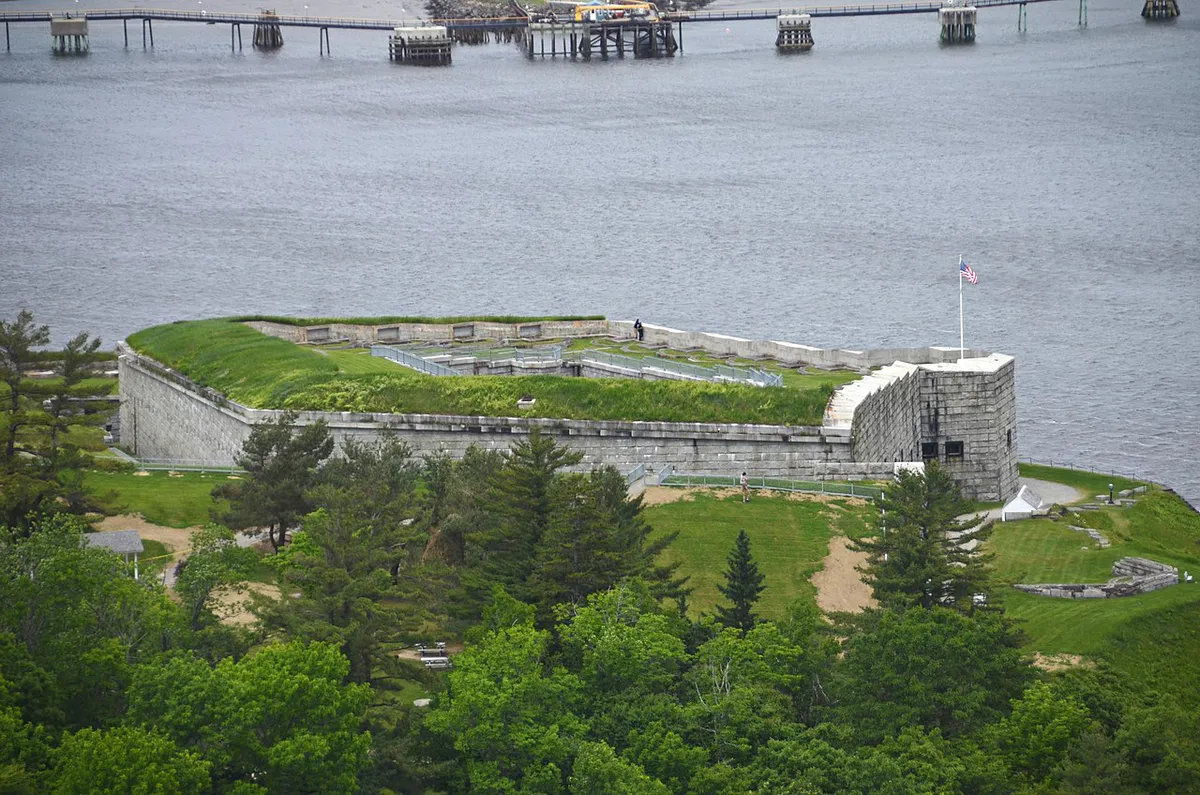
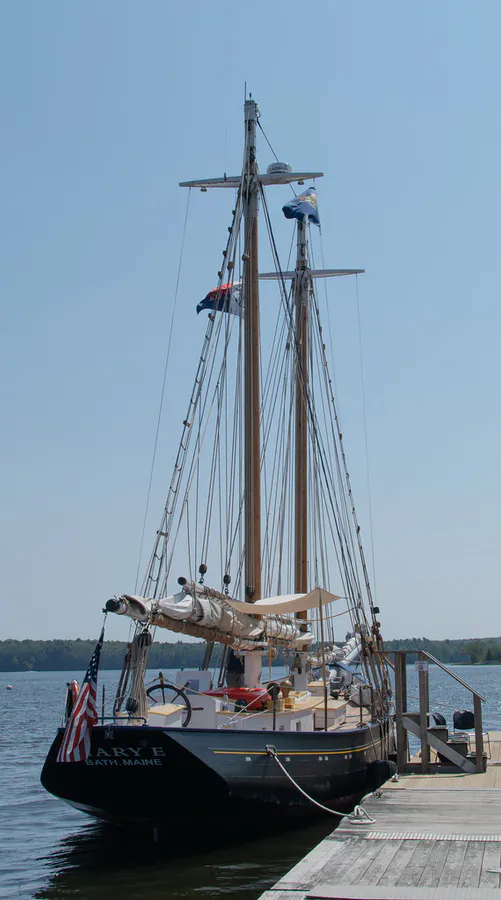
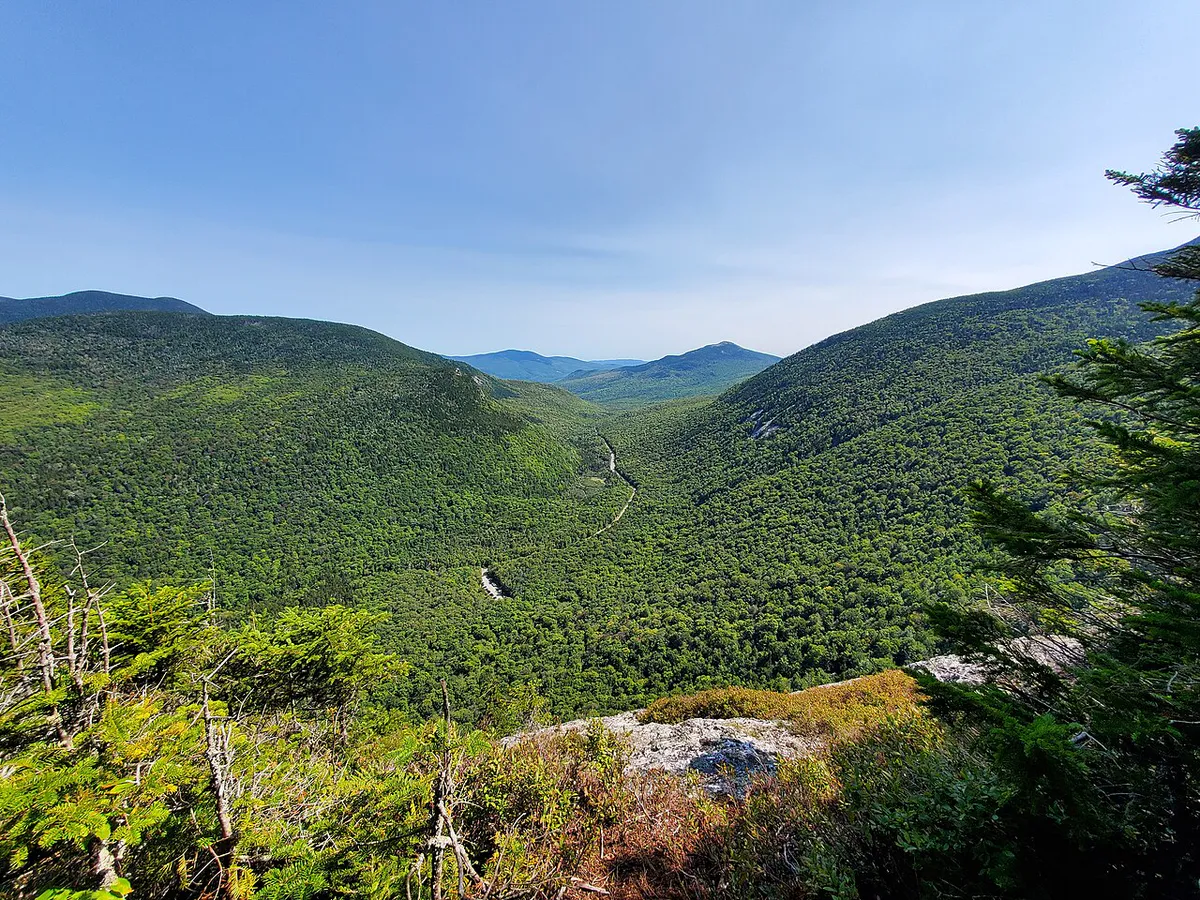
From the shipbuilding city of Bath east to the granite harbor of Rockland, the Midcoast packs an extraordinary density of lighthouses, island-dotted bays, and forested peninsulas into about 60 miles of coastline. What sets this region apart from the rest of Maine’s coast is Camden Hills State Park, where forested mountains rise directly from the ocean, creating a landscape unlike anything else on the eastern seaboard.
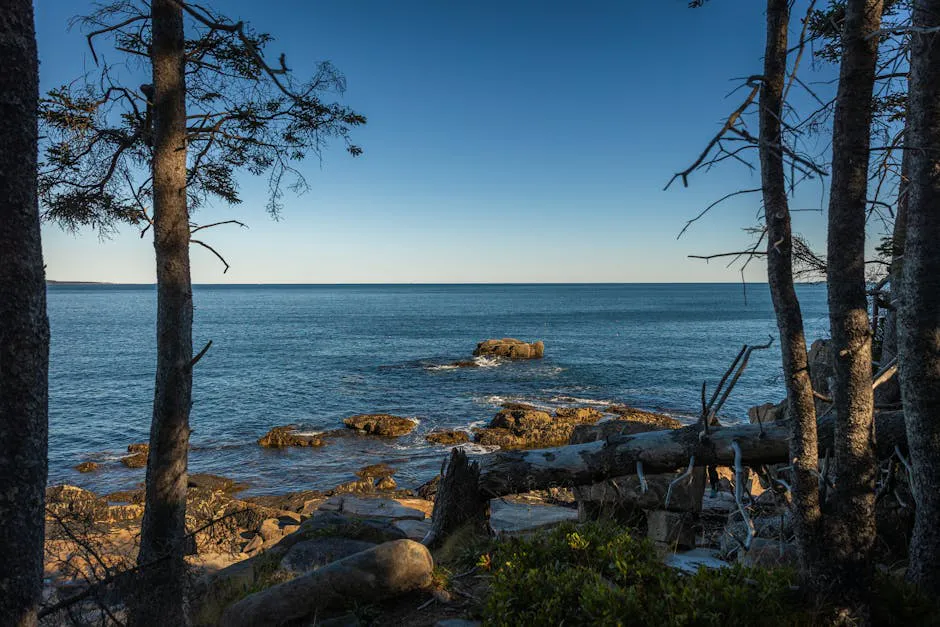
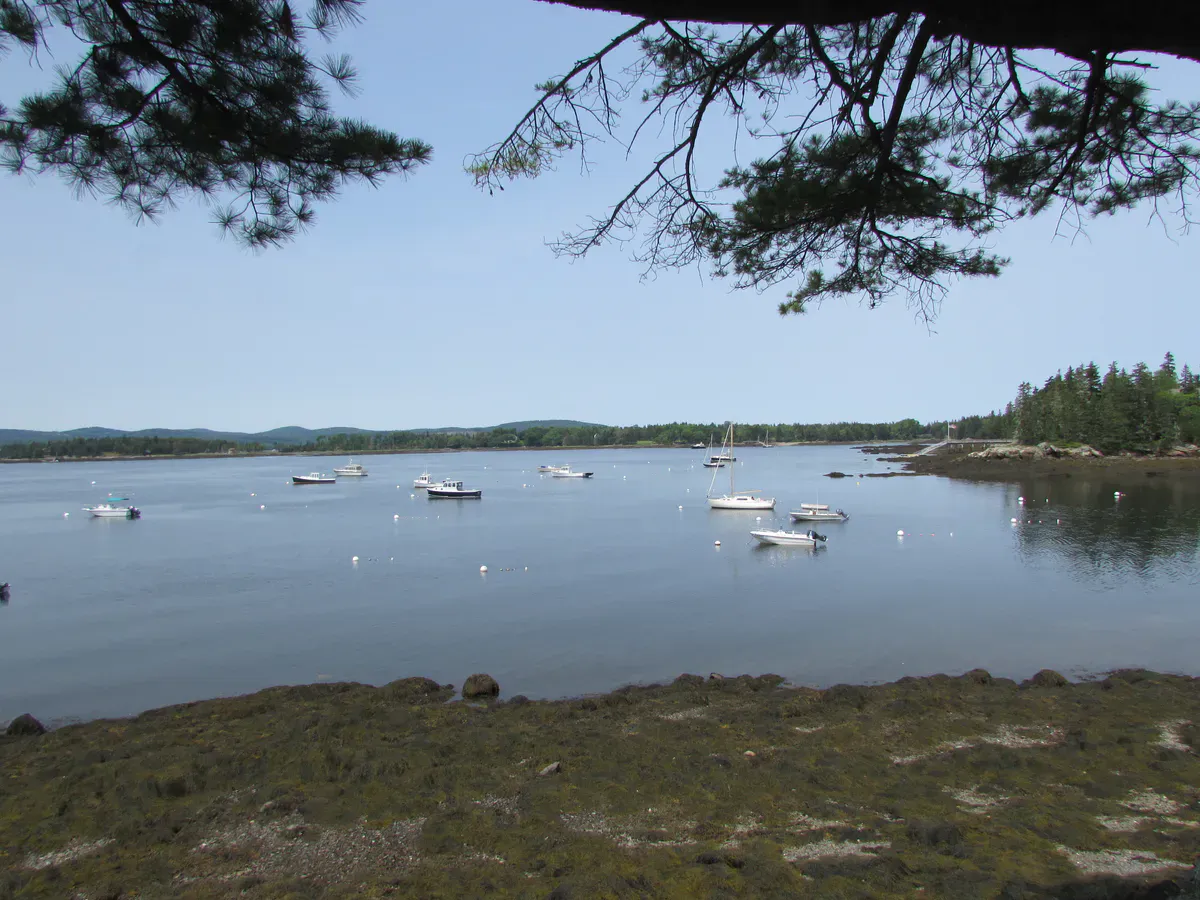
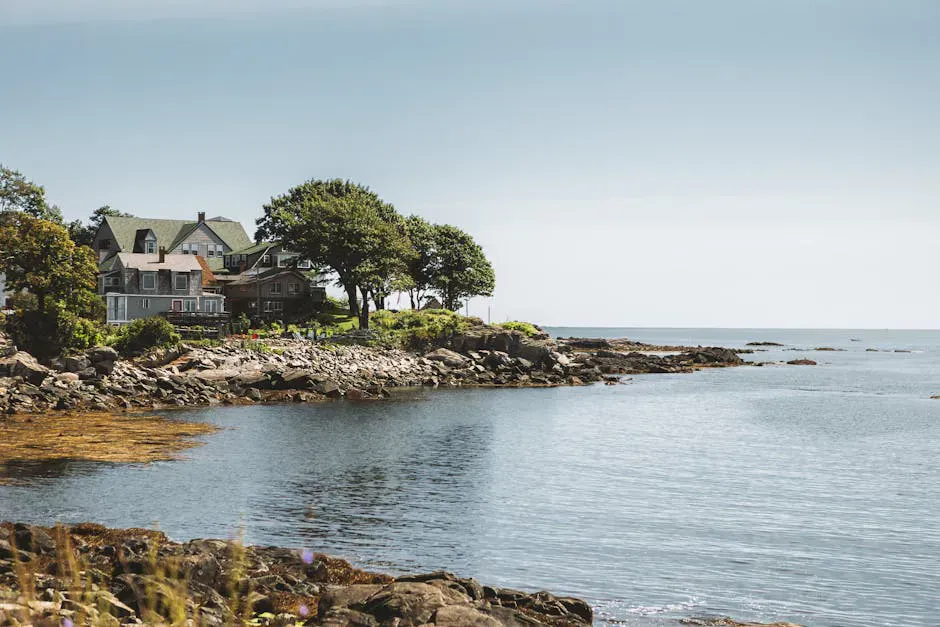
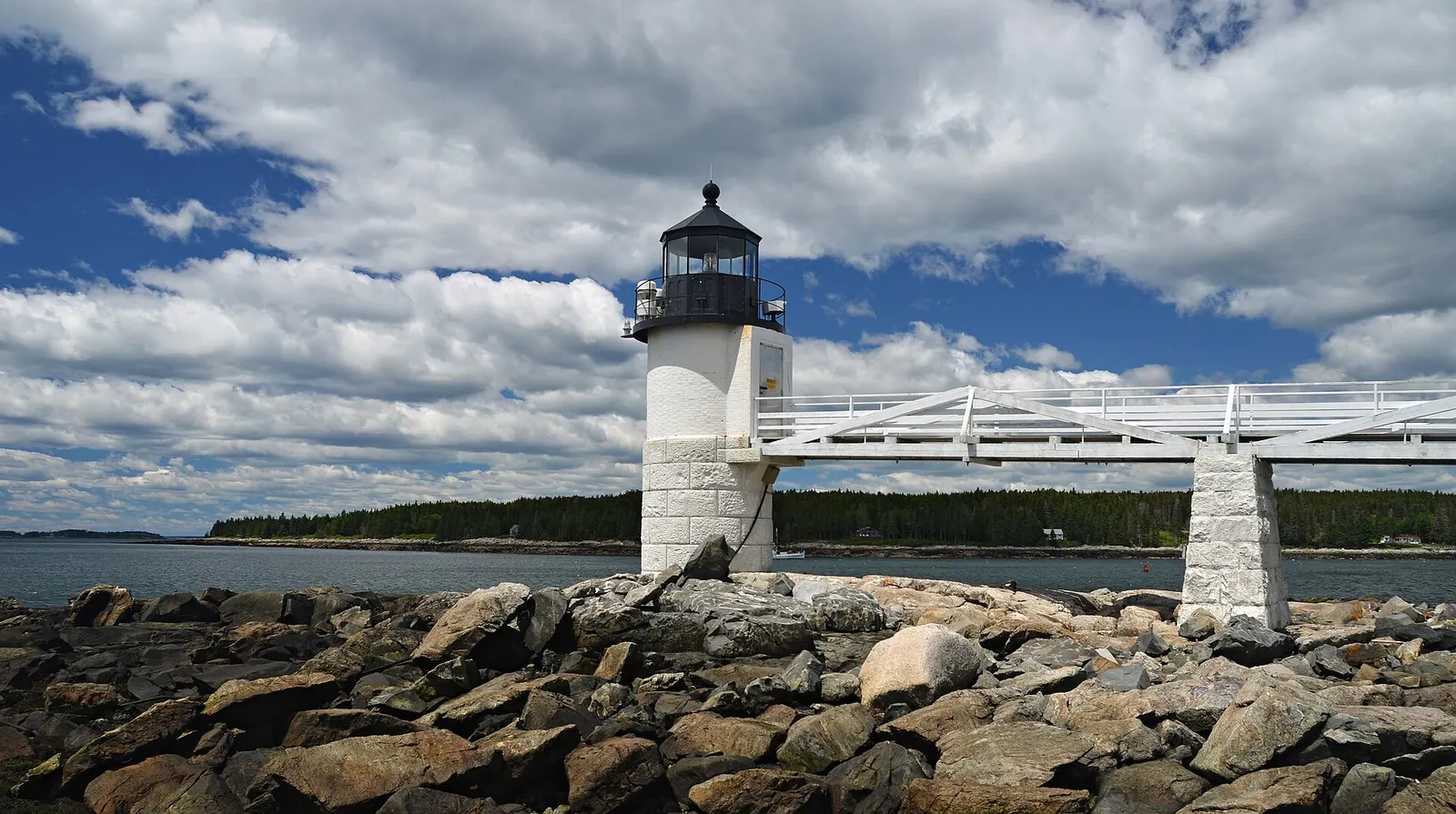
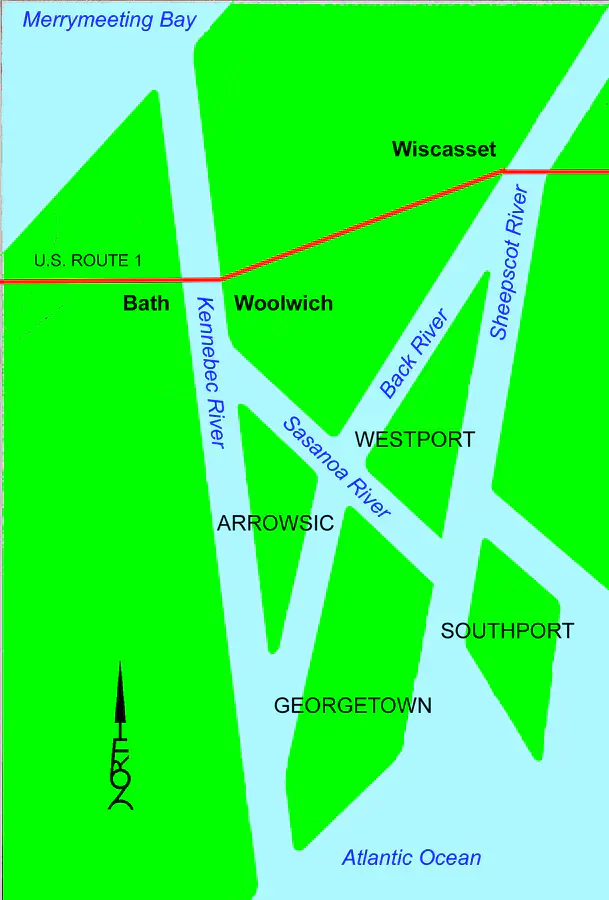
The geography here is defined by long, narrow peninsulas that reach south into the Atlantic like fingers, separated by deep tidal rivers. The Boothbay region feels resort-like and bustling in summer. The Pemaquid peninsula is quieter, anchored by one of Maine’s most photographed lighthouses. The St. George peninsula narrows to a rocky point at Marshall Point, where Forrest Gump turned around in the movie. Exploring the Midcoast means choosing a peninsula and following it to the end, because the rewards are always at the tip.
.jpg)
Best Activities
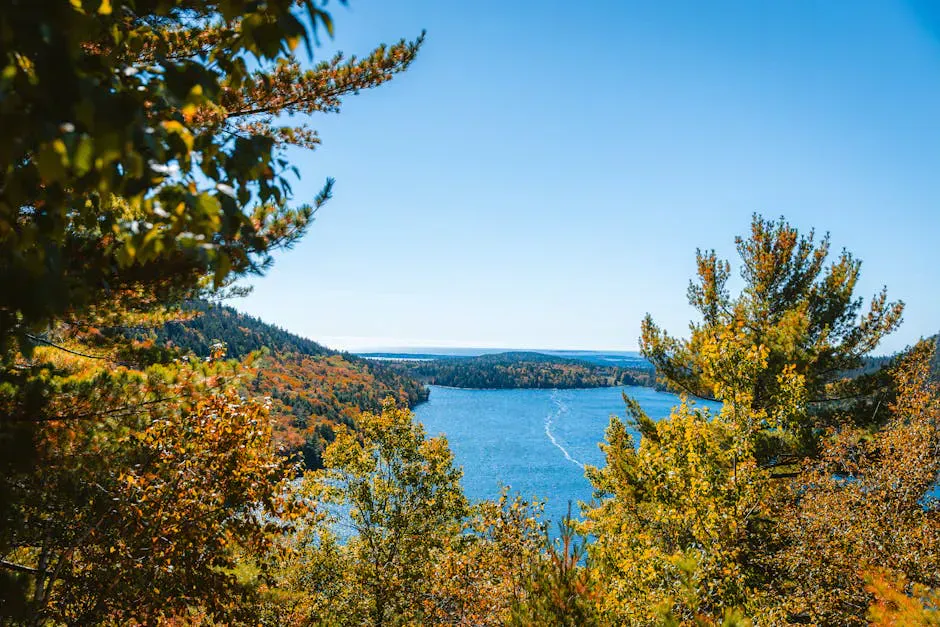
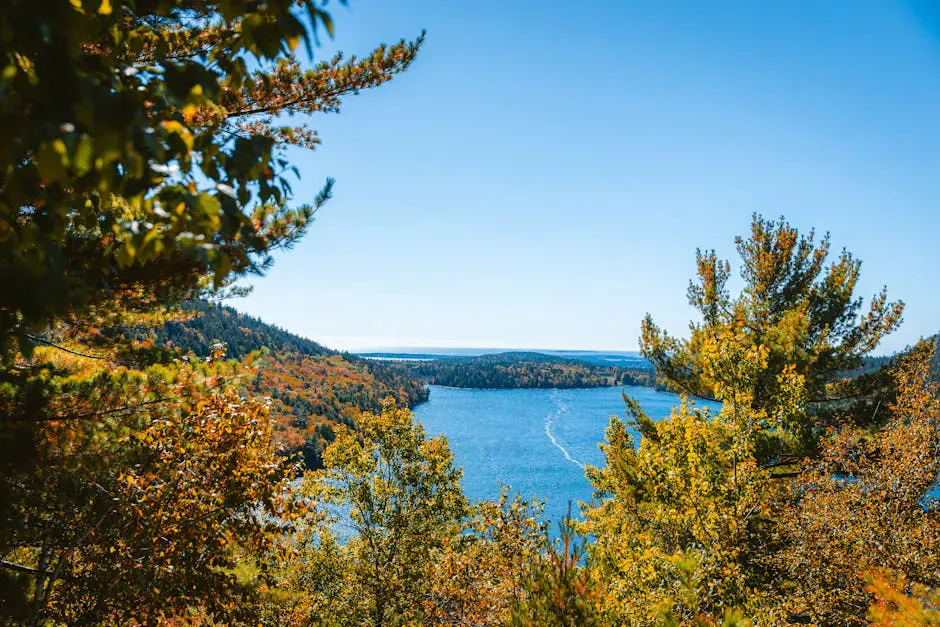
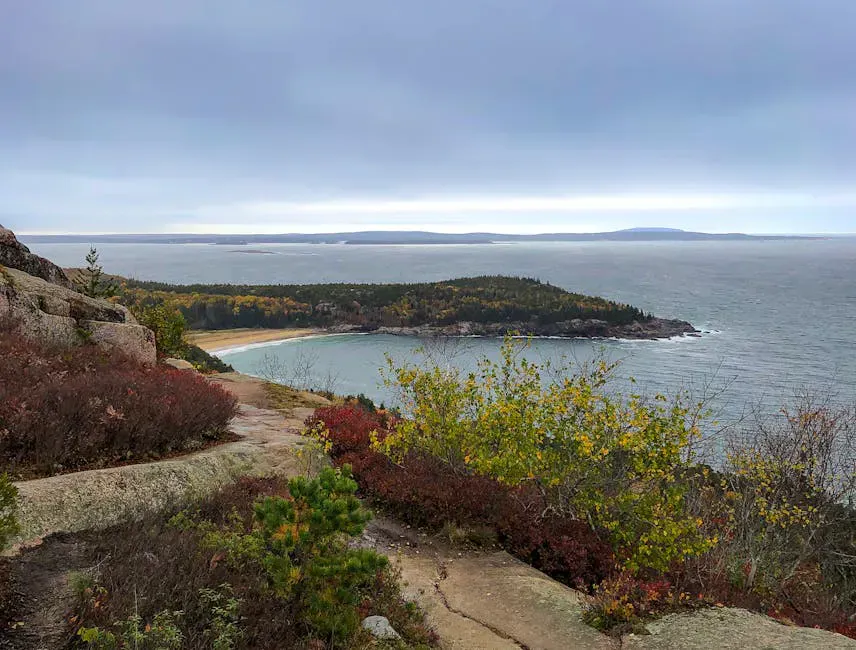
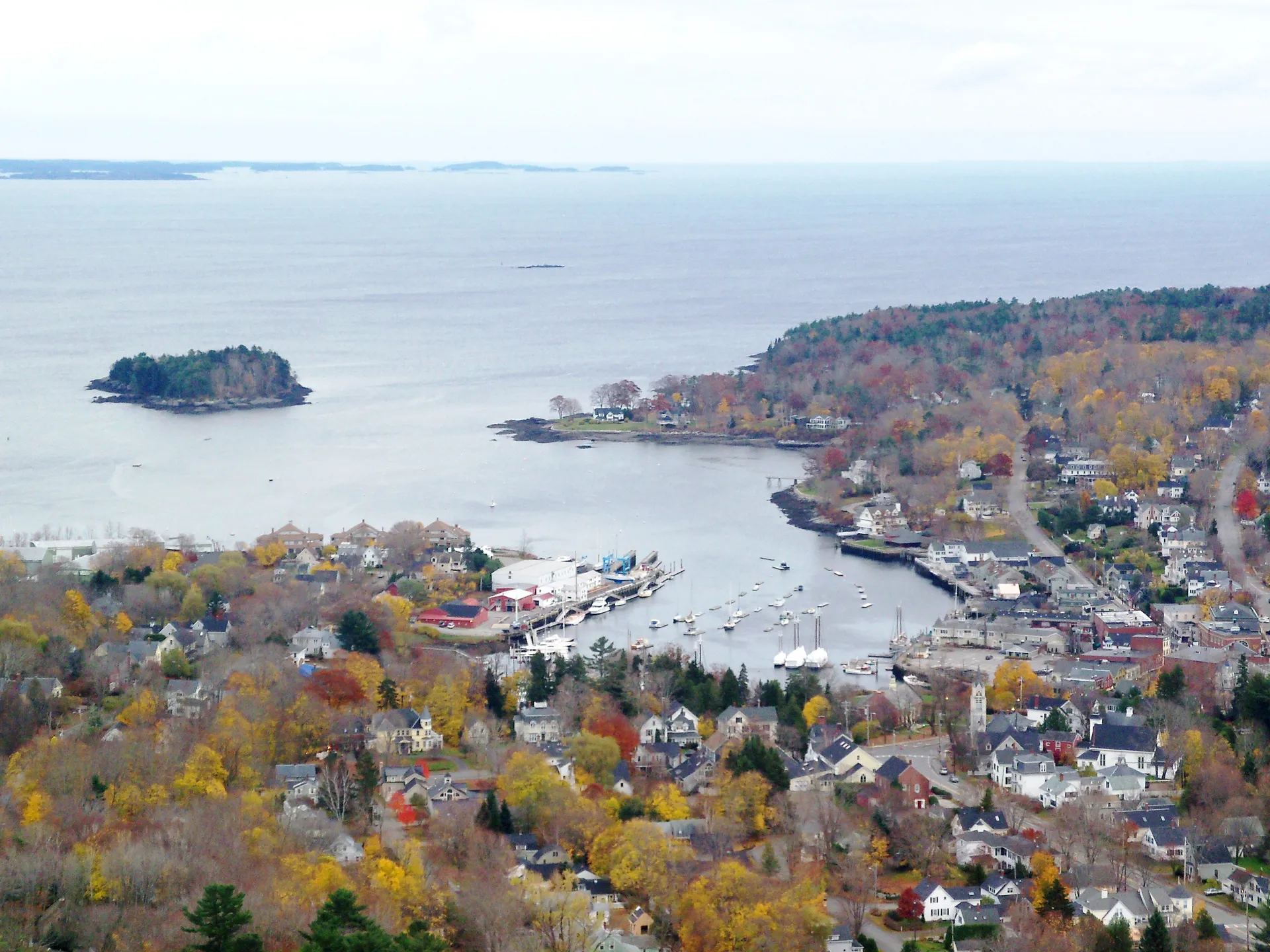
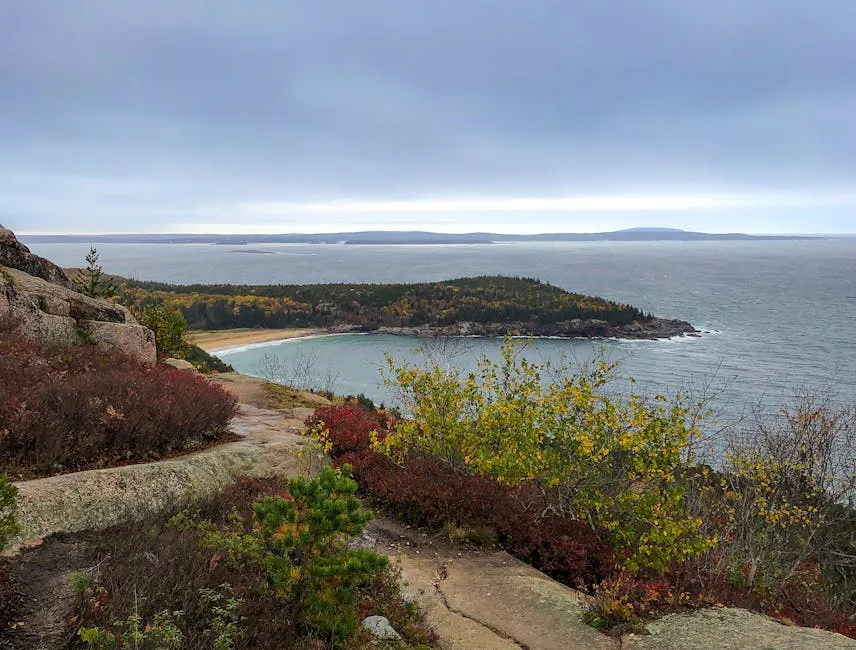
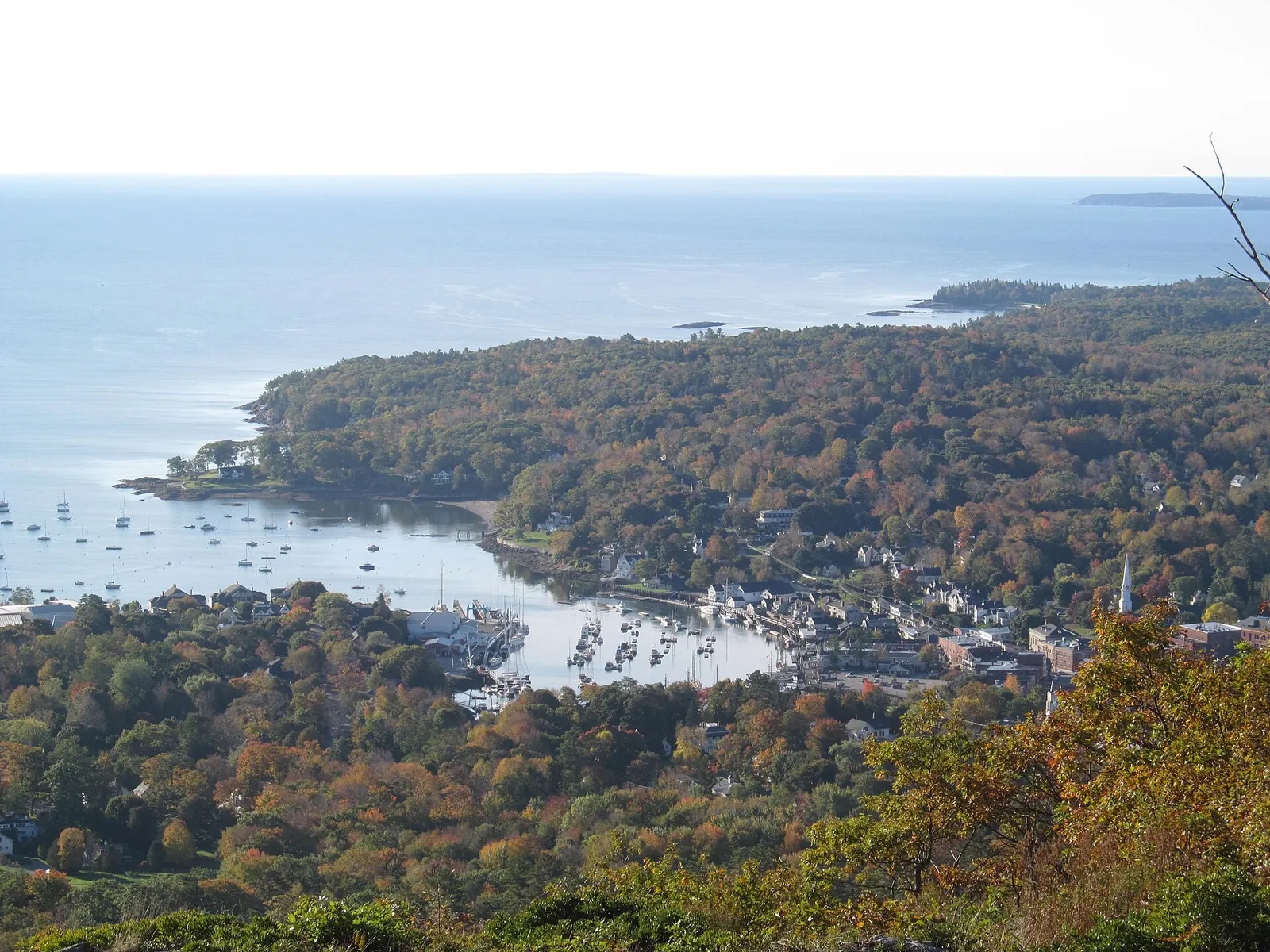
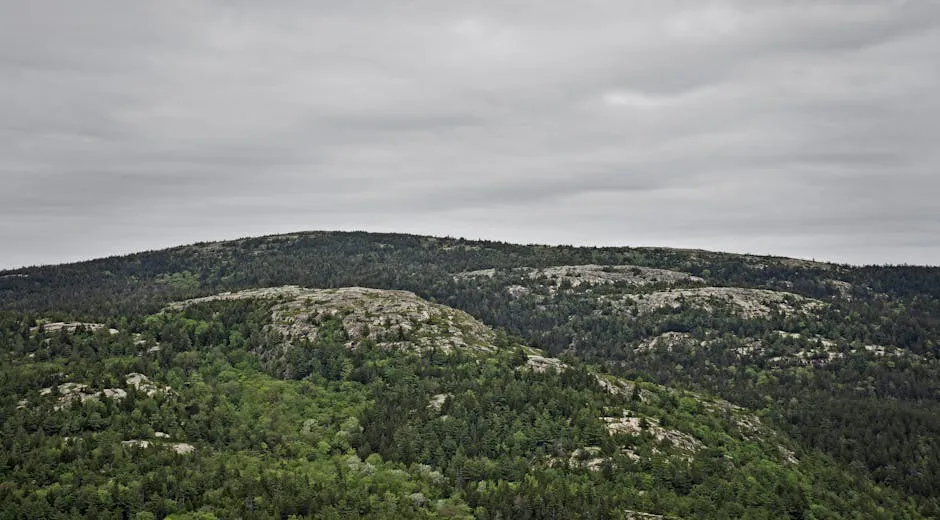
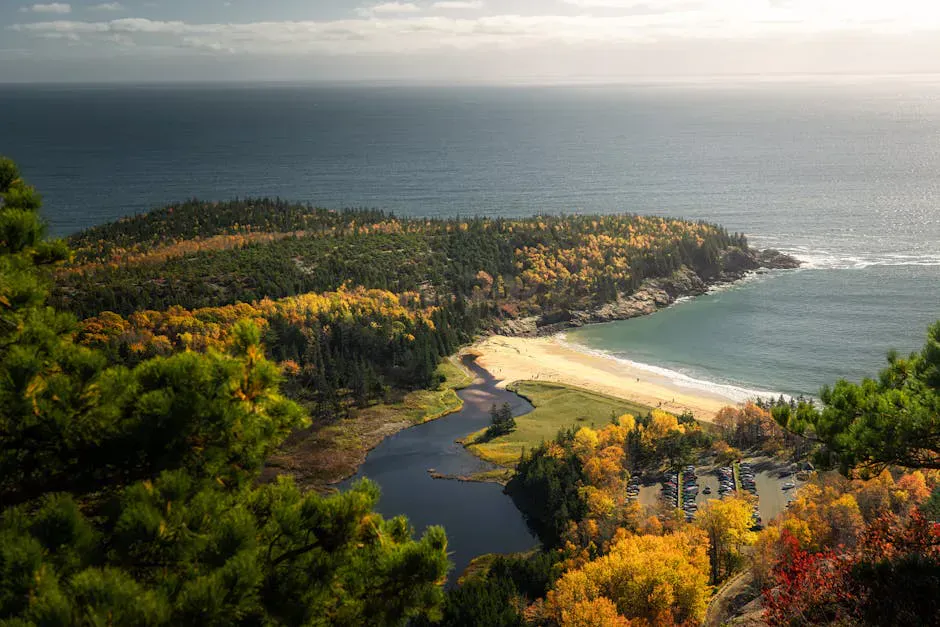
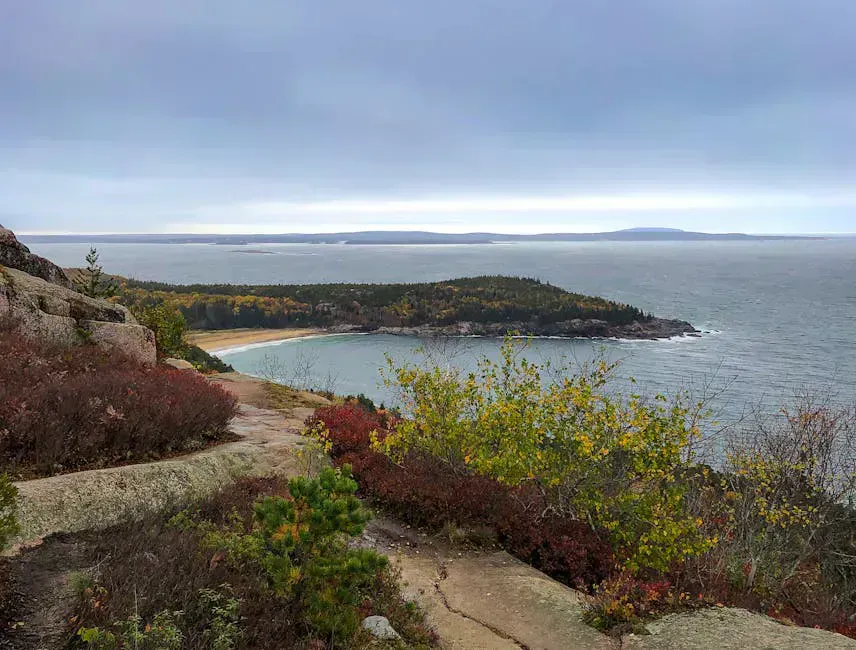
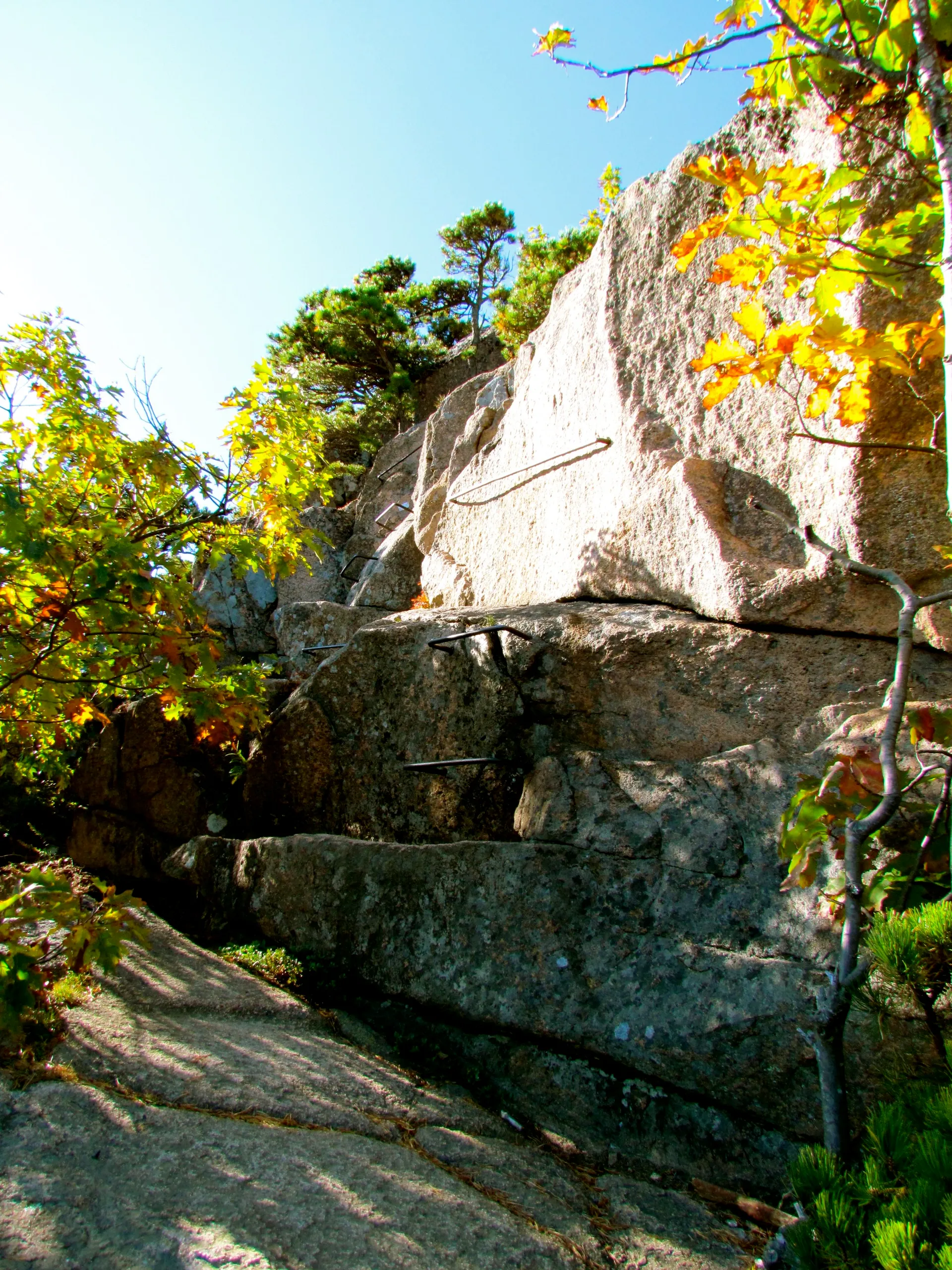
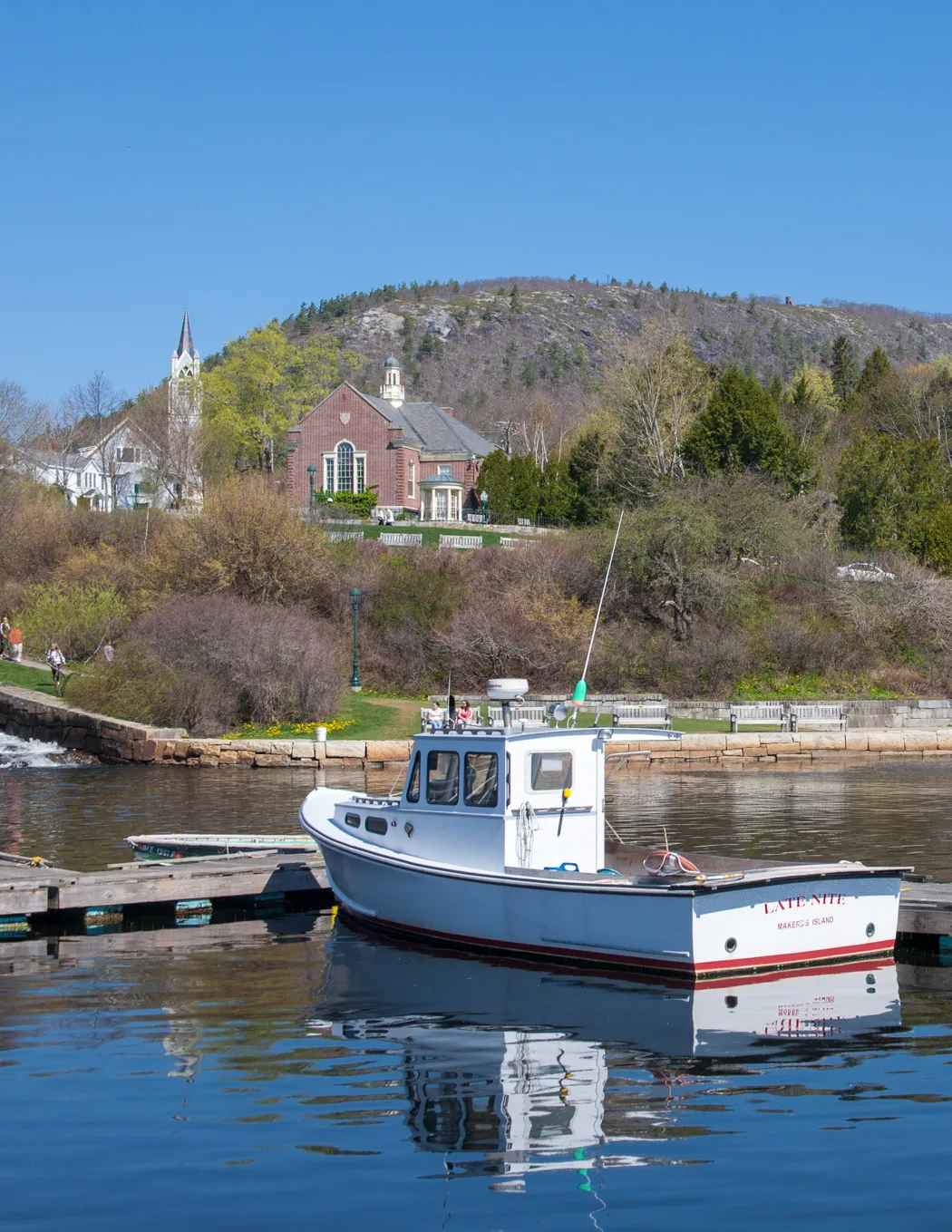
Camden Hills State Park is the centerpiece. Mount Battie, the park’s most accessible summit, rises 780 feet above Camden Harbor. You can drive to the top or hike the 1-mile Mount Battie Trail from the base. The view from the stone tower at the summit takes in Penobscot Bay, the Camden waterfront, and a sweep of islands stretching to the horizon. For a longer outing, the Megunticook Trail climbs to Ocean Lookout at 1,300 feet, the highest point on the mainland that offers direct ocean views. The park has over 30 miles of trails, ranging from easy riverside walks to ridge traverses.
.jpg)
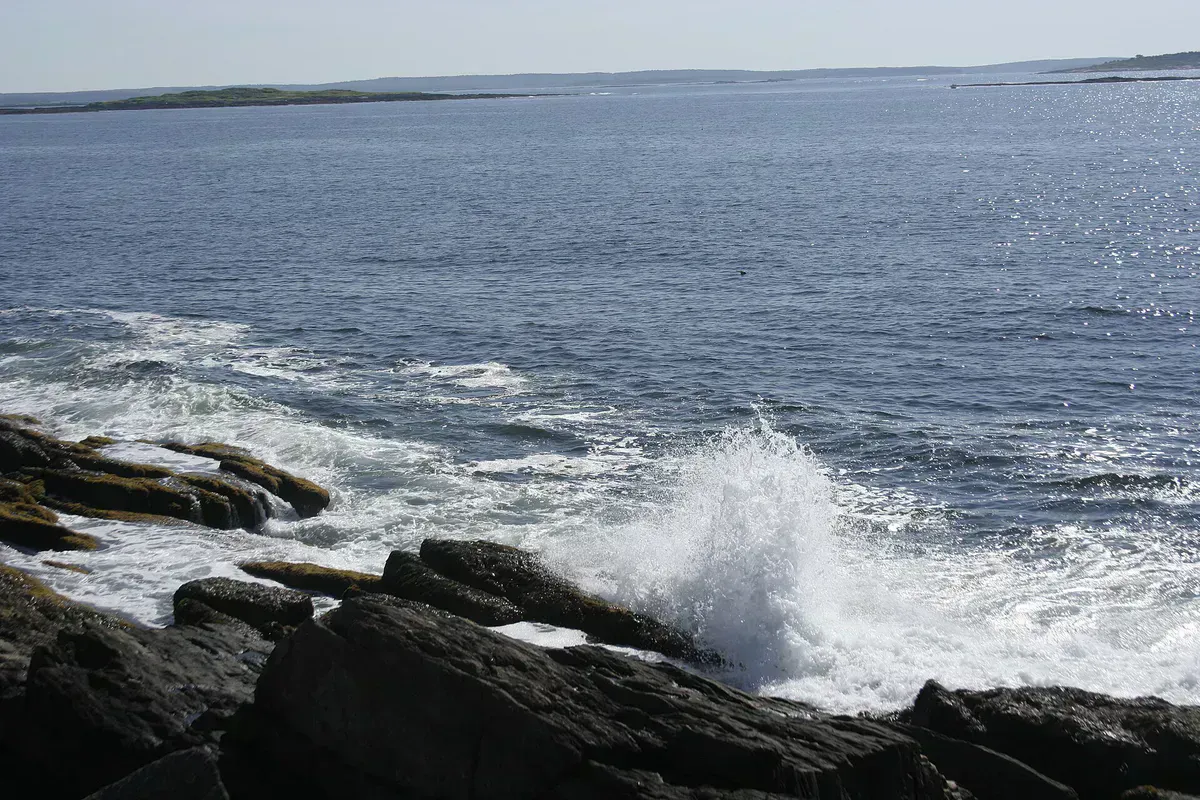
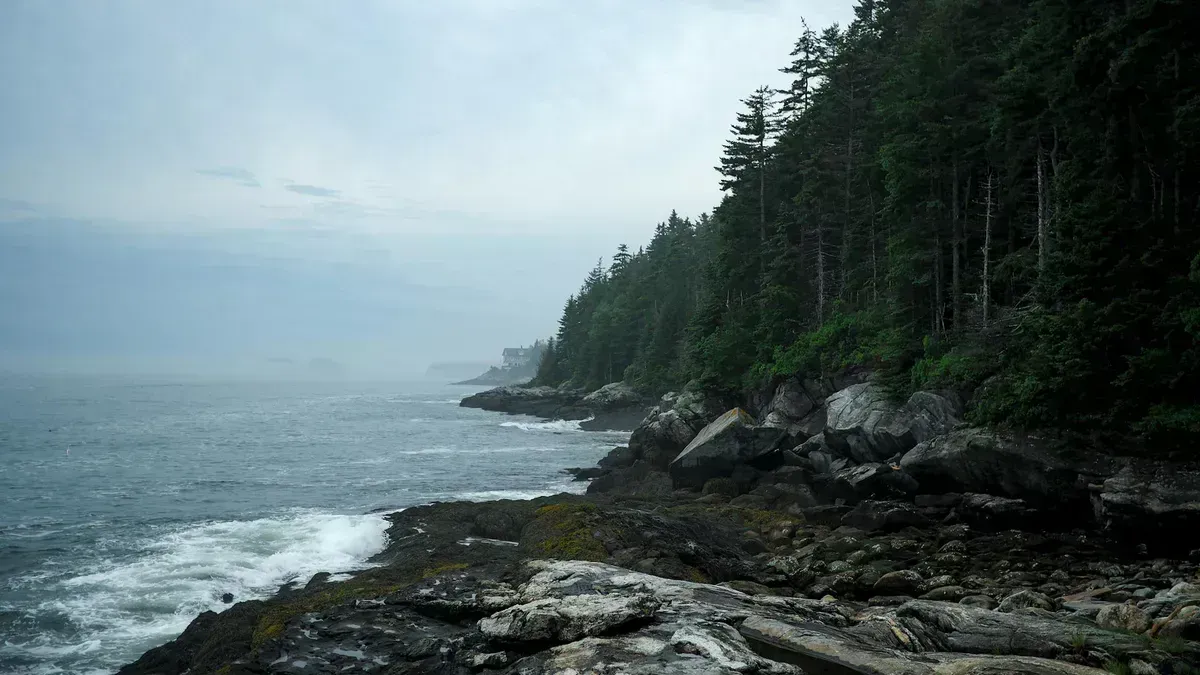
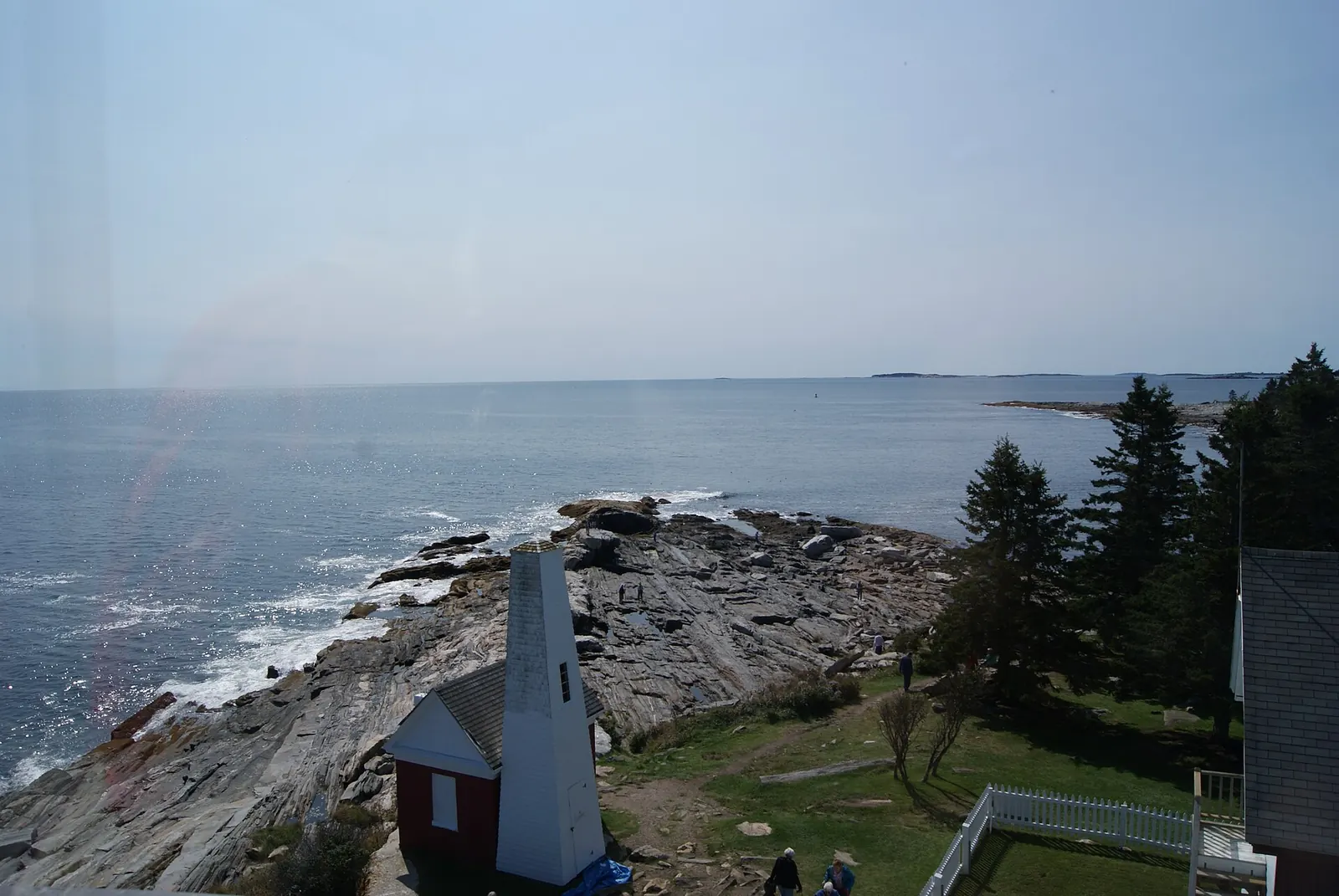
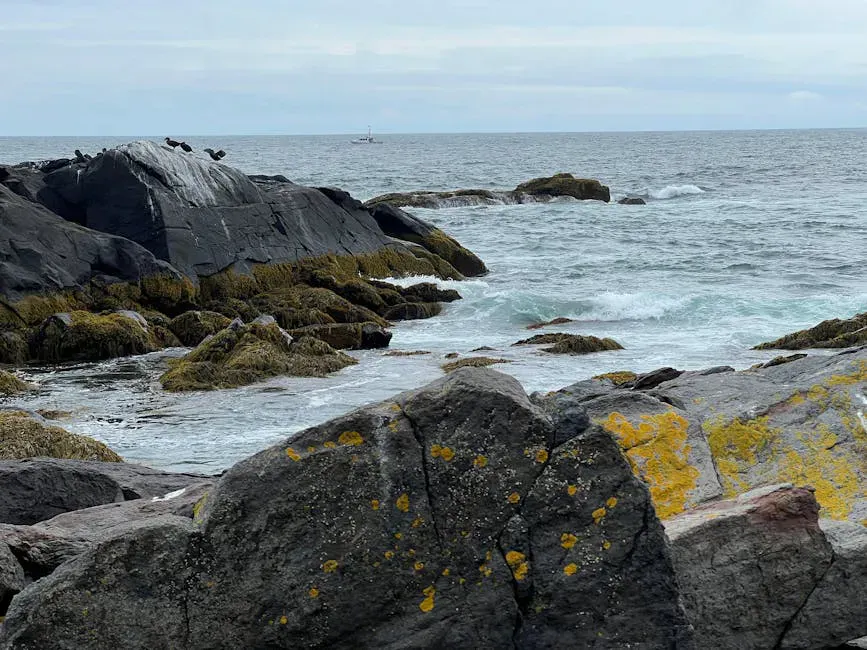
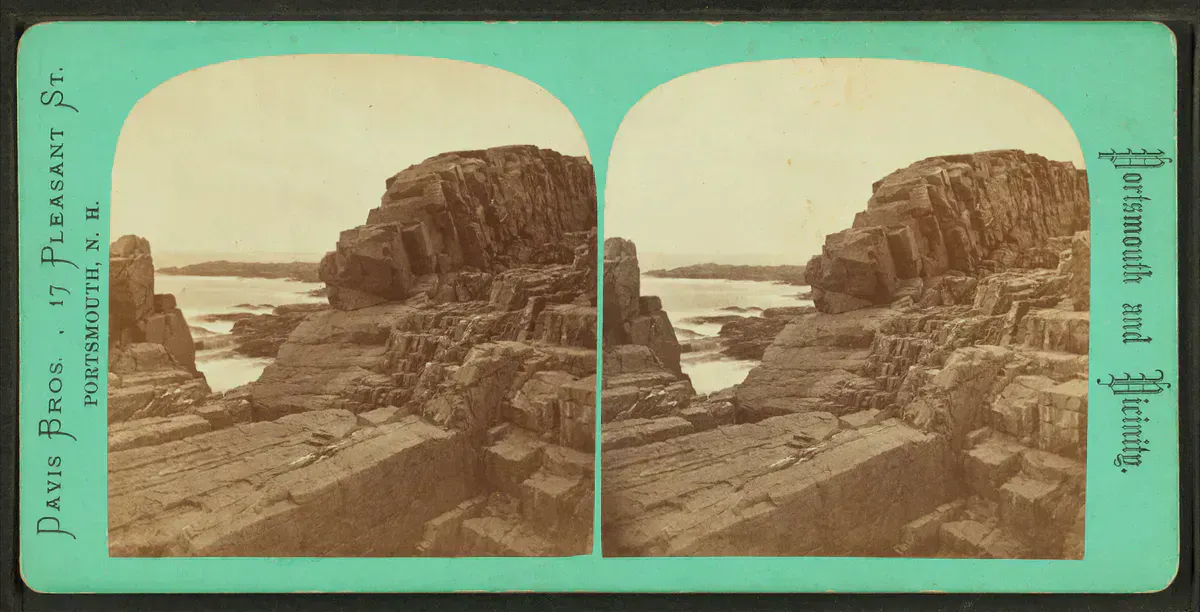
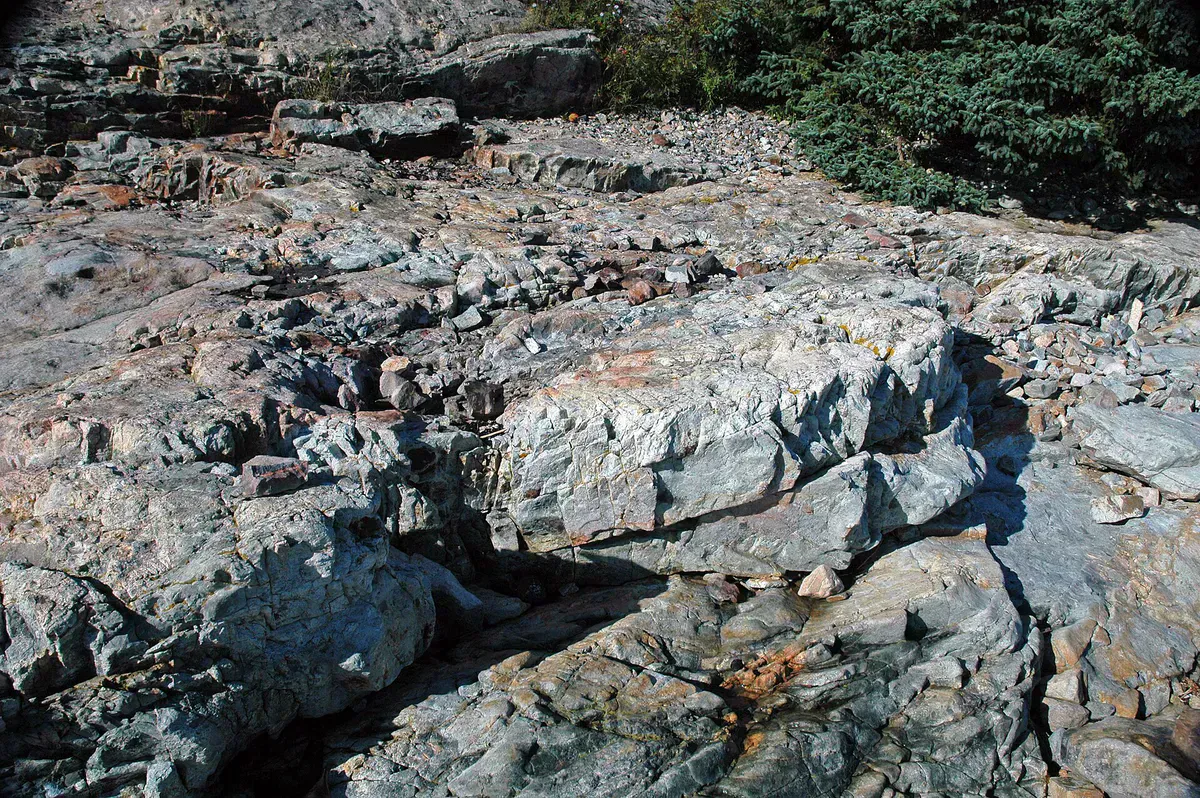
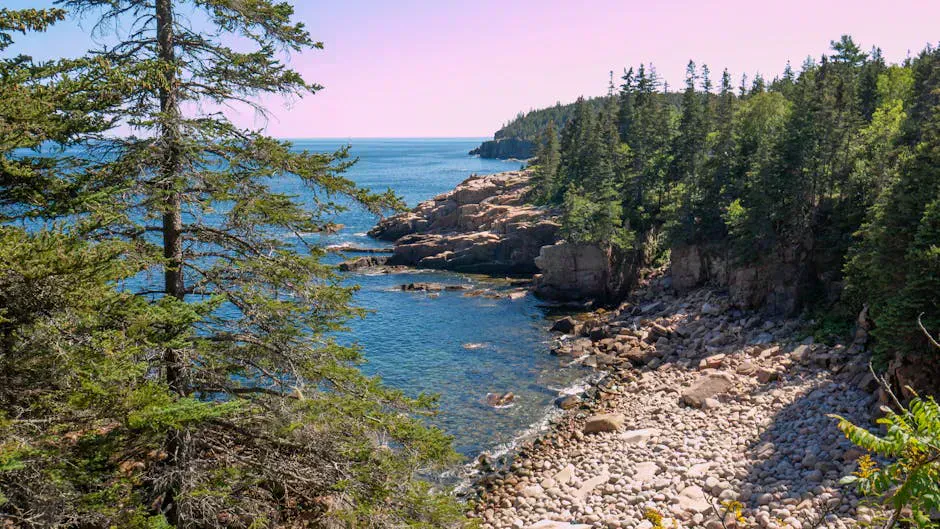
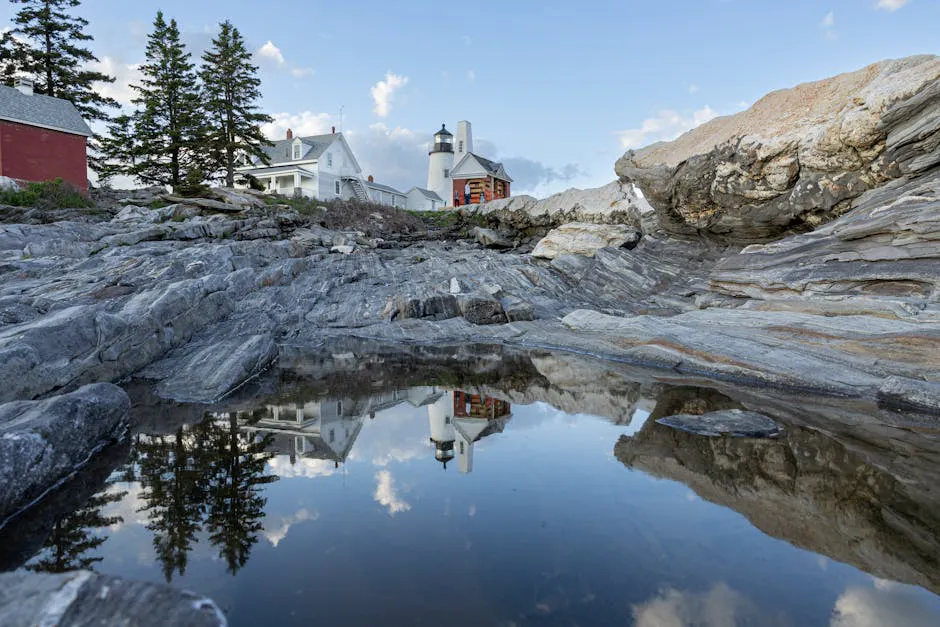
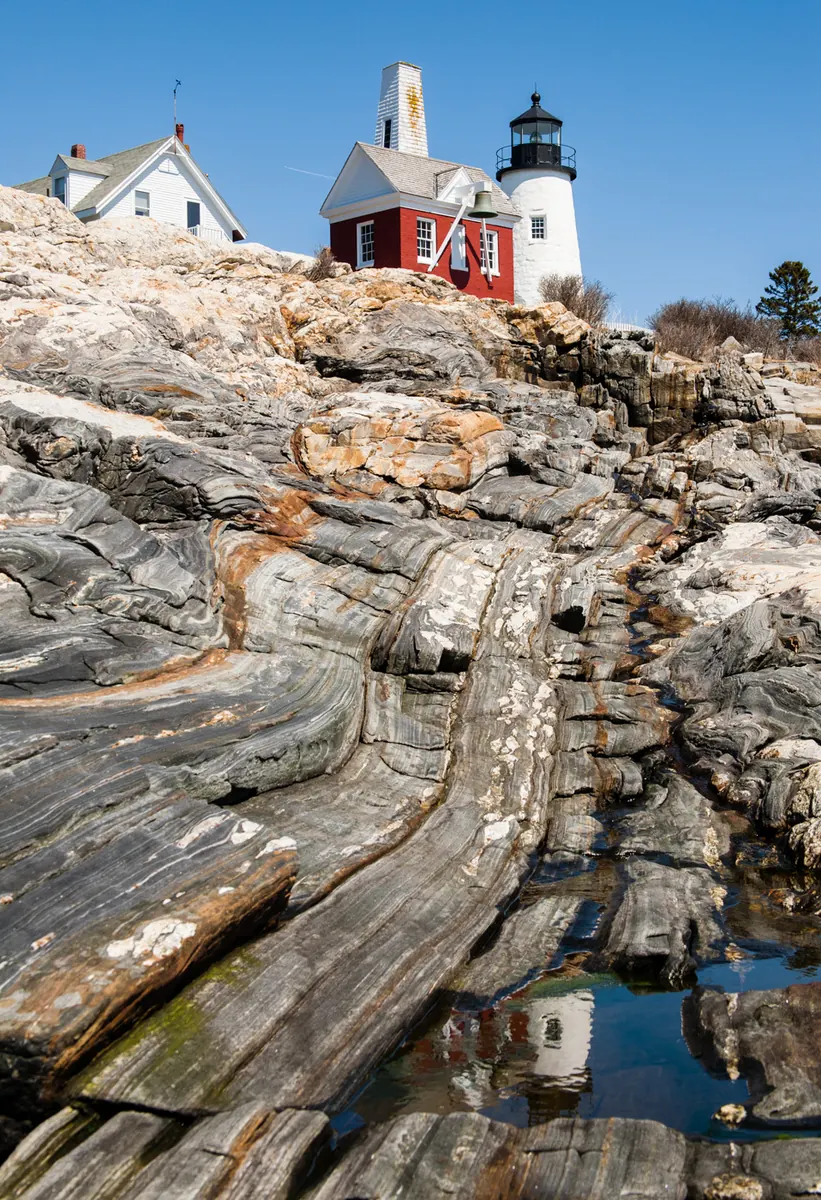
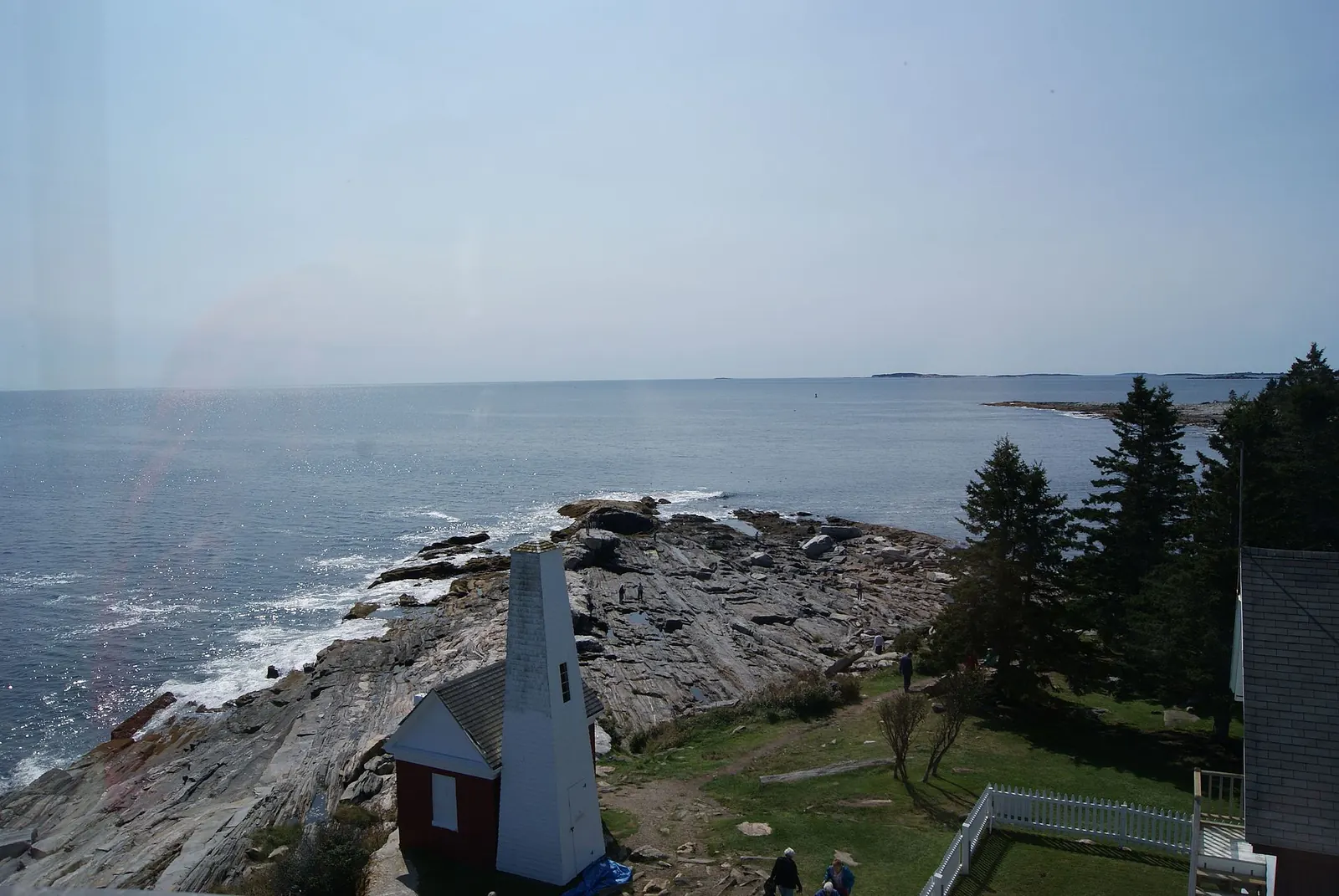
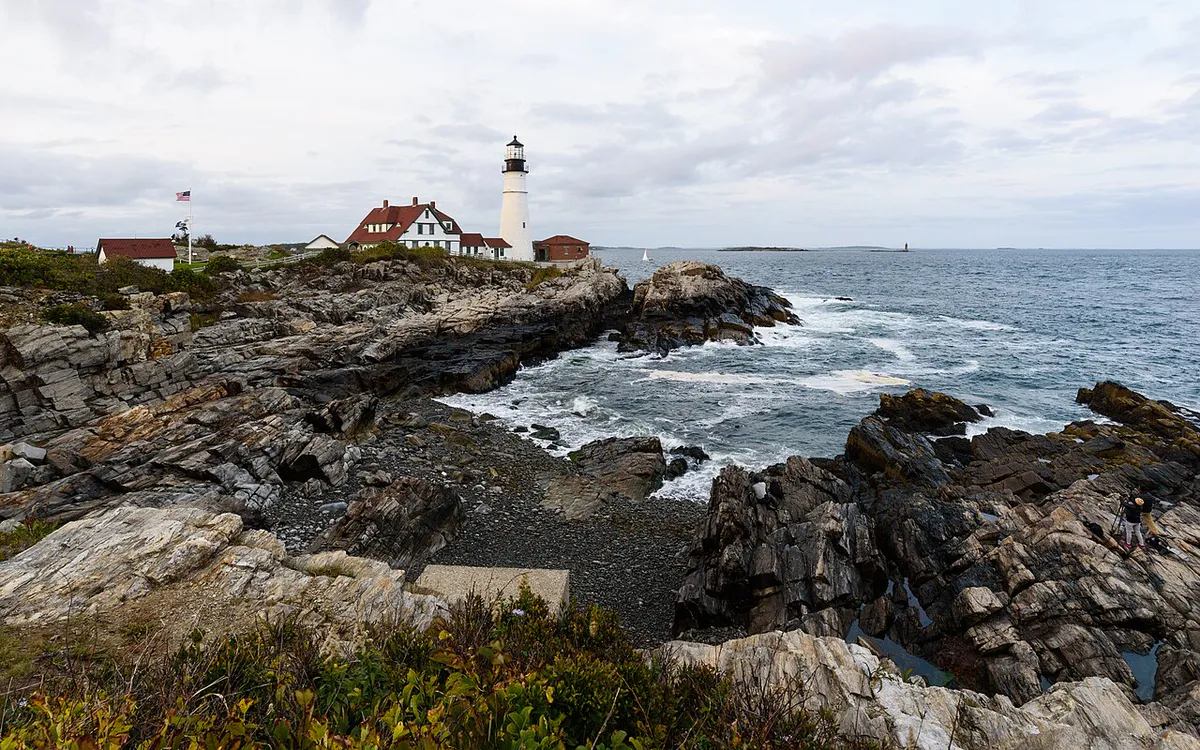
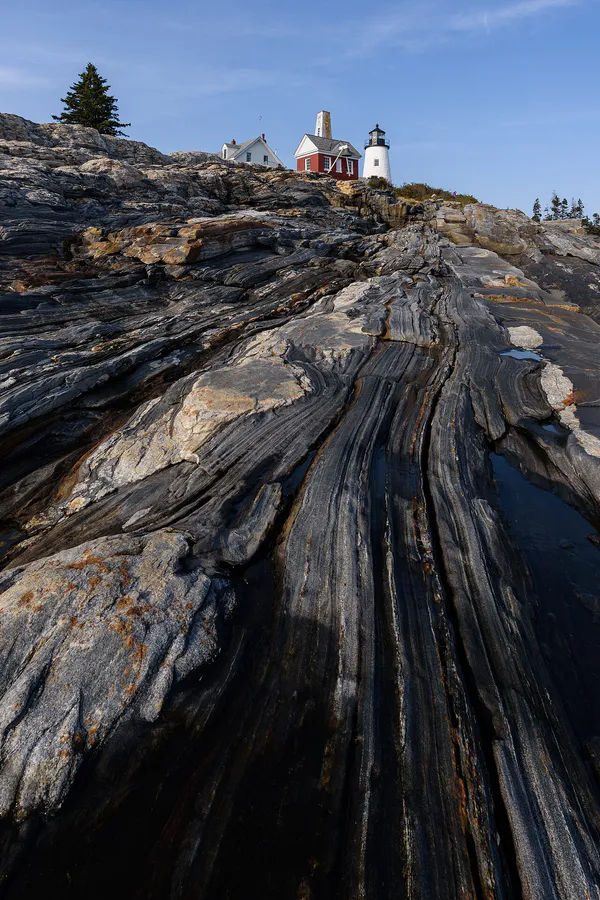
Pemaquid Point Lighthouse sits at the end of Route 130, about 15 miles south of Damariscotta. Built in 1835, the lighthouse stands above some of the most striking geology on the Maine coast: layers of metamorphic rock folded and tilted by ancient forces, forming dramatic striped ledges that slope into the surf. It is a powerful spot in any weather, but especially when a storm sends waves crashing over the rocks. The small museum in the lighthouse is worth a quick visit.
.jpg)

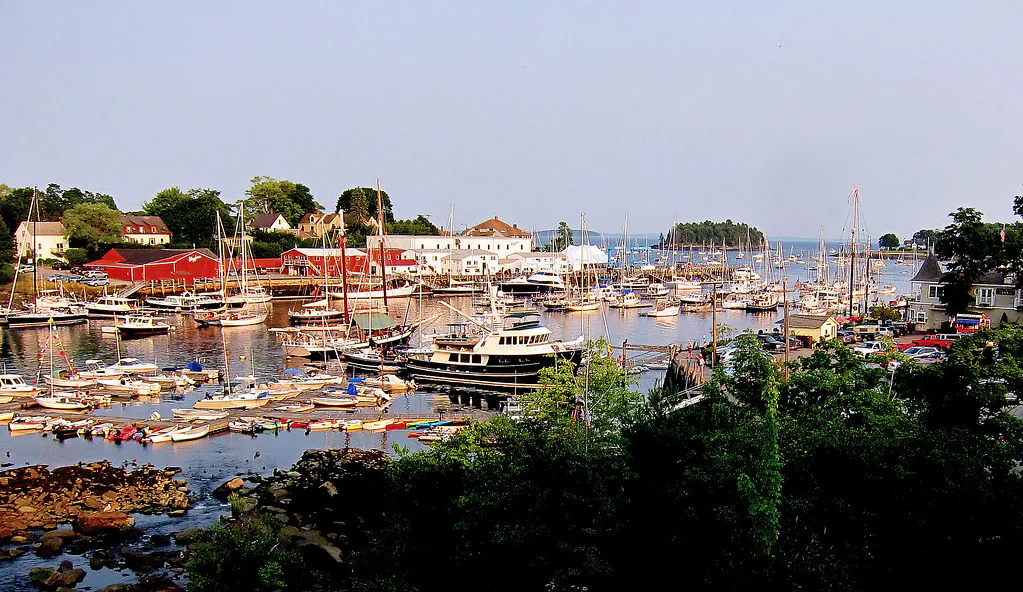
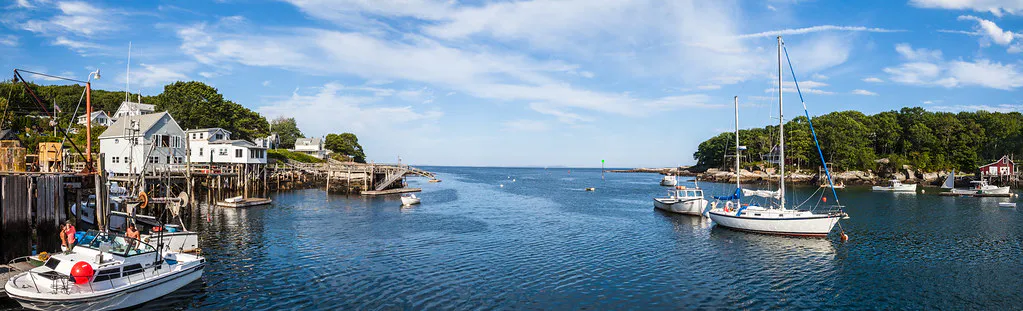
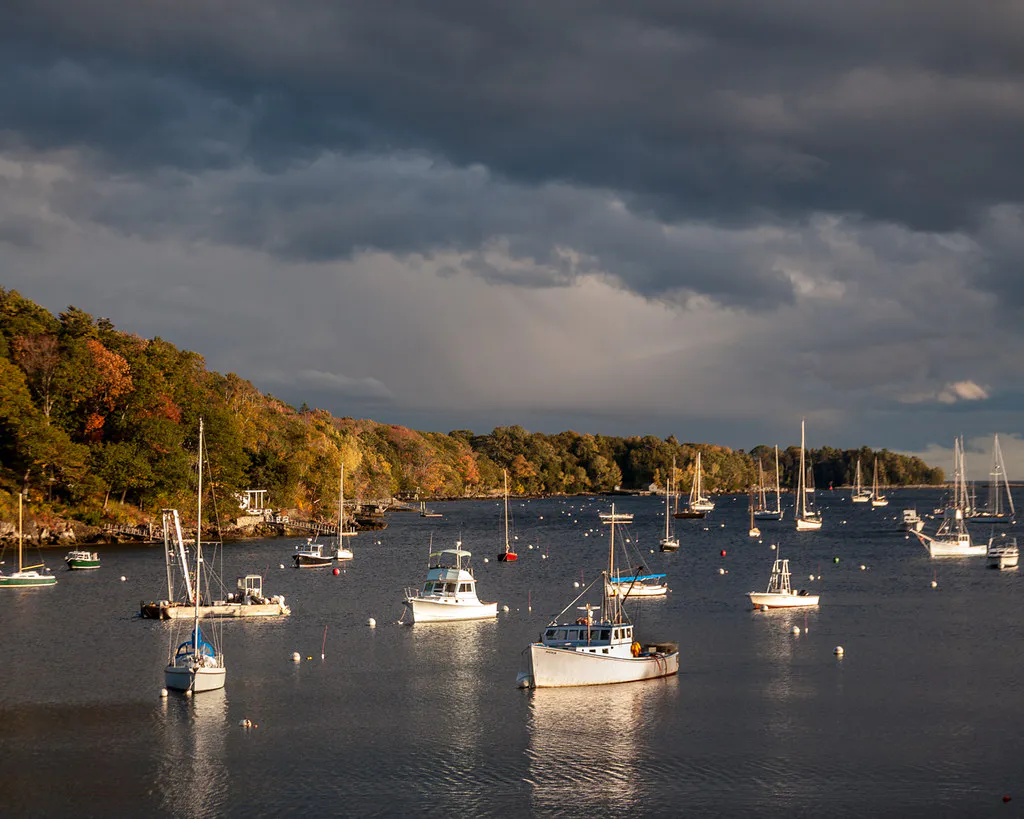
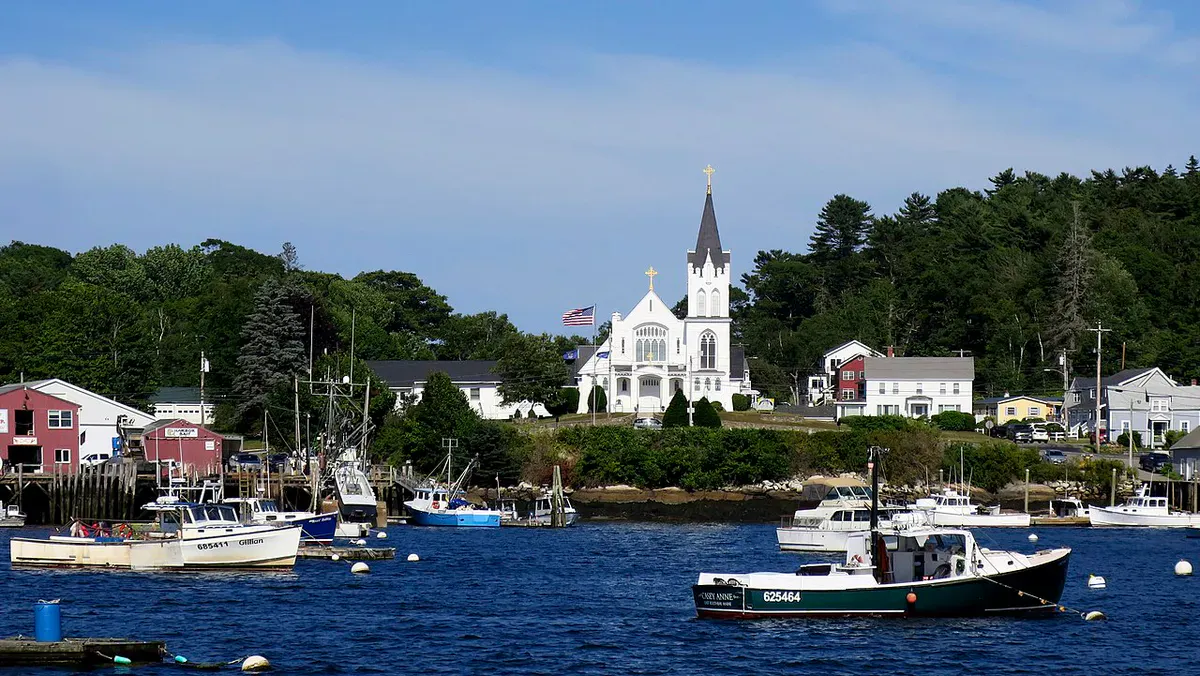
Boothbay Harbor is the Midcoast’s most popular summer destination, with a busy harbor, boat tours, and the Coastal Maine Botanical Gardens just north of town. The Botanical Gardens cover 300 acres with themed gardens, woodland trails, and a children’s garden with treehouses and bridges. It is easily a half-day visit.
Damariscotta is a small river town with outsized food credentials. The Damariscotta River has been producing oysters for thousands of years (shell middens in the area date back over 2,000 years), and the local oyster farms sell fresh from the dock. Several restaurants in town serve them raw on the half shell. The annual Pumpkinfest and Oyster Celebration in October is worth a trip on its own.
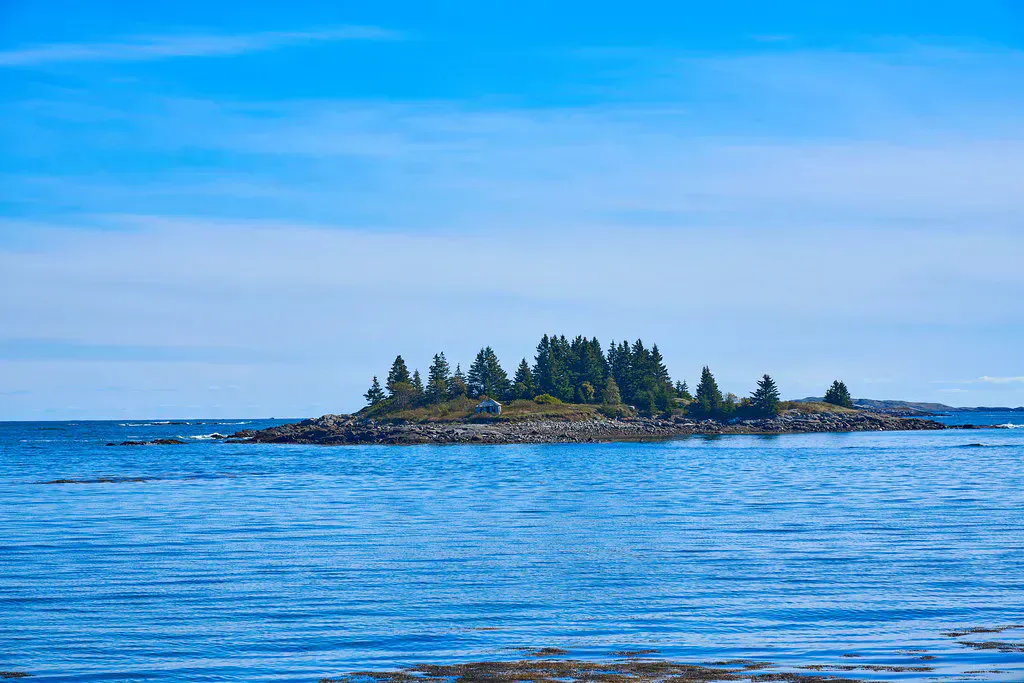
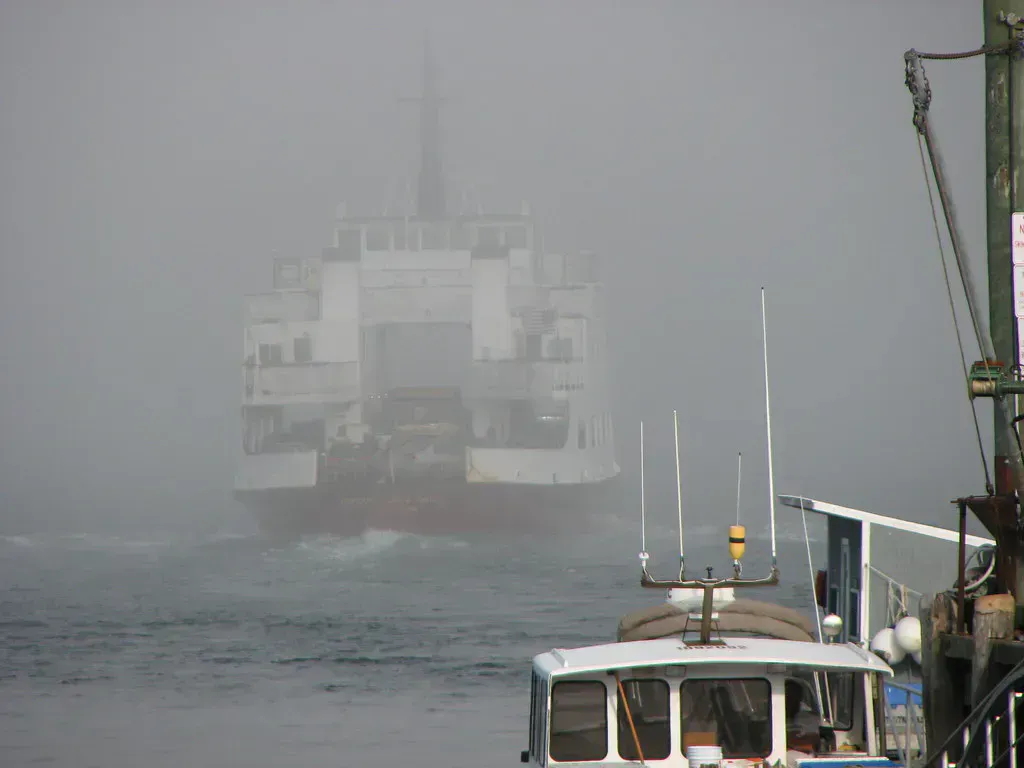
Monhegan Island is a 10-mile boat ride from Port Clyde (or seasonal ferries from Boothbay Harbor and New Harbor). This rugged, one-square-mile island has no cars, no paved roads, and 17 miles of hiking trails that wind through cathedral spruce forests and along 150-foot cliffs. Lobster Cove, White Head, and Burnt Head offer some of the most dramatic coastal scenery in Maine. The island has been an artists’ colony since the 1850s, and several studios welcome visitors in summer.
Three ferries serve Monhegan in summer: from Port Clyde (Monhegan Boat Line, year-round), Boothbay Harbor (Balmy Days Cruises, seasonal), and New Harbor (Hardy Boat Cruises, seasonal). The Port Clyde ferry is the most frequent with three daily departures in summer. Book at least a week ahead for July and August, especially weekends. The crossing takes about an hour, and the island has no restaurants beyond a few small cafes, so pack lunch and water.
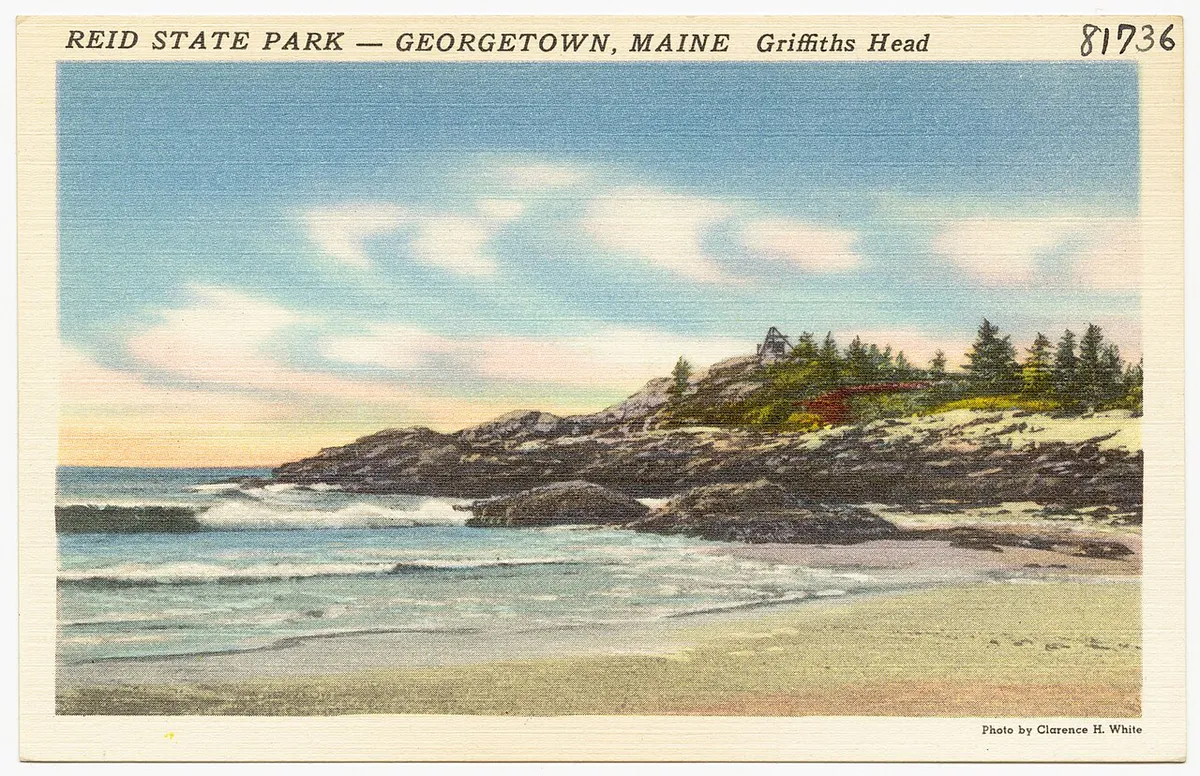
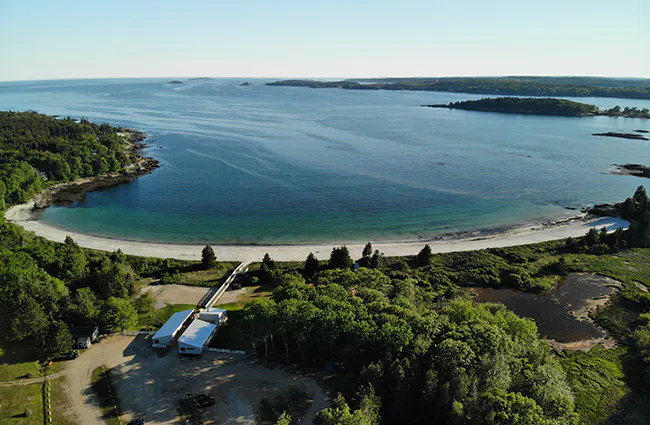
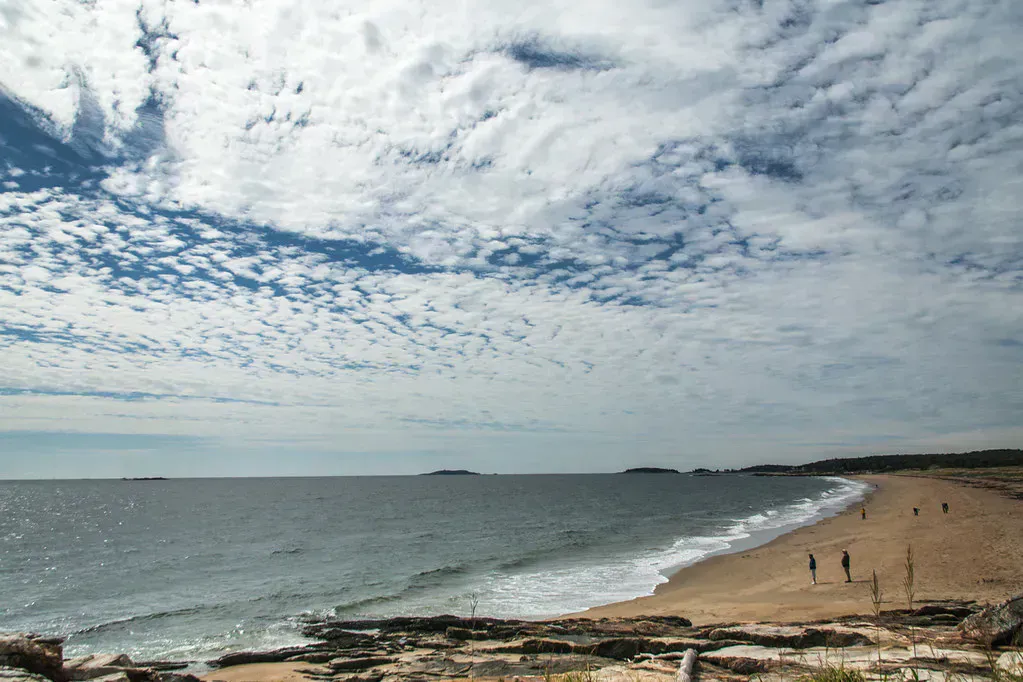
Reid State Park in Georgetown has something rare on the Midcoast: sandy beaches. Mile Beach and Half Mile Beach are separated by a rocky headland with tide pools, and the park offers gentle dunes, a lagoon for calmer swimming, and picnic areas with ocean views. It fills up on hot summer days, so arrive before 10 a.m.
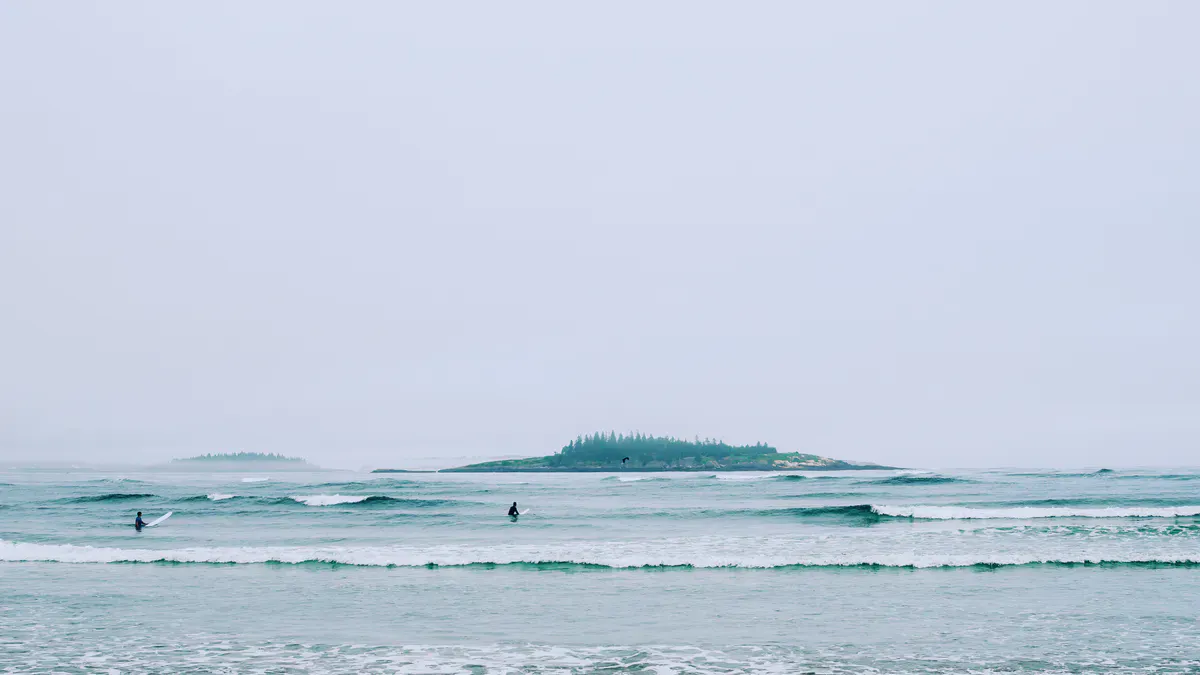
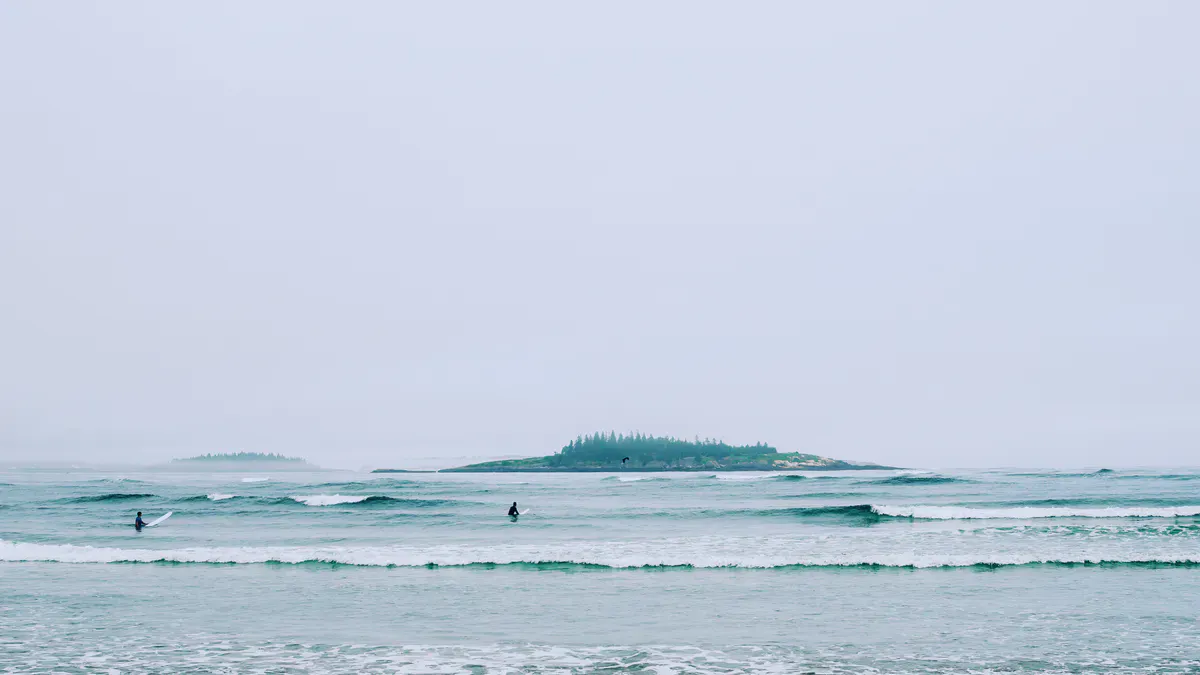
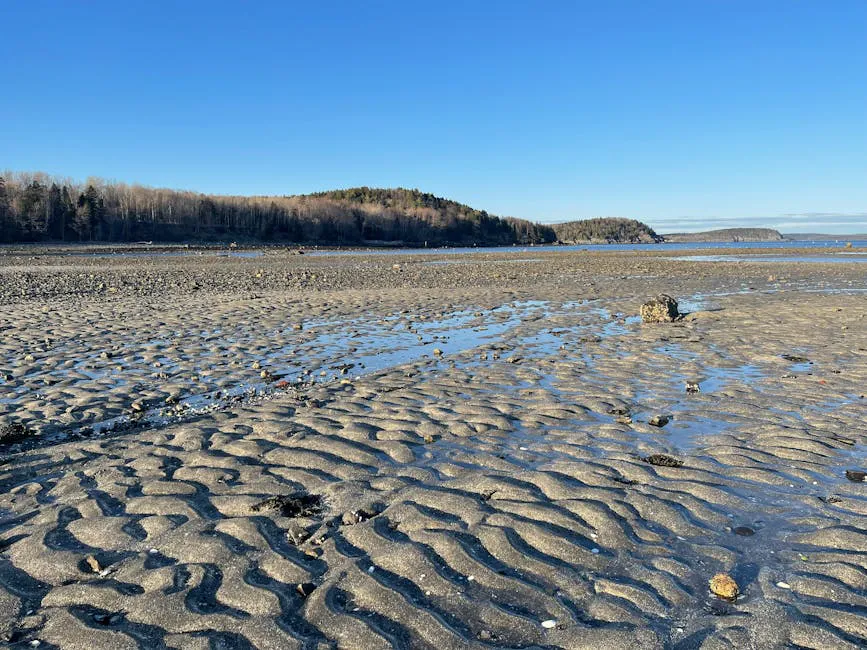
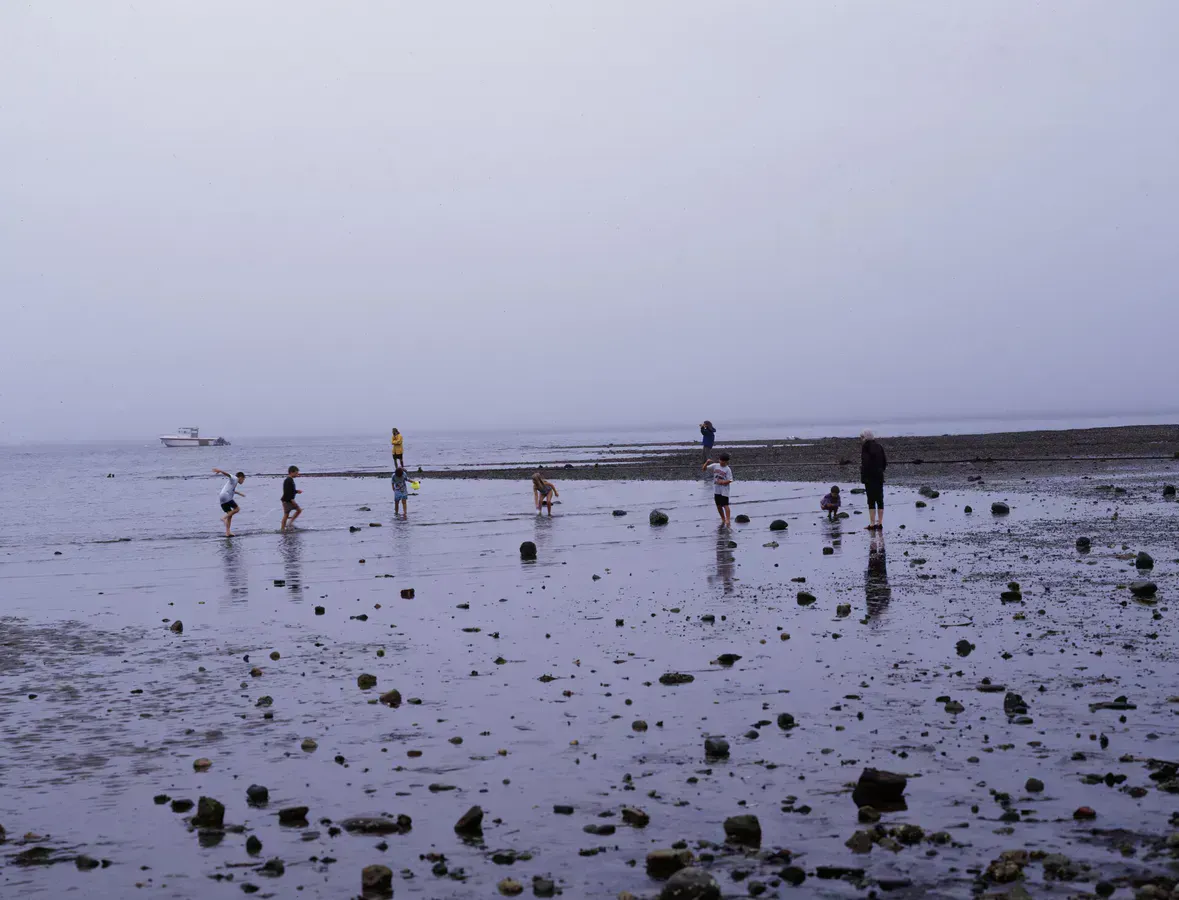
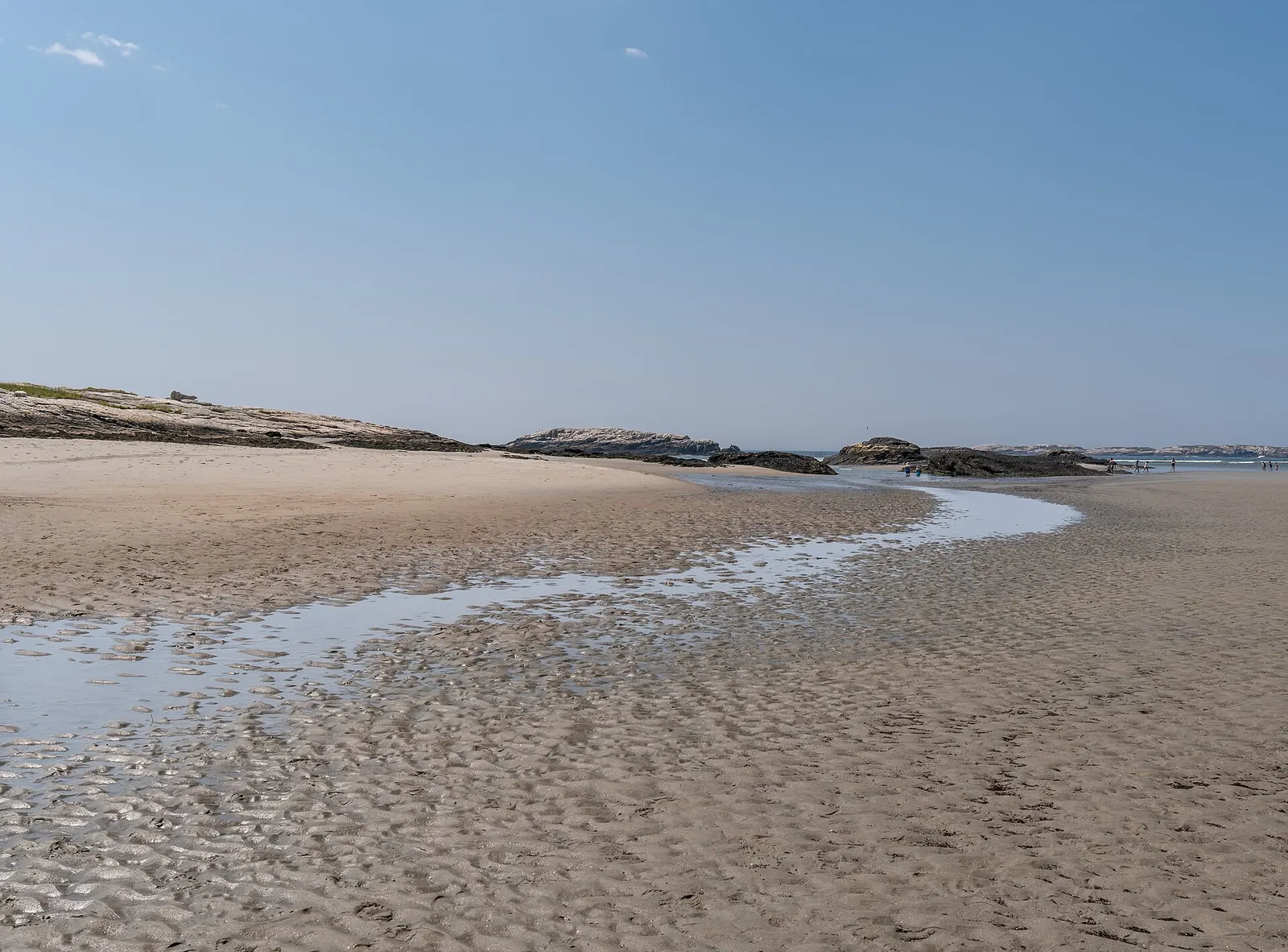
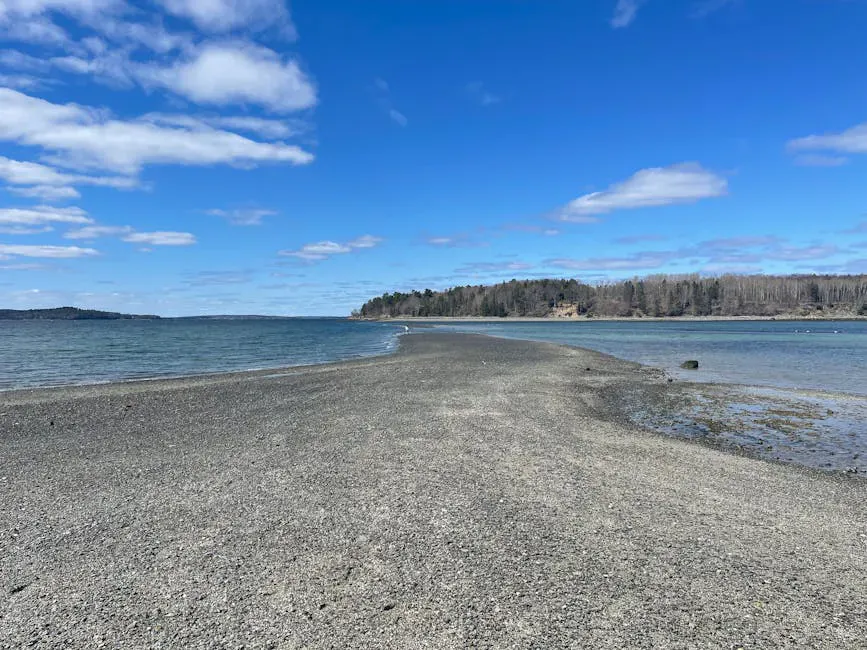
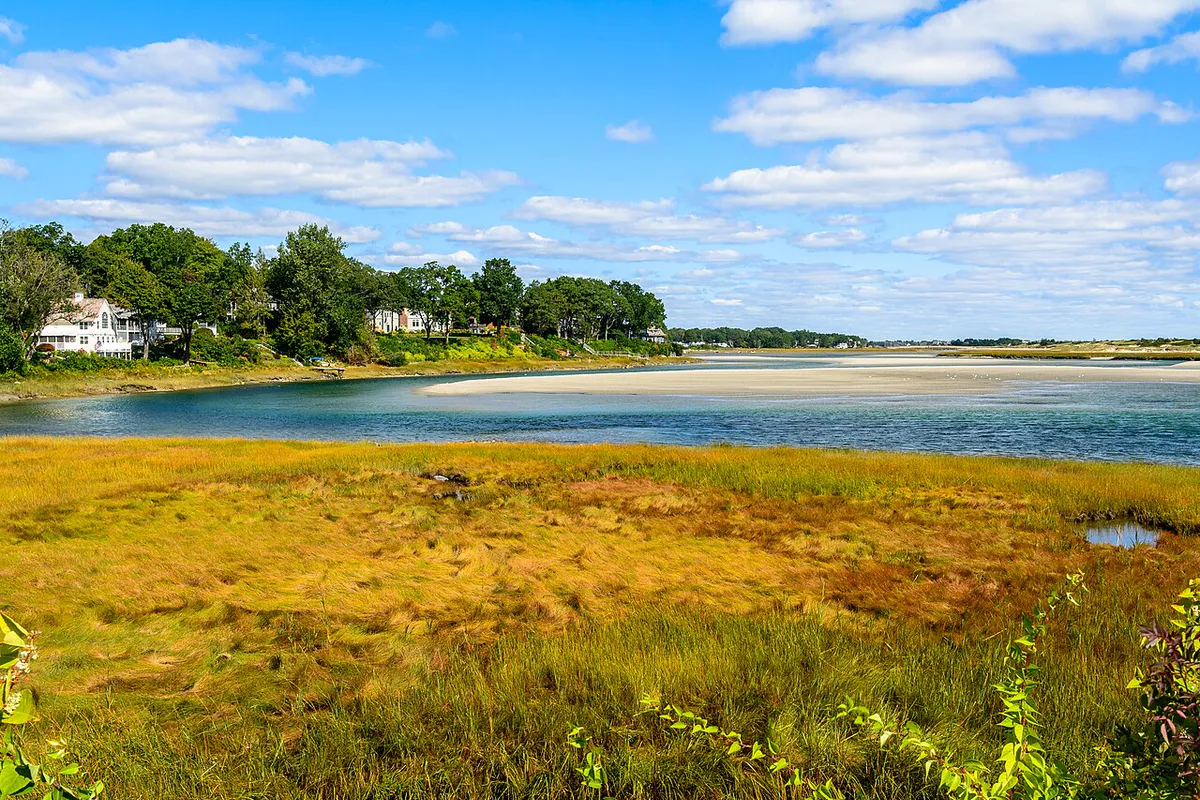
Popham Beach State Park, at the end of Route 209 south of Bath, is one of Maine’s finest barrier beaches. At low tide, the sand flat extends to Fox Island, which you can walk to if you time it right. The Morse River end of the beach is less crowded and offers views of Seguin Island lighthouse offshore. The currents here can be strong, so pay attention to posted warnings.
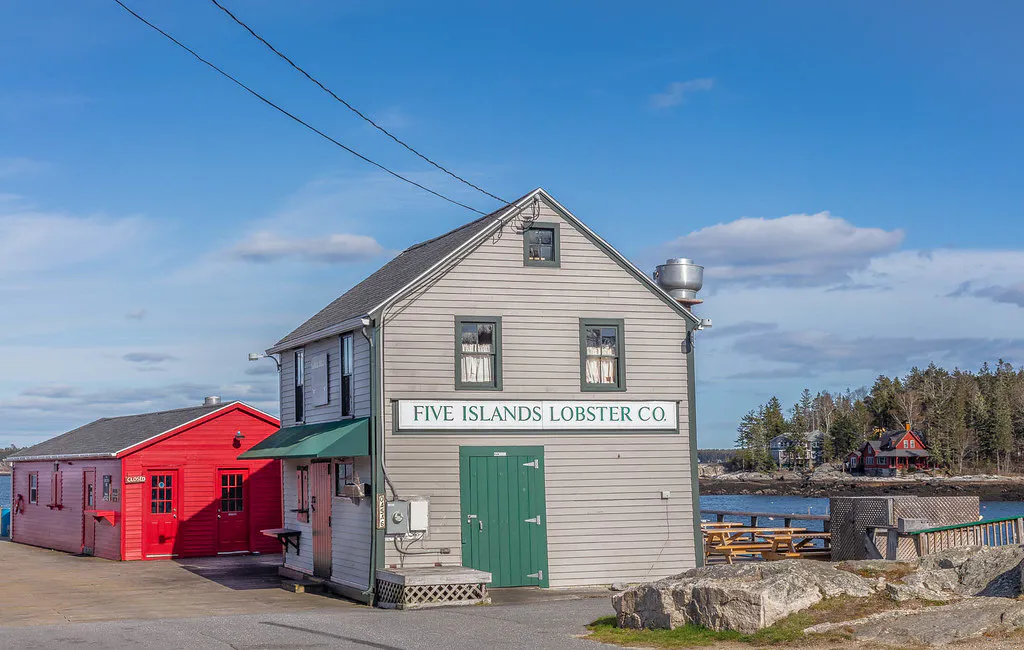
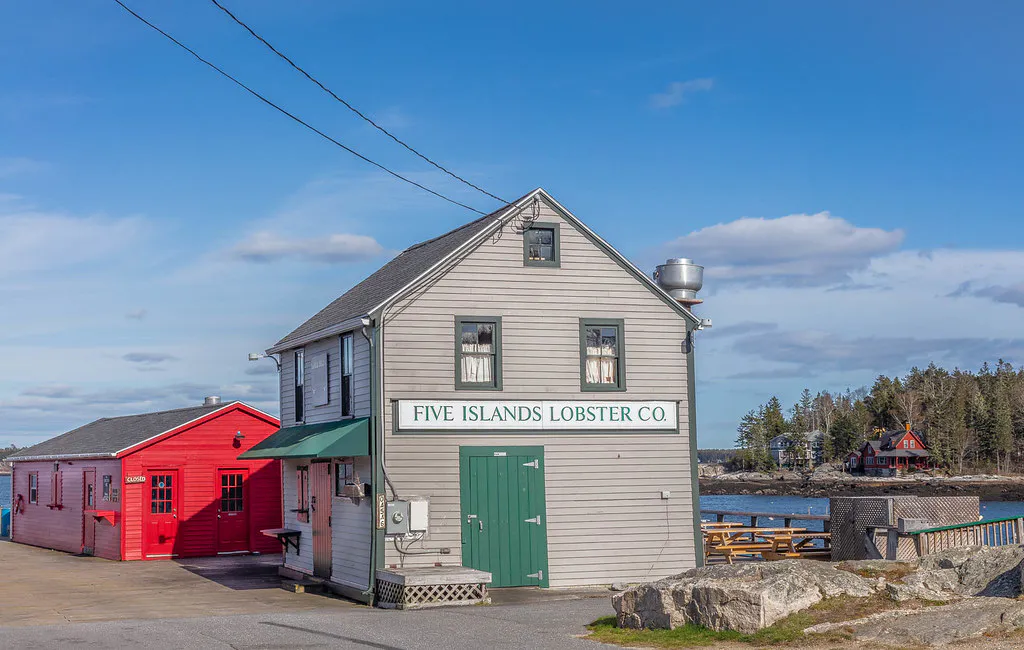
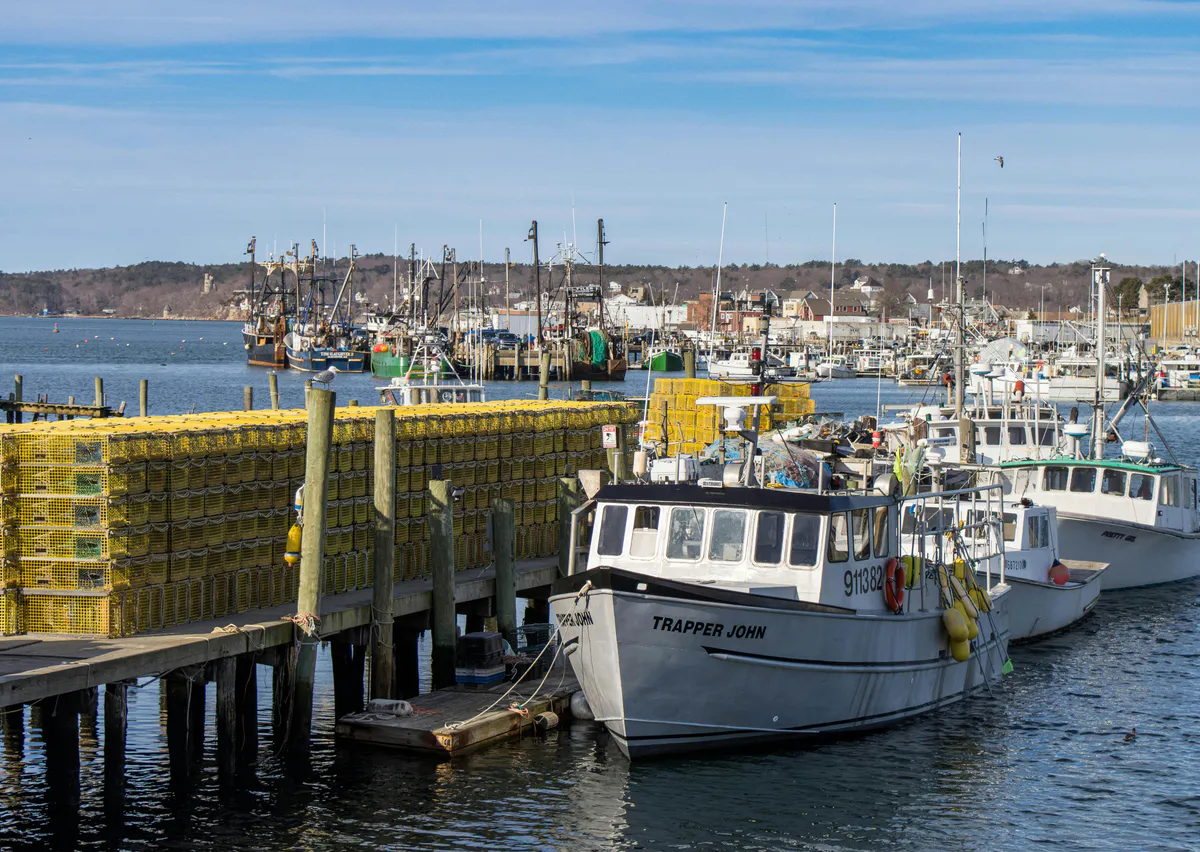
Skip the lobster roll lines in Camden and drive to Five Islands Lobster in Georgetown instead. It is on a working wharf at the end of a quiet peninsula, the lobsters come off the boat that morning, and you eat at picnic tables overlooking the harbor. Red’s Eats in Wiscasset is famous and the rolls are excellent, but the line can stretch 45 minutes on a summer afternoon.
Best Hikes in the Camden Hills
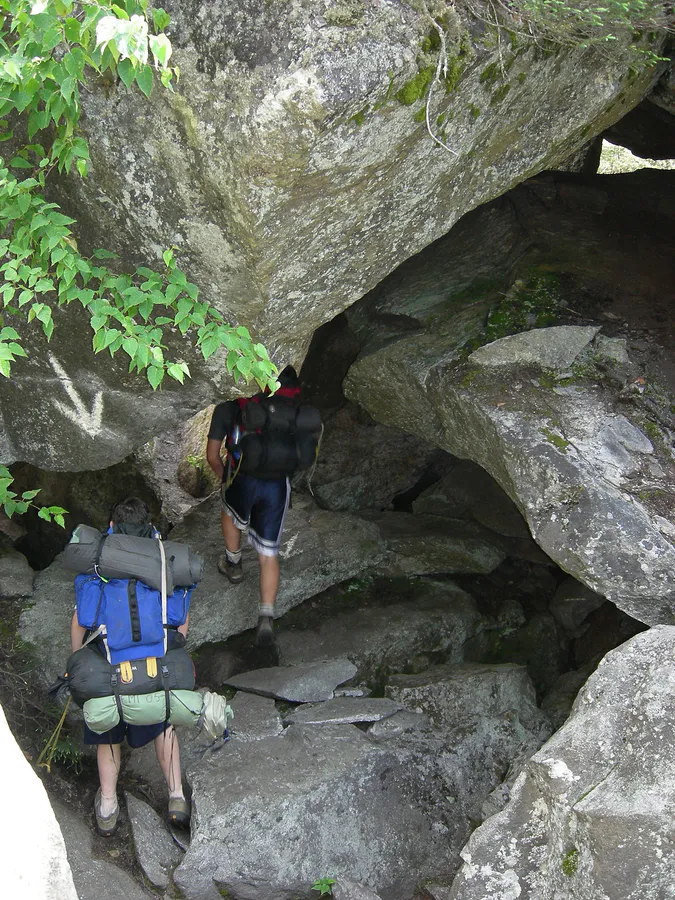
Nearly every serious hike in this region runs through Camden Hills State Park or the ridges just west of it. Start with the classics:
- Mount Battie is the easy one: a 2-mile round trip on foot, or a drive up the auto road, to the stone tower above Camden Harbor. The state park day-use fee is $6 per vehicle. It is the view on every Camden postcard.
- Mount Megunticook via Ocean Lookout is the one locals send you on. The Megunticook Trail climbs through hardwoods to an open ledge at Ocean Lookout, a 2-mile round trip gaining about 1,100 feet, with one of the best Penobscot Bay vistas on the coast. Continue to the wooded true summit at 1,385 feet for the full Mount Megunticook traverse.
- Maiden Cliff climbs to a clifftop marked by a large white cross, with Megunticook Lake spread out below. It is a moderate 2-mile round trip with free parking.
- Bald Rock Mountain in Lincolnville is the quieter pick, a moderate 2-mile hike to open ledges over the bay and its islands.
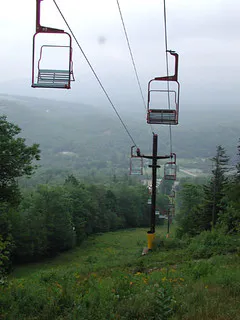
For a hill the tour buses never reach, Ragged Mountain follows the Georges Highland Path to panoramic views from 1,300 feet, with free parking and a trail connection to the Camden Snow Bowl.
Lighthouses, Islands, and the Water
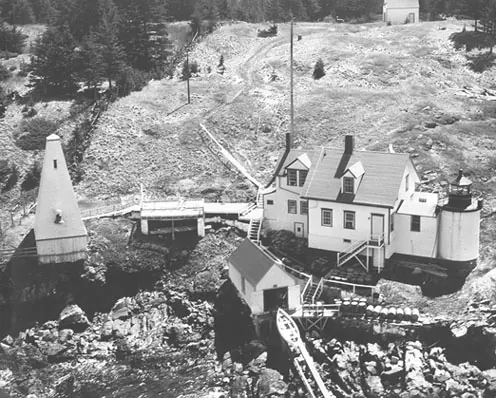
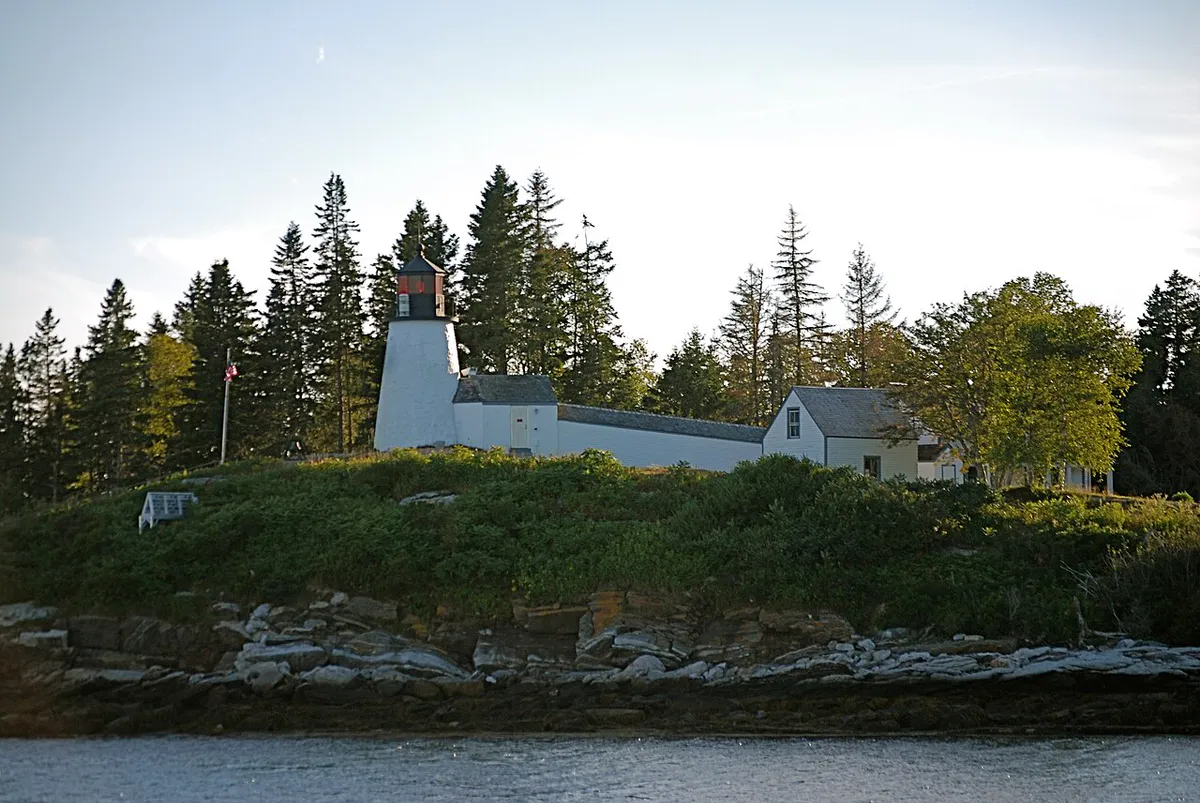
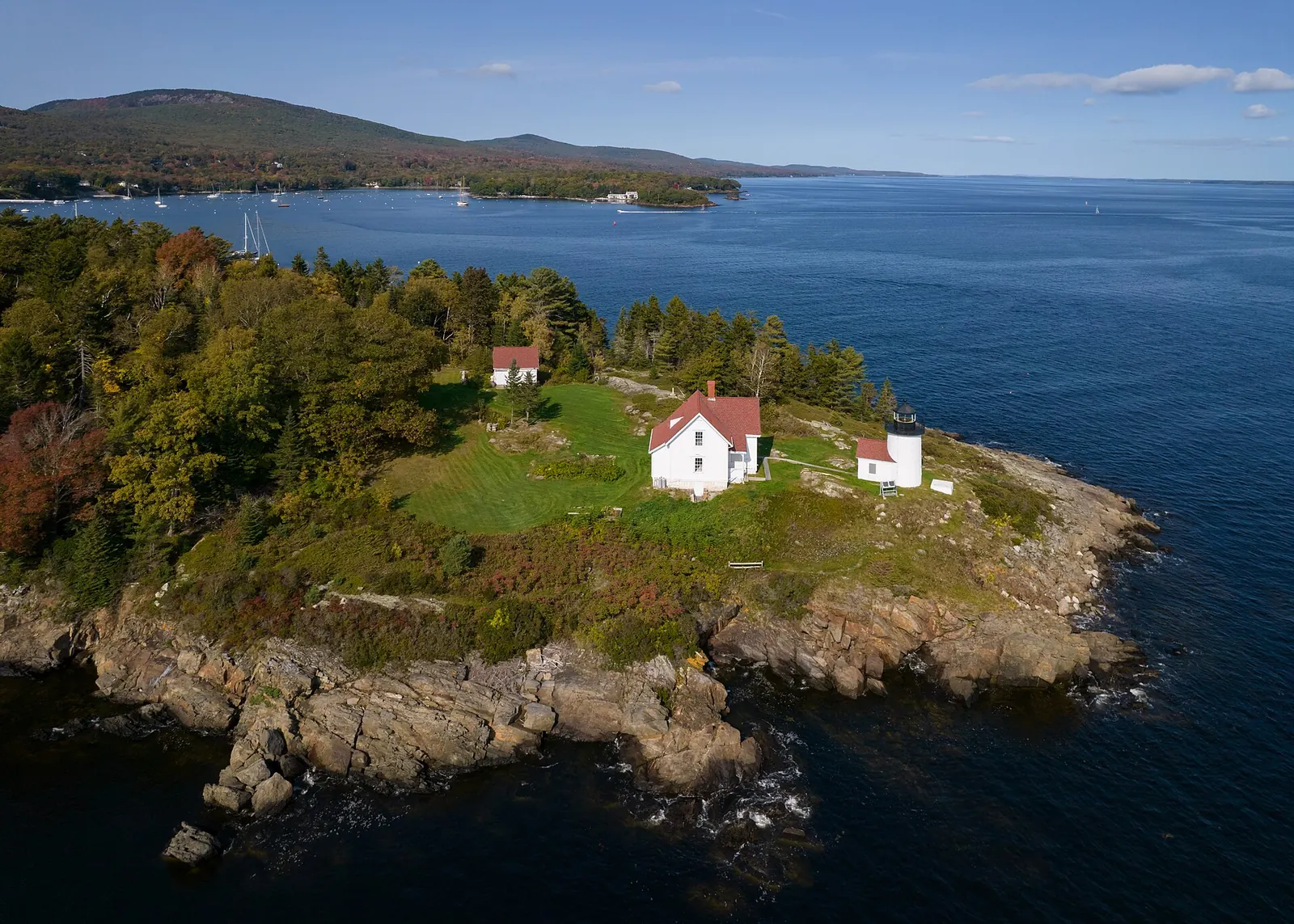
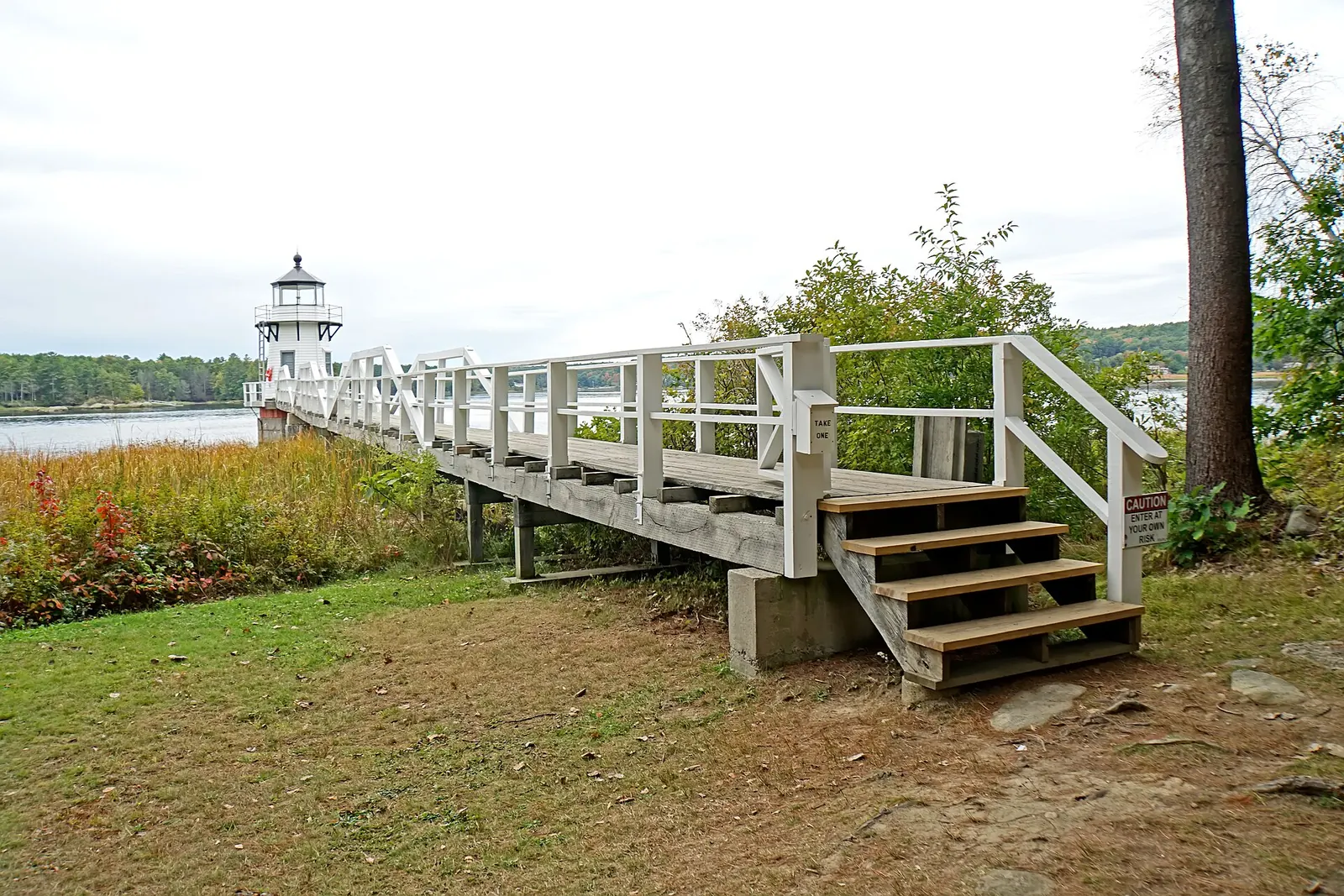
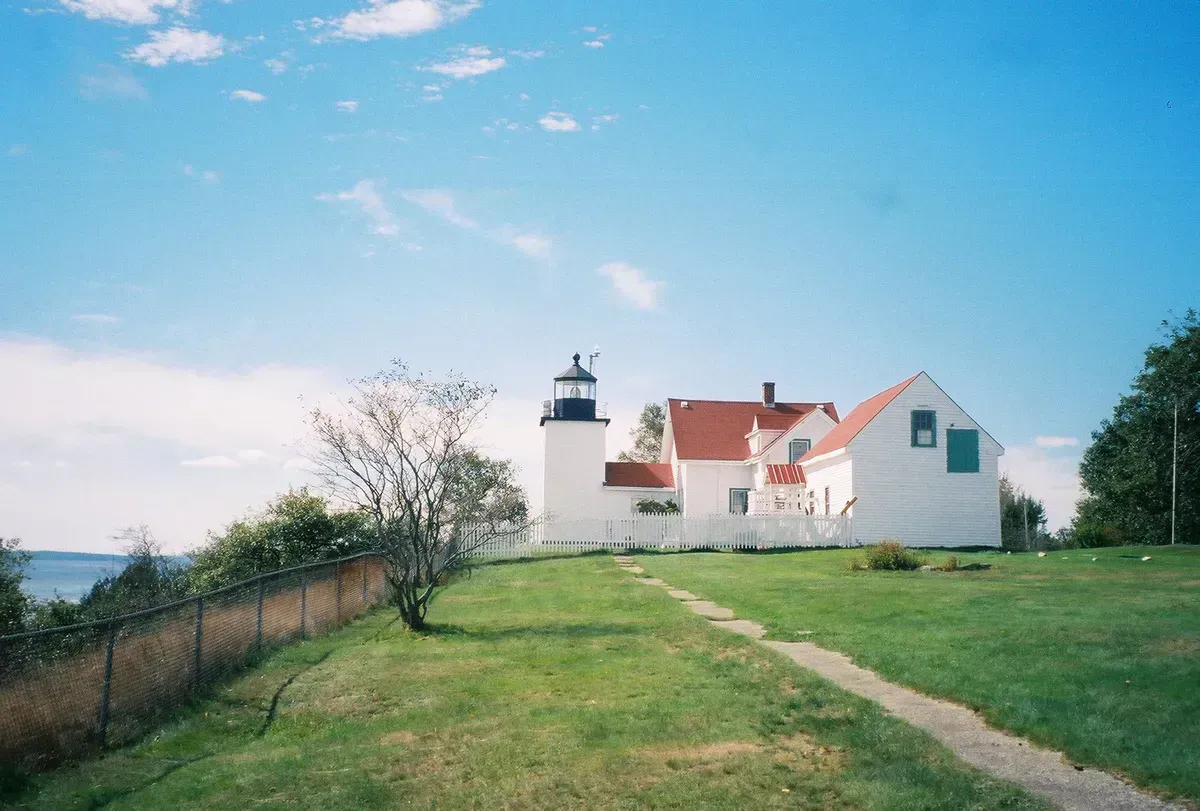
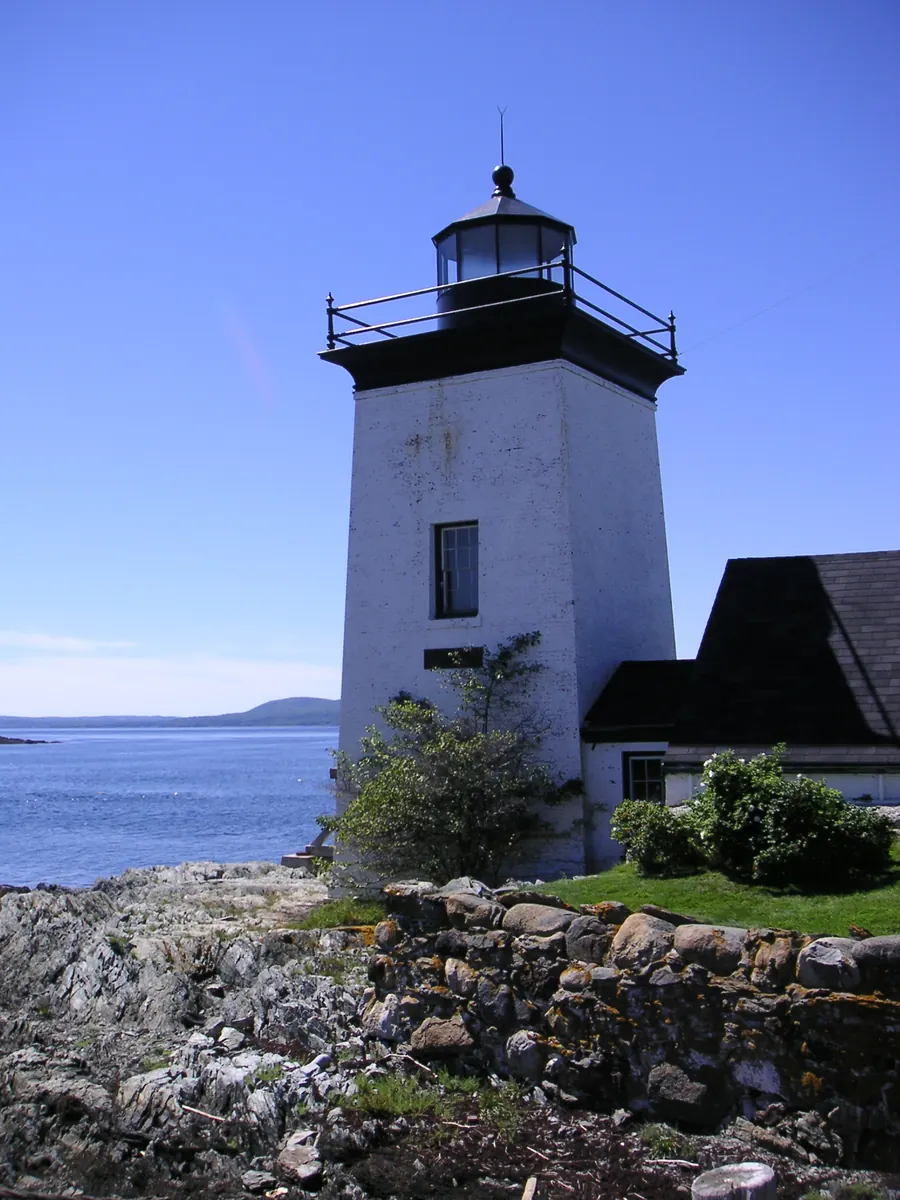
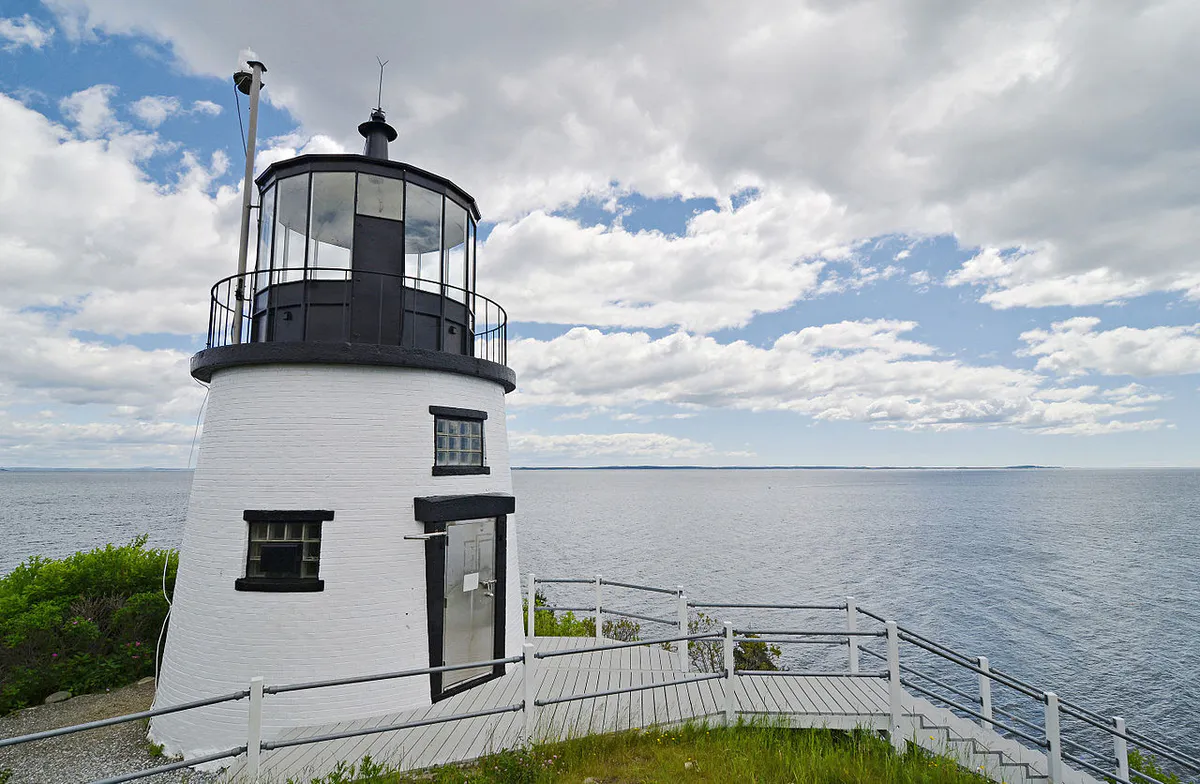
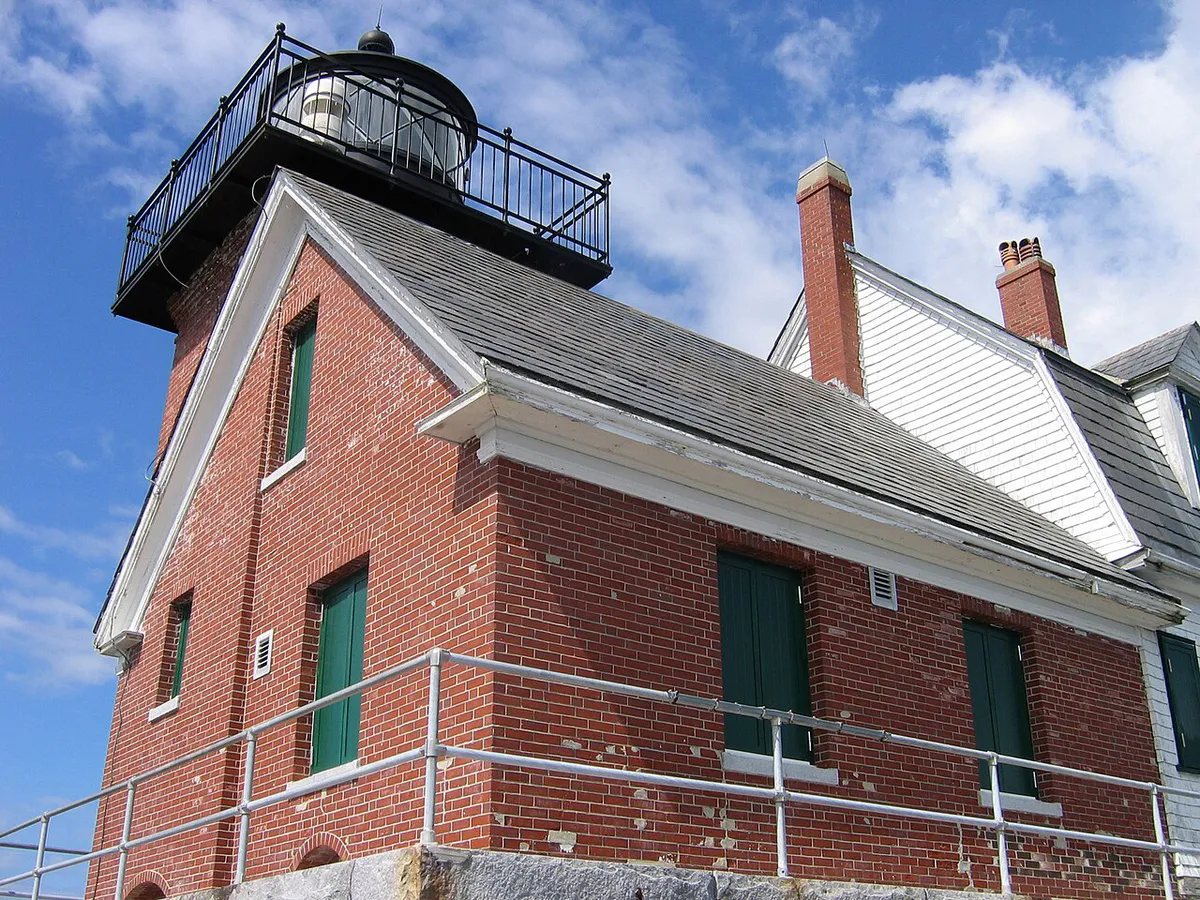
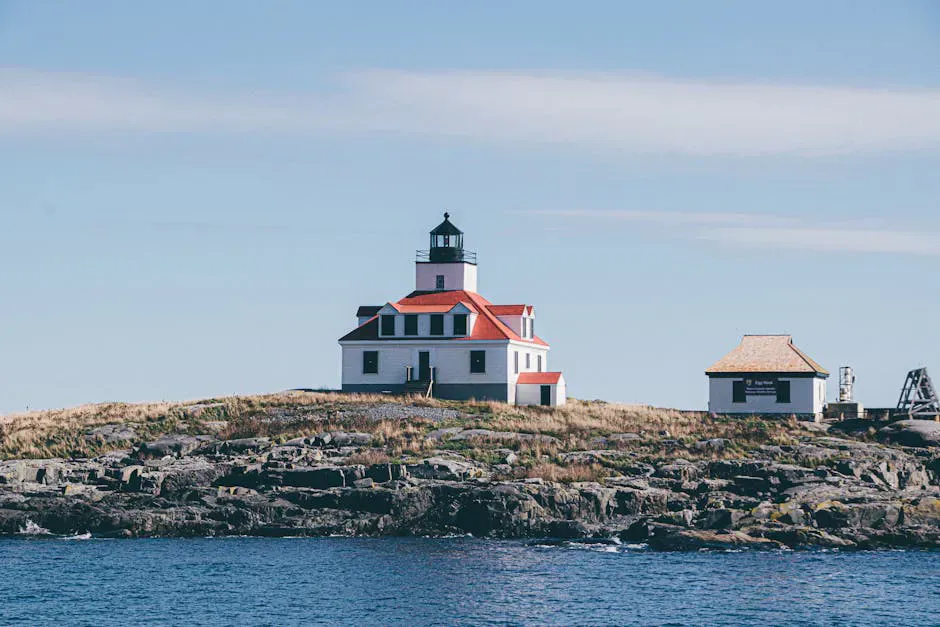
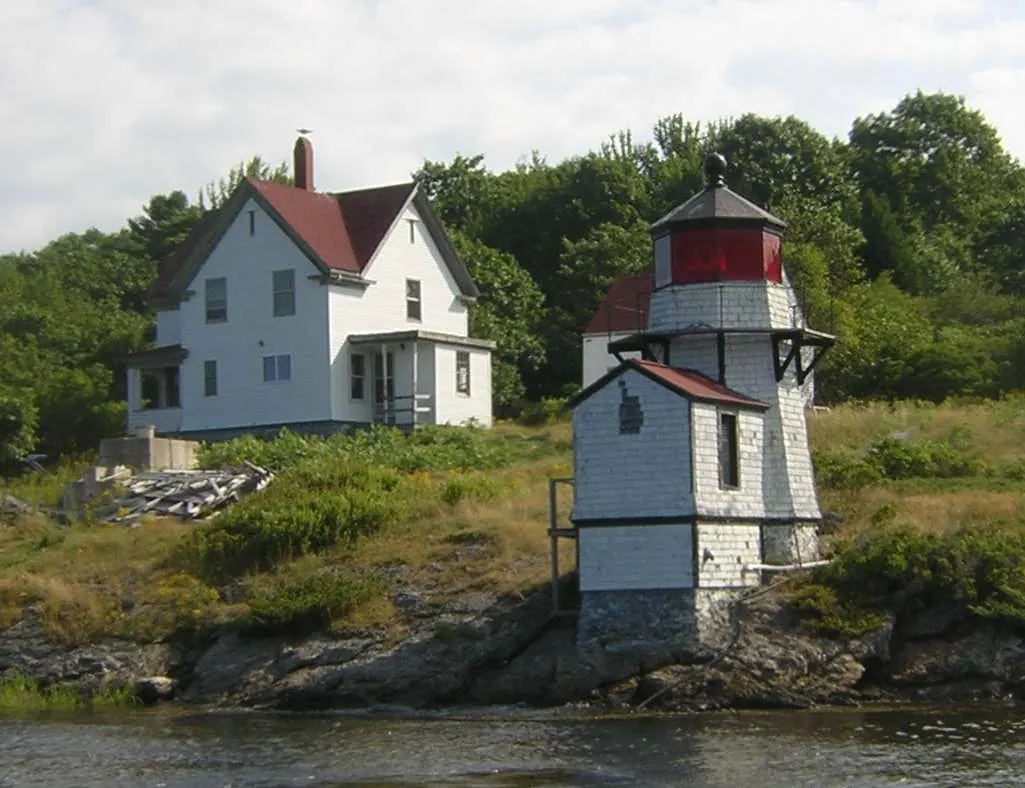
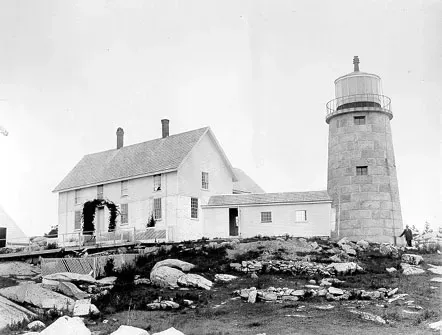
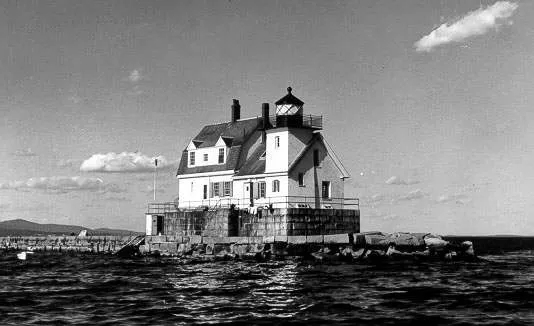
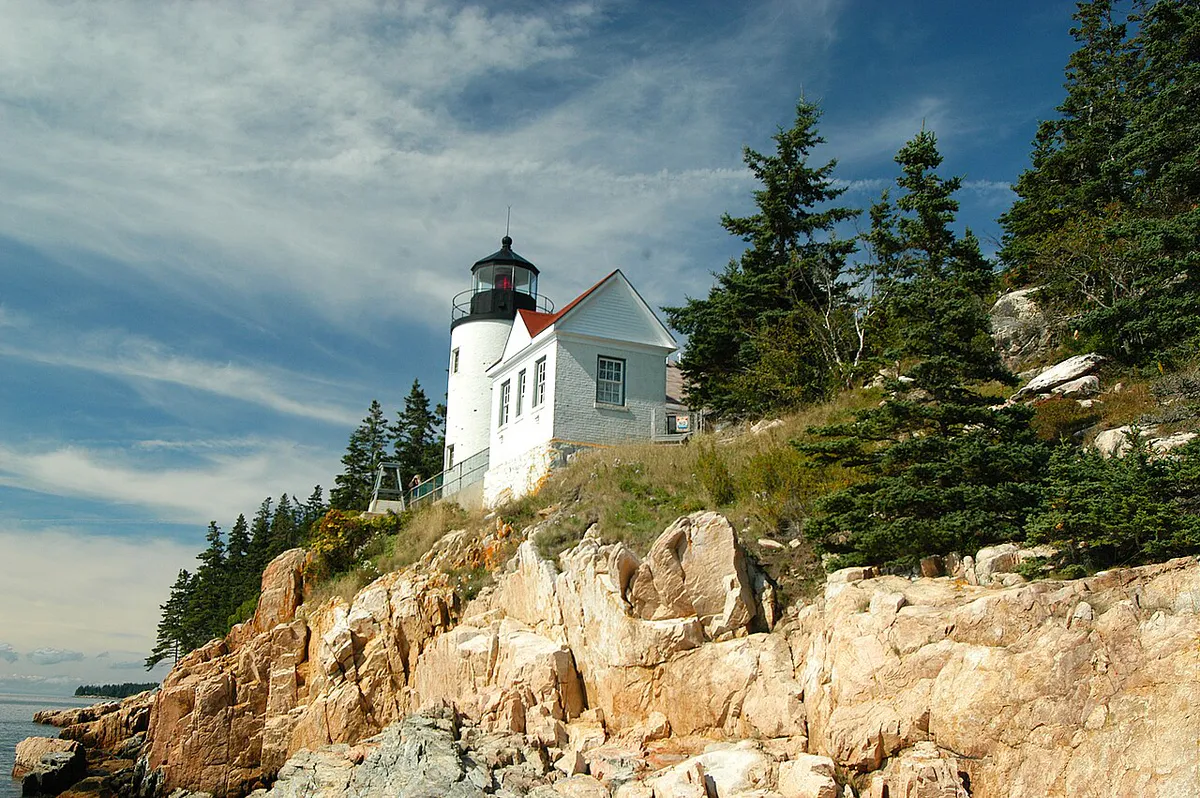
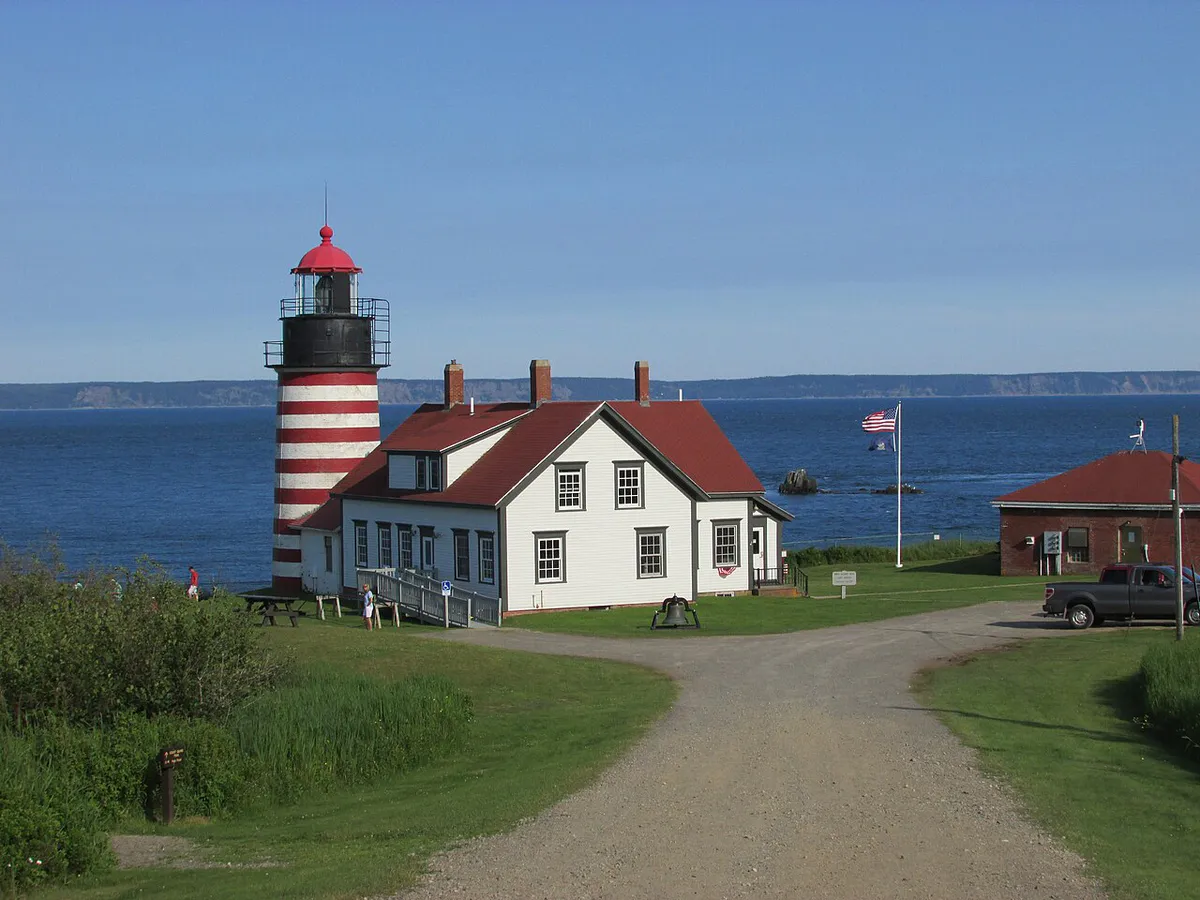
The Midcoast has more working lighthouses than any stretch of the coast, and several are easy visits. Marshall Point Lighthouse in Port Clyde is the one from Forrest Gump, with a white wooden catwalk out to an 1857 tower and a free museum in the keeper’s house. Owls Head Lighthouse sits on a cliff 100 feet above Penobscot Bay, reached by a short woodland trail, with free parking. Pemaquid Point Lighthouse in Bristol stands above the folded, striped ledges that define the point, and parking is $5 per car in season. For a longer walk, the Rockland Breakwater Lighthouse sits at the end of a nearly mile-long granite jetty you walk out on. For a one-day loop of the region’s highlights, see our things to do in Midcoast Maine guide.
Monhegan Island is the big trip: a car-free artist colony 12 miles offshore with 17 miles of trails along 150-foot cliffs. The Monhegan Boat Line runs year-round from Port Clyde, about $40 round trip, and the crossing takes an hour. Closer in, the Coastal Maine Botanical Gardens in Boothbay cover 295 acres of themed gardens and woodland trails, now home to the giant Thomas Dambo troll sculptures. Paddlers can launch from Round Pond onto the Muscongus Bay segment of the Maine Island Trail, a protected, island-studded route past the Hog Island Audubon camp.
Where to Camp
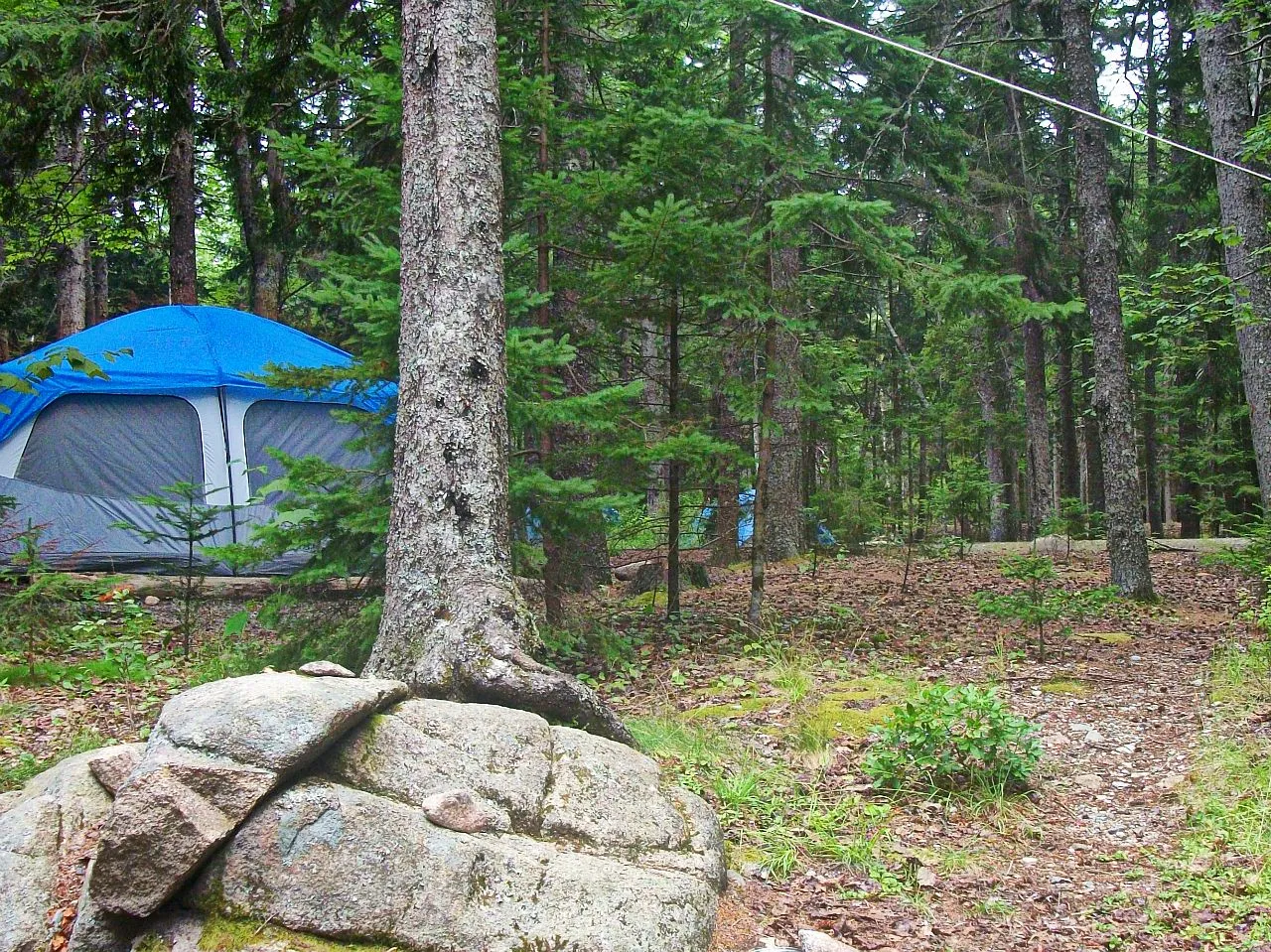
Camden Hills State Park puts 107 wooded sites two miles from Camden village and steps from the Mount Battie trails, open May 15 through October 15. On the water in Searsport, the family-run Searsport Shores Ocean Camping has walk-in tent sites right on Penobscot Bay, plus on-site art studios and an enclosed dog park. For a tent-only peninsula with seven sandy beaches and no RVs, Hermit Island in Phippsburg is the classic, though reservations are by phone or mail only.
When to Visit
Spring
Quiet, chilly along the water. Seasonal businesses open late May. Trails can be muddy.
Summer
Warmest weather, full ferry schedules. Camden and Boothbay at their liveliest.
Fall
Warm days, cool nights, thinning crowds. Early foliage on the hillsides. Best month: September.
Winter
Most ferries and seasonal spots closed. Camden Hills open for snowshoeing. Towns are cozy and quiet.
July and August bring the warmest weather and the most visitors. Camden and Boothbay Harbor are at their liveliest, and the Monhegan ferry runs its full schedule. September is arguably the best month for the Midcoast: warm days, cool nights, thinning crowds, and the early hints of fall color on the hillsides.
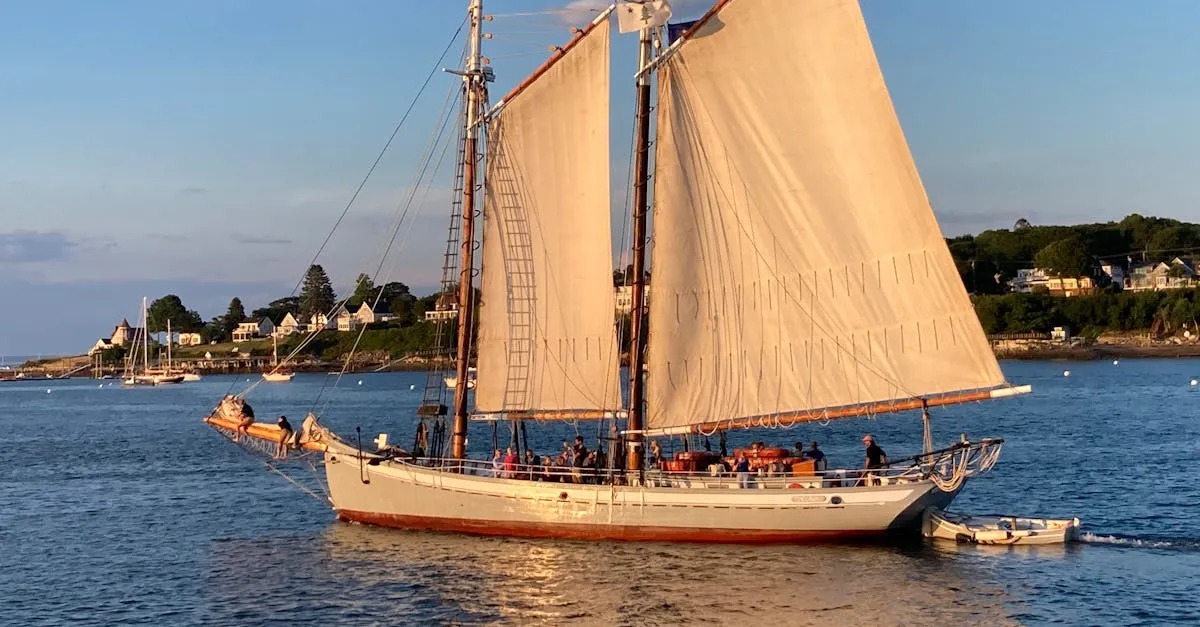
The Windjammer Festival in Camden (Labor Day weekend) and the Maine Lobster Festival in Rockland (early August) are signature events worth planning around.
Spring is quiet and can be chilly along the water. Many seasonal businesses open in late May or early June. Winter closes most island ferries and seasonal attractions, but Camden Hills stays open for snowshoeing and cross-country skiing, and the towns have a cozy, unhurried feel.
Getting There
The Midcoast stretches along Route 1, which serves as the main artery through every town from Bath to Rockland. From Portland, Bath is about an hour northeast on Route 1 (or slightly faster via I-295 to Route 1 at Brunswick). Camden is roughly 2 hours from Portland. Rockland has a small regional airport with seasonal service, and the Concord Coach bus line stops in several Midcoast towns.
Be prepared for Route 1 traffic in summer, especially through Wiscasset, which has been a notorious bottleneck for decades. A bypass opened in 2024, but traffic can still be slow on peak weekends.
Tips for Your Visit
Hike Mount Battie early in the morning for the best light on Penobscot Bay and to beat the crowds at the summit parking lot. The trail from the base is short but steep in places, so wear sturdy shoes.
Book the Monhegan ferry in advance during July and August. The island has limited lodging, so most visitors come for the day. Bring lunch, water, and layers, because the island is noticeably cooler and windier than the mainland.
Pemaquid Point is best visited at mid to low tide, when the rock formations are most exposed. The fee is modest, and there is a small art gallery in the old fisherman’s museum next to the lighthouse.
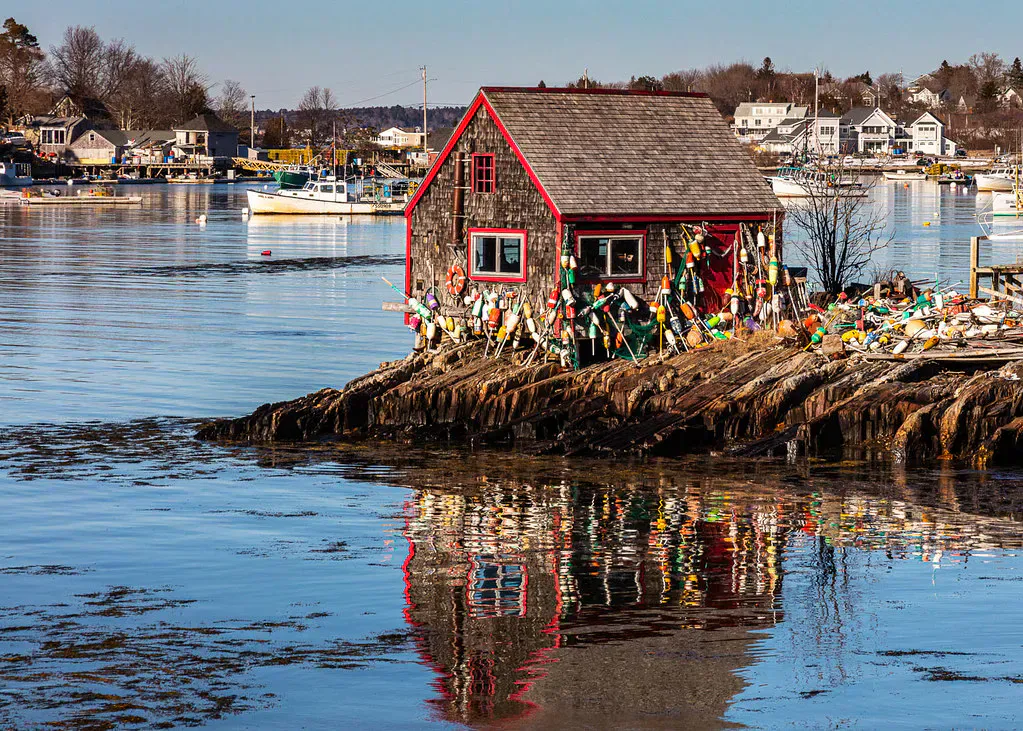
Do not skip the working waterfronts. Rockland, Thomaston, and Port Clyde are real fishing communities, not theme parks, and walking the harbor in any of these towns gives you a feel for the Midcoast that no trail can match.
FAQ
What is the best midcoast Maine town to visit?
Camden is the classic choice, with Mount Battie, a picture-perfect harbor, and good restaurants within walking distance. Rockland has a grittier, more authentic waterfront and the excellent Farnsworth Art Museum. Boothbay Harbor is the most family-friendly, with boat tours and the Botanical Gardens. Damariscotta is the pick for food lovers, especially oyster fans.
Is Monhegan Island worth the trip?
Yes, if you enjoy hiking and want to see the Maine coast in its wildest form. The 150-foot sea cliffs and cathedral spruce forests are unlike anything on the mainland. Plan for a full day, bring food and water, and book the ferry ahead of time. The island is also a magnet for birders during spring and fall migration.
What is the best beach in midcoast Maine?
Popham Beach State Park is the best sandy beach, with a long stretch of sand and the chance to walk to Fox Island at low tide. Reid State Park in Georgetown is a close second, with two sandy beaches and calmer water in the lagoon. Both fill early on hot summer days, so arrive before 10 AM.