
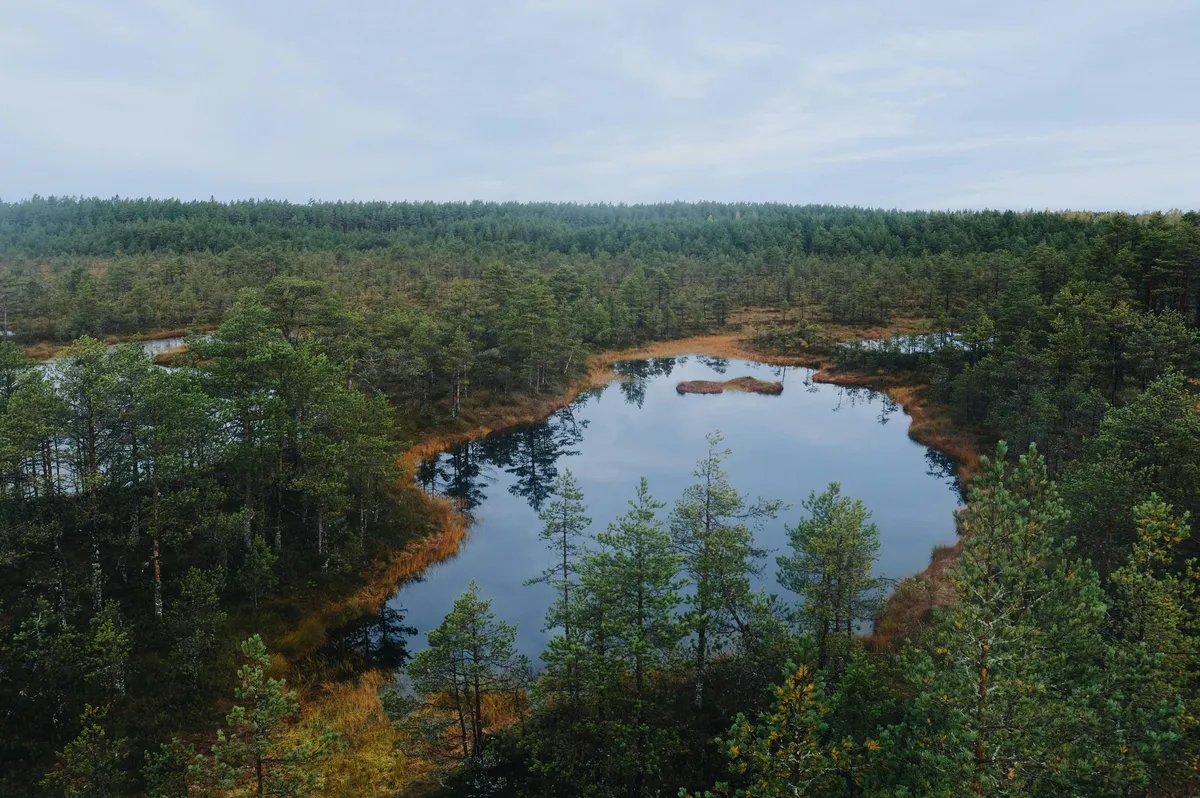
46,000 Acres of Pristine Wilderness
The Debsconeag Lakes Wilderness is a 46,271-acre preserve owned and managed by The Nature Conservancy, sitting directly south of Baxter State Park. It contains the highest concentration of pristine remote ponds in all of New England. Some of these ponds have never been stocked and hold native populations of brook trout and, in a few cases, Arctic char, a glacial relic species that is extraordinarily rare this far south.
The preserve is anchored by the Debsconeag Lakes chain and surrounded by dense boreal forest. The Appalachian Trail runs 16 miles through the property on its way to Baxter and Katahdin. Most visitors come for the ice caves, the paddling, or the fishing. What they find is a level of remoteness that is hard to match anywhere in the eastern United States.
Camping is free, first-come-first-served, and limited to designated sites. There are no fees, no permits, and no reservations. The trade-off is that facilities are minimal. Fire rings at some sites. No bathrooms, no water, no cell service, no help nearby. Come fully self-sufficient or do not come at all.
Dogs are not permitted anywhere in the Debsconeag Lakes Wilderness. This is a Nature Conservancy policy to protect the preserve’s sensitive wildlife and ecosystems. Leave dogs at home or board them in Millinocket before visiting.
The Ice Caves
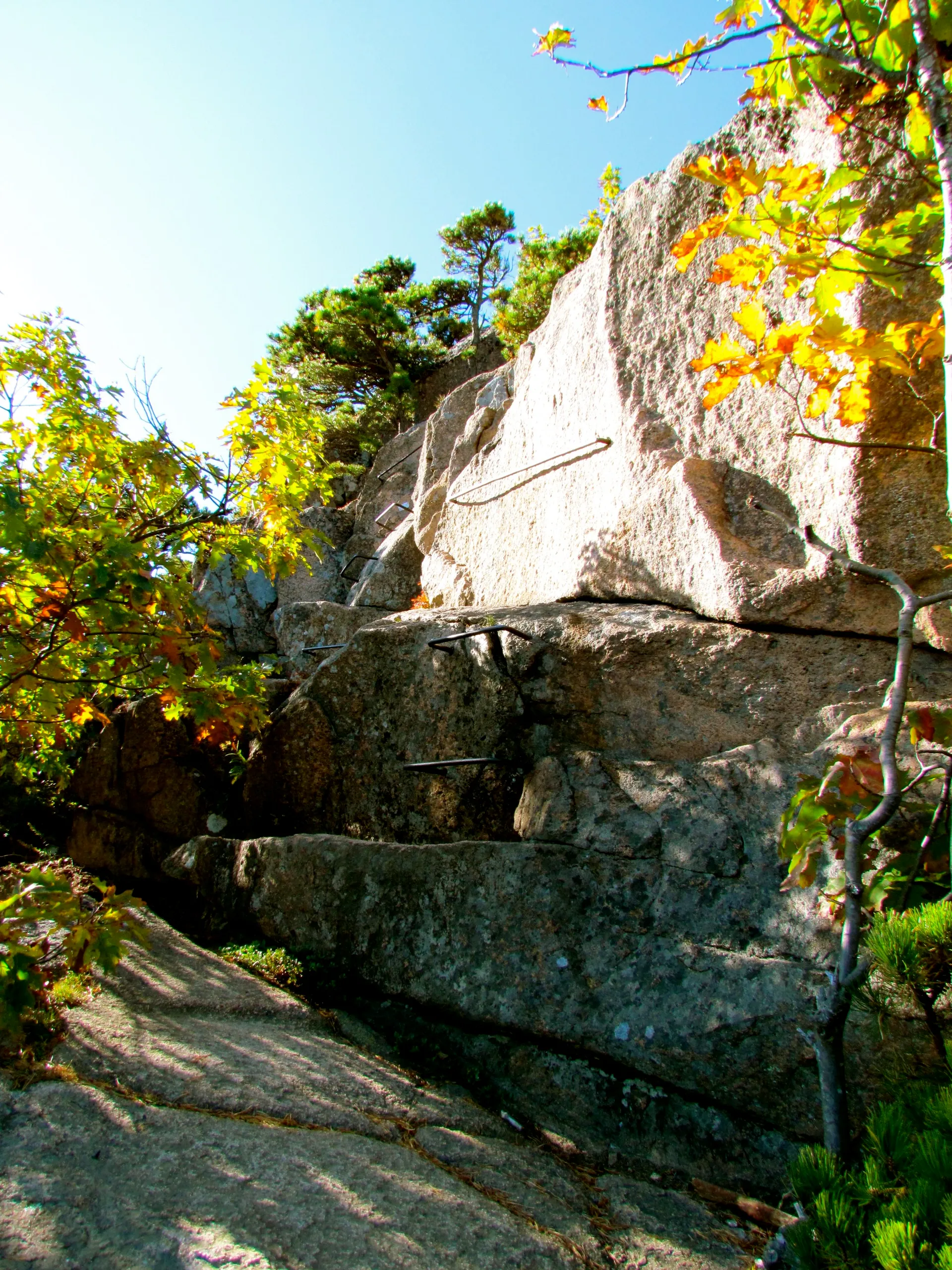
The Debsconeag Ice Caves are the most popular destination in the preserve, and they live up to the reputation. A roughly 2-mile round-trip trail leads to a series of deep crevices in a jumbled pile of massive boulders where ice persists well into August, sometimes year-round. You descend into the crevices using iron rungs bolted into the rock, dropping into a cold, dark space where the walls are coated in ice even when it is 80 degrees on the surface.
The temperature inside the caves stays near freezing regardless of the season. Bring a headlamp. The deeper sections are completely dark, and the footing on wet, icy rock is treacherous without a good light source. Sturdy footwear with grip is essential. Sandals and sneakers are a bad idea here.
The trail to the caves is not long but the terrain is rough, with roots, rocks, and some scrambling near the cave entrances. It is not a paved nature walk. Budget an hour each way and allow time to explore the cave system itself.
Do not attempt the ice caves without a headlamp or reliable flashlight. Your phone flashlight is a poor substitute in a cold, wet cave where dropping your phone means it slides into an icy crevice. Bring a proper headlamp and keep your hands free for the iron rungs.
Camping Areas
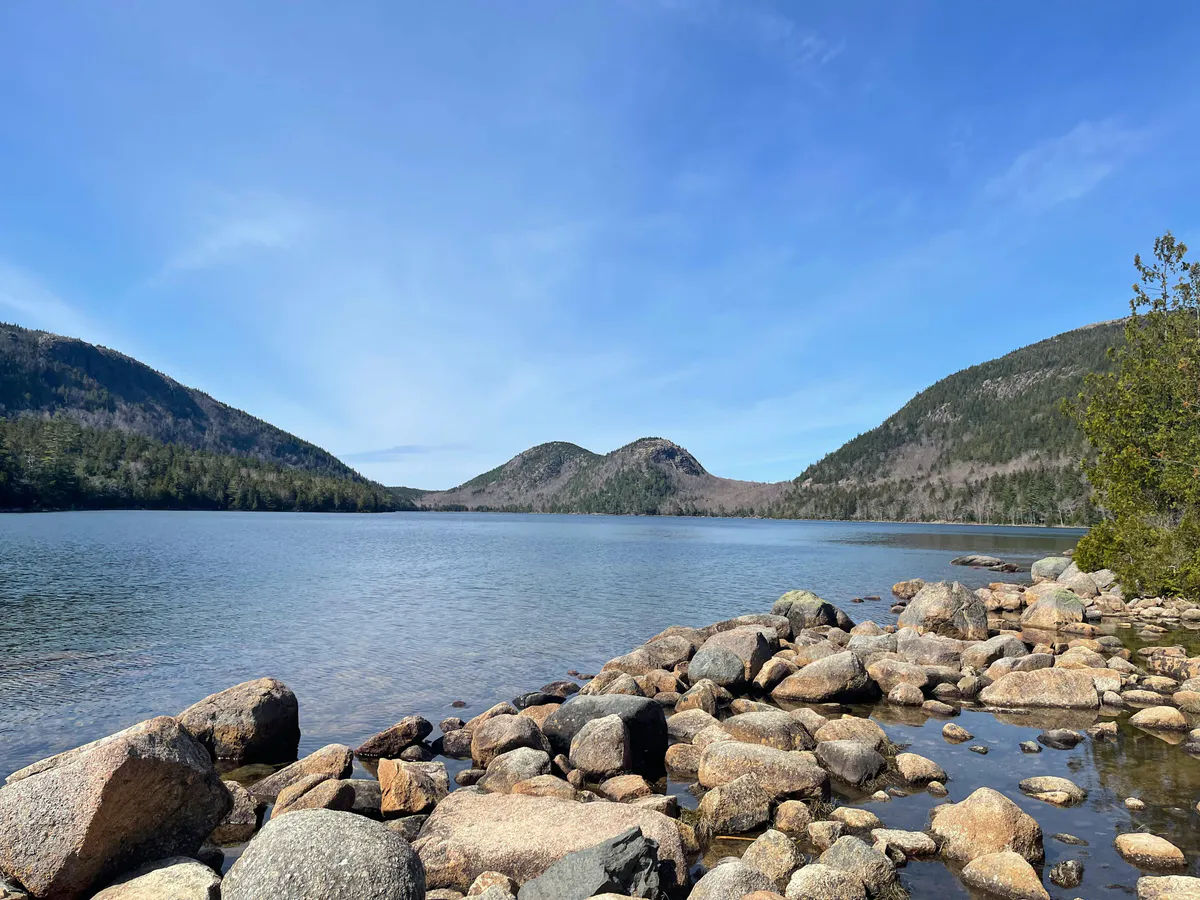
Camping in the Debsconeag Lakes Wilderness is concentrated around the First Debsconeag Lake and Horserace Pond.
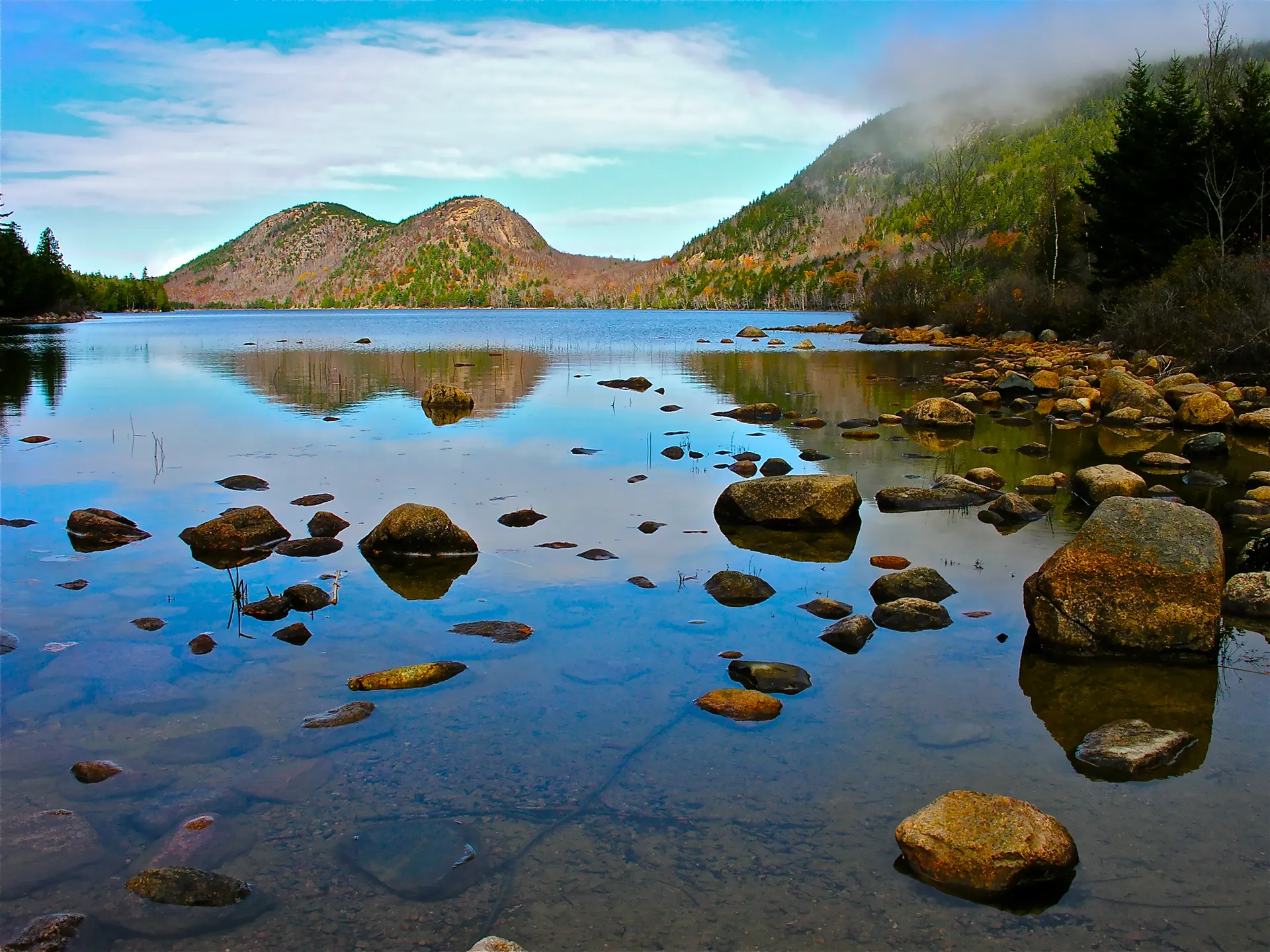
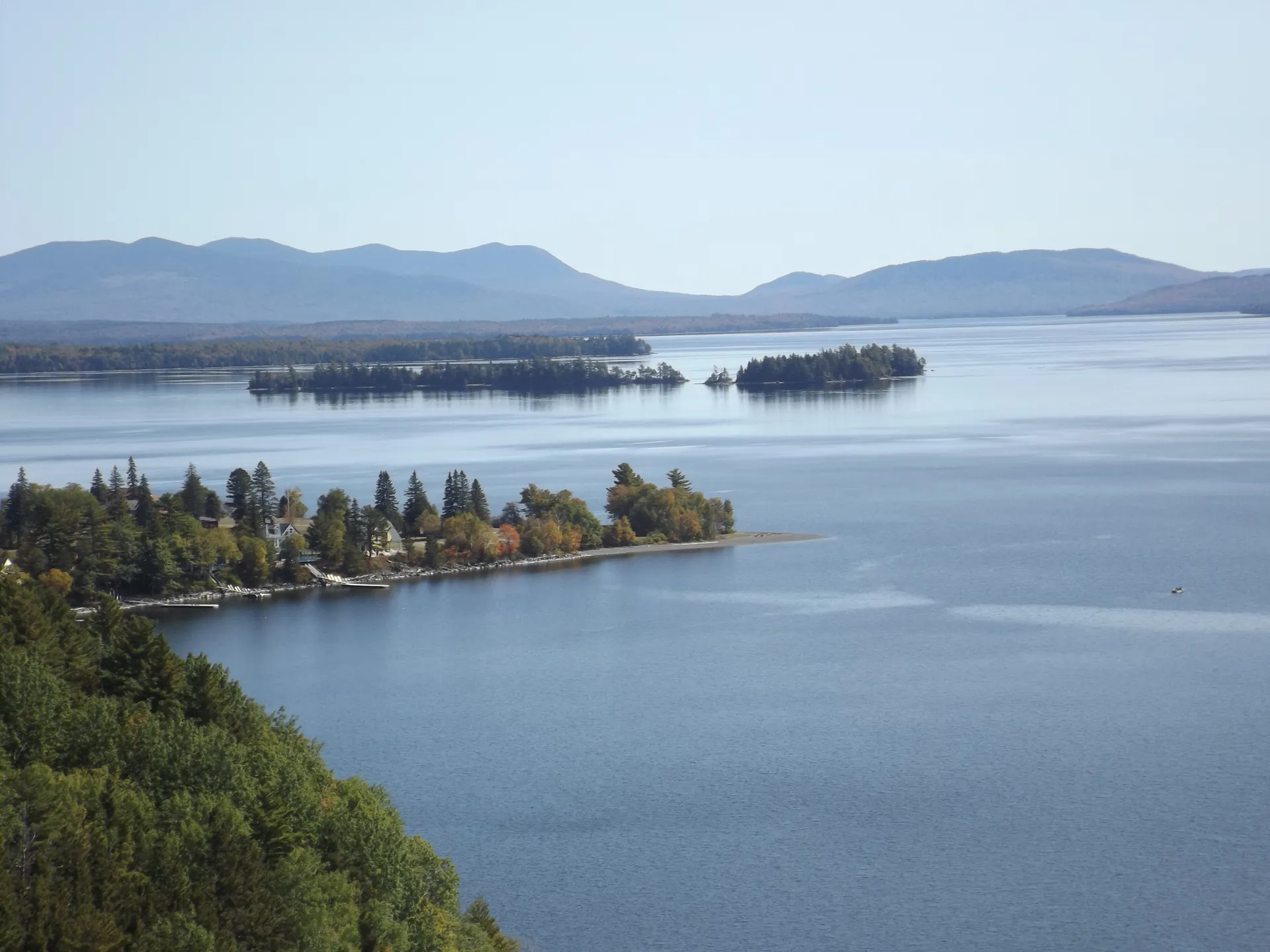
First Debsconeag Lake has three campsites on the eastern shore and one on the northwest shore. These are boat-access sites, meaning you need a canoe or kayak to reach them. The eastern shore sites look out over the lake toward the western mountains. The northwest site is more sheltered and quieter. All four sites have fire rings.
Horserace Pond has three campsites surrounded by old-growth hemlock forest. The trees here are enormous, some several hundred years old, and the forest floor has that deep, hushed quality you only find in uncut stands. Horserace Pond is smaller and more intimate than First Debsconeag Lake, and the camping feels more secluded.
All sites are primitive. Pack in everything, pack out everything. There are no bear boxes, so hang your food or use a bear canister.
The campsites on the east shore of First Debsconeag Lake catch the morning sun and have the best sunset views over the water. If you are paddling in, head for these first. The northwest site is better if you want wind protection.
Fishing
The fishing at Debsconeag is exceptional and unusual. Several ponds in the preserve hold populations of Arctic char, a coldwater species that is extremely rare in the lower 48 states. These fish are glacial relics, isolated in deep, cold ponds since the last ice age. Catching one is a genuine trophy experience.
Brook trout are present in most of the ponds and streams. The trout here are wild, native fish, not stocked. They are not large by western standards, but they are beautifully colored and fight hard in the cold water.
Fly fishing is the most effective approach, particularly in the evenings when hatches bring fish to the surface. A Maine fishing license is required. Check current regulations for specific ponds, as some have special restrictions to protect sensitive populations.
The Appalachian Trail
The AT passes through 16 miles of the Debsconeag Lakes Wilderness on its way north to Baxter State Park. This section of trail is relatively flat compared to the climbs that come before and after, offering a brief reprieve for thru-hikers. The trail crosses several streams and passes near some of the more accessible ponds.
For day hikers, the AT provides access to the interior of the preserve without needing a boat. You can hike in from either the south (via the Golden Road) or the north (from Abol Bridge near Baxter). The terrain is mostly forested with some bog crossings on puncheon boardwalks.
New for 2026
The Nature Conservancy has added an ADA-accessible trail, accessible parking area, and a restroom facility near the main trailhead. These improvements make the ice caves and the surrounding forest accessible to visitors with mobility challenges for the first time. The accessible trail connects to the ice caves trail system.
When to Go
Spring
Muddy trails, high water. Ice caves still frozen solid. Blackflies arrive late May.
Summer
July-August ideal. Ice caves are accessible, water warm enough for swimming. Best fishing.
Fall
September is beautiful. Cool temps, fewer bugs. Some access roads may close by October.
Winter
Open year-round but access roads may not be plowed. Snowshoeing possible. Ice caves fully frozen.
July and August are the prime months. The ice caves are most dramatic in summer when the contrast between the warm air and the cave ice is strongest. The fishing is best from June through August. Swimming in the lakes is comfortable from mid-July through August.
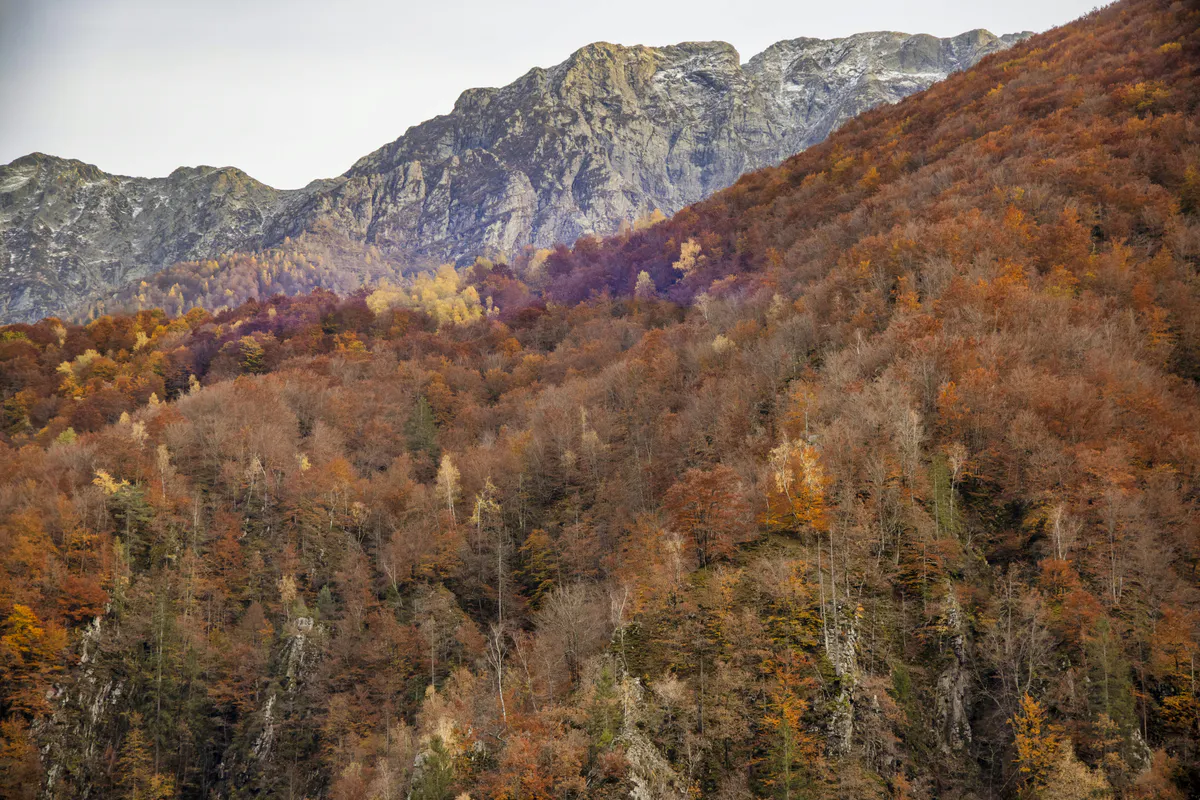
September is excellent for hiking and solitude. The bugs are gone, the foliage starts turning, and you are likely to have the preserve mostly to yourself. Water temperatures drop, but the camping and hiking are at their best.
Some access roads in the Debsconeag Lakes Wilderness are rough, unmaintained logging roads. A high-clearance vehicle (truck or SUV) is recommended, especially for reaching the more remote trailheads. The main access from the Golden Road is passable in a regular car in dry conditions, but conditions vary.
Getting There
From Millinocket, take the Golden Road west for approximately 30 to 40 minutes. The Golden Road is a private logging road that is open to the public but unpaved and dusty. Watch for logging trucks, which have the right of way. The turnoff for the Debsconeag preserve is signed.
From Bangor, the drive is about 99 minutes. From Portland, roughly 221 minutes. GPS navigation is unreliable on the logging roads. Download offline maps or bring a paper DeLorme Maine Atlas before heading in.
Wilderness Camping Checklist
Debsconeag Lakes Packing List
- Tent with rain fly
- Sleeping bag (30F rated, nights are cold near the lakes)
- Sleeping pad
- Camp stove, fuel, and lighter
- Water filter or purification tablets
- All food for your entire stay (no resupply available)
- Bear canister or rope for hanging food (50ft)
- Headlamp with extra batteries (essential for ice caves)
- Sturdy hiking boots with good grip
- Canoe or kayak for lake-access campsites
- Life jacket / PFD
- Bug spray (DEET or picaridin)
- Trash bags (pack out everything)
- Fishing rod and Maine fishing license
- Offline maps or DeLorme Maine Atlas
- Satellite communicator for emergencies
FAQ
Are dogs allowed at Debsconeag Lakes Wilderness?
No. The Nature Conservancy does not allow dogs anywhere in the preserve. This policy protects sensitive wildlife and habitats. Leave pets at home or board them in Millinocket.
Do I need a permit to camp?
No. Camping is free and first-come-first-served at designated sites. There are no permits, no fees, and no reservation system.
How do I get to the ice caves?
The ice caves are about a 2-mile round trip from the main trailhead. The trail is rooted and rocky but not technically difficult. Inside the caves, you descend iron rungs into the crevices. Bring a headlamp and sturdy footwear.
Is there really ice in the caves in summer?
Yes. Ice persists in the deep crevices well into August and sometimes year-round. The temperature inside the cave system stays near freezing regardless of surface conditions. It is genuinely cold down there.
Can I swim in the lakes?
Yes. The lakes are clean and swimmable from mid-July through August. The water is cold, typical of deep Maine lakes. There are no designated swimming areas, just natural shoreline.
How remote is it?
Very. The nearest town is Millinocket, 30-40 minutes away on the Golden Road. There is no cell service, no stores, no facilities beyond fire rings at some campsites. Come prepared to be completely self-sufficient.
Can I combine Debsconeag with a Baxter State Park trip?
Absolutely. The two preserves share a border. Camp at Debsconeag (free, no reservations) and day-trip into Baxter for Katahdin and other trails. Baxter requires reservations and charges fees, but Debsconeag does not. It is a good base camp strategy.