Camping at the Edge of America
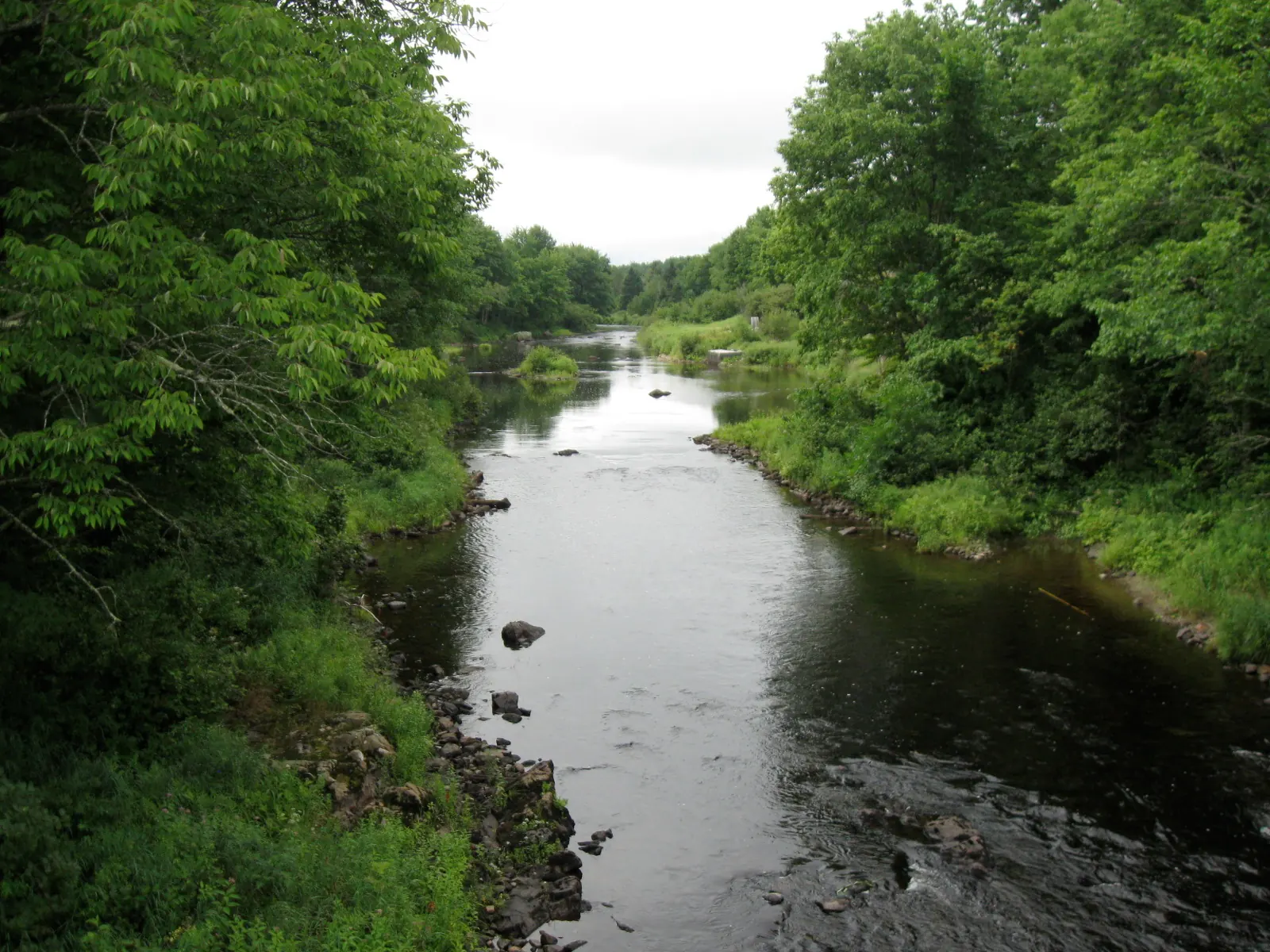
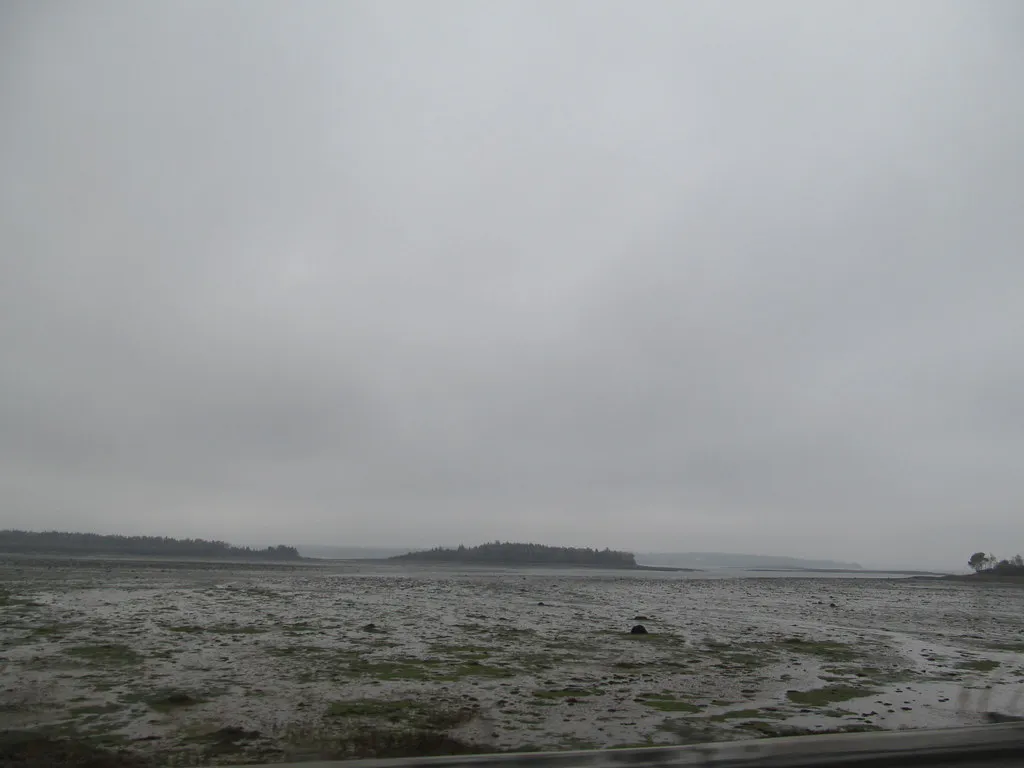
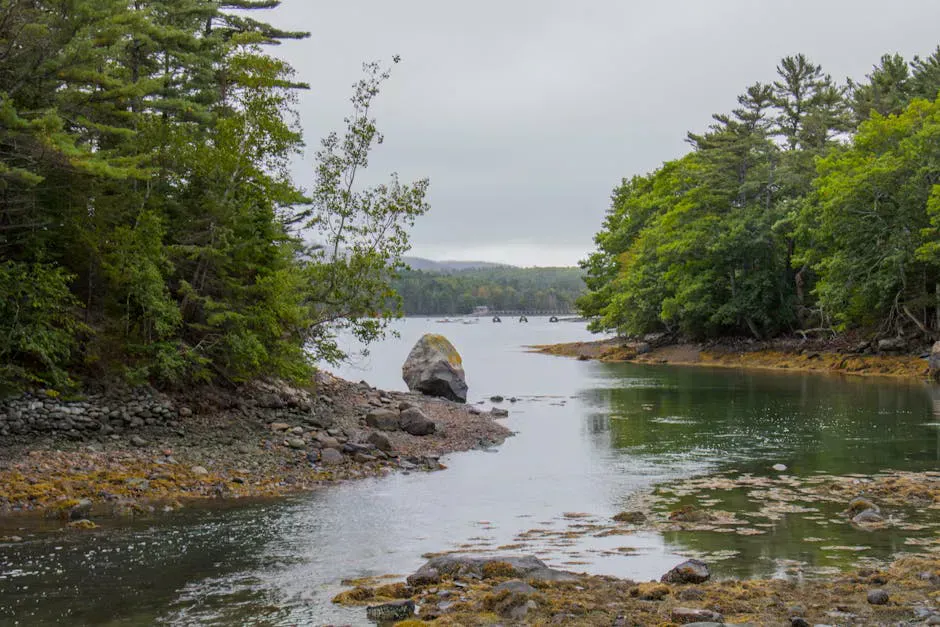
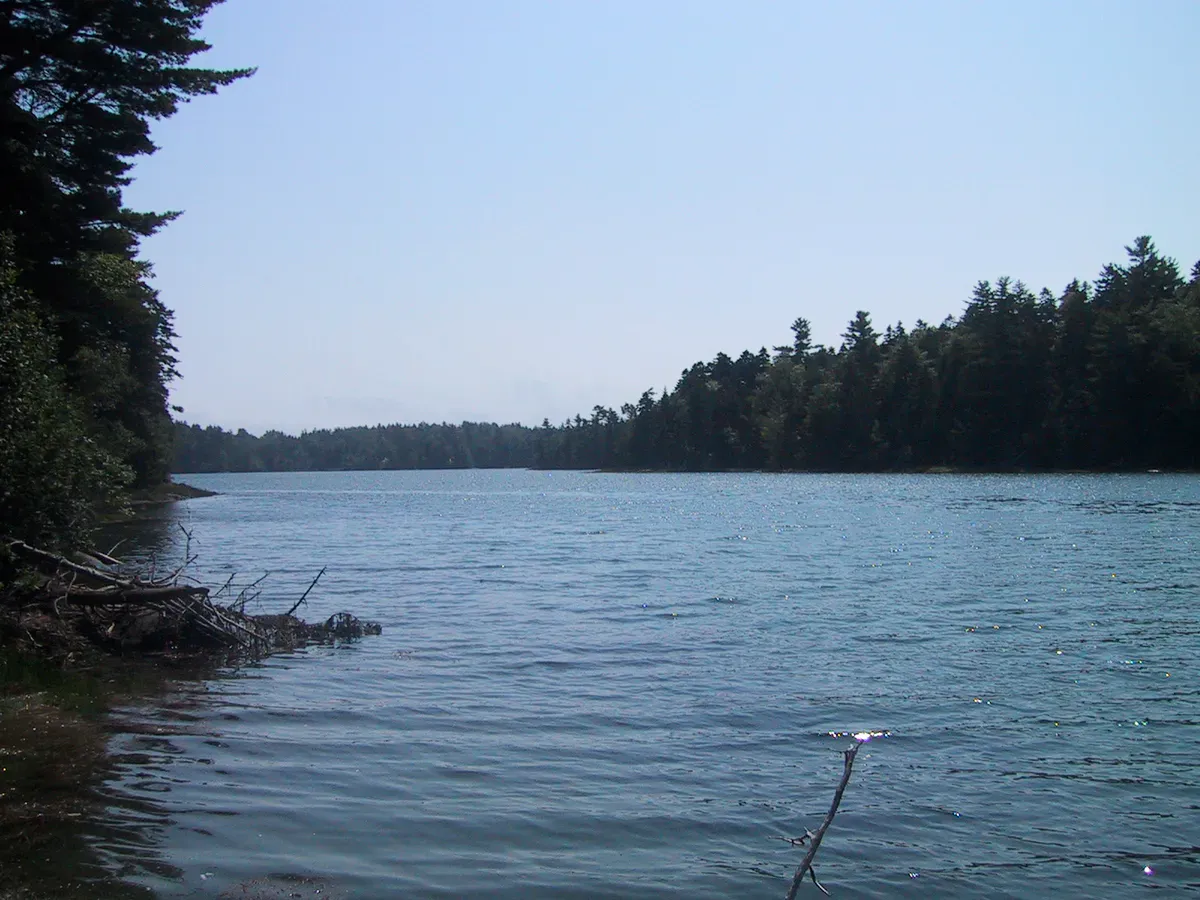
Cobscook Bay State Park sits on a peninsula in Cobscook Bay, where the Downeast coast of Maine meets the Canadian border. This is the easternmost camping area in the contiguous United States, and it feels like the edge of the world. The bay’s tides are among the largest on the Atlantic coast, rising and falling up to 28 feet, and the resulting landscape is a constantly shifting mosaic of exposed mudflats, rushing tidal channels, and submerged forest. It is unlike any other camping experience in Maine.
The park encompasses 888 acres on a wooded peninsula that juts into the bay. The 106 campsites are spread through dense spruce forest along the shoreline, many with views of the water and the dramatic tidal action. Bald eagles nest in the tall pines above the campground. You will likely see them soaring overhead or perched in the trees scanning the water for fish exposed by the falling tide.
Cobscook Bay State Park requires a commitment to reach. It is a five-hour drive from Portland and two and a half hours from Bangor, past Machias and through Washington County’s blueberry barrens and fishing villages. The long drive is a feature, not a bug. It filters out casual visitors and rewards those who make the trip with one of the most unique and uncrowded camping experiences on the East Coast.
The Campground
The 106 sites are arranged in loops along the peninsula’s shoreline and into the interior forest. Many sites are directly on the water, with views across the bay to the islands and headlands beyond. The waterfront sites are exceptional. You watch the tide come in and go out from your picnic table, and the shifting water levels mean the view is never the same twice.
The campground has flush toilets, hot showers, and potable water. Each site has a picnic table and fire ring. There are no hookups. A small boat launch provides access to the bay for kayaks and small boats. Timing your launch with the tides is essential. The park also maintains several short hiking trails through the forest and along the shore.
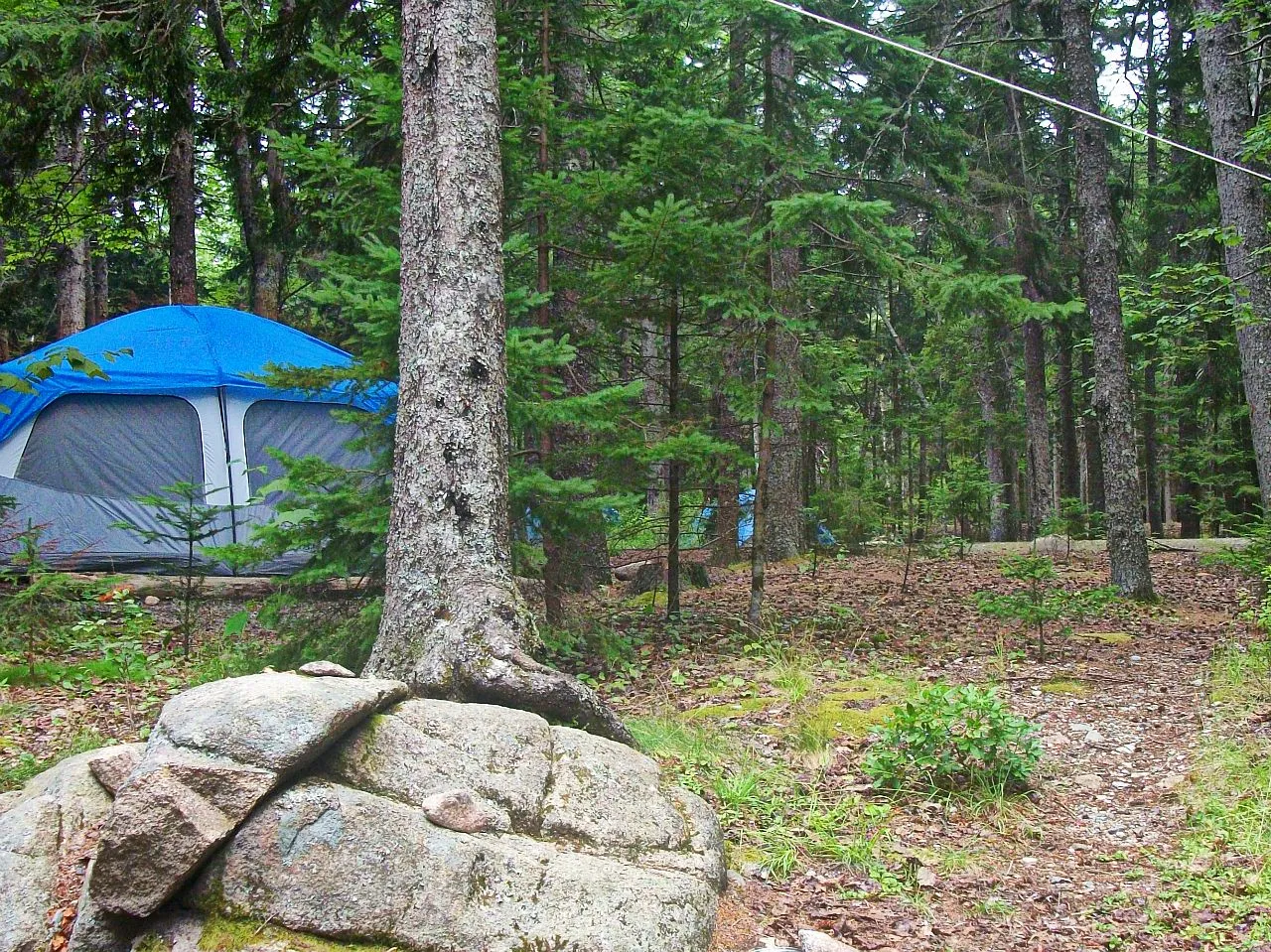
Interior sites are more shaded and protected from the wind, which can blow hard off the bay. The forest floor is carpeted with moss, bunchberry, and wild blueberry bushes that ripen in late July and August. During blueberry season, you can literally pick berries from your campsite.
Request a waterfront site on the south side of the peninsula for the best tidal views. Watch for the tide change. When the current reverses in the narrow channels around the peninsula, you can see whirlpools and standing waves form. It is one of the most mesmerizing natural shows in Maine.
Things to Do
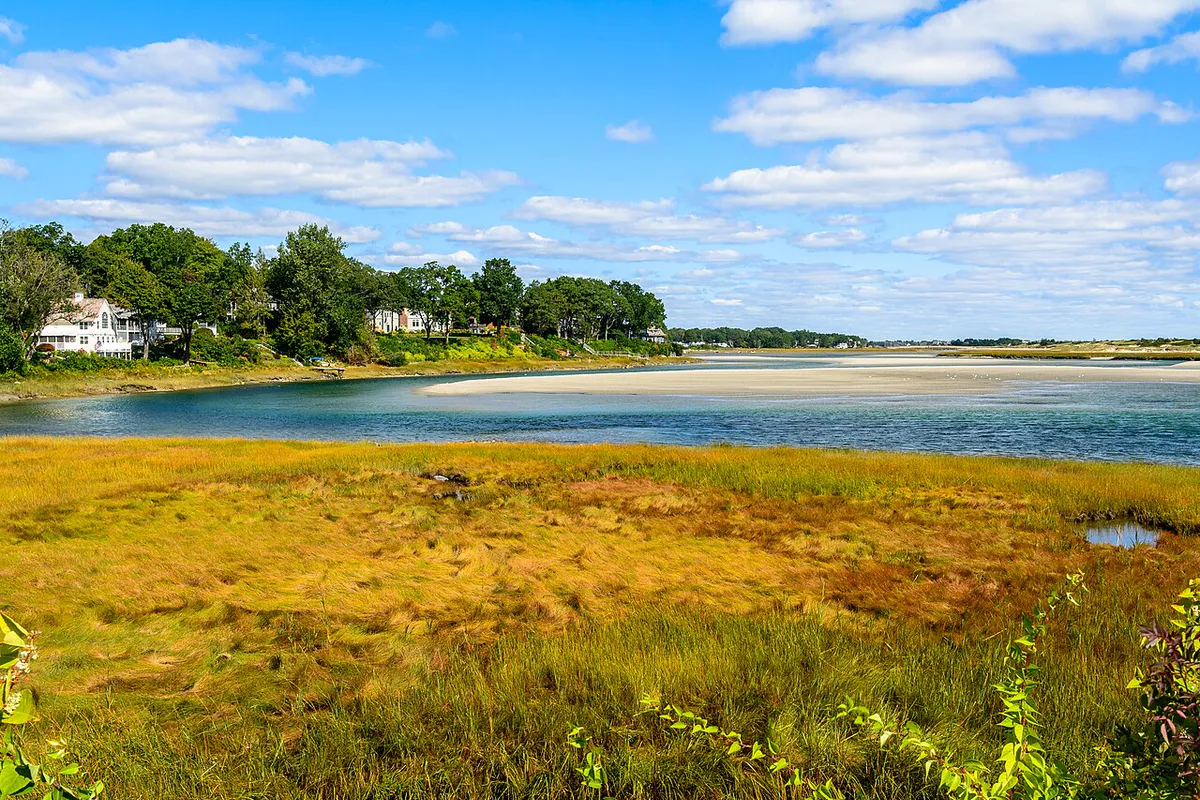
Tide watching is the signature activity. Cobscook Bay’s tides are so extreme that the landscape transforms every six hours. At high tide, the bay fills and the shoreline comes alive with water lapping against the rocks. At low tide, vast mudflats extend hundreds of yards from shore, exposing rock formations, tide pools, and the feeding grounds for shorebirds and eagles. The tidal currents in the narrow passages are powerful enough to create visible whirlpools.
Kayaking on Cobscook Bay is extraordinary but requires tidal awareness. The bay is a complex system of islands, channels, and coves that offer excellent sheltered paddling at certain tide stages. The currents can be strong. Plan your paddles around slack tide or paddle with the current. Seals, porpoises, and occasionally whales are present in the bay.
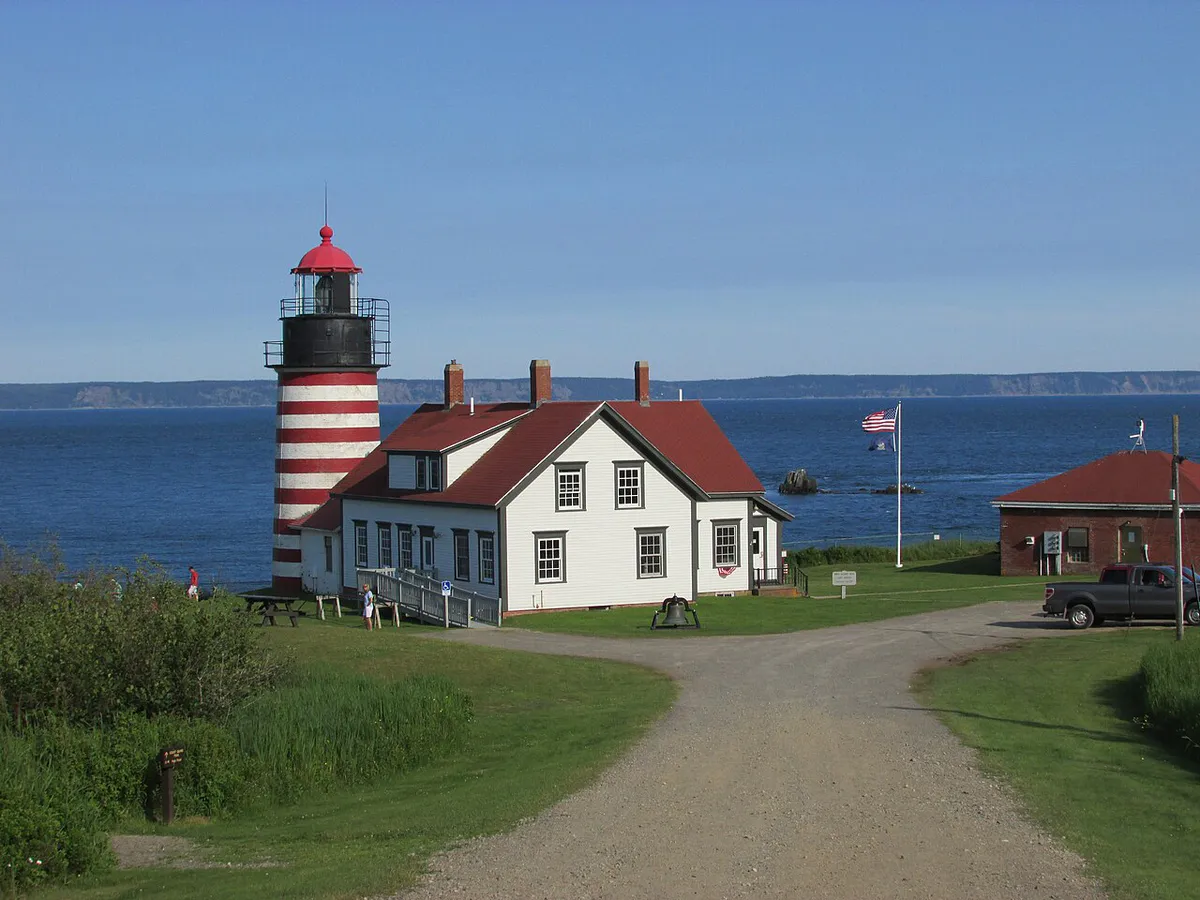
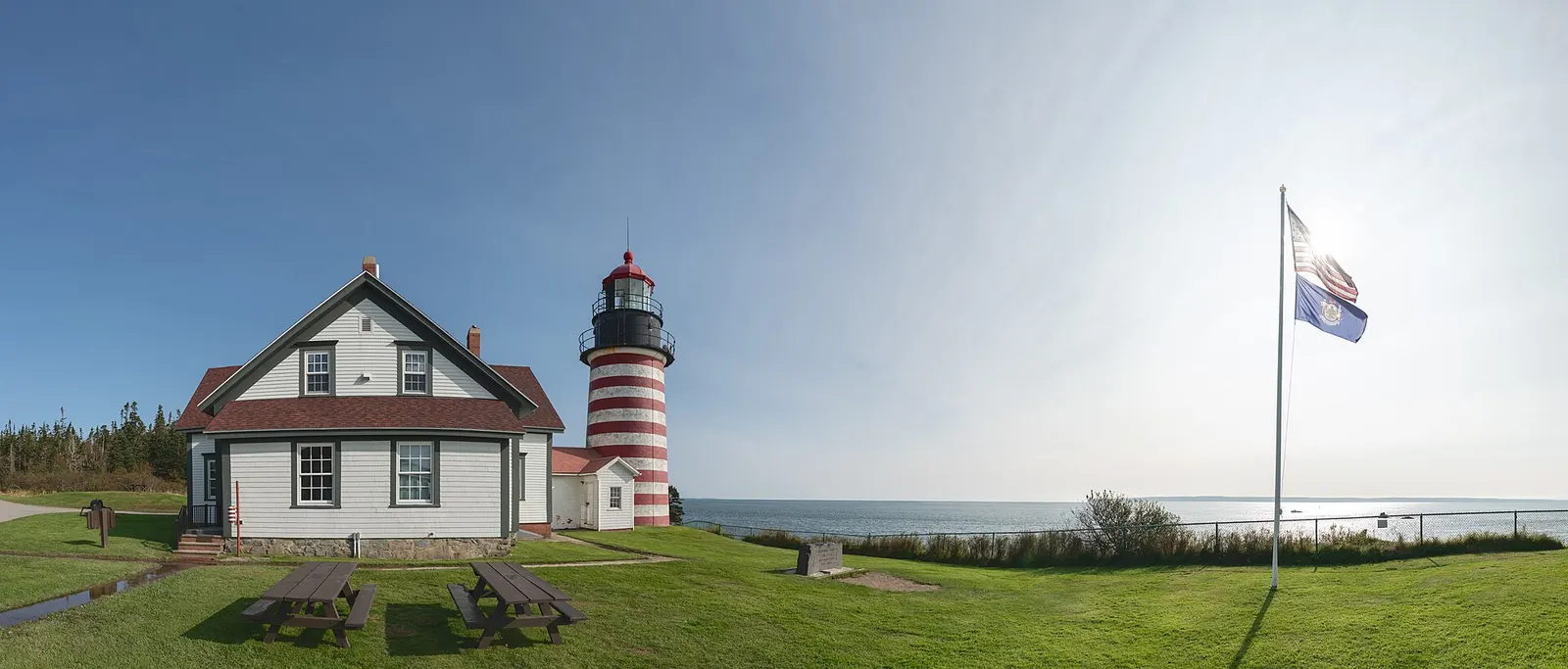
The Bold Coast Trail in Cutler, about 30 minutes south, is one of the premier coastal hikes in the northeastern United States, a dramatic 9-mile trail along 100-foot cliffs above the open Atlantic. West Quoddy Head Lighthouse in Lubec, the easternmost point in the US, is about 20 minutes from the park and offers coastal walks and whale watching. Eastport, the easternmost city in the US, is a 30-minute drive and has galleries, restaurants, and harbor walks.
Cobscook Bay’s tides are extremely powerful. A rising tide can strand you on exposed rocks or mudflats in minutes. Never explore the shoreline at low tide without knowing when the tide will turn. Carry a tide chart and watch the water constantly. Kayakers must respect the currents. They can exceed 4 knots in narrow passages.
When to Go
Spring
Opens mid-May. Bird migration is excellent. Weather is cool and foggy. Black flies are present through mid-June.
Summer
July and August bring the warmest weather, wild blueberries, and the best wildlife viewing. Fog is common but adds atmosphere.
Fall
September offers clear skies, fewer visitors, and hawk migration. Blueberry barrens turn scarlet. Early frost possible.
Winter
Campground closes mid-October. The Downeast coast is desolate and beautiful in winter but not campable.
Getting There
From Bangor, take Route 1A east to Ellsworth, then Route 1 east through Machias to Whiting. Turn south on Route 189 toward Lubec, and the park entrance is on the right after about 5 miles. Total drive is approximately two and a half hours.
From Portland, take I-295 to Route 1 east. The full drive is approximately five hours. The last two hours east of Ellsworth pass through some of Maine’s most beautiful and least visited landscapes, blueberry barrens, fishing villages, and forested coastline.
Cobscook Bay’s name comes from the Passamaquoddy word meaning “boiling tides.” The Passamaquoddy people have lived on these shores for thousands of years, and their tribal lands border the park. Stop at the Wabanaki Culture Center in Calais to learn about the indigenous history of this coast. For the freshest seafood, try Helen’s Restaurant in Machias, their blueberry pie is a Downeast institution.
Cobscook Bay Camping Packing List
- Tent with quality rainfly (fog and rain are frequent)
- Warm sleeping bag (nights are cool even in summer)
- Camp stove and cookware
- Rain jacket and layers (Downeast weather is raw)
- Binoculars for eagles, seals, and shorebirds
- Tide chart (essential for safety and timing)
- Kayak or canoe for bay exploration
- Bug spray and head net
- Berry-picking container (blueberries ripen in August)
- Camera for tidal landscape photography
FAQ
How big are the tides at Cobscook Bay?
Tides in Cobscook Bay range from about 20 to 28 feet. This is among the largest tidal ranges on the Atlantic coast, second only to the Bay of Fundy in nearby New Brunswick, Canada.
Can I swim in the bay?
Swimming is not recommended. The water is very cold (typically mid-50s even in summer), the currents are strong, and the mudflats can be dangerous. There are no designated swimming areas.
Are dogs allowed?
Yes. Dogs are allowed in the campground and on park trails on a leash.
Is it really that remote?
Yes. The nearest supermarket is in Machias, about 25 minutes west. The nearest hospital is also in Machias. Cell service is unreliable. Stock up before arriving.
Will I see bald eagles?
Almost certainly. Multiple bald eagle nests are located within the park boundaries, and eagles are seen daily by campers. They hunt fish and scavenge the mudflats at low tide.