
Ten Miles of Downeast Water
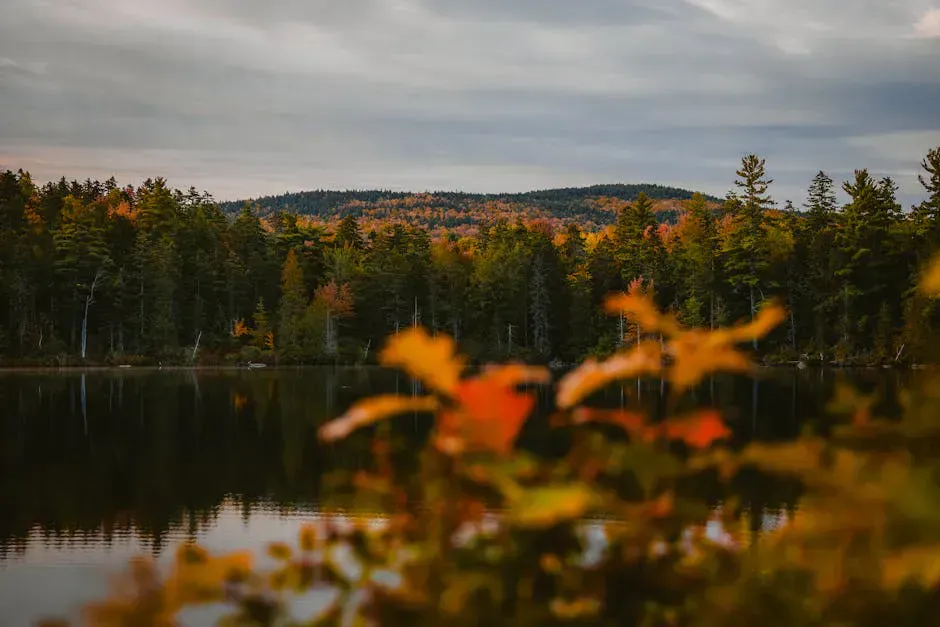
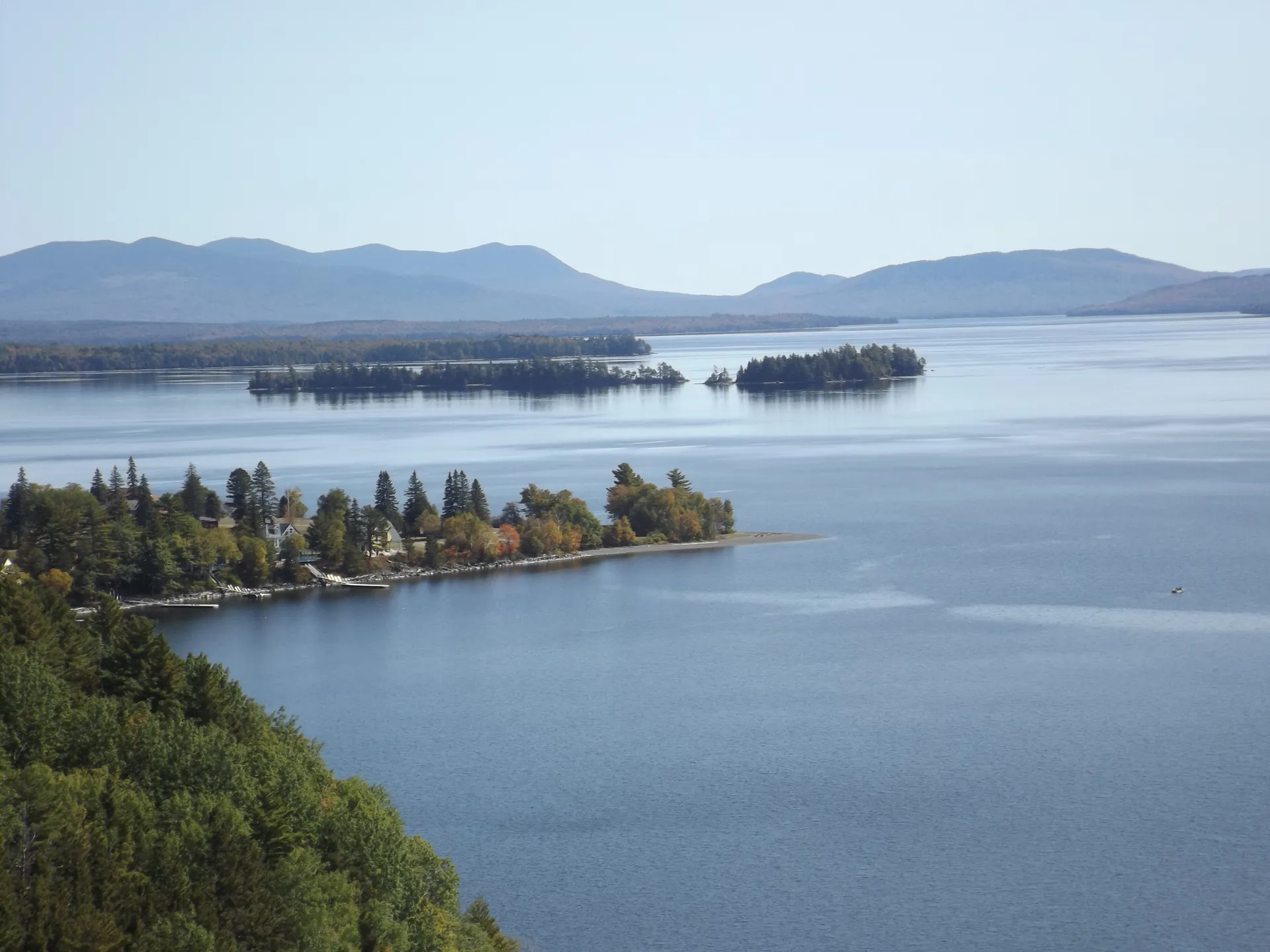
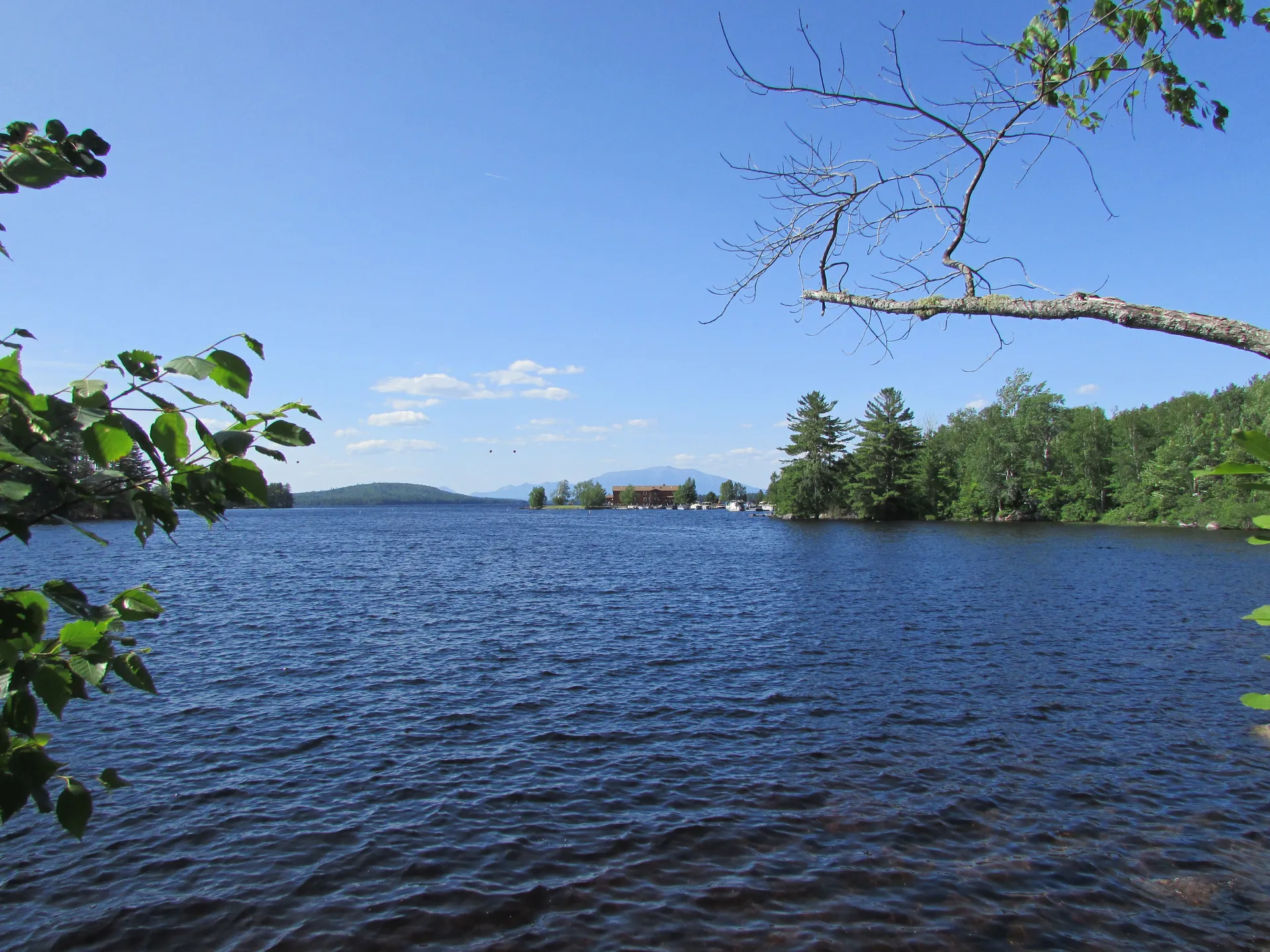
Toddy Pond stretches nearly 10 miles through four towns in Hancock County: Surry, Orland, Penobscot, and Blue Hill. At roughly 2,408 acres with a maximum depth of 122 feet, it is one of the larger and deeper lakes in the Downeast region, though it flies well below the radar of most visitors.
The pond is long and narrow, running roughly north-south, with a natural division into two distinct basins. North Toddy is deeper, colder, and holds the lake trout population. South Toddy is shallower and warmer, with more weed growth and better warm water fishing. The character shifts noticeably as you move between them.
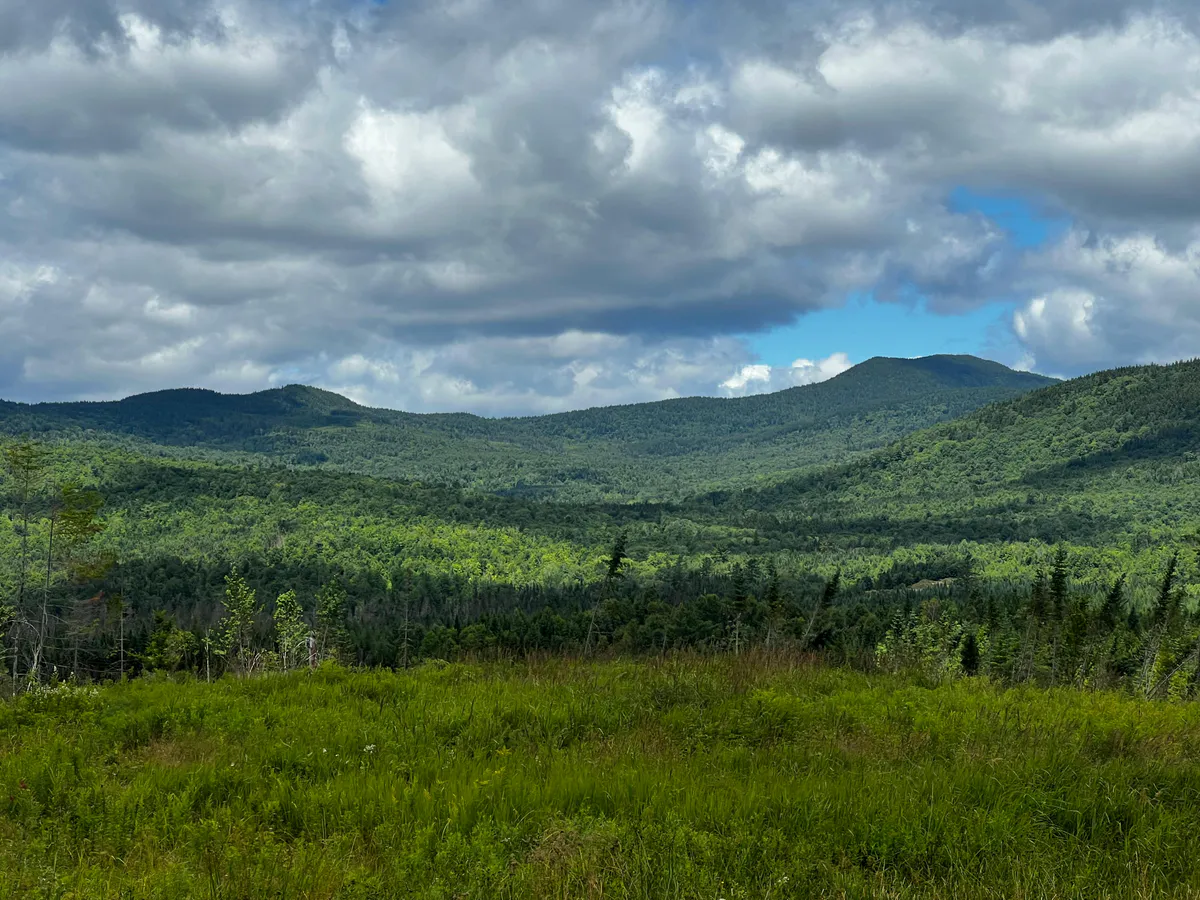
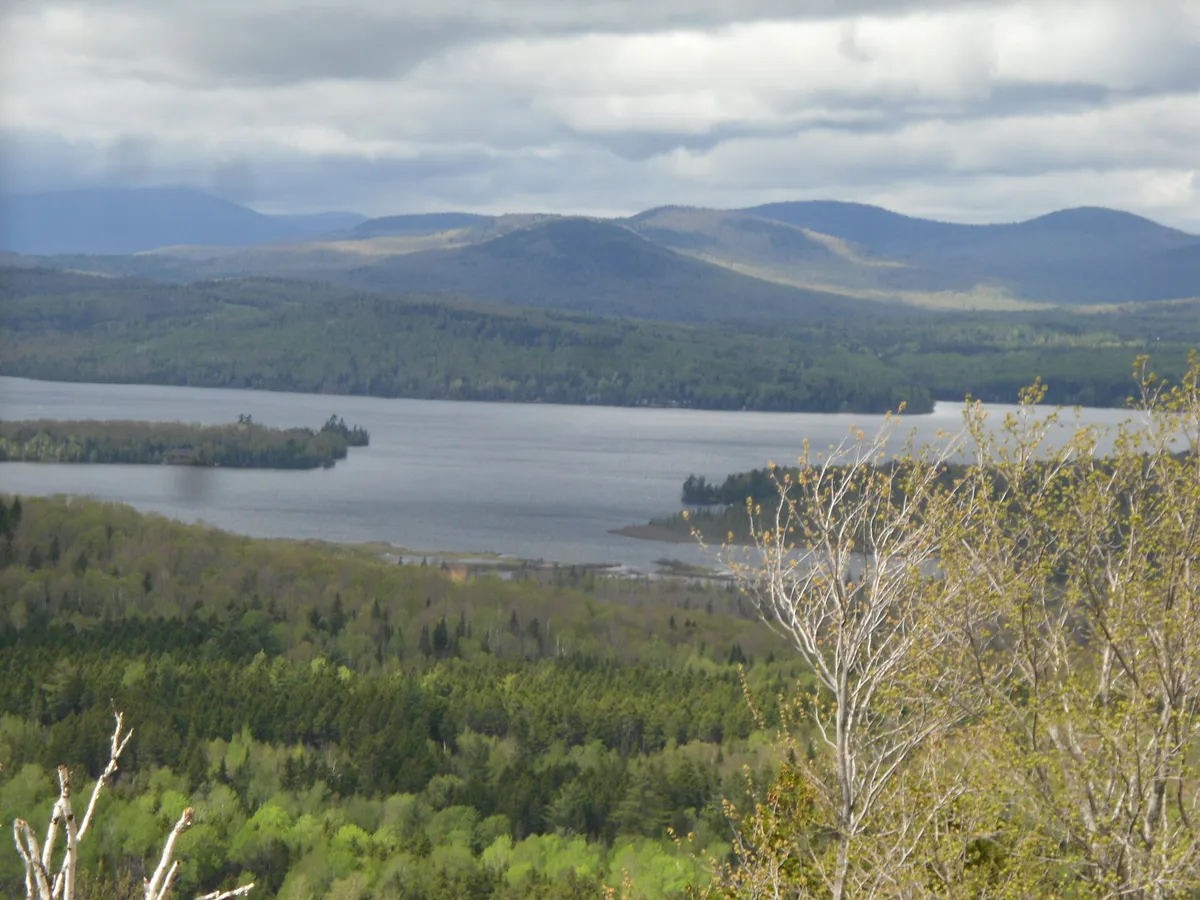
The surrounding landscape is quintessential Downeast Maine: mixed forest, blueberry barrens, old farmsteads, and the occasional glimpse of salt water in the distance. The town of Blue Hill, with its galleries, bookshops, and restaurants, is about 10 minutes from the southern end. Bucksport, on the Penobscot River, is the nearest town with full services.
On the Water
A public boat landing off Route 1 in Orland provides the primary access, with a ramp and parking. The launch handles trailered boats without issue. Additional access exists at the southern end near Surry.
The pond’s 10-mile length makes it a serious paddling destination. Kayakers and canoeists can spend a full day exploring the shoreline, moving between the two basins and ducking into coves. The long, narrow shape means you are always relatively close to shore, which provides shelter from wind.
Motorboats are permitted, and anglers use them to cover the distance. Traffic is moderate even in summer.
Start at the Orland boat launch and paddle south through the narrows into South Toddy. The transition between basins is scenic, and the change in water character is noticeable. South Toddy’s coves are excellent for wildlife watching and bass fishing from a kayak.
Fishing
Toddy Pond offers both cold water and warm water fishing, depending on which basin you target.
North Toddy holds a self-sustaining population of lake trout (togue) in its deep, cold water. No stocking is required for togue here, which is a mark of excellent habitat. Landlocked salmon and splake are also present, with MDIFW stocking supplementing natural populations. Brown trout are stocked periodically.
The cold water fishing in North Toddy follows the standard Maine pattern: spring is best, right after ice-out, when salmon and togue cruise the shallows. By summer, you need to go deep to find them.
South Toddy is warm water territory. Smallmouth bass hold along the rocky points and gravel bars. White perch are abundant and provide easy, reliable action.
The deep water in the northern basin, particularly the area around the 100-foot contour, is the primary togue habitat. In summer, troll deep with lead-core line or downriggers. In fall, togue move onto rocky shoals to spawn, and you can find them in 15 to 30 feet of water.
A Maine fishing license is required for anyone 16 and older. The nearest tackle shops are in Bucksport or Ellsworth. License available online at the MDIFW website.
When to Go
Spring
Ice-out salmon and togue fishing. Cool, clear conditions. Blackflies in late May.
Summer
Bass fishing in South Toddy. Swimming in warmer coves. Cold water fish require deep gear.
Fall
Togue spawn on rocky shoals. Lake cools and fish move shallow. Foliage over the surrounding hills.
Winter
Ice fishing for togue, smelt, and perch. Remote feel. Bring everything you need.
Practical Notes
Cell service is spotty around Toddy Pond. You may get a signal near the Route 1 boat launch, but coverage fades on the water, especially in the southern basin. Download maps before arriving.
The pond is dog-friendly with no restrictions at the boat launch or along the shoreline.
Swimming is informal. South Toddy’s coves warm into the upper 60s by late July. North Toddy stays colder. There is no designated beach, but shoreline access points offer wading and swimming.
The deep water of North Toddy stays cold year-round. Even in summer, temperatures below 30 feet drop into the 40s. Wear a life jacket at all times when boating, as cold water immersion is a serious risk.
Toddy Pond Packing List
- Fishing license and tackle
- Downriggers or lead-core line (summer cold water fishing)
- Bug spray (May through July)
- Life jackets
- Layers for the water
- Sunscreen
- Downloaded maps (spotty cell service)
- Lunch and water (limited services at the pond)
Getting There
From Bangor, take Route 1A South to Bucksport, then Route 1 East to Orland. The boat launch is off Route 1. About 45 minutes. From Portland, take I-95 North to Bangor, then the same route south. About 2 hours and 40 minutes.
Blue Hill, about 10 minutes from the southern end, is worth a visit for its restaurants, galleries, and waterfront. Ellsworth, 20 minutes east, has larger stores and services.
FAQ
What fish are in Toddy Pond?
Lake trout (togue), landlocked salmon, splake, brown trout, smallmouth bass, white perch, and rainbow smelt. North Toddy is the cold water basin, and South Toddy favors warm water species.
How deep is Toddy Pond?
The maximum depth is 122 feet in the North Toddy basin. South Toddy is considerably shallower. The overall lake stretches nearly 10 miles.
Is there a boat launch on Toddy Pond?
Yes. A public boat landing off Route 1 in Orland provides free access with a ramp and parking.
Can you swim in Toddy Pond?
Yes, informally. The southern coves warm into the upper 60s by late July. There is no designated beach, but shoreline access points work for swimming.
How far is Toddy Pond from Blue Hill?
About 10 minutes from the southern end of the pond. Blue Hill is a charming Downeast town with galleries, restaurants, and shops.