

Where Forest Meets the Tidal Shore
Josephine Newman Audubon Sanctuary occupies 119 acres on the eastern shore of Robinhood Cove in Georgetown, where the midcoast’s rocky uplands slope down into saltwater marsh and tidal mudflats. The sanctuary is managed by Maine Audubon and named for Josephine Oliver Newman, a naturalist who donated the land in 1968 to ensure its permanent protection. Newman spent decades studying the property’s ecology, and her careful stewardship left a landscape that remains rich in wildlife and largely undisturbed.
The sanctuary offers 2.5 miles of interconnected trails that wind through spruce-fir forest, mixed hardwoods, freshwater wetlands, and along the edge of the salt marsh and rocky coast. The variety of habitats packed into 119 acres is remarkable, and the transitions between them happen quickly. You can walk from deep spruce shade into open salt marsh in a matter of minutes.
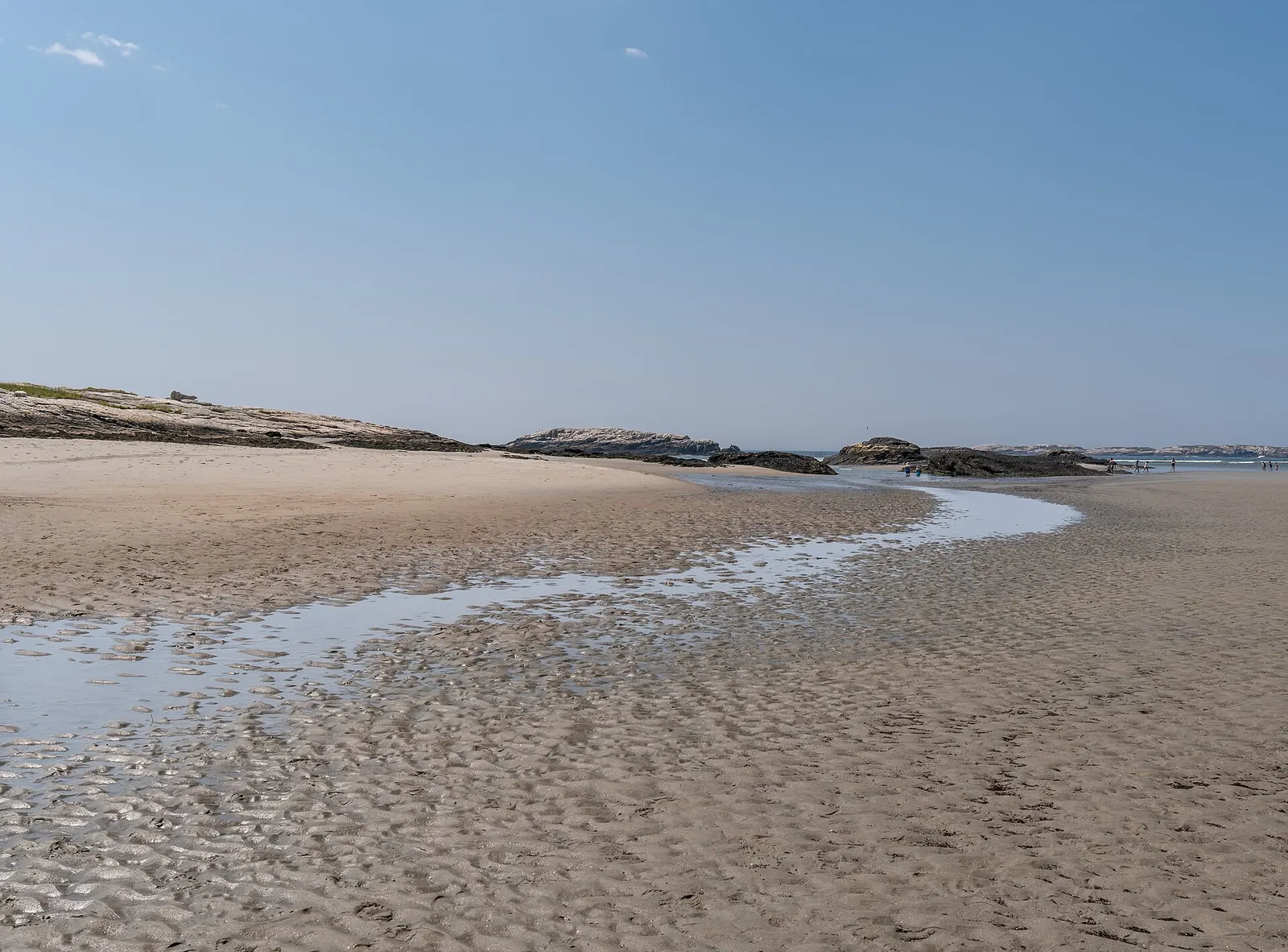
Robinhood Cove is a tidal inlet off the Kennebec River estuary, and the cove’s daily rise and fall drives the ecology of the sanctuary’s lower reaches. At high tide, the marsh fills and the shoreline narrows. At low tide, mudflats emerge and shorebirds move in to feed. That tidal rhythm gives the sanctuary a different character depending on when you visit.
The Trail System
The sanctuary has three main trails that can be combined into loops of varying length, covering a total of about 2.5 miles. All trails are well marked and maintained, with moderate footing that includes some roots and rocks but no significant elevation challenges.
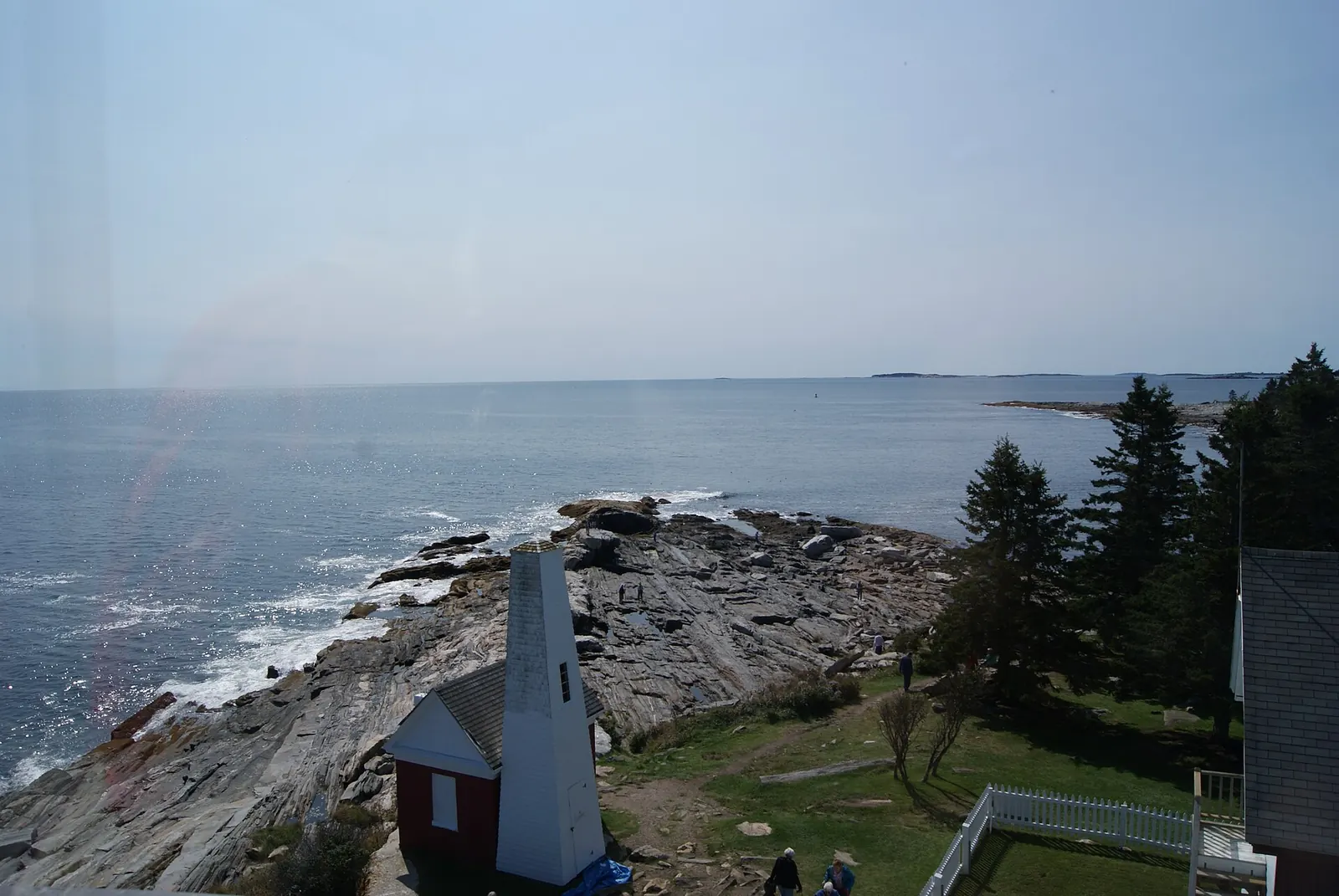
The Rocky End Trail follows the shoreline along Robinhood Cove, passing through spruce forest and emerging at rocky coastal overlooks with views across the cove. At low tide, the exposed rocks and tidal pools along this section are fascinating to explore.
The Horseshoe Trail loops through the sanctuary’s interior, passing through mixed hardwood and softwood forest. This trail offers the best spring wildflower displays and the most sheltered walking on windy days.
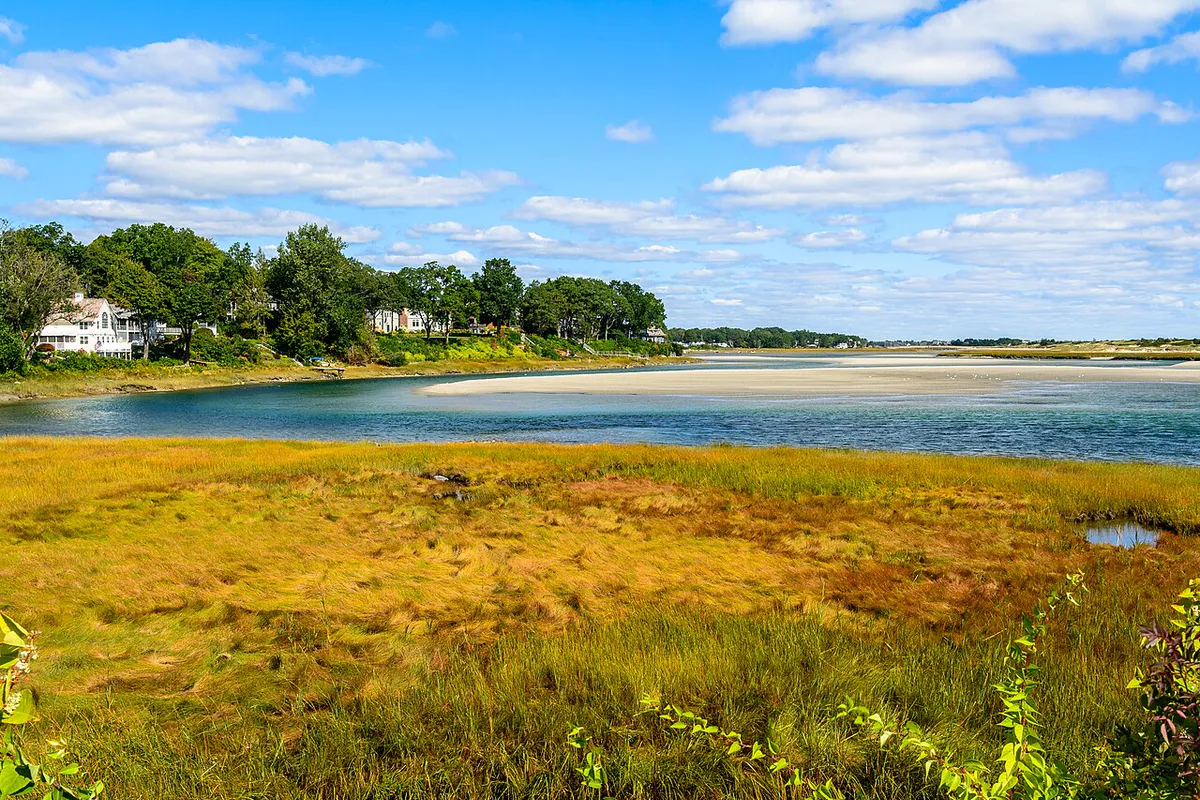
The Marsh Trail descends to the edge of the salt marsh, where the forest gives way to spartina grass and the open sky above the cove. An observation point at the marsh edge provides a clear view across the mudflats and into the deeper water of the cove.
Time your visit to coincide with an outgoing tide. As the water drops and mudflats emerge, shorebirds begin feeding in the exposed areas. An hour before low tide through an hour after is the best window for shorebird watching from the Marsh Trail overlook.
Birdwatching
Josephine Newman Sanctuary is one of the finest birding spots on the midcoast, and the combination of forest, marsh, and coastal habitats means the species list is long and varied.
Spring migration (May) brings waves of warblers through the forest canopy, black-throated green, magnolia, blackburnian, and yellow-rumped warblers are common. Ovenbirds and hermit thrushes sing from the forest floor. Osprey return to the cove and begin nesting.
Summer brings nesting species: great blue herons fish the marsh edge, common eiders raft offshore, and spotted sandpipers bob along the rocky shoreline. The spruce forest hosts boreal species including red-breasted nuthatches and golden-crowned kinglets.
Fall migration sees shorebirds stopping over on the mudflats, semipalmated sandpipers, least sandpipers, greater yellowlegs, and black-bellied plovers. Raptors moving south along the coast pass over the sanctuary from September through November.
Winter brings sea ducks, including common goldeneyes, buffleheads, and mergansers, to the cove’s open water. Bald eagles are present year-round but most visible in winter when the leaves are down.
Bring binoculars and position yourself at the marsh overlook at low tide during fall migration. The mudflats can host dozens of shorebirds, and the overlook provides an unobstructed view without disturbing the feeding birds. A spotting scope is even better if you have one.
The Salt Marsh
The salt marsh at the base of the sanctuary is a small but ecologically significant piece of the broader Kennebec River estuary system. Spartina grasses dominate the marsh surface, trapping sediment and creating the thick, black, organic-rich mud that makes salt marshes so productive.
The marsh serves as nursery habitat for fish and shellfish, foraging ground for herons and egrets, and high-tide refuge for small mammals and invertebrates. The daily tidal cycle drives an exchange of nutrients between the marsh and the open water of the cove, fueling productivity throughout the system.
Do not walk into the salt marsh. The mud is deep, sticky, and can be difficult to extract yourself from. Observe the marsh from the trail and overlook points. The trail itself does not enter the marsh. It follows the upland edge.
Planning Your Visit
Spring
Warbler migration peaks in May. Wildflowers bloom in the forest understory. Osprey return. Trails may be muddy through April.
Summer
Full foliage and nesting birds. Heron and sandpiper activity at the marsh. Mosquitoes can be heavy in the forest sections. Bring bug spray.
Fall
Shorebird migration on the mudflats August through October. Fall foliage in the hardwoods. Cool, comfortable walking weather. Fewer visitors.
Winter
Sea ducks and bald eagles on the cove. Leafless trees improve visibility. Trails may be icy. Dress warmly, the coastal wind is cutting.
Josephine Newman Sanctuary Visit
- Binoculars (essential for birding)
- Field guide for birds or tide pool species
- Comfortable walking shoes with some traction
- Bug spray (mosquitoes in the forest, especially summer)
- Water and a snack
- Camera with telephoto lens for wildlife
- Tide chart (check NOAA for Robinhood Cove/Kennebec)
- Wind layer for the coastal overlook
- Leave dogs at home (not permitted)
Getting There
From Bath, take Route 127 south into Georgetown. The sanctuary entrance is on the left side of Route 127 about 9 miles south of Route 1, marked with a Maine Audubon sign. The parking area is small, holding about eight to ten vehicles. From Portland, the drive is about 1 hour and 5 minutes via I-295 and Route 1 to Bath. From Bangor, allow about 2 hours and 35 minutes.
The sanctuary is free and open from dawn to dusk year-round. No reservations are needed. A trail map is available at the kiosk near the parking area.
FAQ
How long are the trails at Josephine Newman Sanctuary?
The sanctuary has about 2.5 miles of interconnected trails. A full loop visiting all sections takes about 1 to 1.5 hours at a moderate birding pace.
Are dogs allowed?
No. Dogs are not permitted in the sanctuary. This policy protects wildlife and the experience of other visitors, particularly birders.
Is there a fee?
No. The sanctuary is free and open to the public year-round, dawn to dusk.
What birds can I see here?
The species list is long. Spring brings migrating warblers. Summer features nesting herons, osprey, eiders, and boreal songbirds. Fall brings shorebirds to the mudflats. Winter brings sea ducks and eagles. Over 100 species have been recorded at the sanctuary.
When is the best time to visit?
May for warbler migration, August through October for shorebirds on the mudflats, and any calm day year-round for general birding and trail walking. Time your visit to low tide for the best shorebird viewing.