A Campground on New England’s Biggest Lake
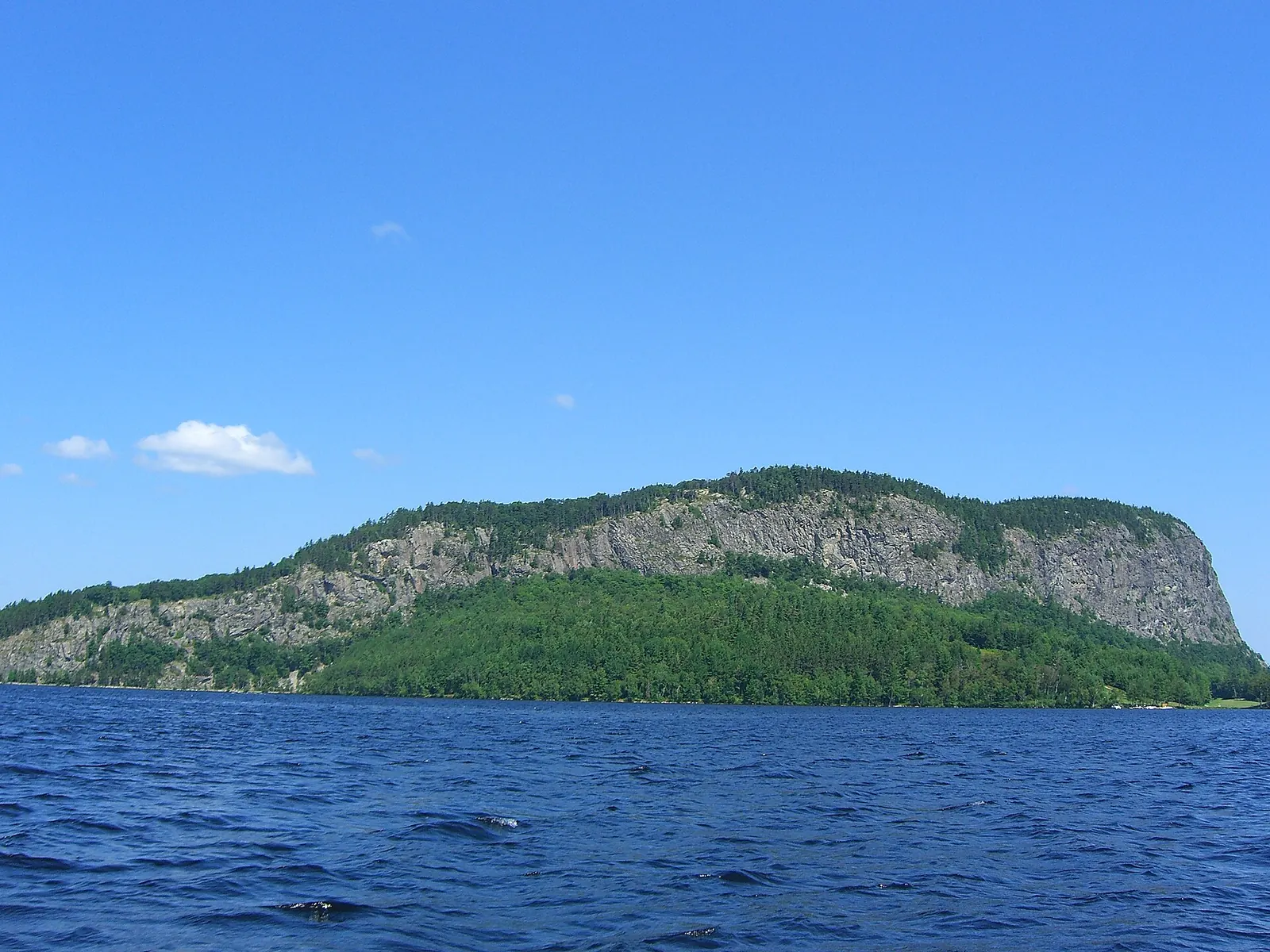
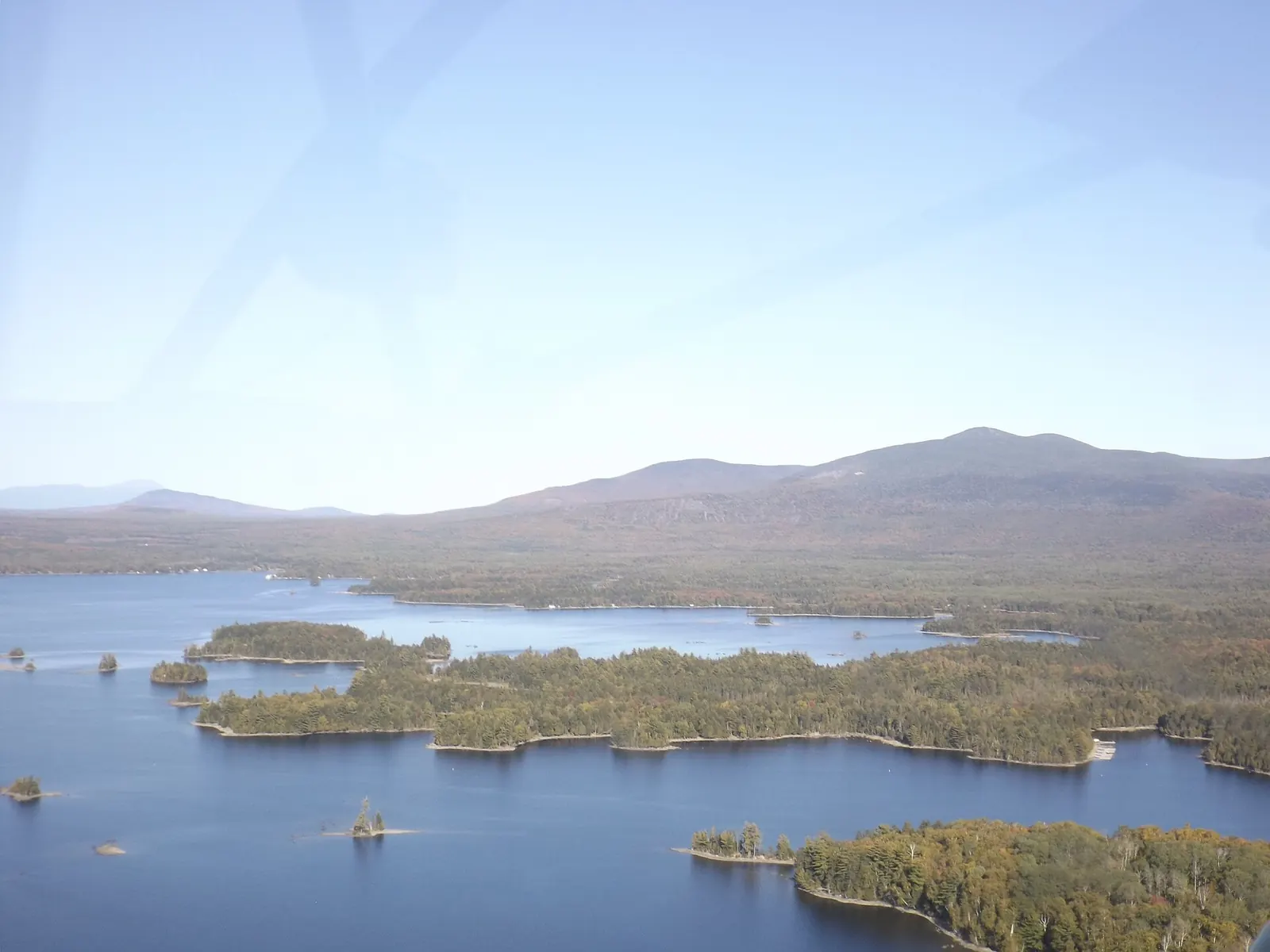
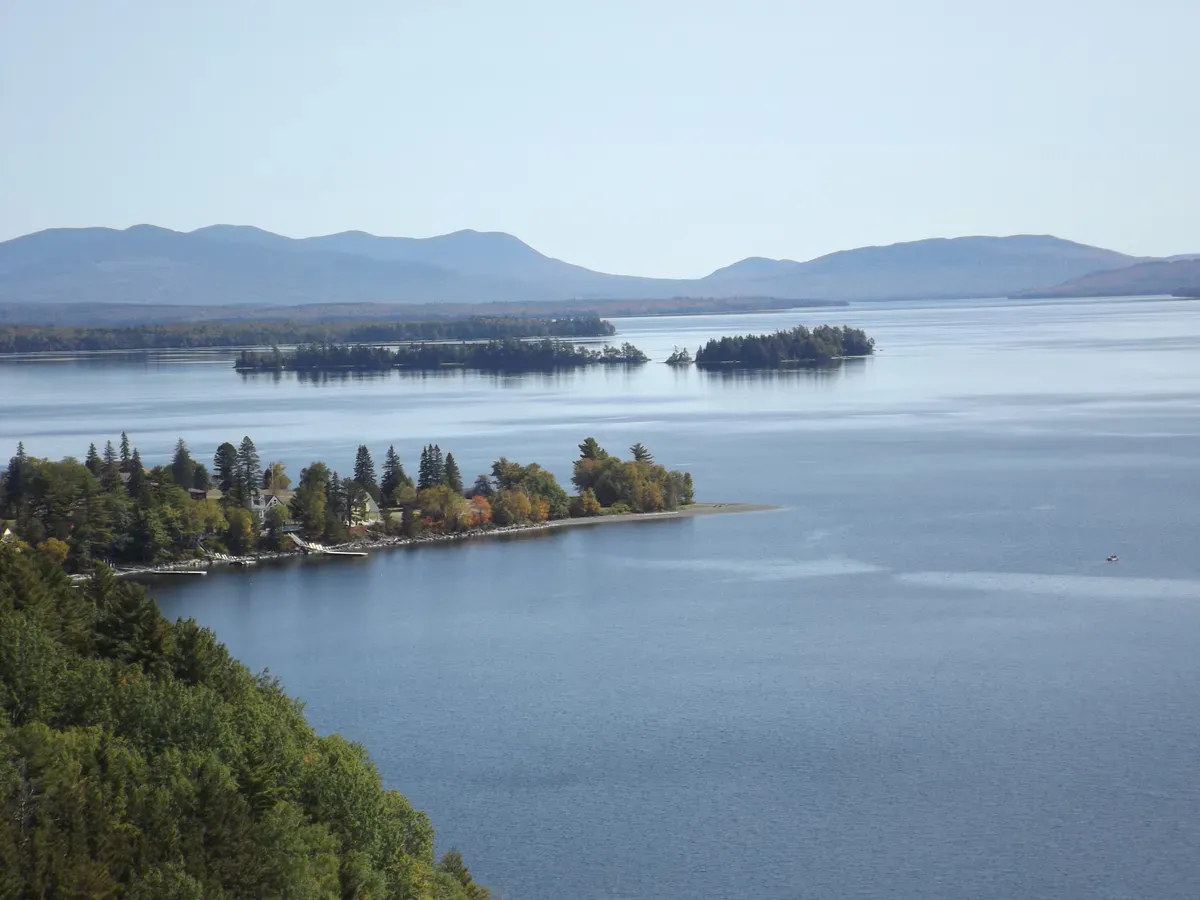
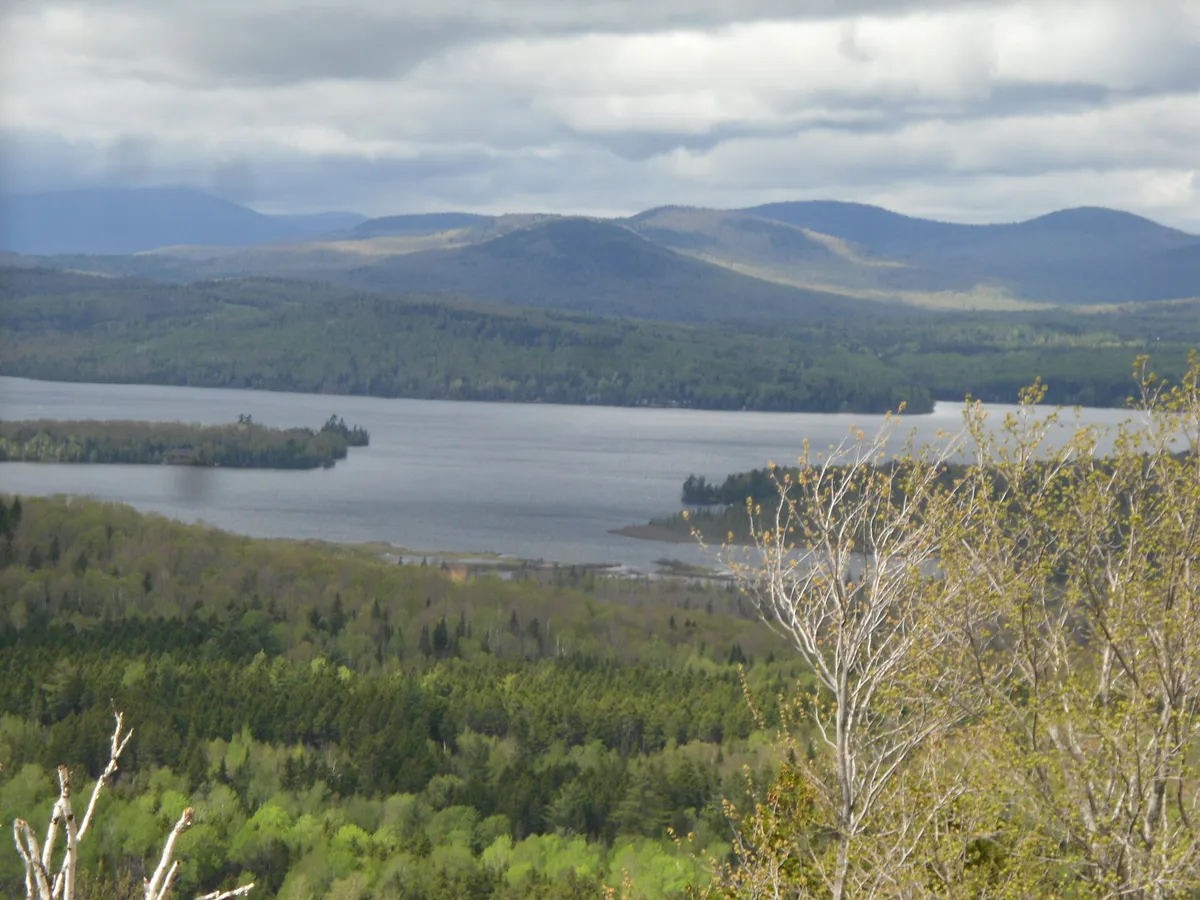
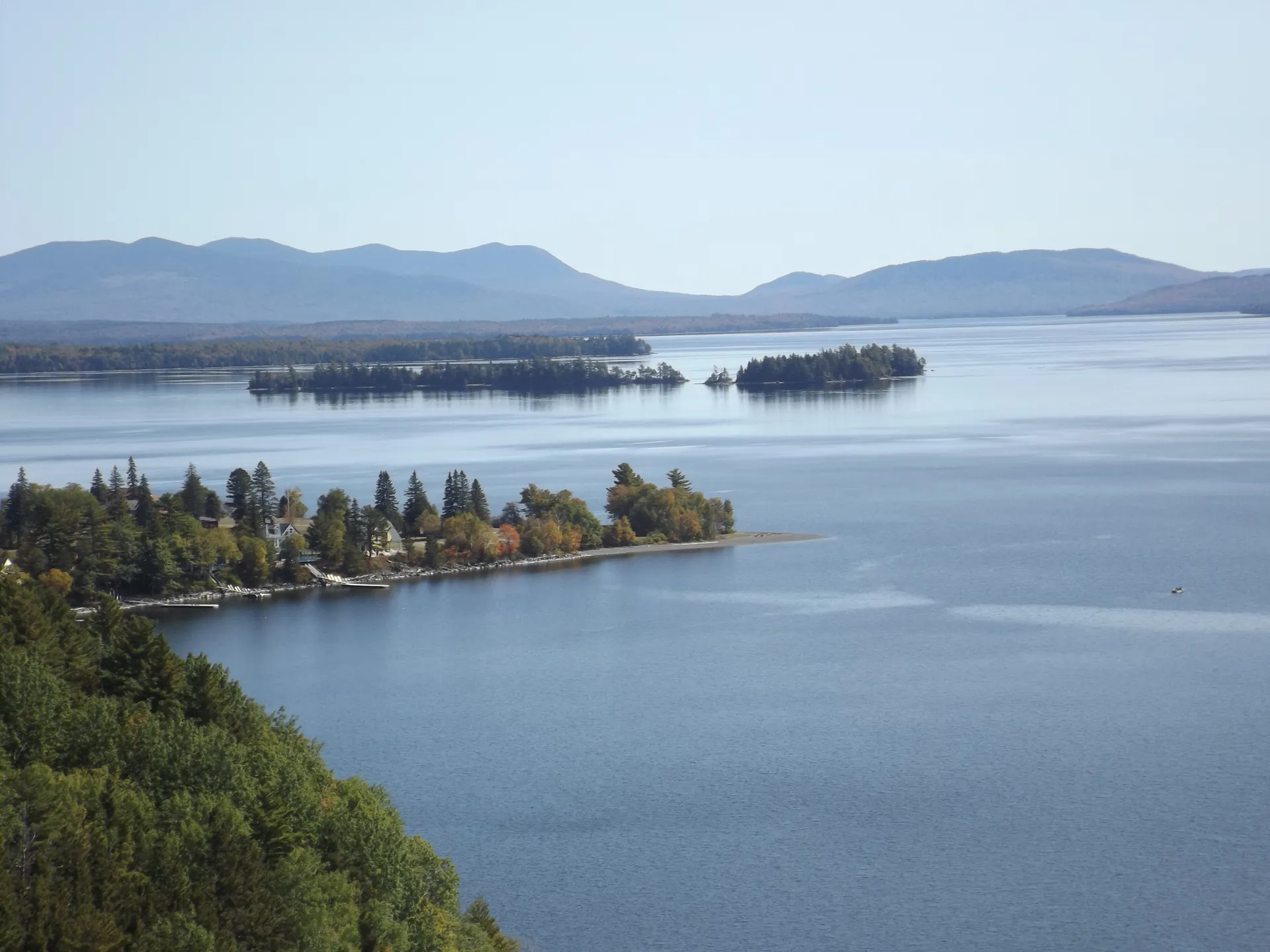
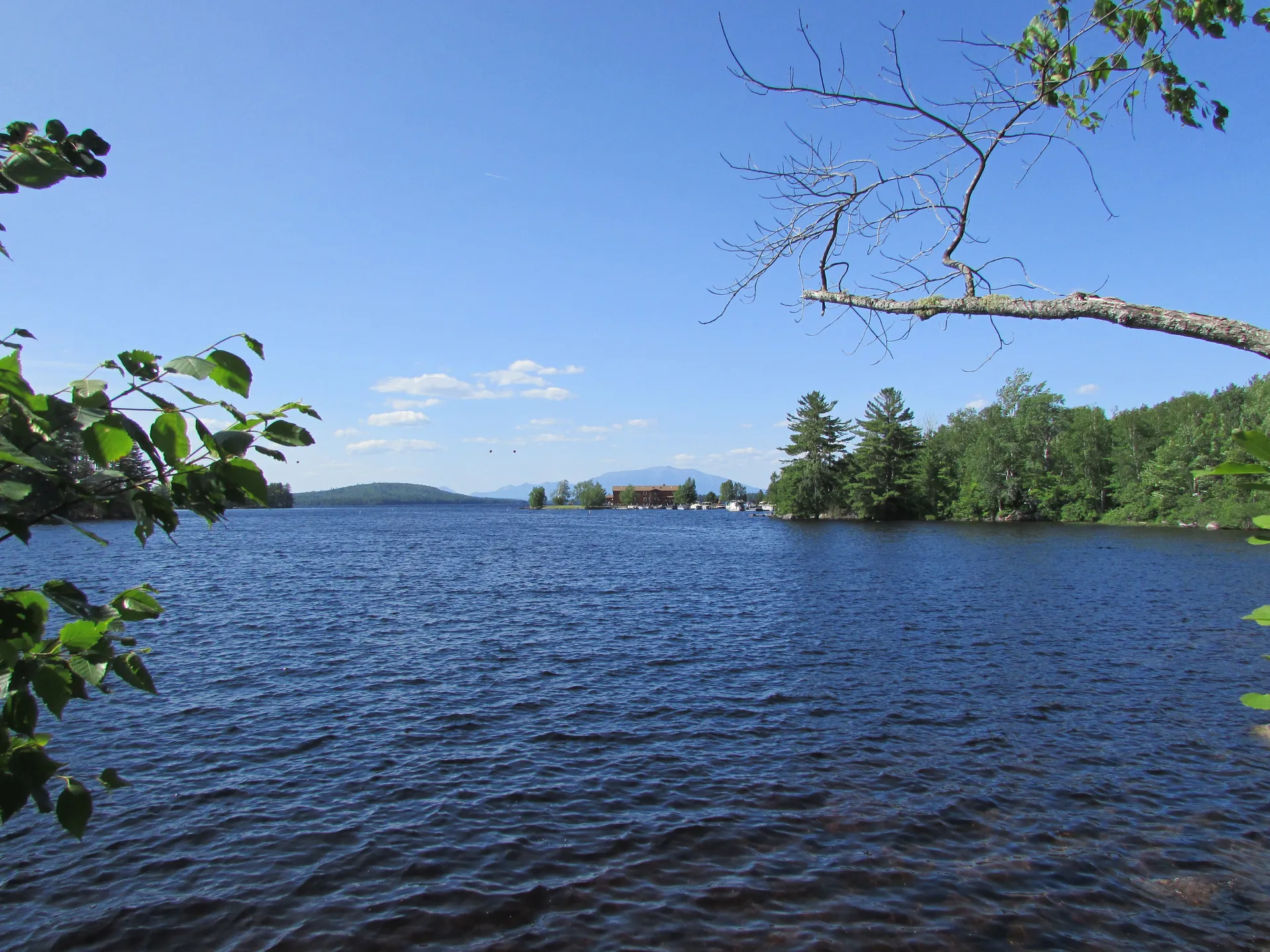
Lily Bay State Park occupies 925 acres on the southeastern shore of Moosehead Lake, the largest lake in New England. The lake stretches roughly 40 miles long and covers more than 75,000 acres, surrounded by commercial timberland, wild mountains, and very few people. Lily Bay is one of the best access points for experiencing Moosehead without owning a camp or knowing someone who does.
The park was established in 1961 on woodland donated primarily by the Scott Paper Company in 1959. Today it offers 90 wooded and waterfront campsites, a sandy swimming beach, a boat launch, and a two-mile shoreline trail. It is the kind of place where you fall asleep listening to loons call across the water and wake up to mist lifting off the lake.
The Moosehead Lake region is moose country. Sightings are common in the park and along the access road, especially at dawn and dusk in spring and early summer. Black bears, loons, ospreys, and bald eagles are regular visitors. The boreal forest of spruce, fir, and birch that surrounds the campground feels distinctly northern.
Camping
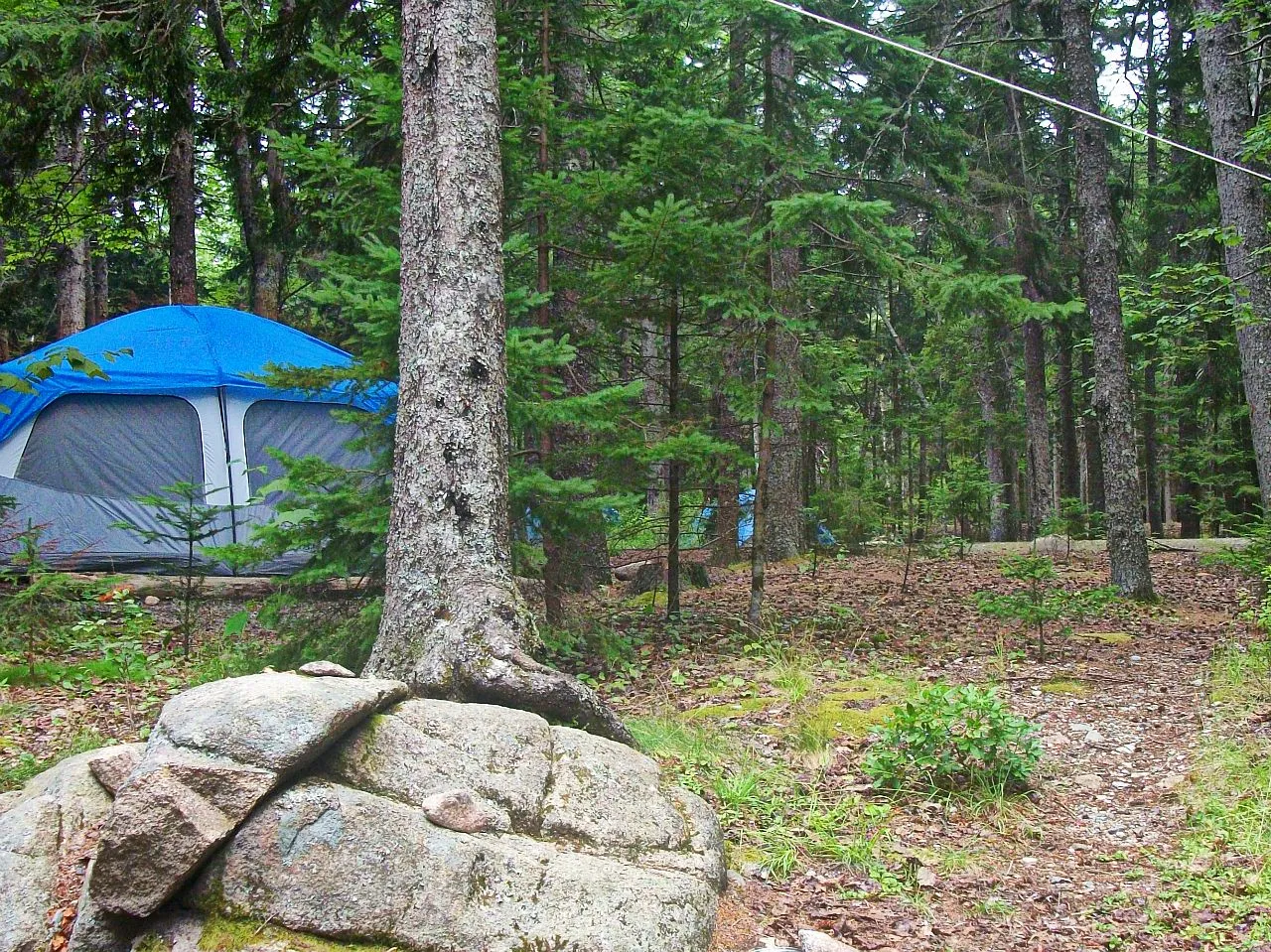
The park’s 90 campsites are split between two areas on the lakeshore: Rowell Cove and Dunn Point. Both areas border Moosehead Lake directly.
- Rowell Cove: More secluded sites in a wooded setting, with some directly on the water
- Dunn Point: Slightly more open, with the sandy beach, picnic area, and day-use facilities nearby
About 38 of the sites are waterfront, and these go fast. There are no hookups, but the campground has restrooms, hot showers, a dump station, and fire rings with picnic tables at every site. Some larger sites can accommodate RVs and trailers over 35 feet, though the roads are not designed for big rigs.
Sites cost $20 a night for Maine residents and $30 for non-residents. Reservations at CampWithME.com are strongly recommended in summer, especially for waterfront sites, and July and August weekends book up well in advance. From mid-September on, all sites switch to first-come, first-served, and the campground closes at noon on October 15.
Swimming and Beach
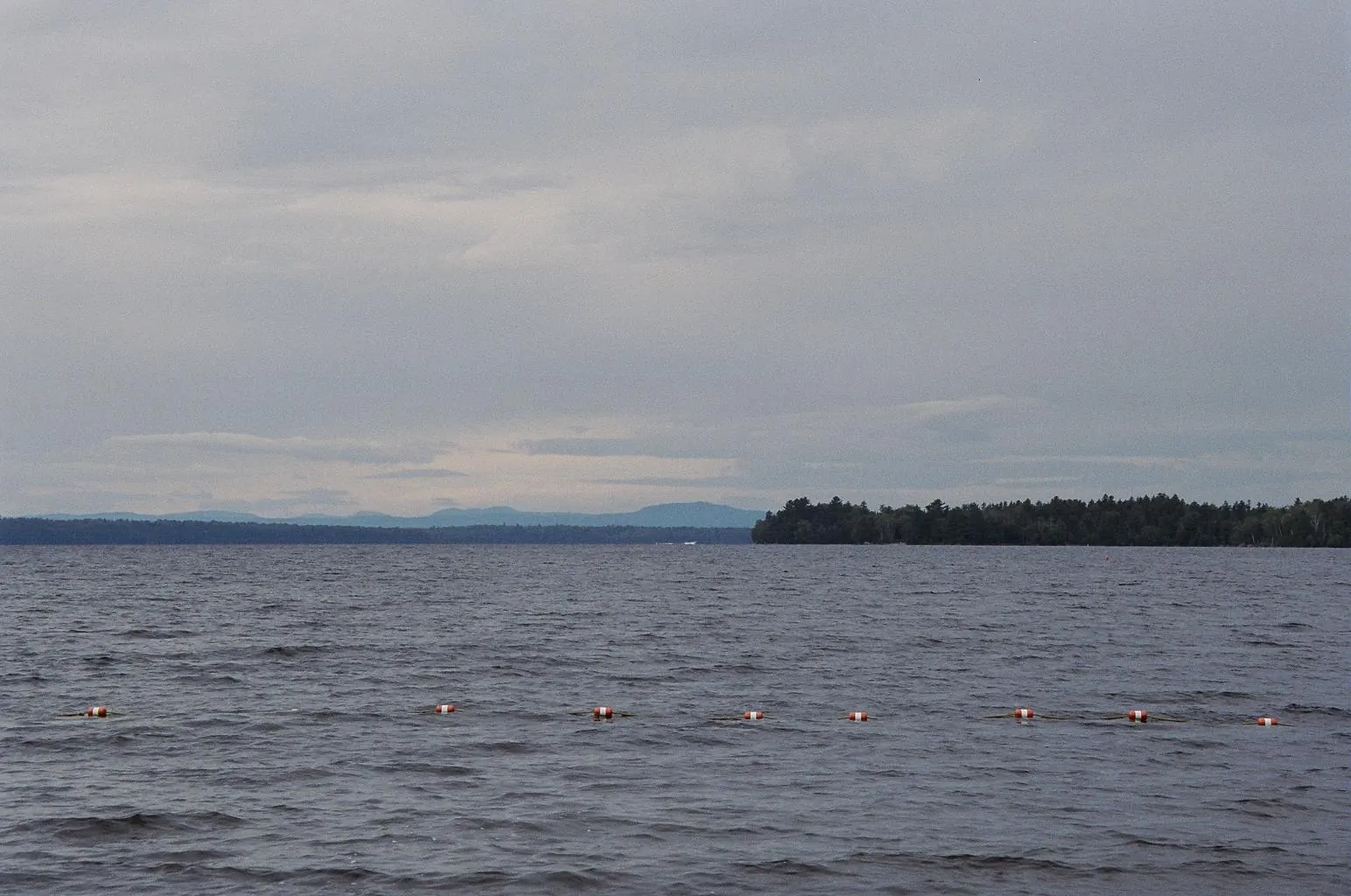
The park’s sandy beach at Dunn Point is one of the few public swimming beaches on Moosehead Lake. The sand extends into shallow water, making it friendly for young children. The lake water is clean and cold. Even in August, the surface temperature hovers in the mid-60s to low 70s at best. There are no lifeguards, so swimmers should use caution, especially with children.
The beach area includes picnic tables, a changing area, and portable restrooms. It is a popular day-use destination for visitors who are not camping.
Boating and Fishing
A paved boat launch at Dunn Point provides access to the full expanse of Moosehead Lake. The launch can handle trailered boats and has a small parking area for vehicles with trailers. Kayakers and canoeists can launch from the beach or several points along the campground shoreline.
Moosehead Lake is famous for its fishing. Brook trout, lake trout (togue), and landlocked salmon are the primary targets. The lake’s cold, deep water supports healthy populations, and the fishing holds up throughout the open-water season, which closes September 30. Ice fishing on Moosehead opens January 1, but the part of Lily Bay between the park and Sugar Island is closed to ice fishing, so check the red markers and the current IF&W lawbook.
For moose, drive Lily Bay Road slowly at first light; the boggy stretch between Greenville and the park is one of the more reliable moose-viewing corridors in Maine. Mount Kineo is a long open-water crossing from here, so most visitors reach it by motorboat or the shuttle from Rockwood on the west shore.
The Shoreline Trail
A two-mile trail follows the lakeshore between Rowell Cove and Dunn Point. It is a flat, easy walk through boreal forest with frequent views of the lake. The trail is good for bird watching, morning walks, and snowshoeing in early or late season. It connects the two camping areas and passes through sections of shoreline where moose sometimes feed in the shallows.
When to Go
Summer
Warm weather, swimming, boating, and fishing. Peak season from late June through August. Loons are nesting and calling. Mosquitoes and black flies taper off by mid-July.
Fall
Typical peak color around Greenville and Lily Bay is the second week of October. Campsites are first come, first served from mid-September until the campground closes at noon on October 15. Lake fishing closes September 30. Hunting is allowed in the park after Labor Day, so wear blaze orange.
Spring
The campground opens in mid-May. Lake ice may linger into early May in cold years. Black flies are heavy in June. Moose sightings peak in spring.
Winter
The park stays open 9 a.m. to sunset, but facilities are closed: park outside the gate and walk in. Primitive winter tent camping runs December 15 to March 15. Part of Lily Bay is closed to ice fishing.
Getting There
From Greenville, take Lily Bay Road north about 9 miles. The park entrance is on the left, well-signed. The road is paved the entire way.
From Bangor, take I-95 north to Exit 157 (Medway) or take Routes 6/15 through Dover-Foxcroft to Greenville. The drive takes about 1 hour and 45 minutes. From Portland, take the Maine Turnpike north, then follow Routes 7, 23, and 15 through Dexter and Dover-Foxcroft to Greenville, about 4 hours total.
GPS coordinates for the park entrance: 45.5550, -69.5300
FAQ
How many campsites does Lily Bay State Park have?
The park has 90 campsites in two areas: Rowell Cove and Dunn Point. About 38 sites are on the waterfront. There are no hookups. Reservations are recommended in summer.
Can you swim at Lily Bay State Park?
Yes. The park has a sandy swimming beach at Dunn Point. The water is clean but cold, typically in the mid-60s to low 70s in summer. There are no lifeguards.
Is there a boat launch at Lily Bay?
Yes. A paved boat launch at Dunn Point handles trailered boats. There is a parking area for vehicles with trailers. Kayaks and canoes can launch from the beach or shoreline.
When is Lily Bay State Park open?
The park is open year-round, 9 a.m. to sunset. The campground runs from mid-May until noon on October 15, first come, first served from mid-September. Off season, park outside the gate and walk in; facilities are closed.
Do you see moose at Lily Bay State Park?
Moose sightings are common, especially in spring and early summer at dawn and dusk. Watch for moose along the access road and near the lake shore where they sometimes wade into the shallows to feed.