
Where Maine Gets Wild
Petit Manan National Wildlife Refuge stretches along the downeast coast of Maine from Steuben to Milbridge, encompassing 3,335 acres of mainland and offshore islands managed by the U.S. Fish and Wildlife Service. The refuge exists primarily to protect nesting seabird colonies on its offshore islands, Atlantic puffins, razorbills, common and Arctic terns, Leach’s storm-petrels, and other species that depend on these rocky outcrops for breeding.
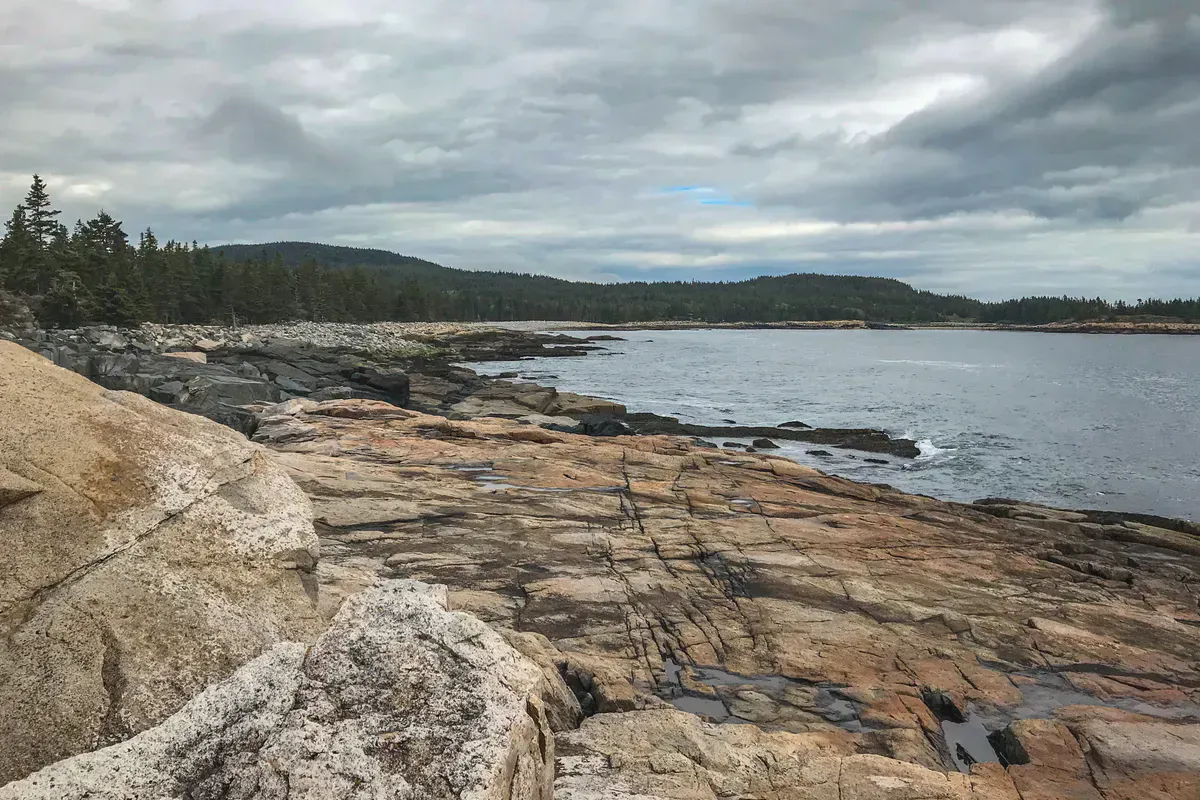
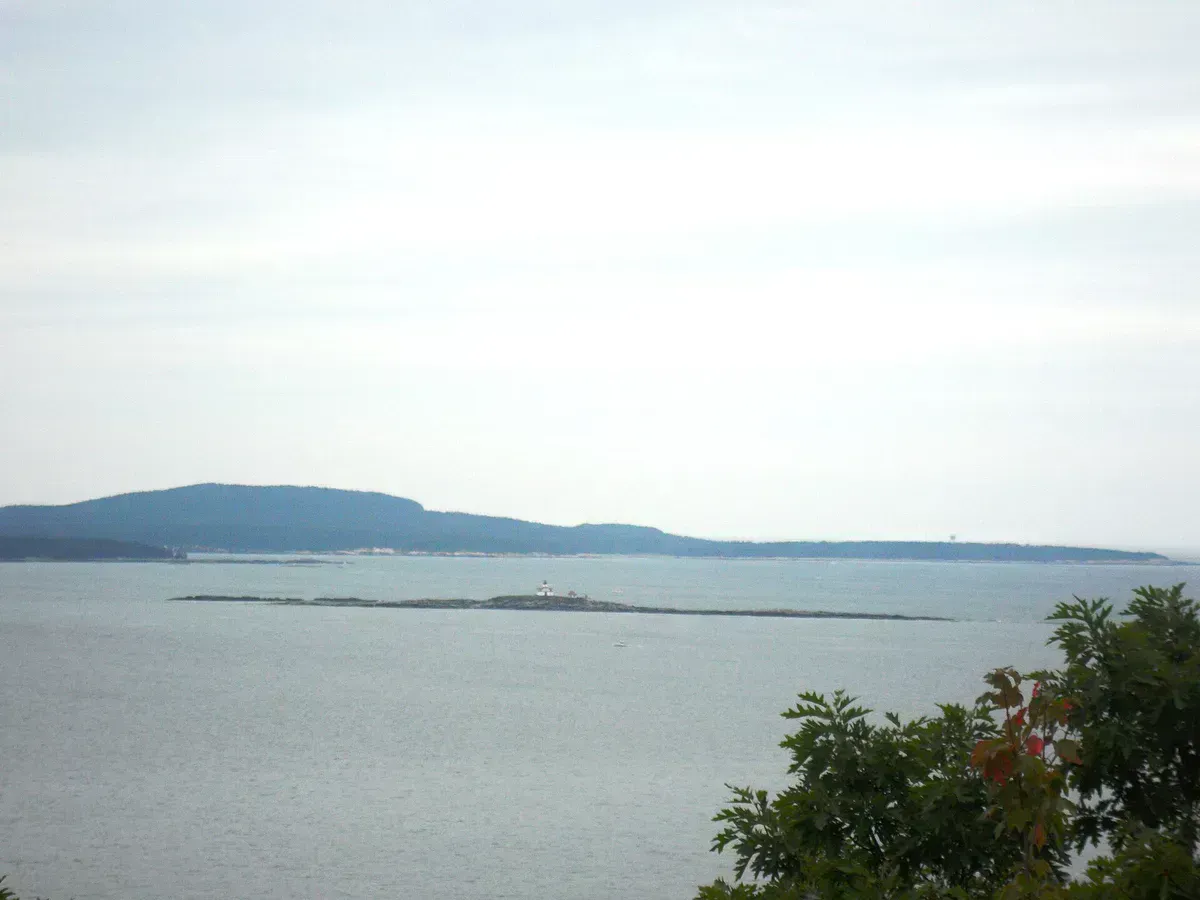
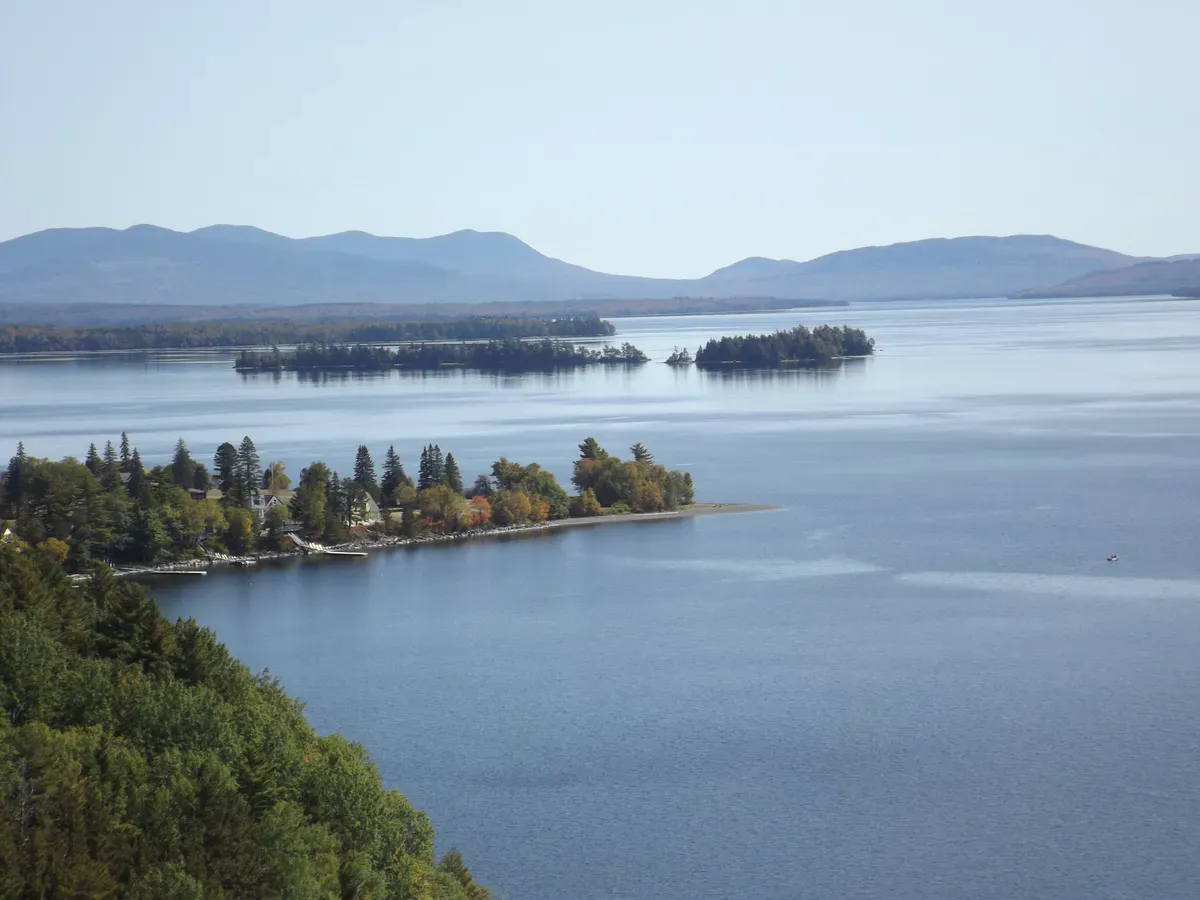
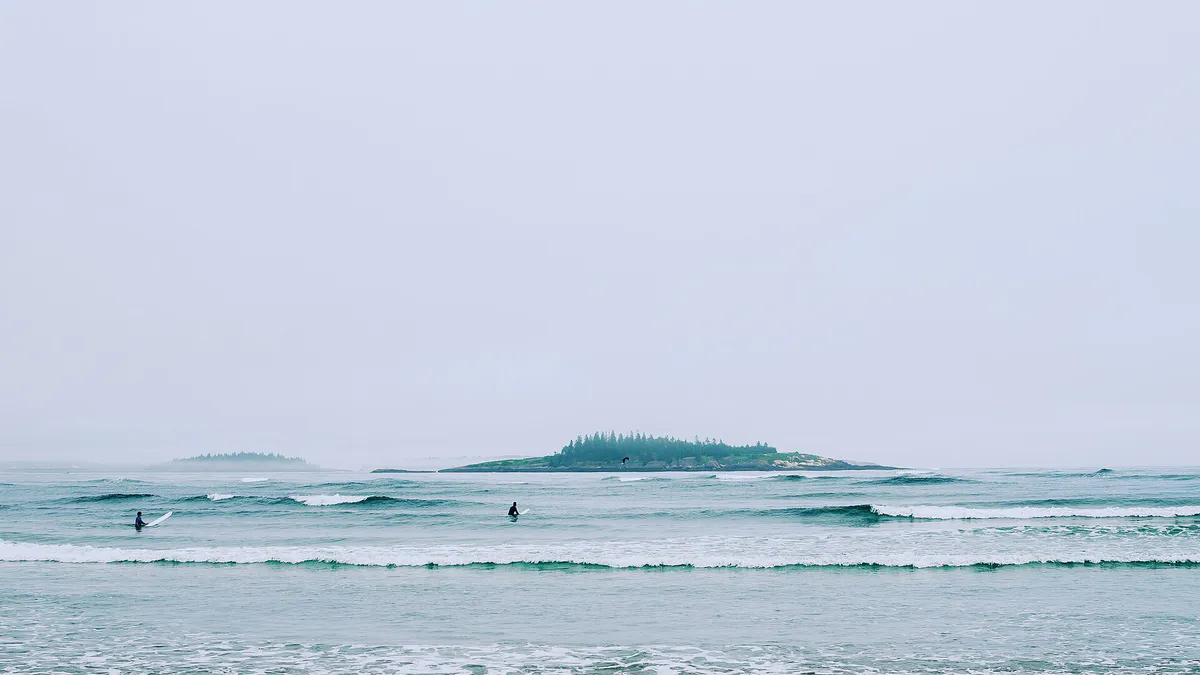
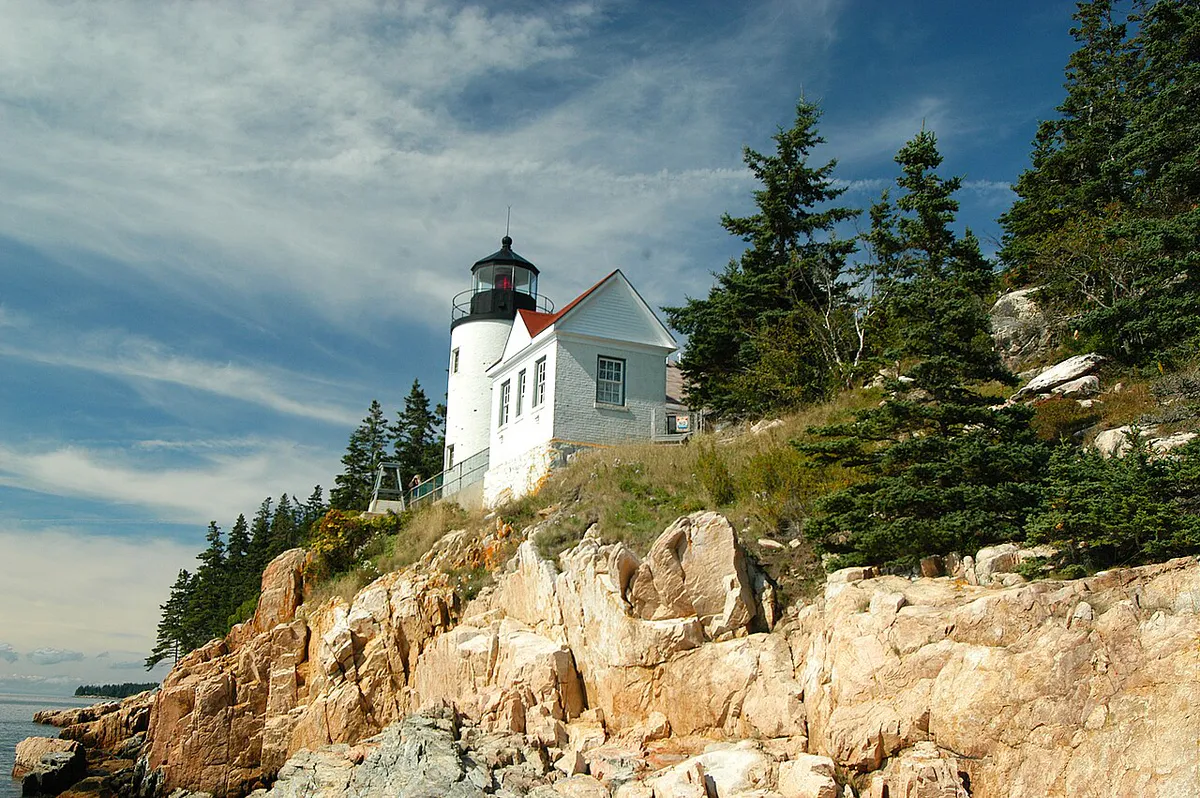
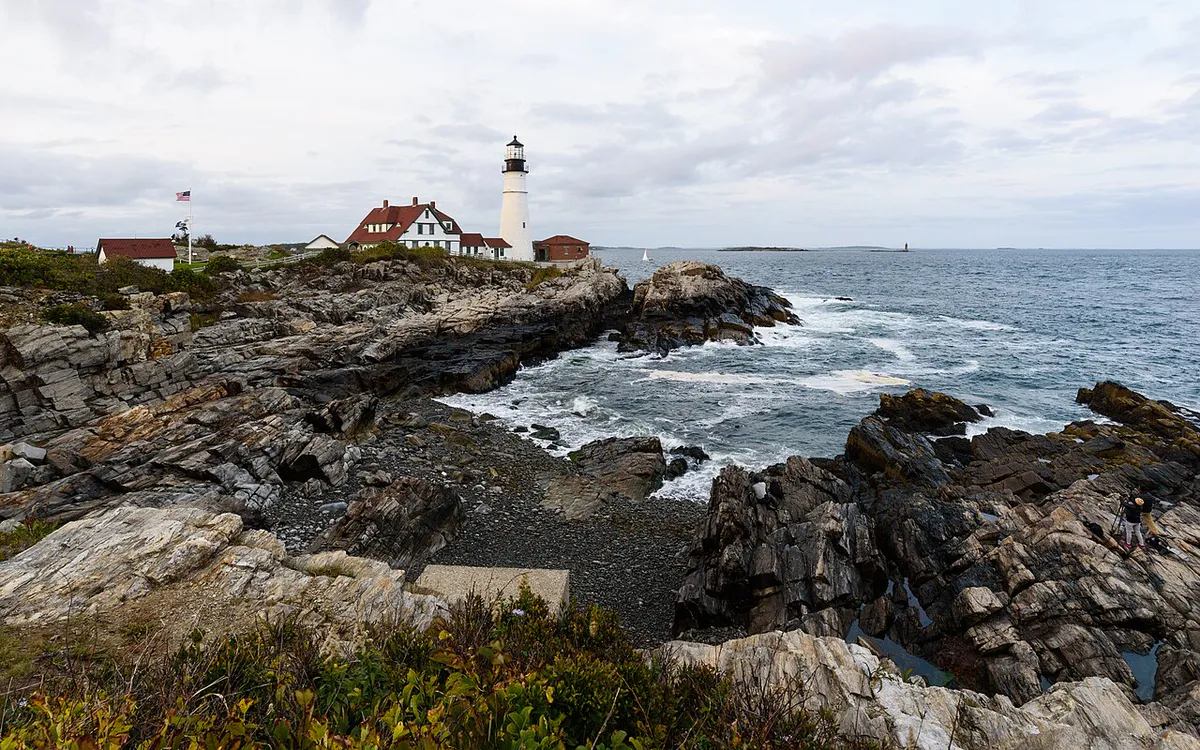
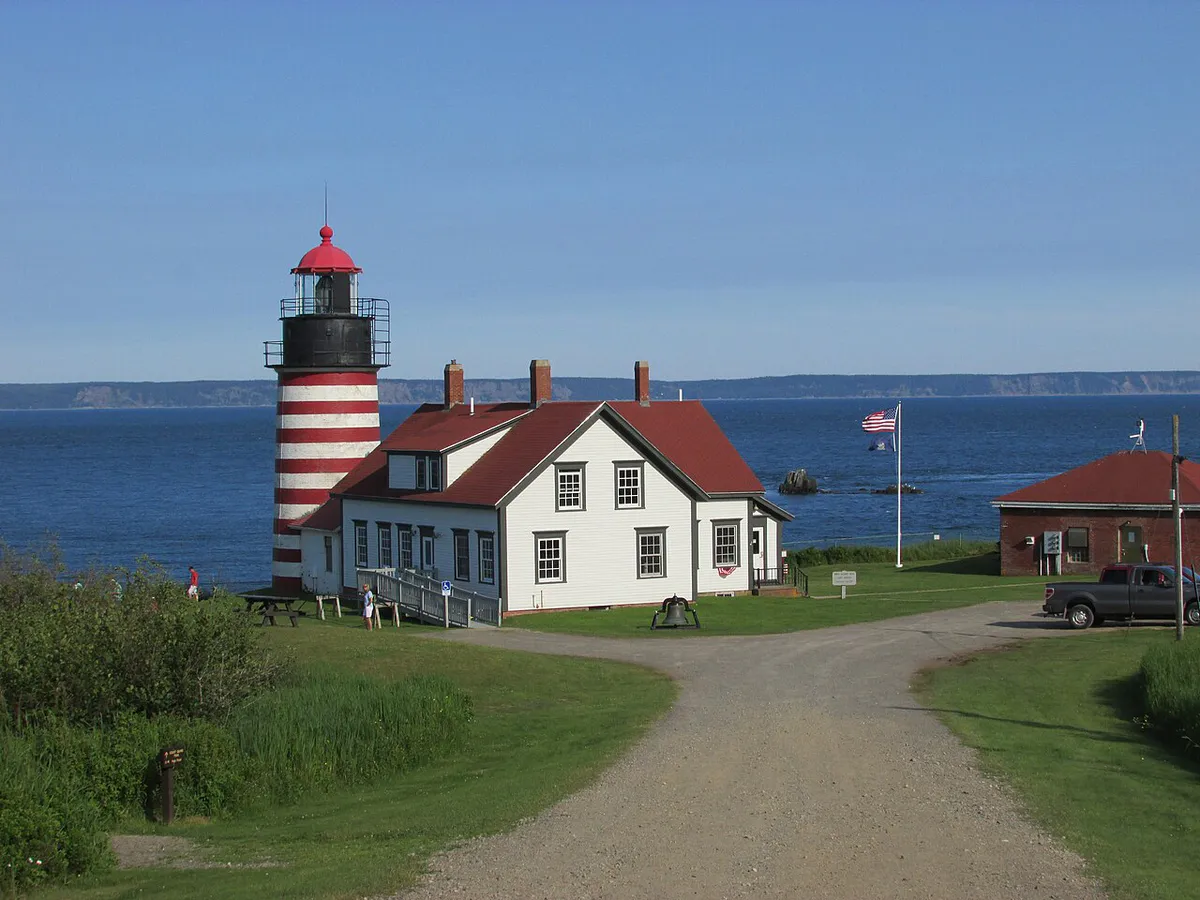
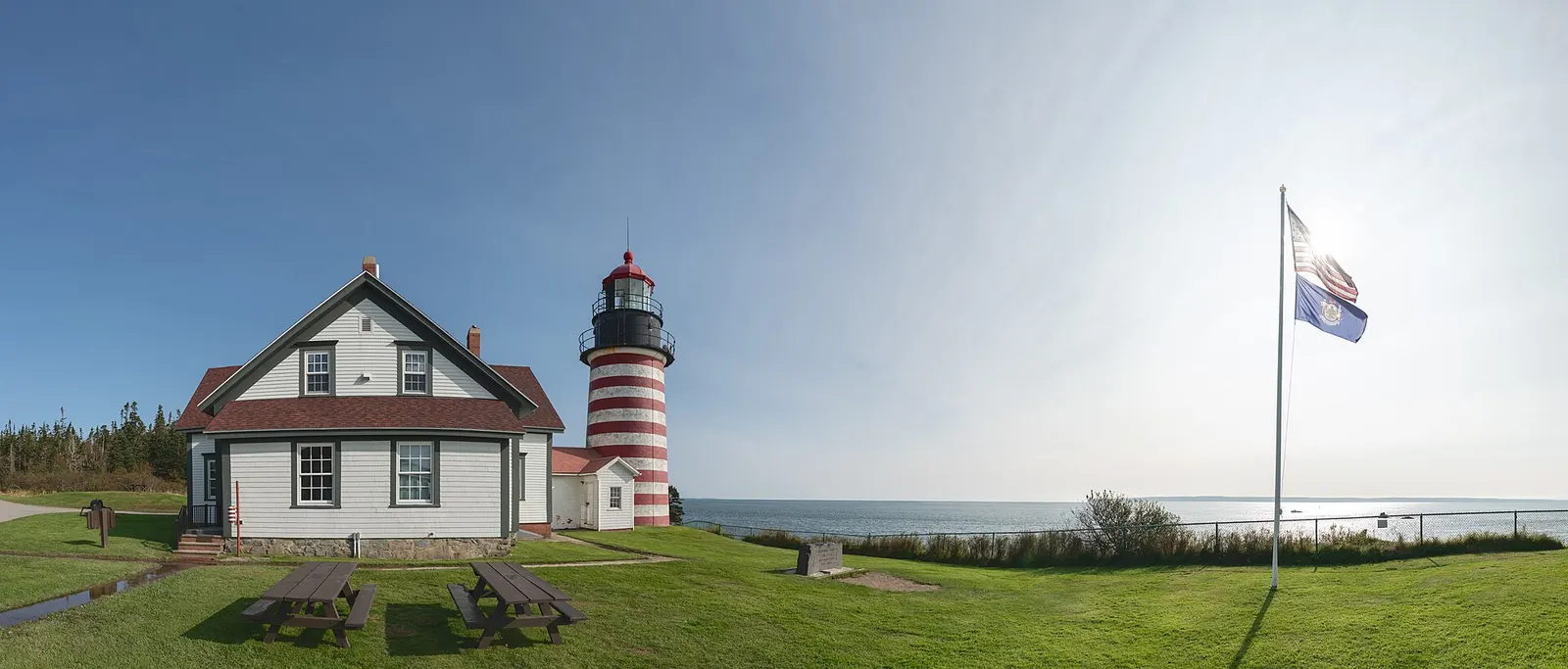
The mainland unit of the refuge, accessible to the public via two trail loops totaling about four miles, offers some of the most unspoiled coastal hiking in the state. The trails cross through spruce-fir forest, skirt blueberry barrens, and emerge onto a granite shoreline where the full force of the open Atlantic is on display. On clear days, you can see Petit Manan Island and its lighthouse about three miles offshore, the granite tower rising from a treeless island surrounded by seabirds.
This is the downeast coast at its most authentic: fog, granite, spruce, the smell of salt and balsam, and the distant cries of seabirds carrying across the water. The landscape here has changed remarkably little in the centuries since European settlement, and walking the trails at Petit Manan feels like stepping into a Maine that most visitors never see.
The Trails
The mainland unit has two trail loops that share a common trailhead at the end of Pigeon Hill Road.
Birch Point Trail (1.8 miles loop)
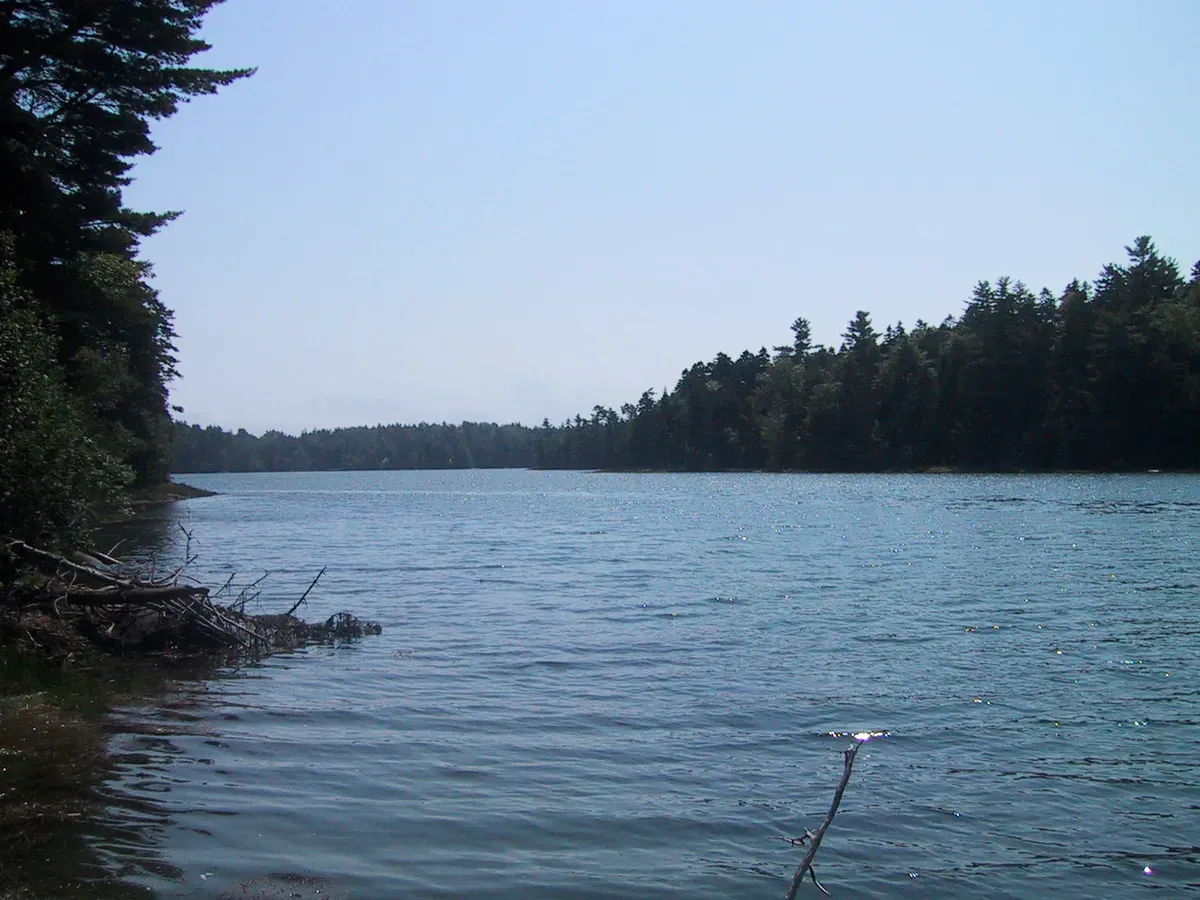
The Birch Point Trail is the shorter loop, passing through spruce-fir forest and along the western shoreline of the point. The trail offers views of Dyer Bay and the outer islands. A short spur leads to a cobble beach where you can sit and watch for harbor seals, eiders, and ospreys.
Shore Trail (2.2 miles loop)
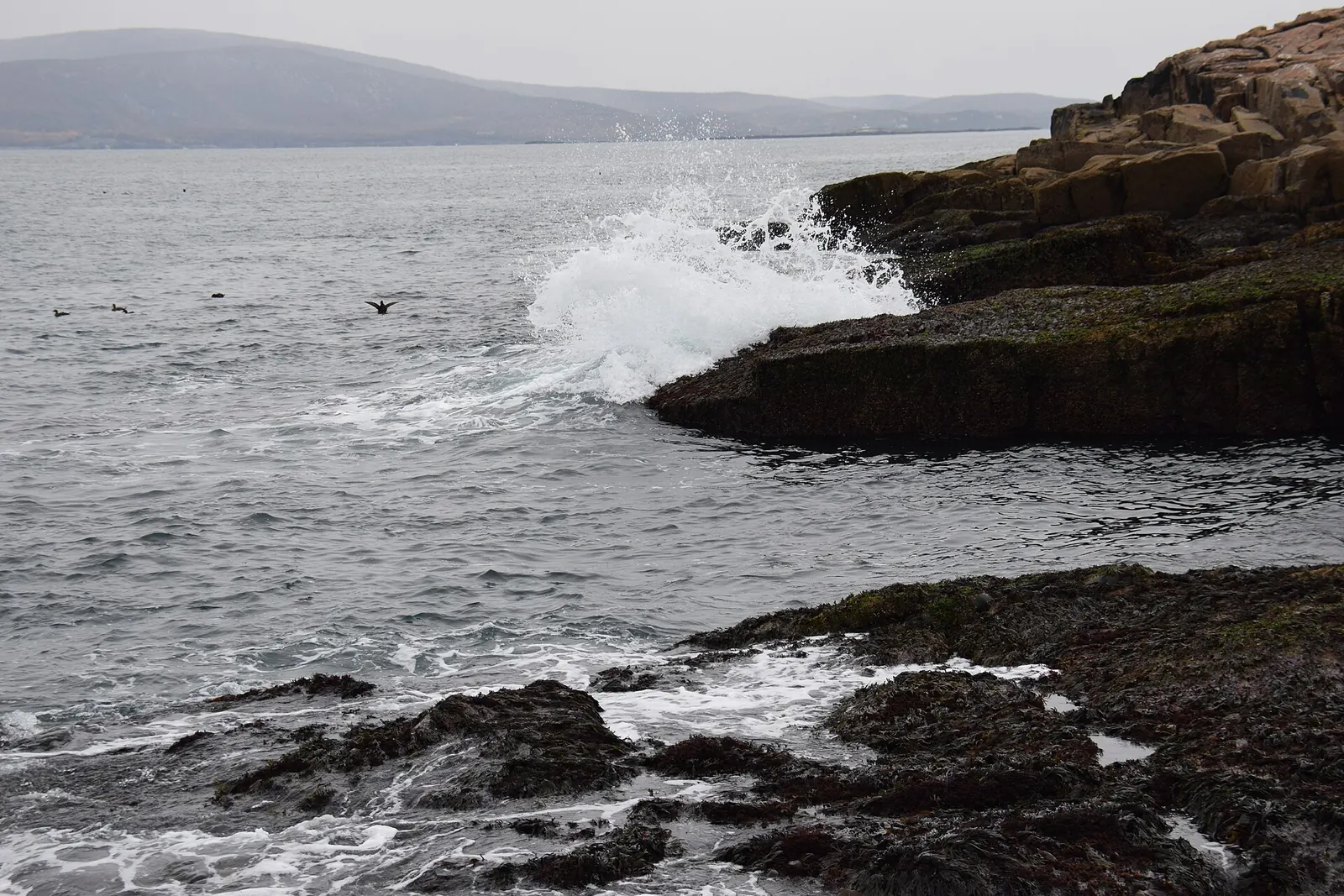
The Shore Trail is the longer loop and follows the eastern shoreline of the peninsula. This trail provides the most dramatic coastal views, including open-ocean vistas toward Petit Manan Island. The granite ledges along this section are exposed to weather and waves, and the sense of wildness is powerful.
Walk the Shore Trail first, then return and walk the Birch Point Trail if time allows. The Shore Trail has the better views and the more dramatic coastal scenery. If fog rolls in, which happens frequently downeast, the forest sections of the Birch Point Trail remain atmospheric and enjoyable.
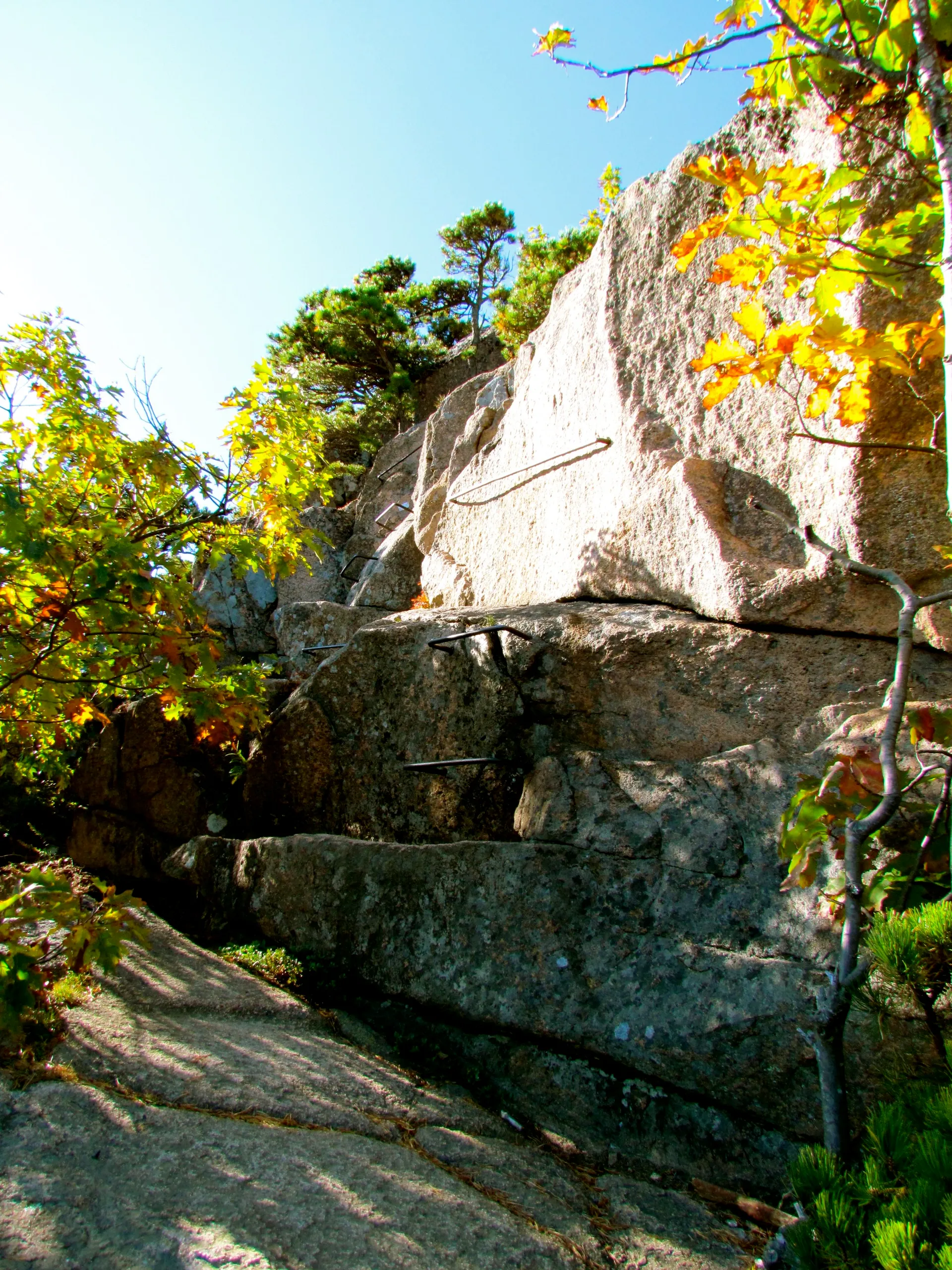
Both trails are relatively flat, with occasional roots and rocks. The footing is generally good but can be slippery on the granite ledges near the shoreline, especially when wet or foggy.
Seabird Islands
The offshore islands of Petit Manan NWR are among the most important seabird nesting sites on the Atlantic coast. Petit Manan Island alone hosts breeding colonies of Atlantic puffins, razorbills, common terns, Arctic terns, laughing gulls, and Leach’s storm-petrels. The island’s puffin colony was restored through a decades-long effort led by the Audubon Seabird Institute, and the population continues to grow.
The islands are closed to public access to protect the nesting birds. However, several boat tour operators in the region offer trips that pass close enough to the islands for excellent viewing and photography. These tours depart from Milbridge and other nearby harbors during the summer nesting season (June through August).
The offshore islands are strictly closed to public access. Landing on the islands is prohibited to protect nesting seabirds. Observe the islands from the mainland trails or from licensed boat tours. Disturbing nesting seabirds is a federal offense under the Migratory Bird Treaty Act.
Mainland Wildlife
The mainland trails at Petit Manan pass through habitats that support a wide variety of wildlife beyond seabirds. The spruce-fir forest hosts boreal species including boreal chickadees, spruce grouse, red crossbills, and black-backed woodpeckers. Warblers fill the forest during spring migration, and the blueberry barrens attract sparrows and hawks during fall.
The shoreline is productive for marine wildlife. Harbor seals rest on the ledges at low tide. Common eiders raft offshore. Bald eagles and ospreys patrol the coastline. In fall, migrating hawks follow the coast and can be seen from the trail’s open sections.
The coastal bogs and wet areas support pitcher plants, sundews, and bog orchids, another example of how the harsh, nutrient-poor conditions of the downeast coast foster specialized plant communities.
Blueberries ripen on the barrens along the trail in late July and August. The berries are small, wild lowbush blueberries, far more flavorful than cultivated varieties. Snack on them as you hike, but leave plenty for the wildlife.
Planning Your Visit
Spring
Migrating warblers and shorebirds pass through in May. Seabirds begin returning to nesting islands. Trails may be muddy. Fog is common.
Summer
Seabird nesting in full swing. Best weather for coastal hiking. Boat tours to puffin islands available. Blueberries ripen in late July. Bugs present in the forest.
Fall
Hawk migration along the coast September through November. Fewer visitors. Cool, clear days. Spruce grouse and boreal species active.
Winter
Trails open but exposed and cold. Sea ducks and wintering raptors present. The coastal atmosphere in winter storms is dramatic. Few visitors.
Petit Manan NWR Visit
- Binoculars (essential for seabird watching from shore)
- Camera with telephoto lens for island and wildlife viewing
- Hiking boots or sturdy shoes (roots and granite ledges)
- Rain jacket and wind layer (coastal weather changes fast)
- Bug spray (black flies and mosquitoes in the forest sections)
- Water and snacks (no services at the refuge)
- Layers, downeast fog can drop temperatures 20 degrees
- Field guide for seabirds and coastal plants
- Leave dogs at home (not permitted on the refuge)
Getting There
From Milbridge, take Route 1 east briefly, then turn south onto Pigeon Hill Road. Follow Pigeon Hill Road for about 6 miles to the trailhead parking area at the end. The road is paved but narrow. From Bangor, the drive is about 1 hour and 40 minutes via Route 1A and Route 1 east. From Portland, allow about 4 hours via I-95 to Bangor and then east on Route 1A.
There is no cell service at the refuge. Download maps and directions before leaving Milbridge or Steuben.
FAQ
Can I see puffins at Petit Manan?
Not from the mainland trails. The puffin colony is on Petit Manan Island, about three miles offshore. You can see the island and its lighthouse from the Shore Trail, but individual puffins are not visible at that distance. Licensed boat tours from Milbridge offer close-up viewing of the puffin colony during summer.
Are dogs allowed?
No. Dogs are not permitted on the refuge trails. This policy protects wildlife and sensitive nesting habitat.
Is there a fee?
No. Petit Manan NWR is free and open to the public year-round. The trails are open dawn to dusk.
How long are the trails?
The two mainland trail loops total about four miles combined. The Birch Point Trail is 1.8 miles and the Shore Trail is 2.2 miles. Walking both loops takes two to three hours at a moderate pace.
Can I visit the islands?
No. The offshore islands are closed to public access year-round to protect nesting seabirds. Boat tours offer viewing from the water during summer months.