Maine’s Artist Island, 12 Miles Out
Monhegan Island sits 12 miles off the Maine coast, a mile-long granite outcrop rising from the Atlantic with 150-foot sea cliffs on its eastern shore and a quiet fishing village tucked into its western harbor. For over a century, this remote island has drawn artists to its shores. Robert Henri, George Bellows, and Rockwell Kent worked together here beginning in 1903, launching what became one of America’s most enduring art colonies. Edward Hopper, N.C. Wyeth, and Jamie Wyeth followed. The light, the cliffs, the isolation, and the wildness of the place continue to attract painters, photographers, and anyone who wants to experience the Maine coast in its most concentrated form.
There are no paved roads on Monhegan. No cars. No chain stores. The village has a few inns, a handful of galleries, a one-room schoolhouse, and a general store. The lobster fleet works the waters from a pier in the harbor. Most of the island is uninhabited wildland, crisscrossed by 17 miles of hiking trails that lead through cathedral spruce forest to the dramatic headlands on the eastern and southern shores.
The Trails and Cliffs
Monhegan’s trail network covers the island and provides access to its most spectacular scenery. The trails are numbered and mapped, and a trail map is available at the ferry landing and in the village shops.
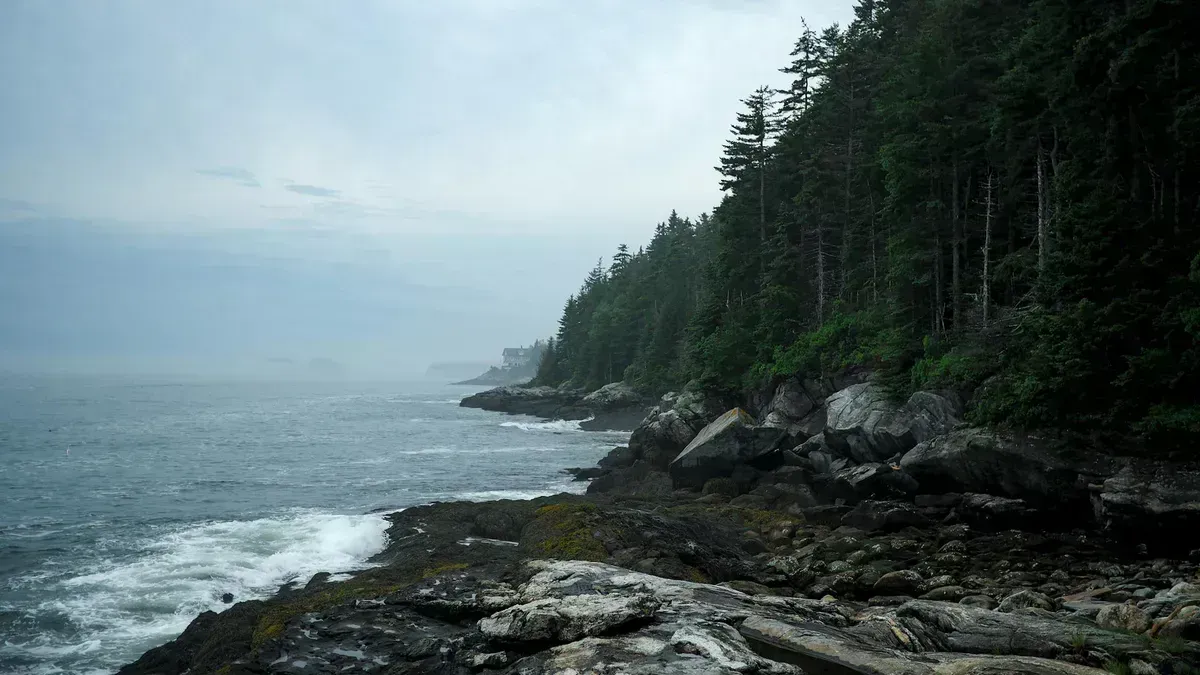
The eastern shore is where the drama lives. The Cliff Trail follows the headlands along the eastern and southern coast, with views straight down 150 feet to the crashing surf below. At Blackhead, the northernmost cliff face, the rock drops sheer into the ocean. This is the view that captivated Kent and Hopper and generations of painters after them. White Head and Burnt Head are two more major headland viewpoints along the trail, each with its own character.
Inland, the trails pass through dense stands of spruce and fir, some with a moss-covered, fairy-tale quality. Cathedral Woods on the western side of the island is a grove of towering spruce with soft needled floor and dappled light filtering through the canopy.
The Art Colony and Museum
The Monhegan Museum of Art and History, open June through September, occupies the former lighthouse keeper’s house near the island’s lighthouse. The collection includes more than 1,300 works by artists who have painted on Monhegan over the past 150 years. The museum rotates exhibitions and maintains a permanent collection that traces the island’s artistic heritage.
Working artists maintain studios on the island and many are open to visitors during the summer. You can watch painters at their easels on the headlands, a scene that has repeated itself here for over a century.
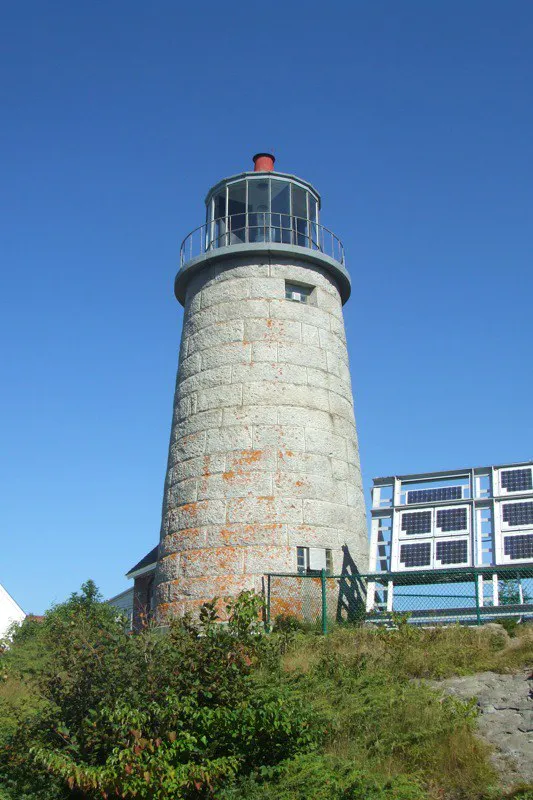
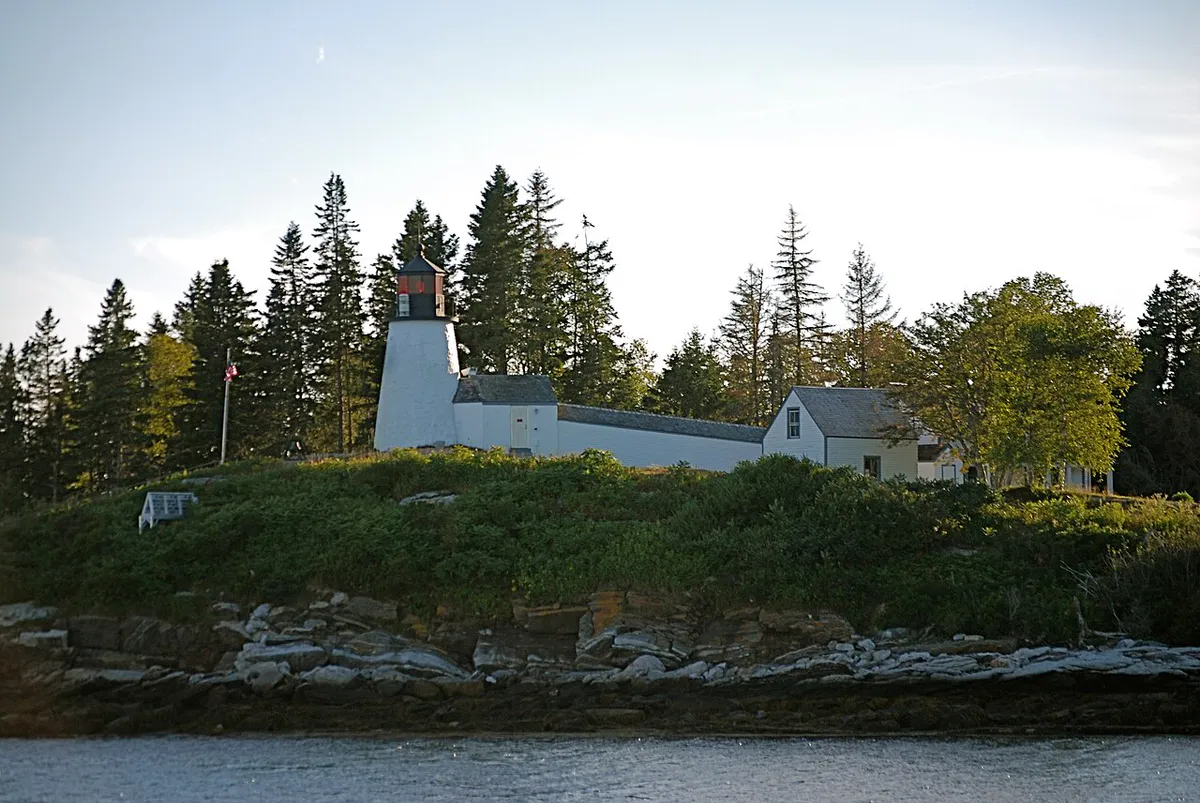
The Monhegan Island Light, a granite tower first established in 1824 and automated in 1959, stands on the highest point of the island. The tower is not open to the public but the grounds and museum are.
Getting There
Two ferry services connect Monhegan to the mainland:
Monhegan Boat Line departs from Port Clyde, on the tip of the St. George peninsula. This is the only year-round service. The crossing takes about an hour. Reservations can be made online at monheganboat.com or by calling (207) 594-0159.
Hardy Boat Cruises departs from Shaw’s Wharf in New Harbor, on the Pemaquid Peninsula. Seasonal service runs mid-May through mid-October with two round trips per day. The crossing takes about an hour. Information at hardyboat.com.
Both ferries carry passengers and freight only. There is no vehicle ferry, and no cars are needed or allowed on the island.
When to Go
Summer
Peak season with all amenities open. Warmest weather, longest days, and the most active art community. Expect the most visitors. Wildflowers on the headlands.
Fall
Quieter with fewer visitors. Hardy Boat runs through mid-October. Beautiful light and dramatic seas. Some inns and restaurants close after Columbus Day.
Spring
The island wakes up slowly. Ferry service resumes from New Harbor in mid-May. Cool weather, nesting seabirds, and very few visitors.
Winter
Year-round ferry from Port Clyde continues with reduced schedule. Very few visitors. The island's year-round community of roughly 60 people has the place to themselves.
A day trip is possible and worthwhile, but an overnight stay gives you the full Monhegan experience. The island at dusk and dawn, when the day-trippers have left and the light changes over the cliffs, is something else entirely. Several inns operate on the island from late May through October.
Practical Notes
Pack everything you will need for the day. There is a small general store on the island, but selection is limited and prices reflect the cost of ferrying goods 12 miles offshore. Bring water, food, layers, and rain gear.
There are no ATMs on the island. Some businesses accept cards, but cash is useful.
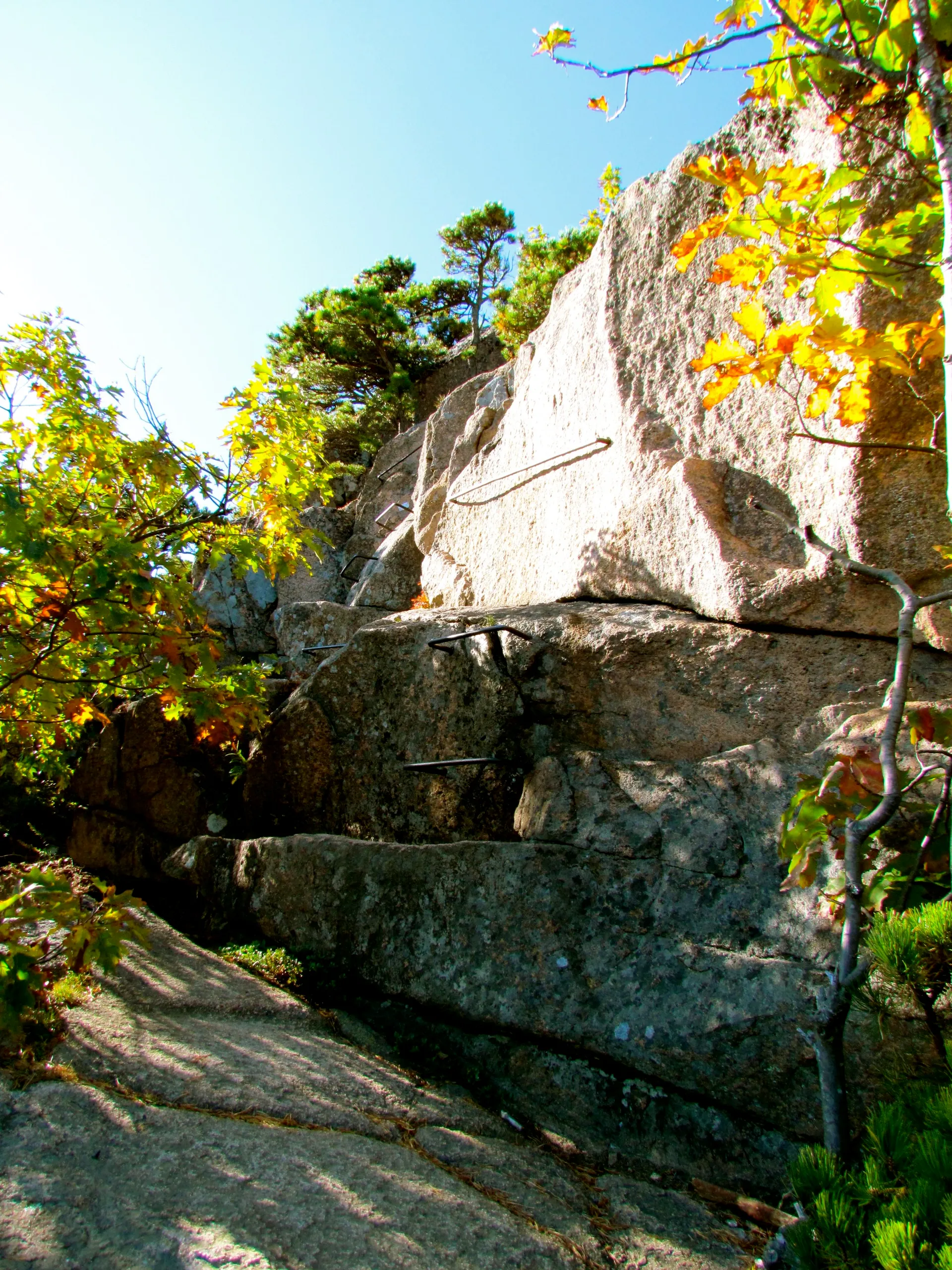
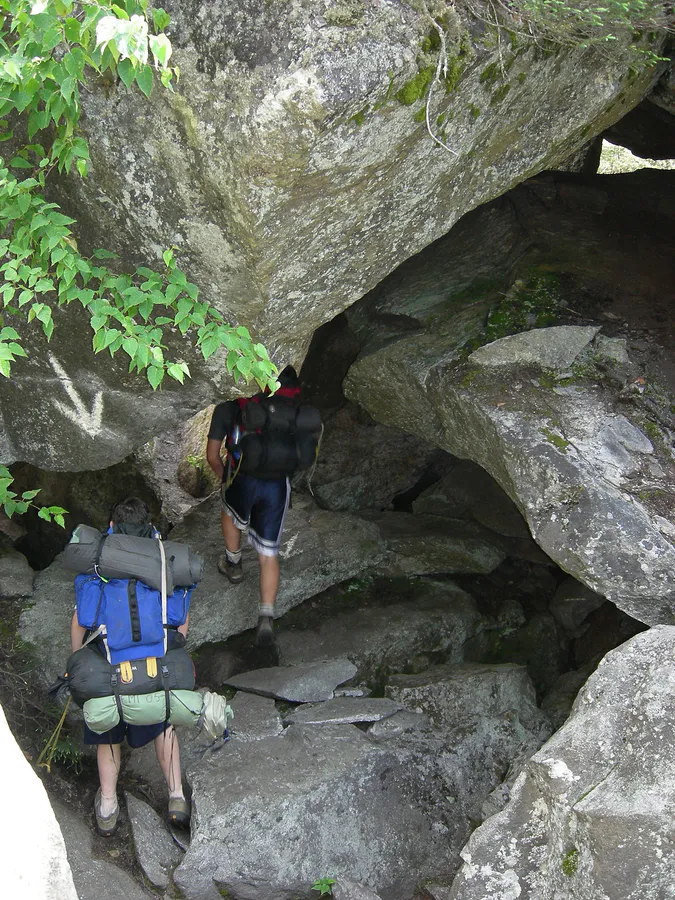
The trails are rugged in places, with roots, rocks, and muddy sections. Wear sturdy shoes or hiking boots. Sandals and flip-flops are not suitable for the cliff trails.
Packing List
Monhegan Island Day Trip
- Sturdy hiking shoes or boots
- Rain jacket (weather changes quickly offshore)
- Water and snacks (limited services on island)
- Camera
- Binoculars (seabirds and harbor views)
- Layers (it is always cooler on the island than the mainland)
- Cash for small purchases
- Trail map (available at the ferry landing)
FAQ
How long should I spend on Monhegan Island?
A full day (first ferry out, last ferry back) gives you enough time to hike the cliffs, visit the museum, and explore the village. An overnight stay lets you experience the island at its quietest.
Can I bring my dog to Monhegan?
Dogs are strongly discouraged on the island during the summer season and are prohibited on some trails to protect nesting seabirds. Leave your dog on the mainland.
Are there places to eat on the island?
A few small restaurants and cafes operate during the summer season. Options are limited, so bring food and water for the day.
Is there cell service on Monhegan?
Cell service is spotty and unreliable. Some spots on the island get a signal, but do not count on it. Plan your ferry return in advance.
Can I kayak to Monhegan?
Experienced sea kayakers do make the crossing, but it is 12 miles of open ocean with significant currents and swells. This is an advanced open-water paddle and should not be attempted casually.
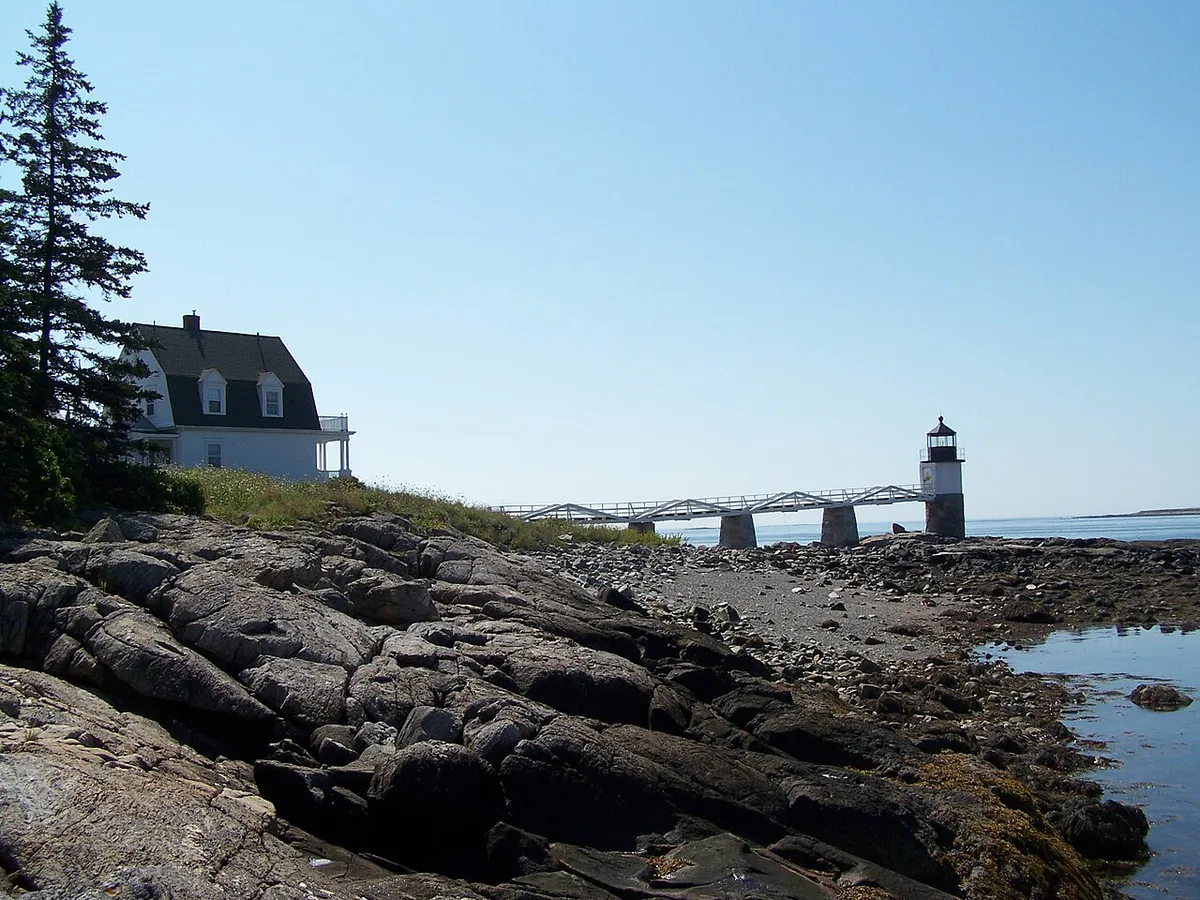
For more on the Midcoast, see our guides to Marshall Point Lighthouse in Port Clyde and Pemaquid Point Lighthouse in Bristol.