A Beach Made of Jewels
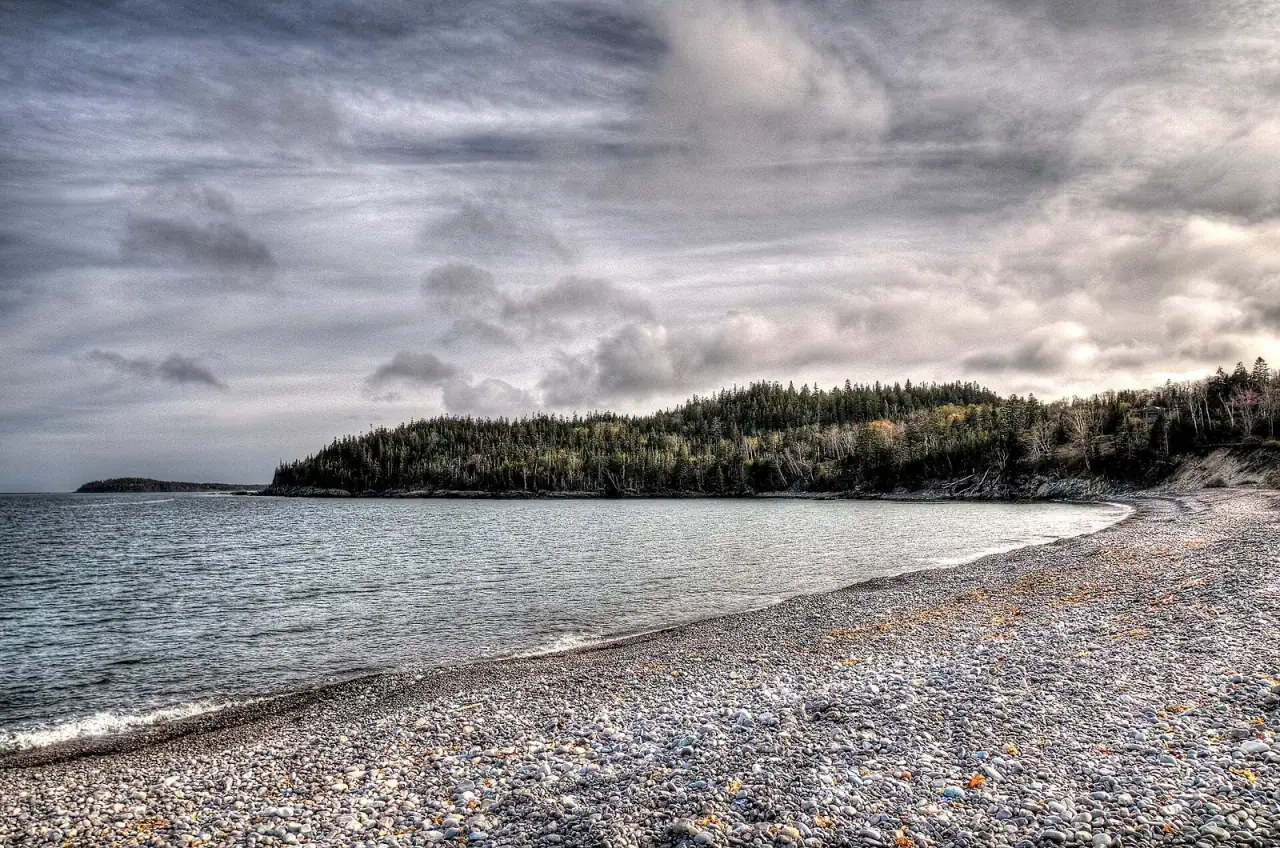
Jasper Beach is not a beach in the way most people think of beaches. There is no sand. Instead, the shoreline is covered entirely in smooth, polished pebbles, the vast majority of them a fine-grained volcanic rock called rhyolite. The stones range from the size of a marble to the size of a fist, and they come in shades of red, pink, green, gray, and brown. Glaciers deposited them here, and centuries of tidal action have tumbled and polished each one into a smooth gem.
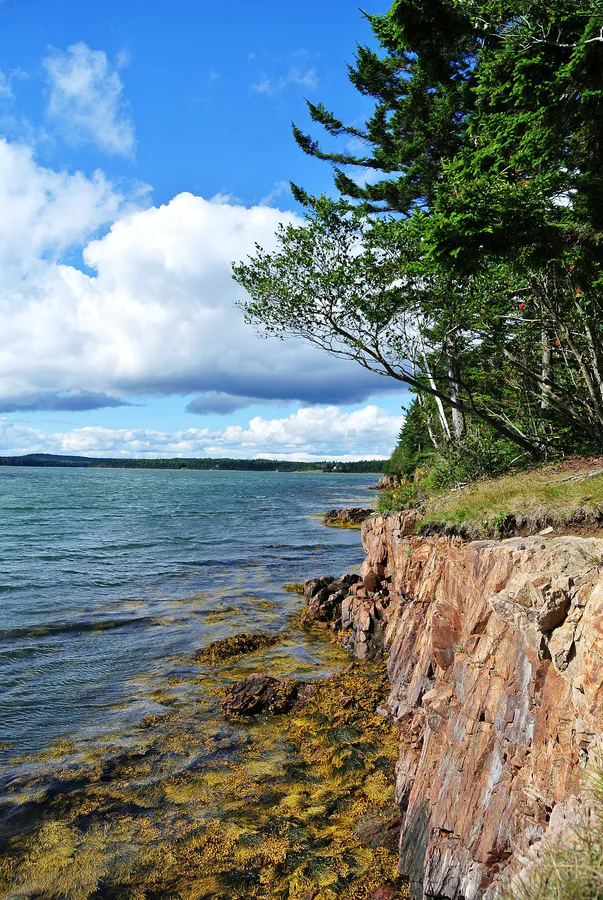
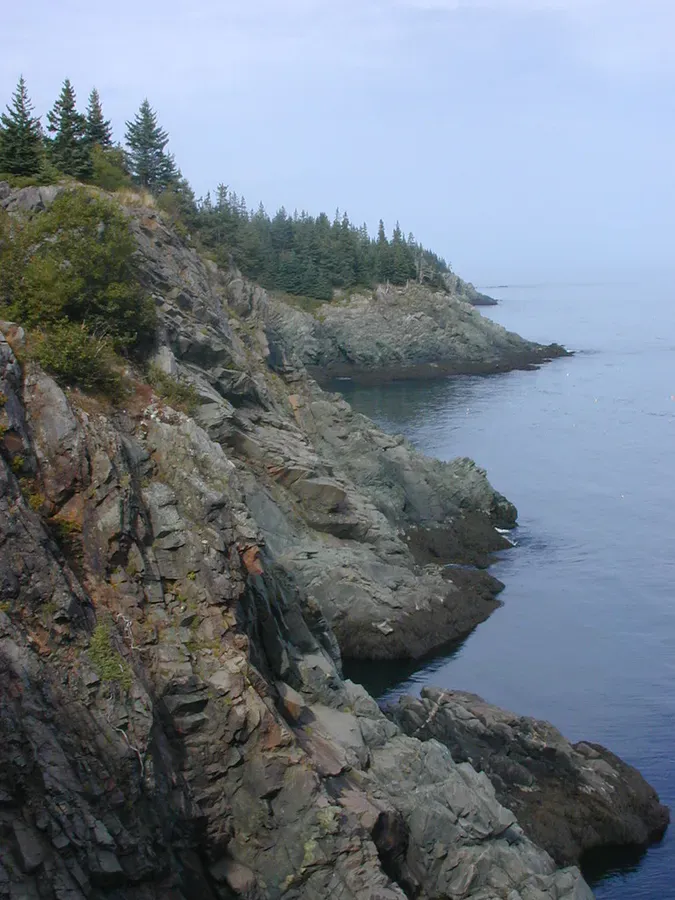
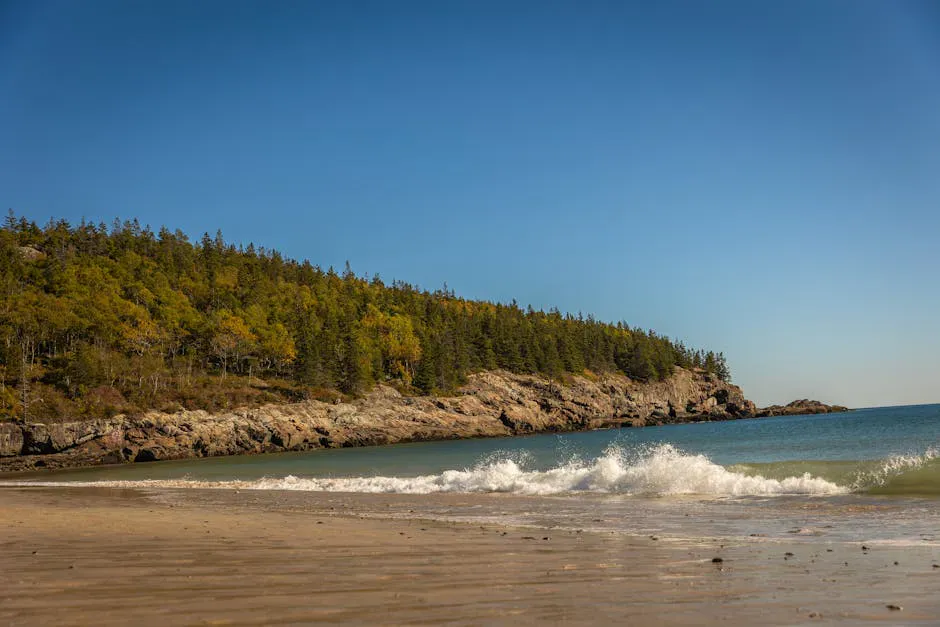
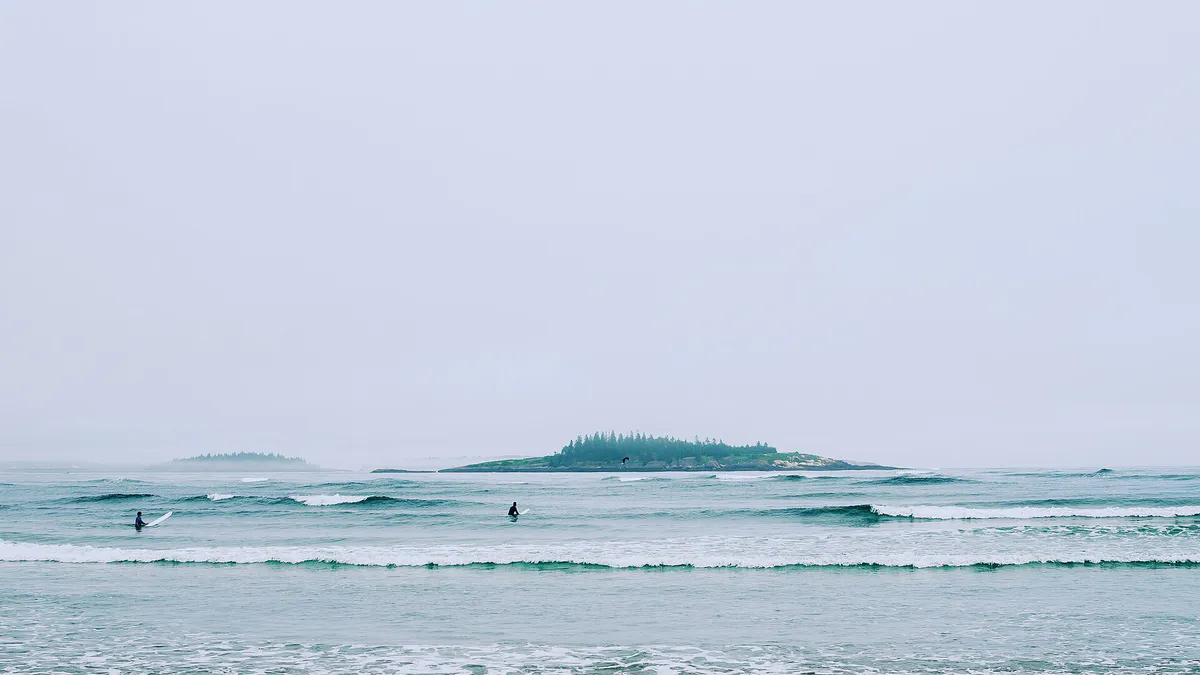
The beach sits in Howard Cove in Machiasport, on the Downeast coast of Washington County. It faces south into the open Atlantic, protected somewhat by a crescent shape that cradles a saltwater lagoon behind the beach berm. For more than 4,000 years, this pebble barrier has protected the salt marsh behind it, creating one of the most geologically interesting coastal formations in Maine.
Getting here takes commitment. Machias, the nearest town, is about 2 hours from Bangor and over 4 hours from Portland. But if you have any interest in geology, coastal processes, or simply seeing something you have never seen before, Jasper Beach delivers.
The Singing Stones
When the tide comes in and the waves wash over the pebbles, the stones move against each other and produce a distinctive sound: a rushing, rattling, almost musical tone that locals call “singing.” It is louder during higher surf and most noticeable when you stand near the waterline as the waves pull back.
The sound is created by the size, shape, and smoothness of the stones. Each wave lifts thousands of pebbles, rolls them against their neighbors, and drops them again. The effect is somewhere between a waterfall and a percussion instrument.
Time your visit for an incoming tide with moderate surf. This is when the singing stones are loudest. Sit near the waterline and just listen. The sound builds as each wave arrives and fades as it retreats. There is nothing else quite like it on the Maine coast.
Exploring the Beach
Jasper Beach is about a quarter mile long, curving in a crescent between rocky headlands. The pebble berm is steep, with the stones piled highest at the storm line. Walking on the loose pebbles takes effort; the stones shift underfoot with every step.
The colors are the main attraction after the sound. Pick up any stone and examine it. The reds and pinks come from iron-rich rhyolite. Greens and grays indicate different mineral compositions. Some stones show quartz veins or banding patterns. True jasper, the stone the beach is named for, appears among the rhyolite but is not the dominant rock.
Behind the beach berm, a saltwater lagoon and salt marsh provide habitat for shorebirds and marine invertebrates. The lagoon is visible from the top of the berm.
Look for sea glass mixed among the pebbles, especially at the waterline after a storm. The tumbling action that polishes the rocks also polishes glass fragments. Jasper Beach is known as one of the better sea glass hunting spots in Maine, with shades of green, blue, and white turning up regularly.
It is tempting to fill your pockets with polished stones. Please resist. Jasper Beach is a finite geological resource, and removing rocks degrades the beach over time. Enjoy them, photograph them, but leave them for the next visitor.
The Lagoon and Salt Marsh
The salt marsh behind Jasper Beach is an ecologically important area. It supports cordgrass, glasswort, and other salt-tolerant plants, along with invertebrates that feed migrating shorebirds. The lagoon fills and drains with the tide through a channel at the western end of the beach, and a pair of binoculars is worth carrying for the shorebirds working the marsh.
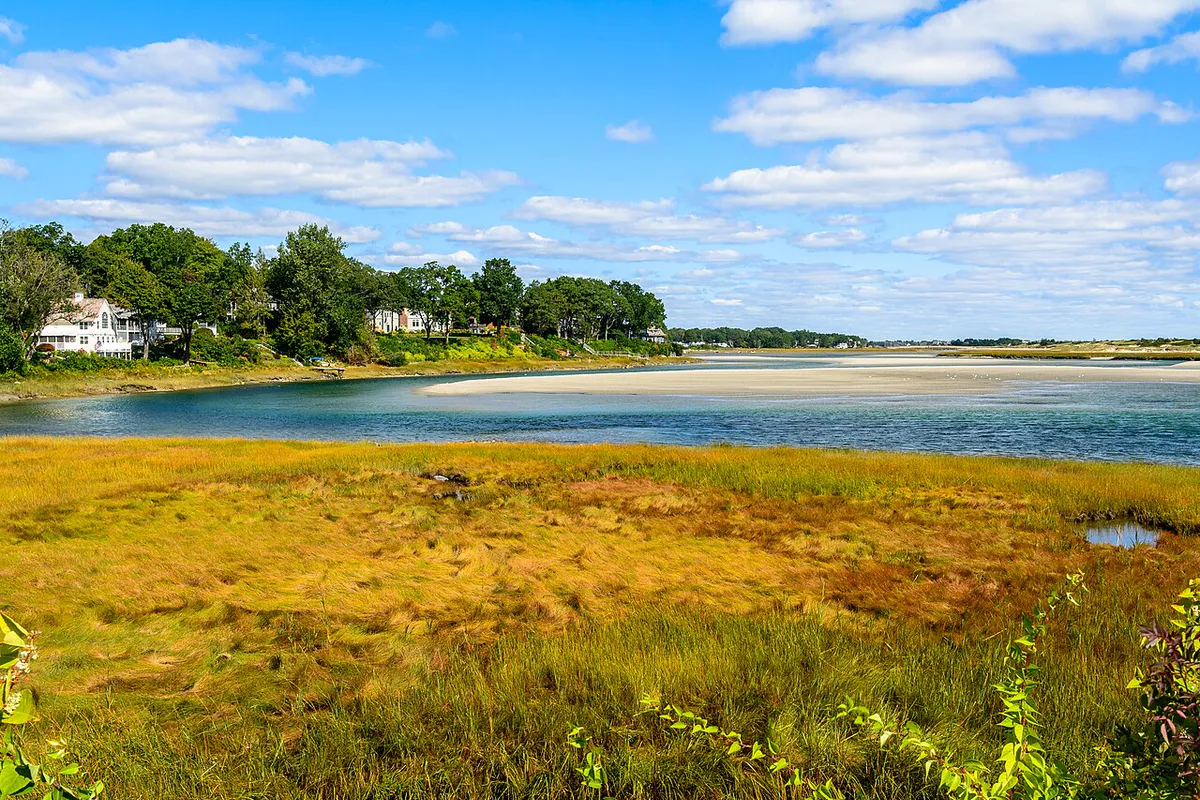
From the top of the pebble berm, you can see the full extent of the marsh system. In late summer, the salt marsh grasses turn golden, contrasting with the gray and red pebbles in the foreground and the blue Atlantic beyond.
When to Go
Spring
Cool and windy. Good for geology exploration without crowds. Beach is exposed.
Summer
Warmest conditions for comfortable exploring. Longest daylight. Still uncrowded.
Fall
Salt marsh turns golden. Fewer visitors. Dramatic light on the colored stones.
Winter
Storm surf makes the stones sing loudest. Cold and exposed. Bring layers.
Practical Notes
Cell service is spotty in Machiasport. You may get a signal near Machias, but coverage at the beach is unreliable.
Dogs are welcome at Jasper Beach. No restrictions.
Swimming is not recommended. The steep pebble entry, cold water, and wave action make it impractical. This is a beach for walking, listening, and looking, not swimming.
Parking is free in a small gravel lot at the end of the access road. No restrooms or facilities at the beach.
Jasper Beach Essentials
- Sturdy shoes (walking on loose pebbles is tiring)
- Camera (the stones photograph beautifully)
- Windbreaker (exposed to ocean wind)
- Layers (Downeast is cooler than southern Maine)
- Tide chart (incoming tide for the singing stones)
- Binoculars (shorebirds in the marsh)
- Patience (sit and listen to the waves)
Getting There
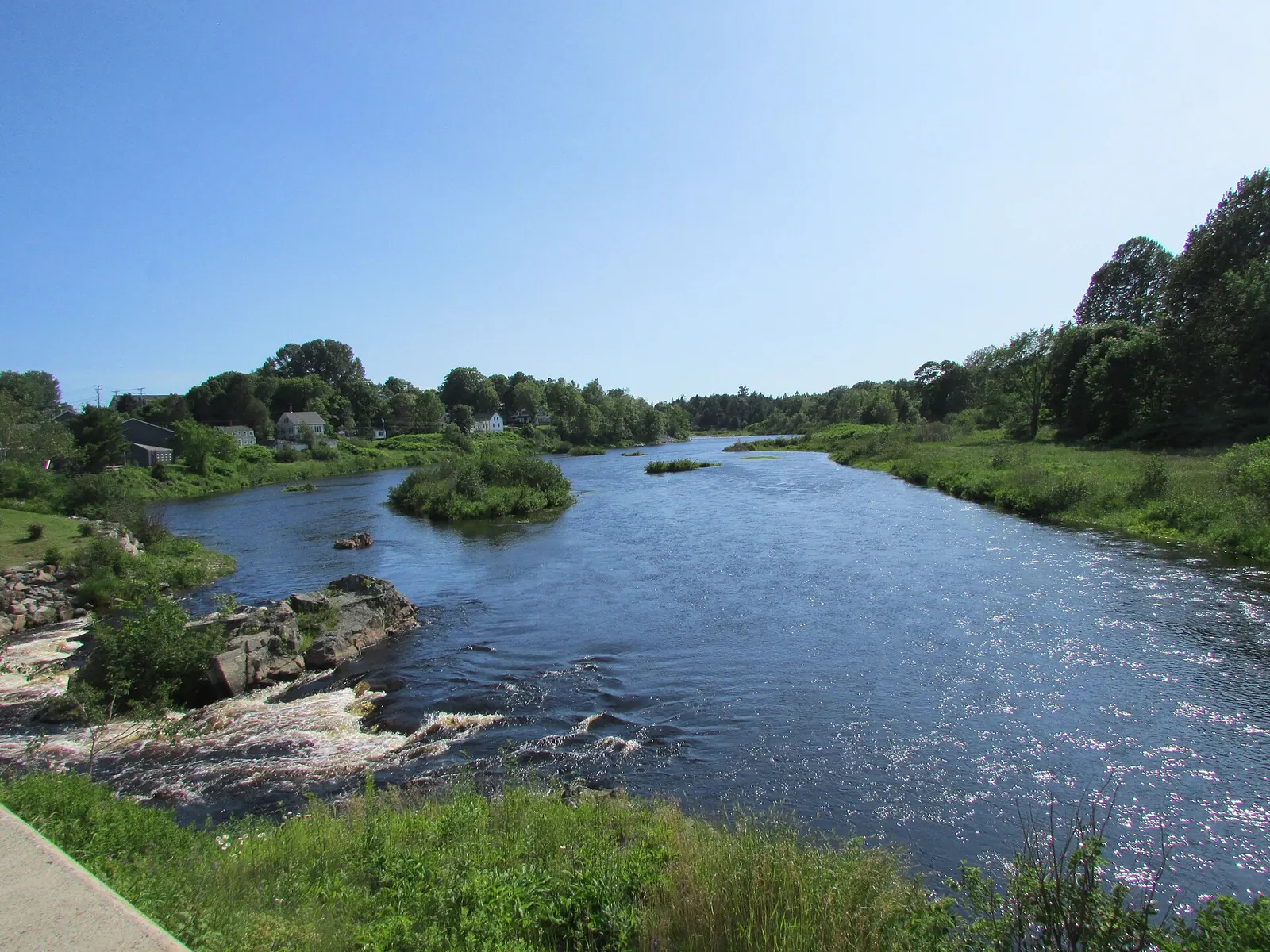
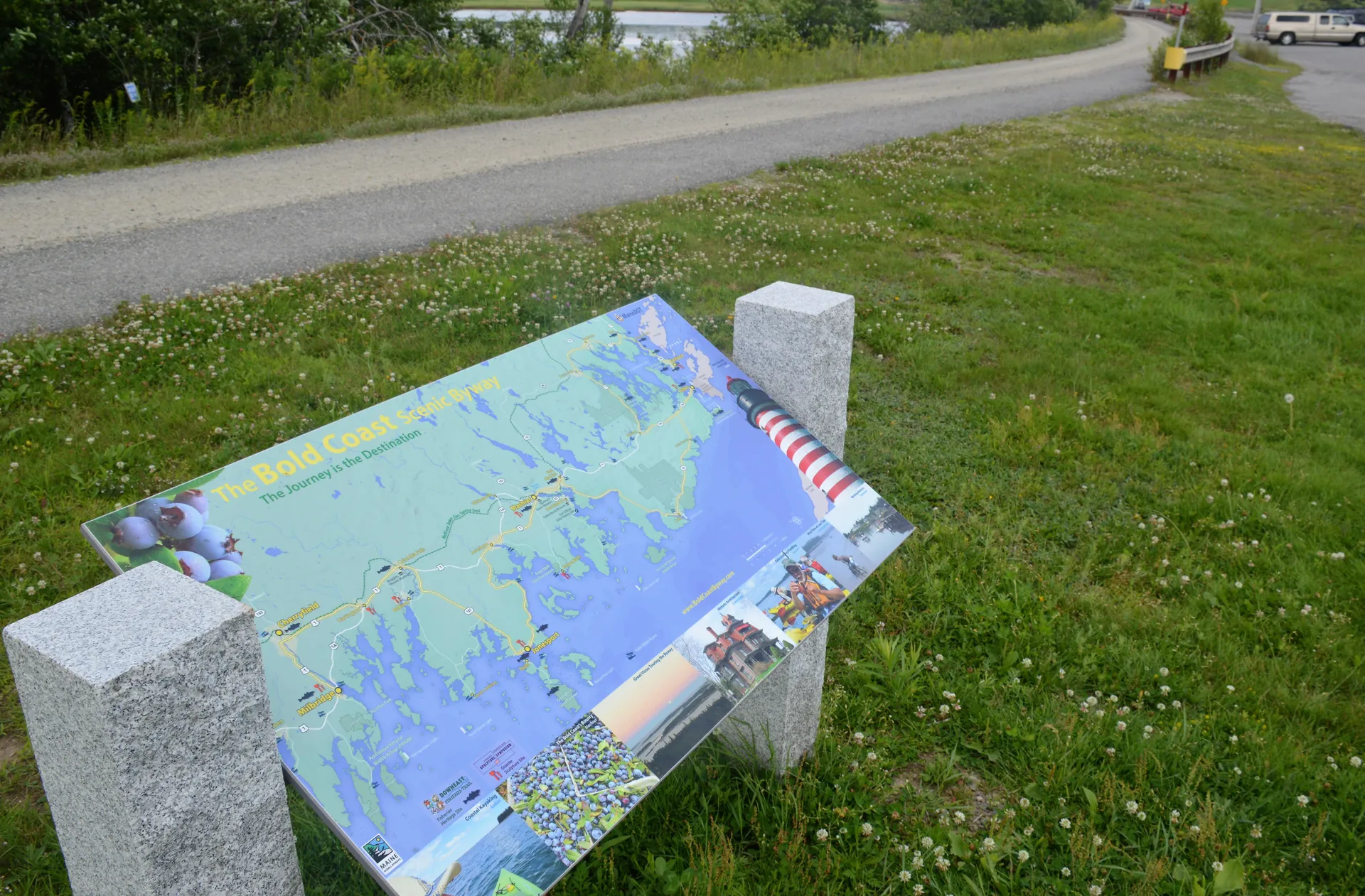
From Machias, take Route 92 South toward Machiasport. Follow signs to Jasper Beach, turning onto a narrow road that ends at the parking area. The drive from Machias is about 15 minutes. From Bangor, take Route 1A East to Ellsworth, then Route 1 East through Cherryfield to Machias. About 2 hours.
Machias has groceries, gas, and a few restaurants. Stock up before heading to the beach, as there are no services in Machiasport.
FAQ
What are the stones at Jasper Beach made of?
Primarily rhyolite, a fine-grained volcanic rock deposited by glaciers. The red and pink stones contain iron. True jasper is present but not the dominant rock. Quartz and other minerals also appear.
Why do the rocks 'sing'?
When waves wash over the smooth, rounded pebbles, the stones tumble against each other and produce a rushing, rattling, almost musical sound. It is most noticeable during incoming tides with moderate surf.
Can you take rocks from Jasper Beach?
Please do not. Jasper Beach is a finite geological resource. Removing stones degrades the beach over time. Leave them for future visitors to enjoy.
Can you swim at Jasper Beach?
Not really. The steep pebble entry, cold water, and wave energy make swimming impractical. This is a beach for exploring and observing, not swimming.
How remote is Jasper Beach?
Remote. It is about 2 hours from Bangor and over 4 hours from Portland. Machias is the nearest town with services, about 15 minutes away.