

Maine camping punishes the wrong gear in ways that catch a lot of people off guard. Picture a three-night trip to Baxter State Park in late September where the temperature drops to 34 degrees the first night. A 40-degree sleeping bag is useless by 2 AM, leaving you shivering in every layer you packed and counting the hours until sunrise. It is the kind of mistake that sends people to an outfitter in Millinocket the next morning for a bag rated to 20 degrees.
That is the reality that shaped how we research gear for Maine. This is not a state where you can get away with the cheapest option and call it fine. Coastal fog will soak everything that is not inside a sealed tent. Nights drop into the 40s even in July. Rain lasts for days, not hours. Rocky ground punishes thin sleeping pads. The gear that works here is the gear that handles moisture, cold, and unpredictable weather without failing.
| Product | Price | Weight | Best For | Rating |
|---|---|---|---|---|
| REI Half Dome SL 2+ | Premium | 4 lb 7 oz | All-around tent | 4.6 |
| Mid-range | 2 lb 11 oz | Value sleeping bag | 4.5 | |
| Premium | 12.5 oz | Lightweight pad | 4.7 | |
| Mid-range | 13.1 oz | Fast boiling stove | 4.6 | |
| Budget | 3 oz | Water filtration | 4.5 | |
| Budget | 2.9 oz | Headlamp | 4.4 |
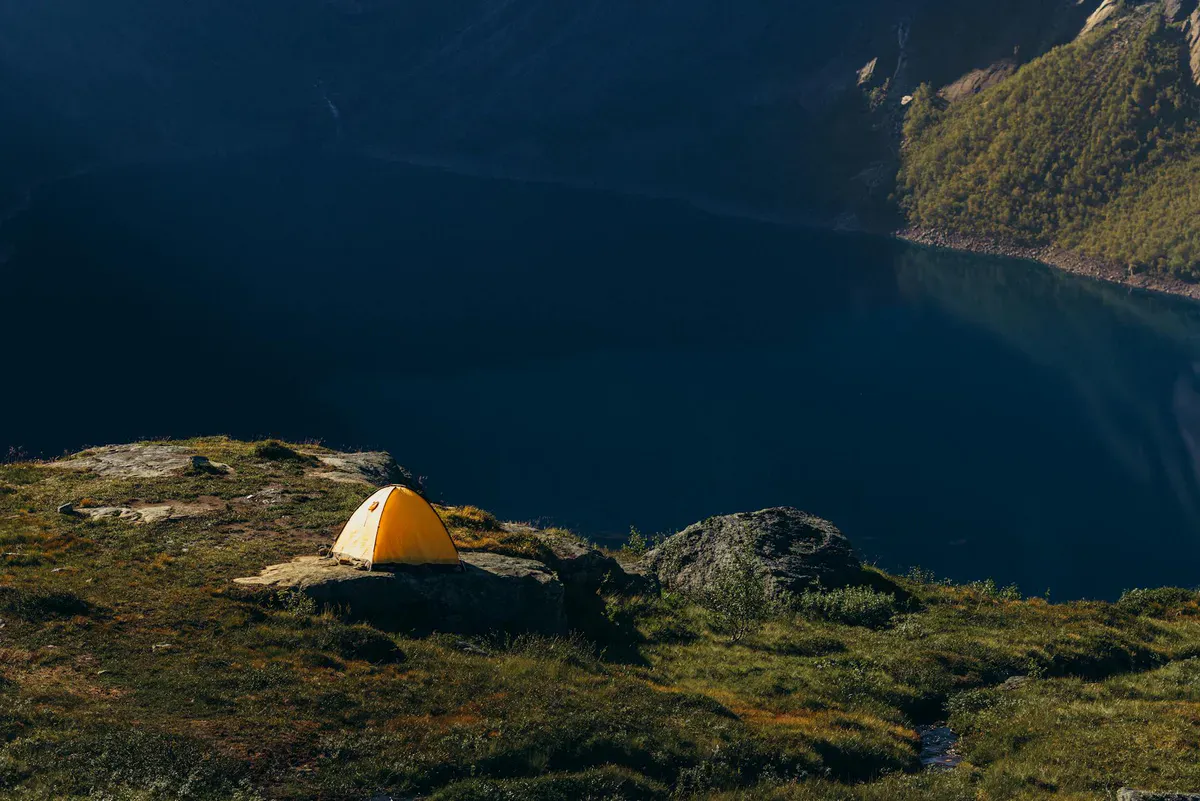
What We Would Bring on a 3-Day Maine Trip
Before diving into individual products, here is the exact gear loadout we would pack for a three-day backpacking trip in Maine, say the Grafton Loop or three nights at Baxter State Park:
The non-negotiables: REI Half Dome tent, Kelty Cosmic 20 sleeping bag, Therm-a-Rest NeoAir XLite pad, Jetboil Flash with two fuel canisters, Sawyer Squeeze filter, Black Diamond Spot 400 headlamp. This core kit handles everything Maine’s weather can throw at you.
The stuff most people forget and regret: A tarp for stringing over the cooking area (cooking in the rain without one is miserable), extra squeeze bags for the Sawyer filter (the originals fail at the seams eventually), and more socks than you think you need. Two pairs per day is not excessive in Maine.
What we would leave behind: Camp chairs (too heavy for backpacking, save them for car camping), cotton anything (cotton kills in cold wet conditions), and any food packaging that makes noise at 3 AM when a raccoon investigates.
Total base weight for this loadout: about 14 pounds before food and water.
Shelter
REI Co-op Half Dome SL 2+ - Handles Everything Maine Throws at It
Premium
REI Co-op Half Dome SL 2+
Who it’s forBest all-around tent for Maine camping
Why we picked itTwo doors and two vestibules for gear storage
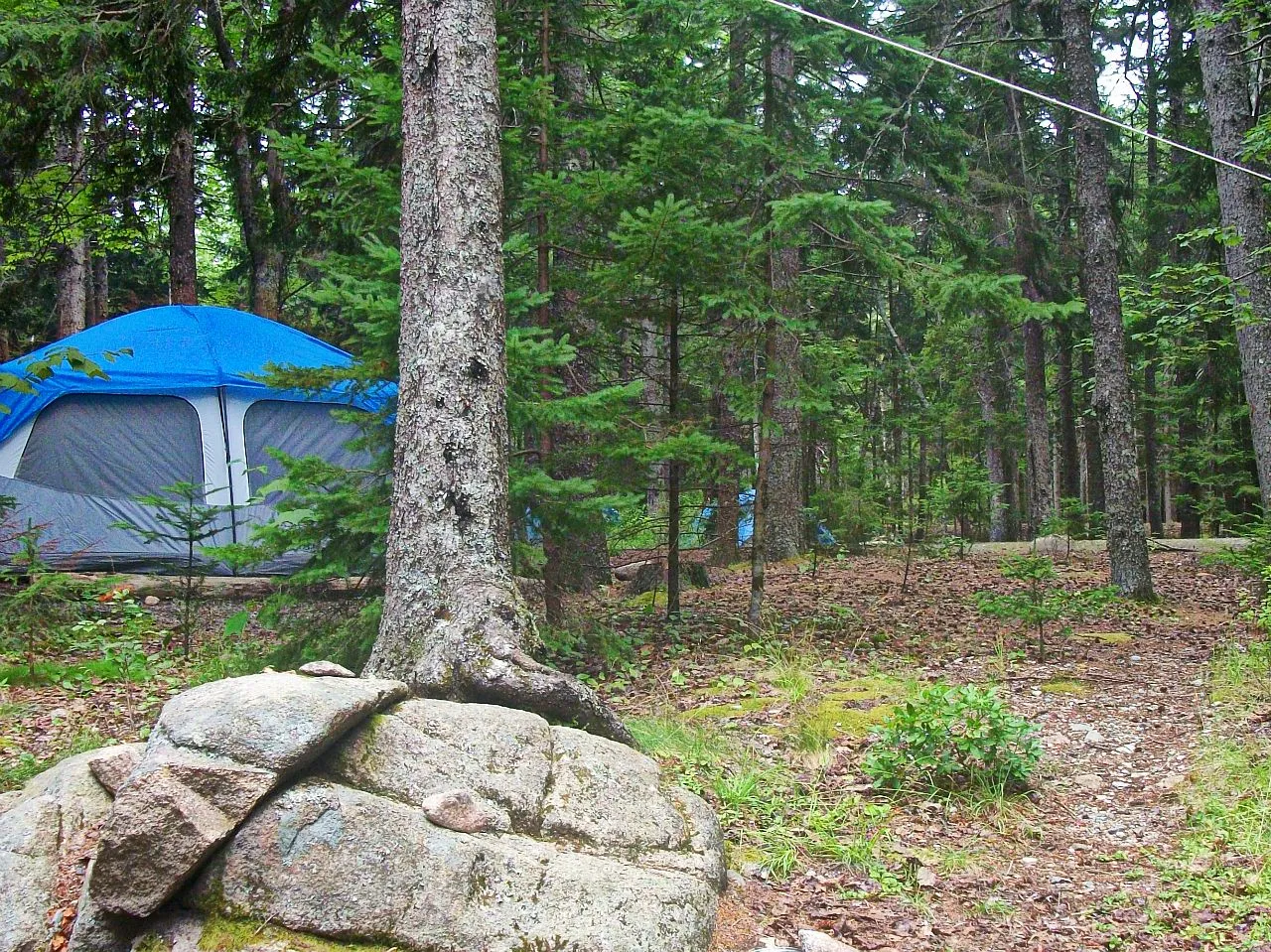
This tent is built to handle a thunderstorm at Blackwoods Campground, a rocky site at Chimney Pond in Baxter, or a pine-needle bed at Bradbury Mountain State Park, and owners report it shrugging off all three without issue.
The freestanding design is critical for Maine camping. At Blackwoods and many other Acadia campgrounds, the ground is essentially rock with a thin layer of soil. Driving stakes is difficult or impossible. The Half Dome stands up on its own, and you stake it down for wind resistance, not structural support.
Two vestibules make a genuine difference in a state where it rains this much. They hold boots, wet rain gear, and packs to keep the sleeping area dry. On a three-day rainy stretch at Baxter, that separation between wet gear and dry sleeping space is the difference between tolerable and miserable.
Condensation is the hidden enemy of tent camping in Maine, especially near the coast. The fog rolls in after midnight, the temperature drops, and the inside of a poorly ventilated tent turns into a drip factory. The Half Dome’s cross-ventilation design handles this better than most. Cracking the vestibule zippers a few inches for airflow keeps condensation minimal by morning.
Maine-specific advice: Always set up the full rain fly, even if the forecast is clear. Surprise fog and overnight rain are constant in Maine. A fly-less tent here is a gamble you will lose.
Alternatives: The Big Agnes Copper Spur HV UL2 ($450) drops to 2 lbs 11 oz for serious weight savings on backpacking trips. The Kelty Late Start 2 ($130) is a decent budget option for car camping but ventilates poorly and shows it on foggy nights.
Prefer to skip the tent pad entirely? Maine’s dense conifers make it one of the best hammock-camping states in the East, and we compare complete setups, bug nets, and underquilts in our camping hammock guide.
Sleep System
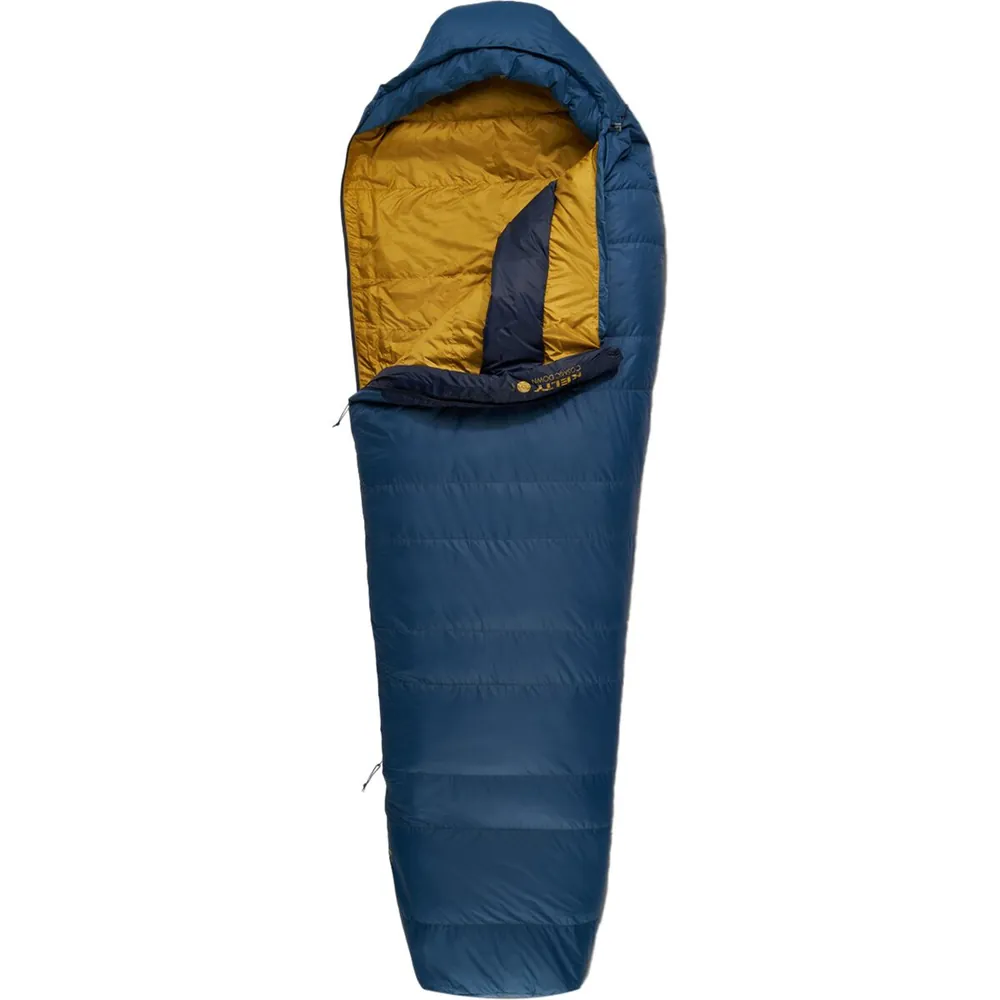
Kelty Cosmic 20 Sleeping Bag - Cold Night Insurance
Mid-range
Kelty Cosmic 20
Who it’s forBest value sleeping bag for Maine
Why we picked it550-fill DriDown stays lofted when damp, a real edge in Maine humidity
Given how cold Maine nights get, we would not camp here with anything rated above 20 degrees, even in summer. The Kelty Cosmic 20 is our recommendation for most campers because it hits the sweet spot of warmth, weight, and price.
Know what you are buying here: the Cosmic 20 is a down bag, 550 fill power, with a water-repellent finish on the shell. That matters in Maine, because humid, dewy, foggy nights are the normal condition and untreated down is the one fill that gives up when it gets damp. The DWR-finished shell and treated fill buy you margin against condensation and coastal fog rather than immunity to them. Three nights at a spot like Seawall Campground in Acadia will leave the outside of the bag damp and the inside still warm; three nights of actual rain getting into it is a different story, and no down bag wins that one.
If your trips are wet more often than they are cold, buy synthetic instead and accept the weight. Down is the right call for the camper who wants low weight, small packed size, and 20-degree warmth for around $100, and who keeps the bag dry in a stuff sack until bedtime.
The draft tube along the zipper actually works. On a 38-degree October night at Grafton Notch State Park, cinching the hood and draft tube tight is enough to sleep through the night without a liner. At this price, the warmth-to-weight is hard to beat.
For summer-only campers: You can go lighter with the REI Magma 30 ($260, 850-fill down). It packs smaller and weighs less, but it is a narrower bag with less margin on a cold night.
Therm-a-Rest NeoAir XLite NXT - The Upgrade Worth Every Dollar
Premium
Therm-a-Rest NeoAir XLite NXT
Who it’s forBest lightweight sleeping pad
Why we picked it4.5 R-value at just 13 oz is ideal three-season backpacking warmth
Your sleeping pad matters more than your sleeping bag in Maine. Cold, often damp ground will suck the heat out of you faster than cold air, and a thin foam pad will not stop it.
The NeoAir XLite NXT has an R-value of 4.5, meaning it provides serious insulation against cold ground. On a late-September night at Baxter when the ground temperature sits well below the air temperature, the NeoAir keeps you insulated and comfortable, while basic foam pads leave campers cold from below despite warm sleeping bags.
At 12.5 ounces for the regular size, the weight is almost negligible in your pack. It packs down to the size of a Nalgene bottle. The Triangular Core Matrix baffles are noticeably quieter and more stable than the older XLite, and owners report no longer sliding off the pad during the night, a real issue with the previous model.
The risk: it is inflatable, which means punctures are possible. Pack a small patch kit and choose your tent sites carefully, clearing rocks and sticks before pitching. Most owners report seasons of use without a puncture, but plenty of others have had one, so a groundsheet or footprint under your tent adds a layer of protection.
Inflate your pad, close the valve, and let it sit for 10 minutes before lying on it. The air inside cools and contracts slightly, so you will need to top it off. Better to add air before you are half asleep than to wake up on a partially deflated pad at midnight.
Cooking
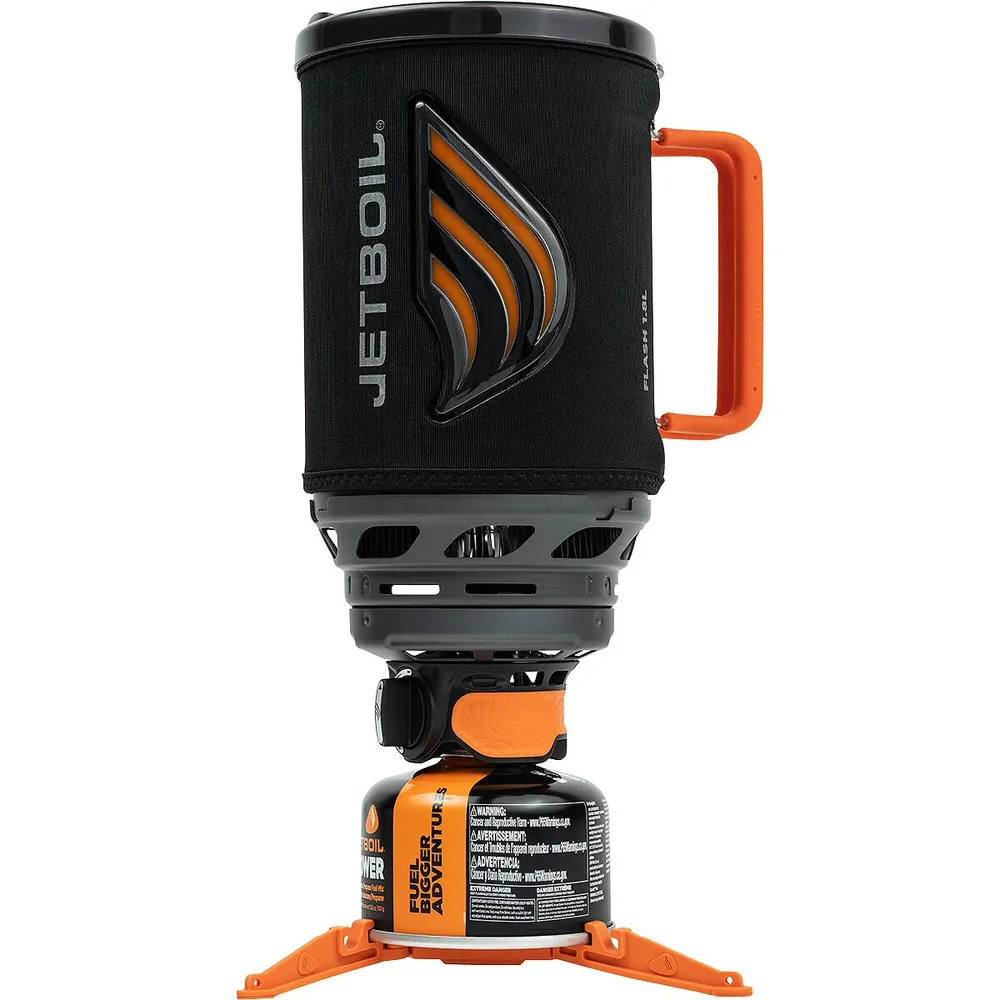
Jetboil Flash - Coffee in 100 Seconds
Mid-range
Jetboil Flash Cooking System
Who it’s forBest fast-boil stove
Why we picked itBoils a liter in about 100 seconds, the fastest morning coffee on this list
The Jetboil has one job and it does that job faster than anything else: boil water. Two cups in about 100 seconds. On a 40-degree morning at Chimney Pond, having hot coffee in hand two minutes after crawling out of the tent makes the whole day better.
The integrated design means the stove, pot, and stabilizer all nest inside the pot. One compact package. Owners report the push-button igniter lighting on the first or second click even after sitting in a humid pack for days. That said, always carry a backup lighter. Piezo igniters eventually fail, and a morning without coffee in Maine is not a risk worth taking.
The limitation is real: the Flash boils water and that is about it. The FluxRing on the pot prevents even heat distribution, so simmering a sauce or frying anything produces hot spots and scorching. If you eat dehydrated meals, instant oatmeal, and drink coffee and hot chocolate, the Jetboil is perfect. If you want to actually cook at camp, get the MSR PocketRocket Deluxe ($55) with a separate wide-bottom pot.
Cold weather fuel note: Canister stoves lose pressure in cold temperatures. Below about 40 degrees, the isobutane mixture does not vaporize efficiently. On a cold September morning at Baxter, the first boil of the day takes noticeably longer because the canister cooled overnight. Sleeping with the fuel canister inside your sleeping bag (in a dry bag, between your knees) keeps it warm and pressurized for morning coffee.
Water
Sawyer Squeeze - Simple and Reliable
Budget
Sawyer Squeeze Water Filter
Who it’s forBest water filtration
Why we picked itFilters to 0.1 microns (removes bacteria and protozoa)
Maine has water everywhere. Mountain streams, lake edges, beaver ponds, springs. The problem is that giardia and other waterborne pathogens are present in Maine’s backcountry water. Drinking unfiltered stream water on the AT in the 100-Mile Wilderness is how plenty of hikers earn a miserable week they will not forget.
The Sawyer Squeeze is dead simple: fill the squeeze bag from a stream, screw on the filter, squeeze clean water into your bottle. No pumping, no batteries, no chemicals, no wait time. The flow rate is fast when the filter is clean and slows down as a reminder to backflush.
Owners report using the same Sawyer Squeeze for years, with it still flowing well on regular backflushing. The weak point is the squeeze bags. The original bags that come with the filter develop seam failures after heavy use, and reports of one splitting at the seam mid-trip are common. The fix is to carry two extra bags and a hydration bladder that threads onto the filter as a backup reservoir.
Tip for Maine streams: Let sediment settle before filtering. Many Maine streams carry suspended organic particles, especially after rain. Scooping water from the surface of a calm pool rather than directly from the current gives you cleaner water and extends the filter’s life between backflushes.
Light
Black Diamond Spot 400 - More Useful Than You Think
Budget
Black Diamond Spot 400
Who it’s forBest headlamp
Why we picked it400 lumens on high, 4 lumens on dim (great range)
A headlamp feels like an afterthought until you need one. Then it becomes the most important thing you own. Picture hiking out from Chimney Pond on a September evening when the sun drops behind Katahdin an hour before you expected. Without a headlamp like the Spot 400, that descent is a dangerous guessing game on a rooty, rocky trail.
The 400-lumen high mode lights up a wide swath of trail, enough to hike at near-daytime speed. The 4-lumen dim mode is the one you will use most: bright enough to find the tent zipper, cook, and read, but dim enough not to blind your campsite neighbors or ruin your night vision. The red light mode is perfect for middle-of-the-night bathroom trips.
IPX8 waterproofing means this headlamp handles Maine’s rain without worry. Owners report running it through downpours and fog so thick the beam looks like a solid rod, with never a flicker.
Battery reality: On high mode, the Spot 400 eats through AAA batteries. On dim mode, a set of batteries lasts for weeks of normal camp use. Carry one spare set of AAAs per trip. Cold temperatures reduce battery life further, so on late-season trips, keep spare batteries in your sleeping bag at night.
Bring two light sources, even for day hikes. A headlamp and a small backup flashlight. I see hikers every month who underestimated the trail time and are stumbling down in the dark. The sun sets earlier in Maine’s valleys than the forecast suggests because the mountains block light well before official sunset.
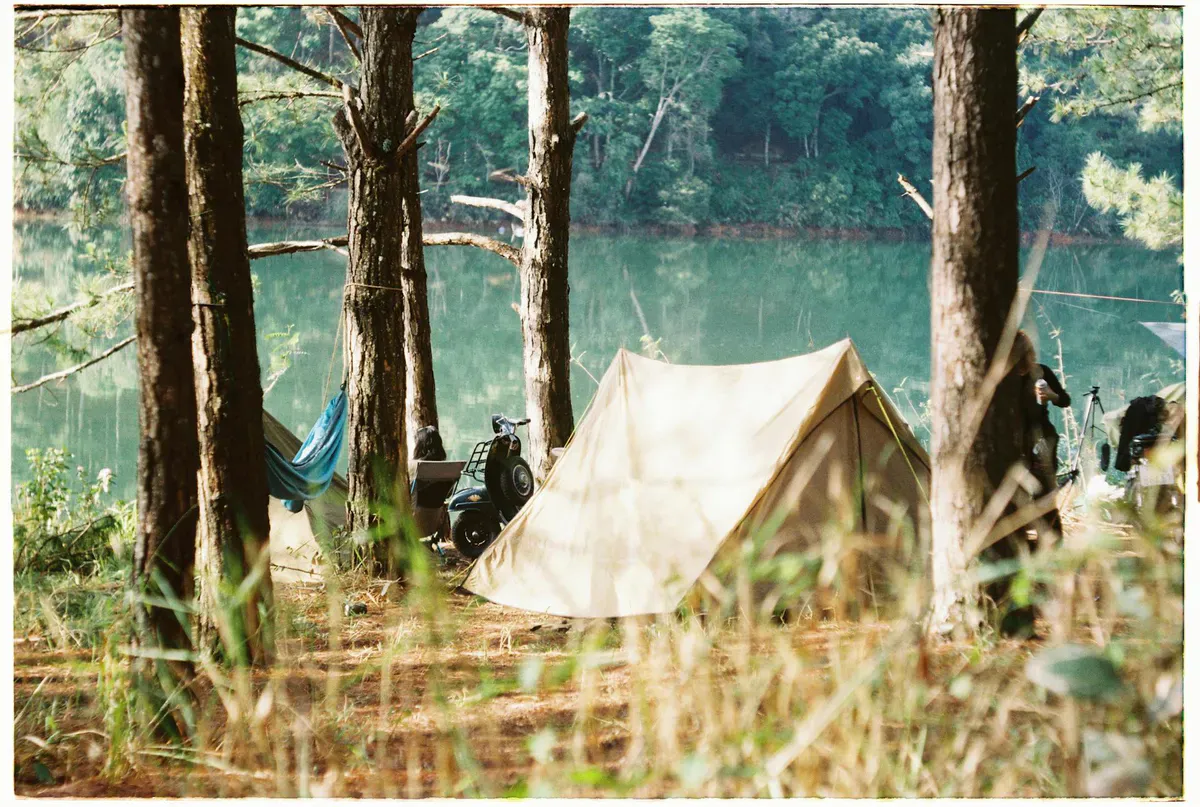
Complete Maine Camping Checklist
Shelter and Sleep
- Tent with rain fly and footprint/groundsheet
- Sleeping bag (20-degree rating for 3-season)
- Sleeping pad (R-value 3.5 or higher)
- Pillow (inflatable or stuff sack with clothes)
Cooking and Water
- Stove and fuel (bring an extra canister)
- Lighter and backup lighter
- Pot or Jetboil system
- Water filter and extra squeeze bags
- Water bottles (2+ liters capacity)
- Utensils, bowl, and mug
- Biodegradable soap and small sponge
- Bear canister or hang bag with rope (required at Baxter State Park)
Clothing
- Moisture-wicking base layers (never cotton)
- Insulating mid-layer (fleece or puffy jacket)
- Rain jacket and rain pants
- Hiking pants and shorts
- Warm hat and sun hat
- Hiking socks (2 pairs per day minimum)
- Camp shoes or sandals
Safety and Navigation
- Headlamp with spare batteries
- Backup light source
- First aid kit
- Map and compass or downloaded offline map
- Whistle
- Fire starter (waterproof matches or ferro rod)
- Knife or multi-tool
Bug Protection
- Permethrin spray for clothing (treat before the trip)
- DEET or picaridin skin repellent
- Tick removal tool (TickKey or fine-tipped tweezers)
- Head net (essential May through June)
Camp Comfort
- Tarp for rain shelter over cooking area
- Paracord (50 ft, for tarp lines and bear hangs)
- Trash bags (pack out everything you bring in)
- Toilet paper and trowel (for backcountry sites)
- Sunscreen and lip balm
Car Camping Extras
- Camp chair
- Cooler with ice
- Firewood (buy local, never transport from home)
- Lantern
- Tablecloth or ground sheet
- Extra tarps
Maine-Specific Camping Tips
Book campsites early. Blackwoods Campground and Seawall in Acadia fill months in advance for summer. Baxter State Park reservations open in January and popular sites sell out within days. State park campgrounds are easier to get but still fill on summer weekends. If you want a specific campground, book as early as the reservation system allows.
Buy firewood locally. Transporting firewood spreads invasive insects like the emerald ash borer. Every campground and most general stores sell local bundles for $6 to $10. Do not bring wood from home, even from elsewhere in Maine. The rules exist because the threat is real.
Plan for rain, not around it. Checking the forecast and waiting for a dry window means you will never camp in Maine. Bring a tarp, string it over your cooking area, and embrace the fact that it will rain at some point during your trip. A tarp and the right clothing turn a rainy camp day from miserable to manageable.
String a tarp between two trees at a slight angle so water runs off one side. Position your cooking area underneath. This one addition transforms rainy camping from survival mode into something almost pleasant. A 10x10 tarp with paracord and two carabiners takes five minutes to set up.
Store food properly. Black bears live throughout Maine, especially in the western mountains and northern woods. Use bear canisters where required (Baxter State Park), hang food bags from a bear wire or tree branch where allowed, and never store food or scented items in your tent. This is not optional and it is not paranoia. Baxter rangers relocate multiple bears per season because campers left food accessible.
Respect quiet hours. Maine campgrounds generally observe quiet hours from 10 PM to 7 AM. The culture leans toward peaceful. Generators, loud music, and late-night noise will earn you glares and possibly a ranger visit. If you want a party atmosphere, Maine campgrounds are not the place for it.
The Maine Society Camping Kit
Everything you need for rain-ready, bug-free camping in Maine.
Maine Rain + Bug Camping Kit
Chosen for Blackwoods, Schoodic Woods, Baxter, and the Allagash. Built for Maine's rain, cold nights, and bugs.
As an Amazon Associate, Maine Society earns from qualifying purchases. Some links may earn Maine Society a commission at no extra cost to you.
Do I need a bear canister for camping in Maine?
Bear canisters are required at Baxter State Park. At most other Maine campgrounds, bear boxes or bear wires are provided for food storage. In backcountry sites without these, you should hang your food bag at least 12 feet off the ground and 6 feet from any tree trunk. Bears are present throughout Maine and will investigate accessible food, especially in the western mountains and northern woods.
What is the best tent for rainy camping in Maine?
A freestanding tent with a full rain fly, good ventilation, and vestibules for gear storage. The REI Half Dome SL 2+ checks all of these boxes at a reasonable price. The key features for Maine are freestanding design (rocky ground makes staking difficult at many campgrounds), cross-ventilation (reduces condensation from coastal fog), and vestibules (keeps wet gear out of the sleeping area).
Can I hammock camp in Maine?
Yes, and many people prefer it. Maine's dense forests provide plenty of anchor trees. You will need a rain tarp (mandatory, not optional), a bug net (June through September), and an underquilt rated to the temperatures you expect. The challenge is that hammock camping requires trees of the right size and spacing, which limits your site options. At established campgrounds, check whether hammocks are allowed on the specific site you reserve. We compare complete hammock setups, straps, nets, and underquilts in our camping hammock guide.
Should I rent or buy camping gear for a Maine trip?
If this is a one-time trip, renting makes financial sense. REI rents tents, sleeping bags, pads, and stoves. L.L. Bean in Freeport also rents gear and is conveniently located near several state parks. If you plan to camp more than three or four times, buying will save you money quickly. The gear on this list is durable enough to last many seasons with basic care.
What are the best campgrounds in Maine for beginners?
Bradbury Mountain State Park (close to Portland, easy trails), Camden Hills State Park (coastal views, well-maintained sites), and Seawall Campground in Acadia (first-come first-served, less crowded than Blackwoods) are all excellent starting points. They have accessible facilities, maintained sites, and relatively easy hiking nearby. Baxter State Park is incredible but better suited for experienced campers due to its remote location and rugged conditions.