

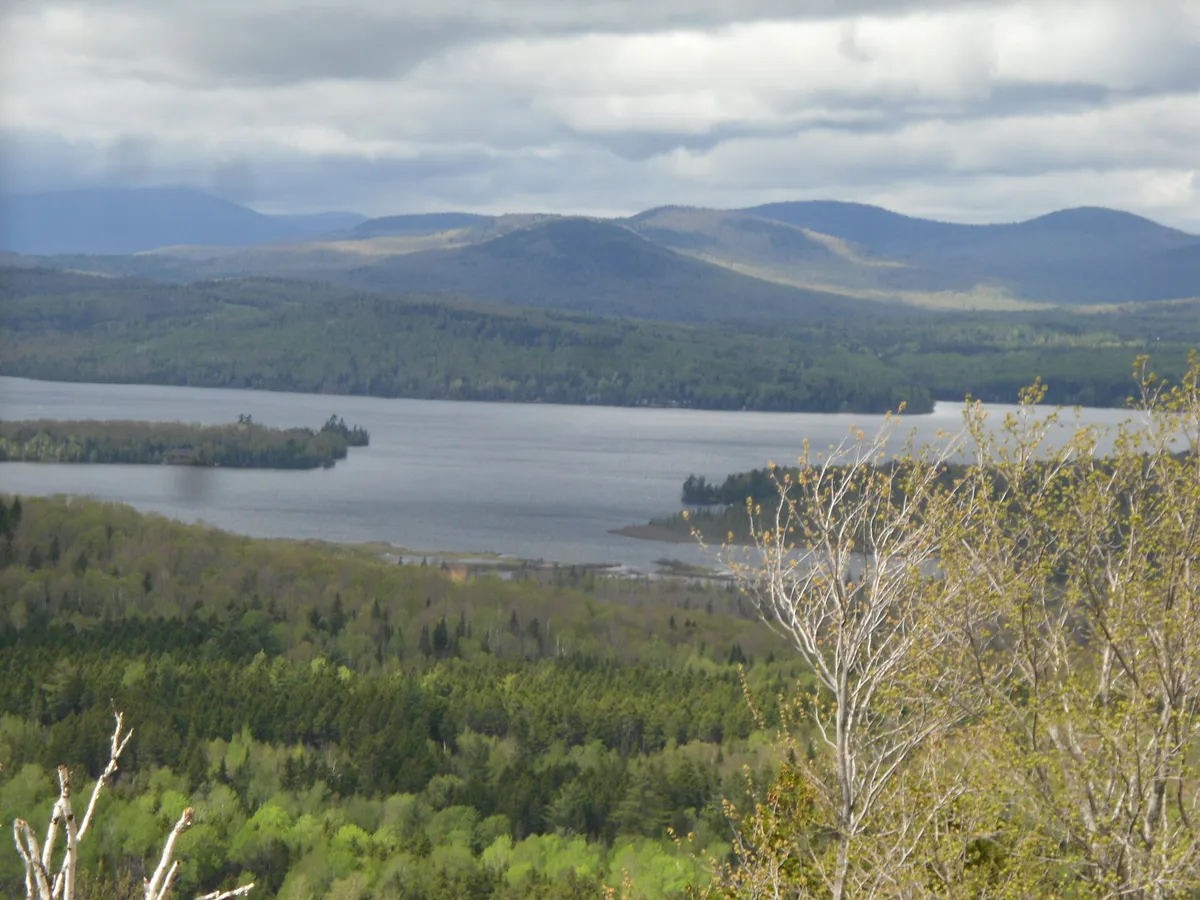

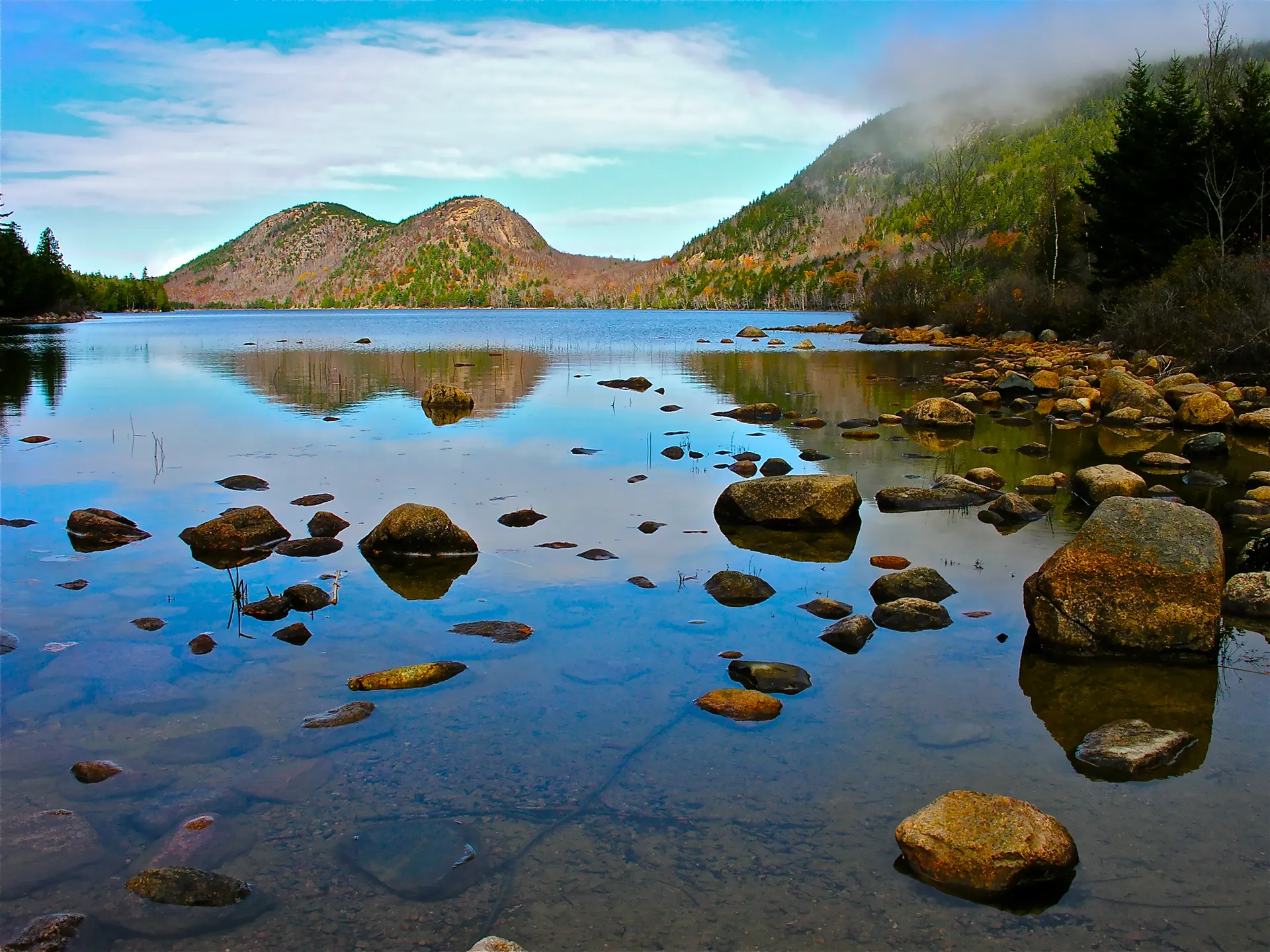





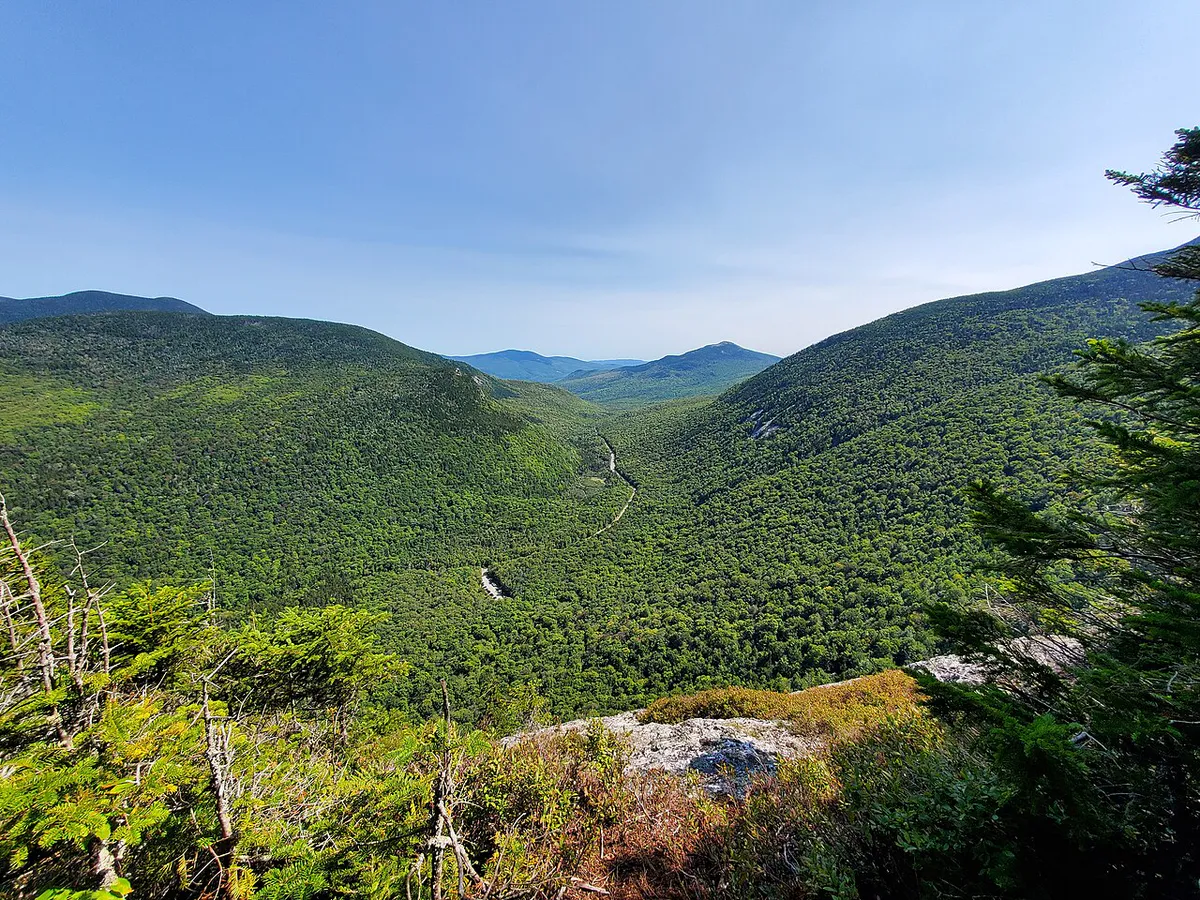


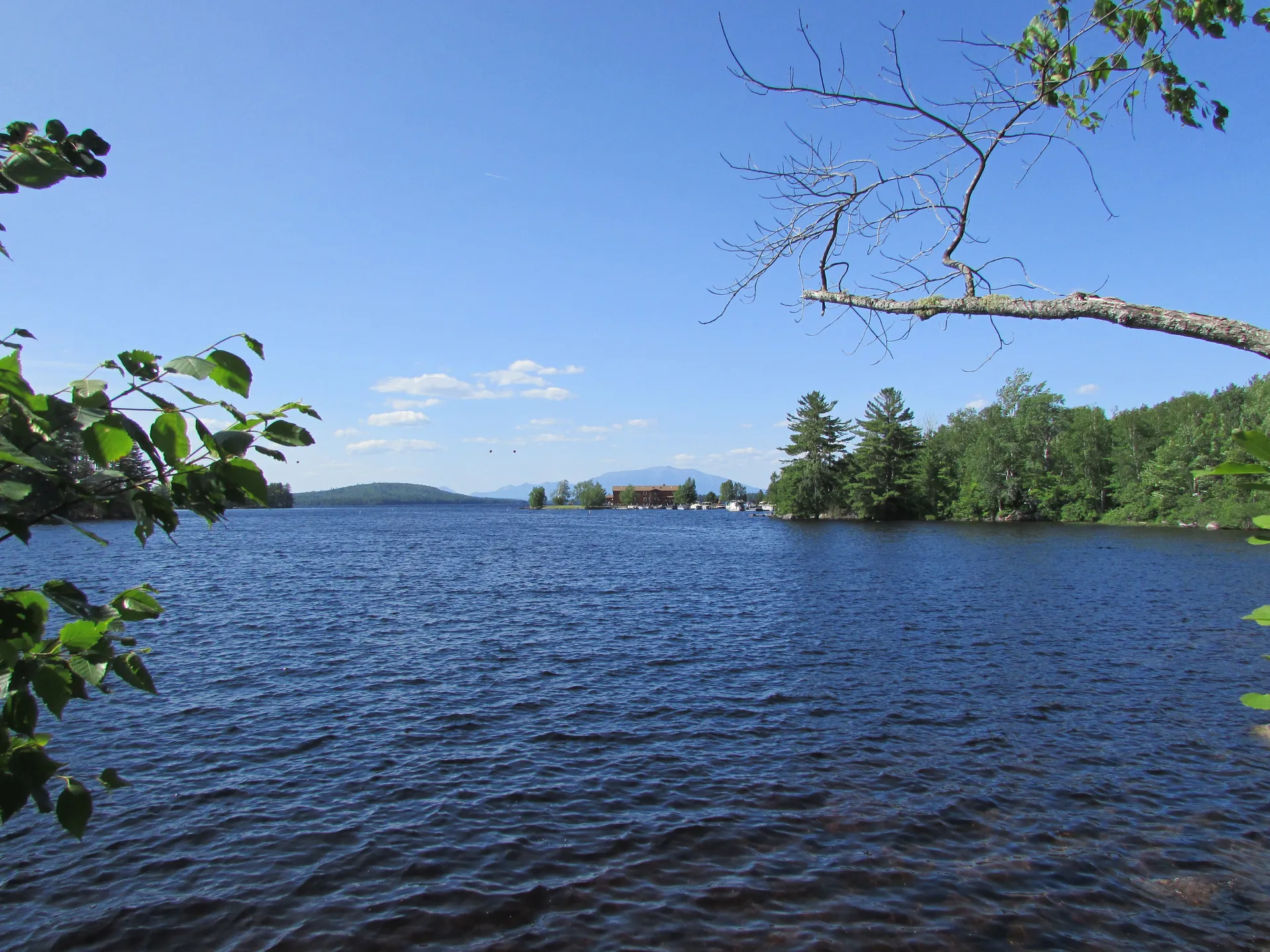
It is not unusual to pull seven ticks off yourself after a three-hour June hike through a place like Gulf Hagas, even wearing long pants tucked into your socks. Some of them will be nymph-stage deer ticks, small enough to mistake for a freckle. That is the kind of trip that convinces people to stop being casual about bug protection in Maine and start treating it like the serious health issue it is.
Maine consistently ranks in the top five states for Lyme disease. Blackflies will drive you off a trail faster than rain. Mosquitoes patrol every wooded path from June through September. If you spend any time outdoors in this state, insect protection is not a nice-to-have. It is as essential as water and a map.
| Product | Price | Type | Best For | Duration |
|---|---|---|---|---|
| Budget | Clothing treatment | Tick prevention | 6 washes | |
| Budget | Skin repellent | Heavy bug pressure | 10+ hours | |
| Budget | Skin repellent | Daily use, no DEET | 12 hours | |
| Budget | Removal tool | Tick removal | Lifetime | |
| Mid-range | Treated clothing | Set-and-forget | 70+ washes |
Maine’s Monthly Bug Calendar
Not all bugs hit at once. Knowing what to expect each month helps you pack the right protection and plan your trips around the worst windows.
April: Ticks wake up. Deer ticks become active once temperatures consistently hit 40F, and in Maine that usually means mid-April. Blackflies and mosquitoes are not a factor yet. Focus on permethrin-treated pants and tick checks.
May: Tick activity increases sharply. Blackflies start hatching near running water in the second half of the month, building toward their June peak. A head net starts to make sense on shaded forest trails.
Late May through late June: This is the worst stretch. Ticks, blackflies, and mosquitoes all overlap. Blackfly swarms are at their densest near streams and in shaded woods. We avoid deep forest trails during this window unless we are fully suited up with permethrin, DEET, and a head net.
July: Blackflies taper off. Mosquitoes and ticks remain active, especially near water and in dense woods. This is when most people hike, and standard permethrin plus picaridin is usually enough.
August: Similar to July. Mosquitoes thin out as standing water dries up. Ticks remain active. Coastal trails and breezy summits are the most comfortable.
September: Mosquitoes drop off. Ticks are still active and will be until the first hard frost. Do not skip tick checks just because it feels like fall.
October through November: Only ticks remain as a real concern. They stay active until sustained freezing temperatures arrive, which in southern Maine can be late November or even December. Keep treating your clothing.
The Two-Layer System That Actually Works
After comparing the different approaches, the two-layer system the CDC recommends is the one worth building around. It is simple, and it works.
Layer 1: Permethrin on your clothing. Permethrin does not repel ticks. It kills them. A tick crawling up your permethrin-treated pants will be dead or incapacitated within 30 seconds, before it can reach your skin. This is your primary defense.
Layer 2: Repellent on your skin. DEET or picaridin on exposed skin (hands, neck, face, ankles) handles anything that gets past your treated clothing. Together, these two layers provide near-complete protection.
Hikers who adopt this system consistently report a dramatic drop in ticks reaching their skin, and the ones that do get through are usually dead or twitching from the permethrin. The difference compared to repellent alone, where live ticks turn up after almost every hike, is hard to overstate.

Our Top Picks
Sawyer Premium Permethrin Spray - The Foundation of Everything Else
Budget
Sawyer Permethrin Spray
Who it’s forBest overall tick prevention
Why we picked itKills ticks on contact before they can bite
If you only buy one product from this list, make it this one. Permethrin is the single biggest upgrade you can make to your bug protection in Maine, and the Sawyer spray is the standard for good reason.
Field studies and owner reports tell the same story: a treated pant leg dragged through tall grass picks up ticks that end up dead on the fabric, while the same walk in untreated pants leaves live ticks actively crawling upward. Published research on permethrin-treated clothing backs this up, and the difference is not subtle.
How to apply it right: Lay your clothing flat on newspaper outdoors. Spray each side until the fabric is lightly damp, not dripping. Let it dry for two to four hours. That is it. One application lasts through about six washes, which is roughly six weeks of weekly hiking.
Permethrin is highly toxic to cats. Keep treated clothing away from cats until completely dry. Once dry, it is safe. If you have indoor cats, dry your treated clothing outside or in a closed room the cats cannot access.
Repel 100 (98% DEET) - When Bugs Are Winning
Budget
Repel 100 DEET
Who it’s forBest for heavy mosquito and blackfly areas
Why we picked itMaximum strength DEET for severe bug pressure
Keep a bottle of Repel 100 in the pack for those days when nothing else is enough. During peak blackfly season on a June hike up a peak like Bigelow Mountain, the flies can be thick enough to fly into your mouth. Repel 100 applied to the neck and face pushes the swarm out to a two-foot perimeter around your head instead of landing on your skin. That can be the difference between turning back and finishing the hike.
This is not an everyday product. The smell is strong, the feel is greasy, and it will melt the coating off your sunglasses if you are not careful. It also dissolves certain plastics. Set the bottle on a Nalgene lid and you can ruin it. Keep it away from gear.
For normal tick and mosquito protection, 30% DEET works well and is much more pleasant to wear. Save the Repel 100 for blackfly season, boggy lowland trails, and any situation where the bugs are genuinely intolerable.
Ranger Ready Picaridin 20% - The Daily Driver
Budget
Ranger Ready Picaridin 20%
Who it’s forBest non-DEET skin repellent
Why we picked it12-hour protection against ticks and mosquitoes
Picaridin is the right default skin repellent for most outings. It goes on clean, does not feel greasy, does not stink, and does not destroy your gear. The CDC rates it equally effective to DEET for ticks and mosquitoes, and owner reports back that up.
On a late-July paddle on the Allagash, one morning application of Ranger Ready plus one reapplication mid-afternoon is enough to keep mosquitoes off through a long day, even when they are visible and audible the whole time. Paddlers who rely on plant-based repellents in the same conditions tend to be miserable by noon.
The one area where picaridin falls slightly behind DEET: the worst blackfly swarms. During peak June blackfly pressure on shaded forest trails, DEET provides a more effective barrier. For everything else, picaridin is the first choice.
Apply skin repellent to your ankles, wrists, and neck even if you are wearing treated clothing. These are the gaps where bugs find their way in. A thin ring of picaridin around each sock cuff catches the ticks that crawl up from the ground.
TickKey - Because You Will Find a Tick Eventually
Budget
TickKey Tick Remover
Who it’s forBest tick removal tool
Why we picked itRemoves ticks cleanly without squeezing the body
No prevention system is 100%. You will find a tick on yourself in Maine, probably more than once per season. How you remove it matters.
The TickKey slides under the tick’s body and leverages it out in one smooth motion without squeezing the body. Squeezing is the main risk with tick removal because it can push bacteria and other pathogens from the tick’s gut into the bite wound. Fine-tipped tweezers also work, but they require more precision, especially on the tiny nymph-stage ticks that are the most dangerous for Lyme transmission.
The TickKey is flat enough to live on your keychain. That matters because the tick you need to remove will not wait until you get home. The situations where it earns its place are exactly the ones you cannot plan for: a campground bathroom, a trailside rock, a grocery store parking lot after a hike. If it is not on you, it is useless.
ExOfficio BugsAway Shirt - Factory-Treated Convenience
Mid-range
ExOfficio BugsAway Hiking Shirt
Who it’s forBest bug-proof clothing
Why we picked itFactory-treated with permethrin (lasts 70+ washes)
If treating your own clothes with permethrin sounds like a hassle, ExOfficio’s BugsAway line comes pre-treated with Insect Shield permethrin that the manufacturer rates for 70+ washes. Owners report the treatment still deterring bugs after a couple of seasons of regular washing. It is hard to prove on any single garment, but reviewers consistently notice more bugs landing on untreated sleeves than on the BugsAway fabric.
At $90 per shirt, it is expensive compared to the $16 bottle of Sawyer that treats four to six garments. The math only works if you hike frequently and truly will not bother with spray-on treatment. For most people, the Sawyer spray is the better value. But if convenience is your priority and you will actually use it because it requires zero effort, the ExOfficio is a good investment.
Permethrin vs. DEET: Which Do You Need?
Short answer: both, and they do completely different things.
Permethrin goes on clothing and gear. It kills ticks, mosquitoes, and blackflies on contact. It does not work on skin. Think of it as a passive defense that works whether you remember it or not.
DEET (or picaridin) goes on skin. It repels bugs from landing on exposed areas. It does not kill anything. Think of it as an active shield for the skin your clothing does not cover.
Using only permethrin leaves your hands, face, and neck unprotected. Using only DEET means every tick that crawls up your pants has a clear path to your skin. Together, they cover each other’s gaps.
What To Do If You Find a Tick
Do not panic, but do act promptly. The risk of Lyme disease transmission increases significantly after 36 hours of attachment, so early removal is critical.
Step 1: Use a TickKey, fine-tipped tweezers, or a tick removal card to grasp the tick as close to your skin as possible. Pull upward with steady, even pressure. Do not twist, jerk, or squeeze the tick’s body.
Step 2: Clean the bite area with rubbing alcohol or soap and water.
Step 3: Place the tick in a sealed plastic bag or tape it to a piece of paper. Write the date and the location on your body where it was attached. If you develop symptoms, your doctor may want the tick for testing.
Step 4: Watch for symptoms over the next 30 days. A bullseye rash (ring-shaped, expanding outward from the bite) is the most distinctive sign of Lyme disease, but it does not appear in every case. Fever, fatigue, joint pain, and headaches are also early symptoms.
Step 5: If any symptoms appear, see a doctor immediately and bring the tick. Early Lyme disease is very treatable with antibiotics. Late-stage Lyme is much harder to resolve.
Do not use petroleum jelly, nail polish, heat, or other “folk remedies” to try to make the tick back out on its own. These do not work and they waste time that matters. A tick remover, fine-tipped tweezers, and alcohol wipes all belong in your pack, which is one more reason to carry one of the best first aid kits for Maine hiking on every outing.
I keep a TickKey on my car keychain and another on my pack’s zipper pull. The trail ones get used more often than I would like to admit. Also, throw a lint roller in your car. After a hike, roll it over your clothes before you get in. You would be surprised how many ticks it picks up.

Additional Tips for Maine
Full-body tick checks are non-negotiable. Strip down and check your entire body after every outdoor outing. Ticks favor hidden, warm areas: hairline, behind ears, armpits, waistband, groin, and behind knees. Use a mirror or ask someone to check your back. Every one of those spots is a place ticks commonly turn up.
Shower within two hours. CDC research shows that showering within two hours of outdoor activity significantly reduces Lyme risk because unattached ticks wash off before they can embed.
Light-colored clothing is not just a suggestion. On a pair of tan hiking pants, a crawling tick is easy to spot and brush off. On dark pants, it is invisible. Tuck pants into socks on high-risk trails. It looks ridiculous and it works.
Stay on the trail. Ticks do not jump or fly. They wait on the tips of grass and brush with their arms outstretched (a behavior called “questing”) and grab onto anything that brushes past. Walking through tall grass or bushwhacking multiplies your exposure dramatically. Stay on maintained trails and you will encounter far fewer ticks.
Treat your dog too. Dogs pick up ticks even more readily than humans and are susceptible to Lyme disease and other tick-borne illnesses. Talk to your vet about year-round tick prevention, and check your dog thoroughly after every outdoor outing.
Blackfly strategy. During peak blackfly season, plan hikes for open, breezy summits rather than shaded forest trails near water. Blackflies are weak fliers and cannot keep up in any real wind. They are also most active during daylight hours and ease off after sunset. Wear one of the best bug head nets for Maine on forest trails in June. You will look silly. You will not care.
Is DEET safe for regular use?
Yes. DEET has been studied extensively for over 60 years and is considered safe for adults and children over two months old when used as directed. Apply it to skin, not under clothing. 30% concentration is sufficient for most situations and provides about 8 hours of protection. Higher concentrations last longer but are not more effective per hour.
Does permethrin still work after it rains?
Yes. Once permethrin is dry and bonded to fabric, rain does not wash it off. It is removed by laundering with detergent, not by water exposure alone. Your treated clothing will work in rain, stream crossings, and heavy dew. Reapply after every six washes with detergent.
What are the symptoms of Lyme disease?
The classic early sign is an expanding bullseye-shaped rash (erythema migrans) around the bite, usually appearing 3 to 30 days after the bite. However, not everyone develops a rash. Other early symptoms include fever, fatigue, headache, and joint or muscle aches. If untreated, Lyme can progress to joint inflammation, neurological problems, and heart issues. If you suspect Lyme, see a doctor immediately. Early treatment with antibiotics is highly effective.
Do natural repellents work against Maine ticks?
Oil of lemon eucalyptus (OLE) is the only plant-based repellent the CDC recommends as effective against ticks, and it provides shorter protection than DEET or picaridin (about 6 hours). Citronella, peppermint oil, and other essential oil products have not been shown to provide reliable tick protection in studies. For Maine's deer ticks, which carry serious diseases, we recommend sticking with proven options: permethrin on clothing and DEET or picaridin on skin.
When is the worst month for bugs in Maine?
June is the worst overall. Ticks are highly active, blackflies are at peak swarm density, and mosquitoes are building toward their summer numbers. Late May through late June is the window when all three overlap at their worst. If you are planning a trip and want to avoid the worst bug pressure, aim for late August through September. Ticks are still present, but blackflies and mosquitoes are largely gone.