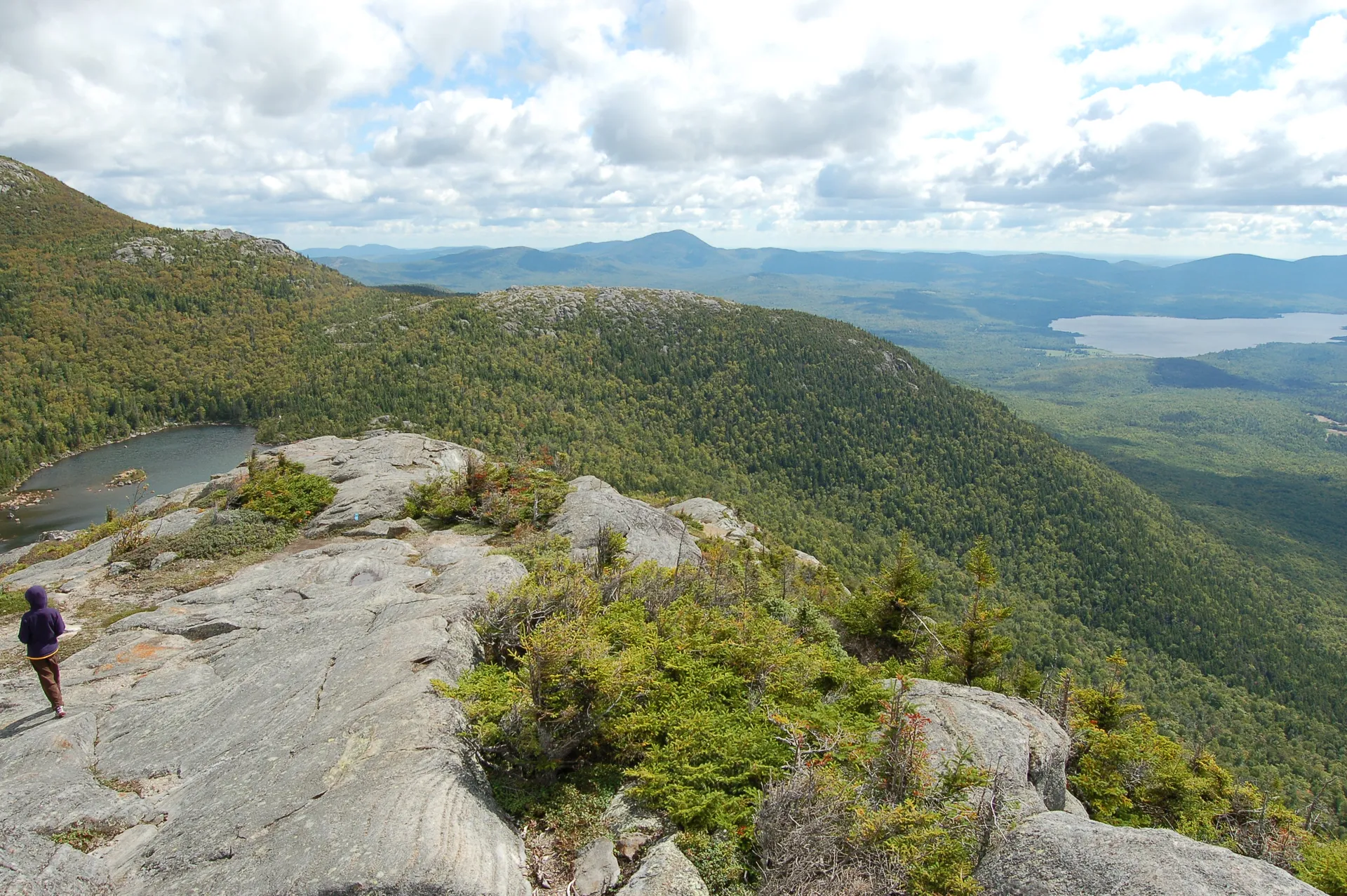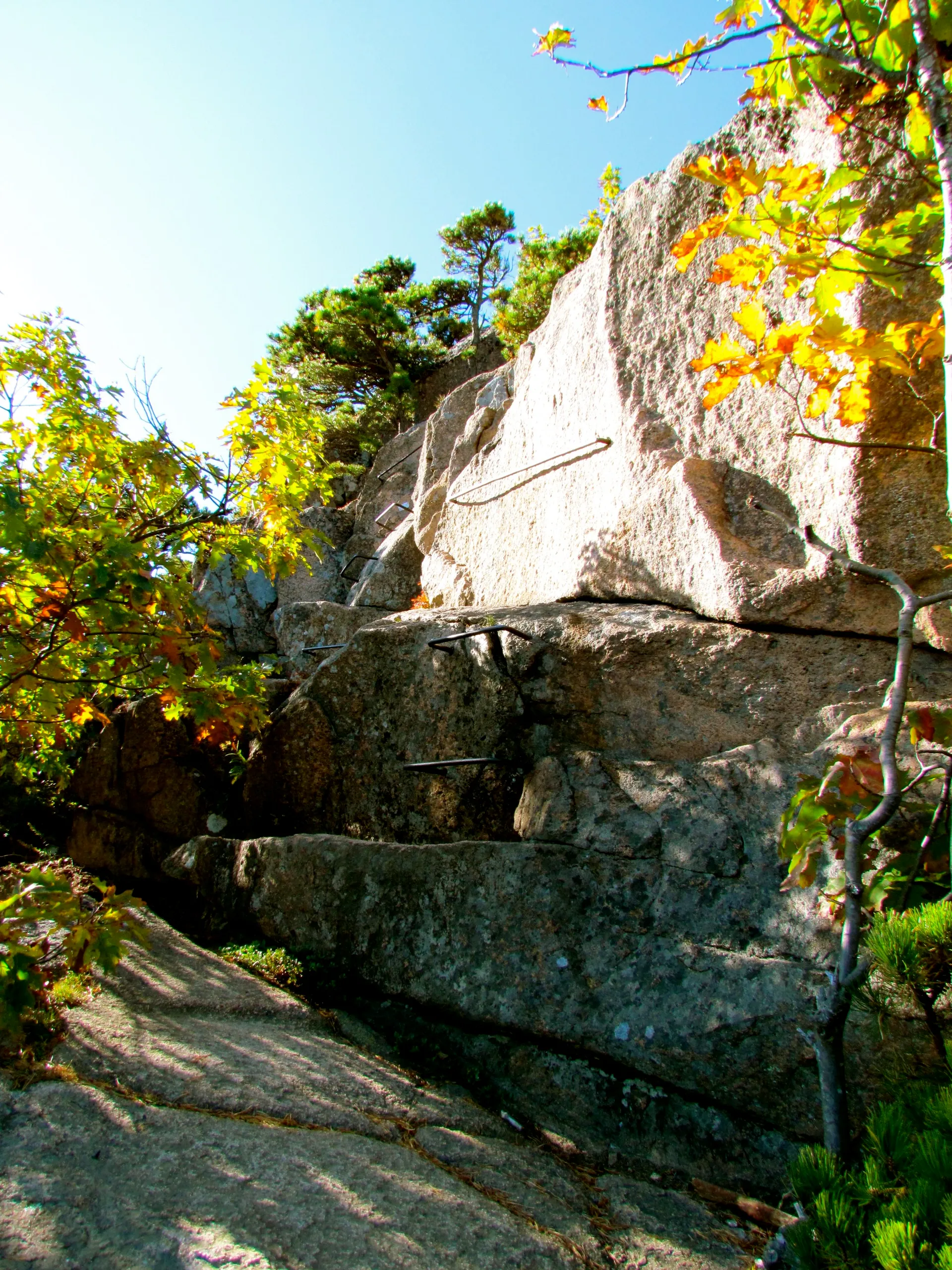
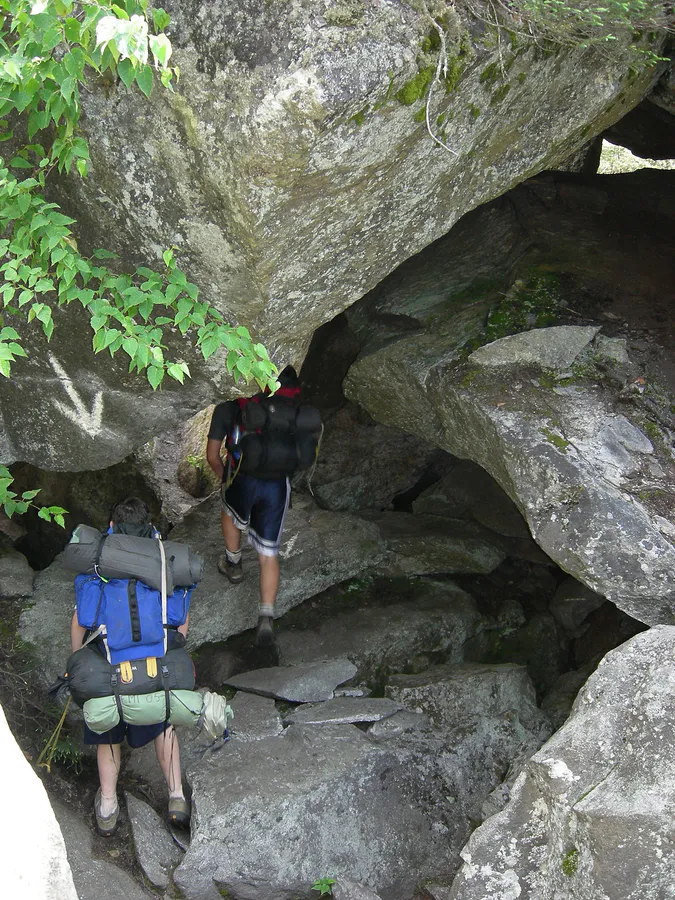
A bad daypack will ruin a good hike faster than bad weather. We learned that halfway up Tumbledown Mountain when a friend’s bargain-bin pack started cutting into his shoulders on the steep boulder scramble. By the time we reached the alpine pond, he had taken it off and was carrying it by one strap, which meant his water, rain shell, and first aid kit were basically inaccessible. On a trail where weather can change in twenty minutes and you are scrambling over wet rock, that is not just uncomfortable. It is a safety problem.
Maine hiking demands more from a daypack than a flat desert trail or a groomed path through the Smokies. You need something that stays tight to your body on scrambles, breathes enough to keep your back from turning into a swamp in August humidity, carries a rain layer because it will rain, and has accessible pockets because you do not want to stop and dig through your main compartment every time you need a snack on the Knife Edge.
We researched and compared daypacks built for Maine’s hardest terrain, weighing the specs, materials, suspension designs, and aggregated owner and expert reviews. Here is what actually works.
| Pack | Price | Best For | Comfort | Rating |
|---|---|---|---|---|
| Premium | Overall best | ★★★★★ | 4.7 | |
| Premium | Long day hikes | ★★★★★ | 4.4 | |
| Mid-range | Ultralight | ★★★★☆ | 4.5 | |
| REI Co-op Flash 22 | Mid-range | Budget pick | ★★★☆☆ | 4.4 |
| Premium | Women's fit | ★★★★★ | 4.6 |
How We Chose These
We did not just compare spec sheets in a vacuum. We evaluated each pack against the demands that actually define a Maine day hike, drawing on manufacturer specs, suspension and materials design, and aggregated owner and expert reviews:
Technical scrambles: Trails like the Beehive Trail and Precipice in Acadia, where your pack has to stay glued to your back while you climb iron rungs and pull yourself up granite ledges. A shifting pack here is dangerous, full stop. We looked closely at how each pack’s harness and hipbelt geometry keeps the load stable.
All-day ridge walks: Routes like the full Cadillac South Ridge trail and a Bigelow Range traverse, where comfort over eight-plus hours and 10-plus miles separates good packs from marketing hype. We weighed back-panel design, load transfer, and the hot spots and pressure points owners report on long days.
Rain and humidity: The steady rain at Gulf Hagas and the fog that blankets Acadia half the summer. We assessed how each suspension handles a soaked back panel, how well the pack sheds water, and whether contents stay dry.
Loaded carries: Each pack was judged against a realistic Maine day-hike kit loaded to its recommended capacity: rain shell, extra layer, first aid, water (2L), lunch, headlamp, map, and sunscreen. The question that matters is how a pack carries when it is full, not empty.
In short, we evaluated each pack on the criteria that matter for Maine: stability on scrambles, ventilation, comfort over distance, pocket accessibility, and durability.

The Packs We Recommend
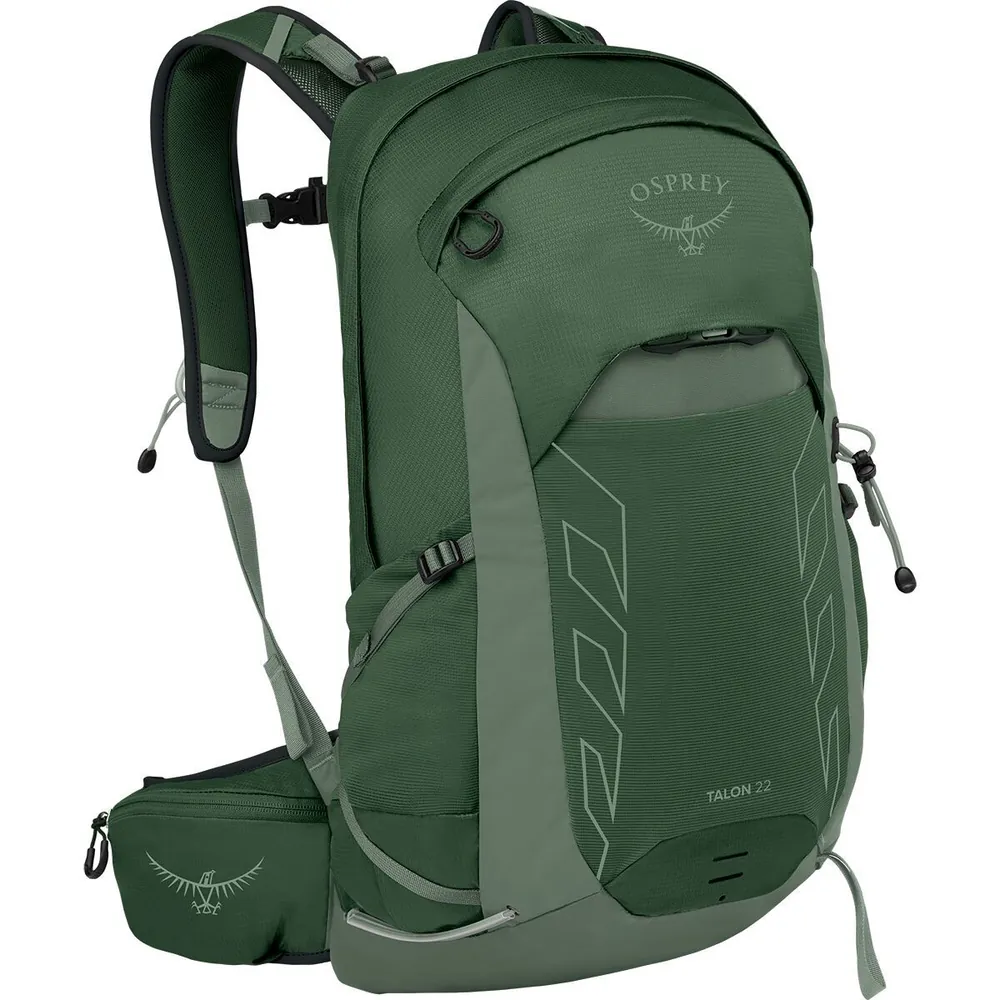
Osprey Talon 22 - Best Overall
Premium
Osprey Talon 22
Who it’s forBest all-around daypack for Maine hiking
Why we picked itExcellent ventilation with AirScape backpanel
Pros
- Body-hugging fit stays stable on scrambles
- Versatile 22L capacity hits the sweet spot
- Hipbelt pockets for snacks and phone
Know before you buy
- Not enough space for overnight gear
- Mesh back collects sweat in high humidity
The Talon 22 is the pack we would reach for on most Maine mornings. On a scramble up something like the Beehive after a morning rain, the design is built to stay locked to your back through every iron rung and granite pull-up, with no shifting, bouncing, or adjusting mid-climb. That kind of stability comes from the AirScape backpanel and the way the hipbelt wraps around your waist rather than just sitting on top of it, and owners consistently single it out as the pack’s standout trait.
The 22-liter capacity is the sweet spot for Maine day hiking. It fits a rain shell, fleece layer, 2L of water, lunch, first aid kit, and a headlamp with room to spare, so you are not packing too tight or leaving anything behind. The hipbelt pockets are genuinely useful, big enough for a phone or a handful of trail mix, and easy to reach without breaking stride on a trail like the Jordan Pond Path.
Ventilation is excellent in spring and fall. The mesh backpanel keeps airflow moving and runs notably drier than packs with foam-only backs. The catch: in July and August humidity, that mesh traps moisture against your shirt and you end up with a sweaty rectangle on your back no matter what. Every pack on this list has the same problem in Maine summers. The Talon just manages it better than most.
At $175, it is not cheap for a daypack. But the construction is built to last, and owners consistently report it holds up to seasons of hard use on everything from Katahdin to the carriage roads with almost no wear. The zippers keep running smooth, the mesh stays intact, and the hipbelt padding resists compressing. This is a buy-it-once pack.
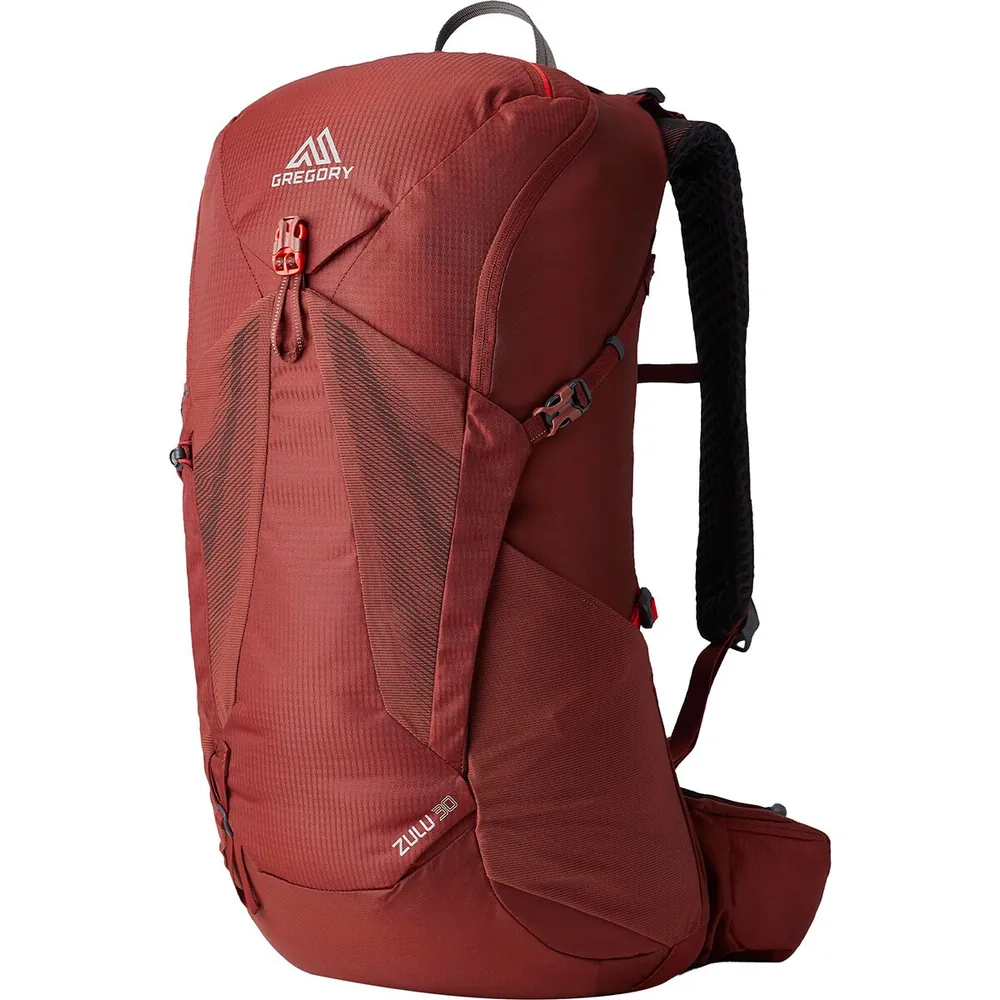
Gregory Zulu 30 - Best for Long Days
Premium
Gregory Zulu 30
Who it’s forBest for full-day hikes with extra gear
Why we picked itExcellent ventilation with suspended mesh backpanel
Pros
- Comfortable under heavy loads
- Rain cover included
- Well-organized pockets
Know before you buy
- Heavier at 2 lb 10 oz
- Overkill for short hikes
If the Talon is the daily driver, the Zulu is the pack you grab when the day is going to be long and the weather looks uncertain. On an 11-mile traverse of the Bigelow Range with a full load, extra layers, rain gear, lunch and dinner, and 3L of water, the Zulu’s VaporSpan suspended mesh backpanel is designed to distribute weight evenly and keep your back drier than you would expect for a pack carrying that much.
The 30-liter capacity gives you breathing room that a 20-22L pack does not. On a late October hike up Saddleback when conditions deteriorate and you need to carry an extra insulation layer, gloves, and a balaclava you had not planned on, the Zulu swallows it all without complaint. That extra volume is insurance against Maine’s unpredictable weather.
The included rain cover is a genuine feature, not a gimmick. On a full day of drizzle at Gulf Hagas, it is built to keep everything inside bone dry. Many bargain pack covers let water seep through the seams after an hour. Owners report this one holds up through long stretches of on-and-off rain.
The trade-off is weight. At 2 pounds 10 ounces empty, it is noticeably heavier than the Talon or Deuter. On shorter hikes where you are carrying less gear, you feel that extra weight and wonder why you did not bring a lighter pack. And the 30L capacity is overkill for a quick three-mile loop on the carriage roads. This pack earns its place on big days. For everything else, it is more pack than you need.
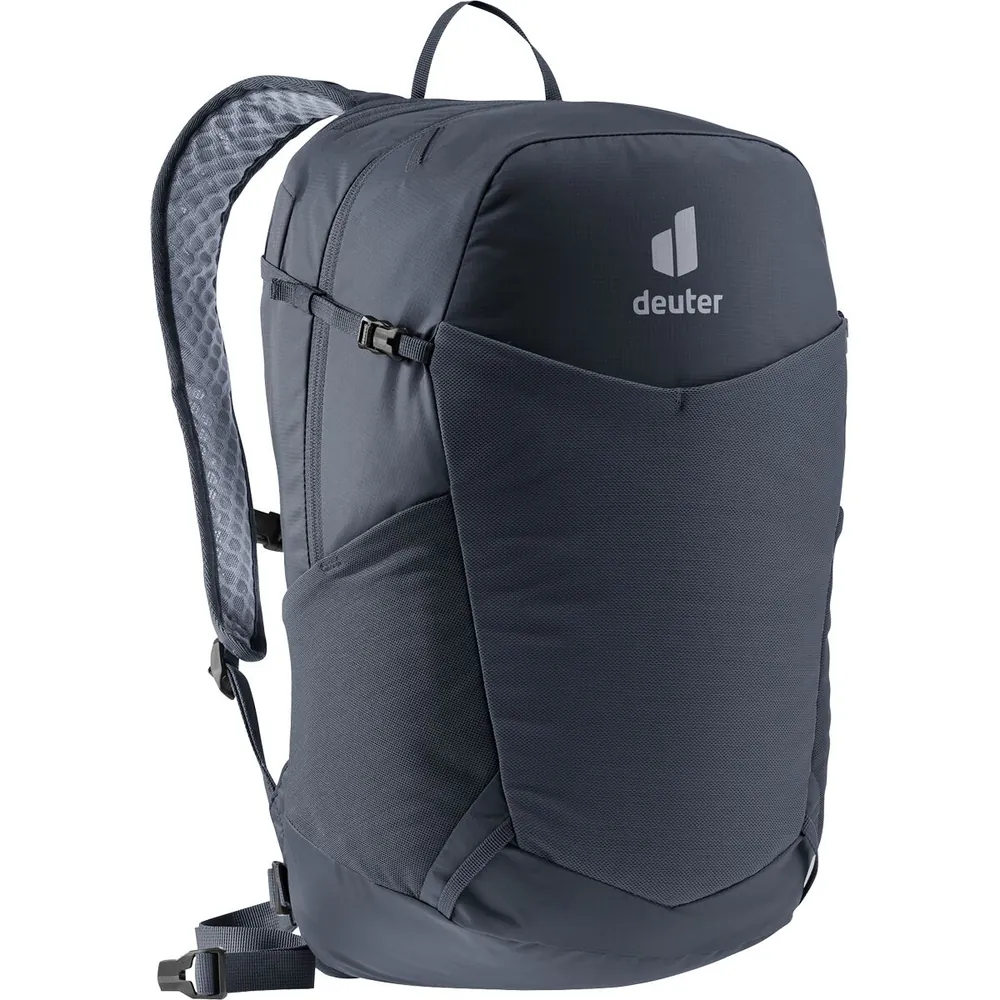
Deuter Speed Lite 21 - Lightest on the List
Mid-range
Deuter Speed Lite 21
Who it’s forBest ultralight daypack
Why we picked itIncredibly light at 1 lb 2 oz
Pros
- Aircomfort back system
- Stretchy side pockets
- Compact when empty
Know before you buy
- Minimal padding on shoulder straps
- No hipbelt pockets
At a verified 1 lb 2 oz, the Speed Lite is the lightest pack here, an almost surprising number for a 21-liter pack with a real back system. On a fast-and-light push up something like Pleasant Mountain on a dry August morning, a pack this light basically disappears. Your shoulders and back feel the same at the summit as they did at the trailhead.
The Aircomfort back system is surprisingly effective for something this minimal. It creates a small air channel between the pack and your back that keeps air moving, and owners report noticeably less back sweat than the weight would suggest. It is not as effective as the suspended mesh on the Talon or Zulu, but for the weight savings, it is a fair trade.
The stretchy side pockets hold a water bottle securely, and you can reach back and grab a Nalgene without stopping, which is a small thing that matters on longer hikes when you want to stay in rhythm.
Where it falls short: load comfort. With more than about 15 pounds in the pack, the thin shoulder straps start to dig in and the lack of hipbelt pockets means everything goes in the main compartment or your jacket pockets. On a rainy day on the Grafton Loop with a heavier rain jacket and extra water, the straps would wear on you by mid-afternoon. This pack is built for fast, light hiking. If you tend to carry a lot of gear, look at the Talon or Zulu instead.
The hipbelt should sit on your iliac crest, the bony top of your hip, not your waist. Most people wear their packs too high. When the hipbelt is in the right spot, it transfers weight off your shoulders and onto your legs. Tighten the hipbelt first, then adjust the shoulder straps so they wrap over your shoulders without gaps. The load lifter straps (the small ones at the top of the shoulder straps) should angle back at about 45 degrees.
REI Co-op Flash 22 - Best Budget Pick
Mid-range
REI Co-op Flash 22
Who it’s forBest budget daypack
Why we picked itUnder $80 with solid performance
Pros
- Lightweight construction
- Made from recycled materials
- Hydration compatible with good organization
Know before you buy
- Thin shoulder straps uncomfortable under heavy loads
- No frame sheet
REI currently lists this Flash pack as a member purchase. Check its membership requirement, size and stock before choosing it.
Not everyone needs to spend $175 on a daypack, and the Flash 22 is proof that you do not have to. At $70, it costs less than half the Talon and still handles the majority of Maine day hikes without complaint. On a sunny September day on a trail like Cadillac Mountain, the Flash is built to carry a standard day kit comfortably, with no real issues with organization, access, or stability on moderate terrain.
The pack is made from recycled materials, which is a nice detail, but what actually matters is that it works. The main compartment swallows a rain shell, layer, and lunch easily. The hydration sleeve fits a 2L reservoir. The front stretch pocket holds a jacket you stripped off when the sun came out. For most hikers on most trails, this is enough pack.
Where the Flash shows its price: loaded scrambles. On a trail like the Beehive with a full kit, the thin shoulder straps start cutting in and the pack shifts side to side more than the Talon or Tempest, a complaint owners echo. Without a frame sheet, the pack conforms to whatever shape its contents create, and sometimes that shape pokes you in the back. A common fix is to pack your rain shell against the back panel as a makeshift pad, but that is a workaround, not a feature.
If you hike moderate trails, the carriage roads in Acadia, day trips to Reid State Park, or easy summit trails, the Flash is an outstanding value. If you regularly tackle technical terrain with a full load, the extra $100 for the Talon is money well spent.
Osprey Tempest 20 - Best Women’s Specific
Premium
Osprey Tempest 20
Who it’s forBest women's-specific daypack
Why we picked itShaped specifically for women's torsos
Pros
- Excellent ventilation with AirScape backpanel
- Comfortable contoured hipbelt
- Ice axe loop for winter hikes
Know before you buy
- Slightly smaller than men's Talon at same volume number
- Limited color options
The Tempest is not a shrunken men’s pack with pink accents. It is built on a completely different chassis designed for women’s torsos, and the difference is obvious the moment you put it on. Women who have spent years in a unisex pack like the Talon 22 consistently report that switching to the Tempest is the first time a pack actually fit, with many owner reviews echoing the same surprise at how well it sits.
The shoulder straps are narrower and shaped to avoid chest compression. The hipbelt contours to a different hip shape. The torso length runs shorter. These are not cosmetic changes. On the exposed scrambles of a trail like the Beehive, the Tempest is designed to stay locked in place through every ladder and rung section because it is actually shaped for the person wearing it, not adapted from a design that was not.
The AirScape backpanel is the same excellent system as the Talon, providing solid ventilation and a comfortable carry. The ice axe loop is a nice addition for winter hikes on Katahdin or the Bigelows, though most day hikers will not use it.
At 20 liters, it is slightly smaller than the Talon 22, and on longer hikes where you want to carry extra layers, that space difference is noticeable. Women who tend to carry more gear should consider the Tempest 24 (same design, 4 more liters) or the Gregory Jade 28 as alternatives.
Keep a dry bag inside your daypack for your phone, wallet, and car keys. Even packs with rain covers let moisture in through the zipper and back panel over time. A two-dollar dry bag means you never have to worry about it. We have seen too many people with waterlogged phones on the Jordan Pond Path after a surprise afternoon storm.
What Size Daypack for Maine?
This is the question we get asked most, and the answer depends on how you hike.
18-22 liters covers 90% of Maine day hikes. Rain shell, extra layer, water, snacks, first aid, headlamp. That is the standard kit, and it fits comfortably in a 20-22L pack with room to spare. The Talon 22, Speed Lite 21, and Flash 22 all live in this range.
25-30 liters makes sense if you carry camera gear, extra food for a full-day push, or want the flexibility to bring extra layers when October weather looks uncertain. The Zulu 30 is our pick for this size. It also works as a minimalist overnight pack if you have ultralight sleeping gear.
Under 20 liters works for short hikes in good weather. The Tempest 20 handles easy trails and carriage roads well but will feel tight on longer hikes or when you need to pack for variable conditions.
Our advice: if you are buying one daypack for Maine, get something in the 22-25L range. It handles everything from a quick loop to a full-day summit push without being too much pack for short hikes or too little for long ones.
Always pack a rain layer, even if the forecast says clear. Maine mountain weather changes fast, especially on exposed ridges like Katahdin’s Knife Edge or the Bigelow Range. A lightweight shell takes up almost no space and can save your hike when clouds roll in at 2 PM. If your pack does not have room for a rain shell, it is too small for Maine hiking.
Daypack Care for Maine Conditions
Dry it after every hike. Open all zippers and compartments, hang it upside down in a ventilated space, and let it air out completely before storing. Maine humidity breeds mildew fast, and a damp pack stored in a closet will smell terrible within a week.
Clean the back panel. Salt from sweat builds up on the mesh and foam, breaking it down over time. Rinse the back panel with fresh water after sweaty hikes. Once a season, hand wash the whole pack in lukewarm water with a mild soap, rinse thoroughly, and air dry.
Check the zippers. Sand and fine grit from granite trails work their way into zipper teeth. If a zipper starts catching, run a toothbrush along the teeth to clear debris. A drop of zipper lubricant once a season keeps things running smooth.
Inspect the stitching. The stress points on daypacks are where the shoulder straps attach to the pack body and where the hipbelt connects to the frame. Check these spots at the start of each season. A blown stitch on the Precipice Trail is not where you want to discover your pack is failing.
Do I need a waterproof daypack for Maine?
Not necessarily waterproof, but you need a plan for rain. A pack with a built-in rain cover (like the Gregory Zulu) or a separate rain cover you keep in the bottom pocket works well. Alternatively, line the inside with a trash bag or use dry bags for electronics and extra clothes. Fully waterproof packs exist but tend to sacrifice ventilation and organization.
Is 20 liters enough for a full day on Katahdin?
It is tight. A Katahdin day typically runs 8 to 12 hours, and you need extra water, food, layers, headlamp, first aid, and potentially traction devices depending on the season. We recommend 25 to 30 liters for Katahdin. The Gregory Zulu 30 is our pick for that kind of day.
Can I use a running vest instead of a daypack?
For short, fast hikes on well-marked trails in good weather, a running vest works. For anything involving scrambles, variable weather, or more than a few hours on trail, you need the carrying capacity and stability of a real daypack. Running vests cannot carry a rain shell, extra layer, and enough water for a long Maine day.
What is the best daypack under $100?
The REI Co-op Flash 22 at $70 is the clear winner for budget hikers. It handles moderate trails and carriage roads without issue. If you can stretch to $100, the Deuter Speed Lite 21 is a better pack with superior ventilation and lighter weight. Both are solid choices for hikers who do not want to spend $150-plus.
Should I get a women's-specific daypack?
If standard unisex packs have never felt quite right on your torso, a women's-specific pack like the Osprey Tempest is worth trying. The different shoulder strap geometry, hipbelt shape, and torso length make a real difference in fit and comfort. That said, some women fit perfectly in unisex packs. Try both if possible and go with whatever feels better.
How do I prevent back sweat with a daypack?
No daypack completely eliminates back sweat in Maine summers. Packs with suspended mesh back panels (Osprey AirScape, Gregory VaporSpan) minimize it by creating an air gap between the pack and your back. Wearing a moisture-wicking base layer helps. Some hikers attach a small piece of closed-cell foam to the back panel to increase airflow. Realistically, accept that your back will get sweaty on humid days and bring a dry shirt to change into at the summit.