






Maine has some of the best freshwater fishing left in the Northeast, and most of it requires exactly zero specialized knowledge to enjoy. Landlocked salmon running in Sebago Lake. Native brook trout in the Rangeley region that will take a dry fly on a summer evening. Smallmouth bass fighting like they weigh twice what the scale says. Striped bass pushing up tidal rivers on the coast, a fishery with its own gear and its own rules that we cover in our surf striper setup guide. The variety here is staggering.
But the gear matters. A cheap rod with a drag that locks up will snap on a three-pound brook trout on a river like the Rapid. A leaky pair of waders will leave you cold and miserable on the Kennebec for the rest of the day. We researched and compared the gear that holds up to Maine’s lakes and rivers, weighing the specs, materials, warranties, and aggregated owner and angler reviews. These are the pieces we would bring every time.
| Gear | Price | Best For | Type | Rating |
|---|---|---|---|---|
| Mid-range | All-around spinning | Rod & Reel | 4.5 | |
| Premium | River wading | Waders | 4.5 | |
| Mid-range | Tackle storage | Accessory | 4.6 | |
| Mid-range | Catch & release | Net | 4.7 | |
| Mid-range | Budget option | Rod & Reel | 4.4 |
Spinning vs. Fly Fishing: Which Should You Start With?
If you are new to fishing Maine, start with spinning gear. Period. A spinning rod and reel lets you cast effectively within five minutes of picking it up. You can throw lures for bass on Moosehead Lake in the morning and switch to a worm rig for brook trout on a small stream in the afternoon. The learning curve is gentle and the versatility is enormous.
Fly fishing is a different animal. It takes most people 10 to 20 hours of practice before they can consistently place a fly where they want it. But once it clicks, fly fishing in Maine is something close to a religious experience. Casting a dry fly to rising brook trout on the Rapid River at dusk, watching the fish sip it off the surface, feeling the line tighten in your hand. Nothing in spinning comes close to that feeling.
Our honest advice: buy a good spinning combo now, fish it hard for a season, and learn the water. Then add a fly rod when you are ready to go deeper. You do not need to choose one or the other. Most serious Maine anglers carry both.
The Gear We Recommend
Pflueger President Spinning Combo - Best All-Around
Mid-range
Pflueger President Spinning Combo
Who it’s forBest all-around spinning combo for Maine freshwater
Why we picked itButtery smooth drag system
Pros
- Lightweight graphite body
- Corrosion-resistant construction
- Excellent value for the performance
Know before you buy
- Cork handle can degrade over time
- Line included is basic
The Pflueger President is the rod we would hand a friend visiting Maine for the first time. The verified combo pairs a President 30 reel with a 6-foot-6-inch medium rod. It is forgiving enough that a complete beginner can hook a two-pound smallmouth on a Mepps spinner at a lake like Moosehead and fight it to the net without a single issue. The drag is smooth enough that the fish can run without breaking the light line, and the rod has enough backbone to turn it away from a submerged log.
The 9+1 bearing system in the reel is the reason this combo punches above its $80 price. Most reels at this price have five or six bearings and feel gritty by comparison. The President is buttery, a point owners make over and over. On light lures like small Rapalas and inline spinners, which are staples for Maine trout and salmon, it casts far and accurately.
The graphite body keeps the weight down for long days of casting. Anglers report fishing it for eight hours straight trolling Sebago for landlocked salmon without a sore wrist the next morning. A heavier rod would leave you aching.
The cork handle is comfortable but will degrade over a few seasons of heavy use. The line that comes spooled on the reel is adequate for your first few trips, but replace it with quality 6-pound monofilament or fluorocarbon before anything serious. That factory line has a memory problem.
You do not need 200 fly patterns. For brook trout, carry Elk Hair Caddis (sizes 12-16), Adams (14-18), Woolly Buggers (8-10), and Hare’s Ear nymphs (12-16). For landlocked salmon, add Gray Ghosts and Black Ghost streamers. That covers 90% of situations on Maine water.
Simms Freestone Stockingfoot Waders - Best Waders
Premium
Simms Freestone Stockingfoot Waders
Who it’s forBest waders for Maine rivers and streams
Why we picked itBombproof 4-layer Toray QuadraLam construction
Pros
- Hand warmer pockets
- Reinforced knees for kneeling on rocky river bottoms
- Simms warranty and repair program
Know before you buy
- Requires separate wading boots
- Runs warm in summer
Waders are the one piece of gear where cheap will make you genuinely miserable. A pair of $60 neoprene waders with a pinhole leak in the leg means cold water seeping in for hours on the Kennebec in October. Never again.
The Simms Freestone uses four layers of Toray QuadraLam fabric, which means it is waterproof and breathable at the same time. On a warm September afternoon wading the Rapid River, that breathability keeps you comfortable instead of drenched in sweat. On a cold November morning on Grand Lake Stream, the hand warmer pockets keep your fingers functional between casts, and owners single out that comfort range as the wader’s strength.
The reinforced knees are a feature you do not appreciate until you need them. Kneeling on a rocky river bottom to release a fish, crouching behind a boulder to stay out of sight on a clear stream. Maine rivers are full of sharp rocks that will shred lesser waders.
These are stockingfoot waders, which means you need separate wading boots. That adds cost, but it also means you get proper ankle support and felt or rubber soles matched to the river bottom you are fishing. The integrated-boot waders that seem like a better deal always have terrible traction and fall apart faster.
They do run warm in July and August. On hot summer days, wet wade in quick-dry pants instead. Save the Freestones for spring, fall, and any day the water temperature is below 60 degrees.
Maine rivers have deceptively strong currents. The Kennebec below the dam, the Rapid River, and the upper Penobscot can all knock you off your feet. Always use a wading belt cinched tight around your waist. If you go in, the belt prevents water from filling your waders and dragging you under. Every pair of waders comes with one. Use it.
Plano Guide Series Tackle Bag - Best Tackle Storage
Mid-range
Plano Guide Series Tackle Bag
Who it’s forBest tackle storage for lake and river fishing
Why we picked itMolded waterproof base keeps tackle dry in a wet boat
Pros
- Includes four 3600-size StowAway boxes
- Exterior pockets keep tools and a fishing license accessible
- Organizes a full season of freshwater lures
Know before you buy
- About 15 pounds when fully loaded
- Too bulky for long approaches to remote ponds
This is not a glamorous purchase. Nobody gets excited about a tackle bag. But anyone who has watched a flimsy backpack dump its contents into the bottom of a canoe on Moosehead Lake starts taking tackle storage seriously.
The Plano Guide Series has a molded waterproof base that keeps everything dry even when it is sitting in two inches of water in the bottom of a boat. It comes with four 3600-size StowAway boxes, which is enough to organize a full season’s worth of lures for Maine freshwater. A sensible setup is one box for trout lures, one for bass, one for salmon trolling gear, and one for terminal tackle.
The exterior pockets hold pliers, line cutters, a spool of leader, and a fishing license without digging through the main compartment. On a fast-paced morning of smallmouth fishing on the Penobscot, being able to grab a plier without opening three zippers makes a real difference.
It does get heavy when loaded up. Fully stocked it runs about 15 pounds, which is fine in a boat but noticeable on a mile-long walk to a remote pond. For backcountry fishing, pare down to one box and a smaller bag. For lake and river access points where you are not hiking far, the Guide Series carries everything you need.
Fishpond Nomad Mid-Length Net - Best Catch and Release Net
Mid-range
Fishpond Nomad Mid-Length Net
Who it’s forBest catch-and-release net for Maine trout
Why we picked itRubber mesh protects fish slime coat for safe release
Pros
- Lightweight carbon fiber and fiberglass frame
- Floats if dropped in the river
- Extremely durable
Know before you buy
- Expensive for a landing net
- Mid-length may be short for big fish from shore
Maine has strict catch-and-release regulations on many of its best waters. The Rapid River is fly-fishing-only, catch-and-release for brook trout. Grand Lake Stream has similar rules. Using the wrong net can kill a fish you are legally required to release.
Standard knotted nylon nets strip the protective slime coat off trout and salmon. That slime is their immune system. A fish that swims away looking fine can die from infection days later. The Fishpond Nomad uses rubber mesh that slides off the fish without removing slime, and owners who have netted hundreds of trout with it report no scale damage or excessive slime loss.
The carbon fiber and fiberglass frame is light enough to clip to a magnetic net release on your vest and forget about it until you need it. When you do, the mid-length basket handles fish up to about 20 inches comfortably, enough to land a 19-inch landlocked salmon on a Sebago Lake tributary with room to spare.
The best feature might be the simplest: it floats. Drop most nets in a fast river and they are gone. The Nomad floats calmly in an eddy while you scramble over rocks to retrieve it, a detail owners are quick to thank it for.
For larger fish from shore or a boat, the mid-length basket can feel small. If you regularly target fish over 22 inches, consider the Nomad El Jefe for the bigger basket. For standard Maine trout and salmon fishing, the mid-length is the right size.
Wet your hands before touching any fish you plan to release. Dry hands pull slime off just like a nylon net does. Thirty seconds of keeping your hands in the water before handling the fish makes the difference between a fish that survives and one that does not.
Ugly Stik GX2 Spinning Combo - Best Budget Option
Mid-range
Ugly Stik GX2 Spinning Combo
Who it’s forBest budget fishing combo
Why we picked itVirtually unbreakable Clear Tip design
Pros
- Excellent sensitivity for the price
- Great for kids and beginners
- Handles abuse without complaint
Know before you buy
- Heavier than premium combos
- Reel is basic
The Ugly Stik is the cockroach of fishing rods. It refuses to die. Owners report GX2 rods getting stepped on, slammed in truck tailgates, dropped on rocks, and left in the rain overnight, and they keep working. The Clear Tip design blends fiberglass and graphite in a way that makes the rod nearly indestructible while still transmitting enough vibration to feel a subtle bite.
For $50, this is the combo to buy if you are testing the waters (literally) and do not want to spend serious money until you know you enjoy fishing. It is also the one to buy for kids. The action is forgiving enough that a 10-year-old on a dock at Sebago Lake can catch four white perch in an hour without any help, even with bad hooksets and clumsy casts.
It is noticeably heavier than the Pflueger President. After six hours of casting on a big lake like Moosehead, the difference in wrist fatigue is real. The reel is functional but lacks the smooth drag of pricier options. A big fish making a sudden run can feel jerky rather than controlled.
For casual fishing, pond fishing, kids, and anyone who wants a backup rod that will survive anything, the GX2 is unbeatable at this price. If you find yourself fishing more than a few times a month, upgrade to the Pflueger.
Maine Fishing License: What You Need to Know
You need a fishing license to fish any Maine water if you are 16 or older. No exceptions, no grace period.
Resident licenses (Maine residents): $26 for a full season. Covers all freshwater species including landlocked salmon, trout, bass, and panfish. A separate stamp is not required for most species.
Non-resident licenses: $64 for a full season. There are also 1-day ($11), 3-day ($23), 7-day ($43), and 15-day ($47) options for visitors. If you are coming to Maine for a week-long fishing trip, the 7-day license is the best deal.
Where to buy: Online at the Maine Department of Inland Fisheries and Wildlife website, at any Walmart or large sporting goods store in Maine, and at most general stores near popular fishing areas. Buy it before you get to the water. Wardens check, and the fine is not worth the risk.
Maine has different regulations for nearly every body of water. Moosehead Lake has different rules than Sebago Lake, which has different rules than the Rapid River. Before you fish anywhere, check the current regulations at mefishwildlife.com. Pay attention to legal lure types (some waters are fly-fishing-only or artificial-lures-only), size limits, bag limits, and seasonal closures.

Where to Use This Gear: Top Maine Waters
Sebago Lake is the place for landlocked salmon, especially in spring when the fish are near the surface. Troll with the Pflueger President using small Rapalas or Gray Ghost streamers. The salmon here average 16 to 20 inches, with fish over 24 inches landed every season.
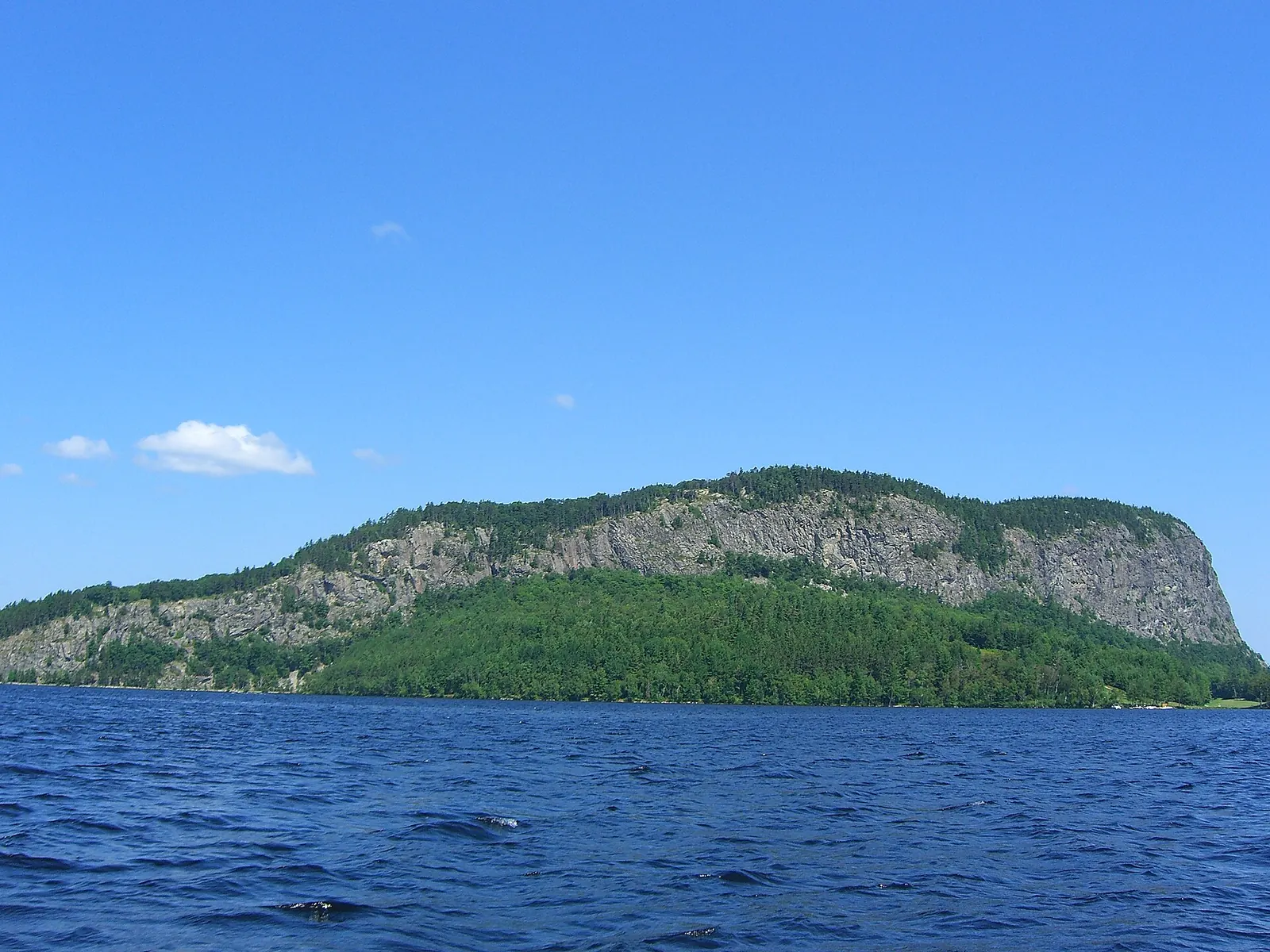
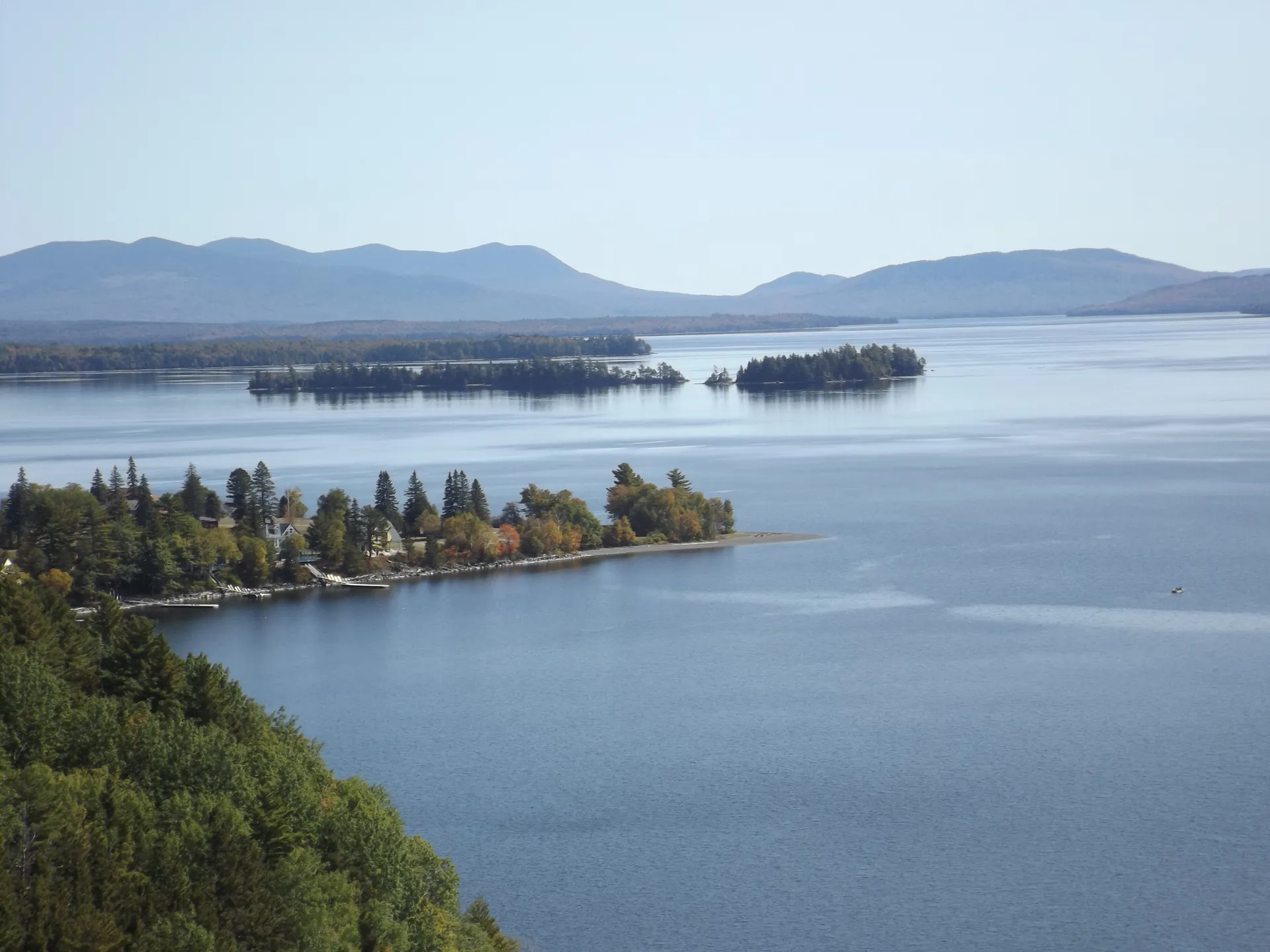
Moosehead Lake is Maine’s largest lake and holds enormous brook trout, landlocked salmon, and lake trout. The GX2 or President paired with trolling gear covers the lake species. Bring the Plano bag fully loaded because you will be out there all day.
Rapid River is a fly-fishing-only stretch that holds some of the biggest wild brook trout in the state. Wade carefully in the Simms Freestones and net those fish gently with the Fishpond Nomad. Catch and release only.
Grand Lake Stream is legendary smallmouth bass water that also holds landlocked salmon. The spinning combo works for bass, and the fly rod works for salmon in the pools. This is classic Maine fishing at its best.
Kennebec River below the Wyman Dam offers excellent landlocked salmon fishing in spring and fall. Strong current here demands good waders and a wading belt. The Simms Freestones handle it.
What to Bring
- Maine fishing license (check resident vs. non-resident)
- Rod and reel combo matched to your target species
- Waders and wading boots for river fishing (belt mandatory)
- Tackle bag with species-appropriate lures organized by box
- Rubber mesh landing net for catch-and-release waters
- Polarized sunglasses to spot fish and protect your eyes
- Needle-nose pliers and line cutters
- Sunscreen and insect repellent (black flies peak in June)
- Printed regulations for the specific water you are fishing
- A fishing buddy or a float plan left with someone on shore
Do I need a boat to fish in Maine?
No. Some of the best fishing in the state is done wading rivers and streams or casting from shore on smaller ponds. The Rapid River, Grand Lake Stream, and dozens of brook trout ponds are all effectively wade or shore-only fisheries. A boat helps on big lakes like Sebago and Moosehead, but a kayak or canoe works fine and is much cheaper than a motorboat.
What is the best time of year to fish in Maine?
Spring (May and early June) is prime for landlocked salmon as they feed aggressively near the surface after ice-out. Summer is excellent for smallmouth bass and brook trout in cooler streams. Fall brings the best dry fly fishing for brook trout as they feed heavily before spawning. Winter ice fishing is popular on larger lakes for salmon, trout, and togue.
Should I start with spinning or fly fishing?
Start with spinning. It takes five minutes to learn, works for every species in Maine, and costs a fraction of fly fishing gear. Once you have a season or two of experience and know you enjoy fishing, adding a fly rod opens up a whole new dimension, especially on catch-and-release trout streams.
What fly rod weight do I need for Maine?
A 5-weight handles 90% of Maine freshwater situations. It is light enough for 10-inch brook trout and strong enough for 20-inch landlocked salmon. If you only fish small streams for brook trout, a 3 or 4-weight is more fun. If you chase striped bass on the coast, step up to an 8 or 9-weight.
Do I need waders in summer?
Not always. July and August water temperatures in many Maine rivers are warm enough to wet wade in quick-dry pants and wading boots. But spring, fall, and any river fed by cold dam releases (like the Kennebec below Wyman) will be cold enough to require waders for comfort and safety.