
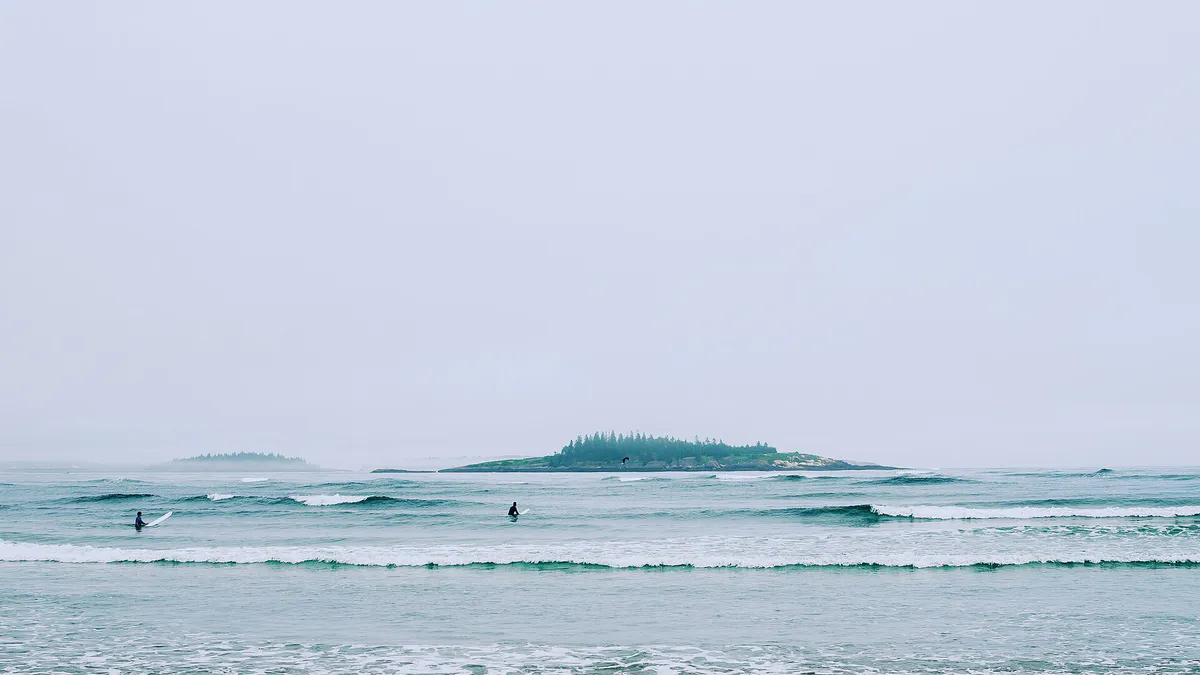

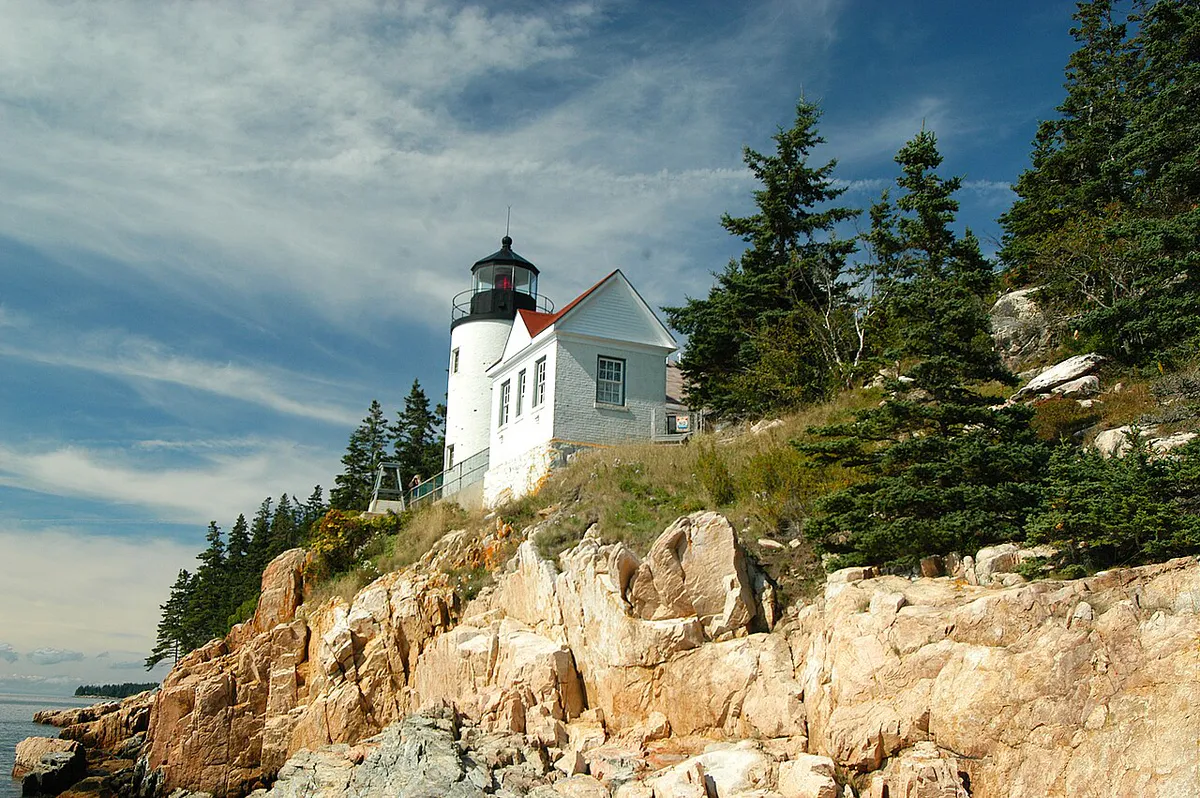
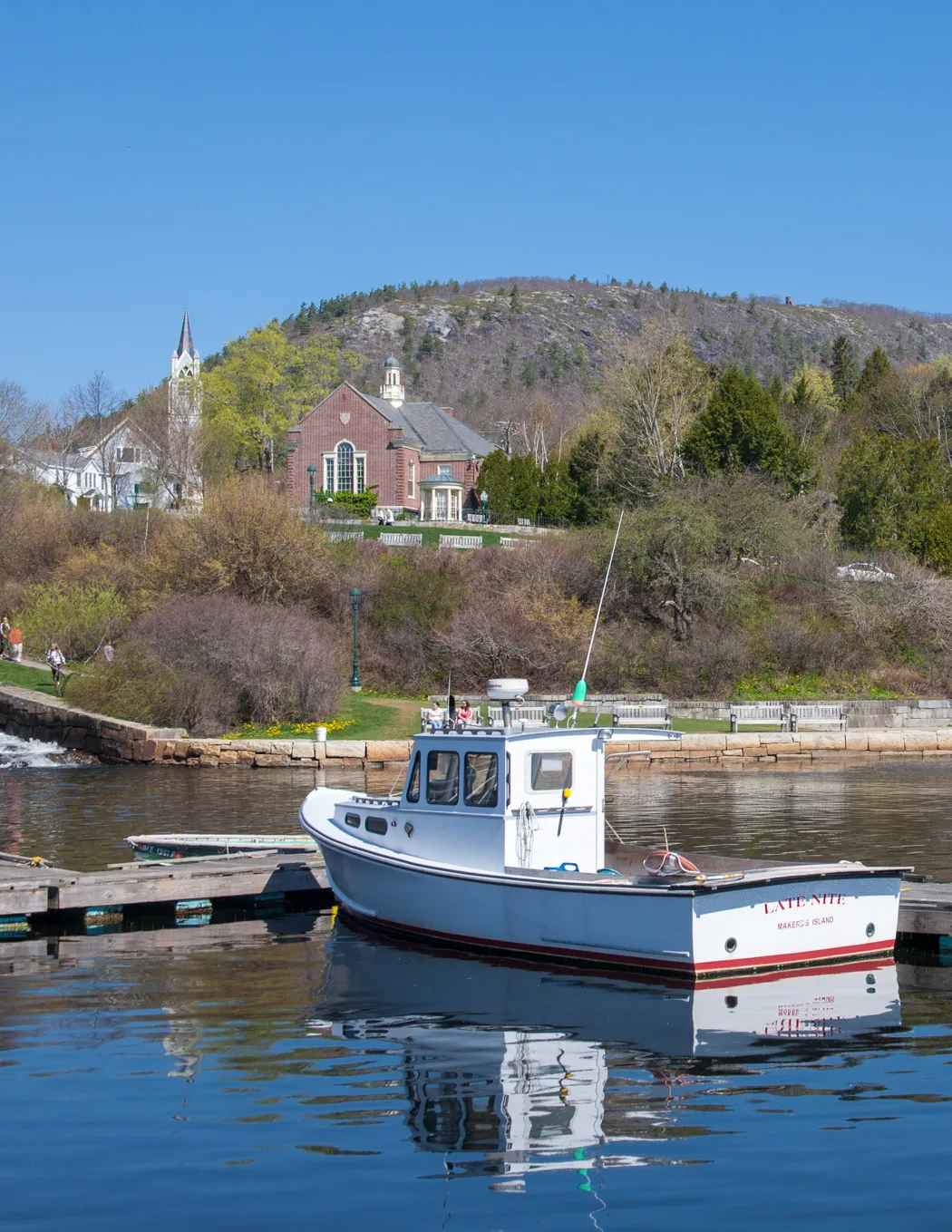
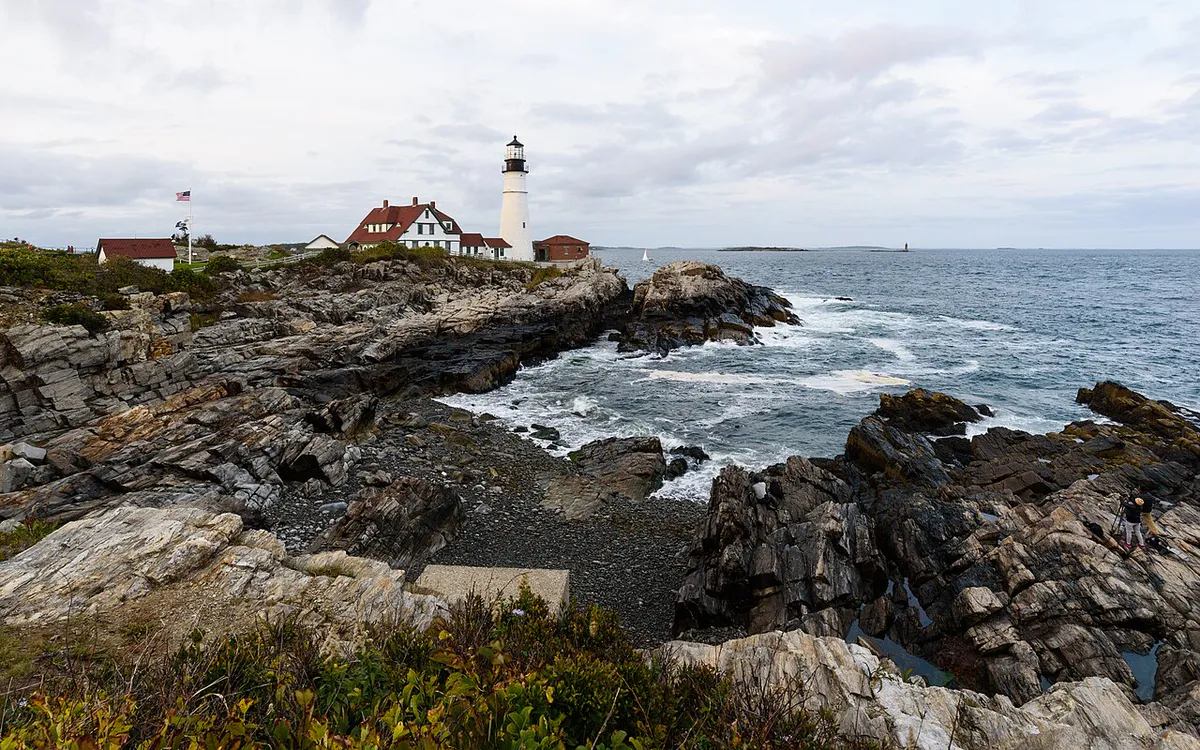

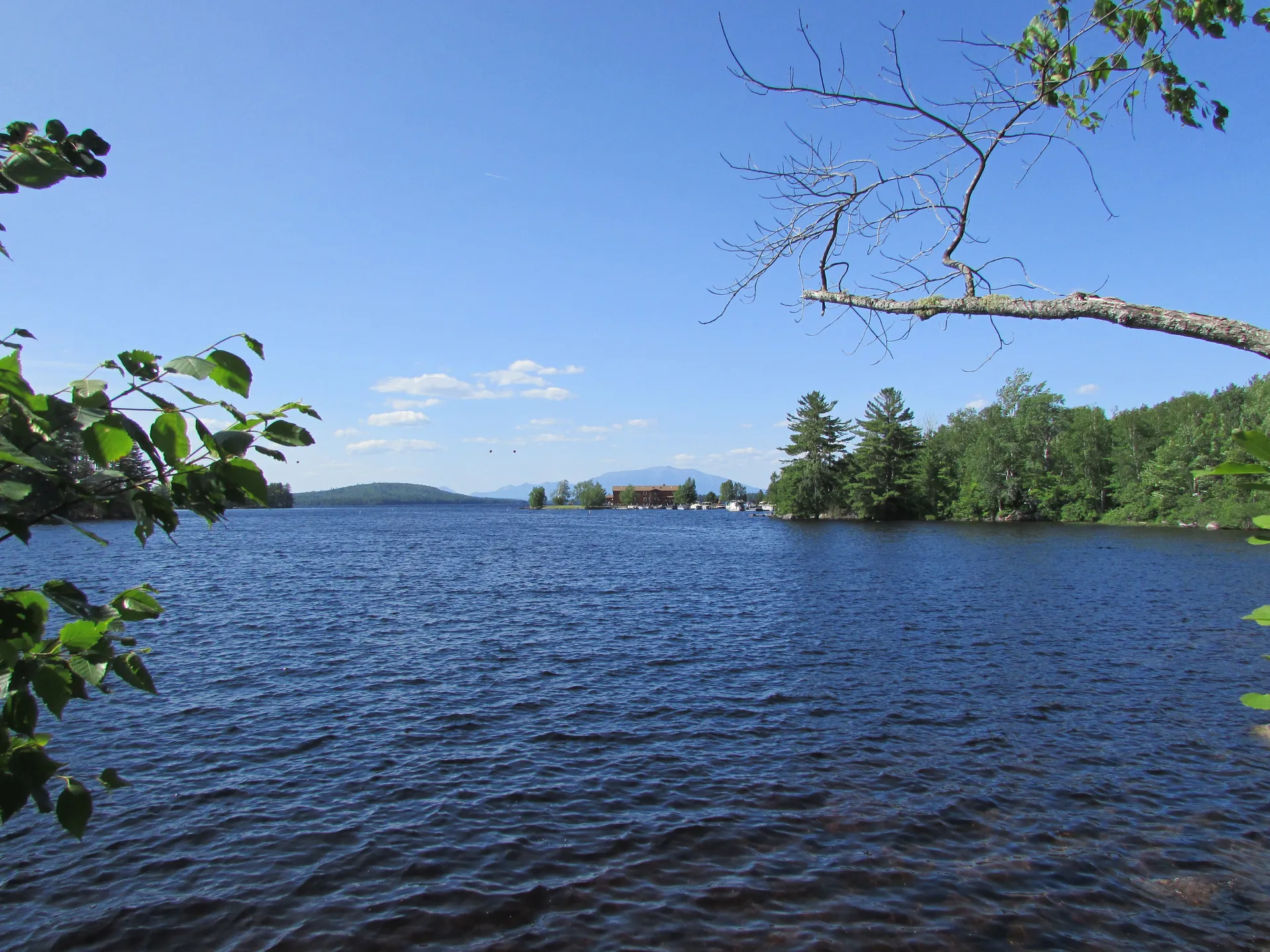
Picture a kayak flipping in Penobscot Bay in September. The air is 68 degrees. The water is 54. Paddlers who have lived through it describe the cold hitting the chest so hard they cannot inhale for what feels like ten seconds. With a PFD, you are back in the boat within a minute. Without one, you could be in serious trouble before anyone can reach you.
That is why gear matters for Maine paddling. This is not Florida. The ocean stays between 50 and 63 degrees all summer. The lakes are warmer but still cold enough to cause gasping if you go in unexpectedly. The right kayak, the right PFD, and the right accessories are not upgrades. They are the baseline for staying safe on Maine water.
We researched the field and matched specs, materials, and owner reviews to the conditions Maine actually throws at paddlers, from calm mornings on Sebago Lake to whitecap days in Frenchman Bay. Here are the pieces of equipment we would put in the boat.
| Gear | Price | Best For | Where It Shines | Rating |
|---|---|---|---|---|
| Wilderness Systems Pungo 120 | Premium | Lake kayaking | Moosehead, Sebago | 4.6 |
| Advanced Elements AdvancedFrame | Premium | Portability | Allagash portages | 4.4 |
| NRS Chinook OS PFDSearch Amazon | Mid-range | Paddling PFD | All outings | 4.6 |
| Aqua Bound Sting Ray CarbonSearch Amazon | Premium | Long paddles | Full-day trips | 4.6 |
| Sea to Summit Hydraulic 35L | Budget | Dry storage | Coastal trips | 4.7 |
Cold water kills. Maine ocean temperatures range from 50 to 63 degrees Fahrenheit even in summer. Cold water shock causes involuntary gasping, swimming failure, and hypothermia far faster than cold air. Always wear your PFD, file a float plan, and carry a whistle. If you paddle in water below 60 degrees, a wetsuit or dry suit is strongly recommended.
How We Chose These
We did not rank gear off a spec sheet alone. We weighed each piece against the specific conditions Maine paddlers face, then cross-checked that against the patterns in owner and expert reviews:
Flat lake water: Sebago Lake on calm summer mornings and Moosehead Lake, where even a quiet day can turn choppy when afternoon wind funnels down the lake. Stability and tracking matter most here.
Coastal exposure: Frenchman Bay out of Bar Harbor and sections of Penobscot Bay near Camden. Tidal currents, wind chop, boat wakes from lobster boats, and water cold enough to demand respect from every piece of equipment.
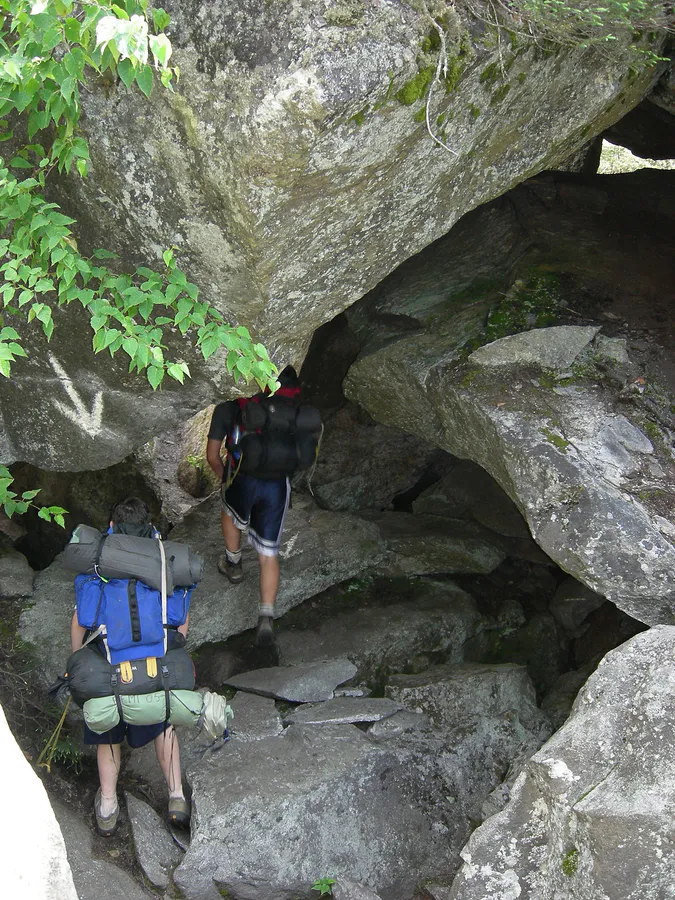
River paddling: The Allagash Wilderness Waterway and other multi-day routes. Portages put a premium on weight and packability. Class I riffles test hull durability. Days of rain test every dry bag in the boat.
Wind and weather: Maine wind is constant and unpredictable. We favored boats that owners consistently report track straight in 10 to 15 knot winds rather than getting pushed sideways. Gear that only works on calm days is not worth recommending.
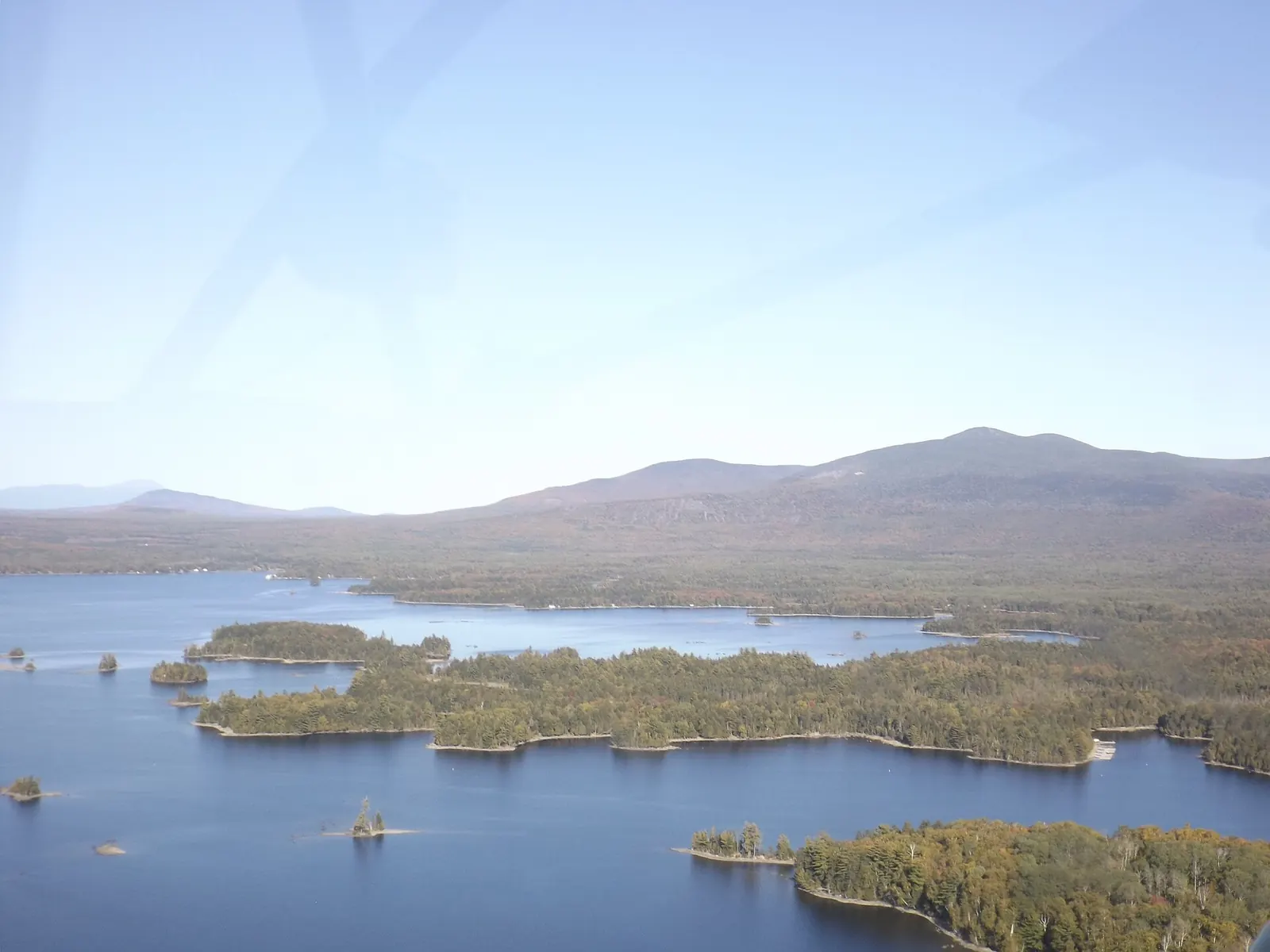
The Gear We Recommend
Wilderness Systems Pungo 120 - Best Lake Kayak
Best sit-in kayak for Maine lakes
The Pungo is the kayak we would put a nervous first-timer in without a second thought. Owners consistently describe rock-solid initial stability, the kind that keeps a brand-new paddler upright and comfortable through choppy two-foot wind waves on a lake like Moosehead. That confidence-inspiring stability is the boat’s signature trait.
The Phase 3 AirPro seat is genuinely a step above everything else in the recreational kayak category. Reviewers routinely report staying comfortable on full-day paddles, the kind of six-hour outing across Sebago Lake where most kayak seats start hurting after two. The large cockpit means you can get in and out without the awkward shimmy that narrower boats demand, which matters when you are launching from rocky Maine shorelines.
Tracking is solid for a 12-foot recreational boat. The hull holds a straight line with minimal corrective strokes, even in a crosswind, finding a good balance between stability and efficiency.
The catch is weight. At 49 pounds, car-topping the Pungo solo is a workout, and carrying it any distance from a parking lot to the water gets old fast. And while it handles lake chop well, this is not a boat for Penobscot Bay on anything but the calmest days. Ocean swells expose the limits of a wide recreational hull. For lakes and protected coastal water, though, the Pungo is the best sit-in kayak on this list.
Advanced Elements AdvancedFrame Convertible - Best Inflatable
Best inflatable kayak for portability
An inflatable kayak on the Allagash sounds like a compromise, but the aluminum frame bow and stern give the AdvancedFrame something most inflatables completely lack: a defined keel line that actually tracks. Owners report keeping pace alongside hardshells without constantly correcting course, which is not normal for an inflatable.
The convertible design lets you paddle solo or clip in a second seat for tandem use. Solo, it handles like a slightly sluggish touring kayak. Tandem, it fits two adults and enough gear for a day trip comfortably.
The real advantage shows up at portage time. The AdvancedFrame rolls into a bag that fits in a car trunk. On the Allagash, while other groups are muscling 50-pound hardshells over portage trails, you can carry this kayak in a backpack-style bag. That alone is worth the trade-offs in performance.
Setup is the downside. Plan for 10 to 15 minutes of inflating, inserting the aluminum frame pieces, and getting everything seated properly. On a cold morning at a lake launch, you will be watching hardshell paddlers leave while you are still pumping. And at 52 pounds packed, it is heavier than other inflatables. But for anyone who needs to transport a kayak in a sedan, or who paddles remote water with portages, this is the inflatable that owners say actually performs like a real boat.
NRS Chinook OS PFD - Best Paddling PFD
Maine law requires every person in a kayak to have a USCG-approved PFD on board. Children under 10 must wear theirs at all times. From September 15 through May 15, all paddlers must wear a PFD regardless of age. We recommend wearing yours every time you are on the water in Maine. Period.
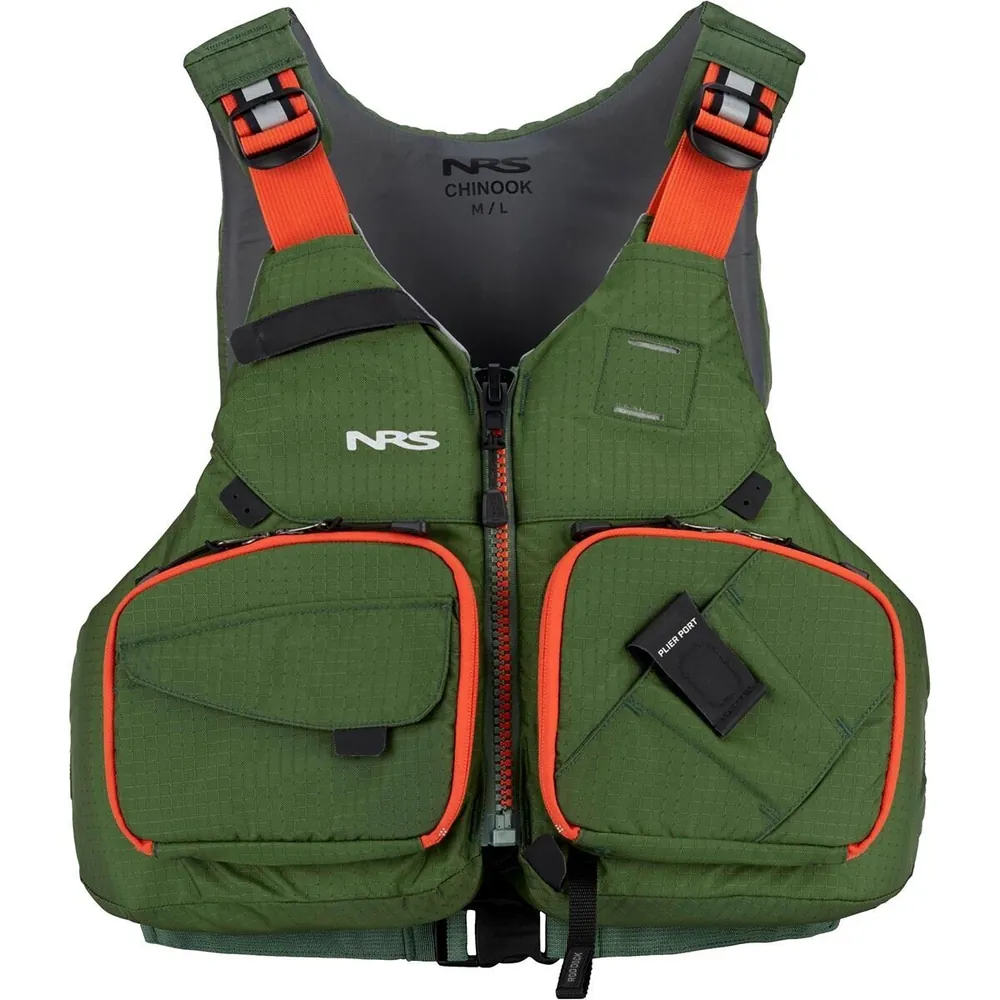
The Chinook solves the one problem that makes people leave their PFD in the boat: comfort. The high-back design sits above kayak seat backs instead of bunching up behind your neck. Six adjustment points let you dial in the fit so it moves with your torso instead of riding up with every paddle stroke. Owners consistently report forgetting they are wearing it within an hour, even on a full day on the water.
The front pocket is big enough for a phone in a waterproof case, a granola bar, and a whistle. The mesh drainage panels mean the vest dries fast after spray or a swim, far faster than a solid-foam PFD that stays soaked after a wet day on the coast.
One note on sizing: it runs large. If you are between sizes, go down. Reviewers frequently find a medium loose even with all straps tightened, where the small fits perfectly. Try it on before your first trip and adjust every strap while sitting in your kayak, not standing in your living room.
Choose a bright color like red, orange, or yellow. On Maine’s gray ocean days, a dark-colored PFD makes you nearly invisible to lobster boats and other vessels. Bright colors are not a fashion choice. They are a safety feature. The NRS Chinook comes in several high-visibility options.
Aqua Bound Sting Ray Carbon - Best Paddle
Best kayak paddle for long paddles
The difference between a cheap paddle and the Sting Ray Carbon shows up around hour three. On a long crossing of a lake like Moosehead, the carbon shaft weighs so little that your shoulders and wrists stay fresh at the end of a day that would leave you sore with a heavy aluminum bundled paddle. Over a full season of paddling, that weight savings adds up to thousands of fewer strained strokes.
The low-angle blade design is efficient for recreational paddling. You are not fighting the paddle through the water. Each stroke is smooth and clean, with good catch at entry and a natural release. The four-piece breakdown means it fits in a bag for travel or storage, which pairs perfectly with a packable boat like the AdvancedFrame for an Allagash trip.
The fiberglass blades are the one weakness. Owners note that pushing off a rocky launch will chip the edge. The chip is cosmetic and does not affect performance, but if you regularly launch from rocky beaches (which is most of Maine), you will accumulate marks. Carbon blades would solve this but would double the price.
For the $190 price point, the Sting Ray Carbon is the best balance of weight, performance, and durability in its class. If you are still using the paddle that came bundled with your kayak, upgrading to this will transform how your arms feel at the end of the day.
Sea to Summit Hydraulic Dry Bag (35L) - Best Dry Bag
Best dry bag for kayaking
This is the bag to trust when steady rain turns an open cockpit into a bathtub. The Sea to Summit keeps gear bone dry where a cheaper roll-top will let water seep through the seam. That difference is exactly what you want to know before a multi-day trip.
The TPU-laminated fabric is rated for submersion, not just splashes. That matters in Maine, where a capsize in Penobscot Bay or a wave over the bow in Frenchman Bay means your gear gets fully dunked. The wide oval opening makes packing and finding gear easy, unlike cylindrical bags where everything sinks to the bottom and you have to dig.
The D-ring attachment points let you clip the bag to a deck line or seat frame so it stays with the boat if you go over. The clear window on one side means you can find your car keys without unpacking everything. Small details, but they matter when you are wet and cold and trying to get off the water.
At $45, it costs more than a basic dry bag. But a cheap bag that fails can ruin a phone and a set of car keys a long way from the trailhead. Waterproof means waterproof, and the Sea to Summit delivers. If you want to compare sizes and closures before you buy, we break down the best dry bags for Maine paddling in their own guide.
Locals know that Maine lake paddling peaks in September and October, not July. The summer crowds are gone, the water is still warm from months of sun, the foliage is starting, and the morning fog on Moosehead Lake is the most beautiful thing you will ever paddle through. Bring layers and a dry bag. Go early. You will have the lake to yourself.
Maine Paddling Safety: What You Need to Know
Maine water demands more respect than most paddlers give it. Here is what to understand before you launch.
Cold Water Is the Real Danger
The Gulf of Maine stays between 50 and 63 degrees Fahrenheit all summer. Even in August, falling into ocean water causes an involuntary gasp reflex that can lead to drowning in seconds if your face is underwater. Inland lakes warm up more, with surface temperatures reaching the mid-70s by August on shallow lakes, but deeper lakes like Moosehead stay cold enough to cause problems.
If you paddle ocean water or deep lakes before July, wear a wetsuit or dry suit. This is not optional. A PFD keeps you floating. A wetsuit keeps you conscious long enough to get back in the boat.
PFD and Registration Laws
Maine requires every person in a kayak to have a USCG-approved PFD on board. Children under 10 must wear theirs. From September 15 through May 15, all paddlers must wear a PFD. Kayaks used on inland waters must be registered with the Maine Department of Inland Fisheries and Wildlife unless they are used exclusively on tidal waters. Registration costs $15 for residents and $30 for non-residents.
Float Plans Save Lives
Tell someone where you are going, when you expect to return, and what to do if you do not. This is especially important on remote water like the Allagash Wilderness Waterway, where cell service is nonexistent and rescue takes hours. A float plan costs nothing and has saved more lives than any piece of gear.
What to Bring
- PFD on board (worn at all times is strongly recommended)
- Whistle attached to PFD
- Boat registered if paddling inland waters
- Float plan filed with someone on shore
- Dry bag with phone, keys, and extra layer
- Weather forecast checked (wind is the biggest hazard)
- Wetsuit or dry suit for water below 60 degrees
- Bilge pump or sponge for water removal
- Spare paddle or paddle leash
- Sun protection (reflection off water doubles UV exposure)
Where to Paddle in Maine
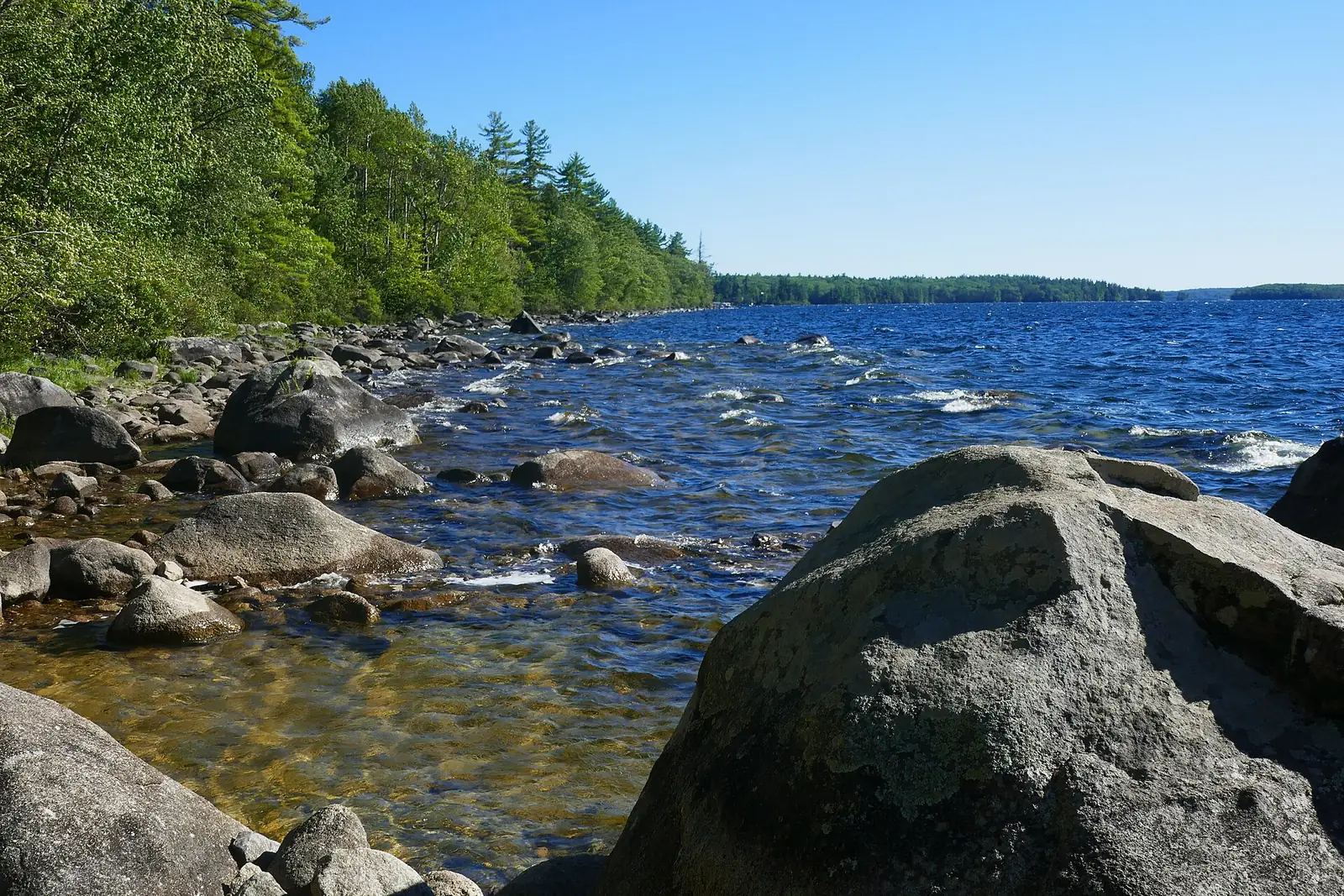
Sebago Lake is the best starting point for new paddlers. Protected coves, sandy launch points, and warm summer water make it forgiving. Paddle the eastern shore early morning before powerboat traffic picks up.
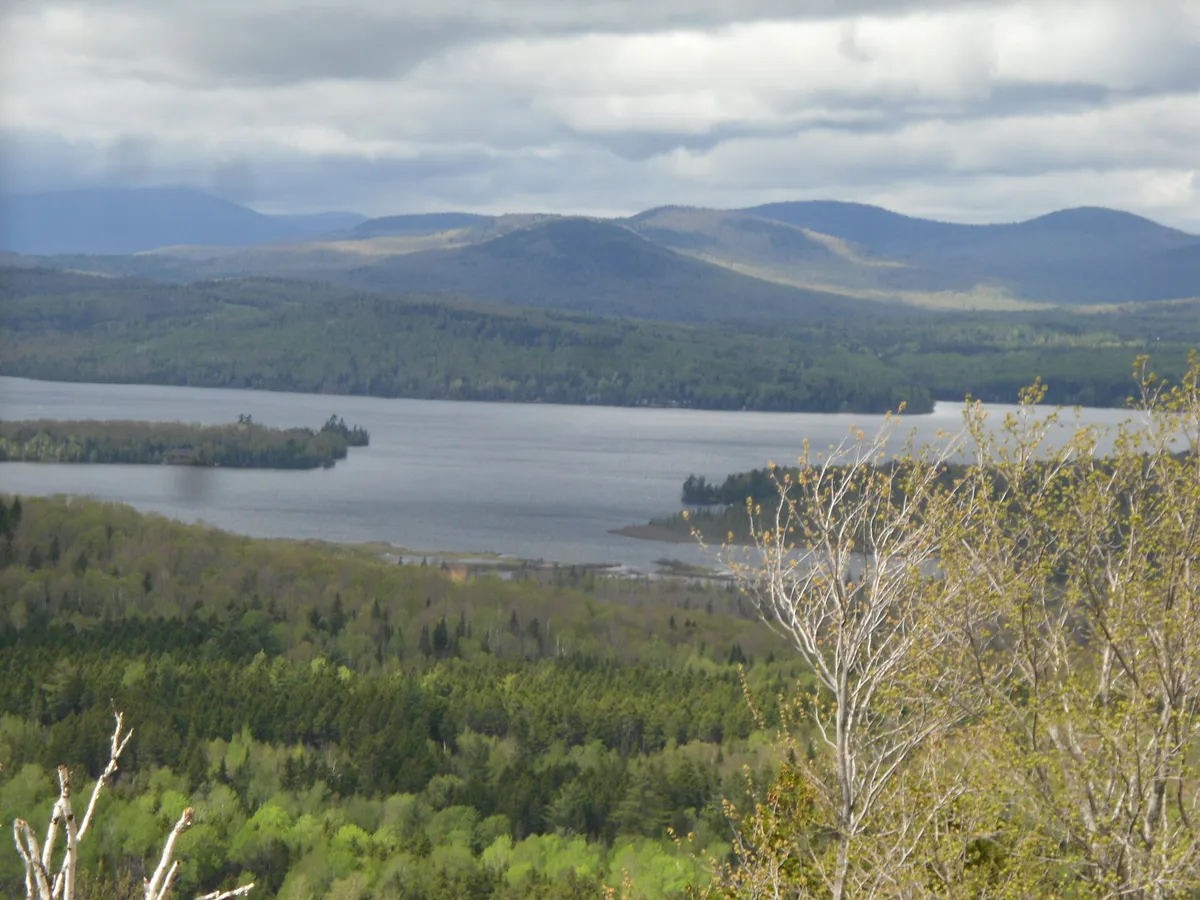
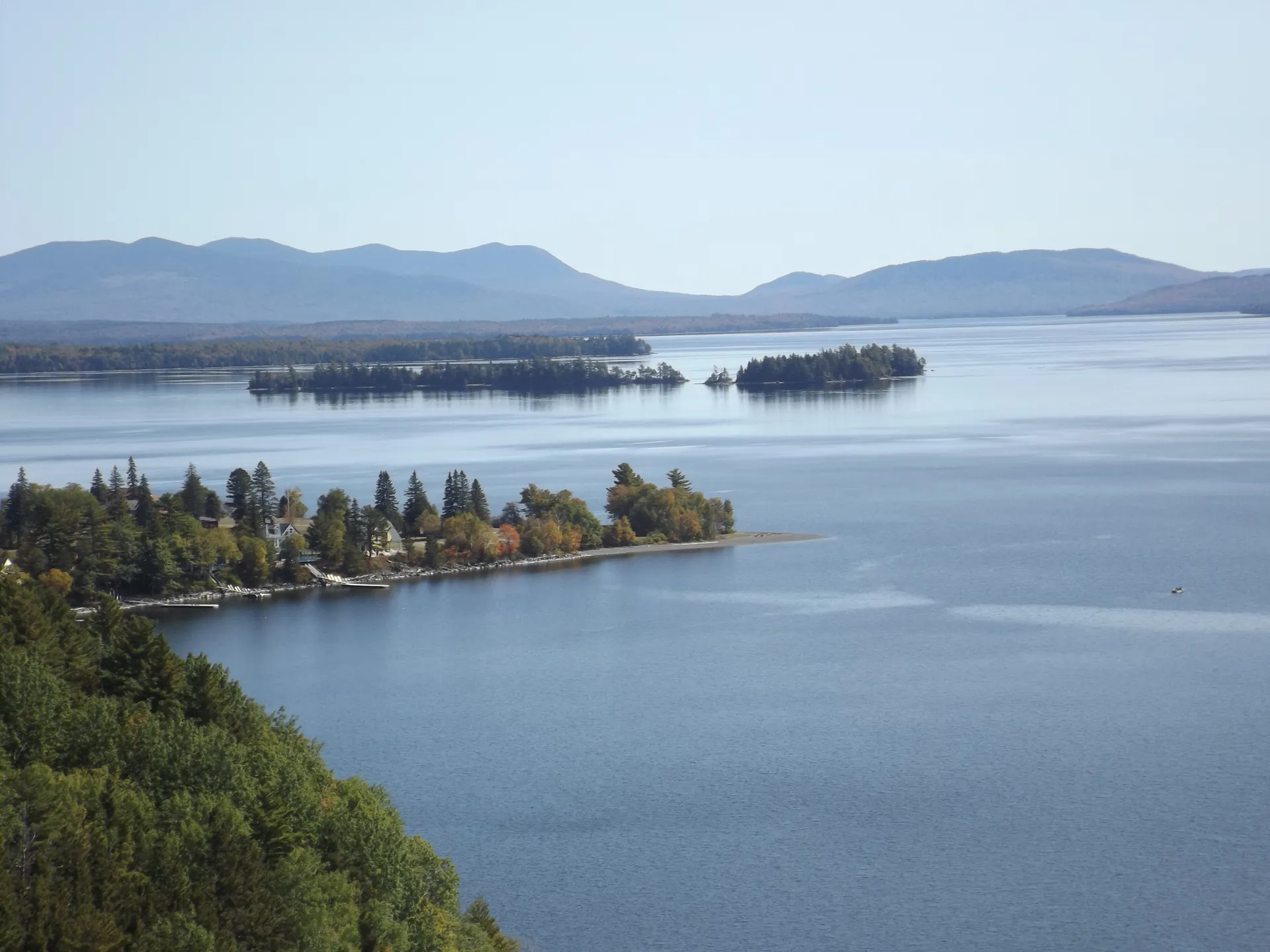
Moosehead Lake is Maine’s largest lake and paddles like a small ocean. Wind can build two-foot waves in minutes. Stay close to shore, watch the forecast, and do not cross open water unless you are experienced and equipped. The reward is some of the most remote shoreline in the Northeast, with moose sightings almost guaranteed at dawn.
Frenchman Bay out of Bar Harbor offers world-class sea kayaking with views of Cadillac Mountain from the water. Tidal currents are strong and boat traffic is heavy in summer. This is not beginner water. Go with a guide your first time or take a sea kayaking course.
Penobscot Bay around Camden and Rockland has dramatic scenery but is exposed. Islands provide some wind protection, but crossings between islands can be rough. Strong paddlers will find incredible scenery, harbor seals, and osprey nests. Beginners should stick to the protected inner harbor areas.
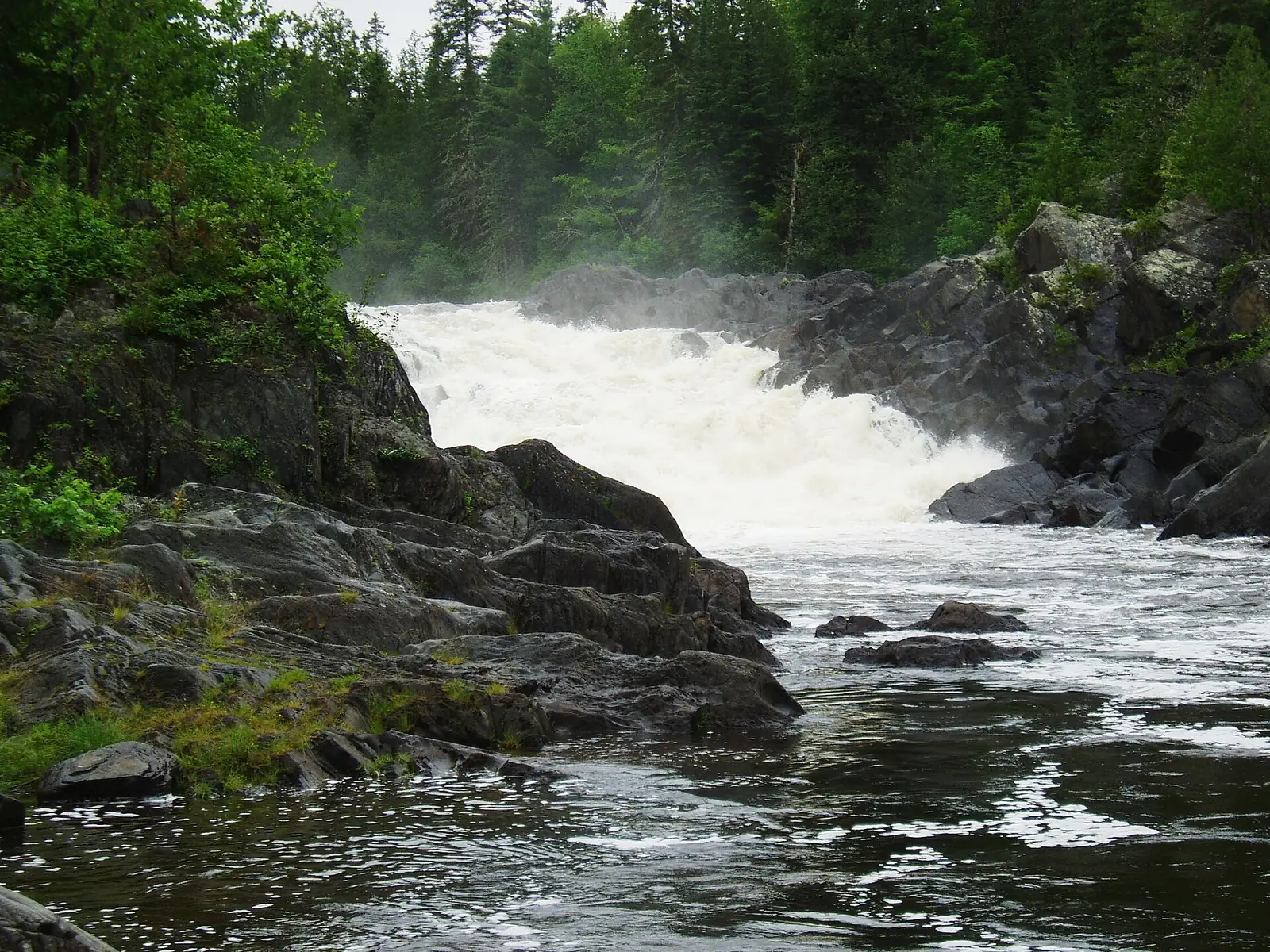
The Allagash Wilderness Waterway is a 92-mile river corridor through Maine’s northern forest. Multi-day trips require portaging, camping skills, and self-sufficiency. There is no cell service, no resupply, and no quick way out. The paddling itself is mostly flatwater with some Class I riffles. The challenge is logistics and remoteness, not whitewater. Many people run the Allagash by canoe rather than kayak, and our roundup of the best canoe gear for Maine covers the paddles, packs, and tie-downs that trip calls for.
Check the marine forecast before every paddle. On Maine lakes, wind typically builds through the morning and peaks in early afternoon. Plan to paddle out early and return before noon. On the coast, pay attention to tidal current direction relative to wind. Wind against current creates steep, dangerous chop even in moderate conditions.
Paddle Care and Storage
Rinse after saltwater. If you paddle Frenchman Bay or Penobscot Bay, rinse your kayak, paddle, and PFD with fresh water afterward. Salt corrodes aluminum frame pieces, stiffens PFD fabric, and degrades inflatable materials faster than anything else.
Store out of sun. UV breaks down the polyethylene in hardshell kayaks and the vinyl and rubber in inflatables. Store boats indoors or under a tarp. The Pungo’s hull will warp and fade after a summer of direct sun exposure.
Dry your PFD. Hang it open on a hanger after every use. A PFD that stays damp grows mold inside the foam panels, which breaks down the buoyancy material over time. Never store a PFD compressed or folded.
Check inflatables for leaks. At the start and end of each season, inflate fully and leave overnight. If it is softer in the morning, find the leak with soapy water before your next trip. A slow leak that is fine on shore becomes dangerous a mile from shore.
Do I need a sea kayak for Maine's coast?
For protected harbors and calm days, a stable recreational kayak works fine. For open water crossings, exposed coastline, or anything beyond a sheltered cove, you need a sea kayak with a spray skirt, bulkheads, and a rudder or skeg. The ocean is not forgiving of gear limitations.
Is an inflatable kayak safe for Maine lakes?
On calm, protected water, modern inflatables like the AdvancedFrame are safe and capable. They are not suitable for ocean use, exposed crossings, or windy conditions on large lakes.
Do I need to register my kayak in Maine?
If you paddle on any inland waters (lakes, ponds, rivers), yes. Registration is $15 for Maine residents and $30 for non-residents, valid for one year. Kayaks used exclusively on tidal or ocean water do not require registration. You can register online through the Maine Department of Inland Fisheries and Wildlife.
What is the best month for kayaking in Maine?
Late June through September for most paddlers. Water temperatures peak in August. September offers warm water, fewer crowds, and early foliage. Avoid May and early June unless you have cold water gear, as water temperatures are still dangerously cold from snowmelt. October is beautiful but requires a wetsuit for any capsize risk.
Can I kayak in Acadia National Park?
Yes. Eagle Lake, Jordan Pond, and Long Pond all allow kayaking. No motorized boats are allowed on these ponds, so the paddling is peaceful. You can also launch from public access points around Frenchman Bay for coastal paddling. Permits are not required for kayaking, but you must use designated launch sites.