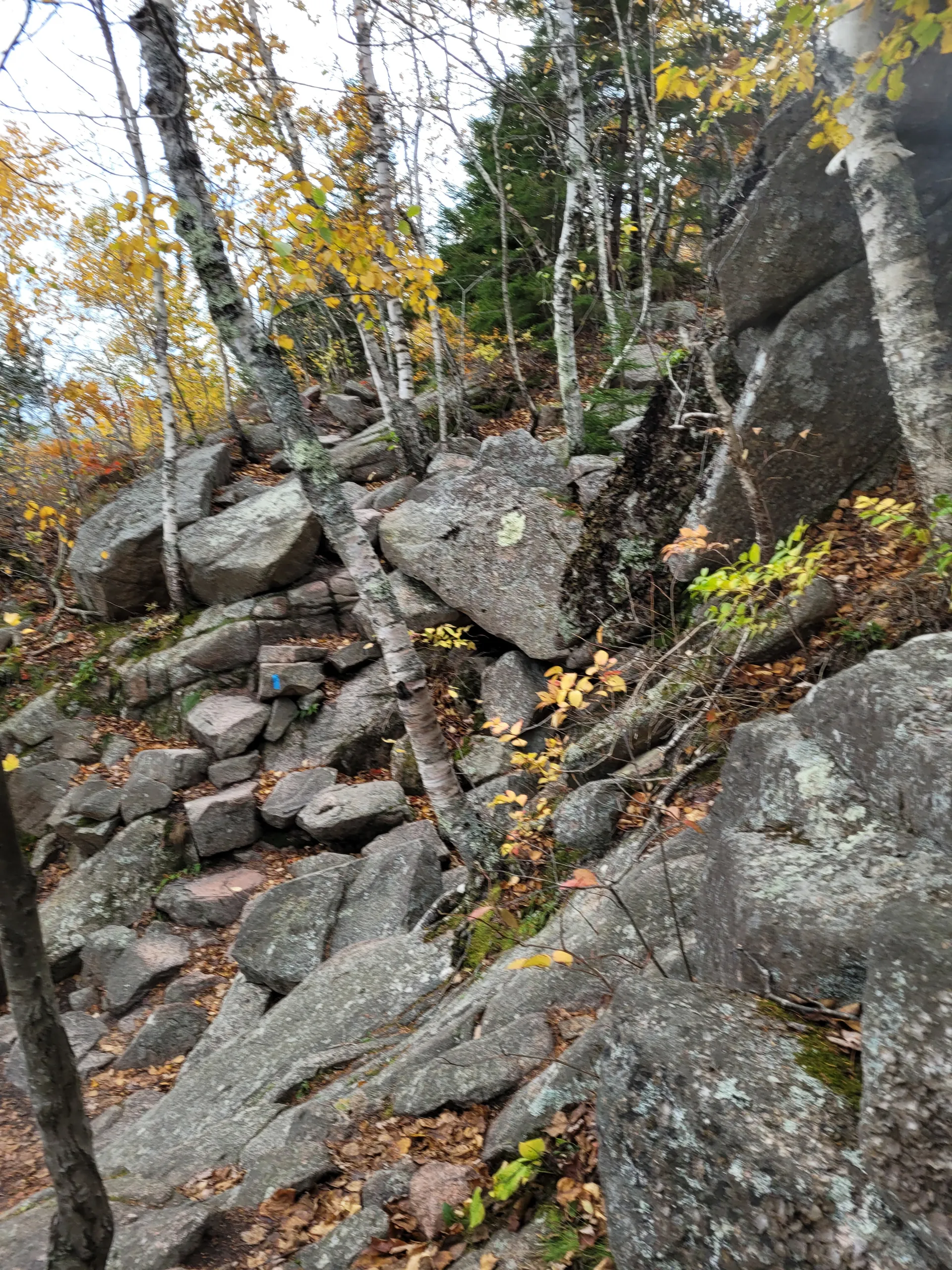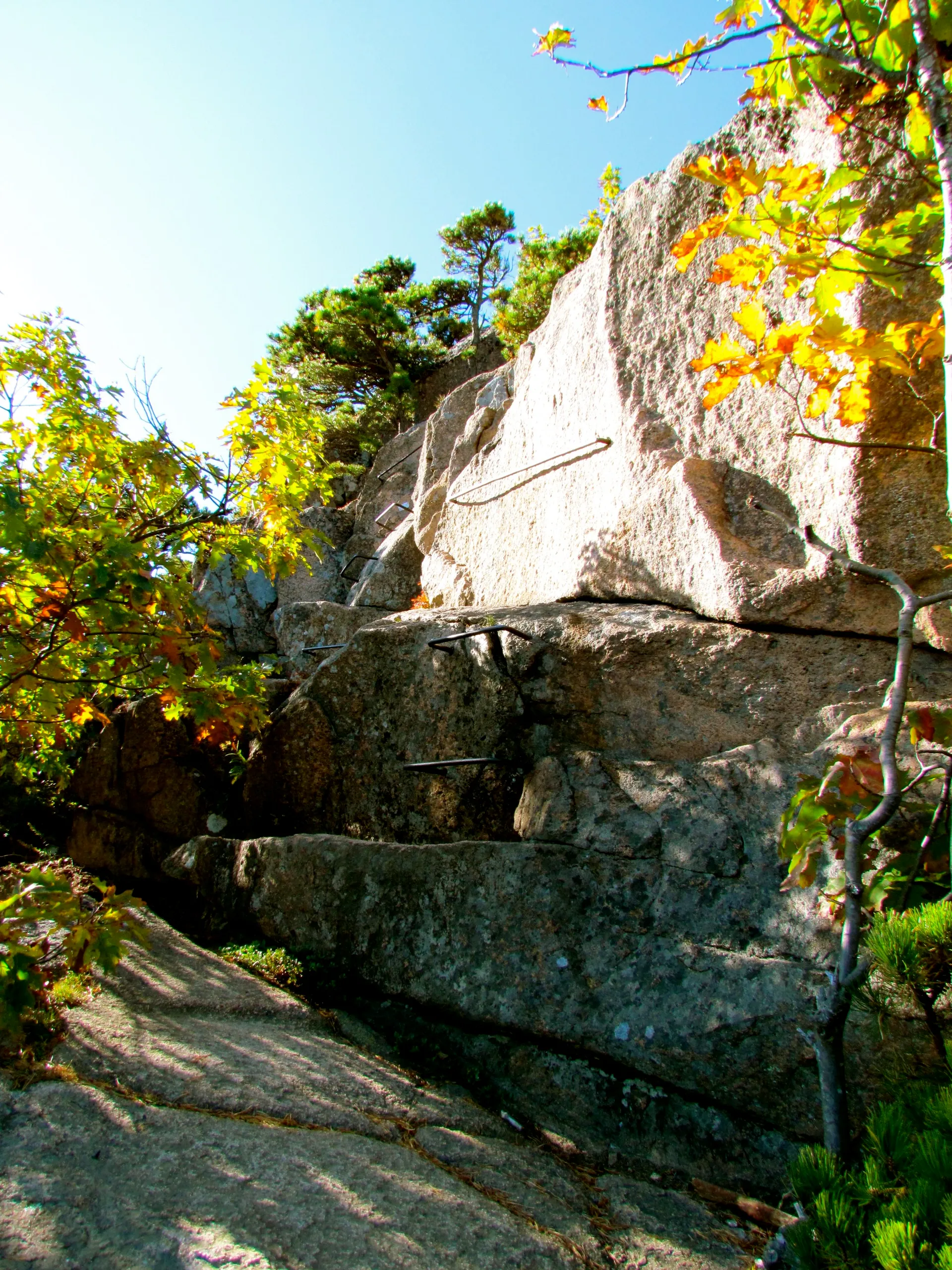
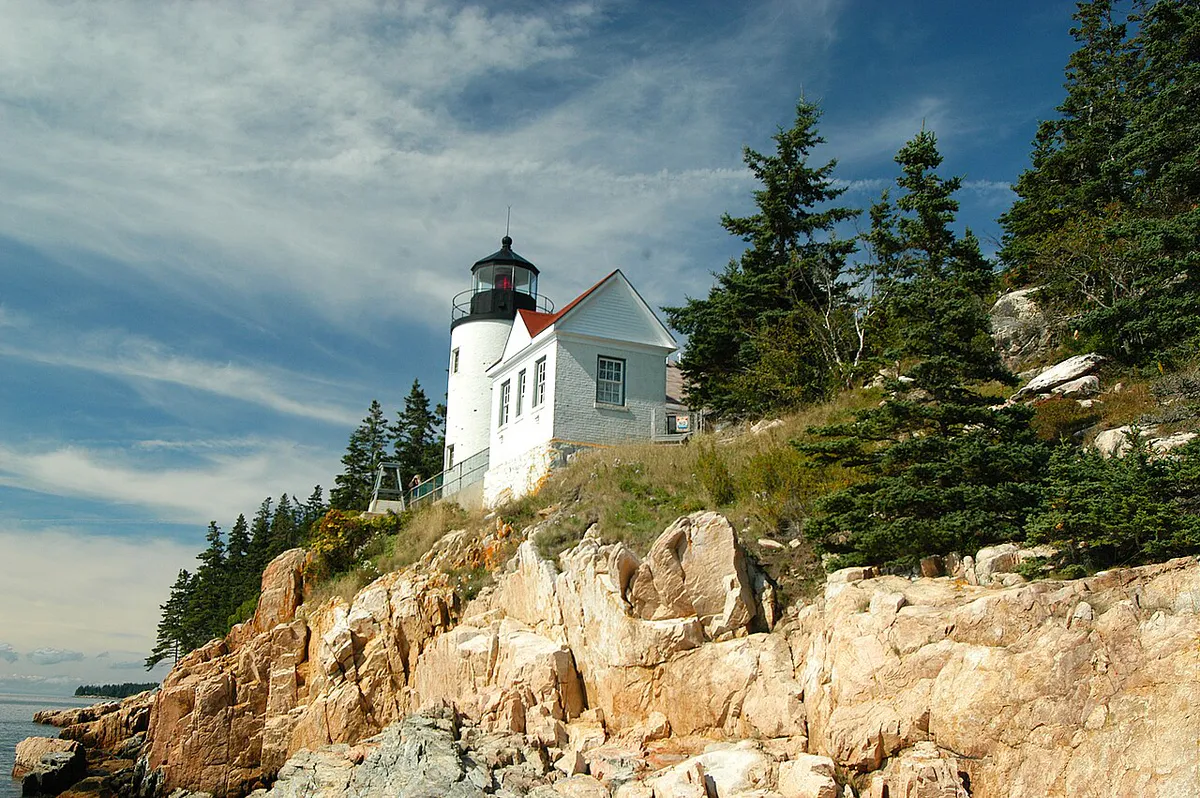
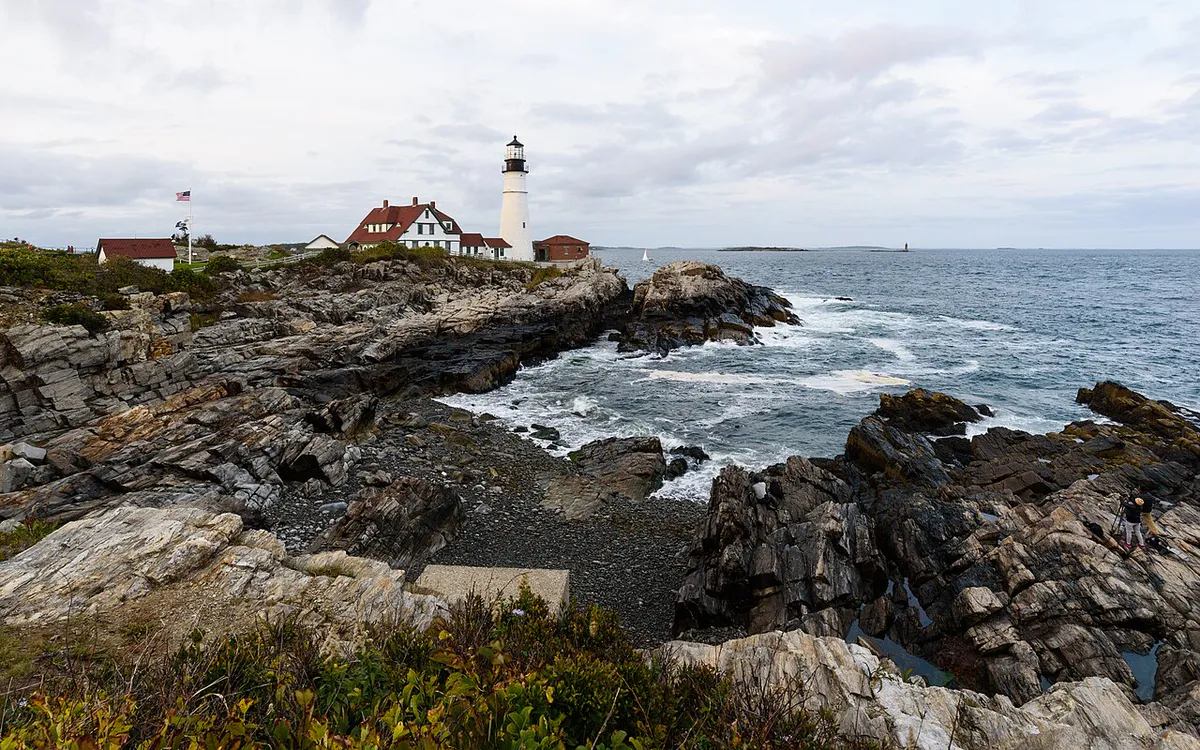
Maine trails will destroy the wrong boots. Picture a wet October morning on the Beehive Trail, a hiker in trail runners sliding backward down a granite slab and grabbing an iron rung to stop herself. The granite has a thin film of rain on it. Her shoes have zero grip. Someone in a boot with sticky rubber like the Salomon X Ultra 4 walks up the same slab without thinking twice.
That contrast captures why boot choice matters here more than almost anywhere else on the East Coast. Wet granite, tangled root networks, mud that swallows your ankle, stream crossings on every other trail. We researched and compared boots built for Maine’s hardest terrain, weighing outsole compounds, waterproofing, construction, and aggregated owner and expert reviews to find the ones that actually hold up.
| Boot | Price | Best For | Wet Grip | Rating |
|---|---|---|---|---|
| Premium | Overall best | ★★★★★ | 4.7 | |
| Mid-range | Value & comfort | ★★★★☆ | 4.5 | |
| Premium | Wide feet | ★★★★☆ | 4.5 | |
| Premium | Long day cushion | Vibram Megagrip | Not rated | |
| La Sportiva Ultra Raptor 3 | Premium | Technical terrain | ★★★★★ | 4.6 |
How We Chose These
We evaluated each boot against the terrain that actually defines Maine hiking, drawing on outsole and membrane specs, construction, and aggregated owner and expert reviews:
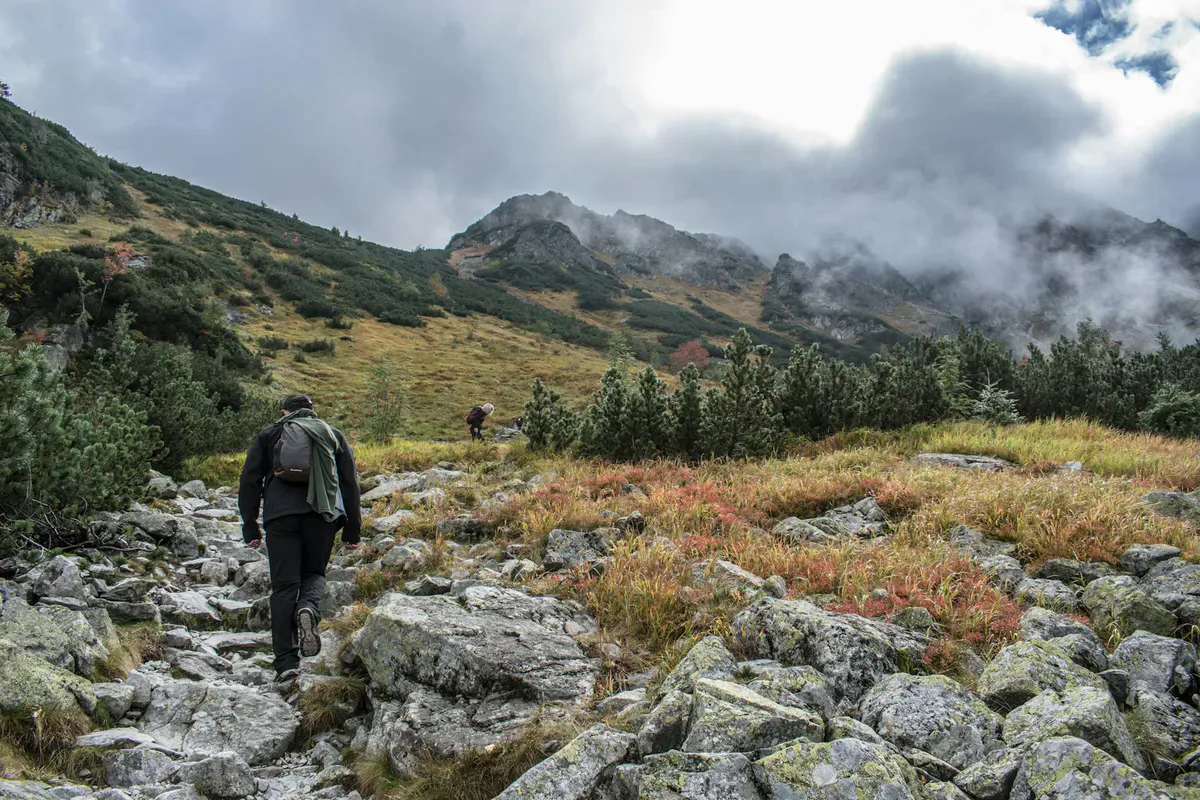
Wet granite: Trails like the Beehive Trail and Precipice in Acadia after rain. These slabs are the ultimate grip test. If a boot slides here, nothing else matters, so we weighed each outsole’s wet-rock rubber compound heavily.
Spring mud: Gulf Hagas in early May, when the trail is more river than path. Ankle-deep muck that tries to pull your boot off with every step, which is where lug depth and mud-shedding tread earn their keep.
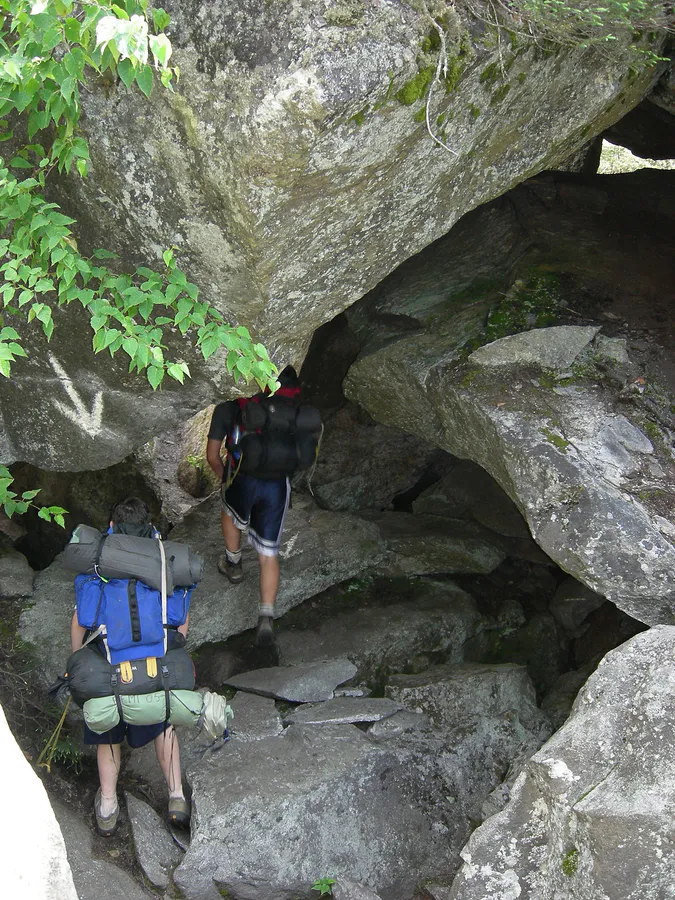
Rocky scrambles: Terrain like Tumbledown Mountain and the exposed ridge on Baldpate, where you need stiffness for edging on rock but enough flex to hike comfortably between scramble sections.
All-day rain: The kind of 14-mile day on the Grafton Notch trails in steady drizzle that genuinely tests a membrane, not a puddle splash in a store parking lot.
In short, we evaluated each boot on what matters in Maine: grip, waterproofing, comfort over distance, break-in time, and the durability owners report over months of use.
The Boots We Recommend
Salomon X Ultra 4 Mid GTX - Best Overall
Premium
Salomon X Ultra 4 Mid GTX
Who it’s forBest overall for Maine hiking
Why we picked itOutstanding grip on wet granite
Pros
- Lightweight for a mid-cut boot
- Gore-Tex keeps feet dry through stream crossings
- Advanced Chassis midsole provides stability on uneven terrain
Know before you buy
- Runs narrow, may not work for wide feet
- Lace hooks can catch on brush
The Salomon is the boot we would grab without thinking on most Maine mornings. On a rainy September day on a trail like the Beehive, the Contagrip MA rubber sticks to wet granite where softer or older compounds slip badly. That difference in rubber compound is not marketing fluff. You feel it on every angled slab, and it is the trait owners praise most.
The Advanced Chassis midsole gives you a stable platform on the uneven root networks that cover trails like Jordan Pond Loop without making the boot feel like a ski boot. And at just over two pounds for the pair, your legs stay noticeably fresher at the end of a 10-mile Cadillac South Ridge day compared to heavier boots.
The Gore-Tex liner is built to hold up through a full day of rain at Grafton Notch and multiple stream crossings on Gulf Hagas, and owners consistently report dry feet in sustained wet.
The catch: Salomon runs narrow. If you have wide feet, these will pinch after mile three. Wide-footed hikers routinely report switching to the Keen Targhees because the Salomons cramp their toes on descents. Try them on with your actual hiking socks before buying.
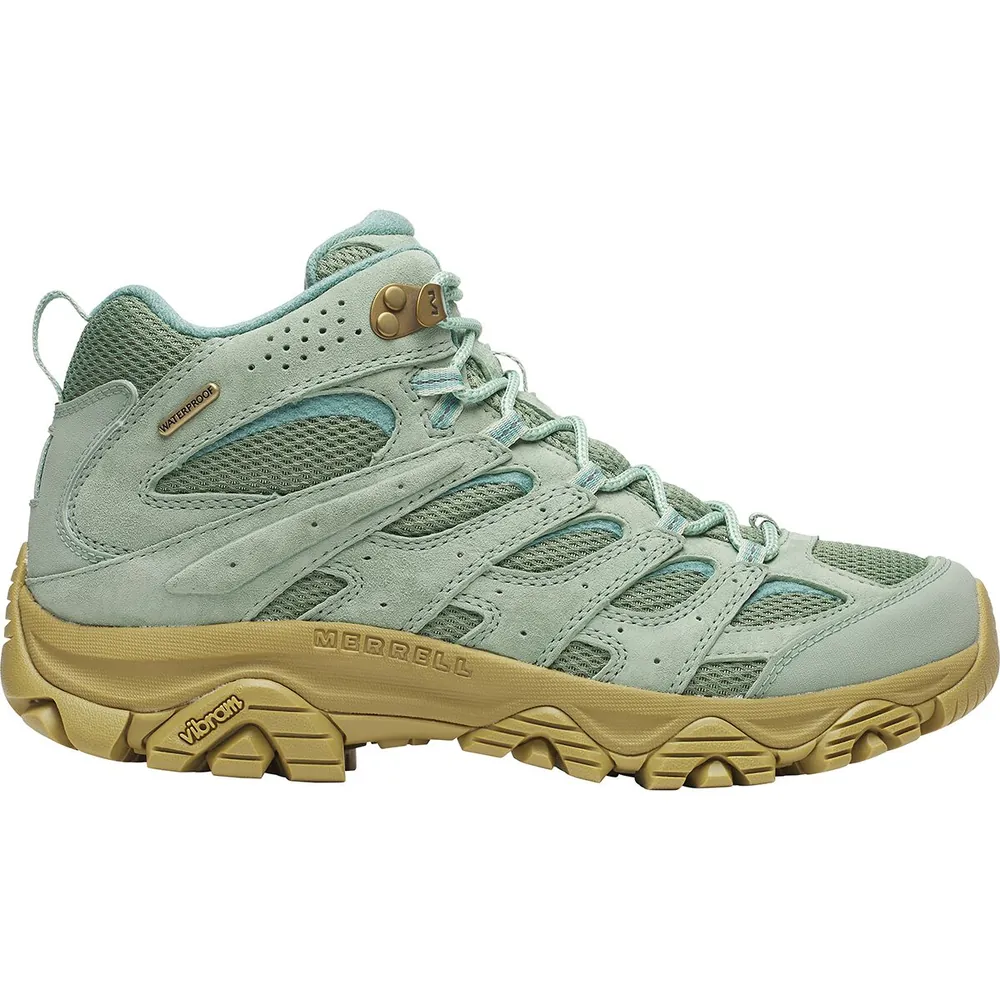
Merrell Moab 3 Mid Waterproof - Best Value
Mid-range
Merrell Moab 3 Mid Waterproof
Who it’s forBest value and comfort
Why we picked itComfortable out of the box with minimal break-in
Pros
- Wide toe box fits most foot shapes
- Vibram TC5+ sole grips well on roots and mud
- Excellent value for the performance
Know before you buy
- Waterproof membrane wets out faster than Gore-Tex in sustained rain
- Ankle support is moderate compared to stiffer boots
There is a reason you see more Moabs on Maine trails than any other boot. They fit well right out of the box. Owners routinely report taking a brand-new pair straight onto a trail like Pleasant Mountain with zero break-in and finishing six miles with no hot spots or blisters. Try that with most other boots.
The Vibram TC5+ sole handles roots and mud with confidence. On the tangled root sections of the Jordan Pond Path, the Moab grips reliably and feels stable. The wide toe box accommodates most foot shapes without feeling sloppy.
Where the Moab falls behind: steeply angled wet granite. On a wet afternoon on Champlain Mountain’s South Ridge, the sole tends to lose traction on smooth, angled slabs that the Salomon and La Sportiva handle without issue. For general forest trails, carriage roads, and moderate summits, the Moab is excellent. For steep wet rock, spend the extra $30 on the Salomon.
The waterproof membrane is adequate for splashes and light rain but, by many owner accounts, starts wetting out after about four hours of steady drizzle. Gore-Tex it is not.
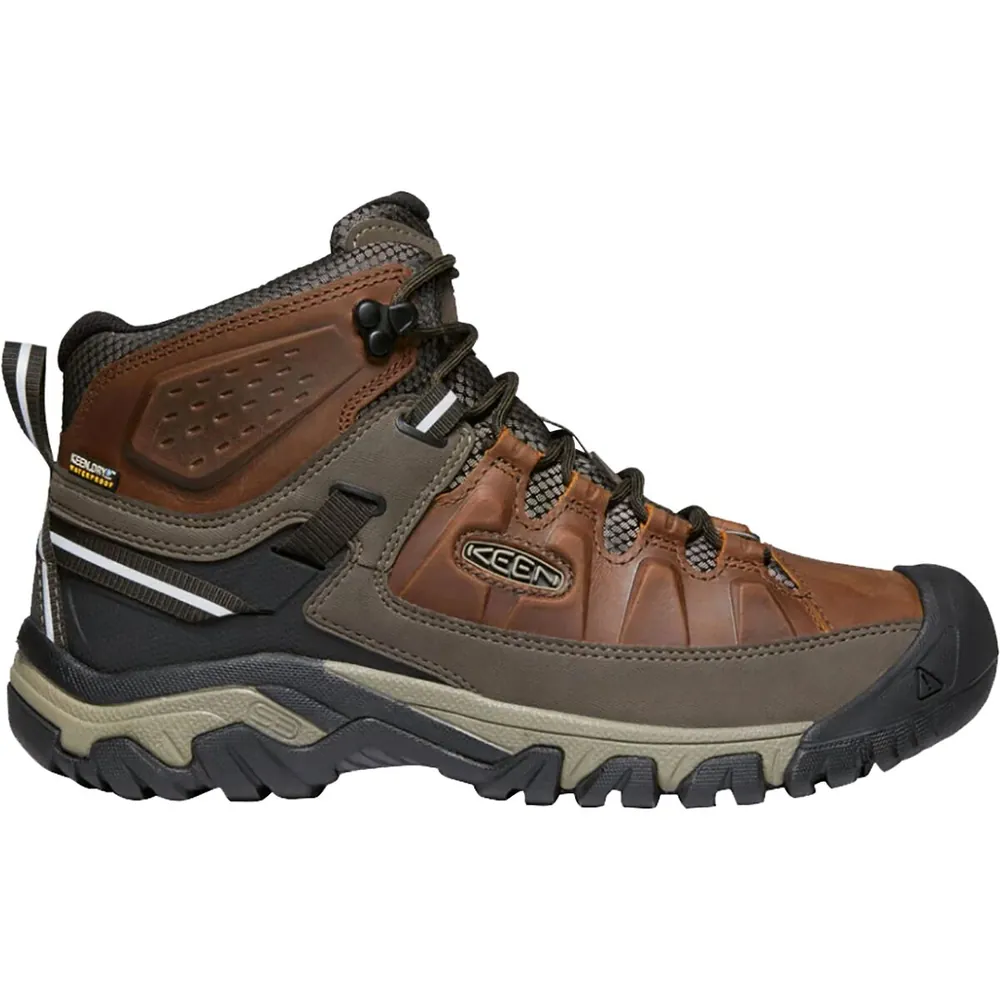
Keen Targhee III Waterproof Mid - Best for Wide Feet
Premium
KEEN Targhee III Waterproof Mid
Who it’s forBest for wide feet
Why we picked itRoomy toe box, great for wider feet
Pros
- KEEN.DRY waterproofing handles all-day rain
- Excellent traction on muddy trails
- Durable leather and textile upper
Know before you buy
- Heavier than other options on this list
- Takes longer to dry once saturated
If you have been cramming wide feet into standard boots and accepting the pain, stop. The Targhee III is built to handle three days of rain on the Grafton Notch trails without a wet sock, and the roomy toe box gives wide-footed hikers room to spread naturally on descents instead of jamming their toes into the front of the boot, the single thing owners credit it for most.
The 4mm multi-directional lugs are among the best mud clearers on this list. On a late-April hike through Gulf Hagas when the trail is a swamp, the Targhees shed mud with every step while smoother soles cake up and lose traction.
The trade-off is weight. At nearly three pounds for the pair, you feel them on longer hikes. On a full traverse of the Mahoosuc Range, that extra weight becomes noticeable by afternoon compared to the Salomon. But for day hikes and anyone with foot width issues, the comfort is worth every ounce.
Try boots on in the afternoon when your feet are swollen from walking around all day. Wear the same wool hiking socks for Maine you will actually hike in, since a thicker sock changes the fit. Your hiking feet are bigger than your morning feet, and a boot that fits at 9 AM will be tight by mile eight.
ALTRA Olympus 7 Mid GTX - Best Cushioning
Premium
ALTRA Men's Olympus 7 Mid GTX
Who it’s forBest cushioning for long days
Why we picked it33 mm stack of Altra EGO MAX foam, rated high cushion by Altra
Pros
- Vibram Megagrip outsole with TractionLug lugs for wet and dry rock
- Waterproof GORE-TEX Invisible Fit upper
- Roomy FootShape toe box lets your toes spread on long descents
Know before you buy
- Zero drop takes getting used to if you wear raised-heel boots
- The tall stack reduces ground feel on technical terrain
The Olympus 7 Mid GTX is the boot for hikers who want as much foam as possible between their feet and Maine granite. Altra rates its cushioning as high: a 33 mm stack of its EGO MAX midsole foam, which Altra says is 15 percent lighter and 10 percent softer than the previous version. A long descent like Cadillac Mountain’s South Ridge, all granite steps and ledge drops, is exactly the pounding a thick midsole is built to soften.
Underfoot is a Vibram Megagrip outsole with Altra’s TractionLug pattern, and the upper is waterproof GORE-TEX Invisible Fit. A molded heel collar, padded tongue, and mid-height cut add ankle protection, and Altra lists the weight at 401 grams per shoe.
Two design choices make it different from a typical hiking boot. It is zero drop, meaning the heel sits at the same height as the forefoot, and it uses Altra’s FootShape fit, a roomy toe box that gives your toes space to spread. If you normally wear a raised-heel boot, ease into zero drop on shorter hikes before a big day, because it works your calves and Achilles differently. The tall stack also has the usual trade-off: on the narrow ledges of Precipice Trail, it is harder to feel exactly where your foot lands, so for technical scrambles the La Sportiva or Salomon is the better tool.
If long descents wear you out, or you regularly do 12-plus-mile days, the Olympus 7 Mid GTX belongs on your short list. Our link opens the men’s version, where you choose size and color. Altra also makes a women’s Olympus 7 Mid GTX.
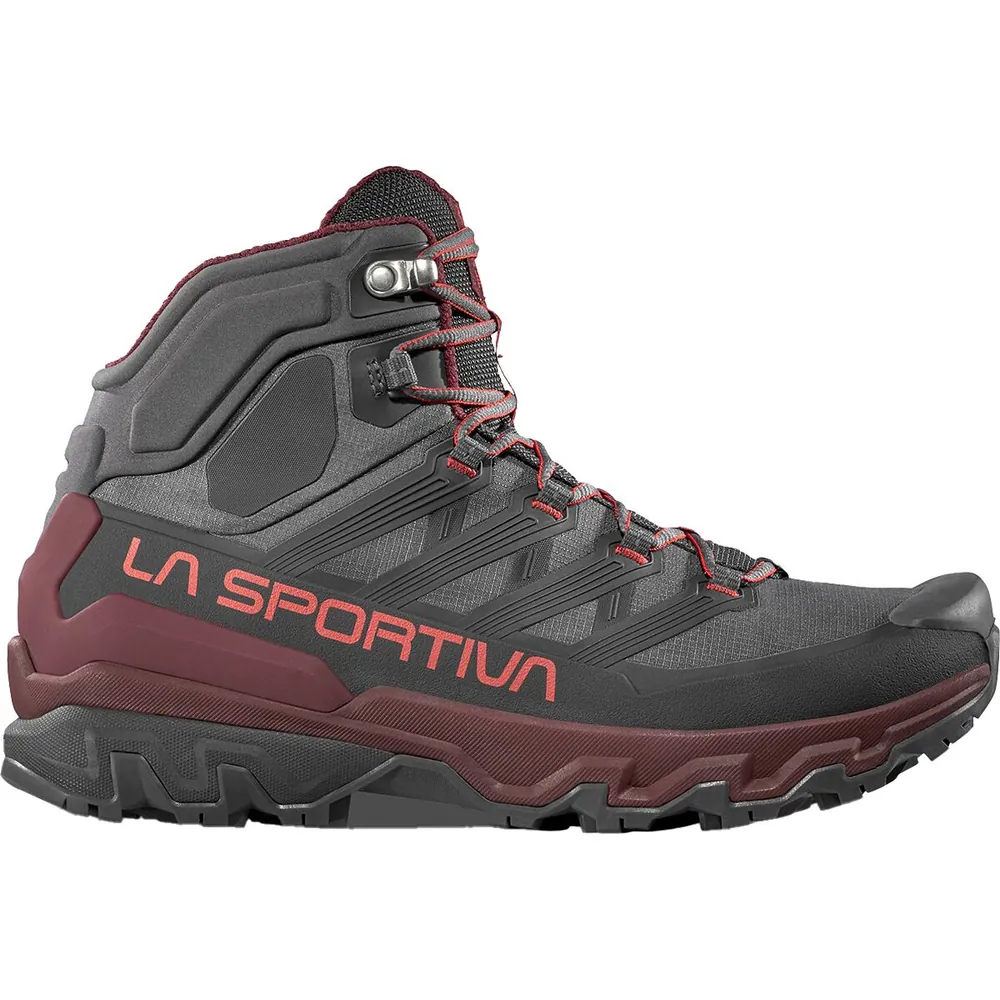
La Sportiva Ultra Raptor 3 Mid GTX - King of Wet Rock
Premium
La Sportiva Ultra Raptor 3 Mid GTX
Who it’s forBest for technical terrain and wet rock
Why we picked itFriXion XF 2.0 rubber has the best wet rock grip on this list
Pros
- Aggressive tread clears mud effectively
- Stiff enough for scrambling and flexible enough for all-day comfort
- Strong heel lockdown prevents slipping
Know before you buy
- Most expensive boot on the list
- Runs small, so order a half size up
This is the boot you want when conditions get serious. On the exposed wet granite of the Knife Edge traverse at Katahdin, the FriXion XF 2.0 rubber holds on angled surfaces where few other boots on this list would inspire the same trust. On a November scramble up Tumbledown after freezing rain, the Ultra Raptor is built to inspire confidence that borders on reckless, and its wet-rock grip is the trait owners rave about.
The aggressive tread clears mud fast and bites into soft ground. The heel lockdown is among the best here, meaning zero slipping inside the boot on steep descents. After a 2,000-foot descent off Saddleback, your feet stay exactly where they should.
Two warnings: it runs small (order a half size up, no question) and it costs $209. Owners also note it is slightly stiff for flat, easy trails where comfort matters more than grip. This is a tool for hard terrain. If most of your hiking is carriage roads and moderate forest trails, the Salomon gives you 90% of the grip for less money and more comfort.
Locals skip the expensive boots for mud season and wear rubber-bottomed Bean Boots or Muck Boots on the flat trails from April through mid-May. Save your good hiking boots for when the trails dry out. Mud season will destroy a nice pair of boots faster than two years of regular hiking.
Trail Runners vs. Boots: The Maine Debate
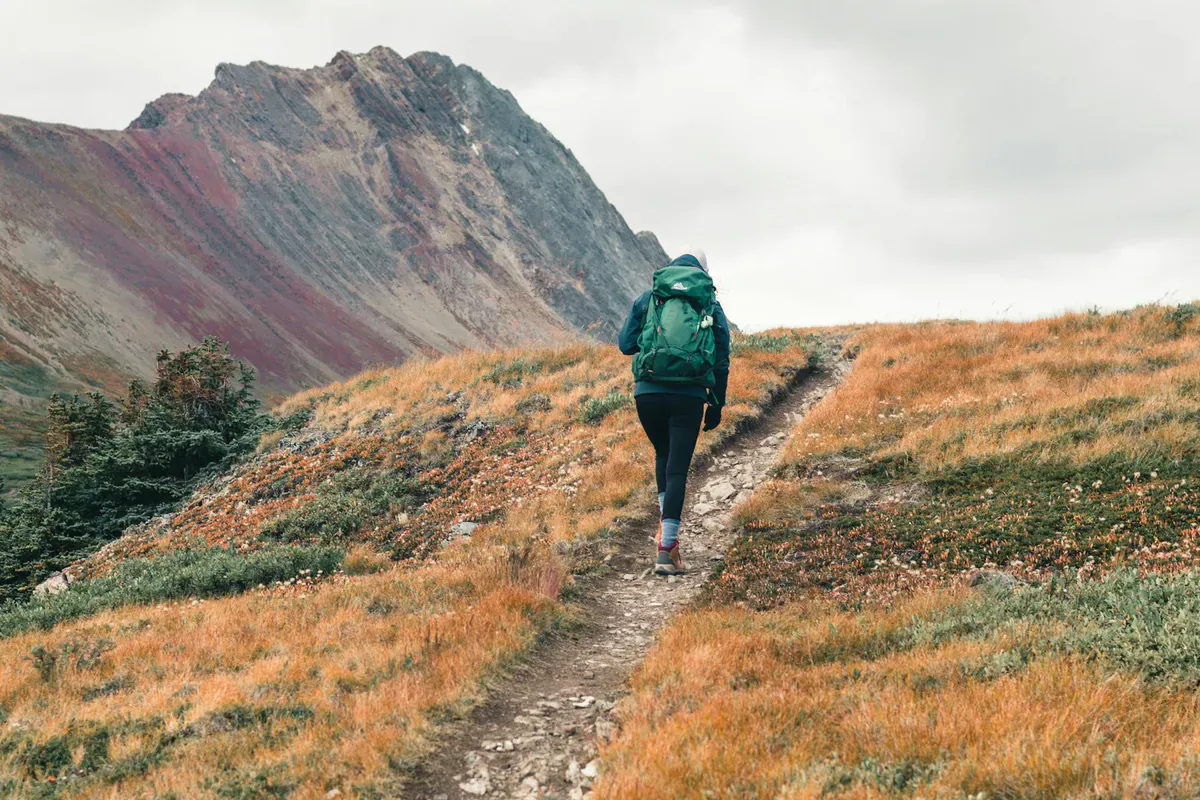
A lot of experienced hikers have switched to trail runners full-time, and in dry western states that makes perfect sense. In Maine, we think mid-cut waterproof boots are still the better default choice for most hikers. Here is why:
Ankle protection matters here. Maine trails are covered in roots, rocks, and uneven surfaces. A rolled ankle on the Beehive is a much bigger problem than a rolled ankle on a flat desert trail. The mid-cut collar does not prevent sprains entirely, but it does provide support and proprioceptive feedback that trail runners lack.
Waterproofing is not optional. You will cross streams. You will walk through puddles. Morning dew on trailside brush will soak low-cut shoes within the first mile. In trail runners, your feet are wet by 9 AM on most Maine trails.
When trail runners do make sense: Fast day hikes on well-maintained trails in dry conditions. Carriage roads in Acadia. The Bowl Trail on a sunny August day. If the trail is dry and the terrain is moderate, trail runners are lighter and more comfortable.
Our advice: own both. Boots for wet days, technical terrain, and anything with significant exposure. Trail runners for easy, dry trail days when speed and comfort are the priority.
If you do choose trail runners for Maine, pick a model with sticky rubber (La Sportiva or Salomon compounds) and pair them with waterproof gaiters. The gaiters keep debris out and add some splash protection without the weight of a full boot.
Boot Care for Maine Conditions
Dry them right. Pull the insoles out and open the tongue wide after every hike. Stuff with newspaper overnight to wick moisture. Never put boots near a heater or in a dryer. Heat warps the rubber and delaminates the waterproof membrane.
Clean the soles. Maine mud is full of fine grit that grinds down rubber. Pine sap from spruce-root trails bonds to the outsole and reduces grip. Rinse soles after muddy hikes, scrub with a stiff brush, and pick out jammed rocks.
Refresh the DWR. The durable water repellent coating on the upper causes water to bead up and roll off instead of soaking into the fabric. It wears away with use. Reapply a DWR spray like Nikwax TX.Direct every two to three months during hiking season.
Know when they are done. Most boots last 500 to 1,000 miles depending on terrain. Check the outsole lugs. If they are worn flat, you have lost the grip that made these boots worth buying. Time for a new pair.
Do I really need waterproof boots for Maine?
Yes. Stream crossings, morning dew, boggy sections, and rain are constant features of Maine hiking. Non-waterproof boots will be wet by mid-morning on most trails. The only exception is dry, sunny days on well-maintained carriage roads.
Can I use trail runners in Acadia?
On dry days, trail runners work fine for moderate trails like Jordan Pond Path, Great Head, and the carriage roads. For laddered trails like Beehive and Precipice, or any trail after rain, boots with sticky rubber are much safer. The wet granite on those trails is genuinely dangerous in shoes without proper grip.
How long does break-in take?
The Merrell Moab 3 is comfortable right out of the box. The Salomon needs one or two short hikes. The Keen Targhee takes about 20 miles to fully break in. The La Sportiva is stiff initially and needs 30 to 40 miles before it really softens up. If the zero-drop ALTRA is your first shoe without a raised heel, start with short hikes so your calves can adjust. Never take a new boot on a long hike without breaking it in first.
What is the best hiking boot under $150?
The Merrell Moab 3 Mid Waterproof at $145 is the clear winner. It offers reliable traction, decent waterproofing, great comfort, and fits most feet well. It is not the best on steep wet granite, but for the price, nothing else comes close in overall performance.
Are women's hiking boots different or just smaller?
Women's-specific boots are built on a different last (foot shape) with a narrower heel, wider forefoot, and adjusted arch. They are not just men's boots in smaller sizes. All five boots on this list come in women's versions. If you find men's boots fit better (some women do), there is no reason not to wear them.
What are the best hiking boots for Acadia's granite?
Look for a waterproof boot with a grippy outsole that edges well on smooth, often-wet rock. The Salomon X Ultra and Merrell Moab 3 are our top picks for Acadia's granite slabs and rooty approaches, with reliable traction and enough support for the rocky descents.
Should you wear hiking boots or trail runners in Maine?
For most hikers, boots win on Maine's rocky, rooty, and frequently wet trails thanks to ankle support and waterproofing. Trail runners are a reasonable choice for fit, experienced hikers on dry day hikes who prioritize light weight, but they offer less protection on technical terrain.
How should hiking boots fit?
Aim for about a thumb's width of space in front of your toes, a heel that locks in place with no slip, and a snug but not tight midfoot. Always try boots on over the hiking socks you will actually wear, and fit them at the end of the day when your feet are slightly swollen.