



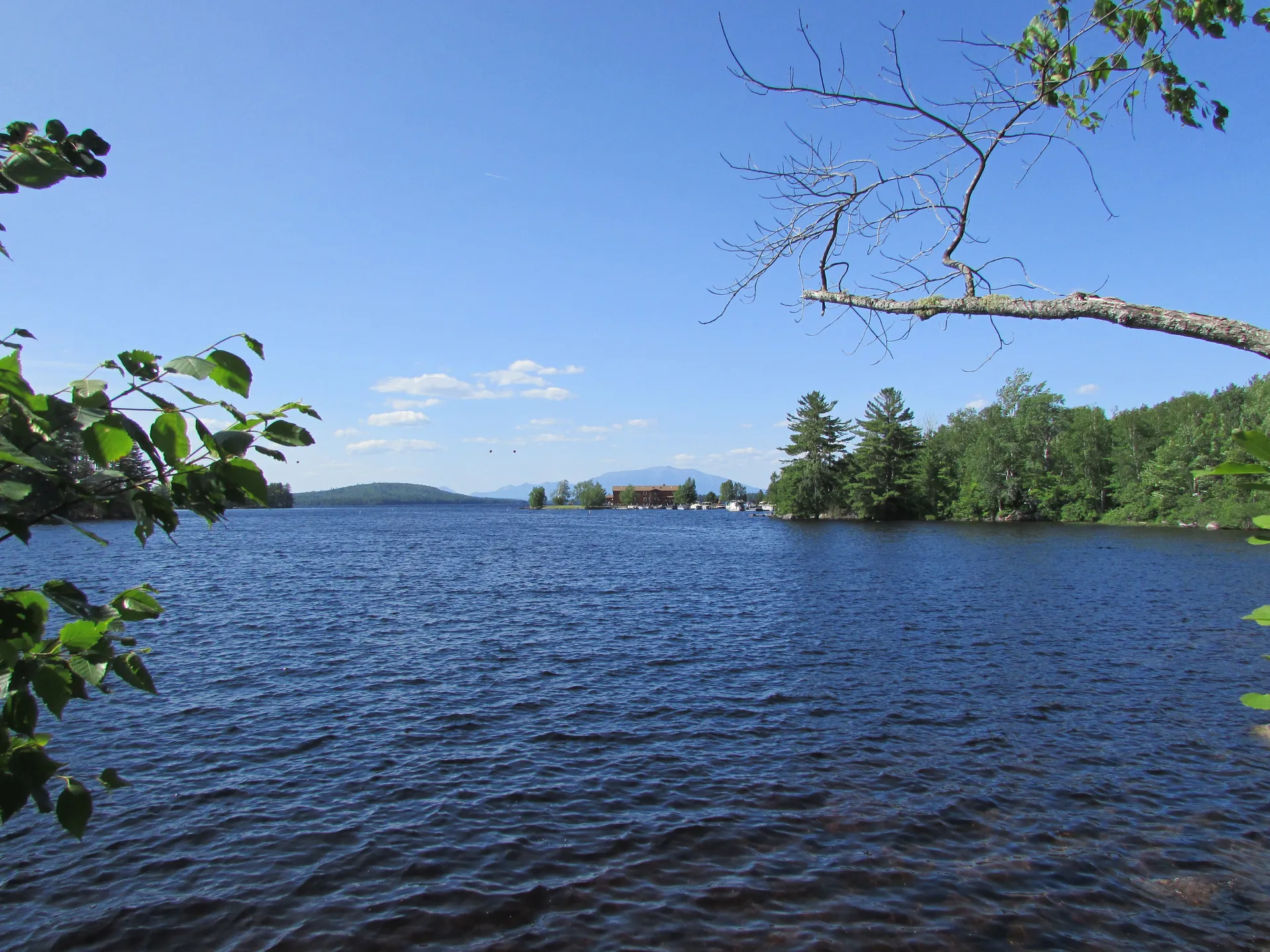
Winter hiking in Maine is a different sport. We are not talking about a brisk November day on a coastal path. We are talking about windchills hitting -40F on the Katahdin Tablelands, glare ice coating every rock on Tumbledown Mountain from December through March, and whiteout conditions that roll in without warning across exposed ridgelines. The gear that keeps you comfortable on a summer day in Acadia will get you hypothermic or killed up here in January.
We researched gear against Maine’s most demanding cold-weather terrain. Katahdin’s Knife Edge in February wind. The frozen alpine pond at Tumbledown after a hard freeze. Ridge traverses in the Mahoosuc Range during ice storms. The Presidential Range across the border, which many Maine-based hikers treat as their backyard winter training ground. The items below are the ones we trust when the temperature drops and the trails turn to ice, chosen by matching their construction and owner track records to those conditions.
Maine winter hiking kills people. Hypothermia, falls on ice, whiteout navigation errors, and avalanche risk on steep terrain are real threats from November through April. Do not attempt winter summits without proper training, gear, and experience. Start with lower-elevation trails, take a winter hiking course, and always file a trip plan. Baxter State Park requires proof of winter experience before issuing Katahdin permits.
| Gear | Price | Best For | Warmth | Rating |
|---|---|---|---|---|
| Smartwool Merino 250 Crew | Mid-range | Base layer | ★★★★☆ | 4.6 |
| Patagonia Nano Puff Hoody | Premium | Insulation layer | ★★★★☆ | 4.7 |
| Kahtoola MICROspikes | Mid-range | Ice traction | N/A | 4.8 |
| OR Prevail Heated Gloves | Premium | Extreme cold hands | ★★★★★ | 4.3 |
| BD Raven Ice Axe | Mid-range | Beginner ice axe | N/A | 4.7 |
The Layering System: Why It Matters in Maine
Before we get into individual products, you need to understand layering. SectionHiker, which has been testing winter gear across New Hampshire, Vermont, and Maine for over a decade, emphasizes that no single piece of clothing keeps you warm in the Northeast winter. It is the system that works.
Base layer wicks sweat off your skin. If sweat stays on your skin, it cools you rapidly once you stop moving. This is how hypothermia starts on winter hikes. You sweat hard on the ascent, stop at the summit for a photo, and the wet fabric against your skin drops your core temperature fast.
Mid-layer/insulation traps warm air. This is your furnace. Down is warmer per ounce but useless when wet. Synthetic insulation keeps warming even when soaked with sweat or snow.
Shell blocks wind and precipitation. We are not reviewing shells in this guide because choosing a rain shell depends heavily on your activity level and budget, but you need one. Wind on exposed Maine ridgelines is the primary killer of body heat.
The key principle: you add and remove layers constantly. Sweating is the enemy. Start cold at the trailhead. Add insulation at rest stops. Strip layers on uphills. The products below are chosen because they work together in this system.
The number one mistake winter hikers make is overdressing on the climb and arriving at the summit soaked in sweat. Start at the trailhead feeling slightly cold. Within 10 minutes of hiking, your body heat will catch up. If you are comfortable standing still at the car, you are wearing too much.
The Gear We Recommend
Smartwool Classic Thermal Merino 250 Base Layer Crew - Best Base Layer
Best base layer for cold weather hiking
Everything starts here. Picture a February ascent of Katahdin via the Abol Trail: 8F at the trailhead, dropping to -15F with wind at the Tablelands. You are working hard, sweating through steep sections, then standing exposed in brutal wind on the flats above treeline. The Smartwool 250 is built for both extremes. It moves moisture away from your skin on the climb and retains enough warmth at the summit to keep you from shivering while you add an insulation layer.
The 250gsm weight hits a sweet spot for Maine winters. Lighter merino (150gsm) is not warm enough for summit exposure. Heavier (320gsm) makes you overheat on uphills and sweat too much. The 250 is the Goldilocks weight for active winter hiking when temperatures range from 20F down to well below zero.
Merino’s odor resistance matters on multi-day trips. Owners routinely wear the same Smartwool crew for several consecutive days without it becoming offensive. Try that with a synthetic base layer.
The downside is durability. After a year or more of regular use, owners commonly report small holes developing at the elbows where a pack hipbelt rubs. Merino is delicate compared to synthetics. Hand wash, hang dry, and accept that this is a consumable item you will replace every year or two with heavy use.
Patagonia Nano Puff Hoody - Best Insulation Layer
Best synthetic insulation for Maine winters
The Nano Puff has been a winter hiking staple for a reason, and that reason is simple: it stays warm when wet. On a day at Tumbledown Mountain where freezing fog coats everything in rime ice, the Nano Puff’s PrimaLoft Gold Eco insulation keeps pumping out heat even as the outer fabric goes damp to the touch. A down jacket in those conditions would be a cold, soggy mess.
We would use the Nano Puff as a primary insulation layer under a shell on summit days, and as a standalone outer layer on sheltered forest trails when wind is not a factor. It packs down to the size of a grapefruit and weighs 10.8 ounces, so there is no excuse not to carry it even if you think you will not need it.
The hoody version is worth the extra cost over the pullover. That hood under a shell hood creates a double layer of wind protection around your head and neck, which is where you lose heat fastest. On a Presidential Range traverse from Madison to Washington, that hood is the difference between comfortable and miserable in 50mph gusts.
In truly extreme cold, below about -10F with wind, the Nano Puff alone is not enough. You will need it as one layer in a multi-layer system with a heavier insulation piece or a shell on top. It is not a parka. It is the most versatile piece in a layering system.
Kahtoola MICROspikes - Best Traction Device
Best traction for icy winter trails
If you buy one piece of winter gear from this list, make it these. Maine winter trails are ice rinks from December through March. That is not an exaggeration. The trail up Tumbledown Mountain in January is a continuous sheet of glare ice for the last mile. The ledges on Baldpate are polished smooth by boot traffic and freeze-thaw cycles. Without traction devices, you are not hiking these trails. You are sliding down them.
The MICROspikes have 12 stainless steel spikes per foot, each 3/8 inch long, connected by stainless steel chains on an elastomer harness that stretches over any winter boot. Putting them on takes about 30 seconds. They bite into ice with authority. On a January morning at Tumbledown where the entire trail is glare ice, they let you walk up slopes that would be impossible without them, the same slopes where hikers without traction turn back.
The elastomer harness stays flexible down to -22F, which matters because lesser products with rubber harnesses stiffen and crack in deep cold. Owners consistently report getting multiple winters out of a single pair, with the spikes slowly wearing from rock contact but staying sharp enough to grip confidently.
Where MICROspikes fall short: steep ice. On genuine ice climbing terrain or very steep frozen waterfalls, you need actual crampons with front points. MICROspikes are for trail ice, packed snow, and moderate frozen slopes. For anything steeper than about 40 degrees of pure ice, step up to crampons. For 95% of Maine winter hiking, MICROspikes are all you need.
Every winter, Maine search and rescue teams respond to calls from hikers who attempted icy trails in regular boots. A slip on ice at elevation can mean a long, uncontrolled slide into rocks or off a ledge. MICROspikes or equivalent traction devices are not optional on winter trails. Carry them even if the trailhead looks dry. Conditions change with elevation.
Outdoor Research Prevail Heated GORE-TEX Gloves - Best Winter Gloves
Best for extreme cold summit hikes
Cold hands end hikes. Plenty of summit attempts get cut short not by fitness or weather but by fingers too numb to operate a zipper or hold trekking poles safely. The Prevail Heated Gloves are built to solve that problem completely.
The rechargeable lithium-ion batteries fit into a pocket on the back of each glove and produce heat across the back of the hand and fingers. On a -8F morning on the Knife Edge, where most hikers are stopping to warm their hands in their armpits every 15 minutes, owners of these gloves report staying not just tolerable but comfortable. That is a genuine safety advantage, not just a comfort one. Cold hands reduce dexterity, which means fumbling with gear, dropping things, and inability to self-arrest with an ice axe if you fall.
The GORE-TEX membrane keeps them waterproof, and the leather palms grip trekking poles and ice axe shafts without slipping. Touchscreen compatibility on the index finger and thumb works well enough to operate a phone for photos, though not for typing.
The cons are real. At $199, these are expensive gloves. The batteries add noticeable weight, maybe three ounces per glove. You need to remember to charge them before each trip, and battery life is about four to six hours on the highest heat setting, less in extreme cold. Carry backup liner gloves in case the batteries die.
For hikers who suffer from cold hands or Raynaud’s syndrome, these are not a luxury. They are a necessity that makes winter summits accessible.
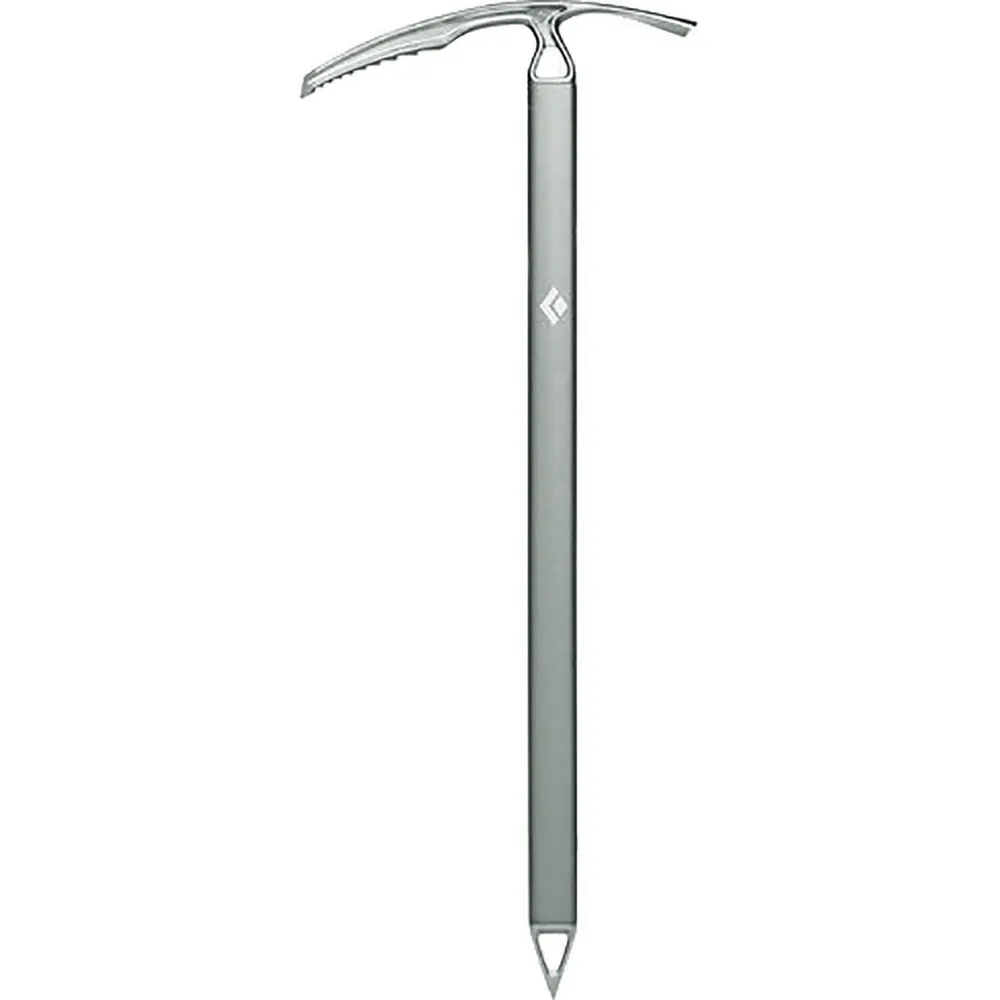
Black Diamond Raven Ice Axe - Best Beginner Ice Axe
Best entry-level ice axe for winter summits
Once you graduate from packed trail hiking to steeper winter terrain, you need an ice axe. Not for ice climbing. For self-arrest. If you slip on a steep snow slope above treeline on Katahdin or in the Presidential Range, an ice axe is the tool that stops your slide before you hit rocks at the bottom. It is a seatbelt. You hope you never need it, but when you do, nothing else works.
The Black Diamond Raven is the ice axe that many winter mountaineering courses in the Northeast use for instruction. The investment-cast head has a pick for self-arrest and an adze for chopping steps in hard snow. The design has barely changed in decades because it does not need to. Simple, reliable, proven.
For self-arrest practice on a steep snow slope, the kind below Hamlin Peak on Katahdin, the Raven performs exactly as a beginner axe should. The pick digs in smoothly when you apply pressure, the shaft plunges into snow for an anchor on traverses, and the spike at the bottom provides purchase on hard-packed surfaces.
At $70, the Raven is one of the most affordable entry points into winter mountaineering. It is heavier than ultralight aluminum axes, but for a beginner learning self-arrest technique, that weight provides better control. Save the ultralight axes for after you have 50 days of winter experience.
Choose your size based on your height. Stand upright, hold the axe head in your hand with your arm at your side. The spike should reach your ankle. For most people, that is a 60cm to 70cm axe.
Take a winter skills course before you attempt above-treeline hiking. The Appalachian Mountain Club and Maine Outdoor Adventure Club both run winter hiking workshops that cover layering, navigation, crampon and ice axe use, and emergency procedures. A day of instruction is worth more than $1,000 of gear.
Where to Use This Gear in Maine
Katahdin in winter is the crown jewel of Northeast winter hiking. Baxter State Park opens the mountain to winter hikers with a permit system and strict gear requirements. The Tablelands above treeline are fully exposed to Arctic-grade winds, and the Knife Edge in winter is a serious mountaineering objective. You need every piece of gear on this list, plus crampons, a hardshell, goggles, and a balaclava. Do not attempt Katahdin in winter without significant experience on lower peaks first.
Tumbledown Mountain is an excellent winter training ground. The trail is steep enough to require MICROspikes, the exposed ledges near the summit give you a taste of above-treeline conditions, and the frozen alpine pond at the top is one of the most beautiful sights in Maine. It is a popular winter hike and a good first step before tackling bigger objectives.
The Mahoosuc Range along the Maine-New Hampshire border offers serious multi-day winter challenges. Mahoosuc Notch in winter, with its massive boulders coated in ice, is one of the most technical trail sections in the Northeast. The range gives you Presidential Range-level conditions at slightly lower elevations.
Presidential Range access from Maine. Many Maine hikers treat the Presidentials as an extension of their home mountains. The drive from Portland to Pinkham Notch is under three hours. Mount Washington and the northern Presidentials are the premier above-treeline winter training ground in the eastern United States, with conditions that rival much higher mountains out west.
Winter Hiking Checklist
What to Bring
- Merino or synthetic base layer (top and bottom)
- Insulation mid-layer (synthetic preferred over down)
- Hardshell jacket (waterproof, windproof)
- Hardshell pants or softshell pants depending on conditions
- Insulated winter hiking boots (rated to -20F or lower)
- MICROspikes or traction devices
- Crampons for steep terrain above treeline
- Ice axe for slopes where self-arrest may be needed
- Winter gloves plus backup liner gloves
- Balaclava or face protection
- Ski goggles for above-treeline wind
- Hand and toe warmers as backup
- Thermos with hot liquid
- Headlamp with fresh batteries (short winter days)
- Emergency bivy or space blanket
- Map, compass, and GPS (phone batteries die in cold)
The Maine Society Winter Traction Kit
These are the products built to keep you upright on Maine’s ice-covered trails from November through April.
Maine Winter Traction Kit
Built for the ice on Katahdin, Bigelow, Tumbledown, and the Baldfaces. Made for black ice, packed snow, and sub-zero wind.
As an Amazon Associate, Maine Society earns from qualifying purchases. Some links may earn Maine Society a commission at no extra cost to you.
When does winter hiking season start in Maine?
Trail conditions become consistently icy by late November at higher elevations, and full winter conditions set in by mid-December. The season runs through late March or early April. Some north-facing trails at elevation hold ice into May. Always check recent trip reports before heading out.
Do I need crampons or are MICROspikes enough?
For 95% of Maine winter trails, MICROspikes are sufficient. You need crampons for steep snow and ice above treeline on Katahdin, in the Presidential Range, and on any slope steep enough that a fall could be dangerous. If you are unsure, bring both. MICROspikes weigh almost nothing in your pack.
Is down or synthetic insulation better for Maine?
Synthetic wins for active winter hiking in Maine. The humidity, sweat from exertion, and frequent wet snow mean your insulation will get damp. Synthetic (like PrimaLoft in the Nano Puff) retains warmth when wet. Down collapses when wet and is dangerously slow to dry in the field. Save down for camp or car-to-lodge winter activities.
Can I hike Katahdin in winter without experience?
No. Baxter State Park requires winter hikers to demonstrate experience and carry specific gear before issuing permits. Beyond the rules, Katahdin in winter has above-treeline conditions comparable to much bigger mountains. Build experience on lower peaks like Tumbledown, Baldpate, and Saddleback before attempting Katahdin. Take a winter mountaineering course.
How do I keep my phone alive in extreme cold?
Lithium-ion batteries lose capacity rapidly below freezing. Keep your phone in an inside chest pocket, close to your body heat. Carry a portable battery bank in another inside pocket. If you need your phone for navigation, minimize screen-on time and keep it in airplane mode. Never rely solely on a phone for navigation in winter. Carry a map and compass.
What is the biggest winter hiking mistake beginners make?
Overdressing at the trailhead. You should feel slightly cold when you start walking. Within 10 minutes of uphill hiking, your body generates enough heat to warm up. If you start warm, you will sweat heavily, your base layer will get soaked, and you will be dangerously cold the moment you stop moving. The second biggest mistake is not bringing enough layers for summit stops, where wind and inactivity cool you rapidly.