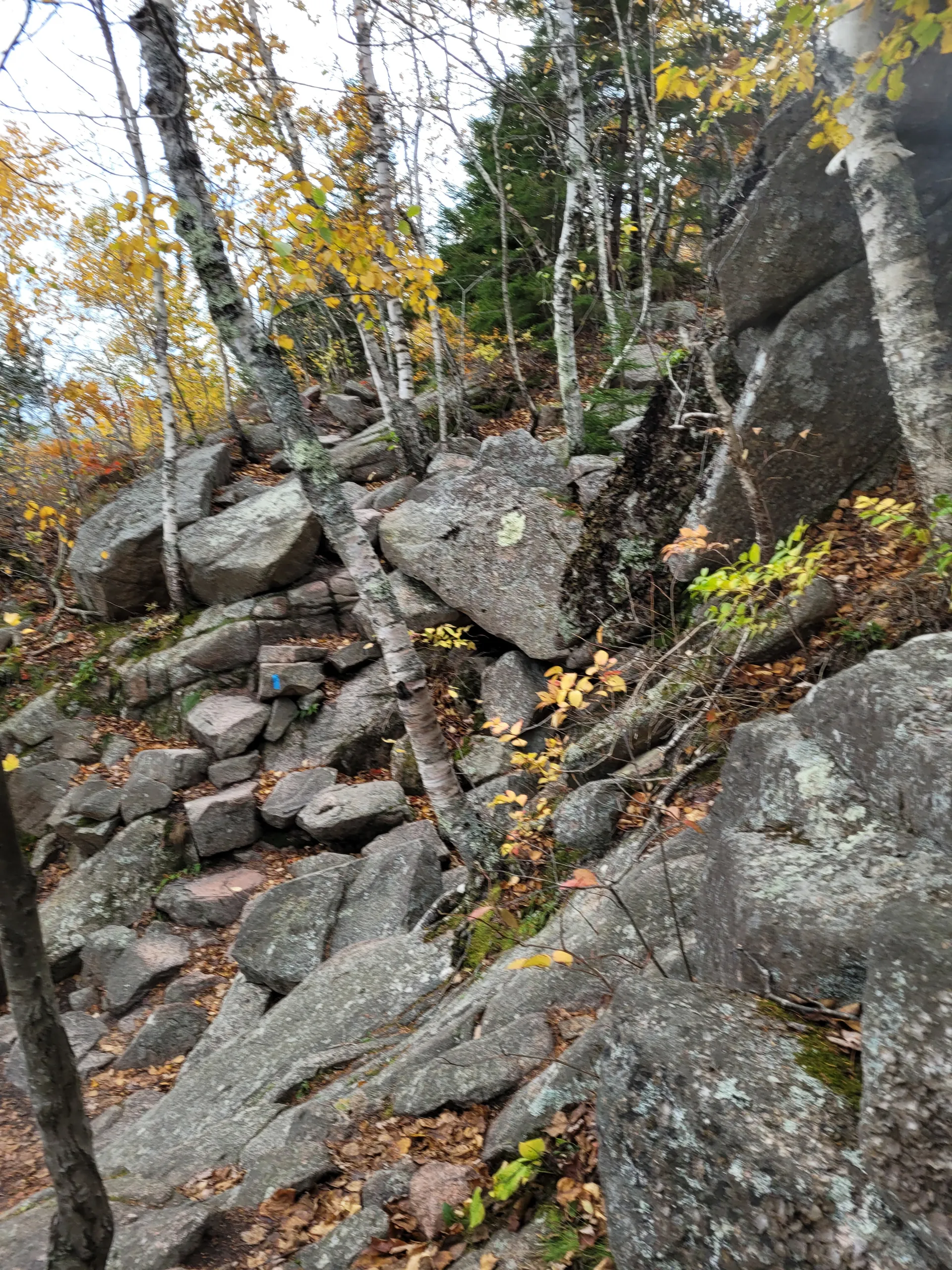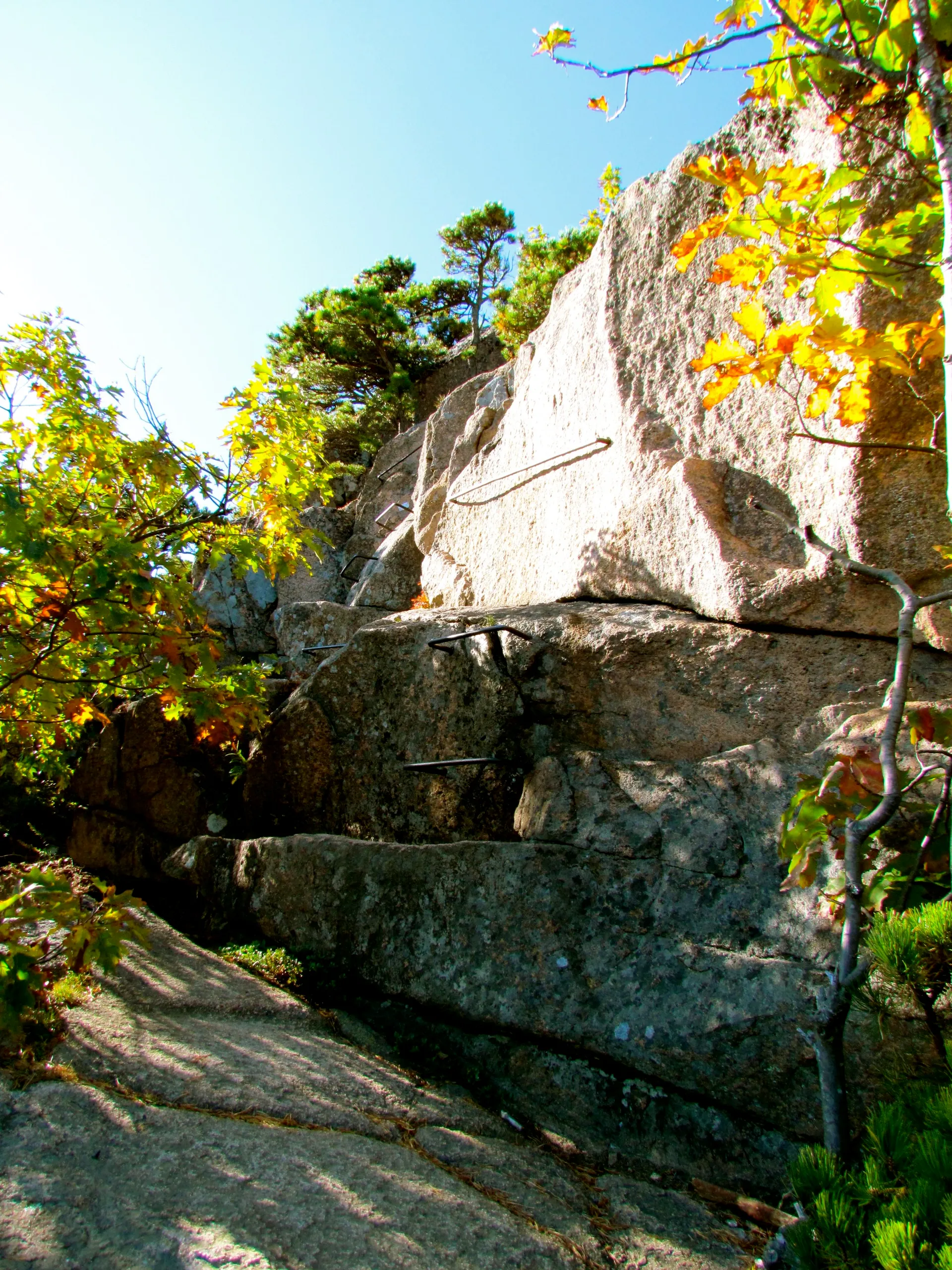

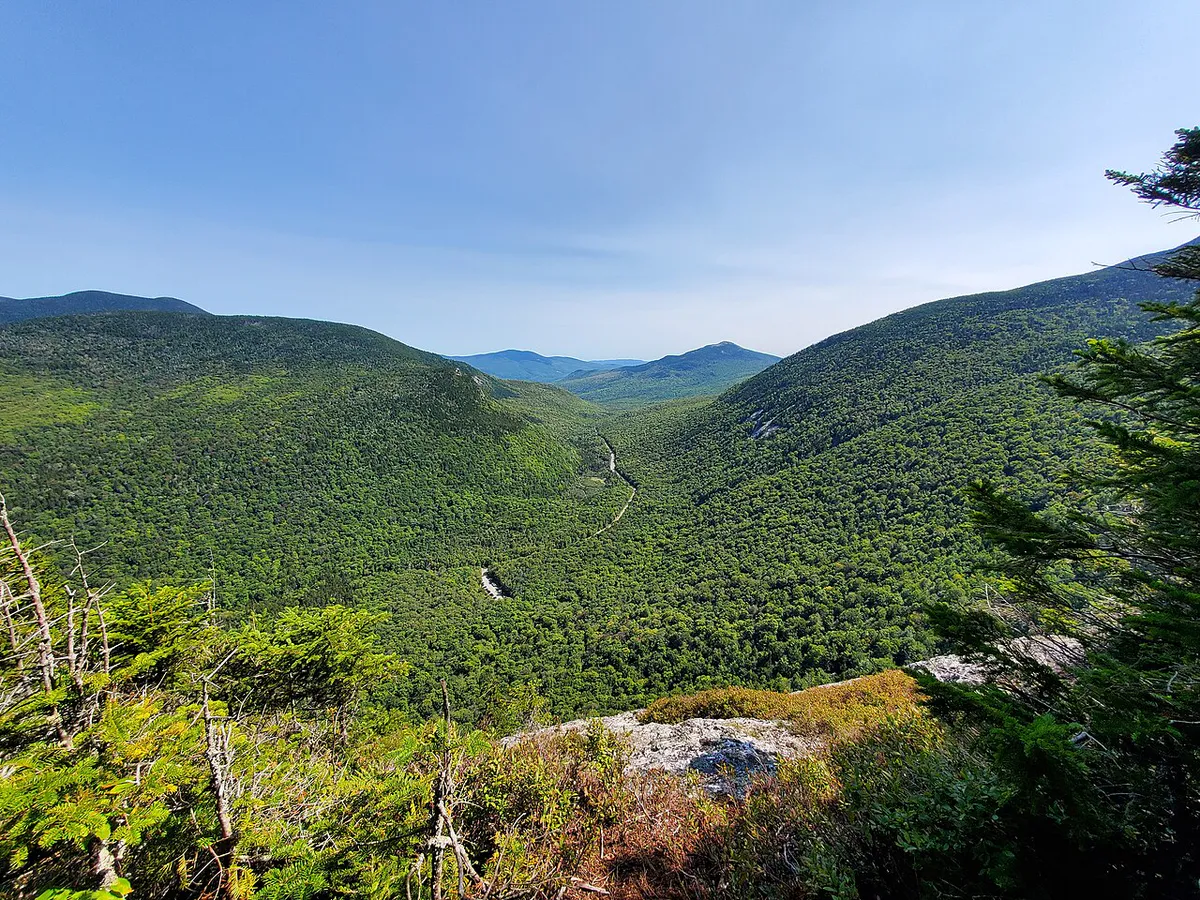
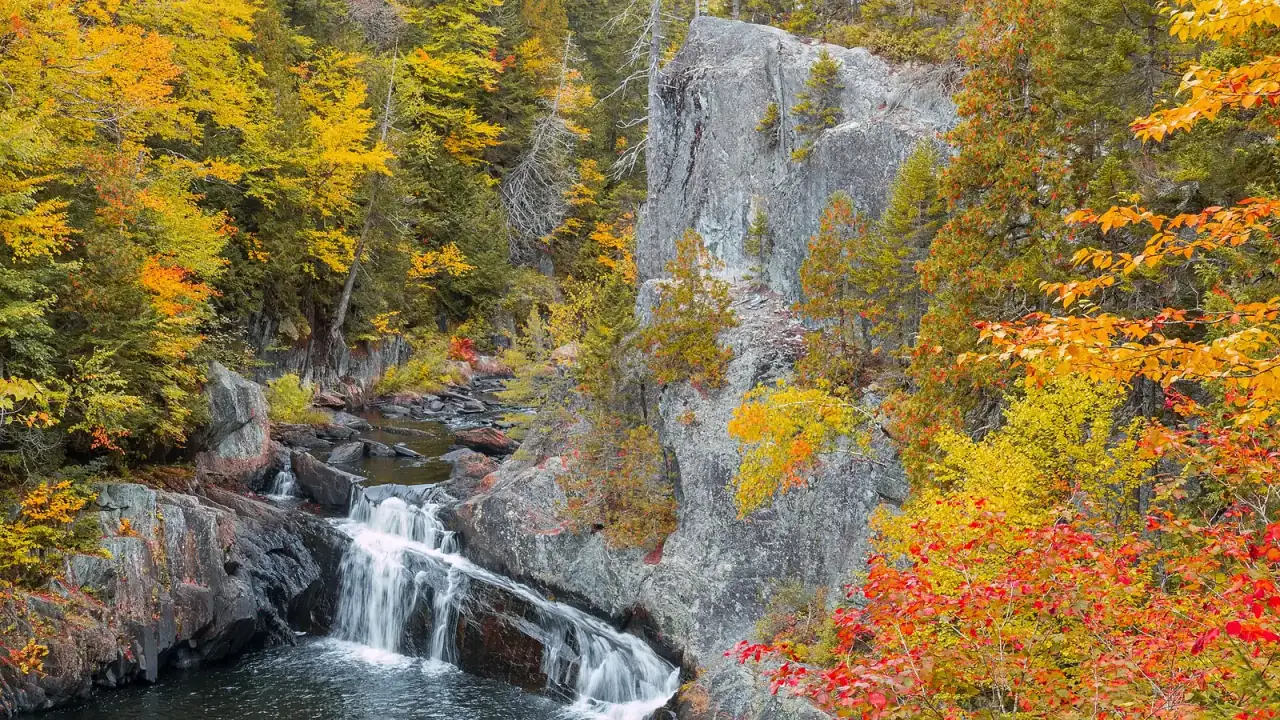
Picture a June day in Acadia where the forecast said “partly cloudy.” By the time you reach the top of the Precipice Trail, a wall of fog rolls in off the Atlantic and turns into a cold, driving rain within minutes. The hiker with a packable shell is dry and focused on the iron rungs during the descent. The one in a cotton hoodie is shivering and miserable. That gap is the whole point of bringing the right shell.
Maine does not care about your forecast. Rain shows up without warning, it comes in sideways off the coast, and it can turn a 55-degree day into a hypothermia situation faster than most people realize. Maine rain comes in every form, from the all-day fog-drizzle that soaks through everything slowly to the violent August thunderstorms that dump an inch in twenty minutes. We researched the leading shells and matched their construction and owner track records against those conditions. These are the shells that earn a spot in a Maine pack.
| Jacket | Price | Best For | Weight | Rating |
|---|---|---|---|---|
| Mid-range | Value shell | Lightweight | 4.6 | |
| Premium | Ultralight | 6.5 oz | 4.5 | |
| Premium | Premium shell | 11.6 oz | 4.7 | |
| REI Co-op Rainier | Mid-range | Budget pick | 14.8 oz | 4.4 |
| OR Foray Super Stretch | Premium | Breathability | 15.2 oz | 4.5 |
How We Chose These
We did not rate these jackets off a spec sheet alone. We evaluated each one against the specific kinds of rain Maine hikers actually face, then weighed that against the membrane technology, layer count, hood design, and the patterns in owner and expert reviews:
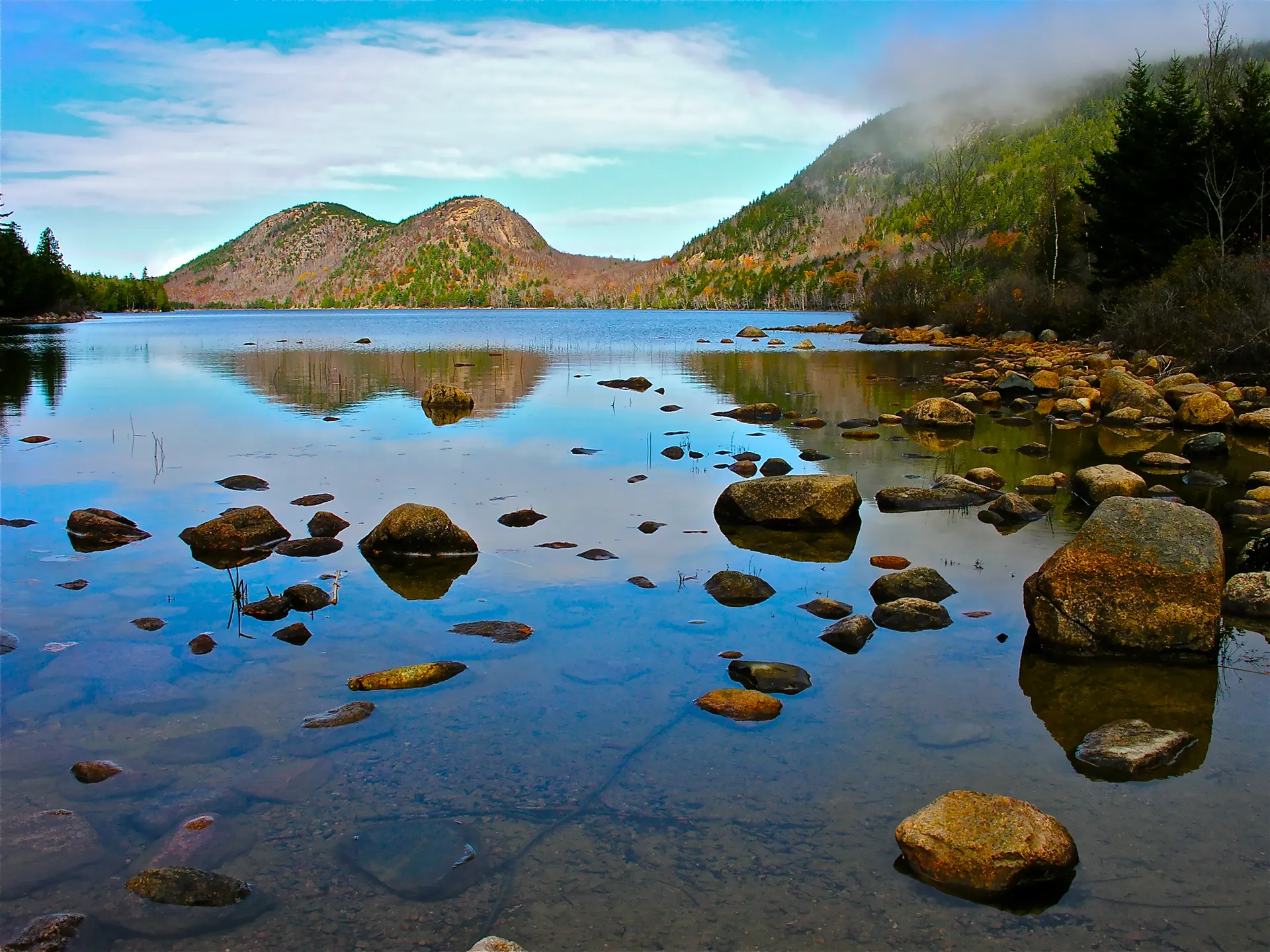
Coastal fog and drizzle: Mornings on the Jordan Pond Path and Great Head Trail in Acadia, where the ocean sends in a fine mist that coats everything. This is where a jacket’s DWR coating and resistance to wetting out matter most.
Sustained all-day rain: A brutally wet day at Grafton Notch, hiking from the Eyebrow Trail through to Table Rock and back. Six hours of steady, cold rain with no breaks. If a jacket’s seams are going to leak, this is when it shows.
Summer thunderstorms: The afternoon storms that build on Cadillac Mountain and on the ridge above Gulf Hagas. Heavy, warm rain with high humidity. This is where breathability matters most, because a jacket that keeps rain out but traps all your sweat inside is not actually keeping you dry.
Spring cold rain: Early May on the Appalachian Trail near Grafton Notch, 42 degrees with wind-driven rain. The kind of day that causes hypothermia if your gear fails. Both waterproofing and wind resistance are critical here.
We weighed waterproof performance, breathability, hood design, packability, durability, and how each jacket handles the specific conditions that make Maine hiking different from hiking in drier climates.
The Jackets We Recommend
Marmot PreCip Eco - Best Value
Mid-range
Marmot PreCip Eco Rain Jacket
Who it’s forBest value rain jacket for Maine day hikes
Why we picked itStraightforward waterproof coverage for routine trail rain
Pros
- Adjustable hood and full-zip protection
- Packs easily for day hikes and travel
- Costs less than premium technical shells
Know before you buy
- Lightweight construction is less durable than heavier 3-layer shells
- Breathability is still limited in high humidity
The Marmot PreCip Eco fills the practical rain-shell role for hikers who want dependable coverage without paying for an expedition-grade jacket. It belongs in a day pack for passing showers, windy overlooks, and wet trailhead starts when a soaked hoodie is not an acceptable backup plan.
Its appeal is simple: waterproof coverage, an adjustable hood, and a packable build at a more accessible price than premium technical shells. Those basics are enough for most maintained-trail day hikes, travel days, and the unpredictable showers that roll through Acadia.
The trade-off is the same one that comes with most lightweight value shells. It is not the jacket we would choose for repeated bushwhacking or days of continuous cold rain, and any waterproof shell will feel humid during a hard July climb. For routine hiking and a just-in-case layer that does not demand a premium budget, the PreCip Eco is the sensible pick.
Outdoor Research Helium - Best Ultralight
Premium
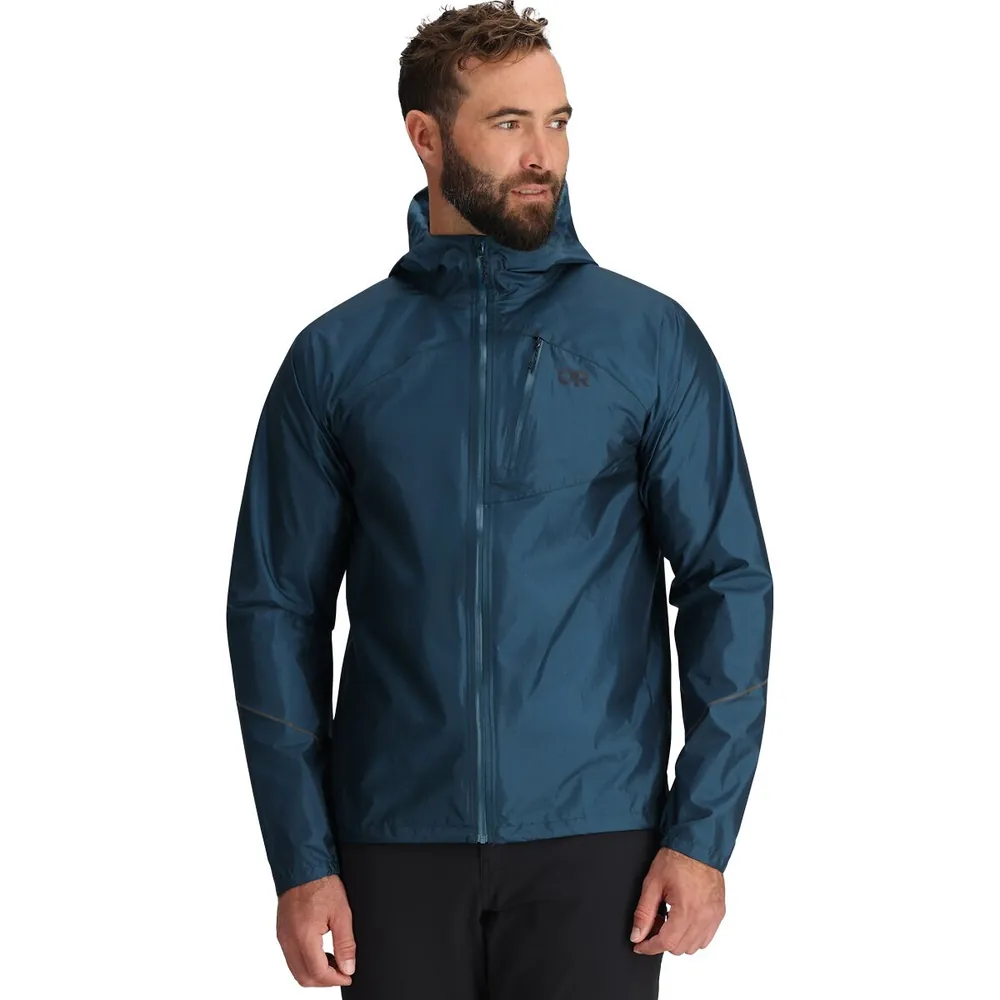
Outdoor Research Helium
Who it’s forBest ultralight emergency shell
Why we picked itIncredibly lightweight at 6.5 oz
Pros
- Packs into its own chest pocket
- Carabiner loop for clipping to harness or pack
- Good wind protection
Know before you buy
- Not built for sustained downpours
- Minimal features with no pit zips
The Helium weighs 6.5 ounces. That is less than a granola bar. It stuffs into its own chest pocket and clips to a carabiner loop on the outside. On bluebird days when rain is only a possibility, the Helium lives clipped to a pack strap and adds essentially zero weight to your load. That convenience is the entire point of this jacket, and it executes on it perfectly.
The Helium works as an emergency shell for a full summer of Acadia hiking, the kind you pull out when surprise rain hits on Cadillac Mountain or when afternoon squalls roll in over Sargent Mountain. In short rain events lasting under an hour, it performs remarkably well. The Pertex Shield Diamond membrane blocks rain and wind, and owners report the seam taping holding up to hard, sudden downpours without leaking.
Where the Helium hits its limits is sustained rain. In all-day rain, the face fabric starts wetting out after about 90 minutes. Water is not coming through yet, but the outer layer is saturated and heavy, which kills breathability because moisture vapor cannot escape through a wet outer fabric. By hour three you are clammy inside, which is the point where a more protective shell earns its weight.
The other compromise is features. No pit zips. No chest pocket (it IS the chest pocket). One hand pocket. A simple hood with minimal adjustment. This is a stripped-down emergency shell, not a do-everything rain jacket. It does not pretend to be anything else.
If you are a fast-and-light hiker who wants a just-in-case layer that weighs nothing and packs to the size of a fist, the Helium is hard to beat. If rain is the forecast, not just a possibility, bring something more substantial.
A lot of experienced Maine hikers carry two shells: a lightweight emergency layer like the Helium for unexpected showers, and a burly 3-layer jacket in the pack for when the weather turns serious. The Helium weighs so little that doubling up barely adds weight, and having the right jacket for the conditions makes a real difference in comfort.
Arc’teryx Beta Jacket - Best Premium Shell
Premium
Arc'teryx Beta Jacket
Who it’s forBest premium shell for serious hikers
Why we picked itGORE-TEX ePE membrane for exceptional waterproofing
Pros
- Best-in-class breathability
- StormHood fits over helmets and ball caps
- Extremely durable face fabric
Know before you buy
- Expensive at $400
- Overkill for casual day hikes
A $400 price tag invites skepticism that any rain jacket could justify it. What changes the math is what the Beta Jacket does on a brutally cold, rainy day, the kind of climb through Mahoosuc Notch with rain sheeting down and temperatures in the low 40s. Owners report staying bone dry, not damp, not “mostly dry,” but completely dry inside and out for hours on end.
The new GORE-TEX ePE membrane is a genuine step forward in rain jacket technology. It is significantly more breathable than standard GORE-TEX, which means you can hike hard in rain without turning into a sauna inside your jacket. On a steep climb in steady rain, reviewers describe feeling moisture vapor escape through the fabric in a way that is noticeably different from other jackets in the category. The Beta Jacket is one of the few shells where you do not feel the need to open pit zips, relying instead on the membrane’s breathability.
The StormHood is widely rated as one of the best hoods on any rain jacket. It fits over a helmet, over a ball cap, or snugged down tight against bare skin, and in every configuration it stays put in wind and keeps rain off your face. On an exposed ridge like Baldpate in driving rain, it disappears because it just works.
Build quality is unmistakably Arc’teryx. The face fabric feels tougher than jackets twice its weight. Owners put these through seasons of hard use, including bushwhacking through dense spruce on unmaintained trails, and consistently report zero wear marks, zero delamination, zero issues.
The catch is the price. $400 is a lot of money for a rain jacket, and for most hikers doing moderate day hikes on maintained trails, a value shell like the PreCip Eco covers routine rain for far less. The Beta Jacket earns its price on long days in serious weather, on multi-day trips where you cannot afford gear failure, and for people who hike hard enough to need that superior breathability. If you are out in rain 30 or more days a year, the Beta Jacket is worth every dollar.
REI Co-op Rainier - Best Budget
Mid-range
REI Co-op Rainier
Who it’s forBest budget rain jacket
Why we picked itUnder $100 makes it the most affordable option
Pros
- Made with recycled materials
- Adjustable hood with brim
- Reliable waterproofing for the price
Know before you buy
- 2.5-layer membrane wets out faster than 3-layer
- Heavier than premium options
Not everyone needs to spend $179 or more on a rain jacket, and the Rainier proves it. At under $100, this is the jacket we recommend to anyone getting into hiking who does not want to invest heavily in gear they might not use regularly. It is also an excellent backup jacket to keep in the car for unexpected weather.
In light rain, owners report the Rainier performing nearly indistinguishably from pricier shells. Water beads and rolls off the DWR-coated face fabric, the seams stay sealed, and the adjustable hood keeps rain off your face. For moderate-intensity hiking in light to moderate rain, it does the job.
The 2.5-layer construction shows its limits in extended exposure. In sustained all-day rain, the outer fabric wets out after about two hours, which is faster than a heavier 3-layer shell but about average for a 2.5-layer jacket. Once the outer fabric is saturated, breathability drops to nearly zero and the jacket starts feeling cold and clammy. For all-day rain hikes, you want a 3-layer shell.
REI uses recycled materials in the construction, which is a nice touch. The jacket is heavier than premium options at nearly 15 ounces, but at this price point, no one is counting grams. The fit is relaxed enough to layer a fleece underneath for cold rain days in spring and fall, which is when most Maine hikers actually need a rain jacket the most.
If you hike a handful of times per season and want reliable rain protection without the investment, the Rainier is the move.
This is not an exaggeration. Cotton absorbs water, loses all insulating ability when wet, and pulls heat from your body through evaporative cooling. A cotton hoodie in 50-degree Maine rain can cause hypothermia faster than you think. Always bring a synthetic or waterproof layer, even on “nice” days. Maine weather changes fast.
Outdoor Research Foray Super Stretch - Best Breathability
Premium
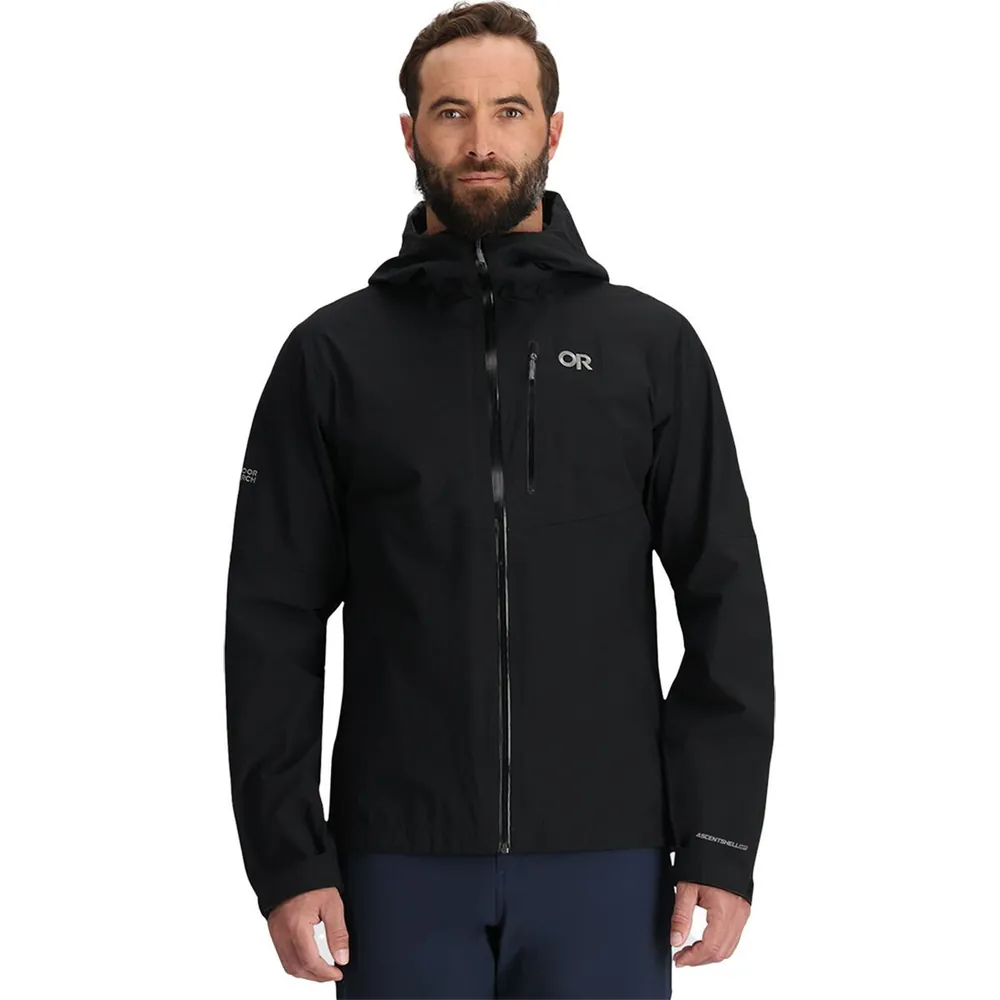
Outdoor Research Foray 3L Jacket
Who it’s forBest for humid summer hiking
Why we picked itFull-length side zips create real airflow in humid summer rain
Pros
- Stretch fabric moves comfortably on climbs
- Relaxed fit leaves room for hiking layers
- Adjustable hood keeps peripheral vision clear
Know before you buy
- Heavier than minimalist shells
- Side zips can leak in extreme wind-driven rain
Maine summers are humid. Oppressively, inescapably humid. When rain arrives in July or August, the air is already saturated with moisture, which means even the most breathable waterproof membrane struggles to move sweat vapor out. The Foray solves this problem by cheating. Instead of relying solely on membrane breathability, it has TorsoFlo full-length side zips that run from the hem to the armpit on both sides. Unzip them and you have a rain cape with massive airflow underneath. It is one of the most effective ventilation systems on any rain jacket in the category.
On a sticky August afternoon on a climb like the Cadillac South Ridge Trail, a thunderstorm rolls in and the Foray comes out. Hiking uphill in rain at 80% humidity normally means you are soaked in sweat within 20 minutes regardless of what jacket you wear. With the Foray’s side zips cracked open about six inches, air circulates freely under the jacket while rain still rolls off the outer fabric. Owners describe staying genuinely comfortable in conditions that make most rain jackets useless.
The stretchy fabric is another standout feature. It moves with your body instead of restricting arm movement, which matters on scramble sections of the Precipice Trail and when hauling yourself over boulders at Tumbledown. It is the most comfortable rain jacket on this list in terms of freedom of movement.
The trade-offs: it is the heaviest jacket here at 15.2 ounces, and the side zips are potential leak points in extreme, wind-driven rain. In a hard sideways rainstorm, owners note some moisture seeping in along the side zip seams when wind pushes rain directly at their flanks. In straight-down rain or light wind, the zips stay dry. For summer and early fall hiking when humidity is the main enemy, the Foray is the smartest choice on this list.
Do not just buy a rain jacket and throw it in your pack. Wear it on a training hike in warm weather before you need it for real. You need to know how it fits over your layers, whether the hood works with your hat, and if the length is right for your pack’s hipbelt. Finding out your hood blocks your peripheral vision while scrambling up Precipice in a thunderstorm is not the time for a gear review.
How to Choose the Right Rain Jacket
2.5-Layer vs. 3-Layer Construction
This is the most important spec to understand, and marketing makes it confusing.
A 2.5-layer jacket (like the REI Rainier) bonds the waterproof membrane to the outer fabric and adds a thin printed pattern on the inside instead of a full liner. It is lighter and cheaper, but the exposed membrane on the inside wears faster and the jacket “wets out” sooner because there is no inner fabric to protect the membrane from body oils and abrasion. For occasional use and light rain, 2.5-layer is perfectly fine.
A 3-layer jacket (like the Beta Jacket) bonds the membrane between the outer fabric and a full inner liner, creating a single laminated sheet. This protects the membrane on both sides, making the jacket more durable, more breathable over time, and more resistant to wetting out. For regular use and sustained rain, 3-layer is worth the extra cost.
Breathability: The Real Enemy
Here is a truth most gear reviews skip: in Maine’s summer humidity, no rain jacket is truly breathable. When the air outside the jacket is already saturated with moisture, there is no vapor pressure gradient to drive sweat through the membrane. You will get damp inside any jacket on a hard uphill in July rain. The question is how damp.
GORE-TEX ePE (Beta Jacket) is the current breathability champion. Other proprietary membranes vary by construction, while lightweight 2.5-layer shells lose breathability quickly once the outer fabric wets out.
Mechanical ventilation (pit zips, side zips) matters more than membrane specs in high humidity. The Foray’s side zips are the most effective solution in this group for hot, humid rain.
Weight vs. Durability
Ultralight jackets (Helium at 6.5 oz) use thin face fabrics that tear more easily and provide less wind protection. They are ideal for fast-and-light hiking where you want an emergency layer but are not planning to hike in rain all day.
Mid-weight jackets such as the Beta Jacket balance protection and weight well. They handle full-day rain, survive contact with brush and rock, and last for years.
Heavier jackets (Rainier at 14.8 oz, Foray at 15.2 oz) are the most durable and feature-rich but add noticeable weight to your pack.
For most Maine hikers doing day hikes, a mid-weight 3-layer jacket is the sweet spot.
A rain jacket over a cotton t-shirt is a recipe for misery. Wear a moisture-wicking synthetic or merino wool base layer under your shell. The base layer pulls sweat off your skin and spreads it out to evaporate, which works with the jacket’s membrane instead of against it. We prefer merino wool for Maine’s cooler rain days because it insulates even when damp and does not stink after three days.
Rain Gear Care
Wash it regularly. This sounds counterintuitive, but dirt, body oils, and sunscreen clog the microscopic pores in the waterproof membrane and kill breathability. Wash your rain jacket every 10 to 15 uses with a technical wash like Nikwax Tech Wash. Regular detergent leaves residues that impair the DWR coating.
Refresh the DWR. The durable water repellent finish on the outer fabric causes rain to bead and roll off. When water stops beading and instead spreads out in a sheet (called “wetting out”), the DWR needs refreshing. After washing, tumble dry on low heat for 20 minutes to reactivate the existing DWR. If that does not work, apply Nikwax TX.Direct spray-on treatment. We refresh DWR every two to three months during hiking season.
Dry it properly. Hang your jacket with all zippers open after every wet hike. Do not ball it up and stuff it in your pack overnight. Storing a wet rain jacket promotes mildew growth that can permanently damage the membrane. If your jacket smells musty, it is already too late for that membrane.
Store it hanging. Long-term compression (like leaving it stuffed in its pocket for months) can crease the membrane and create weak points that eventually leak. Hang your jacket in a closet during the off-season.
Repair small tears immediately. A tiny tear or pinhole will grow into a jacket-destroying rip if left unrepaired. Keep a roll of Tenacious Tape in your repair kit. It sticks to any jacket fabric and survives years of use.
When You Need More Than a Jacket
A rain jacket only covers your torso and arms. On full-day rain hikes in Maine, you also need:
Rain pants. On a cold, rainy day at a spot like Grafton Notch, a dry torso does you little good when your legs are numb in soaked hiking pants. Lightweight rain pants like the OR Helium pants weigh almost nothing and make the difference between a manageable day and a miserable one. You do not need them often, but when you need them, you really need them.
A pack cover or dry bags. Rain jackets protect you but not your gear. A sleeping bag or down jacket soaked through from a leaking pack is a serious problem on overnight trips. We recommend a combination of a pack cover for convenience and dry bags for critical items like sleeping bags and electronics.
Waterproof gloves or mittens. Your hands get cold fast in rain, especially on exposed ridge walks like the Cadillac summit. A pair of lightweight waterproof gloves weighs almost nothing and keeps your hands functional when you need them for iron rungs on the Precipice or scramble holds on Tumbledown.
Do I really need a rain jacket for summer hiking in Maine?
Yes, always. Maine gets an average of 12 rainy days per month in summer, and afternoon thunderstorms can develop without much warning. Even on clear mornings, coastal fog in Acadia can soak you. Hypothermia is possible at surprisingly warm temperatures when wind and rain combine, especially on exposed ridges like Cadillac Mountain. A packable shell weighs ounces and can prevent a dangerous situation.
What is the difference between waterproof and water-resistant?
Waterproof jackets use a membrane (like GORE-TEX or H2No) with sealed seams that block liquid water while allowing water vapor to pass through. They are rated in millimeters of water column, typically 10,000mm and above. Water-resistant jackets use a DWR coating on regular fabric without a membrane. They shed light rain and wind but will soak through in sustained rain. For Maine hiking, you want waterproof with sealed seams. Water-resistant is only adequate for dry-forecast days where rain is unlikely.
Is GORE-TEX worth the extra money over proprietary membranes?
Standard GORE-TEX is reliable, but the jacket's overall construction and layer count matter just as much as the membrane brand. The newer GORE-TEX ePE used in the Arc'teryx Beta Jacket is a strong premium choice for serious hikers. For casual use, a well-made proprietary membrane can provide the coverage you need at a lower price.
How often should I reapply DWR treatment to my rain jacket?
Check your DWR every few weeks during hiking season by sprinkling water on the fabric. If it beads up and rolls off, you are fine. If it spreads into a wet patch, the DWR needs refreshing. For most Maine hikers, that means reapplying every two to three months of regular use. First try tumble drying on low heat for 20 minutes, which reactivates existing DWR. If that does not work, wash with Nikwax Tech Wash and then apply TX.Direct.
Can I just use a poncho instead of a rain jacket for hiking?
Ponchos work for flat trail walking in straight-down rain, but they are dangerous on Maine's technical terrain. Wind catches ponchos like a sail on exposed ridges. They snag on iron rungs on Precipice and Beehive. They blow up over your face when you need to see your footing on wet granite. They also provide zero breathability since they trap humid air underneath. For carriage roads in Acadia on a calm day, a poncho is fine. For anything involving scrambles, exposure, or wind, a proper rain jacket is significantly safer.