






Maine Audubon’s Front Yard
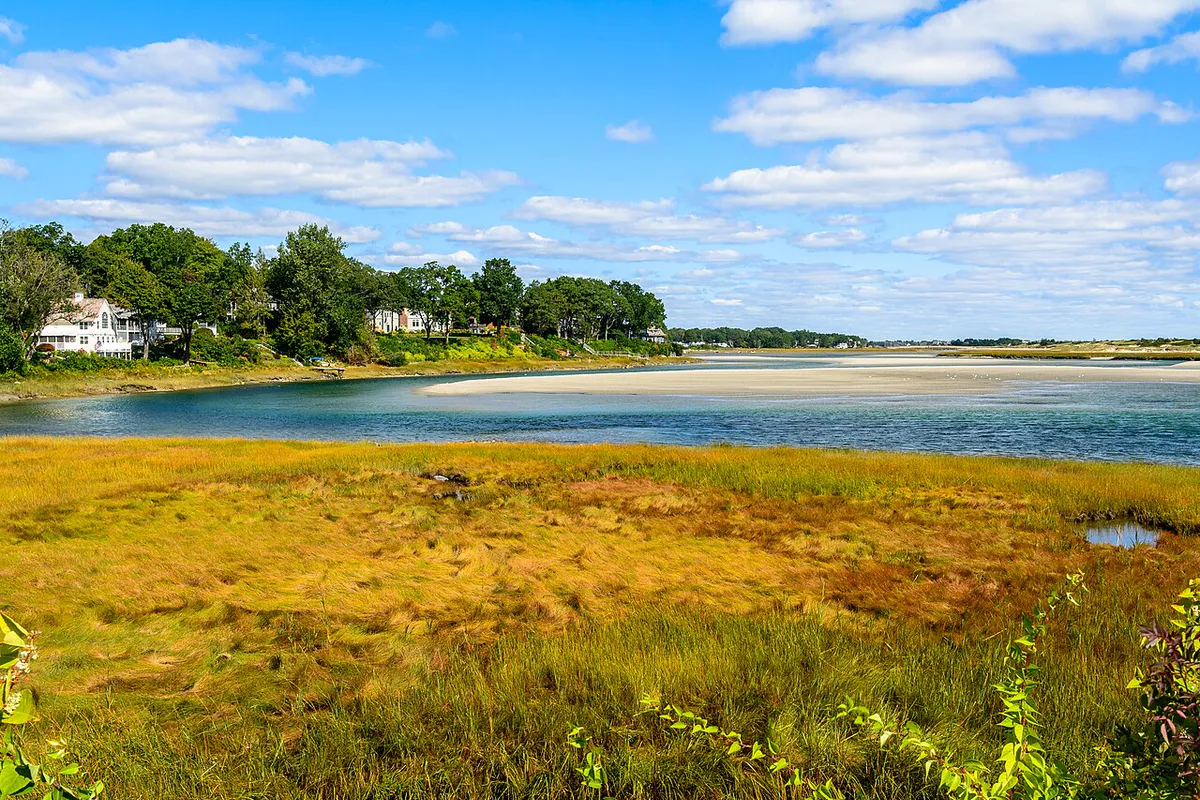
Gilsland Farm is the headquarters of Maine Audubon, and the 65-acre property on the Presumpscot River estuary serves as both an administrative center and an open-air classroom for anyone who wants to learn about Maine’s birds and natural habitats. The trail network loops through meadows, mixed forest, and the edge of a tidal estuary, covering about 2.5 miles of easy, well-maintained paths.
This is not wilderness. Route 1 is less than a mile away, and the Portland suburbs surround the property on three sides. But step onto the trails and the suburban noise fades quickly. The meadows hum with insects, the forest is thick with birdsong, and the estuary shore offers views across the mudflats to the far bank of the Presumpscot. It is a remarkably productive patch of habitat, and the birding here is genuinely excellent.
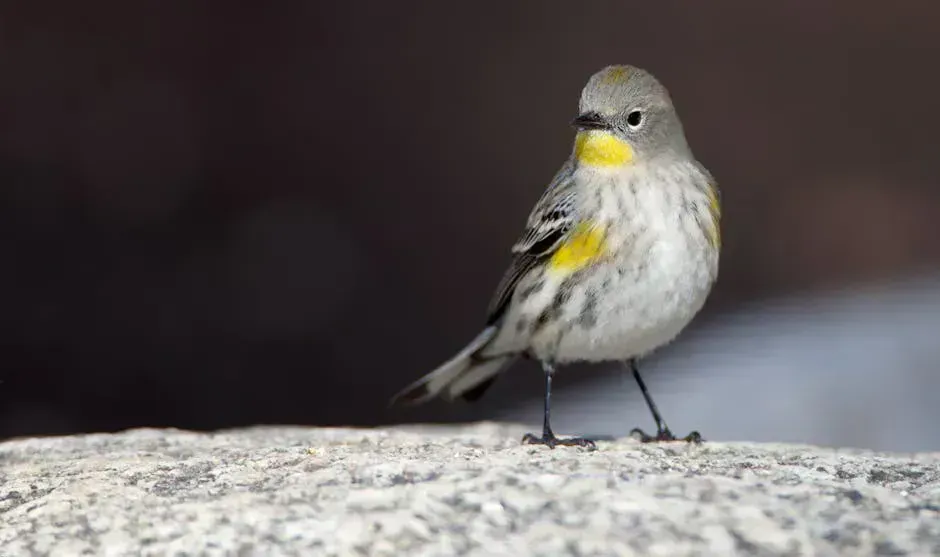
Maine Audubon has recorded over 100 bird species on the property. Spring migration brings warblers, vireos, and thrushes through the forest canopy. Summer brings nesting bobolinks in the meadows, osprey fishing over the estuary, and swallows working the field edges. Fall migration fills the trees again, and winter waterfowl, buffleheads, goldeneyes, and mergansers, gather in the open water of the estuary.
The Loop
The main loop starts from the parking area near the Audubon Center building. The trail heads south through a meadow maintained as grassland habitat, then enters mixed hardwood forest, follows the edge of the estuary, and returns through the northern meadows. The loop is about 2.5 miles, flat, and suitable for all fitness levels.
The meadow sections are wide, mowed paths through tall grass. In summer, the meadows are alive with wildflowers, goldenrod, aster, black-eyed Susan, and milkweed. Monarch butterflies are common in August. The grassland sections are particularly important for bobolinks, a grassland bird species that has declined across much of its range but still nests reliably here.
The estuary trail runs along the top of a low bank overlooking the mudflats. At low tide, the exposed mud is a feeding ground for great blue herons, sandpipers, and various plovers. The birding is dramatically better at low tide than high tide. Check the Portland tide chart before you go.
The forest sections are shady and cool, with birch, oak, maple, and some conifers providing canopy. The understory is lush, with ferns and wildflowers, and the birding in the canopy during migration season can be outstanding. Bring your neck-stretching patience and binoculars.
The Estuary
The Presumpscot River estuary is the ecological heart of Gilsland Farm. Tidal marshes, mudflats, and shallow water create habitat for a wide range of wading birds, shorebirds, and waterfowl. The estuary also supports fish species that attract osprey and occasionally bald eagles.
Several viewpoints along the trail offer overlooks of the estuary. The best is a small promontory about halfway around the loop where you can sit on a bench and scan the mudflats at leisure. During spring and fall shorebird migration, this single viewpoint can produce a dozen species in an hour.
Dogs are not allowed on the Gilsland Farm trails. The property is managed as a wildlife sanctuary and dogs disturb ground-nesting birds and feeding shorebirds. Please leave pets at home.
The Audubon Center
The Maine Audubon Center building is open to visitors and worth a stop before or after your walk. The center has a nature store with field guides, birding equipment, and nature-themed gifts, as well as exhibits about Maine wildlife. Staff can point you to current birding hotspots on the property and tell you what has been seen recently.
Maine Audubon offers regular programs at Gilsland Farm, including guided bird walks, nature programs for children, and seasonal events. Check their website for the current schedule.
This is the best quick birding spot accessible from Portland. You can drive from downtown Portland in 15 minutes, walk the loop in an hour, and see more bird species than almost anywhere else in the metro area. Local birders come here year-round and the eBird checklist for this location is extensive.
When to Go
Spring
Spring migration peaks in May. Warblers, vireos, thrushes in the forest. Shorebirds on the mudflats. The meadows green up and wildflowers begin.
Summer
Bobolinks nesting in the meadows. Osprey fishing over the estuary. Wildflowers and butterflies. Mosquitoes can be thick near the forest edge.
Fall
Fall migration in September and October. Hawks passing overhead. The meadows are golden. Fewer mosquitoes.
Winter
Wintering waterfowl in the estuary, buffleheads, goldeneyes, mergansers. The trails are quiet. Snowshoeing is possible after storms.
What to Bring
Gilsland Farm Trail Packing List
- Binoculars (this is a birding destination, bring them)
- Bird identification guide or app
- Camera with zoom lens for bird photography
- Bug spray (summer, mosquitoes near the forest and estuary)
- Comfortable walking shoes (flat, easy terrain)
- Water and a snack
FAQ
Is Gilsland Farm Audubon Center free?
Yes. The trails are free and open to the public year-round from dawn to dusk. The nature store and center building have regular hours. Donations to Maine Audubon are appreciated.
Are dogs allowed at Gilsland Farm?
No. Dogs are not permitted on the trails. The property is managed as a wildlife sanctuary, and dogs disturb nesting birds and feeding shorebirds. Please leave pets at home.
What birds can you see at Gilsland Farm?
Over 100 species have been recorded. Highlights include bobolinks (summer), warblers (spring/fall migration), osprey (summer), great blue herons (year-round), and wintering waterfowl. The estuary mudflats are excellent for shorebirds during migration.
How far is Gilsland Farm from Portland?
About 15 minutes by car from downtown Portland. Take Route 1 north to Falmouth and follow signs to Maine Audubon on Gilsland Farm Road.