Moosehead’s Wild Southern Neighbor
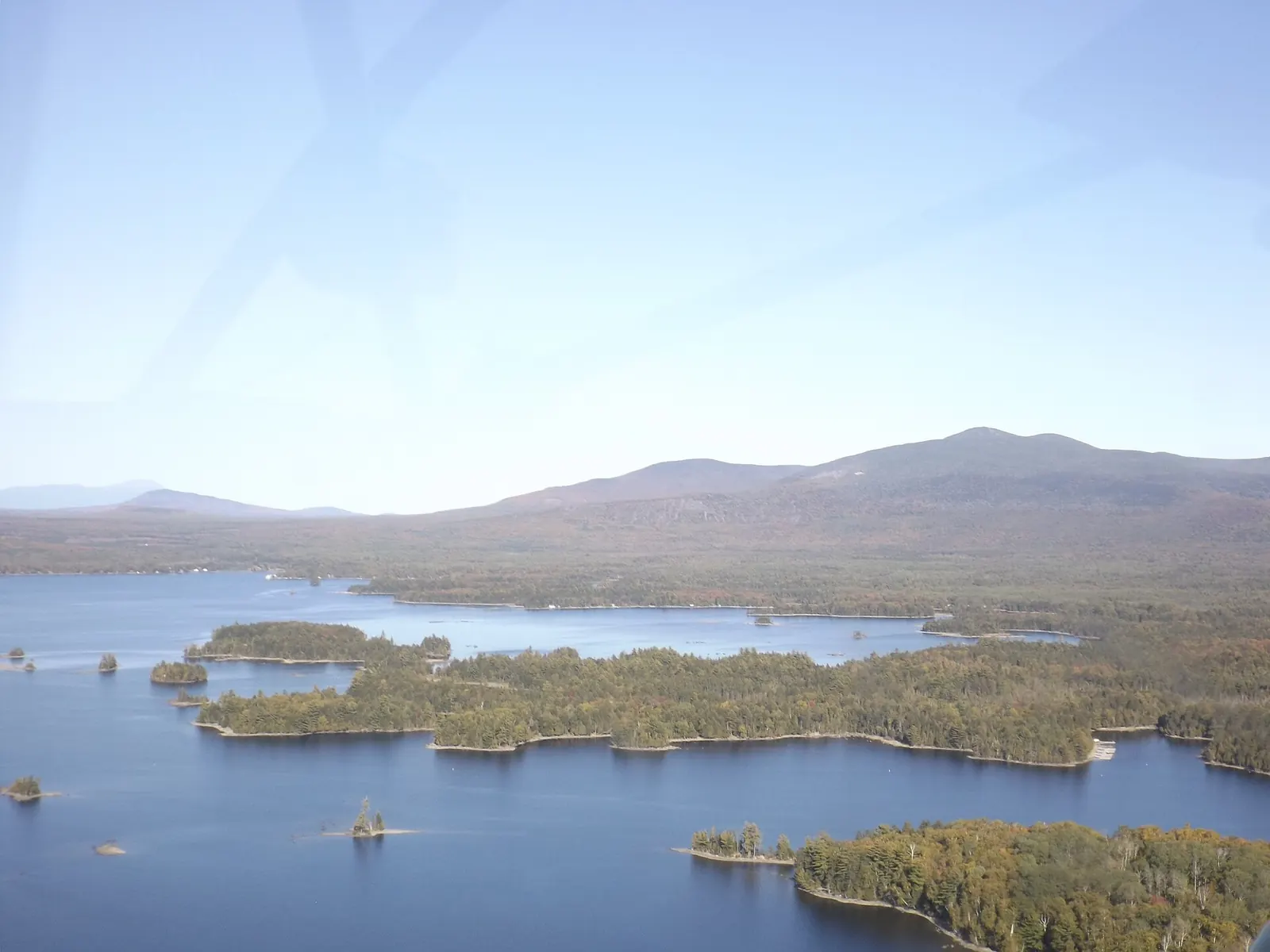
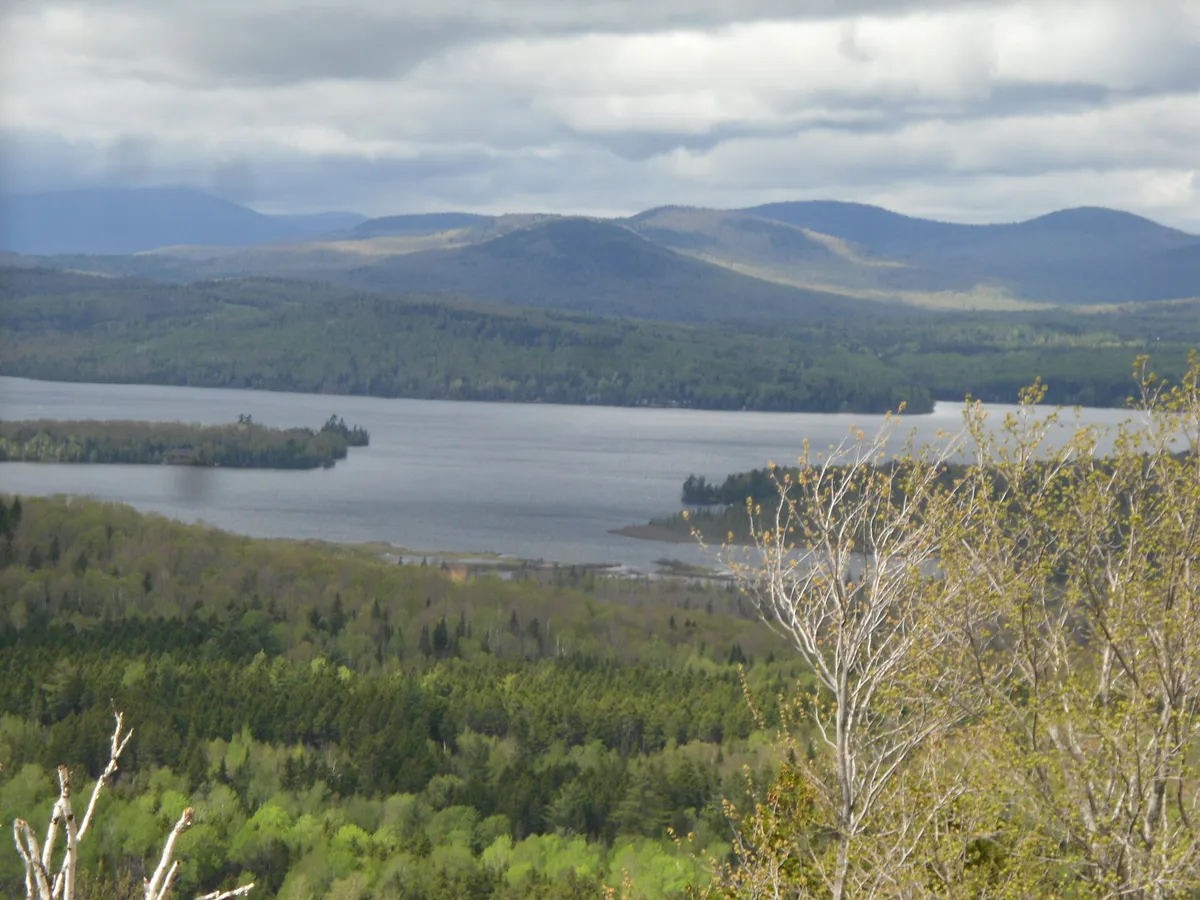
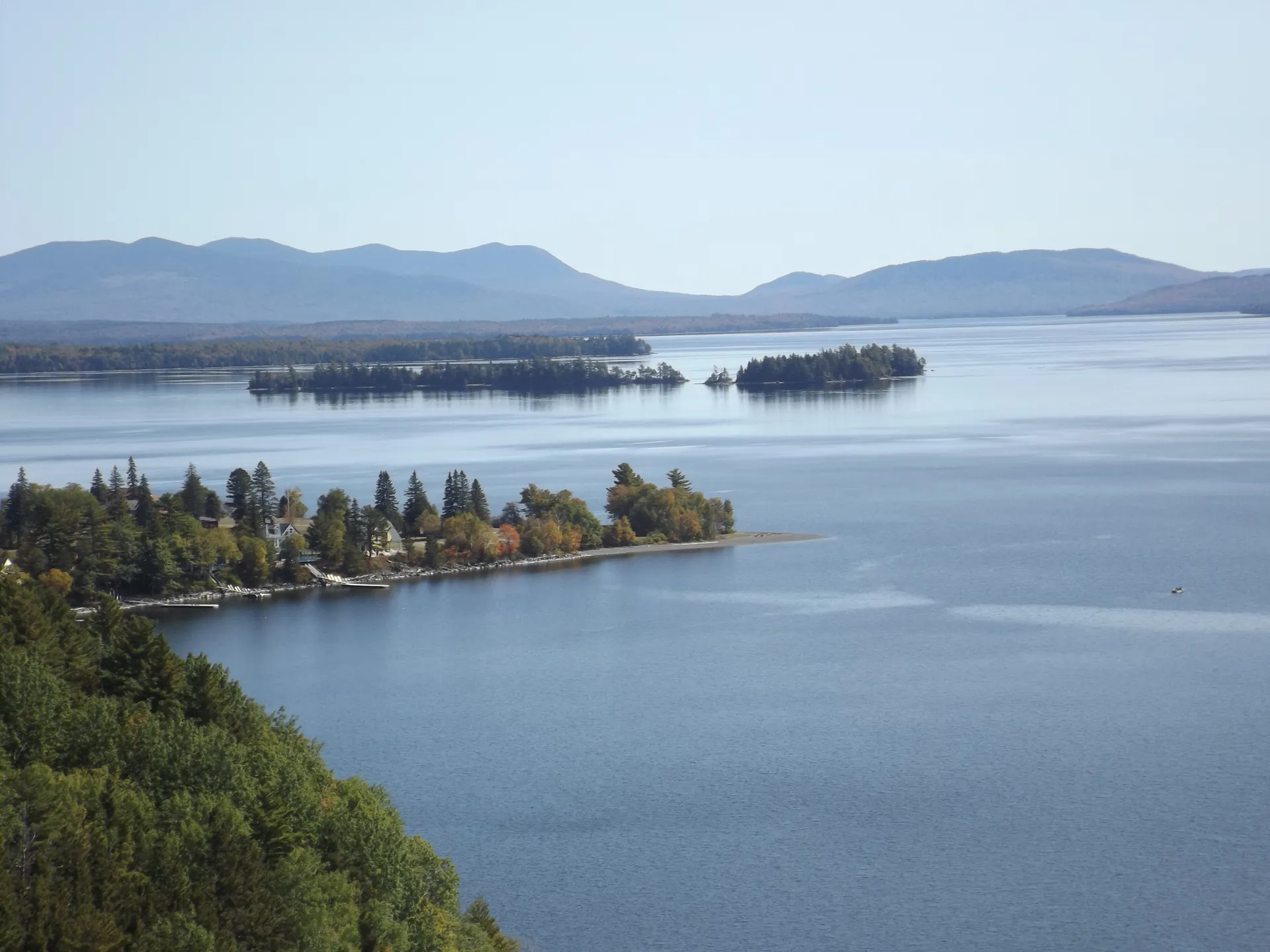
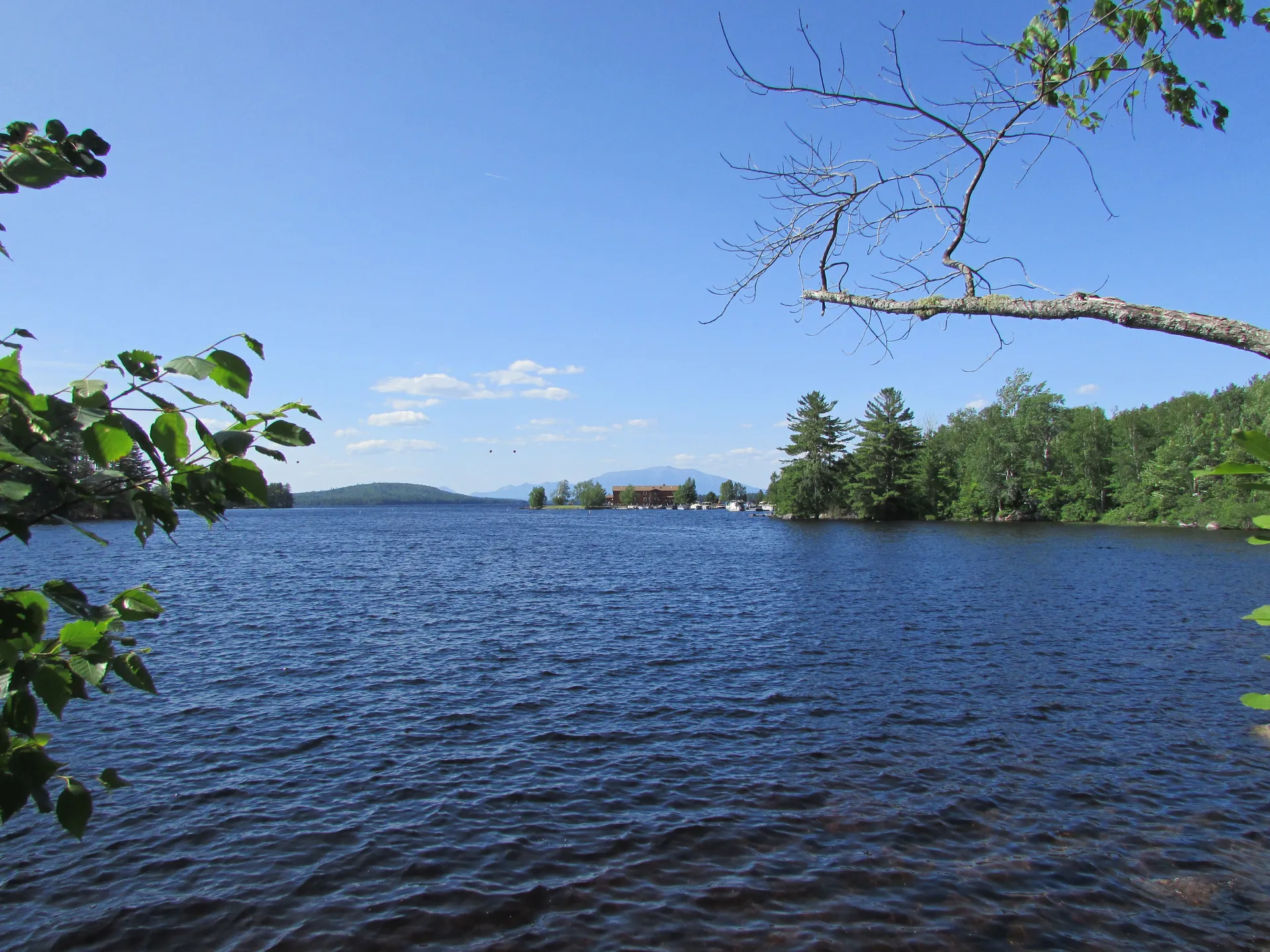
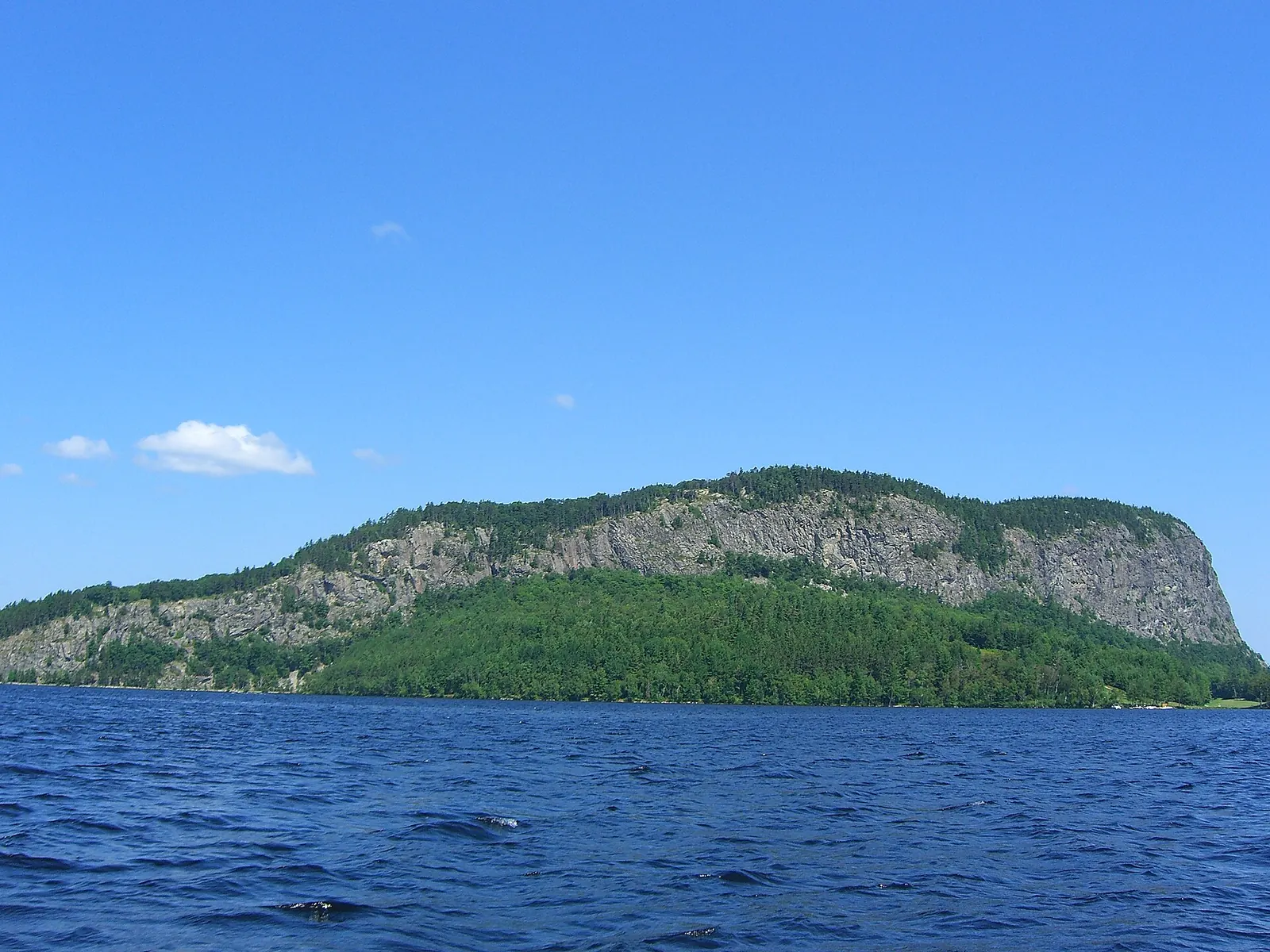
Indian Pond fills a deep valley about 12 miles south of Moosehead Lake in Somerset County, straddling Big Moose Township, Chase Stream Township, and Indian Stream Township. It stretches roughly 8 miles long and covers 1,145 acres of cold, dark water with a maximum depth of 118 feet. The East and West Outlets from Moosehead Lake join and flow into Indian Pond from the north. At the southern end, Harris Station Dam, a 175-foot concrete gravity dam built between 1952 and 1954, impounds the Kennebec River and generates about 86 megawatts of hydroelectric power.
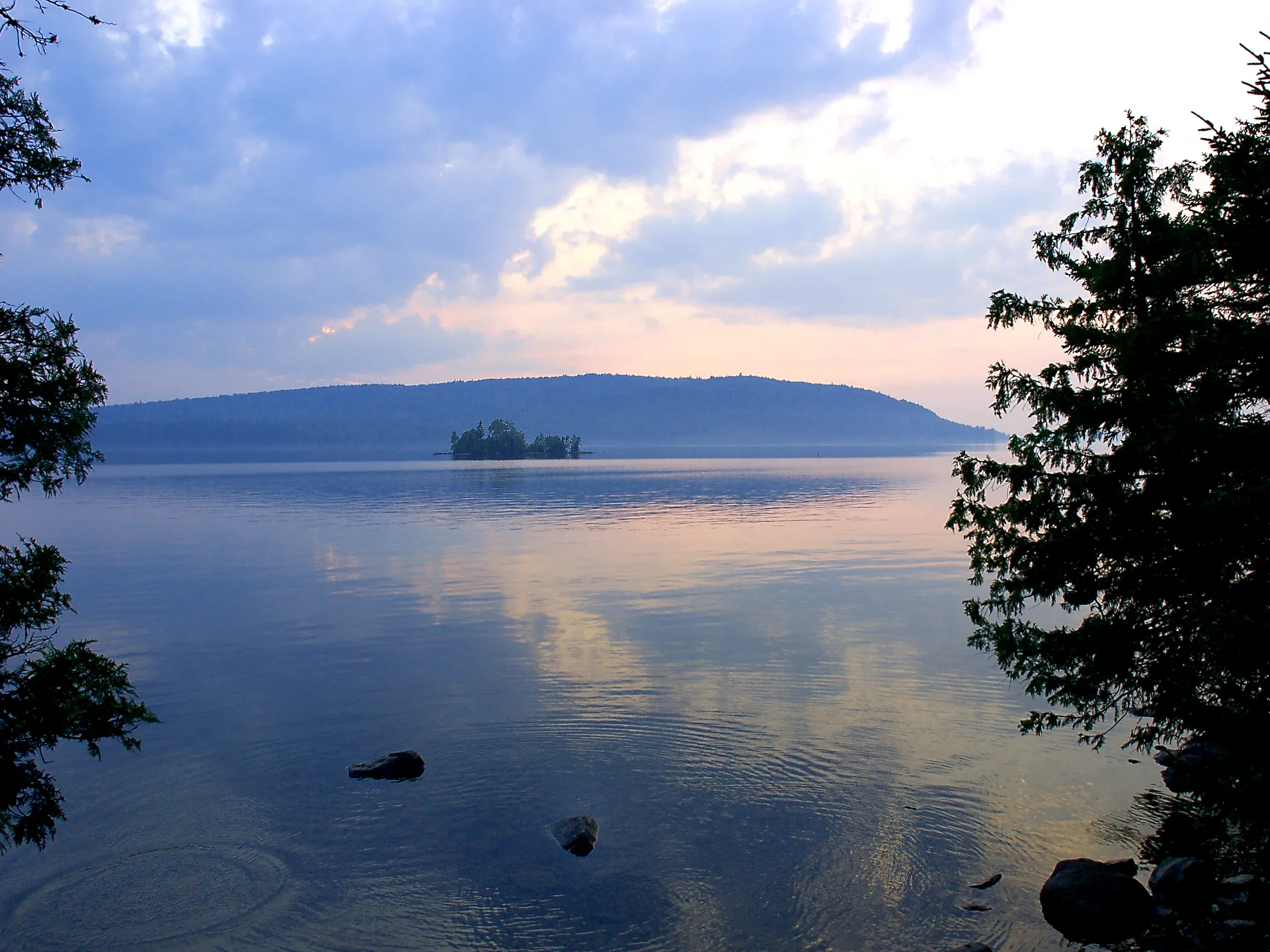
The dam raised the original Indian Pond’s water level by 20 feet, expanding its surface area dramatically. What was once a modest natural pond became one of the larger bodies of water in the Moosehead region. Despite the dam, Indian Pond retains a thoroughly wild character. The shoreline is almost entirely forested, with no year-round homes and minimal development. The surrounding land is commercial timberland and conservation easement, and the access roads are unpaved logging roads.
This is a remote pond. There are no restaurants, no gas stations, no cell towers. It is the kind of place where you can paddle for hours without seeing another person, where moose feed in the coves at dusk, and where the silence at night is absolute.
Fishing
Indian Pond is a serious coldwater fishery. The depth, cold temperatures, and nutrient profile support lake trout (togue), landlocked salmon, and brook trout. The MDIFW lake survey lists salmon, brook trout, lake trout, hornpout (bullhead), and smelt among the principal species.
| Species | Best Season | Method | Notes |
|---|---|---|---|
| Lake Trout (Togue) | Summer (deep), Winter (ice) | Downriggers, lead-core line, tip-ups | 2/day, 18-inch minimum; deep structure fish |
| Landlocked Salmon | May, September-October | Trolling streamers, fly fishing | 2/day; post ice-out and fall turnover are prime |
| Brook Trout | May-June, September | Fly fishing, light spinning | Best near tributary inflows and cold springs |
| Smallmouth Bass | June-September | Soft plastics, crankbaits | Present in the warmer shallows and coves |
General fishing regulations apply. Lake trout bag limit is 2 fish per day with an 18-inch minimum length. Landlocked salmon bag limit is 2 per day. A Maine fishing license is required for anyone 16 and older. Always verify current regulations at the MDIFW website.
Togue fishing on Indian Pond picks up in midsummer when the fish are deep. Downriggers set at 40 to 60 feet over the main basin work well. Find the thermocline and fish just below it. The pond’s depth and cold-water structure are ideal for lake trout.
Spring fishing after ice-out is excellent for salmon. The fish move into the shallows and feed aggressively on smelt. Trolling streamers near the surface at slow speed is the traditional approach. As the surface warms, the action shifts deeper and anglers switch to lead-core line and downriggers.
Brook trout are found near the colder tributary inflows and springs along the shoreline. Fly fishing from a canoe in these areas, particularly in the evening, can produce memorable fishing.
Ice Fishing
Indian Pond freezes by January in most years. Ice fishing for togue and salmon is productive, with anglers setting tip-ups over deep water. The remoteness of the pond means you will not share the ice with many others.
Harris Station Dam releases can affect water levels and ice conditions on Indian Pond. Water levels may fluctuate, and ice near the dam and inflows can be unstable. Check with Brookfield Renewable’s SafeWaters program for current conditions before heading out.
Boating and Paddling
Indian Pond is large and wild enough for a multi-day paddling trip. The 8-mile length means you can explore different sections over several days, camping along the shore and fishing as you go.
The boat launch is managed by Brookfield Renewable and located near the dam at the southern end of the pond. It is a gravel ramp suitable for motorboats, canoes, and kayaks. Access is via logging roads, expect gravel, potholes, and logging truck traffic.
| Paddling Route | Distance | Description |
|---|---|---|
| Launch to East Outlet inflow | ~6 miles one way | Full-length paddle through the wildest section |
| Launch to mid-pond coves | ~3 miles | Good half-day trip with fishing stops |
| Full pond exploration | ~15+ miles round trip | Multi-day trip; camp on the shore |
Motorboats are allowed, but most visitors use smaller craft. The pond is exposed to wind along its length, and afternoon conditions can build waves quickly.
Indian Pond is remote with no cell service and limited access points. If you capsize or have an emergency, help is far away. Always wear a life jacket, carry a whistle, and file a float plan with someone who knows where you are.
Connection to Kennebec River Rafting
Harris Station Dam at Indian Pond’s southern end is the starting point for Kennebec River whitewater rafting, one of Maine’s iconic outdoor experiences. When the dam releases water, it creates the rapids that draw rafters from across the Northeast. Several commercial outfitters, Northern Outdoors, Crab Apple Whitewater, Three Rivers Whitewater, and others, run guided trips that launch below the dam.
If you are planning a fishing trip to Indian Pond, consider adding a Kennebec River rafting day. The outfitters are all based within driving distance, and combining the two activities makes for an outstanding multi-day trip. Book the rafting in advance, as dam release schedules determine when trips run.
Indian Pond itself is the take-out point for paddlers running the East Outlet from Moosehead Lake. The 3.5-mile paddle from the East Outlet through the connecting waters to Indian Pond is a popular route.
Camping
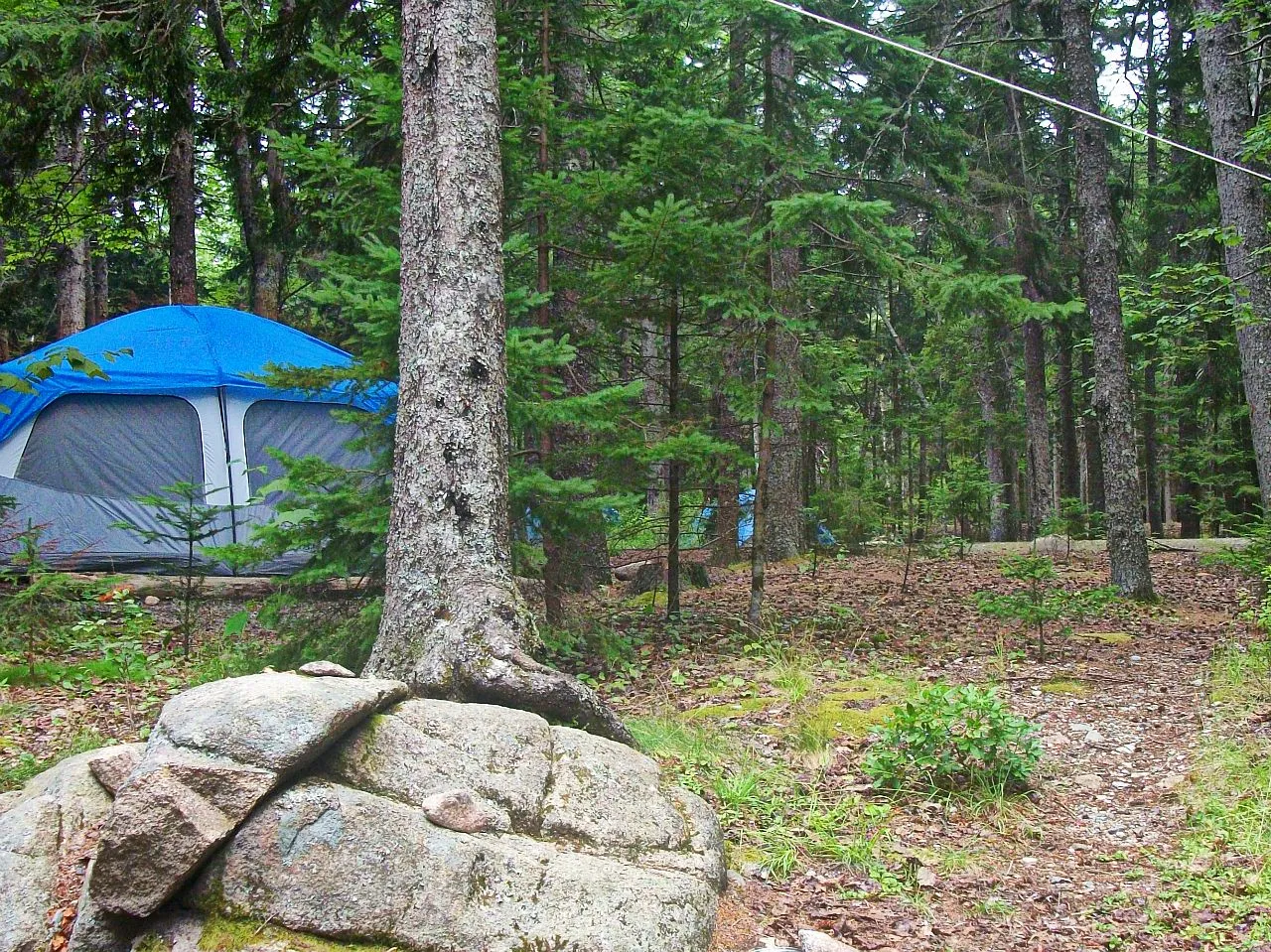
Indian Pond Campground is located near Harris Station Dam and operates from April 15 through October 15. It provides basic sites for tents and small RVs. Primitive shoreline camping is also possible in some areas along the pond’s undeveloped shore.
There are no services at the pond. No running water, no electricity, no trash pickup. This is pack-in, pack-out wilderness camping. Bring everything you need, including drinking water or a filtration system.
Planning Your Visit
Spring
Salmon fishing after ice-out is outstanding. Blackflies are brutal through mid-June. Roads may be soft.
Summer
Full access for fishing, paddling, and camping. Warm enough for swimming in the shallows. Long daylight hours.
Fall
Foliage is spectacular. Salmon and trout fishing rebounds. Few visitors. Cold nights.
Winter
Ice fishing for togue and salmon. Snowmobile access. Extremely cold and remote. For experienced winter campers only.
There is no cell service at Indian Pond. The nearest reliable coverage is in Greenville or Jackman, both roughly 30 to 40 minutes away.
Indian Pond Trip Packing List
- Fishing license and tackle (rods, downriggers if targeting togue)
- Canoe or kayak with spray skirt (wind protection)
- Life jackets and whistle
- Camping gear if staying overnight
- Water filter or purification tablets
- Bug spray and head net (essential May-July)
- Warm layers (nights drop into the 40s even in summer)
- Rain gear
- Paper map of the area (no cell service for GPS)
- Spare gas and supplies (no services nearby)
Getting there: From Greenville, head west on the Moosehead Lake Road and follow logging roads south toward Harris Dam. The route is roughly 25 miles but takes 45 minutes or more on gravel roads. From Jackman, take Route 201 South and turn east on logging roads, roughly 30 miles on a mix of paved and gravel. From Bangor, allow about 2 hours and 10 minutes via Routes 15 and 6 through Greenville. From Portland, the drive is roughly 4 hours via I-95 and Routes 150/6. Check road conditions before you go, as logging roads can be rough, gated, or impassable in mud season.
FAQ
How big is Indian Pond?
Indian Pond covers 1,145 acres and stretches about 8 miles long. It was expanded when Harris Station Dam was built in the early 1950s, raising the water level 20 feet and increasing the surface area from its original natural size.
What fish are in Indian Pond?
The primary sportfish are lake trout (togue), landlocked salmon, and brook trout. Smallmouth bass, smelt, and hornpout are also present. The cold, deep water provides excellent coldwater fish habitat.
Is there cell service at Indian Pond?
No. There is no cell service at Indian Pond or on the surrounding roads. The nearest coverage is in Greenville or Jackman. Carry paper maps and tell someone your plans before heading in.
Can I go whitewater rafting from Indian Pond?
Harris Station Dam at the south end of Indian Pond is the launch point for Kennebec River whitewater rafting. Commercial outfitters run guided trips below the dam. Book in advance as trips depend on dam release schedules.
Is Indian Pond connected to Moosehead Lake?
Yes. The East and West Outlets from Moosehead Lake flow into Indian Pond from the north. The pond sits about 12 miles downstream from Moosehead. Paddlers can run the East Outlet route from Moosehead into Indian Pond.