The Walk to Seawall Beach
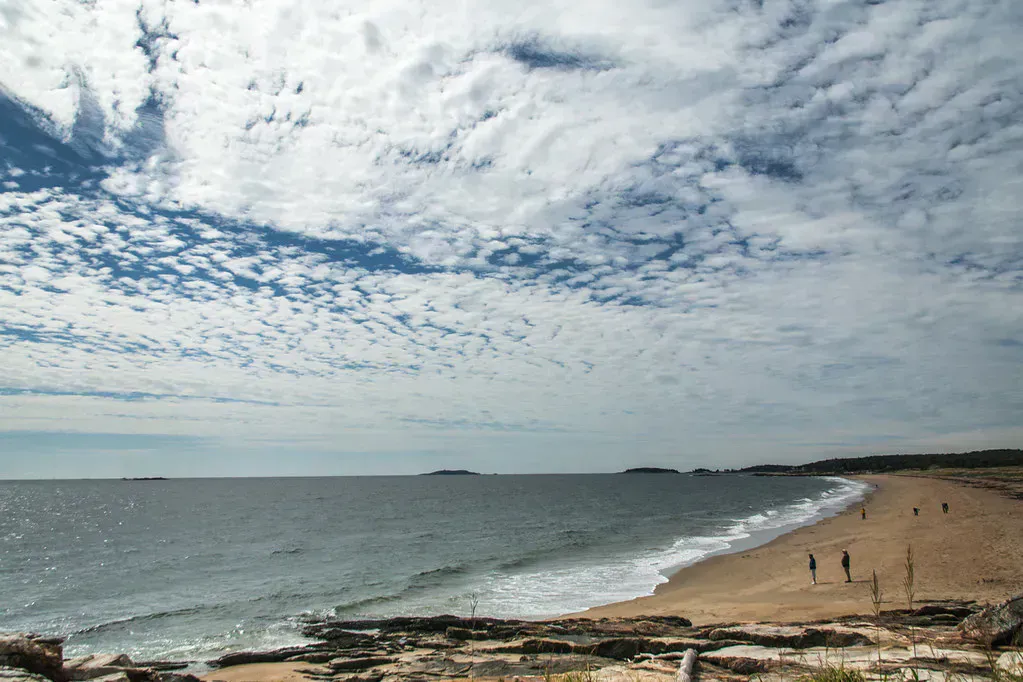
Bates-Morse Mountain Conservation Area sits at the end of a quiet road in Phippsburg, where the Morse River meets the sea. The conservation area protects 600 acres of salt marsh, forest, and coastal dune, but the real destination is Seawall Beach, a half-mile crescent of sand and cobble that is one of the last undeveloped barrier beaches remaining on the Maine coast.
Getting to Seawall Beach requires a walk. The trail from the parking area to the beach is about 0.9 miles each way, following a gravel road through forest and across the Morse River salt marsh. The walk is flat, easy, and suitable for all ages, but it filters out the crowds. You will not find ice cream trucks, bathhouses, or beach umbrellas for rent at Seawall Beach. What you will find is a wild stretch of sand backed by dunes and saltmarsh grass, the sound of waves and shorebirds, and a sense of coastline as it existed before development changed the shape of most New England beaches.
The conservation area is jointly managed by Bates College and The Nature Conservancy, with research and monitoring programs that have studied the beach and marsh ecosystem for decades. The management priority is conservation, and visitor regulations reflect that mission.
The Walk
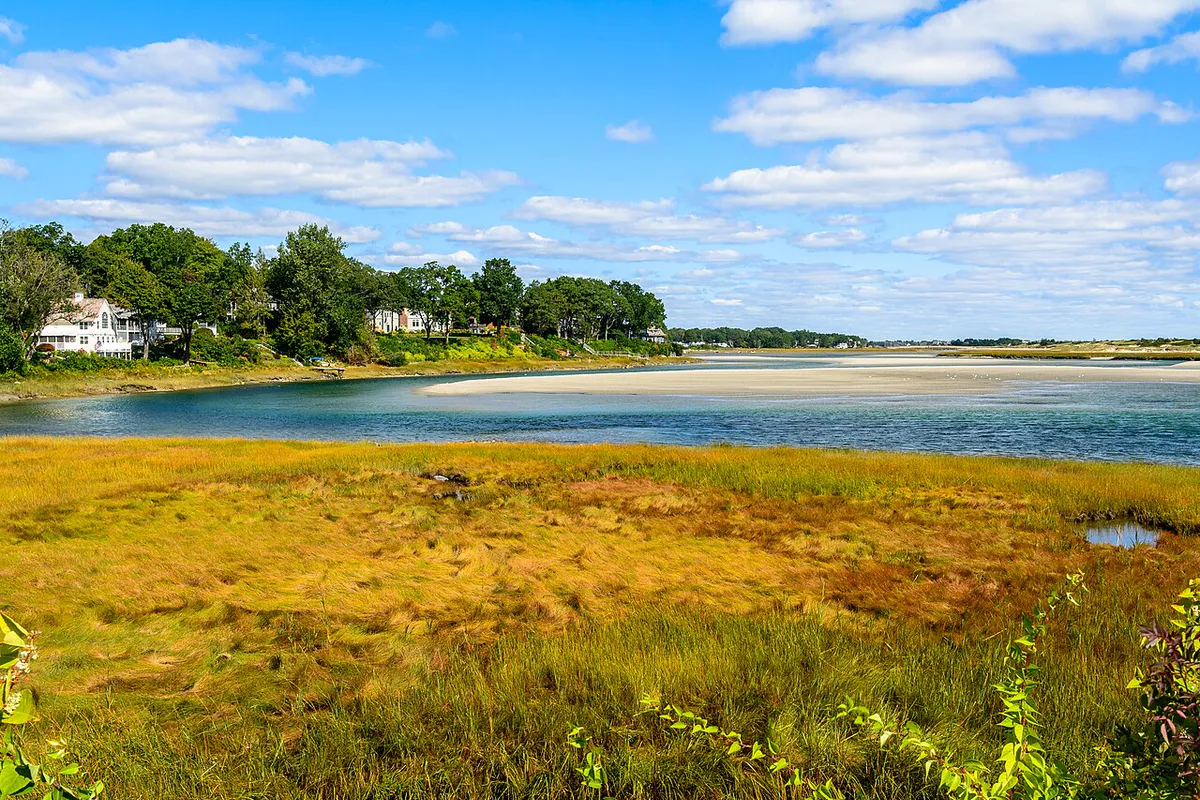
The trail from the parking lot to the beach is a flat gravel road, about 0.9 miles. The first section passes through a mixed forest of oak, pine, and spruce. As the trail emerges from the trees, the Morse River salt marsh opens up on both sides, and the view expands to include the dune system and ocean beyond.
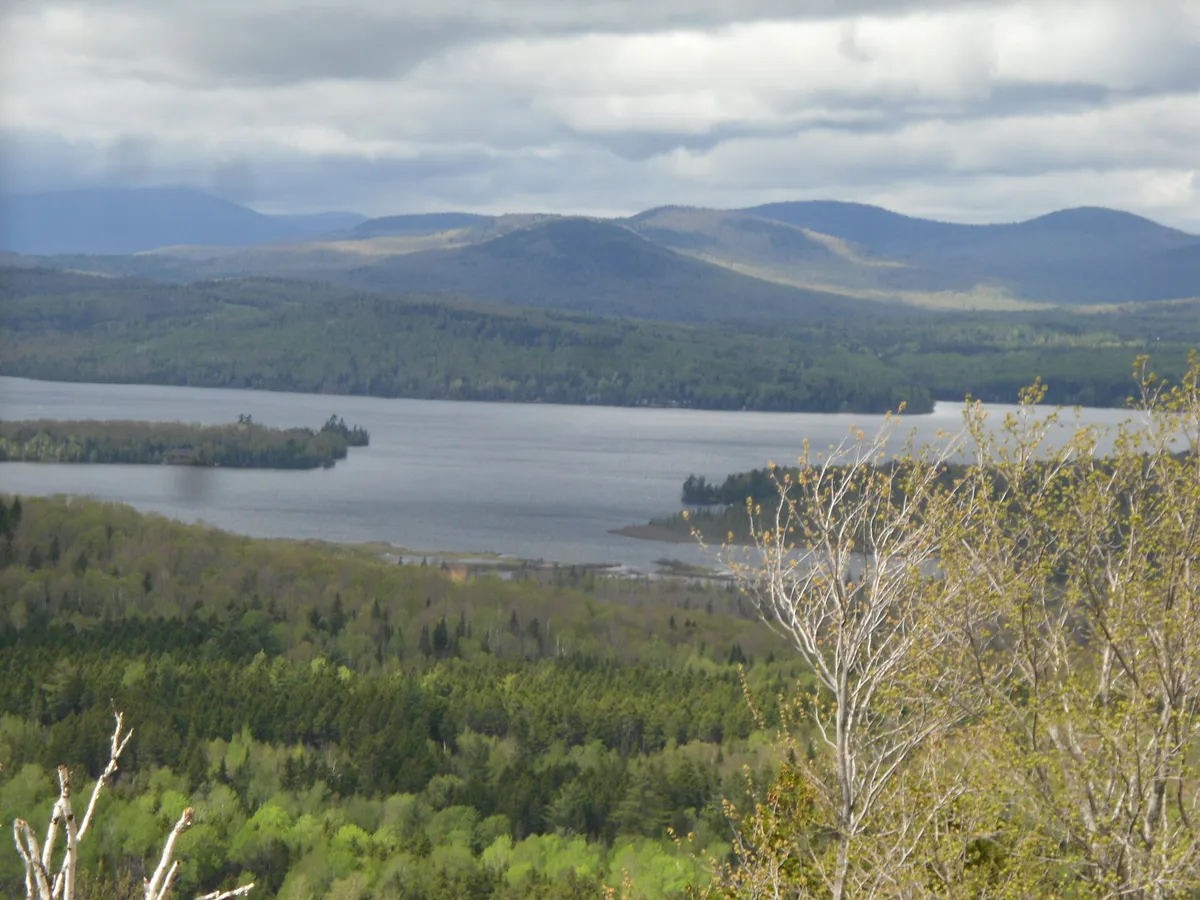
A short rise over Morse Mountain, really just a low hill of about 50 feet, provides an elevated view of the marsh, the beach, and the Morse River winding toward the sea. The descent from this point to the beach is gentle.
The walk to the beach takes about 20 minutes at a comfortable pace. Factor in the return walk when planning your visit, especially with children. There is no shade on the beach itself, so the walk back under midday sun can feel longer than the walk in.
Seawall Beach
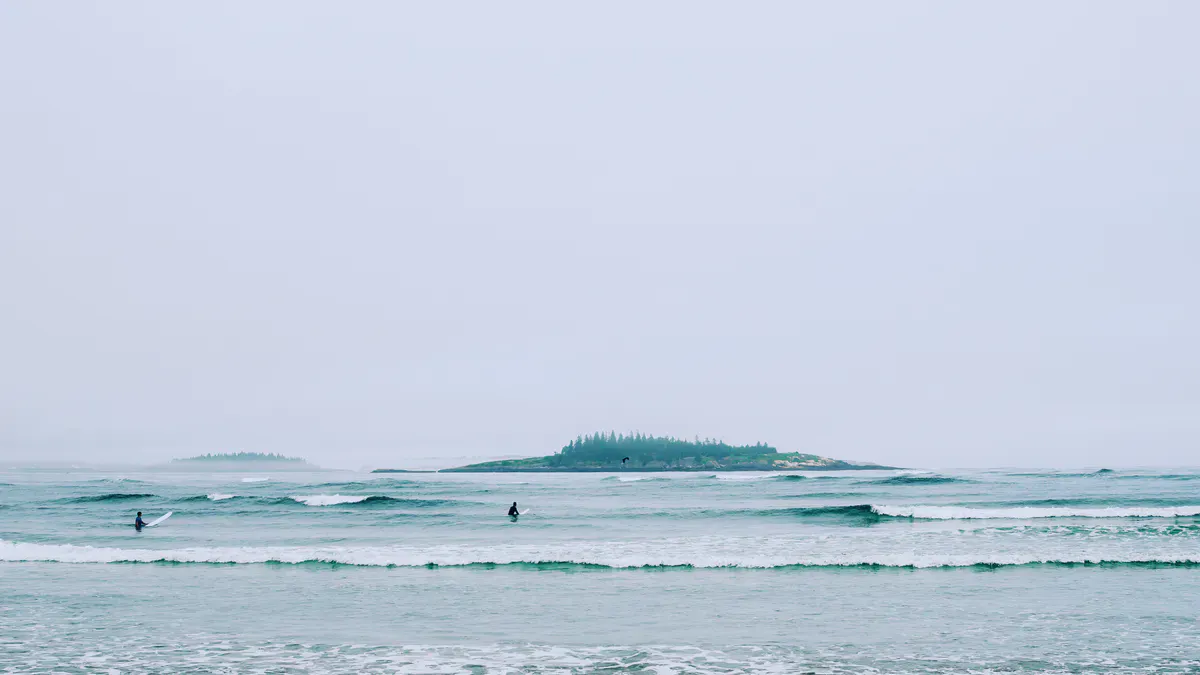
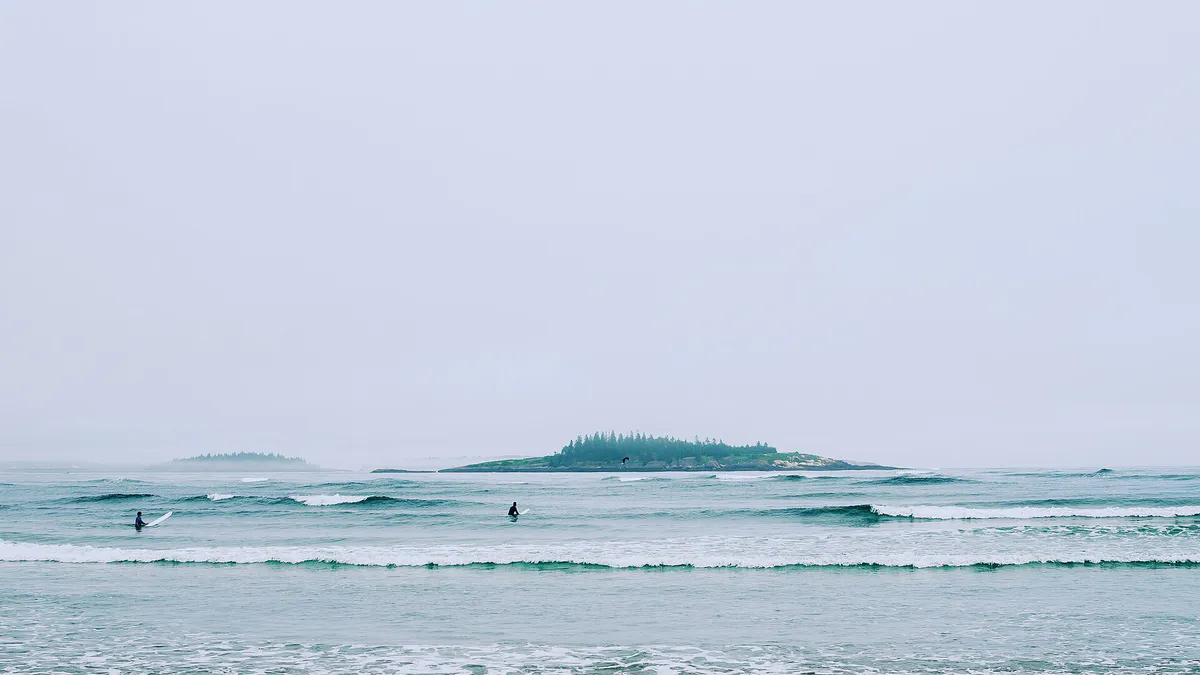
Seawall Beach is roughly half a mile of sandy beach bordered by dune systems on the landward side and the open Atlantic on the seaward side. The beach faces south, catching sun from morning through afternoon, and the sand is fine enough for comfortable sitting and walking.
Swimming is possible but be aware that this is open ocean with no lifeguards. Waves can be significant, and the water temperature rarely exceeds the low 60s even in August. The beach is best for walking, sitting, birdwatching, and simply being in a place where the coast has not been altered.
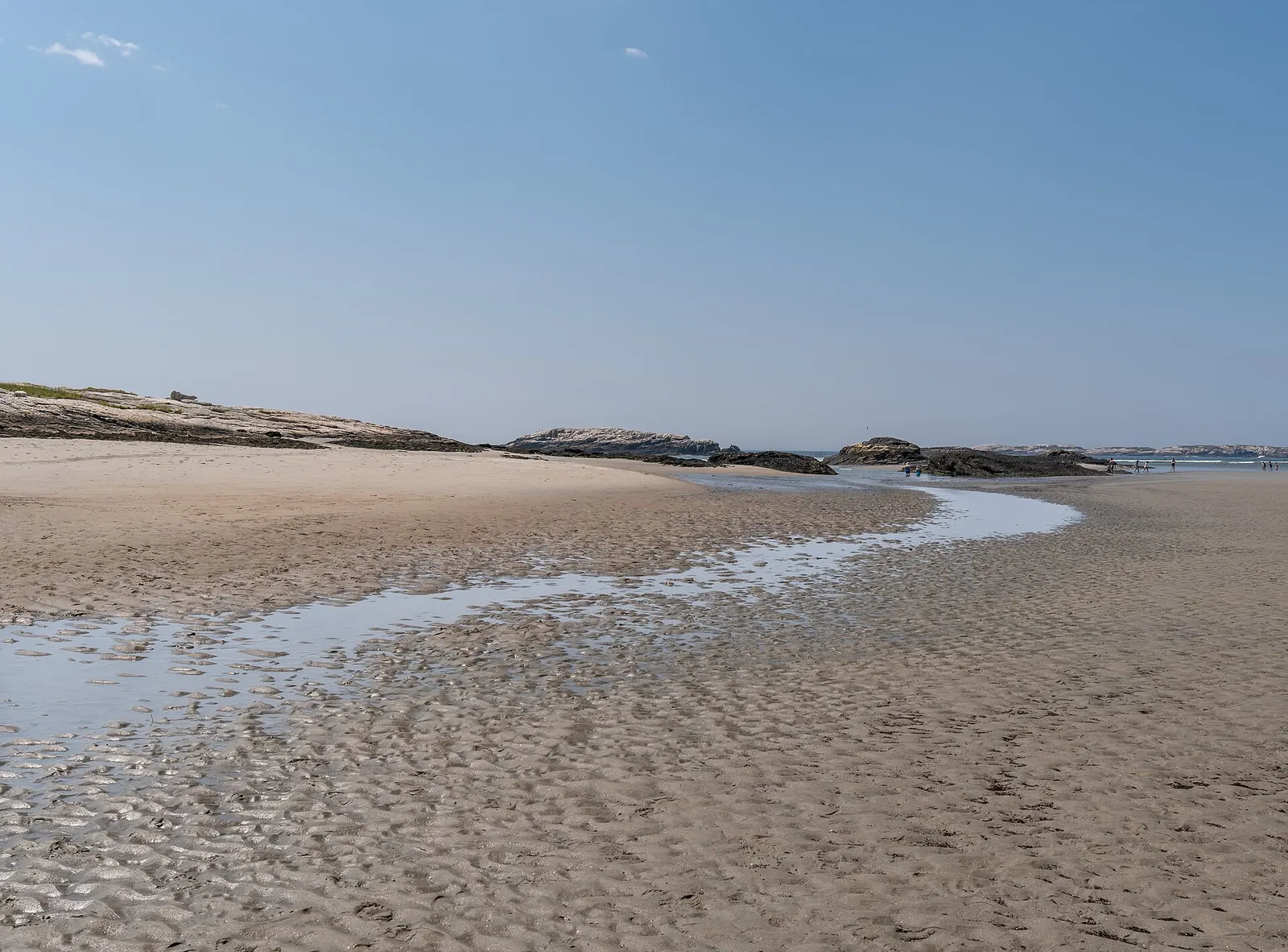
The eastern end of the beach meets the Morse River outlet, where the river carves a channel through the sand before entering the ocean. This river mouth shifts position over time, and the interplay of fresh and salt water creates a dynamic landscape of channels, sandbars, and tidal pools.
Sections of Seawall Beach are closed during nesting season (approximately April through August) to protect piping plovers and least terns. Both are state-listed species. Observe all posted closures and fencing. Walk in designated areas only. Nesting birds are extremely sensitive to human disturbance.
Piping Plover and Least Tern Nesting
Seawall Beach is one of a small number of sites in Maine where piping plovers and least terns nest. These ground-nesting shorebirds lay their eggs directly on the sand, making them vulnerable to foot traffic, dogs, and predators. Their nests are nearly invisible, the eggs are camouflaged against the sand.
The conservation area closes sections of the beach during nesting season and marks boundaries with symbolic fencing and signs. Volunteers and staff monitor nests and chick survival throughout the season. This is serious conservation work, and visitor cooperation is essential to the success of the nesting program.
If you visit during nesting season, you will still have access to a significant portion of the beach. The closed areas are clearly marked, and the remaining open beach is more than sufficient for a rewarding visit.
Rules and Etiquette
The rules at Bates-Morse Mountain are stricter than at a typical beach, and they exist for good reasons:
- No dogs. Dogs are not permitted anywhere in the conservation area, not on the trail, not on the beach, not in the parking lot. This is non-negotiable and strictly enforced. Dogs disturb nesting birds even on leash.
- No fires or grilling. The dune ecosystem is fire-sensitive.
- No camping. Day use only.
- No kite flying during nesting season (kites trigger predator-avoidance responses in nesting birds).
- Carry in, carry out. There are no trash receptacles. Pack out everything you bring in.
Visit on a weekday morning for the most peaceful experience. Weekend afternoons in July and August draw the biggest crowds, and the small parking lot fills quickly. Early morning visits also offer the best birdwatching.
Planning Your Visit
Spring
Beach opens up after winter storms reshape the sand. Migrating shorebirds begin arriving. Some beach sections close for nesting by late April.
Summer
Warmest weather and water. Nesting closures in effect but plenty of open beach. Best swimming conditions. Parking lot fills on weekends.
Fall
Nesting closures lifted by September. Fewer visitors. Migrating shorebirds stop over. Cooler temperatures and dramatic skies.
Winter
Trail and beach open. Cold and windy. Few visitors. Storm watching can be spectacular. The walk in feels longer in wind and cold.
Bates-Morse Mountain Visit
- Sunscreen and hat (no shade on the beach)
- Water and snacks (nothing available at the beach)
- Binoculars for shorebird watching
- Camera
- Towel and swimsuit if swimming
- Wind layer (beach is exposed to ocean breeze)
- Trash bag to pack out everything you bring
- Comfortable walking shoes for the 0.9-mile trail
- Leave your dog at home (not permitted)
Getting There
From Bath, take Route 209 south through Phippsburg for about 10 miles. The parking area for Bates-Morse Mountain is on the left side of Route 209, marked with a small sign. The parking lot is gravel and holds approximately 40 vehicles. From Portland, the drive is about 1 hour and 10 minutes via I-295 and Route 209. From Bangor, allow about 2 hours and 40 minutes.
The parking lot is small and fills on summer weekends and holidays, often by 10 AM. There is no overflow parking available. If the lot is full, you must return another time. Do not park on Route 209. It is not safe and your vehicle may be towed.
FAQ
Are dogs allowed at Bates-Morse Mountain?
No. Dogs are not permitted anywhere in the conservation area, including the trail and the beach. This is strictly enforced to protect nesting shorebirds.
How far is the walk to Seawall Beach?
The walk from the parking lot to the beach is about 0.9 miles each way, roughly 20 minutes at a comfortable pace. The trail is flat gravel and suitable for all ages.
Can I swim at Seawall Beach?
Yes, but there are no lifeguards. The water is open ocean, typically reaching the low 60s in summer. Be aware of waves and currents.
What are the nesting closures?
Sections of the beach are closed from approximately April through August to protect nesting piping plovers and least terns. Closures are marked with fencing and signs. Significant portions of the beach remain open for visitors.
Is there a fee?
No. Bates-Morse Mountain Conservation Area is free and open to the public from dawn to dusk year-round.