Where a Classic Was Born
On the shore of Muscongus Bay in New Harbor, a quarter-acre tidal pool sits at the edge of a rocky promontory. It looks unremarkable at first glance: a shallow depression in the rock that fills with seawater at high tide and drains to a rich, contained ecosystem at low tide. But this pool changed the way millions of people think about the natural world. It was here, in the early 1950s, that Rachel Carson spent hours on her hands and knees studying the creatures of the intertidal zone, gathering the observations that became her 1955 book “The Edge of the Sea.”
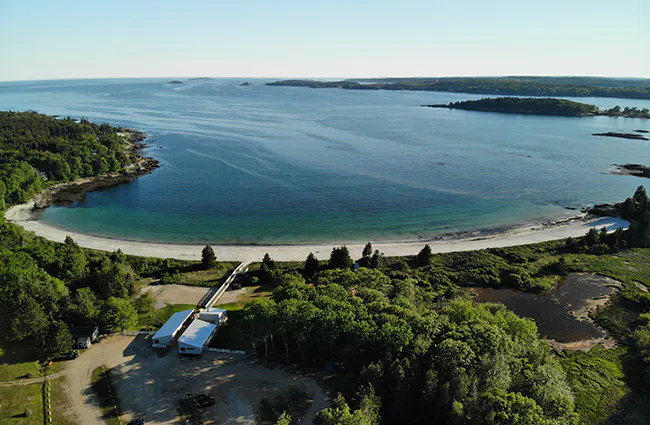
The Rachel Carson Salt Pond Preserve is a 78-acre property managed by The Nature Conservancy, dedicated in Carson’s honor in 1970, eight years after the publication of “Silent Spring” made her one of the most important environmental voices of the twentieth century. The preserve protects the salt pond, a stretch of rocky coastline, a cobble beach, and the forested upland behind them. It is a quiet, contemplative place that rewards slow observation and attention to small things, exactly as Carson practiced here.
The Salt Pond
At low tide, the salt pond becomes a living laboratory. The pool is about a quarter acre in size, shallow enough to see the bottom throughout, and packed with marine life. Green crabs scuttle between rocks. Periwinkles graze on algae-covered surfaces. Dog whelks drill into mussel shells. Sea urchins nestle in crevices. Rockweed drapes the pool edges in olive-brown fronds, and beneath it you find hermit crabs, small fish, and the occasional sea star.
What makes this pool special is not any single species but the density and accessibility of the community. Everything is visible and close at hand. You can kneel at the pool’s edge and watch predator-prey interactions, feeding strategies, and territorial behavior playing out in real time. It is ecology at eye level, exactly the kind of direct observation that Carson championed.
Rachel Carson and The Edge of the Sea
Carson first visited the Maine coast in the late 1940s and fell in love with the tidal ecosystems she found along the Pemaquid peninsula. She bought a cottage in West Southport, a few miles from New Harbor, and spent summers exploring the coastline. The salt pond at New Harbor became one of her primary study sites.
“The Edge of the Sea,” published in 1955, is the third and most lyrical of Carson’s sea trilogy (following “Under the Sea-Wind” and “The Sea Around Us”). The book describes the ecology of three types of coastline: rocky shores, sandy beaches, and coral reefs. The Maine rocky shore chapters draw directly from Carson’s observations at this salt pond and the surrounding coast. Her descriptions of periwinkles, barnacles, sea urchins, and the zonation of life between tide lines were based on what she saw here.
Carson wrote: “In every outward-Loss curving beach, in every grain of sand, there is the story of the earth.” The salt pond preserve keeps that story accessible to anyone willing to look closely.
Exploring the Preserve
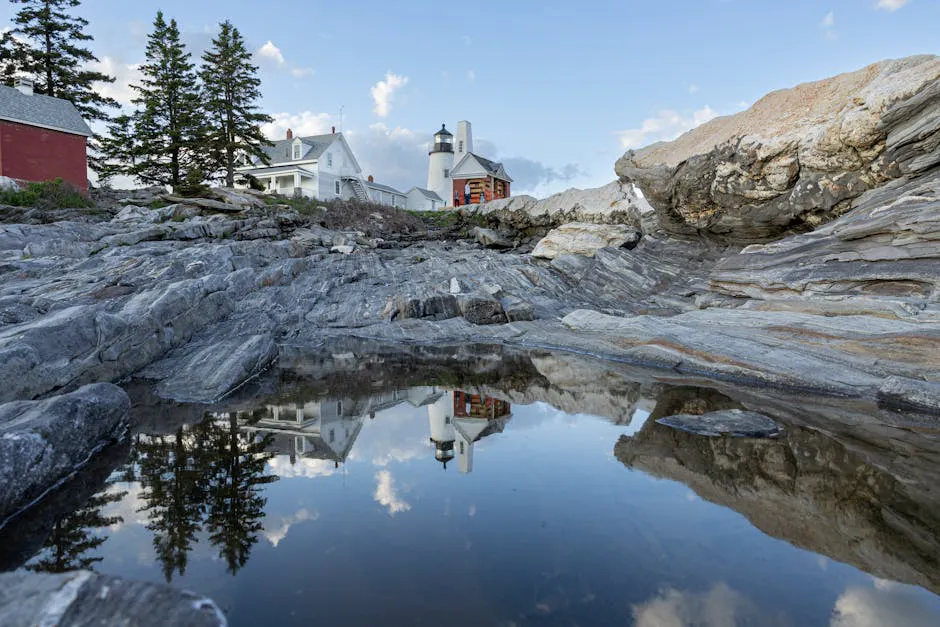
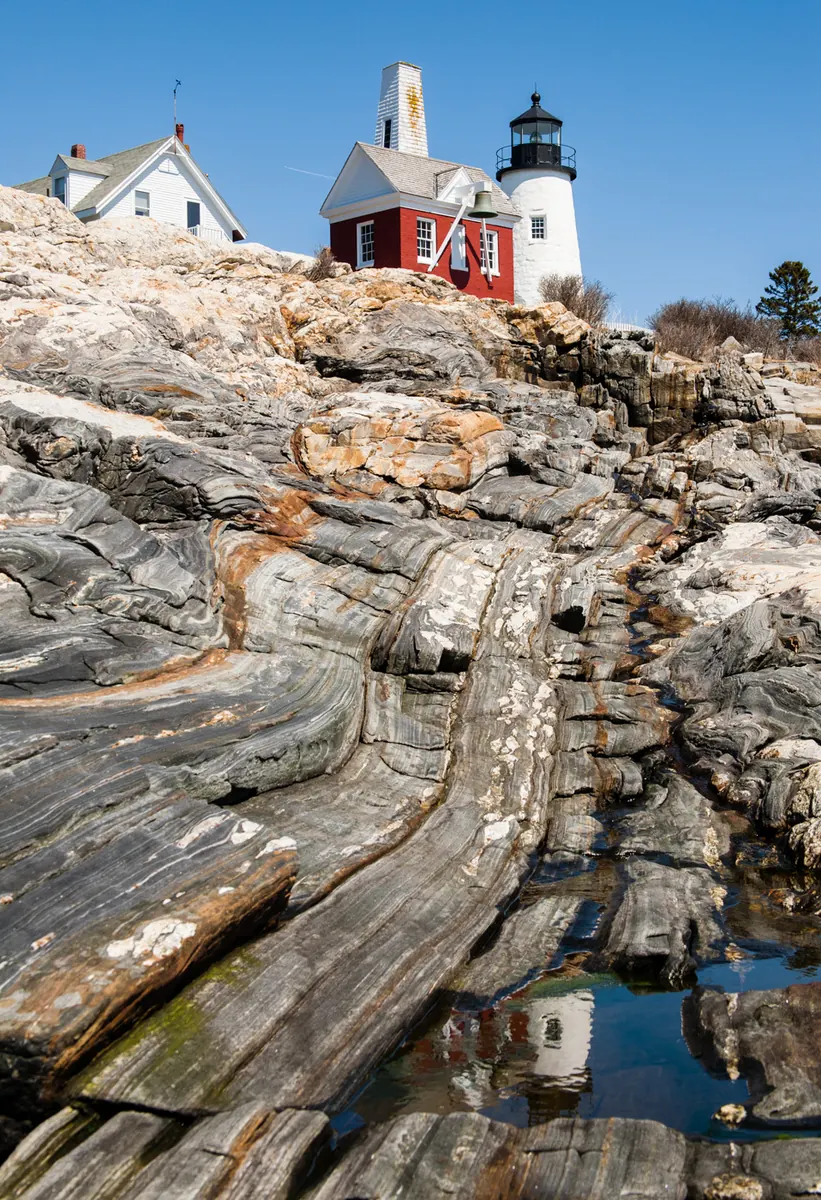
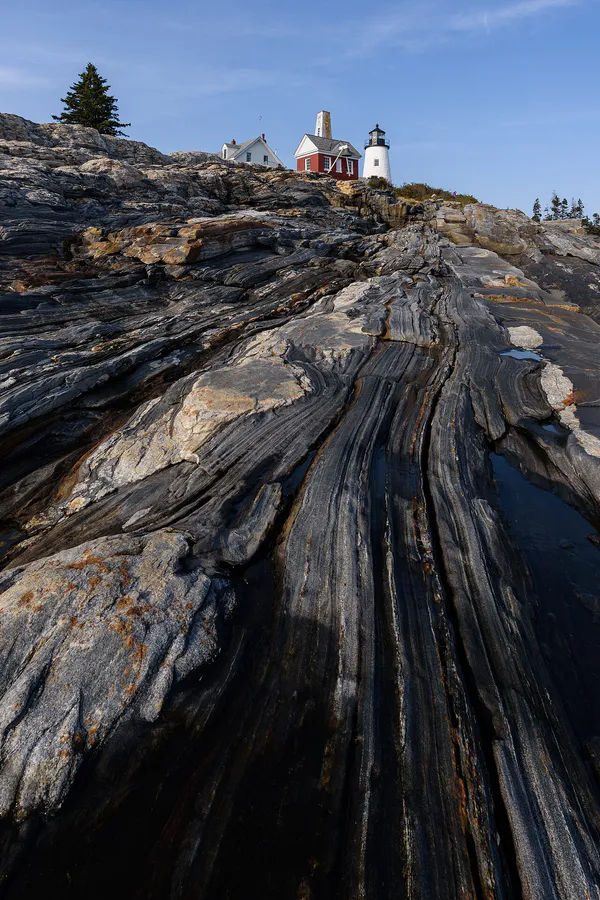
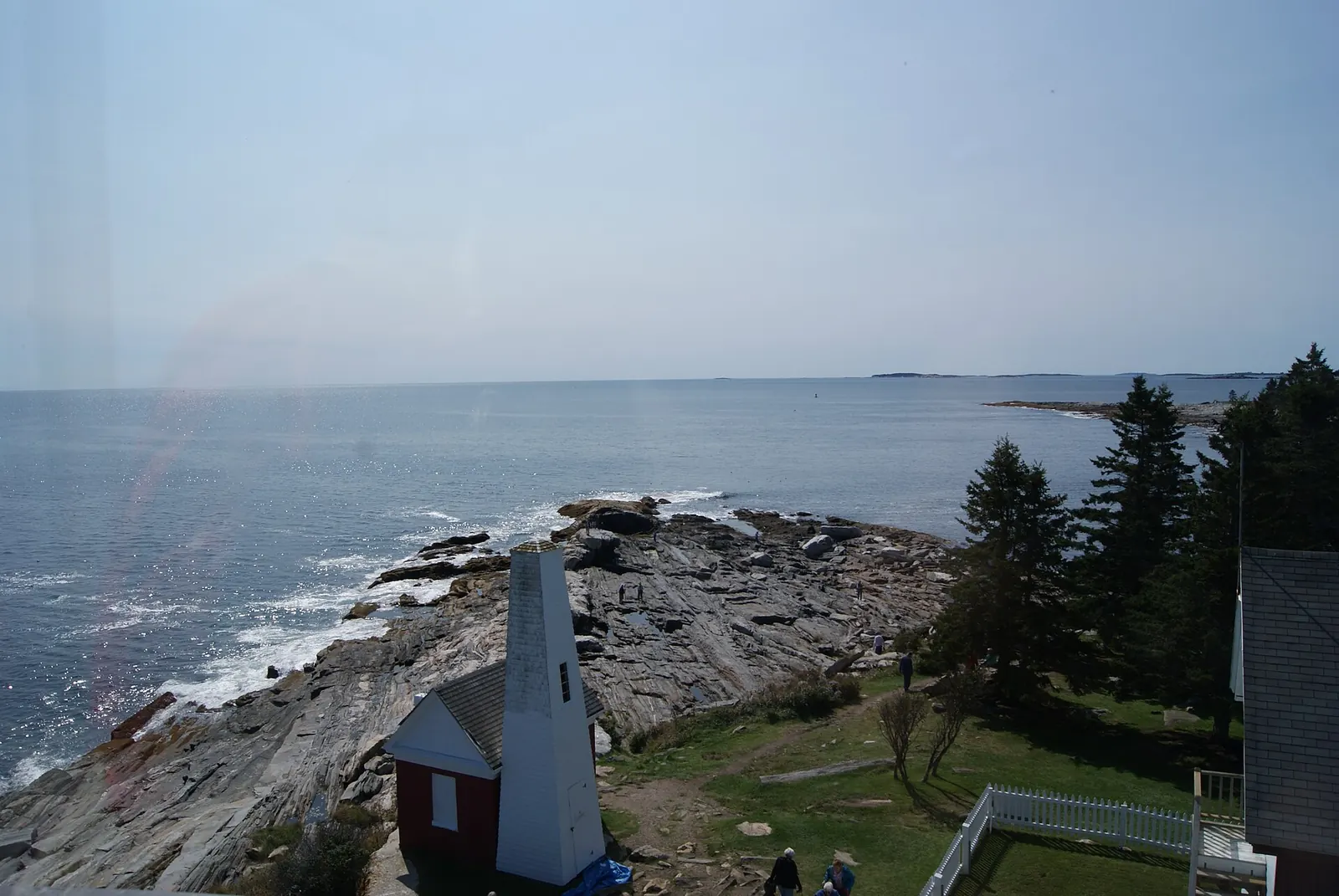
Beyond the salt pond, a short trail leads through the preserve along the rocky coastline. The rocks here are dark metamorphic gneiss, fractured and tilted, with tide pools scattered along the shore. The upper shore is colonized by barnacles and blue mussels. The mid-shore zone supports rockweed and the creatures that shelter within it. The lower shore, exposed only at the lowest tides, may reveal sea stars, sea cucumbers, and occasional nudibranchs.
The upland forest is mixed spruce and hardwood, with a carpet of moss and lichen on the forest floor. The forest edge shelters the preserve from northwesterly winds and creates a microclimate along the shore that contributes to the richness of the tidal community.
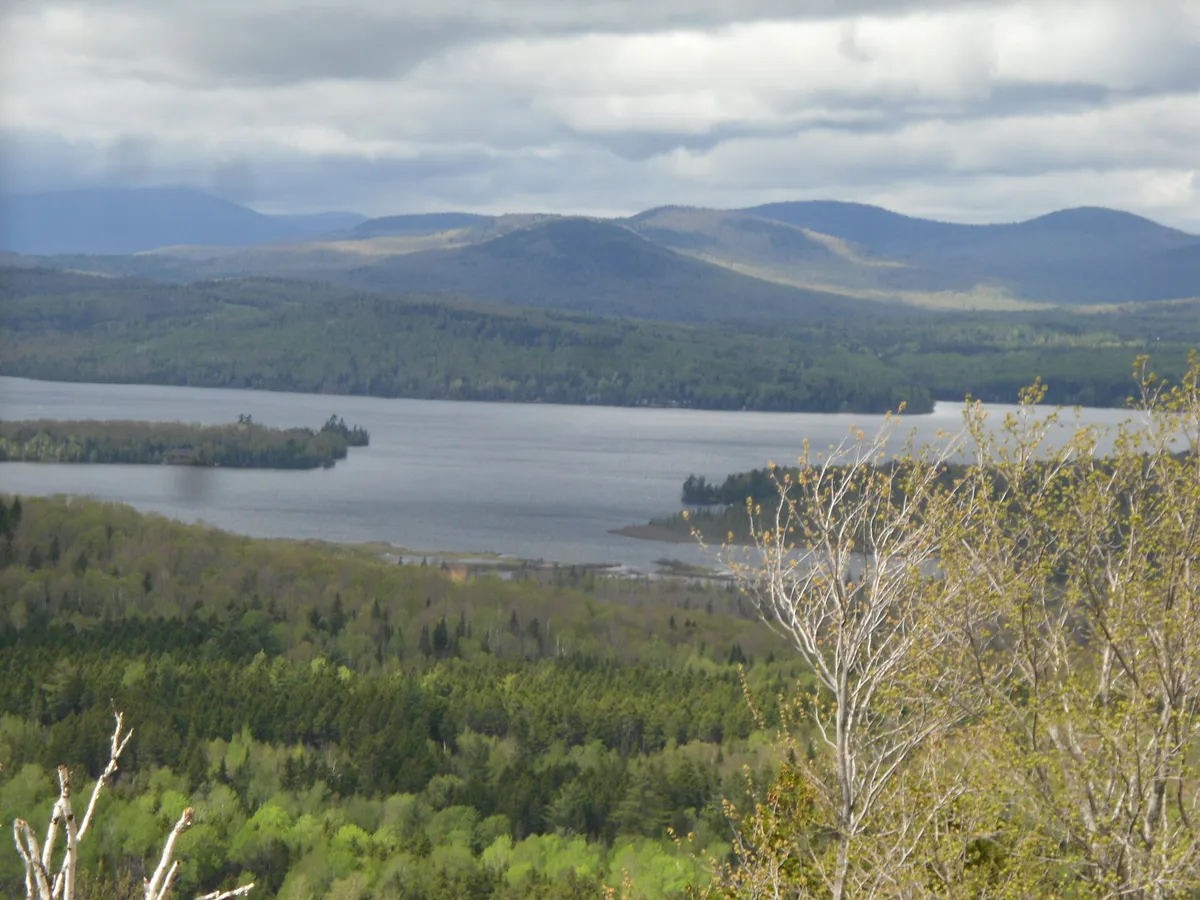
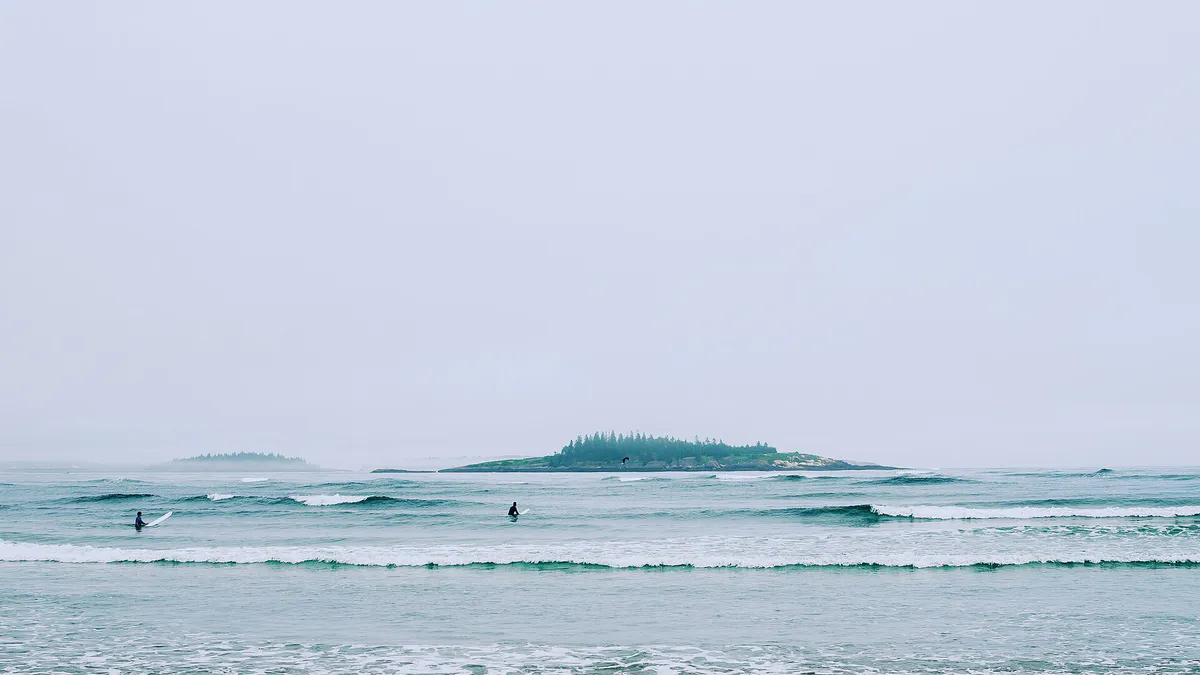
A cobble beach at the southern end of the preserve is a good spot to sit and watch the bay. Muscongus Bay stretches to the east, with Monhegan Island visible on the horizon on clear days.
When to Go
Summer
Peak tidal pool activity. Marine life is most abundant and active. Visit at low tide for the best experience. The preserve is busiest in summer.
Spring
Marine life begins to emerge as water temperatures rise. Fewer visitors. Migrating shorebirds may be seen along the coast.
Fall
Clear air and fewer visitors. Tidal pools remain active into October. Beautiful light on the coastline.
Winter
The preserve is open but tidal pool life is less visible in cold months. Rocky shore birds like purple sandpipers may be present. Dramatic winter ocean.
Practical Notes
The preserve has no restrooms, no water, and no facilities. The parking area on Route 32 is small and unmarked except for a modest Nature Conservancy sign. The walk from the road to the salt pond takes about five minutes along an easy, mostly level path.
The nearest town with services is New Harbor, about a mile south on Route 32, which has a general store and a few seasonal restaurants. Damariscotta, about 10 miles north, has full services including grocery stores and restaurants.
Getting There
From Route 1 in Damariscotta, take Route 130 south for about 10 miles to the intersection with Route 32 in New Harbor. Turn left on Route 32 and drive approximately 1 mile. The preserve parking area is on the right, marked with a small Nature Conservancy sign.
From Portland, the drive takes about 90 minutes via I-295 to Route 1 to Route 130. From Bangor, about 2 hours via Route 1A to Route 1.
GPS coordinates: 43.8747, -69.5250
FAQ
What is the Rachel Carson Salt Pond Preserve?
A 78-acre Nature Conservancy preserve in New Harbor, Maine, dedicated to Rachel Carson in 1970. It protects the tidal pool where Carson researched her 1955 book The Edge of the Sea, along with surrounding rocky coastline and forest.
When is the best time to visit the salt pond?
At low tide. The pool is submerged at high tide. Arrive about an hour after high tide to watch the water recede and the marine life emerge. Check the New Harbor tide chart before visiting.
Is there a fee to visit?
No. The preserve is open year-round at no charge. It is managed by The Nature Conservancy.
Can I take shells or creatures from the tidal pool?
No. The preserve is protected. Do not remove any organisms, shells, or rocks. Observe and photograph only.
Is this where Rachel Carson wrote Silent Spring?
No. Carson researched The Edge of the Sea at this salt pond, not Silent Spring. However, her time on the Maine coast influenced her broader environmental thinking. Silent Spring, published in 1962, focused on pesticide use and was primarily researched elsewhere.