Maine’s Hidden Wildlife Island
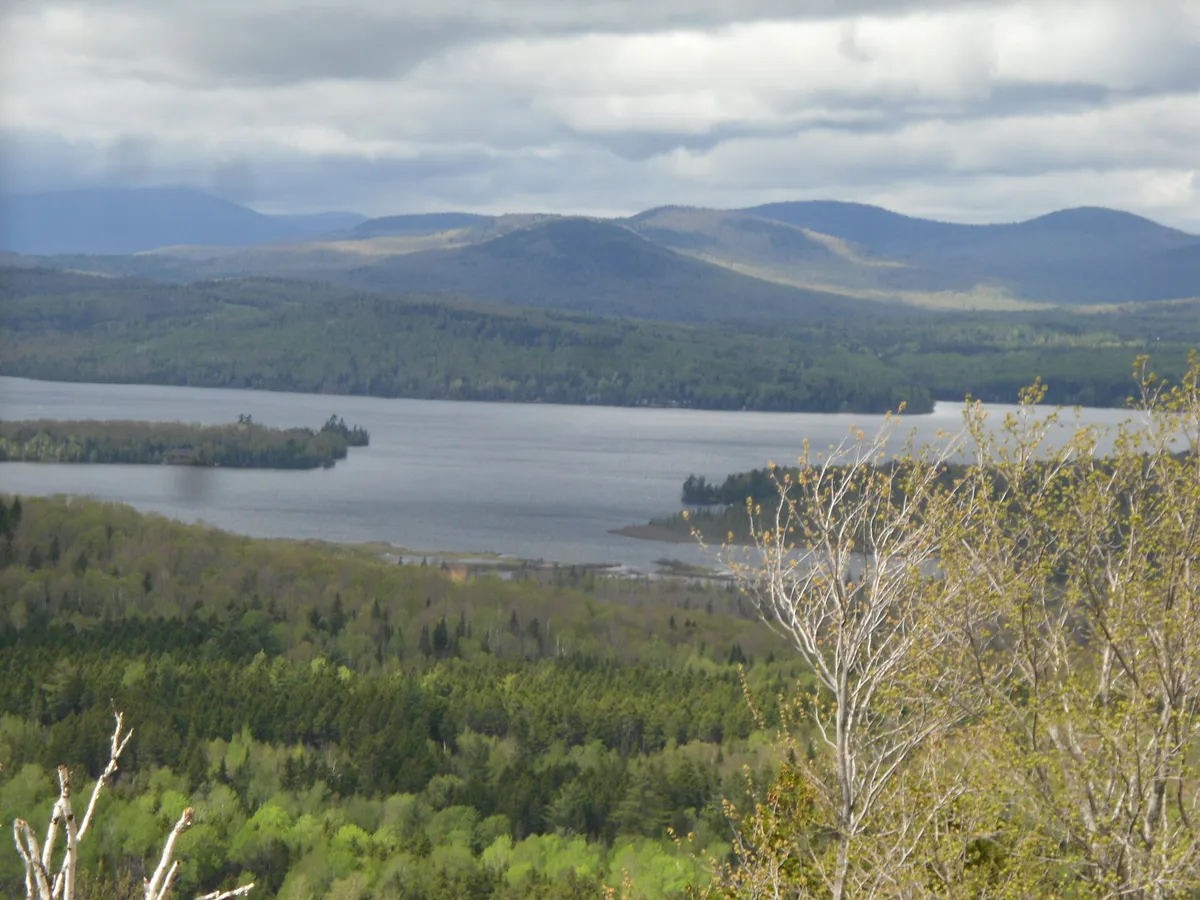
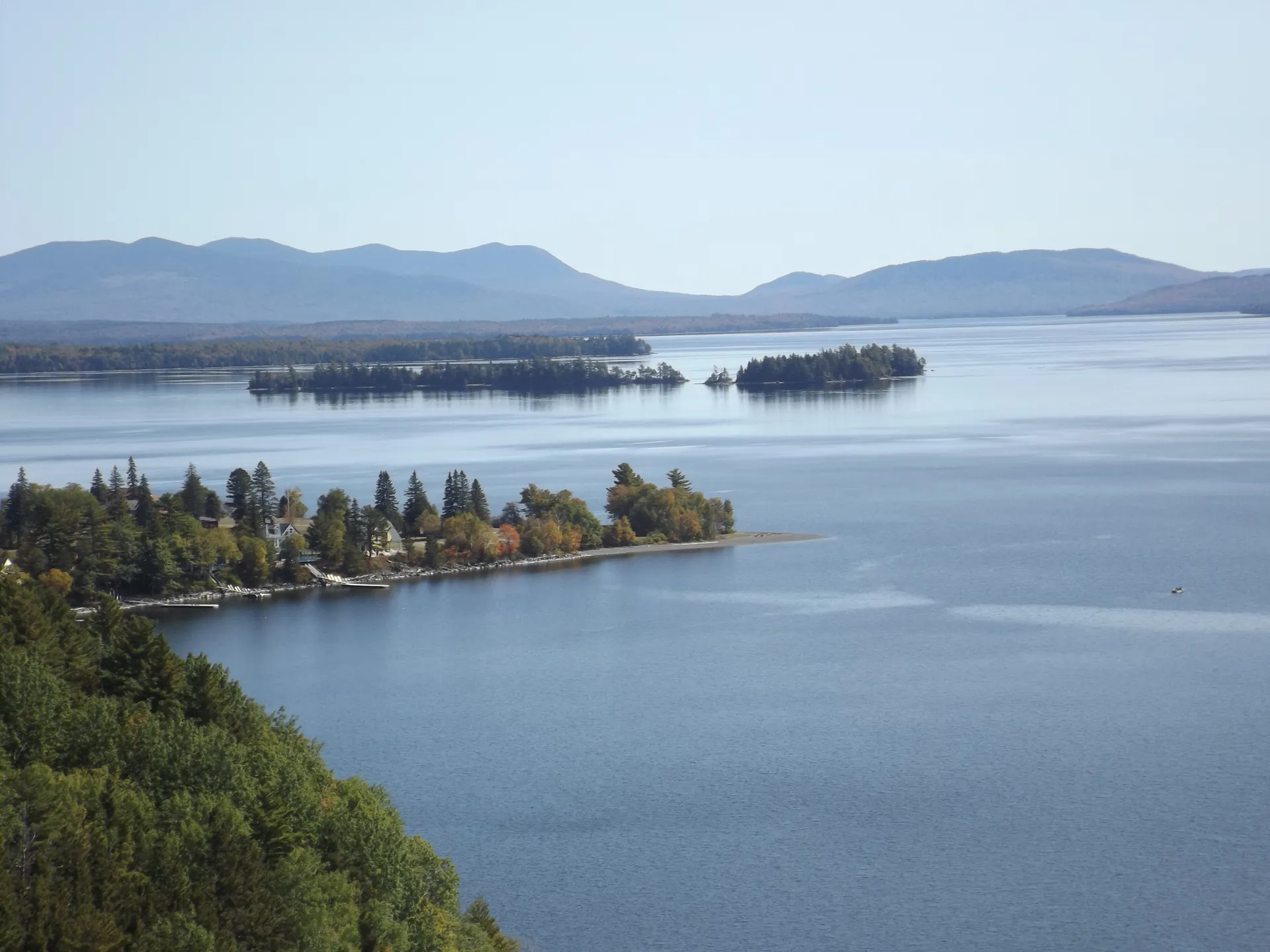
Swan Island sits in the middle of the Kennebec River in Richmond, a four-mile-long, half-mile-wide island that most people drive right past on Route 24 without knowing it exists. The island is managed by the Maine Department of Inland Fisheries and Wildlife as a Wildlife Management Area, and access is controlled by a reservation-only ferry that limits daily visitors. That controlled access is what makes Swan Island remarkable. With no more than a few dozen visitors on any given day, the island feels genuinely wild, and the wildlife responds to the quiet.
The island spans 1,755 acres of mixed forest, open fields, cobble shoreline, and riparian habitat. MDIFW manages it primarily for wildlife, maintaining fields and forest openings to maximize habitat diversity. The result is one of the best wildlife viewing destinations in southern and central Maine, with bald eagles, white-tailed deer, wild turkeys, and dozens of other species present in numbers that reflect an ecosystem left mostly alone.
Bald Eagles
Swan Island is one of the premier bald eagle viewing sites in Maine. Multiple nesting pairs occupy the island and the adjacent riverbanks, and eagles are visible on nearly every visit. The birds perch in the tall white pines along the shore, soar over the river hunting for fish, and gather at the island’s cobble beaches where alewives and other fish wash up during spawning runs.
The eagle viewing is especially good in summer when adults are feeding chicks at riverside nests. By July and August, juvenile eagles are making their first flights from the island’s nest trees, and it is not uncommon to see five or six eagles in the air at once over the river.
The Historic Village
At the northern end of the island, the remains of a small village sit in a clearing surrounded by forest. Swan Island was once home to a community of several dozen families who lived on the island year-round, farming, fishing, and harvesting ice from the river. The village reached its peak in the mid-1800s and was gradually abandoned by the early 1900s. A few buildings remain, including a restored house that MDIFW uses for interpretation, and the foundations of homes, barns, and a school are visible in the undergrowth.
Walking through the village site, you find cellar holes grown over with ferns, old stone walls marking property lines, and mature trees growing where farmyards once stood. The contrast between the quiet ruins and the surrounding wildlife creates a mood unlike anywhere else in southern Maine.
Exploring the Island
Swan Island has approximately six miles of gravel roads and trails that loop through the island’s varied habitats. No private vehicles are allowed; you explore on foot or by bicycle (bring your own on the ferry). The terrain is flat to gently rolling and the walking is easy.
The Main Road runs the length of the island, from the ferry landing at the southern end to the village site at the northern end, about two miles. This road passes through forest and along field edges, with views of the Kennebec River through the trees.
The River Trail follows the western shoreline, giving the best views of the river and the best eagle sighting opportunities. The cobble beaches along this shore are favorite eagle perches.
The Interior Fields are managed clearings in the forest interior where MDIFW maintains grassland and shrubland habitat. These fields attract deer, turkeys, and a variety of grassland birds. In early morning, you may see deer grazing in the mist.
Camping
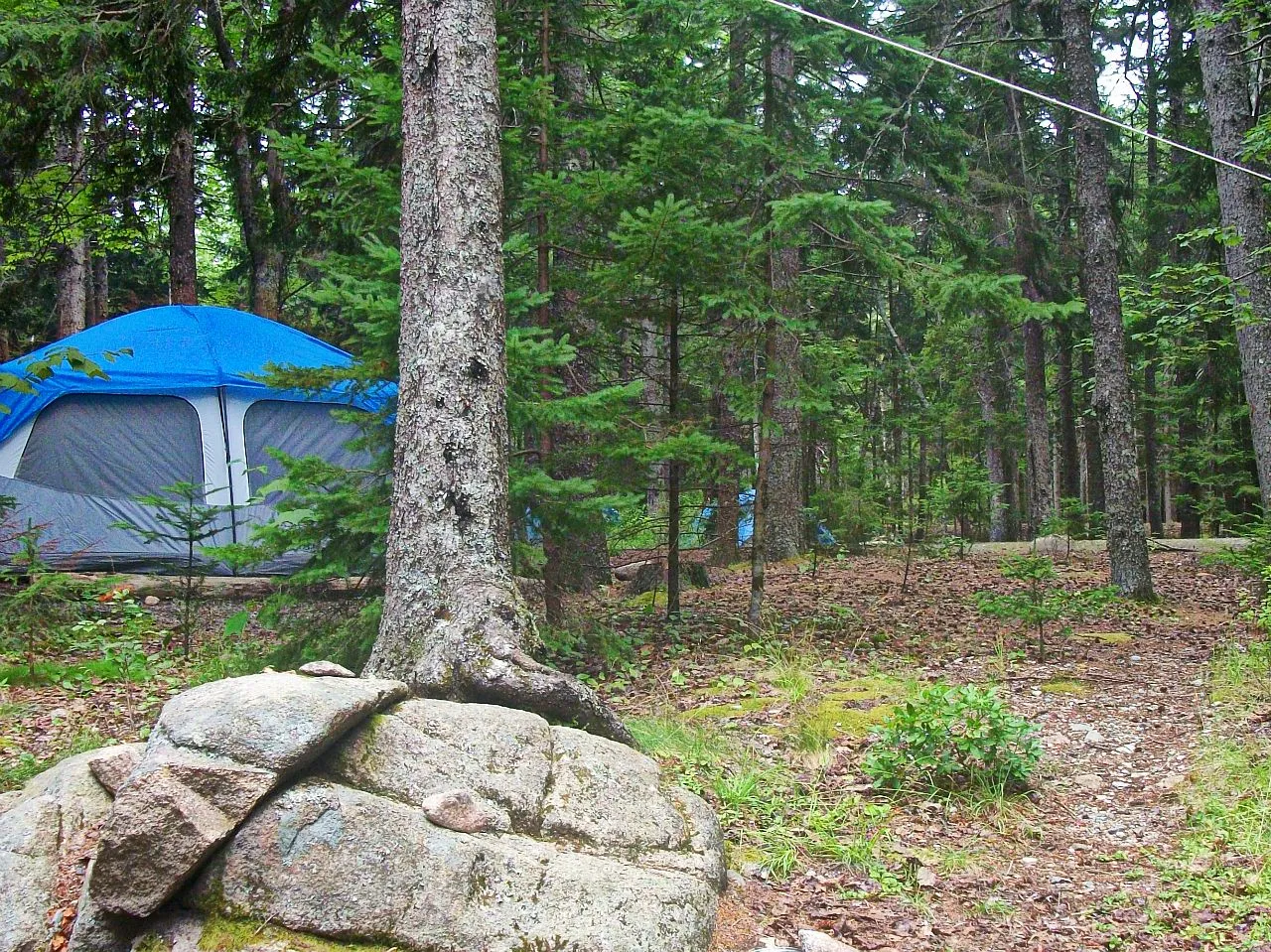
Swan Island offers a primitive camping experience that is among the most unique in Maine. Several Adirondack shelters and tent sites are available by reservation, and camping is limited to small numbers to maintain the island’s quiet character. The shelters are simple three-sided wooden structures with a fire ring and a privy nearby. There is no running water, electricity, or cell service.
Camping on Swan Island feels like having a private island. After the last day-use ferry departs in the afternoon, the island belongs to the campers and the wildlife. Evening brings deer walking through camp, owls calling from the forest, and the sound of the river flowing past.
When to Go
Summer
Peak eagle activity with adults feeding chicks. Wildflowers in the fields. Best camping weather. Mosquitoes can be heavy in the interior woods. Book reservations early.
Fall
Foliage colors along the river are spectacular. Deer are active. Camping available through Columbus Day. Fewer bugs.
Spring
Island opens May 1. Migrating warblers pass through. Eagles on nests. River runs high. Can be muddy.
Winter
Island is closed to visitors. Wildlife continues to use the island undisturbed.
Getting There
The ferry to Swan Island departs from a boat launch on Route 24 in Richmond. The launch is marked with a small MDIFW sign. Reservations are required for both day use and camping and can be made through the MDIFW website or by phone. The ferry runs on a schedule set by the caretaker, with the first morning run around 8am and the last return in the afternoon (times vary).
From Portland, take I-295 to Gardiner, then Route 24 south to Richmond. Total drive time is about one hour. From Augusta, about 20 minutes south on Route 24.
Checklist
What to Bring
- Make reservations through MDIFW well in advance
- Confirm ferry schedule before departing
- Bring all water, food, and supplies for the day
- Pack binoculars or spotting scope for eagle viewing
- Apply tick and mosquito repellent
- Bring a bicycle for covering more of the island
- Camera with telephoto lens for wildlife
- Wear sturdy shoes for gravel road and trail walking
- Carry out all trash, leave no trace
- Allow a full day to explore the island properly
FAQ
Do I need a reservation for Swan Island?
Yes. Both day-use visits and camping require reservations through the Maine Department of Inland Fisheries and Wildlife. Reservations open in January for the season and popular dates fill quickly.
How do you get to Swan Island?
By a small MDIFW ferry that departs from a boat launch on Route 24 in Richmond. The ferry ride takes about five minutes. Private boats are not allowed to land on the island.
Can you camp on Swan Island?
Yes. The island has Adirondack shelters and tent sites available by reservation. Camping is primitive with no running water or electricity. Camping season runs May through Columbus Day.
Is Swan Island good for kids?
Yes. The flat terrain, gentle trails, and abundant wildlife make it excellent for families. Children enjoy the ferry ride, the historic village, and eagle spotting. The lack of cell service is a feature, not a bug.
How many bald eagles can you see on Swan Island?
Multiple nesting pairs live on and around the island. On a typical summer visit, you may see three to six eagles. During peak activity periods with juveniles fledging, more may be visible.