


A Century of Conservation in an Unlikely Place
In the middle of Lewiston, Maine’s second-largest city, 450 acres of forest, ledge, and wetland have been set aside for birds and for the people who watch them. Thorncrag Nature Sanctuary is the largest bird sanctuary in Maine and one of the oldest conservation properties in the state, managed by the Stanton Bird Club since 1921. The club was founded by a group of citizens who believed that even an industrial city deserved wild land, and for more than a century, they have protected and maintained this remarkable property through volunteer effort and private donations.
The sanctuary covers a wooded ridge and its surrounding slopes on the eastern edge of Lewiston. Over five miles of trails wind through mixed forest, past granite ledge outcrops, along stream corridors, and through wetland edges. The terrain is gentle enough for families and diverse enough for experienced naturalists. What is most striking is the size. At 450 acres, Thorncrag is large enough to support interior forest species that need unbroken woodland habitat, making it more ecologically valuable than the typical city park.
The Trail System
The trail network covers over five miles and is well-marked with color-coded blazes. Trails range from wide, level paths suitable for beginners to narrower footpaths that wind through rockier terrain. A trail map is available at the main entrance kiosk.
The Ridge Trail: The backbone of the system, this trail follows the crest of the ridge through mature hardwood forest. The canopy of oak, maple, and beech shades the trail in summer and puts on a brilliant display in fall. Granite outcrops along the ridge provide viewpoints over the surrounding forest and, in a few spots, glimpses of the western mountains.
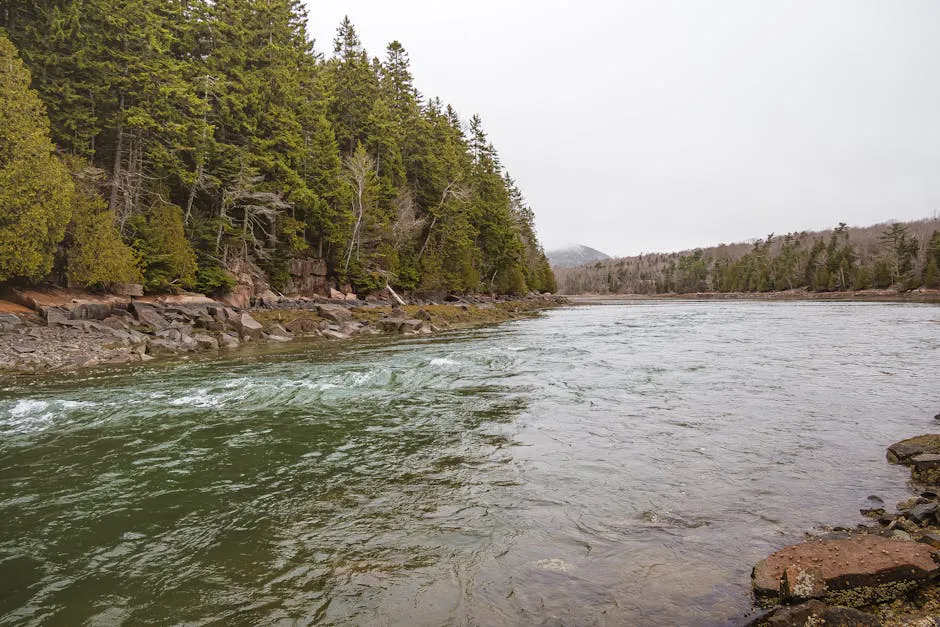
The Brook Trail: Follows a small stream through a ravine on the sanctuary’s north side. The stream corridor is a magnet for birds, especially during migration. The moist habitat supports ferns, mosses, and spring wildflowers including trillium, jack-in-the-pulpit, and trout lily.
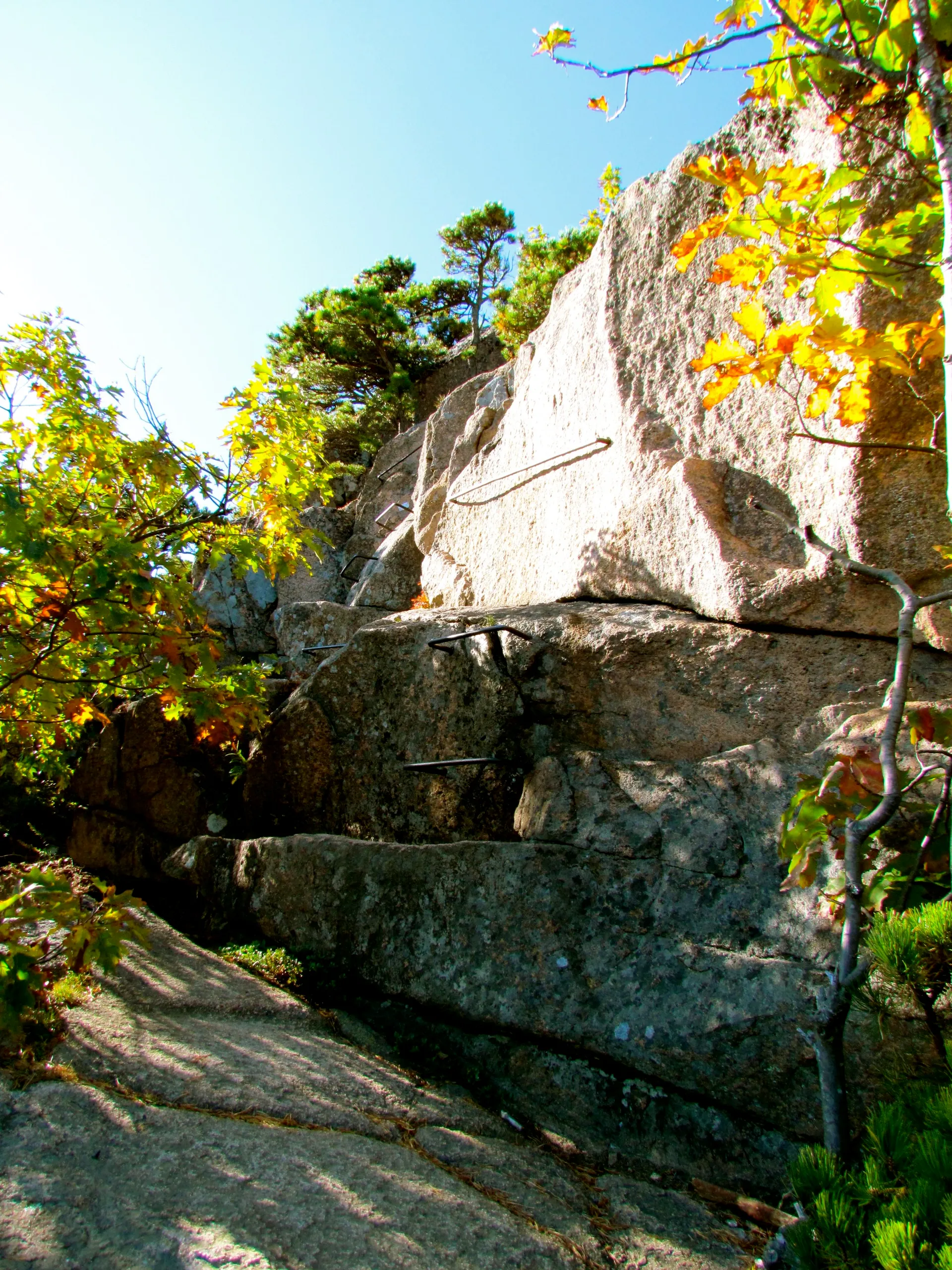
The Ledge Trail: Climbs to exposed granite ledges with the sanctuary’s best views. The ledge habitat supports different plant communities, including lichens, mosses, and low-bush blueberry, and attracts sun-loving birds that avoid the deep forest.
The Wetland Trail: Skirts a small wetland in the sanctuary’s lower section. This is the best area for spotting amphibians and water-associated birds. Wood frogs, spotted salamanders, and spring peepers breed here.
Birds
The Stanton Bird Club maintains a bird list for Thorncrag that records over 120 species. The sanctuary’s large size and habitat variety support both common and uncommon species.
Forest interior species that require unbroken woodland habitat are the sanctuary’s specialty. Ovenbirds sing from the forest floor. Wood thrushes deliver their fluting songs from the mid-canopy. Scarlet tanagers flash through the upper branches. These species are increasingly rare in fragmented suburban landscapes, making Thorncrag’s unbroken forest especially valuable.
Woodpeckers are well-represented, with pileated, hairy, downy, and yellow-bellied sapsucker all nesting on the property. The standing dead trees and fallen logs that the sanctuary leaves undisturbed provide essential habitat.
Spring warblers pass through in May, using the sanctuary as a rest and refueling stop. Black-and-white warblers, American redstarts, northern parulas, and black-throated green warblers are regular migrants.
Raptors include broad-winged hawks nesting in the forest and sharp-shinned hawks hunting along the edges. Barred owls are resident and occasionally seen during daytime walks.
History
The Stanton Bird Club was founded in 1921 by a group of Lewiston residents inspired by the growing conservation movement of the early twentieth century. The club is named for Frank Stanton, a local birder and naturalist who championed the idea of protecting land within the city for wildlife. The original property was small but the club steadily added land through purchases and donations over the decades.
The sanctuary has been maintained entirely by volunteer labor and private funding for its entire existence. Club members build and maintain trails, monitor bird populations, manage the forest for wildlife, and keep the property accessible to the public. This sustained century of volunteer stewardship is remarkable and possibly unique in Maine.
When to Go
Spring
Peak warbler migration in May. Spring wildflowers along the Brook Trail. Amphibian breeding in the wetland. Organized bird walks.
Summer
Nesting season. Forest interior birds at their most vocal in June. Shaded trails provide relief on hot days. Blueberries ripen on the ledges in July.
Fall
Spectacular foliage on the Ridge Trail. Fall bird migration. Mushrooms on the forest floor. Quieter than spring.
Winter
Trails open for snowshoeing and winter walking. Woodpecker activity is most visible. Owl calls carry through the bare forest. Animal tracks in fresh snow.
Practical Notes
The main entrance to Thorncrag is on Montello Street in Lewiston. Parking is free and the small lot holds about 15 cars. A secondary entrance is on East Avenue. Trail maps are posted at the entrances and at major junctions.
There are no restrooms or water on the property. The sanctuary is managed for wildlife habitat, not recreation infrastructure, so the trails are the entirety of what is provided. That simplicity is part of the charm.
Dogs on leash are permitted. The Stanton Bird Club asks that dogs be kept on trails and under control to minimize disturbance to nesting birds.
Checklist
What to Bring
- Pick up a trail map at the entrance kiosk
- Walk the Brook Trail for migrant warblers in May
- Climb to the ledge viewpoints on the Ledge Trail
- Listen for ovenbird, wood thrush, and scarlet tanager
- Bring binoculars, essential for forest birding
- Visit in early morning for peak bird activity
- Watch for pileated woodpeckers on standing dead trees
- Allow 1.5-2.5 hours for the full trail system
- Check for Stanton Bird Club organized walks
- Stay on marked trails to protect understory habitat
FAQ
Is Thorncrag Nature Sanctuary free?
Yes. The sanctuary is free and open to the public year-round from dawn to dusk. It is maintained by the Stanton Bird Club through volunteer effort and private donations.
How large is Thorncrag?
450 acres with over 5 miles of trails, making it the largest bird sanctuary in Maine.
Are dogs allowed?
Yes, dogs on leash are permitted. Keep dogs on trails and under control to minimize disturbance to wildlife and nesting birds.
What birds can you see at Thorncrag?
Over 120 species have been recorded. The sanctuary is particularly good for forest interior birds including ovenbird, wood thrush, scarlet tanager, and multiple woodpecker species. Spring migration brings warblers and other migrants through in May.
Who manages Thorncrag?
The Stanton Bird Club, a volunteer organization founded in 1921. The club has maintained and expanded the sanctuary for over a century through volunteer labor and private donations.