



Where the Ocean Roars
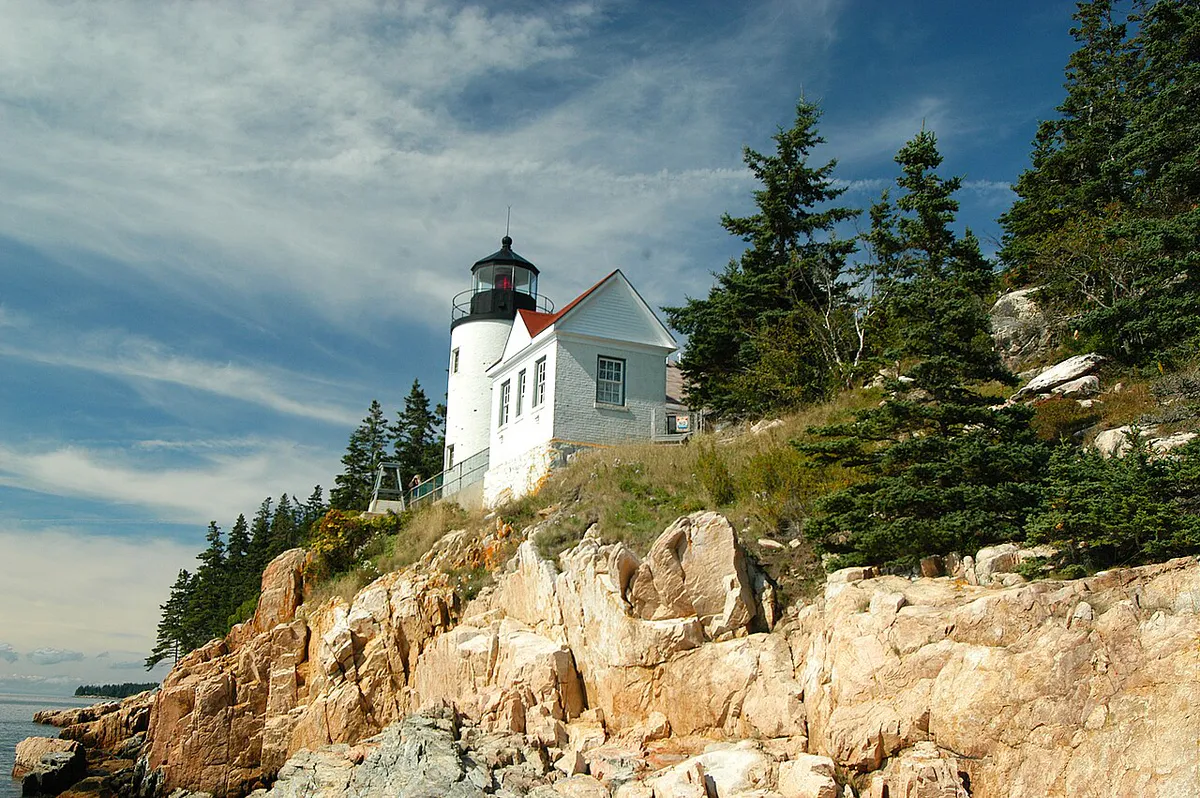
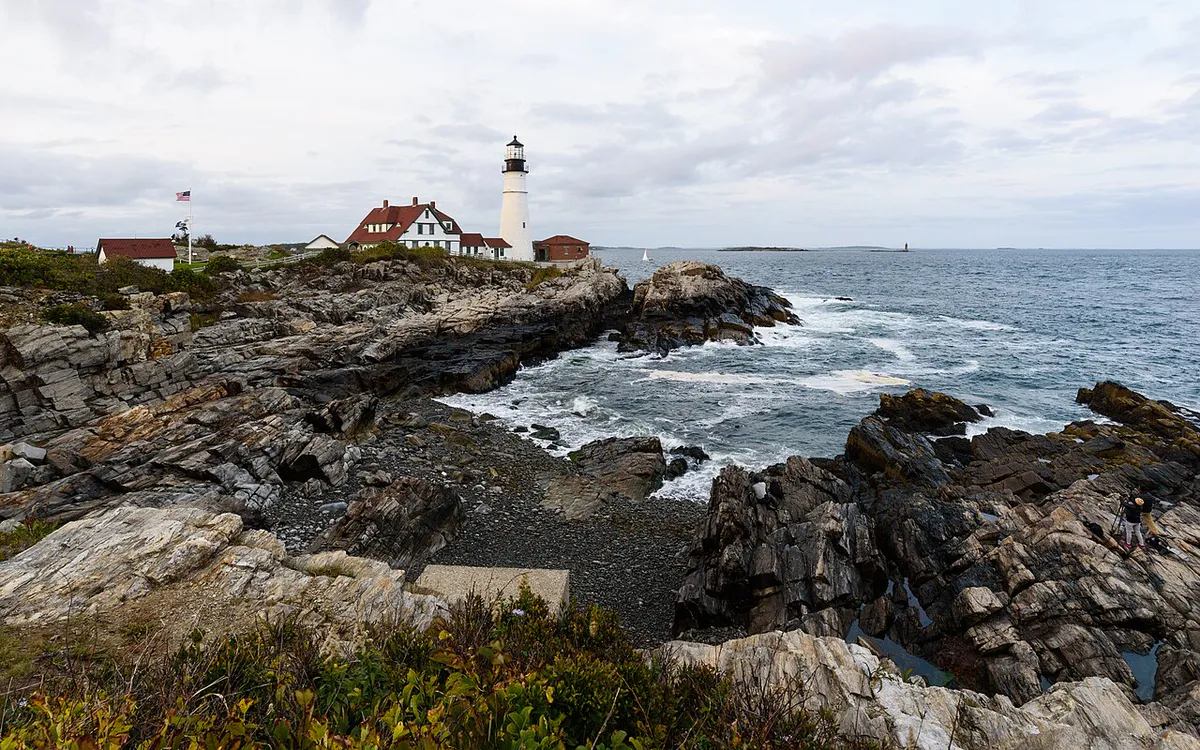
Thunder Hole is a narrow slot carved into the pink granite shoreline of Mount Desert Island, a few miles south of downtown Bar Harbor along Acadia National Park’s Park Loop Road. When conditions are right, incoming waves compress into this tight inlet, trap air in a cavern at the back, and release it with a deep, percussive boom that you can feel in your chest. The spray can reach 40 feet or more. It is one of the most visceral natural displays on the Maine coast, and it happens on a schedule you can roughly predict if you know the tides.
The geology behind it is straightforward. About 420 million years ago, magma pushed upward through the Earth’s crust and cooled into the granite that forms the bedrock of Acadia. Faults and fractures in the rock created weaknesses that wave action has exploited over millennia, carving the narrow channel and the cavern behind it. Each incoming wave forces water and air into the cave. The air compresses, the wave recedes, and the trapped air escapes with a thunderclap.
When to Visit
Timing is everything at Thunder Hole. The boom and spray depend on wave energy, and wave energy depends on two things working together: the tide and the sea state. You need both.
The National Park Service recommends visiting one to two hours before high tide for the best chance of hearing the thunder. Incoming waves at that stage are powerful enough to compress air in the cavern, but the water level is not yet high enough to flood the slot and dampen the effect. Check the Bar Harbor tide chart before you go.
Here is the honest version of that advice: the tide window is necessary but not sufficient. Arrive 90 minutes before high tide on a dead-calm July afternoon and you will get a pretty granite inlet, some gentle sloshing, and no thunder at all. The cavern needs real wave energy: swell pushing straight into the inlet, ideally driven by wind from the east or southeast. An 1867 guidebook quoted by the park service put it plainly: the effect happens “when wind and tide conspire.” A storm offshore, a strong onshore blow, or the day after a nor’easter is when the spray tops 40 feet and the boom carries up the coast, drawing crowds even in the rain.
So the practical routine is:
- Check the tide. Use NOAA’s Bar Harbor tide predictions and arrive one to two hours before high tide.
- Check the sea. Onshore wind or leftover storm swell means a show. A flat, glassy bay means a quiet inlet no matter what the tide is doing.
- Set expectations on calm days. Treat Thunder Hole as a scenic stop on a larger Ocean Path outing, not the main event. The pink granite and open Atlantic views are worth the stairs on any day, and Sand Beach and Otter Cliff are right there.
Getting There
Thunder Hole is on the eastern side of Mount Desert Island, along the one-way section of the 27-mile Park Loop Road. From the park entrance off Route 3 near Bar Harbor, follow the signs for the one-way section toward Sand Beach; Thunder Hole is about a mile past Sand Beach, well marked. Because this stretch is one-way, plan your stops in order. Blow past the lot and you are committed to a long loop back around. Overflow parking is allowed in the right-hand lane of Park Loop Road unless posted otherwise; watch for pedestrians stepping out between parked cars.
Two logistics notes that trip people up. An Acadia entrance pass is required year-round and must be displayed through your windshield. And Thunder Hole needs no timed-entry reservation. Acadia’s vehicle reservation system applies only to Cadillac Summit Road.
A small parking lot sits above the site, with a short staircase down to the viewing platform. The lot has reserved wheelchair-accessible spaces. In summer, this lot fills quickly, often by mid-morning. The fare-free Island Explorer shuttle stops at Thunder Hole on its Sand Beach route and is the best way to avoid the parking headache; it runs from late June into mid-October, with reduced service after mid-August (check exploreacadia.com for the current schedule).
You can also walk to Thunder Hole from Sand Beach via the Ocean Path, a coastal trail of concrete and packed gravel. The full path runs about 2.2 miles one-way from Sand Beach to Otter Point, connecting Sand Beach, Thunder Hole, Monument Cove, and Otter Cliff. The stretch from Sand Beach to Thunder Hole is about 0.7 miles and takes 15 to 20 minutes at a relaxed pace, and it is also the smoothest, most accessible section of the path. Beyond Thunder Hole the surface turns gravelly and rocky, with granite staircases where the trail climbs past Otter Cliff.
People have been swept off the rocks at Thunder Hole by unexpected waves. Even on calm days, rogue waves can surge over the viewing area without warning. In storms, the spray reaches well past the metal railing. Stay behind the barriers. Do not climb down to the water’s edge. Multiple injuries and at least one death have occurred here from wave strikes.
The Viewing Area
A concrete and metal staircase leads down from the parking lot to a viewing platform at the edge of the inlet. The platform sits close enough to the water to feel the spray on rough days. Metal railings line the edge. A second, higher viewing area offers a broader perspective of the inlet and the coastline.
On busy summer days, the viewing platform can be crowded. Arrive early in the morning or late in the afternoon for more room. The afternoon light from the west illuminates the pink granite beautifully.
The best photographs of Thunder Hole come from the rocks to the south of the inlet, where you can frame the spray against the ocean and the distant headlands. Get set up before the big waves arrive and use a fast shutter speed to freeze the spray. A waterproof camera or a rain cover for your lens is smart insurance.
Why the Railings Are There: Hurricane Bill, 2009
The warnings at Thunder Hole are not boilerplate. On August 23, 2009, swells from Hurricane Bill, a storm that never made landfall in Maine, drew an estimated 10,000 people to Acadia’s shoreline to watch waves reported around 17 feet crash against Ocean Drive. Rangers had already closed Thunder Hole’s lower viewing area, but spectators crowded the surrounding rocks. Around high tide in the early afternoon, a large wave surged over the ledges near Thunder Hole and, by Coast Guard estimates, washed over more than 20 people. Three were carried into the ocean: a 7-year-old girl visiting from New York, her father, and a 12-year-old girl from Belfast, Maine. The two older victims were rescued and hospitalized. The 7-year-old did not survive. Eleven people in all were taken to the hospital that day, most with broken bones from being thrown against the granite, as reported by the Bangor Daily News.
The lesson is not “avoid Thunder Hole in storms,” because big-surf days are genuinely spectacular and the park manages them. It is that the closures and railings are drawn by people who have watched this coast for decades. The park service warns that rogue waves can wash over the surrounding ledges even in calm conditions, and walkway sections close when seas are heavy. If a barrier is up, the show from behind it is still the show.
Combining with Other Stops
Thunder Hole sits in the middle of one of the densest concentrations of attractions in Acadia:
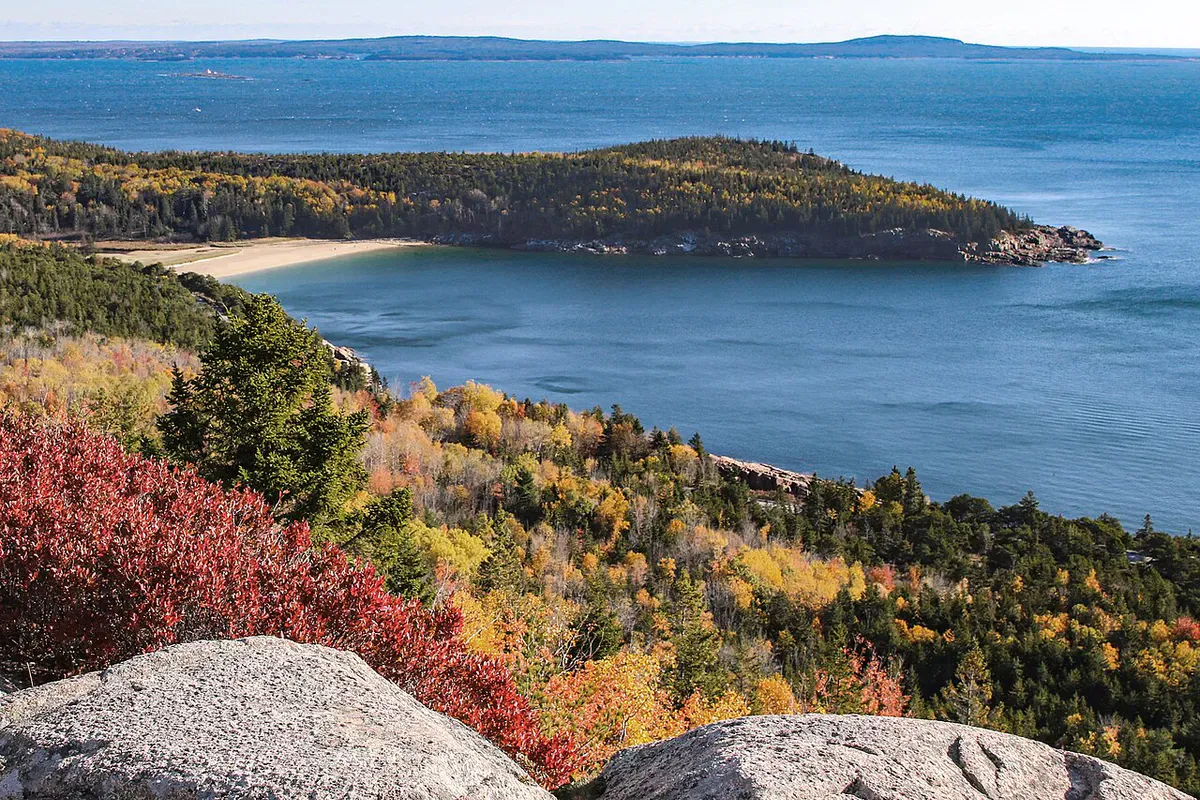
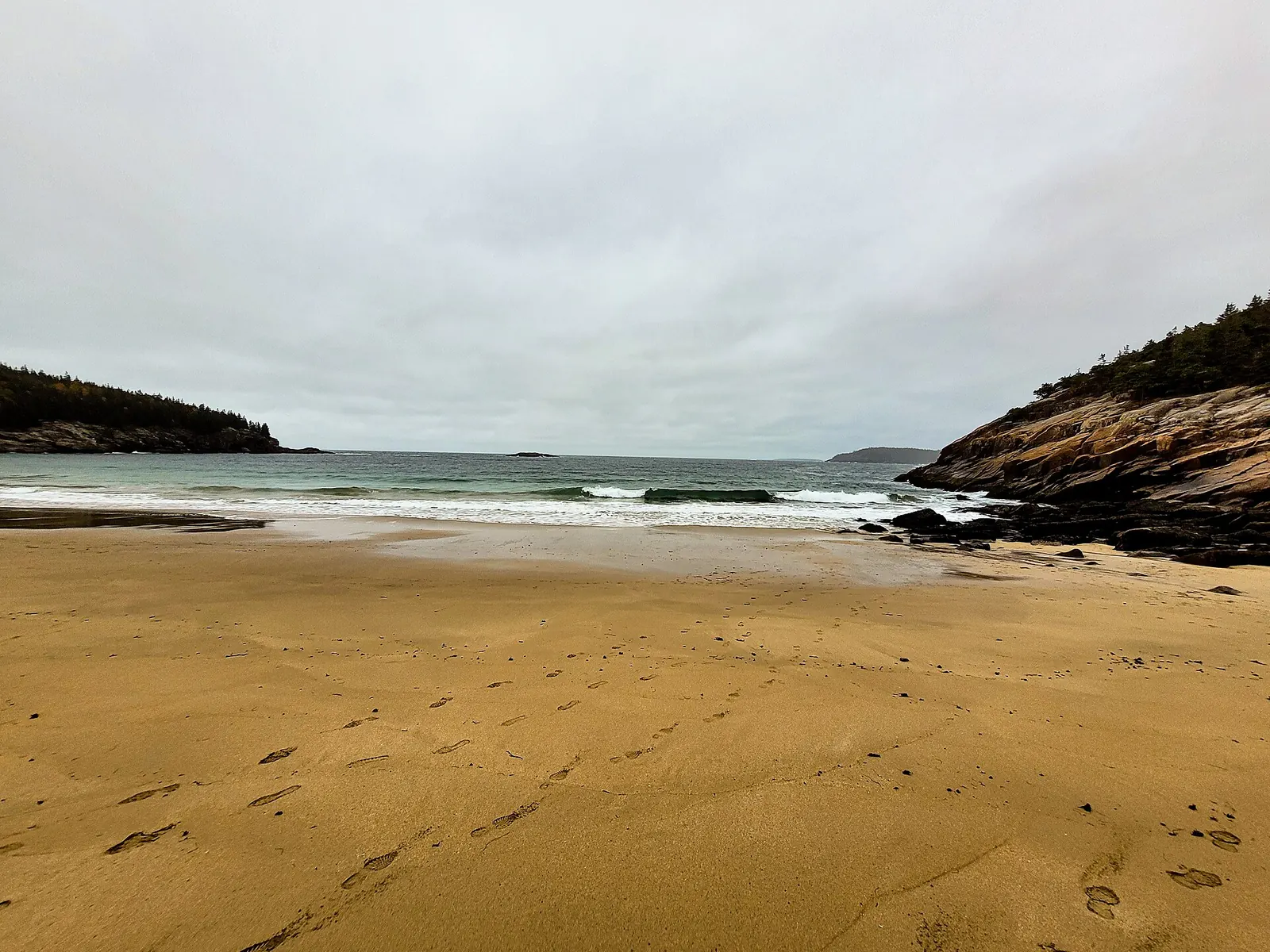
- Sand Beach: About 0.7 miles north. One of the few sand beaches in the park.
- Ocean Path: The 2-mile trail connecting Sand Beach to Otter Cliff, passing directly through Thunder Hole.
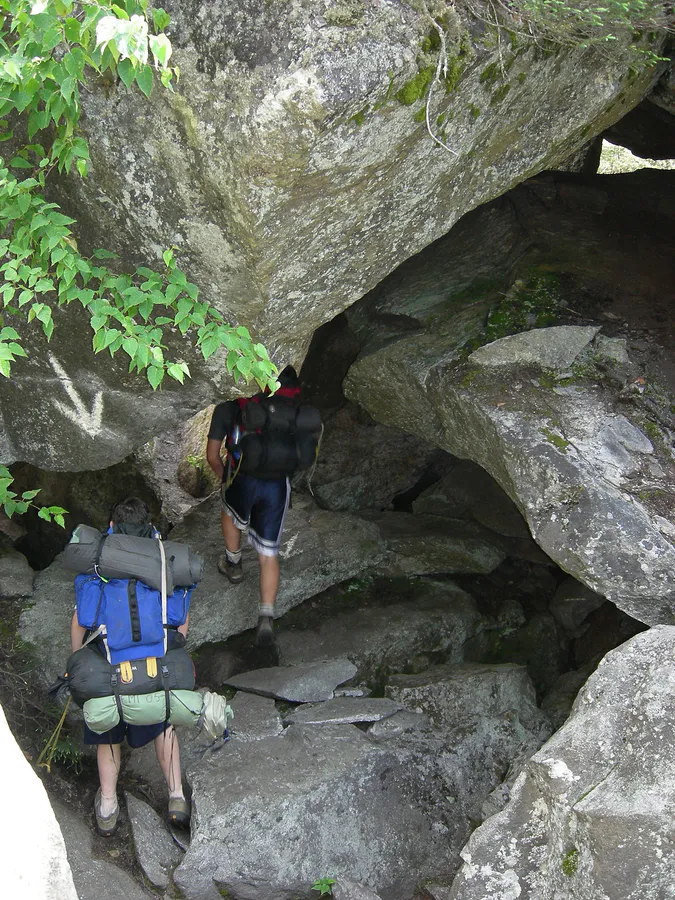
- Beehive Trail: An iron-rung scramble starting from Sand Beach. One of the most thrilling hikes in Acadia.
- Gorham Mountain: A moderate hike with panoramic views, trailhead near Thunder Hole.
- Otter Cliff: A mile south on Park Loop Road. Dramatic 110-foot sea cliffs popular with rock climbers.
A half day covering Sand Beach, Ocean Path, Thunder Hole, and Otter Cliff is one of the best itineraries in the park.
Practical Details
Acadia National Park entrance fees are $35 per private vehicle (valid for seven days), $30 per motorcycle, or $20 per person age 16 and up arriving on foot or bicycle, and kids under 16 get in free. An Acadia annual pass runs $70, and the America the Beautiful interagency pass ($80) covers the fee too. The pass is required year-round, not just in summer, and needs to be visible through your windshield.
There are portable restrooms near the parking lot. No food vendors at Thunder Hole, but the Jordan Pond House is a short drive south on Park Loop Road.
Dogs are allowed on leash at Thunder Hole and on Ocean Path. For wheelchair users, the site has reserved accessible parking spaces and an accessible ramp with a switchback down to the lower walkway; in heavy seas, the lowest sections close and viewing moves to the upper area.
One winter note: most of Park Loop Road closes to vehicles from December 1 to April 14, but the Ocean Drive stretch from the Sand Beach entrance station past Thunder Hole to Otter Cliff Road usually remains open year-round. Confirm on the park’s current conditions page before making a winter storm-watching run.
When to Go
Spring
Park Loop Road opens mid-April. Cool and windy. Storm-driven waves can produce excellent thunder. Fewer visitors.
Summer
Best weather, Island Explorer shuttle running. Time visits to incoming tide. Parking lot fills early on weekends.
Fall
Fewer crowds, beautiful light on the granite. Storm season can produce dramatic wave action. Shuttle runs through Columbus Day.
Winter
Most of Park Loop Road closes to vehicles Dec 1 to Apr 14, but the Ocean Drive stretch past Thunder Hole usually stays open. Winter storms produce powerful waves; footing is icy and conditions are harsh.
Thunder Hole Essentials
- Tide chart (visit 1-2 hours before high tide)
- Rain jacket or poncho (spray carries far on windy days)
- Camera with waterproof cover
- Acadia National Park pass
- Sturdy shoes (wet granite is slippery)
- Binoculars (for seabirds and distant views)
- Sunscreen
FAQ
What is the best time to see Thunder Hole?
One to two hours before high tide (that is the National Park Service's own recommendation), but only when there is real wave energy: swell from a storm or onshore wind from the east or southeast. Tide timing alone is not enough; on a flat-calm day the inlet stays quiet at any tide. Check the Bar Harbor tide chart and the marine forecast before your visit.
Do you need a reservation to visit Thunder Hole?
No. Acadia's timed vehicle reservations apply only to Cadillac Summit Road. Thunder Hole requires just the park entrance pass, so drive up whenever Park Loop Road is open. The catch is parking: the small lot fills by mid-morning in summer, so arrive early or ride the free Island Explorer shuttle.
Is Thunder Hole free?
There is no separate charge for Thunder Hole, but it sits inside Acadia National Park, so you need an entrance pass: $35 per vehicle (valid seven days), $30 per motorcycle, or $20 per person on foot or bike for ages 16 and up. Kids under 16 are free. The pass is required year-round.
Is Thunder Hole worth it at low tide?
The thunder effect is minimal or absent at low tide. The rock formations and ocean views are still scenic, but if you want to see the waves boom and spray, you need to time it with the incoming tide and have some swell running.
Can you walk to Thunder Hole from Sand Beach?
Yes. The Ocean Path connects Sand Beach to Thunder Hole along the coast. The walk is about 0.7 miles and takes 15 to 20 minutes on a smooth concrete-and-gravel surface. It is the easiest section of the full 2.2-mile path to Otter Point.
Is there accessible viewing at Thunder Hole?
Yes. The parking lot has reserved wheelchair-accessible spaces, and an accessible ramp with a switchback leads to the lower walkway. The Ocean Path segment from Sand Beach to Thunder Hole is also the most accessible stretch of trail. In rough seas the lowest platforms close, and viewing shifts to the upper area.
Is Thunder Hole dangerous?
It can be. Rogue waves have swept people off the rocks here, causing injuries and at least one death: a 7-year-old girl died in 2009 when Hurricane Bill's swells washed spectators into the sea. Stay behind the metal railings, respect closures, and do not climb down toward the water.