A Waterfall That Runs Both Ways
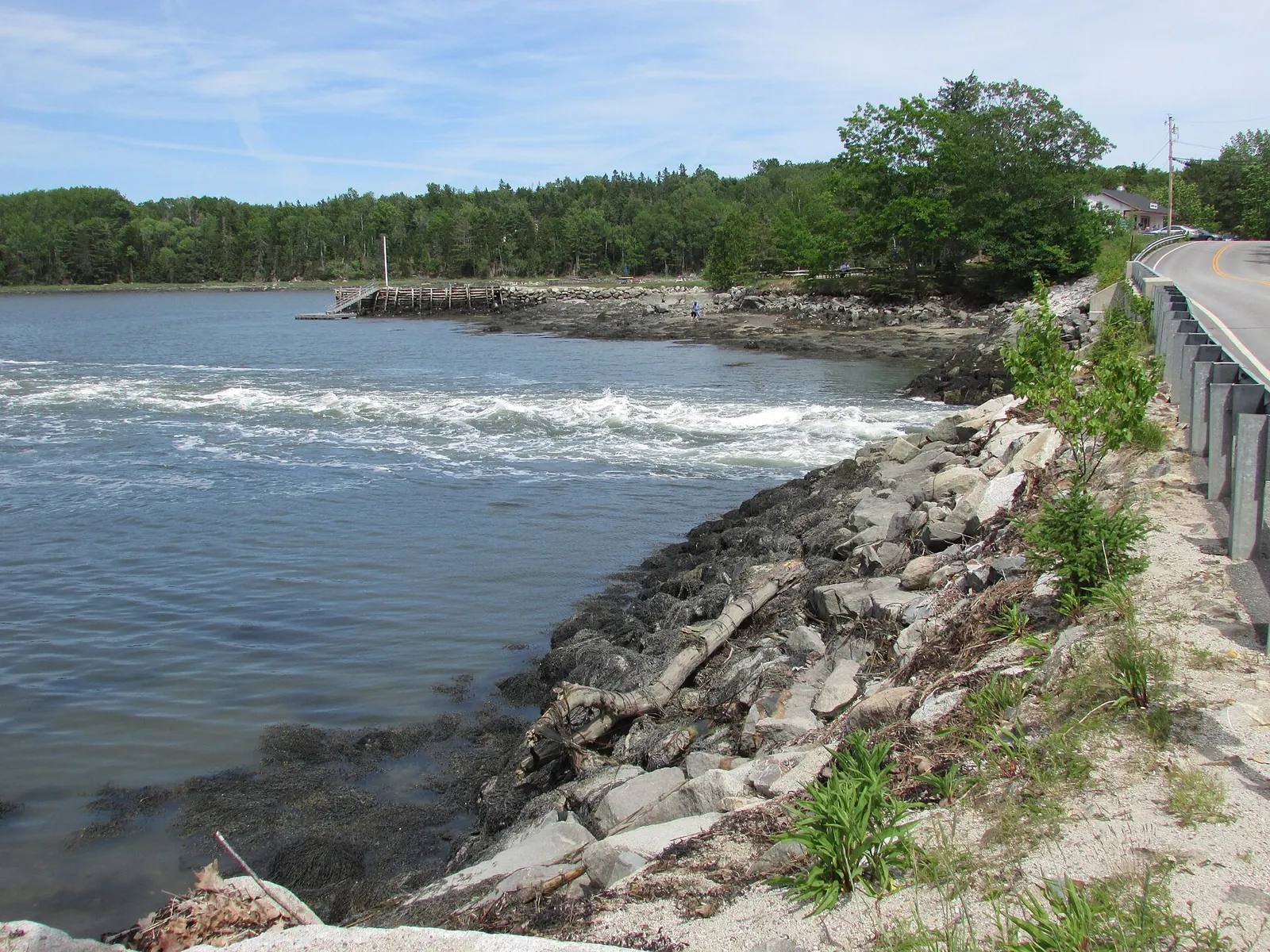
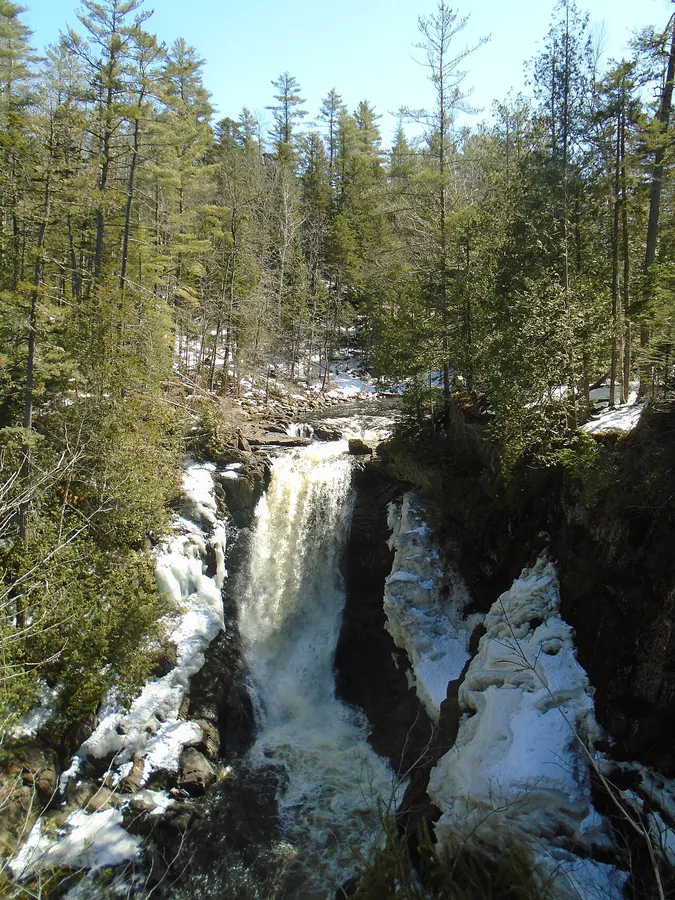
Blue Hill Falls is not a waterfall in the usual sense. There is no permanent drop. It is a reversing tidal falls, and the rapid only exists because of the tide. The Salt Pond, a four-mile inland pond, connects to Blue Hill Bay through one narrow gap under the Route 175 bridge. When the tide rises in the bay, an enormous volume of seawater tries to push through that small opening all at once. When it falls, the same thing happens in reverse. The water cannot move fast enough through the gap, so it piles up and pours through as whitewater, and the direction flips with every tide.
The mechanism is the same one that produces Maine’s other famous reversing falls. The incoming tide arrives as a wave that gets squeezed and steepened as it funnels into the narrows, and where the bedrock channel is tight enough, the rising tide floods in faster than the channel can carry it. The result here is a set of rapids and a standing wave that can reach about three feet high and run a couple hundred yards long when the tide is really moving.
Viewing and Paddling
Most visitors simply pull off near the Route 175 bridge and watch. On a strong tide you can stand at the rail and look down on whitewater that was flat calm an hour earlier. It is one of the easiest reversing falls in Maine to see, because the road crosses right over it.
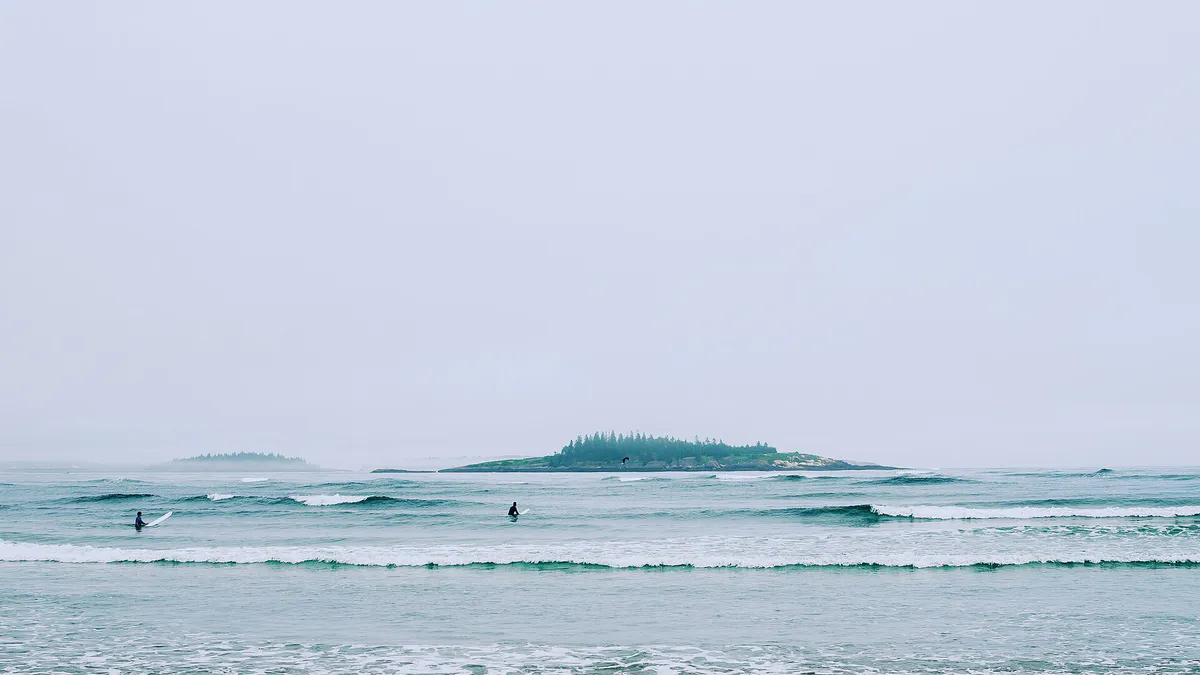
The falls are also a well-known whitewater playground. American Whitewater rates the rapid as Class III, and kayakers and surfers come from a distance to play in the standing wave as the tide builds. The wave starts to form a couple of hours before high tide and again on the outgoing tide, so paddlers time their sessions to the tide tables rather than the clock.
The falls only “work” around the run of the tide, and slack water is dead calm. Check a tide table for Blue Hill or Blue Hill Bay before you drive out. Aim to arrive a couple of hours before high or low tide to catch the wave building, not at slack when there is nothing to see.
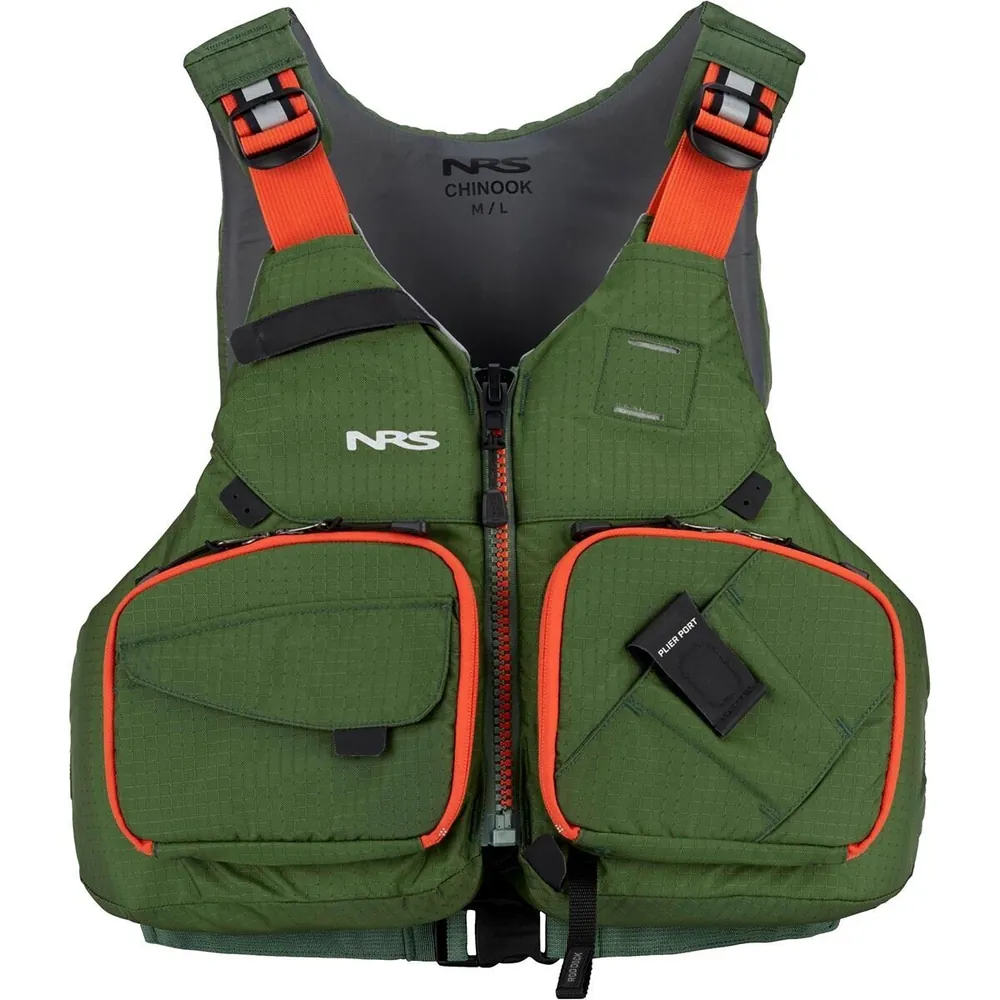
This is real Class III whitewater driven by tons of moving water, not a swimming hole. The current is strong, cold, and tied to the tide, and it can change fast. Only paddle here with whitewater skills, a helmet, and a properly fitted life jacket, and scout the conditions first. Dense fog can also roll into the bay quickly and make navigation difficult. Spectators should stay back from the slick rocks at the edge.
A properly fitted PFD is non-negotiable for anyone getting in the water here.
Getting There
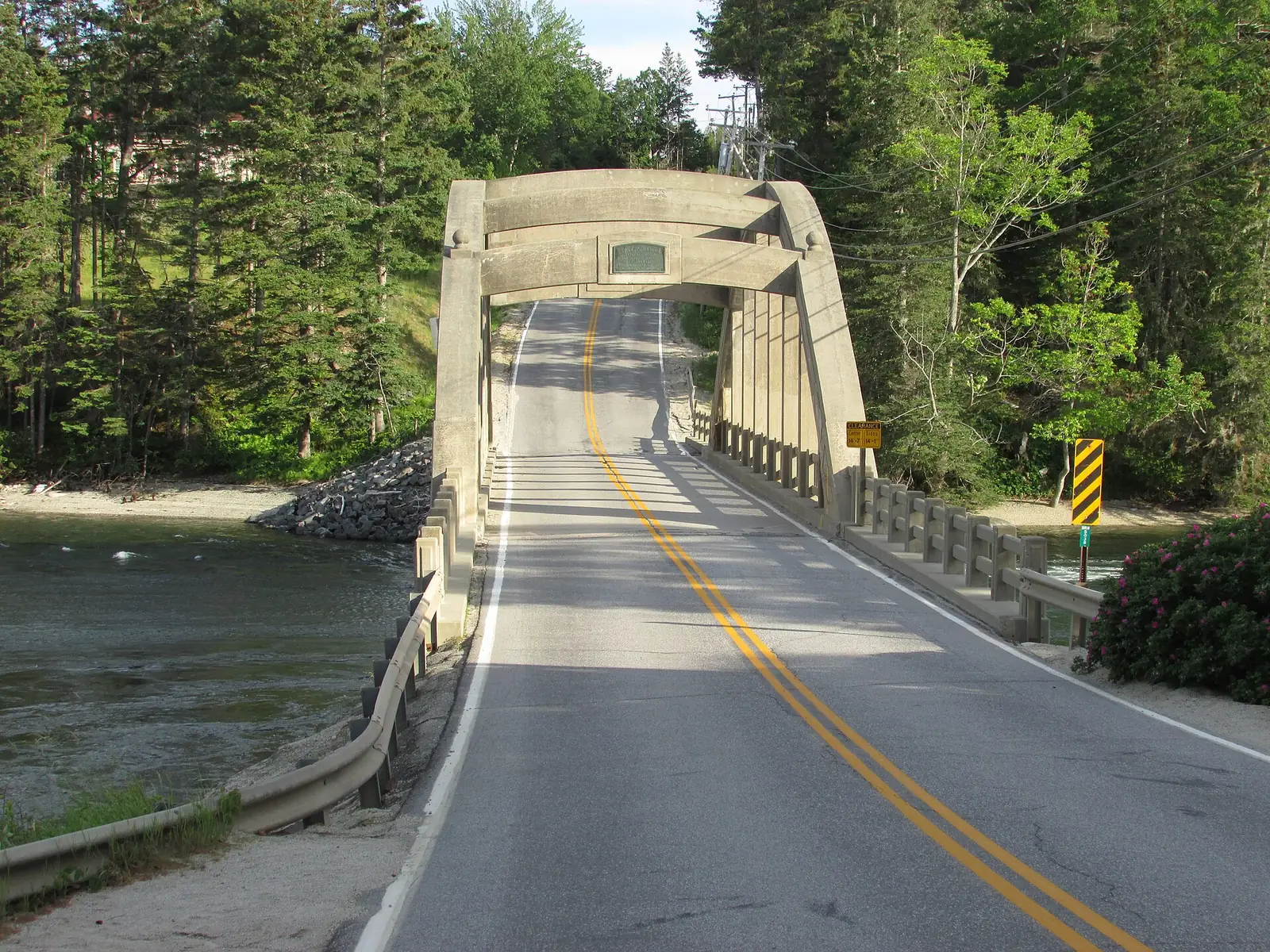
Blue Hill Falls is on Route 175 a couple of miles south of Blue Hill village, where the road crosses the gap between the Salt Pond and Blue Hill Bay. The bridge over the narrows was rebuilt in recent years after the long-standing 1926 concrete arch was removed. Parking is roadside and limited, so pull well off the travel lane and watch for other traffic stopping to look.
The village of Blue Hill, with food and supplies, is a short drive north.
When to Visit
Spring
The tide drives the falls year-round, so spring works fine. Water and air are cold; dress for it if paddling.
Summer
Warmest water and the main paddling season. Plan your visit around a strong tide rather than time of day.
Fall
Cool, clear, and quieter than summer. The falls run the same; bring warm layers for any time on the water.
Winter
The tide still reverses, but cold and ice make paddling a serious cold-water undertaking. Most visitors just watch.
Unlike Maine’s brook-fed waterfalls, this one never dries up, because it is powered by the ocean. The variable is the tide, not the season. A spring tide near the new or full moon moves the most water and makes the biggest wave.
Packing List
Blue Hill Falls Visit
- Tide table for Blue Hill Bay
- Properly fitted life jacket (if paddling)
- Helmet and whitewater paddling gear (if surfing the wave)
- Wetsuit or drysuit for the cold water
- Water shoes for slick rocks
- Dry bag for valuables
- Camera for the standing wave
FAQ
What makes Blue Hill Falls reverse direction?
It is a tidal reversing falls. The Salt Pond connects to Blue Hill Bay through one narrow gap under the Route 175 bridge. The tide forces water through faster than the gap can carry it, creating rapids that flip direction with each tide.
When is the best time to see the falls?
Around the run of the tide, roughly a couple of hours before high or low tide. At slack water it is calm. Check a tide table before you go.
Can you kayak Blue Hill Falls?
Yes, experienced whitewater paddlers do. American Whitewater rates it Class III. It requires whitewater skills, a helmet, and a life jacket, and the water is cold and strong.
Where do you watch the falls from?
From the roadside by the Route 175 bridge south of Blue Hill village. The road crosses directly over the narrows. Parking is limited, so pull well off the road.
Is it safe to swim there?
No. This is strong, cold, tide-driven Class III whitewater, not a swimming spot. Spectators should stay back from the slippery rocks.
For more in the area, see the town of Blue Hill and Bagaduce Falls, another nearby reversing falls.