Maine’s Most Dramatic Coastline
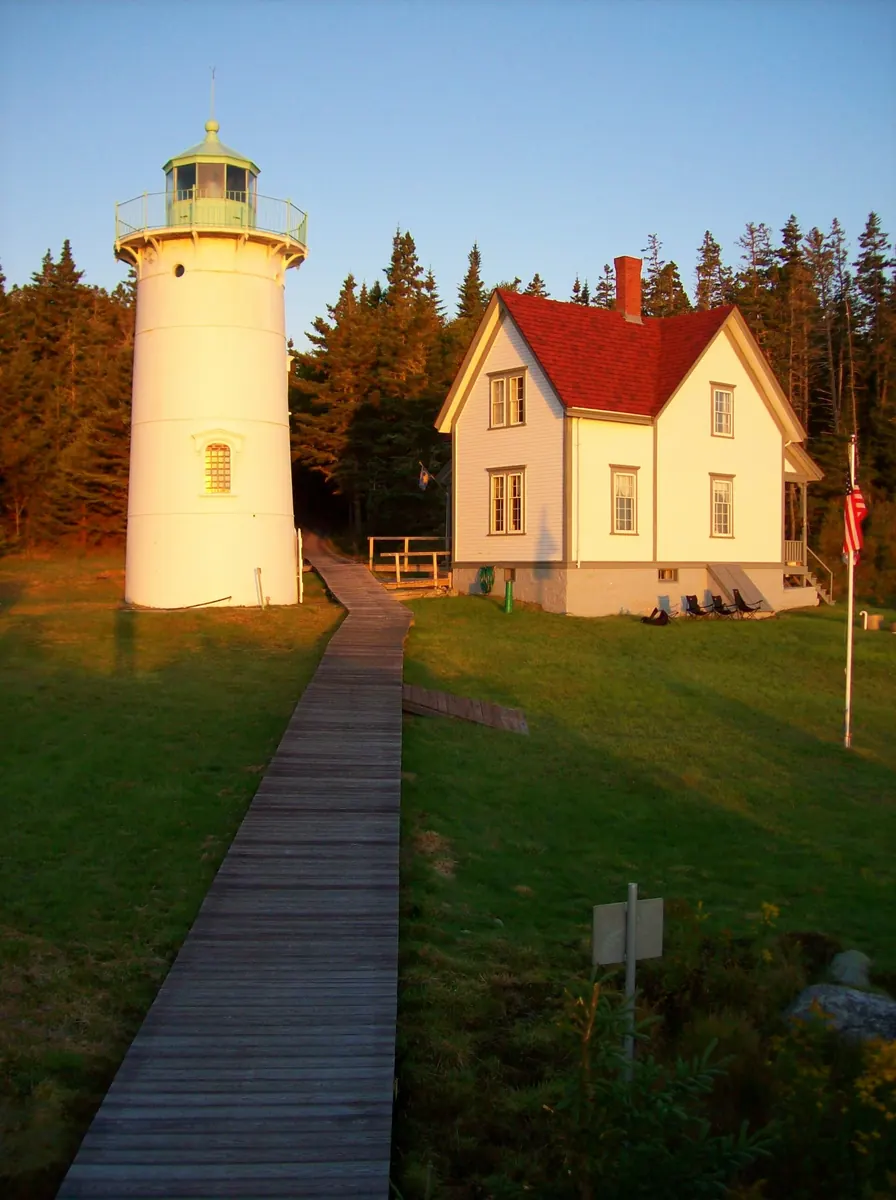
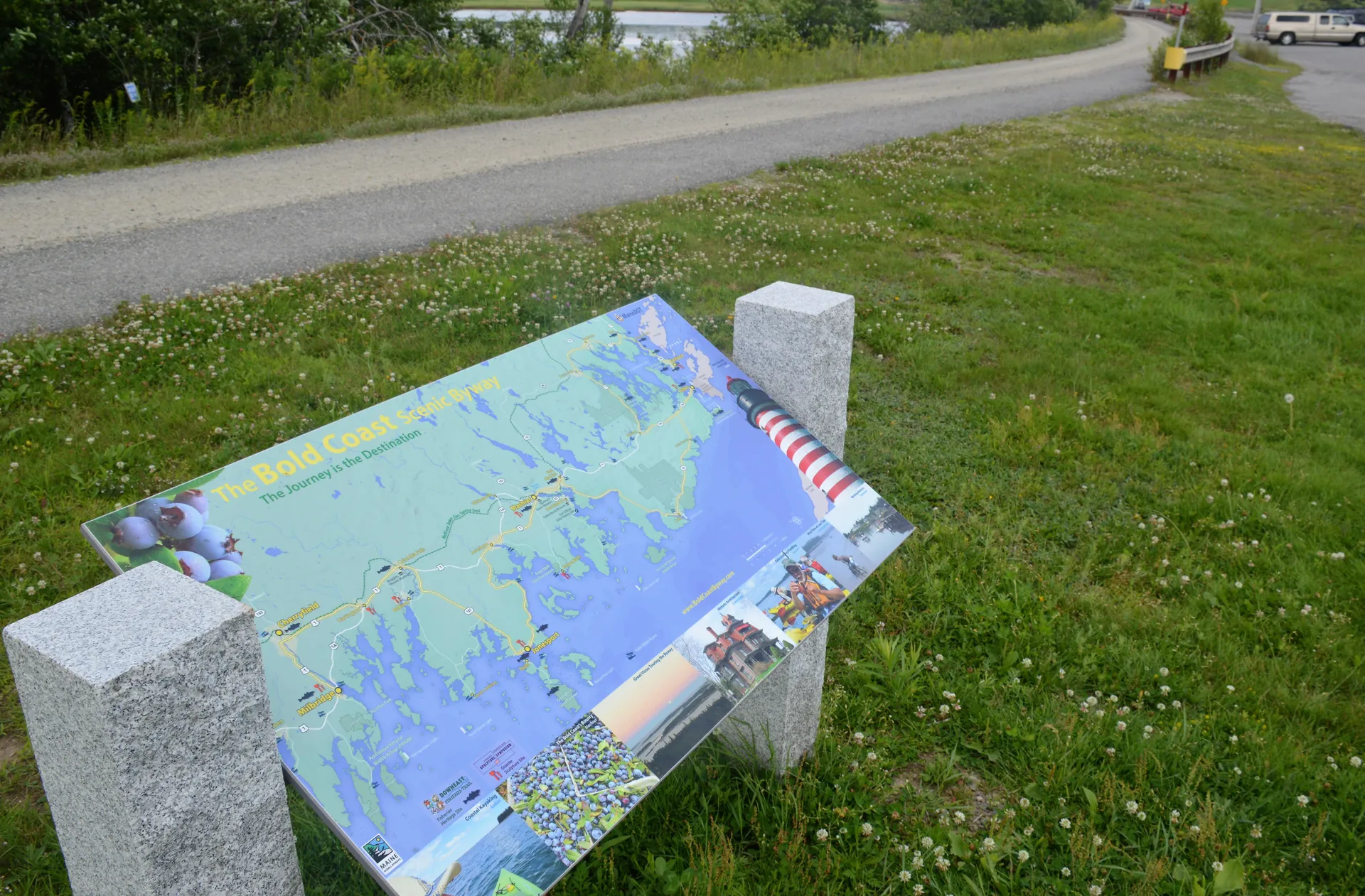
The Cutler Coast Public Reserved Land protects 12,234 acres of the most striking ocean scenery in the northeastern United States. This is the Bold Coast, where dark volcanic cliffs drop straight into the Atlantic, and the forest grows right to the edge of the rock. There are no guardrails, no visitor centers, and no crowds. Just miles of raw, windswept headlands that look more like the Scottish Highlands than anything you would expect in Maine.
The state manages the property as a backcountry preserve of blueberry barrens, woodland, peatland, and 4.5 miles of headlands. The 9.1-mile Fairy Head Loop runs along the coast through spruce forest and across exposed headlands high above the surf, and three primitive campsites sit on the headland at Fairy Head, some of the most dramatic tent spots on the Eastern Seaboard.
The sea cliffs along the Cutler Coast are steep, unfenced, and undercut in places. Loose rock, wet grass, and sudden gusts of wind near the edge are all real hazards. Stay back from the cliff edges, especially in fog or rain. A fall here would be fatal.
The Trail System
The main overnight route is the Fairy Head Loop, 9.1 miles from the trailhead on Route 191 south along the coast to Fairy Head and back through the interior forest. The coastal half is the highlight; the inland return is easier walking through quiet spruce woods, past meadows and a beaver pond. Shorter day options, the 2.8-mile Coastal Trail to the ocean and the 5.5-mile Black Point Brook Loop, are covered in our Bold Coast Trail hiking guide.
The first mile from the trailhead crosses relatively flat terrain through dense spruce and fir. Then the forest opens up and you get your first look at the cliffs. From there, the trail hugs the coast for several miles, dipping in and out of small coves and climbing over headlands with long views in both directions.
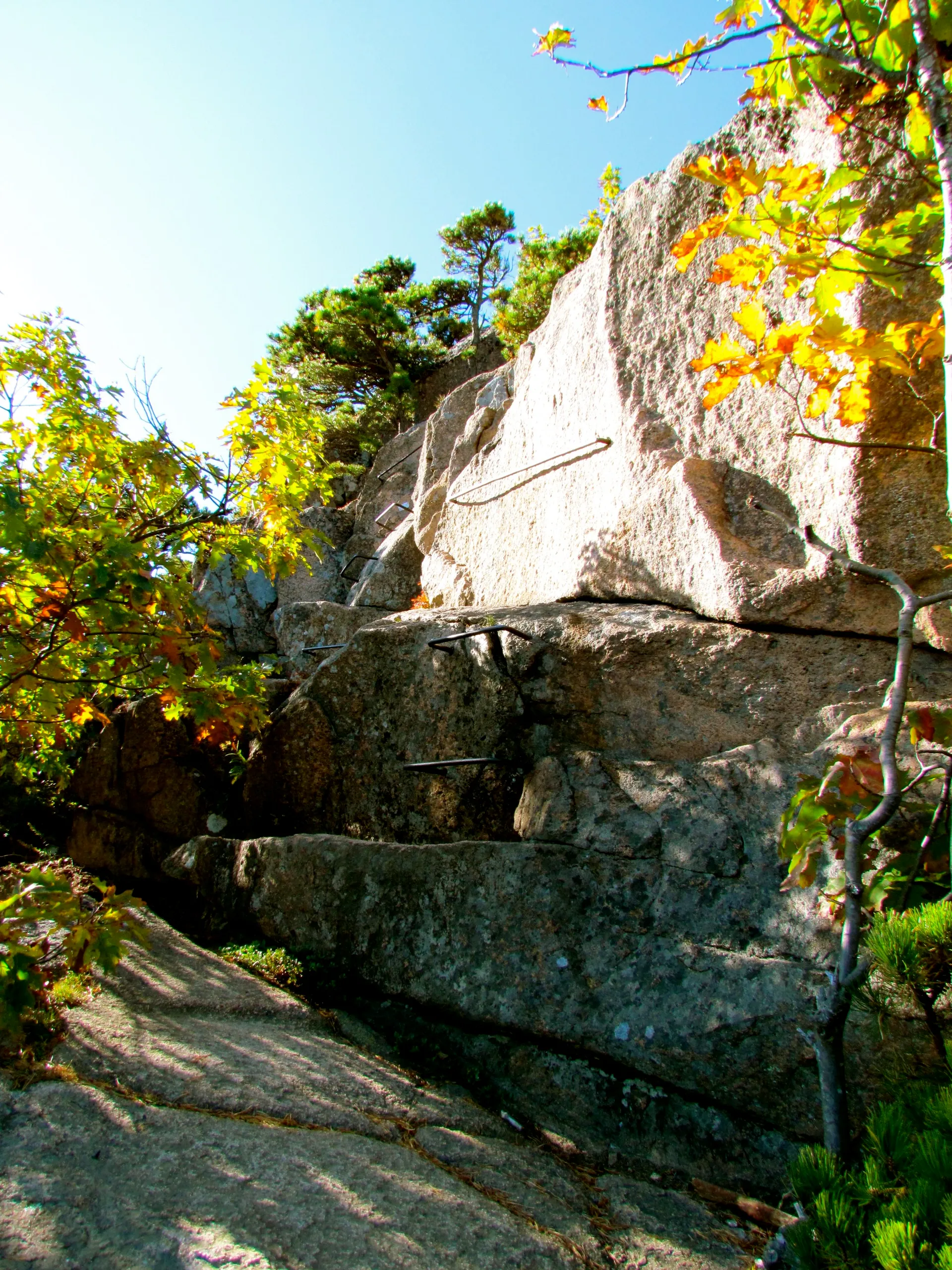
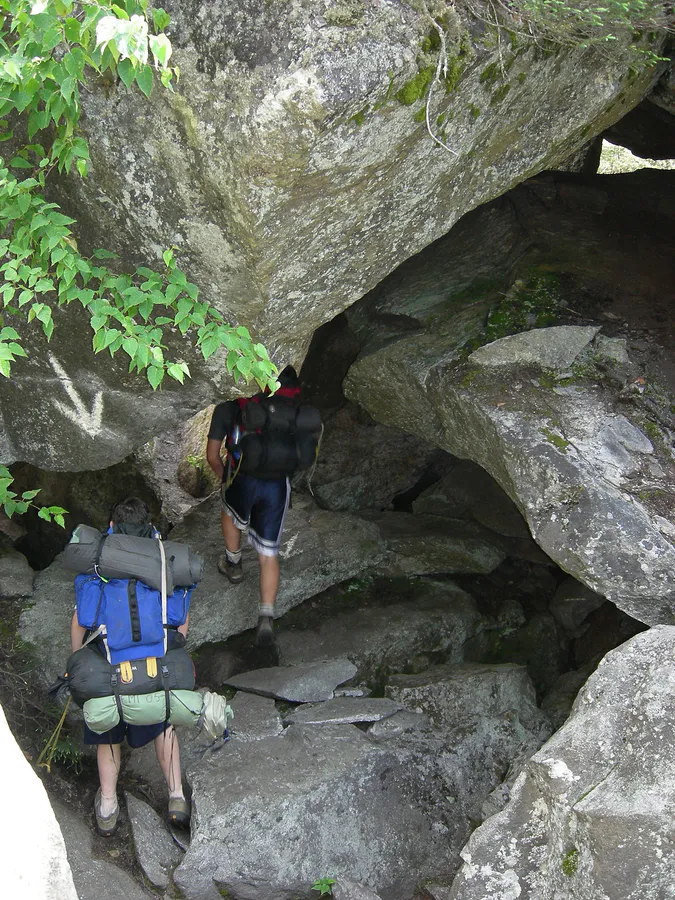
The footing is rough in places. Expect exposed roots, muddy stretches, boardwalk over boggy sections, a log ladder near Black Point Cove, and one steep descent with a rope assist. It is not technical, but it takes hands and some confidence on wet rock, and a loaded pack makes it harder. This is not a groomed path. Ankle-supportive hiking boots make a difference.
Start on the Coastal Trail heading south along the cliffs, and return via the Inland Trail. This way you hit the dramatic ocean views while you are fresh, and the easier woodland walk comes at the end when your legs are tired. Most people hike it this direction, and the campsites are positioned for it.
Primitive Campsites
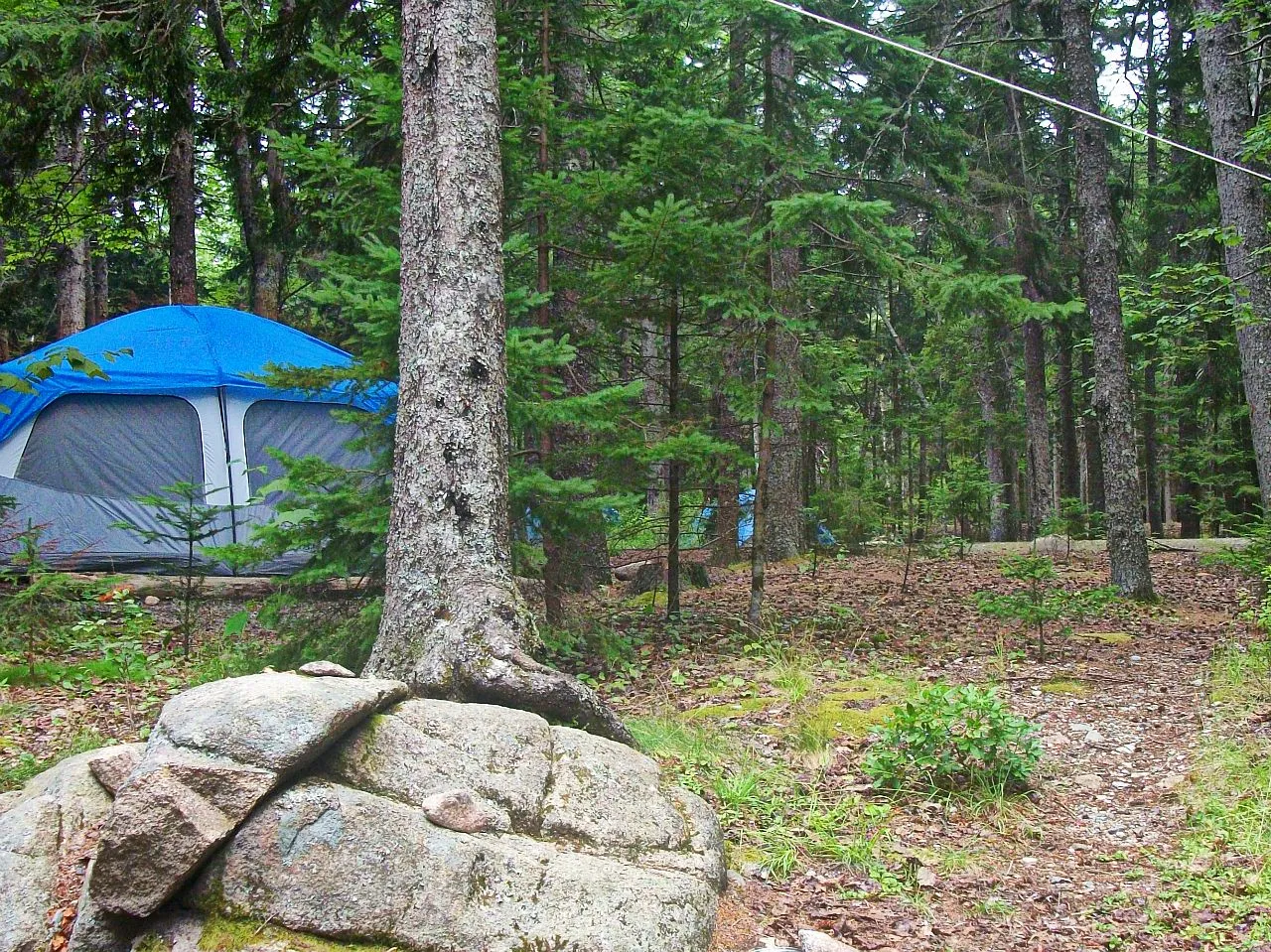
Camping is allowed only at the three designated sites at Fairy Head, 4 to 5 miles from the parking lot. All three are primitive: a cleared area for a tent and nothing else. There are no toilets and no water, and open fires are strictly prohibited, so cook on a self-contained camp stove. Carry all your water, or treat what you find in seasonal streams (which can run dry by late summer) with a packable water filter. Stays on Maine public lands are limited to 14 days in any 45-day period.
The sites are first-come, first-served with no fees or permits required. On summer weekends and during fall foliage season, they can fill. Arriving midweek or earlier in the season gives you a much better chance of having a site to yourself.
Camping at these sites puts you on the edge of 100-foot cliffs with nothing between your tent and the open Atlantic. At night the sound of the surf echoes up the rock walls. At dawn, fog often rolls across the headlands and burns off as the sun rises. It is one of the most memorable camping experiences in Maine.
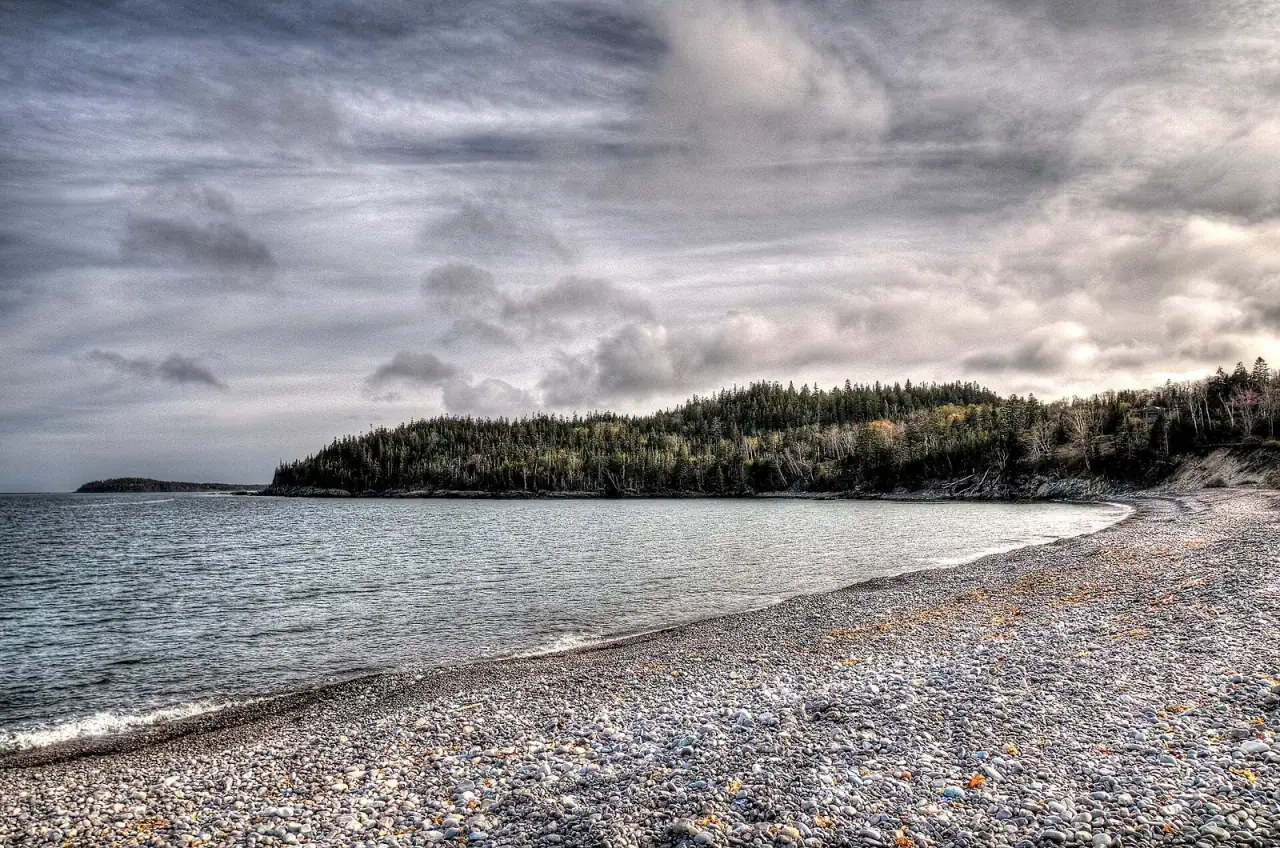
Long Point Cove and Black Point Cove, which the loop passes on the way out, both have sheltered cobble beaches that make superb rest or lunch stops, but they are not campsites. Do not pitch a tent there. Friday afternoon arrivals give you the best shot at a Fairy Head site on a summer weekend.
Wildlife and Ecology
Coastal raised bogs near the headlands hold subarctic plants such as sundews, pitcher plants, and Labrador tea, and the blueberry barrens on higher ground ripen in August. The spruce-fir forest supports boreal birds near the southern edge of their range, including boreal chickadees, spruce grouse, and black-backed woodpeckers. Offshore, look for razorbills, black guillemots, and common eiders, harbor seals on the ledges, and in late summer, humpback and finback whales feeding in the Bay of Fundy.
Getting There
The trailhead is on Route 191 in Cutler, 16.9 miles from Route 1 in East Machias, roughly 2.5 hours from Bangor and 5 hours from Portland. Cutler is a small fishing village with a general store but limited services. Stock up on food and fuel before you arrive. Machias, about 20 minutes north, has grocery stores and gas stations.
The parking area at the trailhead holds about 15 to 20 cars and can fill early on summer weekends, and road-shoulder parking is not an option. A small sign marks the start of the trail. There are no restrooms at the trailhead.
This part of Downeast Maine is genuinely remote. Cell service is nonexistent along the coast and unreliable even in Cutler village. Tell someone your plans before you go.
When to Go
Spring
Muddy trails and black flies in May and June. Fog is frequent. Wildflowers on the headlands are a bonus.
Summer
Long days, warmest weather, best trail conditions. Fog can roll in any morning. Bring layers.
Fall
Fewer bugs, crisp air, sharp light on the cliffs. Water sources may be dry by late September.
Winter
Exposed coastal headlands get brutal wind and ice. Trails are not maintained. Not recommended.
Late August through September is the sweet spot. The black flies are gone, the weather is still warm enough for comfortable camping, and the coastal light turns golden in the shorter days. Fog is less frequent in fall than in summer, so you are more likely to get clear views along the cliffs.
Packing List
Cutler Coast Packing List
- 3+ liters of water (sources unreliable in summer)
- Water filter or purification tablets
- Tent rated for wind
- Sleeping bag (40F minimum, 30F for fall)
- Rain jacket and wind layer
- Hiking boots with ankle support
- Headlamp with extra batteries
- Camp stove and fuel
- Map (no cell service for navigation)
- First aid kit
- Bug spray (May through July)
FAQ
Is camping free at Cutler Coast?
Yes. The three primitive campsites at Fairy Head are free and first-come, first-served, with no permits or reservations. They have no toilets or water, and open fires are prohibited, so bring a camp stove.
How long does the full Cutler Coast loop take?
The 9.1-mile Fairy Head Loop takes most hikers 6 to 7 hours as a day hike. The campsites are 4 to 5 miles in, typically 2 to 3 hours with a loaded pack.
Is there water on the trail?
Seasonal streams cross the trail but they can run dry by late summer. Carry at least 3 liters and bring a filter. There is no treated water anywhere on the property.
Are dogs allowed at Cutler Coast?
Yes, dogs are allowed and should be kept under control. Keep them away from the cliff edges, as the exposed headlands are dangerous for dogs that like to run ahead.
Is there cell service at Cutler Coast?
No. There is no cell service along the coast or at the trailhead. Limited service may be available in Cutler village. Plan accordingly and leave your itinerary with someone.