Where the Tides Run Wild
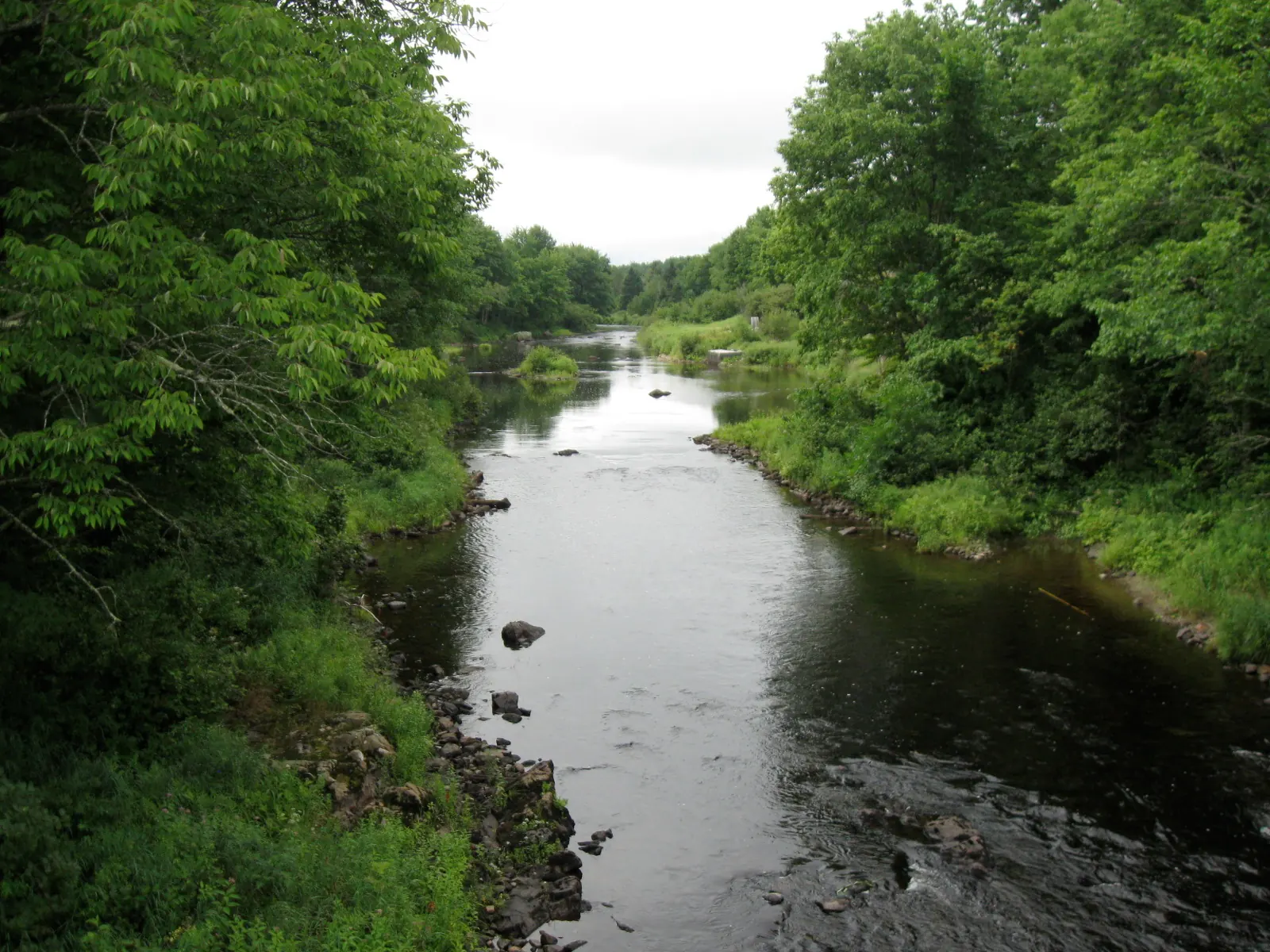
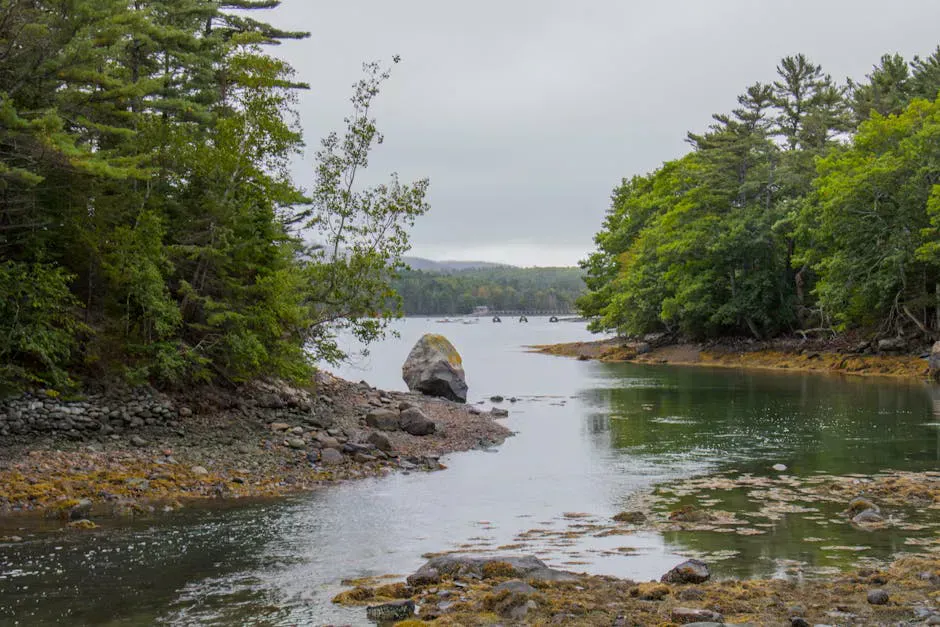
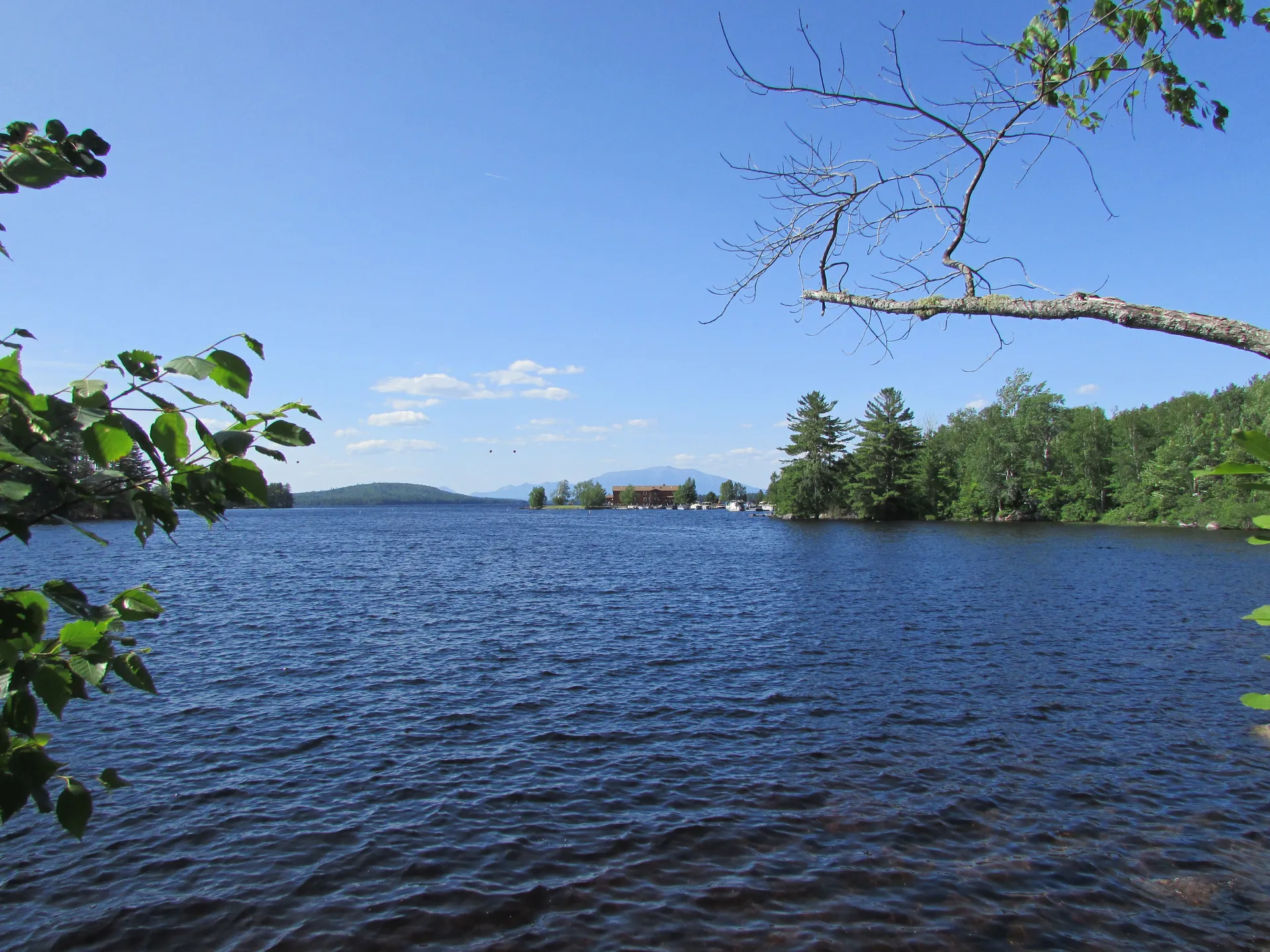
Cobscook Bay State Park sits on 888 acres along the shores of Whiting Bay, a sheltered inlet within the larger Cobscook Bay in Washington County. The name Cobscook comes from the Maliseet-Passamaquoddy word for “boiling tides,” and the description fits. Tides here average 24 feet and can reach 28 feet during spring tides, compared to a 9-foot average along Maine’s southern coast.
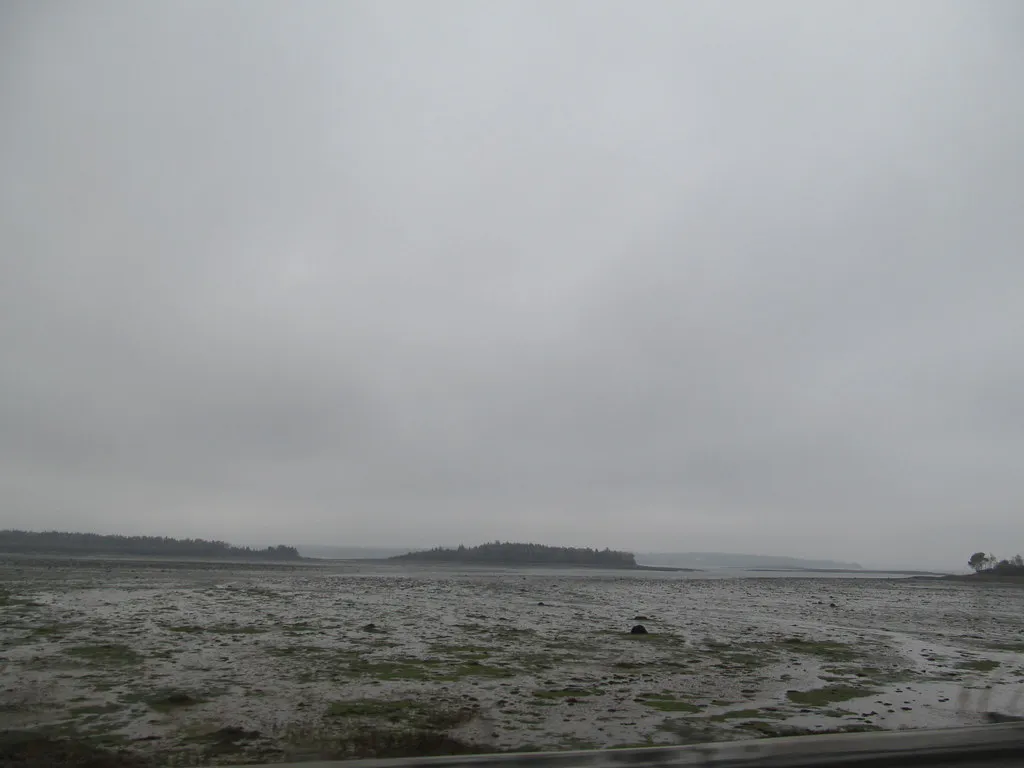
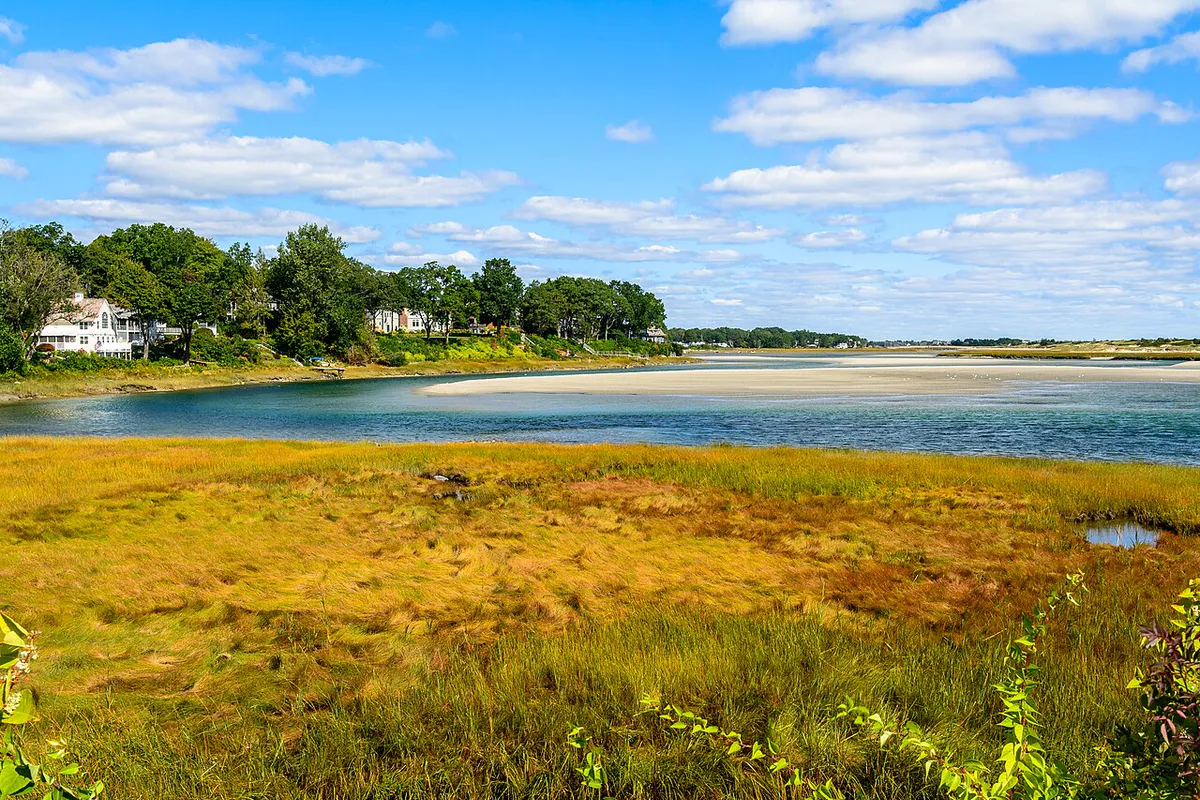
Twice a day, billions of gallons of seawater rush in and out of the bay’s narrow passages, exposing vast mudflats at low tide and filling the coves to the tree line at high tide. The landscape transforms so completely between tides that the same viewpoint looks like two different places six hours apart.
The park sits deep in the Downeast coast, one of the least developed and least visited regions in the state. This is remote Maine. The nearest city of any size is Machias, about 25 miles west. The Canadian border at Calais is about 25 miles north.
The Tides
The tides at Cobscook Bay are the main event. The range here is among the largest on the eastern seaboard, second only to the Bay of Fundy just across the border in New Brunswick. The effect is dramatic and visible: waterfront campsites that overlook deep water at high tide face exposed mudflats stretching hundreds of yards at low tide.
Check the tide chart before your visit and plan to be on the shore during the transition. Watching the tide come in at Cobscook is remarkable. The water rises visibly, filling channels and creeping across the flats at a pace you can actually track in real time.
The tidal flats are productive habitat for shorebirds, clam worms, and marine invertebrates. At low tide, great blue herons, sandpipers, and eagles work the exposed flats for food. The biodiversity here is exceptional for a state park.
Trails
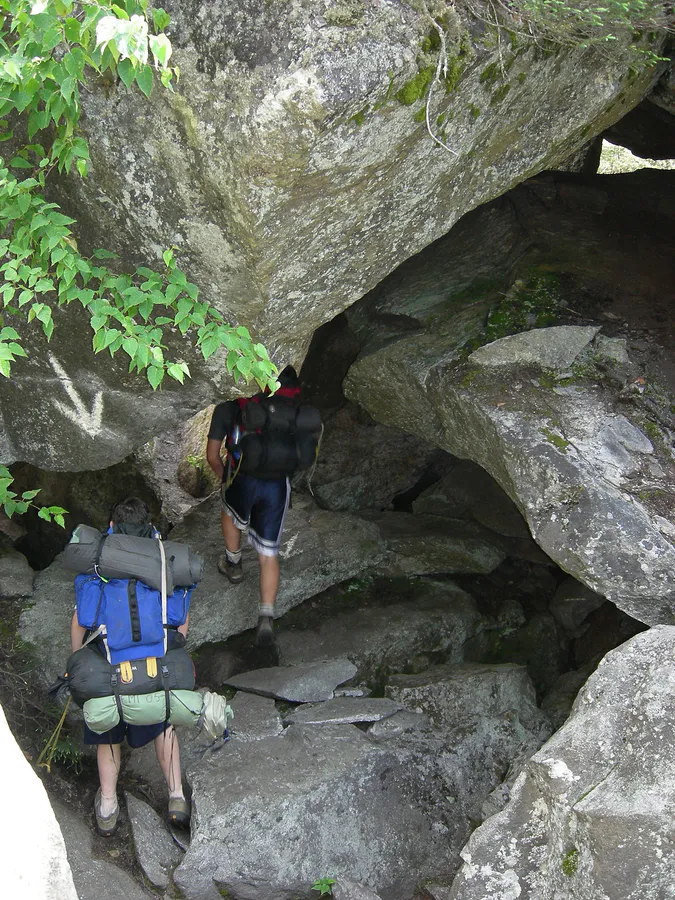
The park has two short trails that are appropriate for walkers of all ages and abilities.
Nature Trail
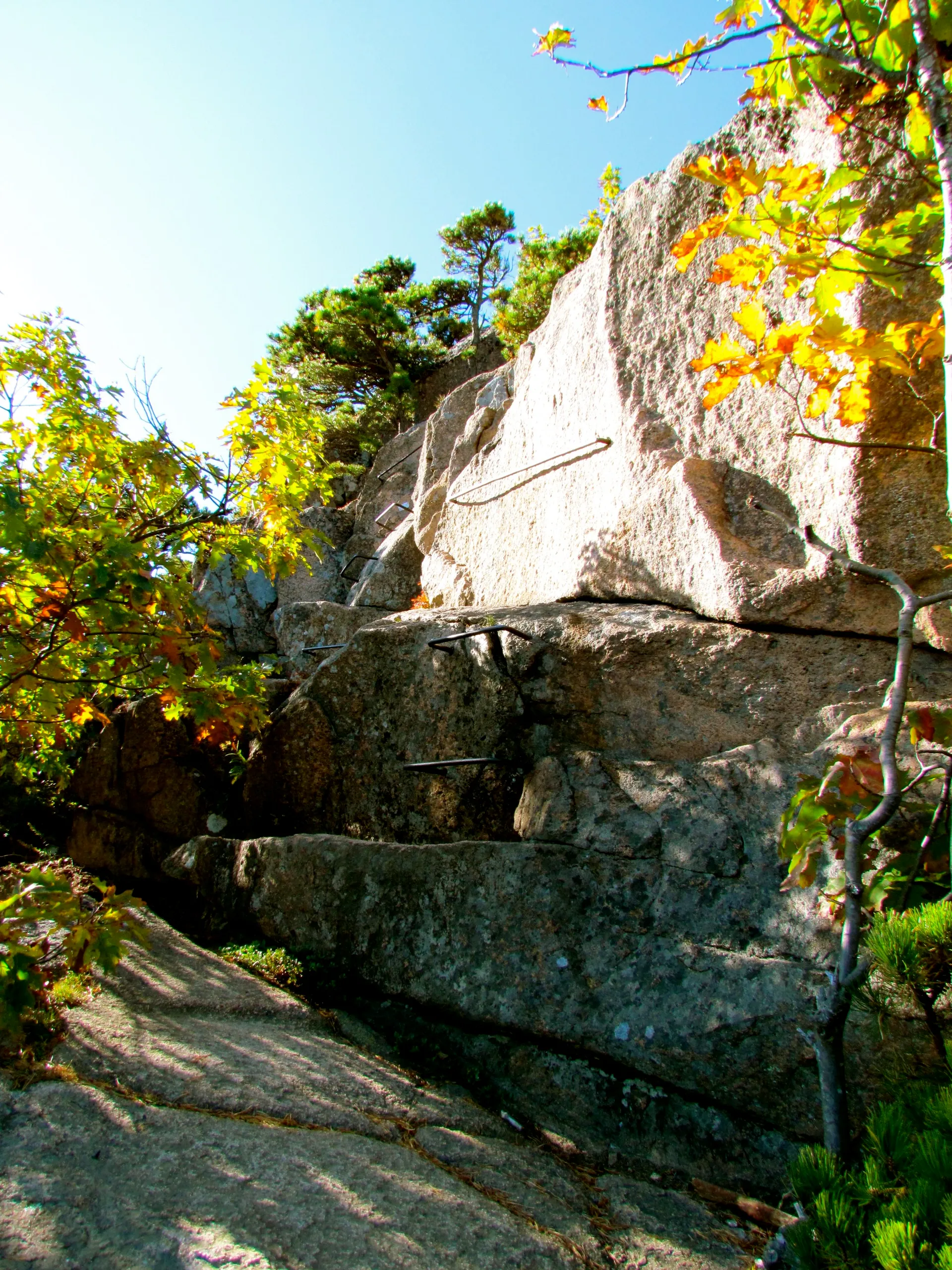
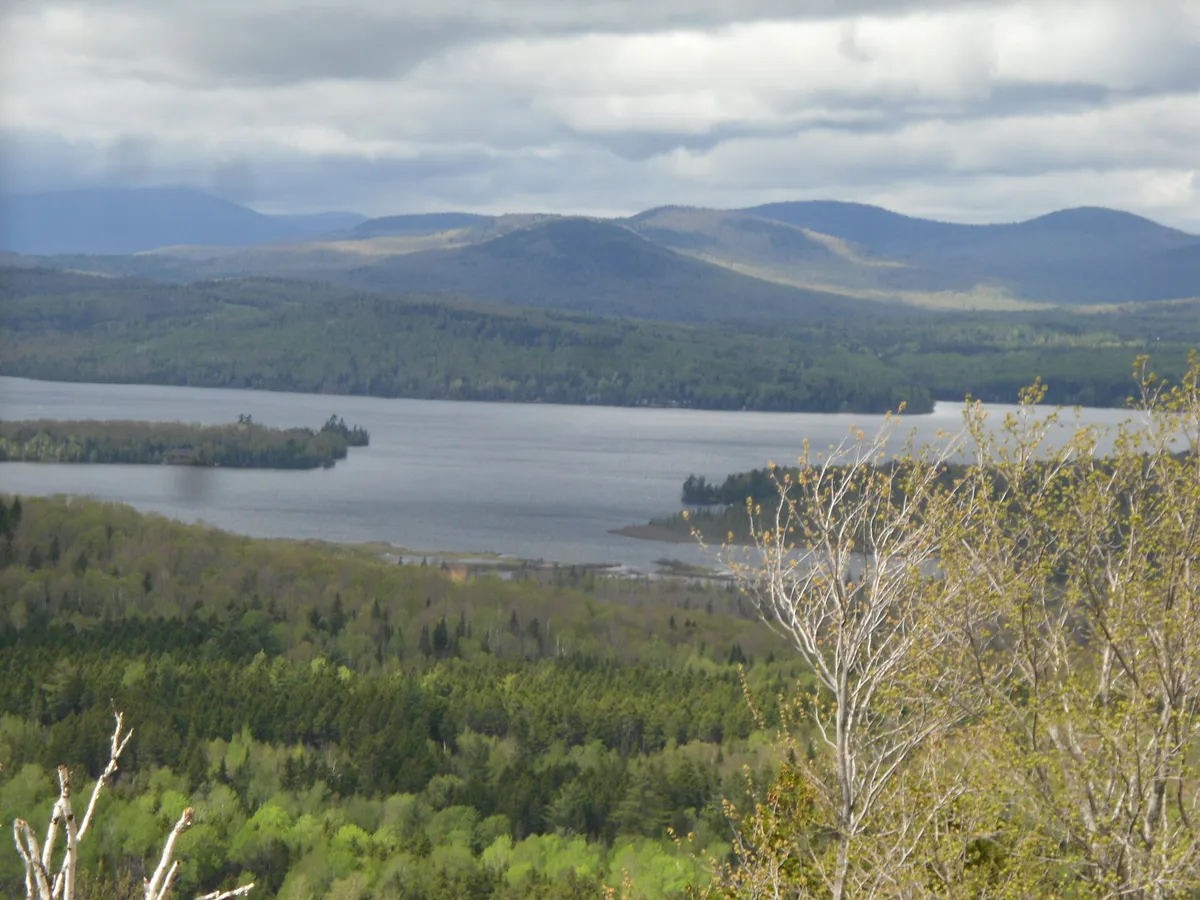
The Nature Trail begins near the park entrance and winds for about one mile through mixed forest, past a brook, and up to two scenic overlooks with views over Whiting Bay and Burnt Cove. The trail is easy and well-maintained with interpretive signs explaining the local ecology.
Shore Trail
The Shore Trail (also called the Anthony’s Beach Trail) is a 0.75-mile loop that begins beside campsite 17 and follows near the shore to the boat launch, then loops back through the woods. It gives close-up views of the tidal shoreline and is the best walk in the park for seeing the tide’s effect on the landscape.
Walk the Shore Trail at both high and low tide during a multi-day camping stay. The transformation is striking, and you will see different wildlife at each tide stage. Low tide brings the shorebirds. High tide brings the seals and diving ducks.
Camping
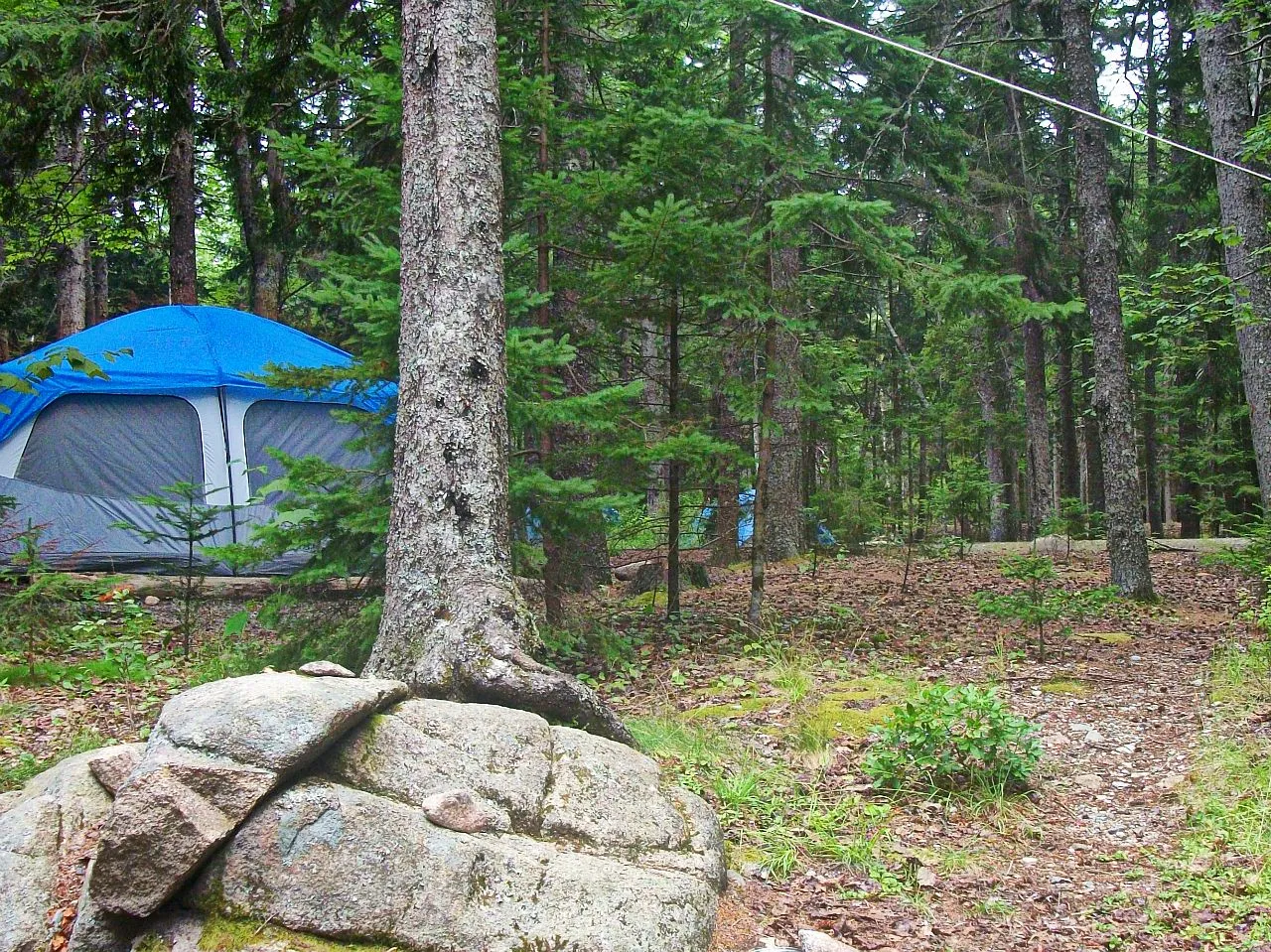
The campground has 106 sites for tents and RVs, many of which border Whiting Bay with direct water views. The sites are large, well-spaced, and surrounded by spruce, giving a sense of privacy that is hard to find in a large public campground, and from a waterfront site you watch the bay empty and fill from your picnic table. Interior sites are more sheltered from the wind off the bay. Wild blueberries ripen through the campground in late July and August, and bald eagles nest in the park. Each site has a picnic table and fire ring. Sites cost $20 a night for Maine residents and $30 for non-residents; book at CampWithME.com.
The 2026 season opened with primitive camping only while a new shower and toilet building was built. As of June 2026 the building is complete, and drinking water, flush toilets, and hot showers are available again. Power on campsites 1 through 27 was out because of a mechanical issue, though those sites stayed open with water. Check the park’s conditions page before booking.
Even in a normal year, the campground is one of the best values on the Maine coast. The sites are affordable, the setting is spectacular, and the Downeast location means it rarely fills the way midcoast and Acadia-area campgrounds do.
Wildlife
Cobscook Bay is one of the most important shorebird habitats in Maine. The tidal flats support migrating sandpipers, plovers, and dowitchers in huge numbers during late summer and fall. Bald eagles are resident year-round and are commonly seen from the campground and trails. Harbor seals haul out on exposed ledges at low tide.
Paddling the bay is superb but only with tidal awareness. The islands, channels, and coves offer sheltered water at the right tide stage, while the currents in the narrow passages can run hard enough to raise whirlpools. Plan trips around slack water, launch from the park’s small boat launch, and never explore the flats on foot without knowing when the tide turns.
The bay’s cold, nutrient-rich waters also support a healthy population of harbor porpoises, which are occasionally visible from shore. Bring binoculars to get the most out of the wildlife viewing here.
When to Go
Spring
The park opens mid-May. Spring comes late to Downeast Maine. Days are cool and the water is cold, but migratory birds are arriving.
Summer
Long days, the warmest weather the region gets, and peak wildlife activity. Nights are cool even in July. Bring warm layers for evenings.
Fall
Shorebird migration peaks in August and September. Foliage arrives late September. The campground is quiet and the coast is spectacular.
Winter
The park is closed for camping. The roads and area remain accessible, but services are extremely limited in Washington County during winter.
Practical Notes
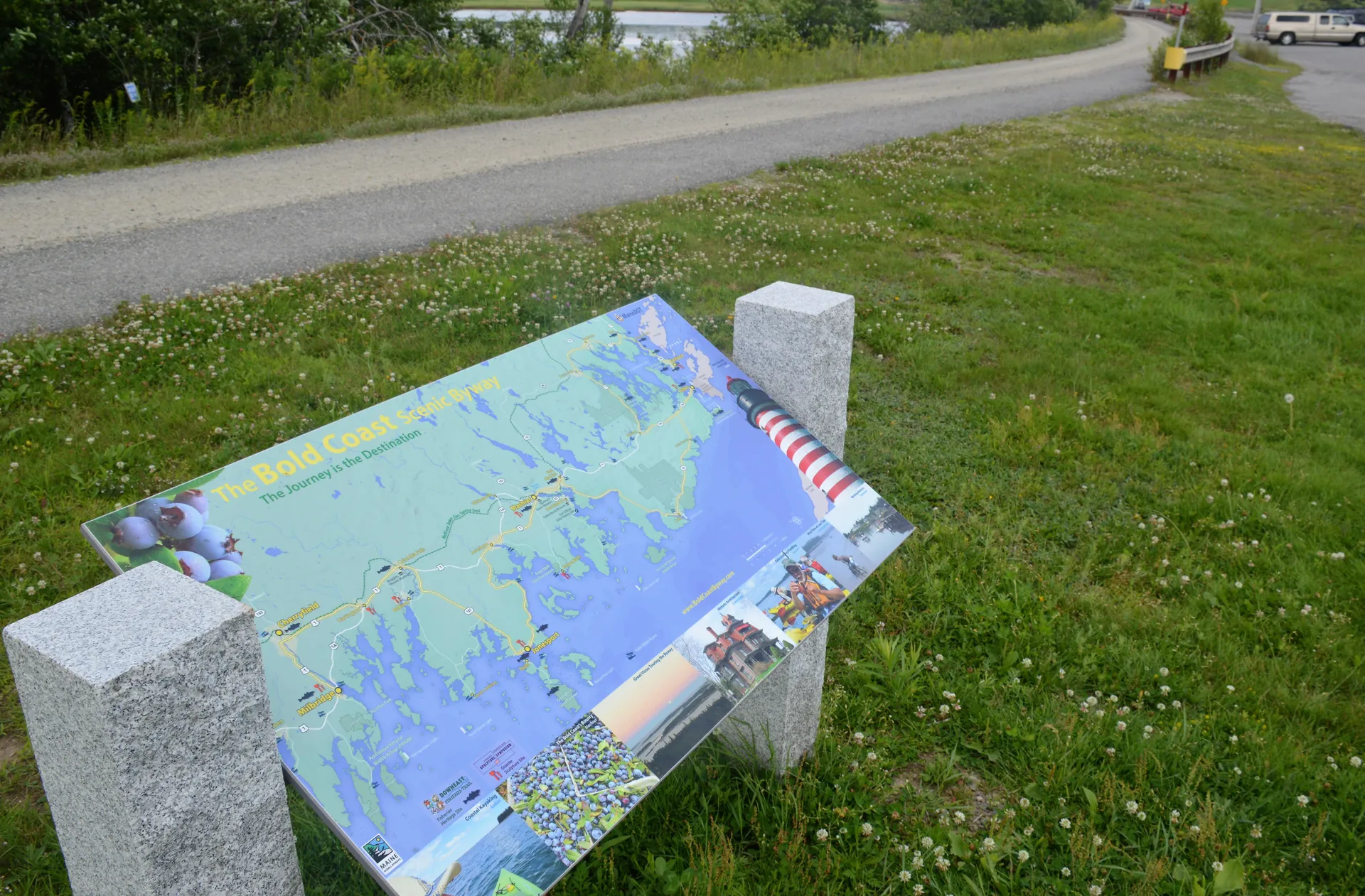
The park is on Route 1 in Edmunds Township, about midway between Machias and Calais. The Bold Coast Trail in Cutler, roughly 30 miles south, offers some of the most dramatic coastal hiking in Maine and pairs well with a camping stay at Cobscook. The town of Lubec and Eastport are both short drives away and worth exploring. Services in this part of Maine are limited. Fuel up and buy groceries in Machias or Calais before driving in. The nearest hospital is in Machias.
Cell service in the park is unreliable. Download maps and confirm your reservation details before arriving.
Packing List
Cobscook Bay State Park Visit
- Binoculars (essential for birding and wildlife)
- Warm layers for cool Downeast evenings
- Rain gear
- Drinking water for hikes and paddles
- Bug spray
- Tide chart (download before you lose cell service)
- Camera
- Kayak or canoe if you have one (boat launch available)
Getting There
From Bangor, take Route 1A east to Ellsworth, then Route 1 east through Machias to Edmunds Township. The drive is about 2 hours. From Portland, the drive is roughly 4.5 hours. The park entrance is on Route 1 and is well-signed.
FAQ
How big are the tides at Cobscook Bay?
The tidal range averages 24 feet and can reach 28 feet during spring tides. This is among the largest tidal ranges on the US Atlantic coast.
Can I swim in the bay?
Swimming is not practical here. The water temperature rarely exceeds the mid-50s, the tidal currents are strong, and the shoreline is rocky mudflat rather than sand beach.
Is the campground open in 2026?
Yes. Camping began May 15. The season opened with primitive facilities, but the new shower and toilet building was finished in June 2026, so drinking water, flush toilets, and showers are available again. Check the park's conditions page for any site-specific notices before you go.
Are dogs allowed?
Yes. Dogs must be on a leash. Keep dogs away from nesting shorebird areas during spring and summer.
What is nearby?
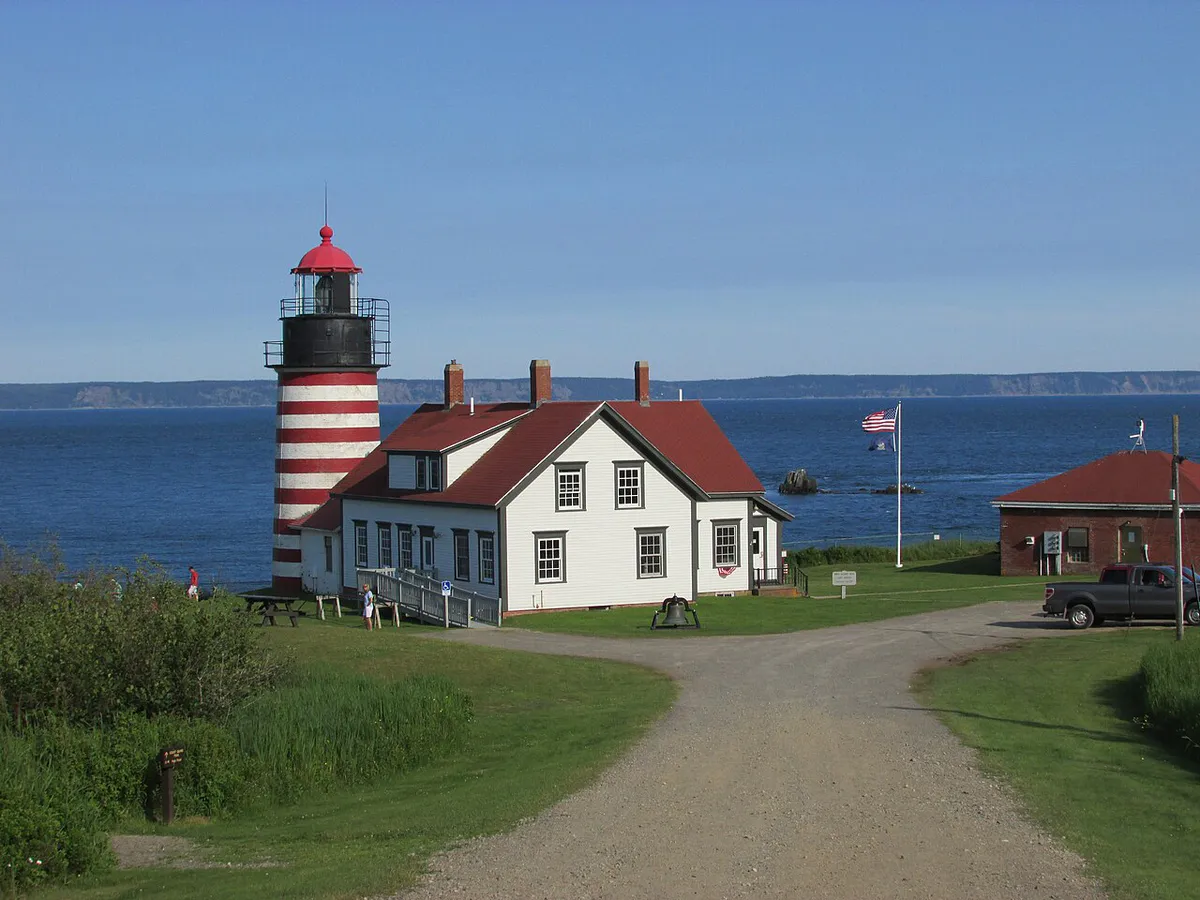
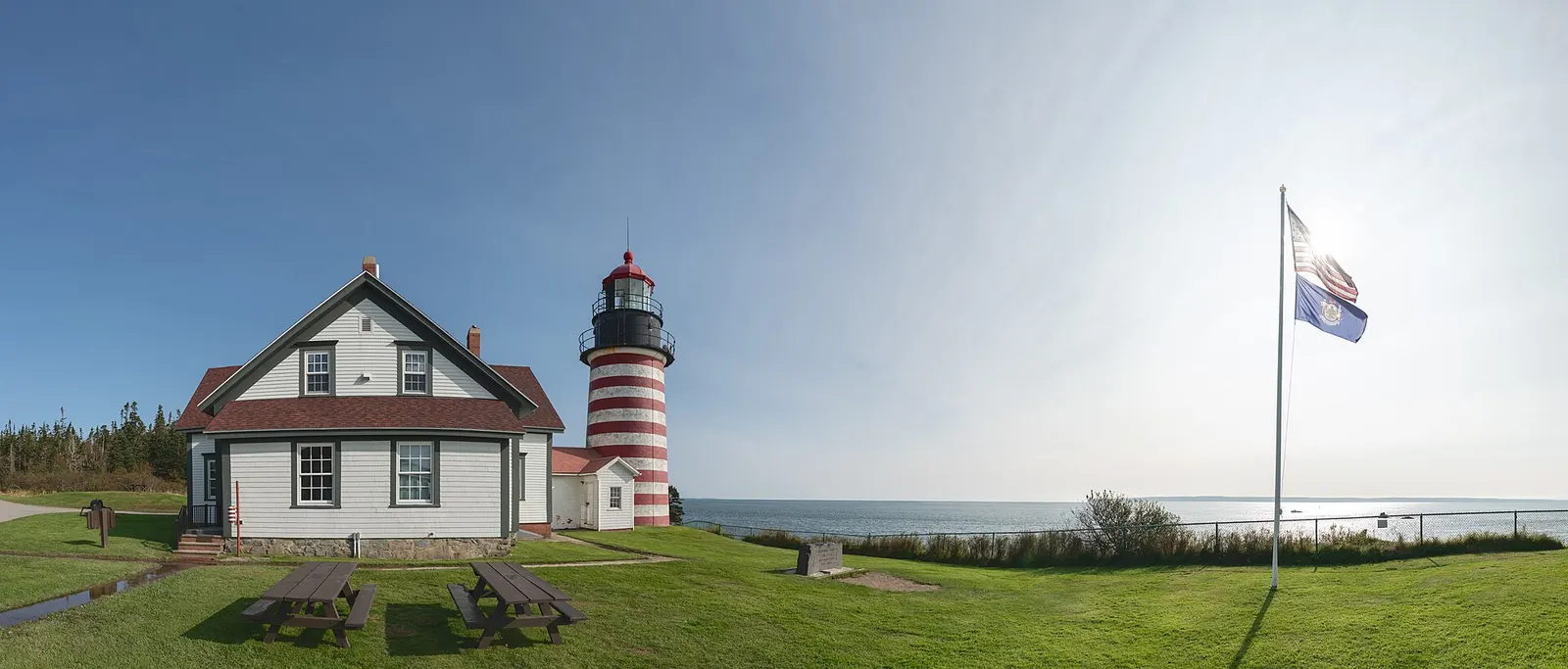
The Bold Coast Trail in Cutler is about 30 miles south and offers some of the most dramatic coastal hiking in Maine. Quoddy Head State Park with the iconic red-and-white lighthouse is about 20 miles southeast. Eastport, the easternmost city in the US, is 20 miles north.