

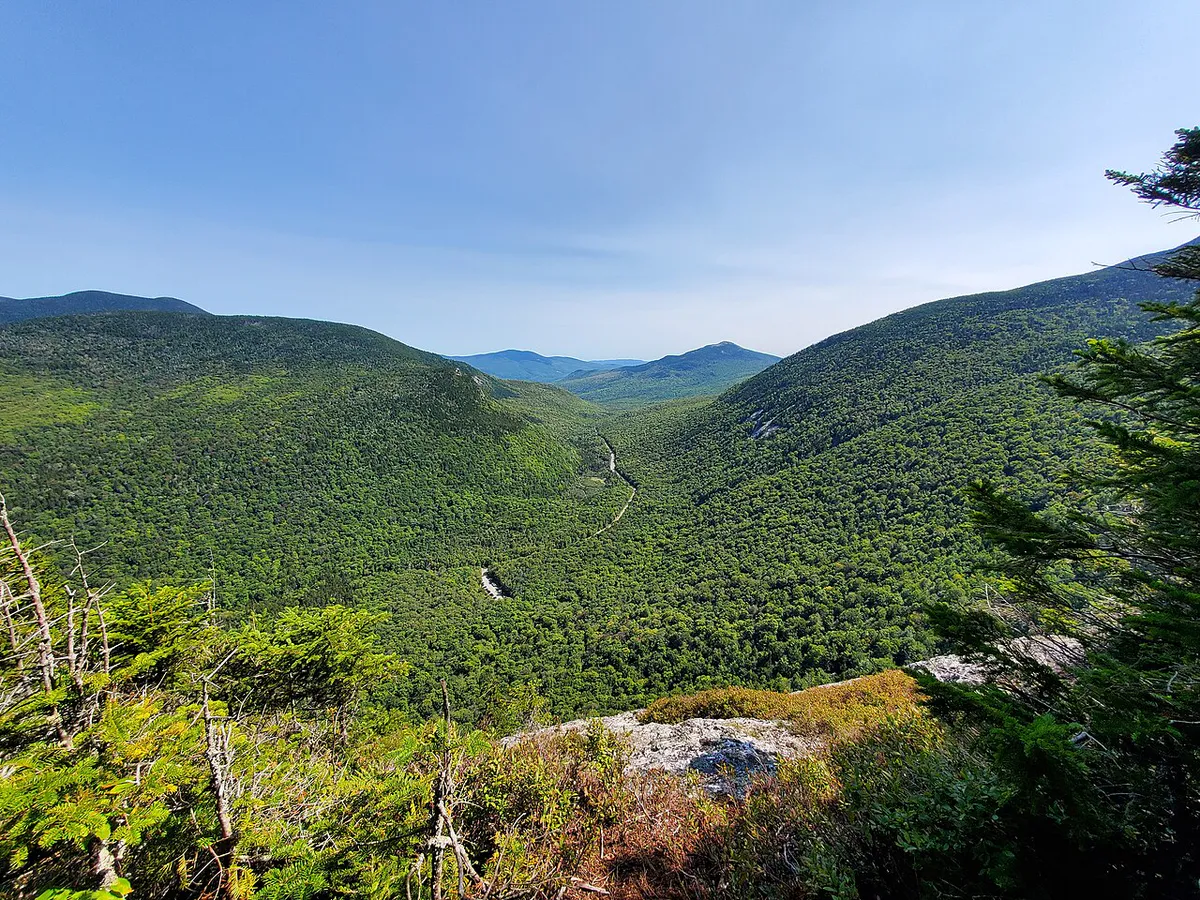
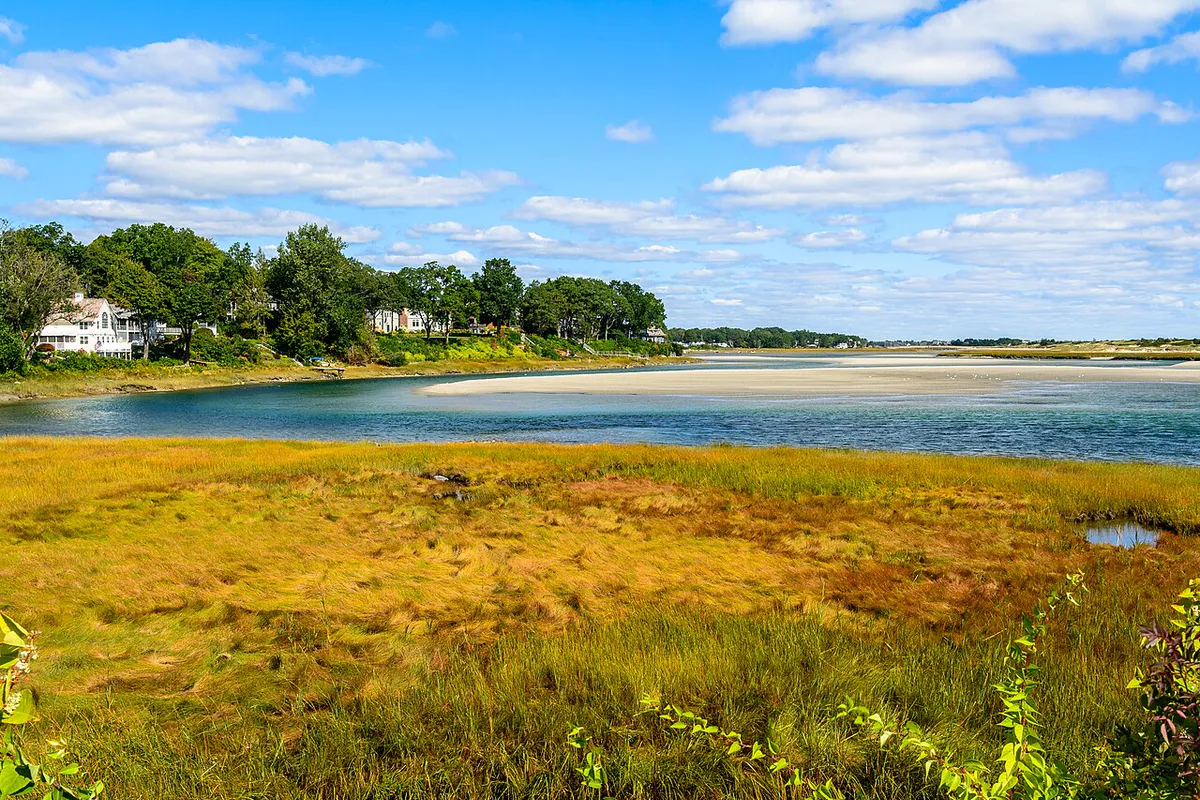
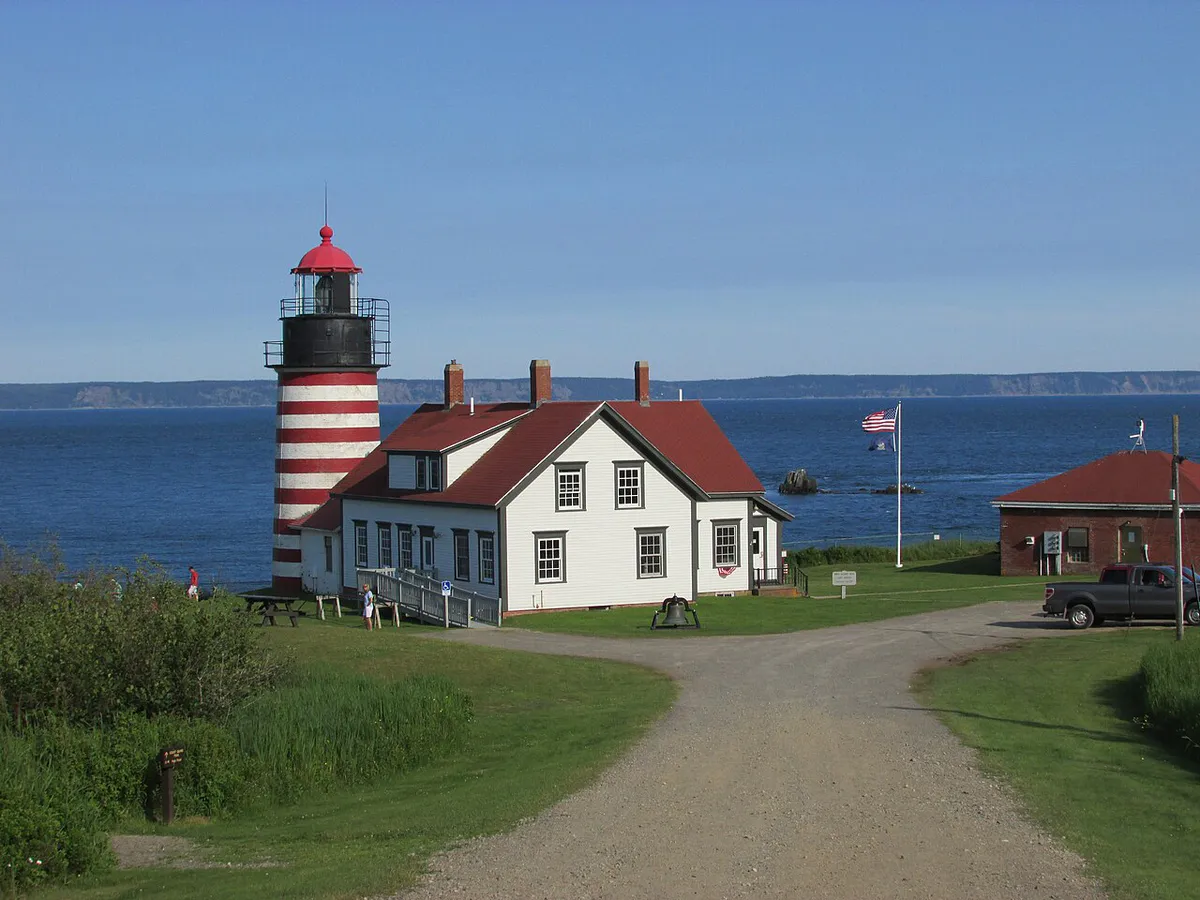
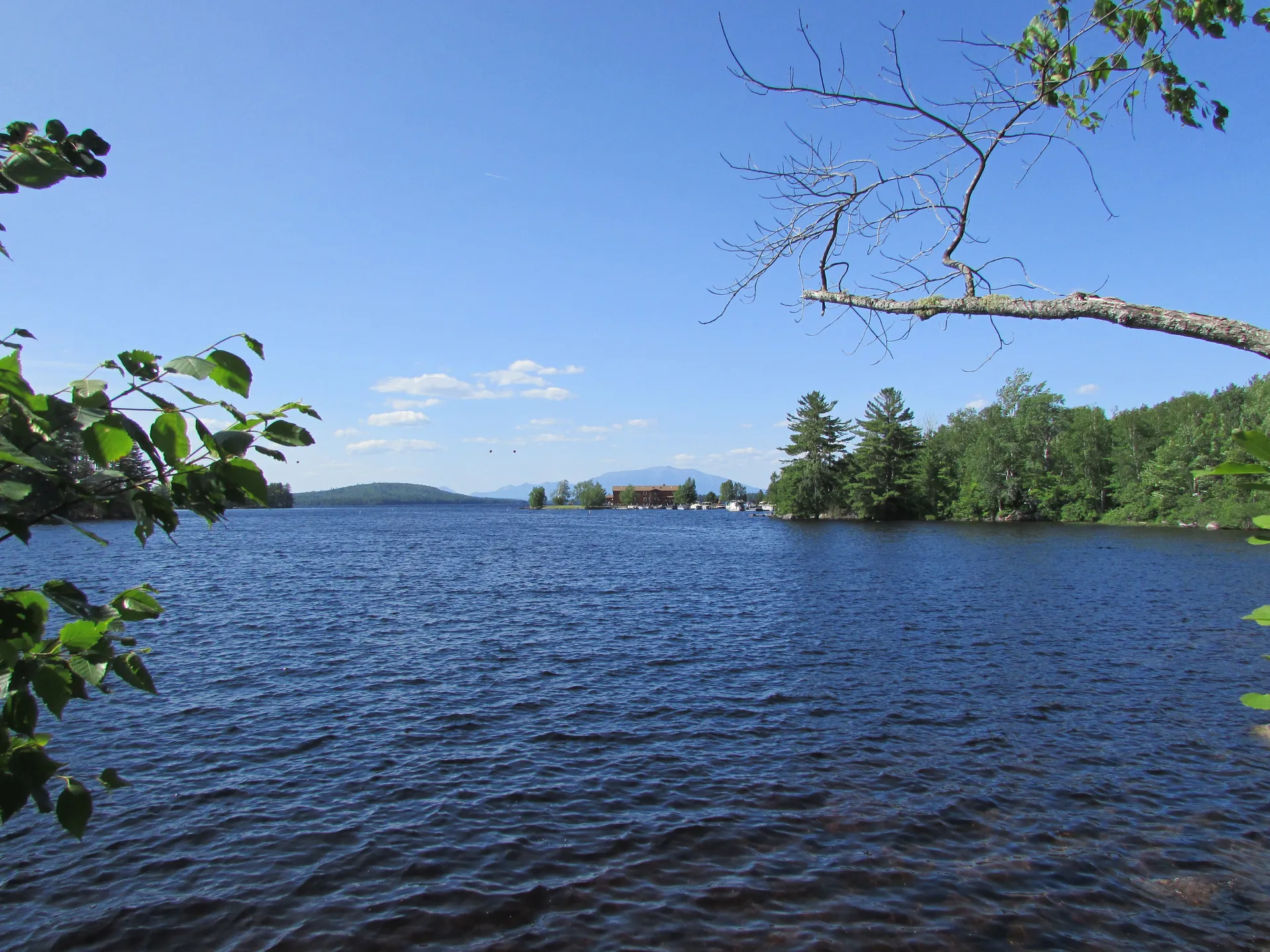
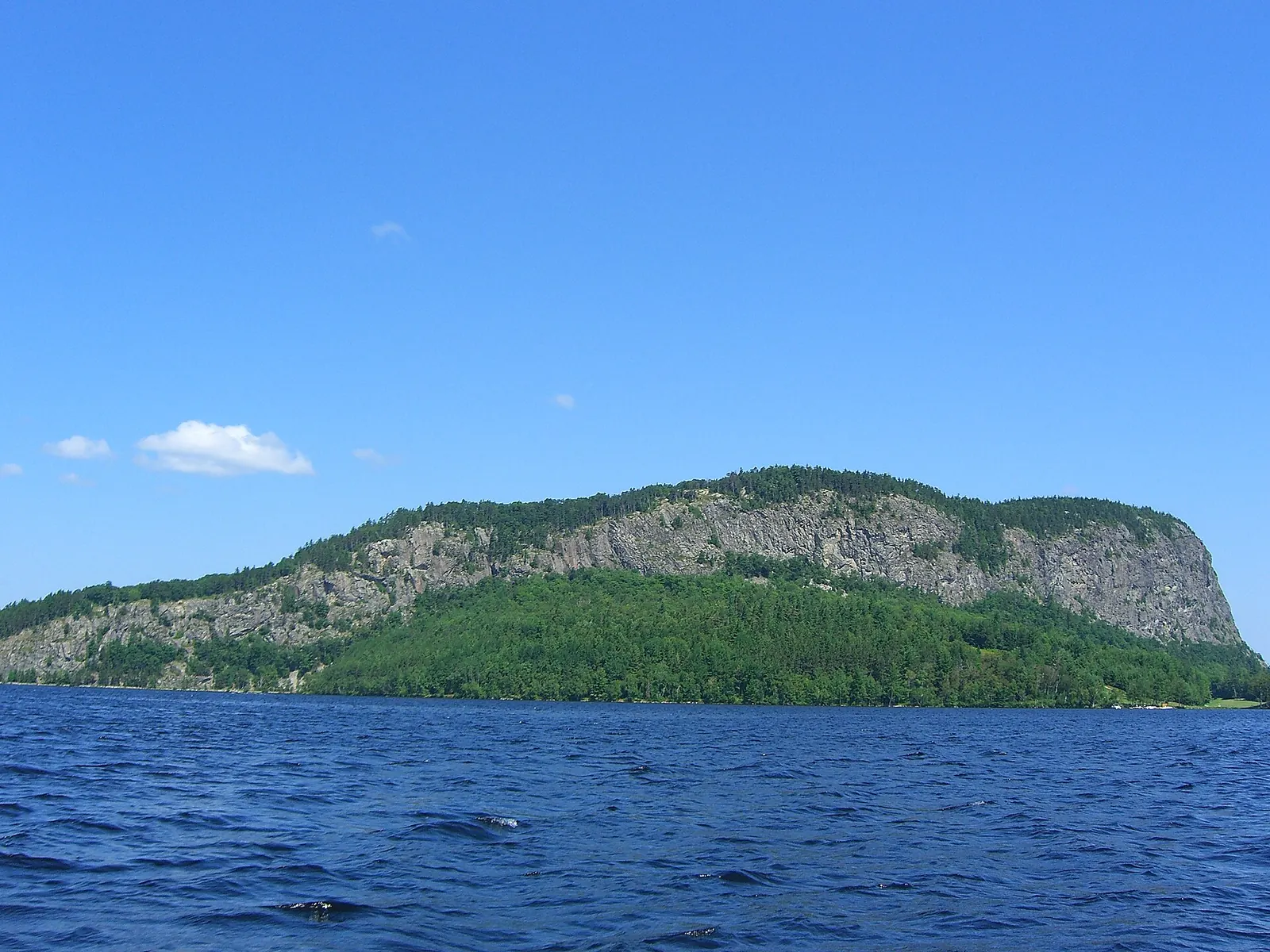
Maine has 6,000 lakes and ponds, 32,000 miles of rivers and streams, and a coastline that runs for 3,478 miles if you count every inlet. The state holds the last stronghold of wild eastern brook trout in the United States, one of the healthiest landlocked salmon fisheries in New England, and enough smallmouth bass water to keep a warm-water angler busy for years. Fishing is not a side activity here. It is woven into the economy, the culture, and the calendar.
This guide covers the best spots by species, what gear actually works, and the practical details, licensing, seasons, timing. That make the difference between a good day and a wasted one.
Brook Trout
Maine’s brook trout fishery is the real thing. These are wild, stream-born fish, not hatchery stockers. The best brook trout water in the state is in the western mountains and the northern woods, where cold, clean streams and remote ponds hold populations that have been reproducing naturally since the last ice age.
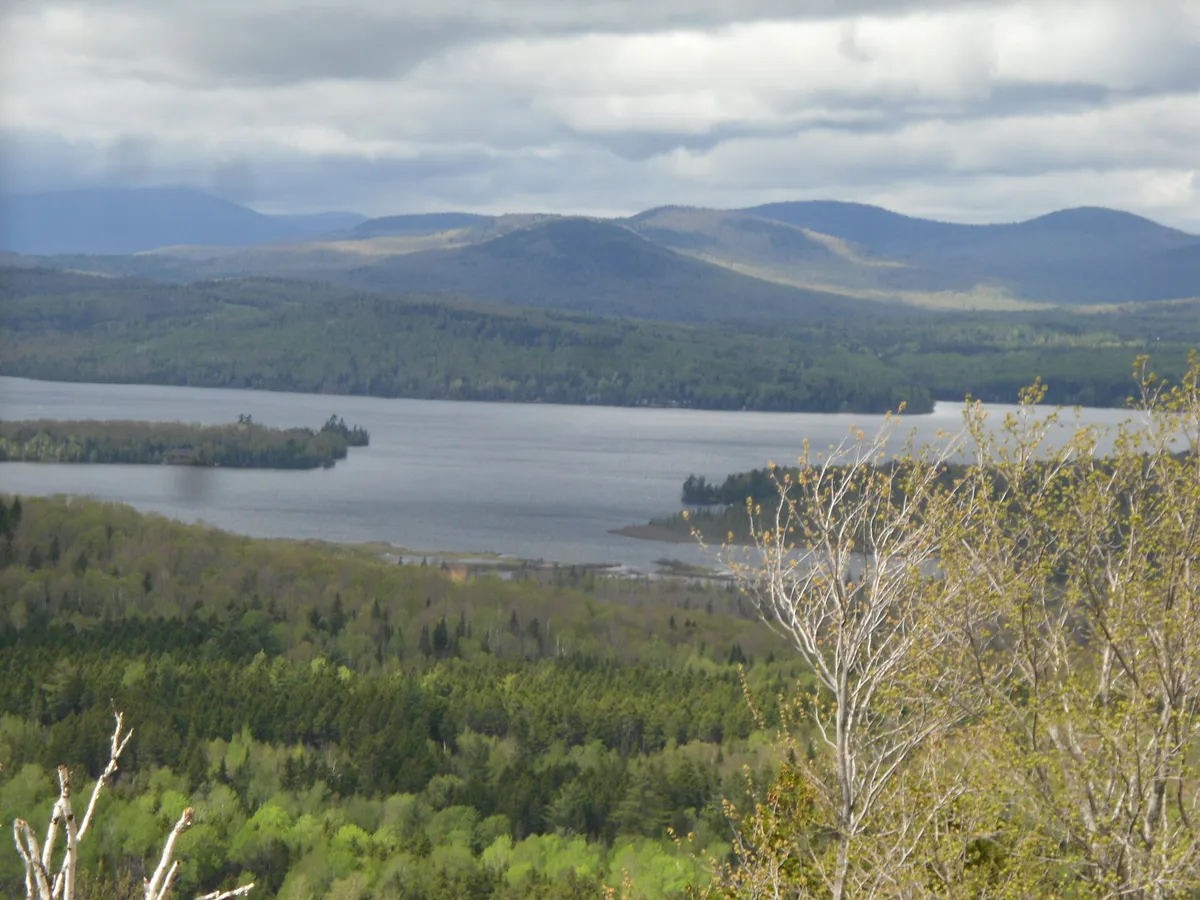
Rangeley Lakes Region: The Rangeley area is the historic heart of Maine brook trout fishing. The Rangeley Lake chain, Rangeley, Mooselookmeguntic, Upper and Lower Richardson, and Aziscohos, produced world-record brook trout in the late 1800s. The fish are smaller now (2 to 4 pounds is a trophy), but the fishing is still exceptional. The Kennebago River, flowing into Rangeley Lake from the north, is a fly-fishing-only stretch that produces consistent action from late May through September. Landlocked salmon share these waters, so you may hook either species on any cast.
Baxter State Park Ponds: The remote ponds inside Baxter State Park are some of the most pristine brook trout habitat in the eastern United States. Kidney Pond, Daicey Pond, Rocky Pond, and a dozen others hold wild brook trout in water so clear you can see the bottom at 15 feet. Access is by hiking trail only. No motorized boats are allowed. You carry in your float tube or canoe, and you fish with flies or small spinners. The park limits the number of visitors, so the pressure is remarkably low for fish this good.
Grand Lake Stream: The town of Grand Lake Stream, population 109, exists because of fishing. The stream itself is a 3-mile stretch of fast water connecting West Grand Lake to Big Lake, and it holds both brook trout and landlocked salmon. Registered Maine Guides have been running sports here since the 1860s. The Grand Lake Stream canoe, a flat-bottomed boat designed specifically for this water, was invented here and is still built by hand.
Kennebago Lake: North of Rangeley, Kennebago Lake is fly-fishing-only with a slot limit that has produced some of the best-quality brook trout in the state. Fish average 12 to 16 inches, with occasional 20-inch fish. Access is via a private logging road (day-use fee required). The lake is remote, the pressure is light, and the fish are wild.
Reliable all-around spinning setup
Landlocked Salmon
Landlocked Atlantic salmon are Maine’s signature game fish. They are the same species as sea-run Atlantic salmon but permanently resident in freshwater. They fight hard, jump repeatedly, and run in open water, a completely different experience from trout fishing.
Sebago Lake: Sebago Lake is where landlocked salmon fishing began. The lake, 20 miles northwest of Portland, is the original home of the subspecies. Salmon here run 2 to 5 pounds, with occasional fish over 6. The best fishing is in May, just after ice-out, when salmon feed on smelt near the surface. Trolling streamer flies or small spoons along the shoreline dropoffs is the traditional method. The Crooked River, flowing into the north end of Sebago, has an excellent fall salmon run from late September through October.
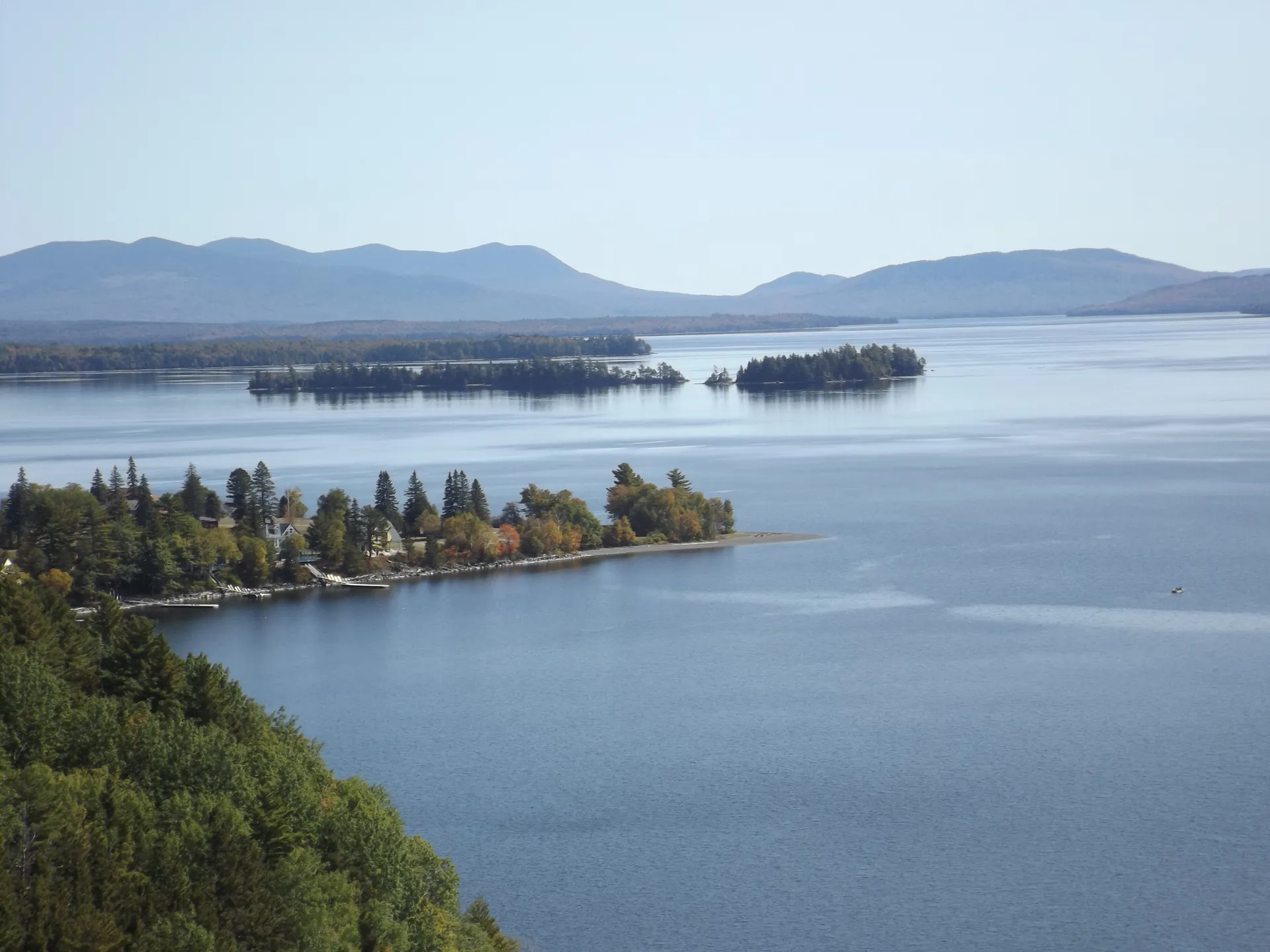
Moosehead Lake: Moosehead Lake is the largest lake in the northeastern United States and holds both landlocked salmon and brook trout. The east outlet of the Kennebec River, flowing out of Moosehead at East Outlet Dam, is one of the best fly-fishing stretches for salmon in the state. Wade the riffles below the dam in May and June and you are into fish. The Roach River, entering Moosehead from the east, is another top producer, limited access keeps the pressure manageable.
West Grand Lake: In the Down East lakes region, West Grand Lake is deep, cold, and full of salmon. Fishing here feels like stepping 50 years into the past. There are no condos on the shore, no jet skis, and no marinas. You fish from a canoe or a small boat, trolling traditional streamer patterns that have worked since the 1940s.
Ice-out is the most important date on the Maine fishing calendar. Salmon feed aggressively in the first two to three weeks after ice clears, chasing smelt near the surface. On Sebago, ice-out is typically mid-April. On Moosehead, it is late April to early May. On Rangeley, early to mid-May. Track it, the two weeks after ice-out are the best fishing of the year.
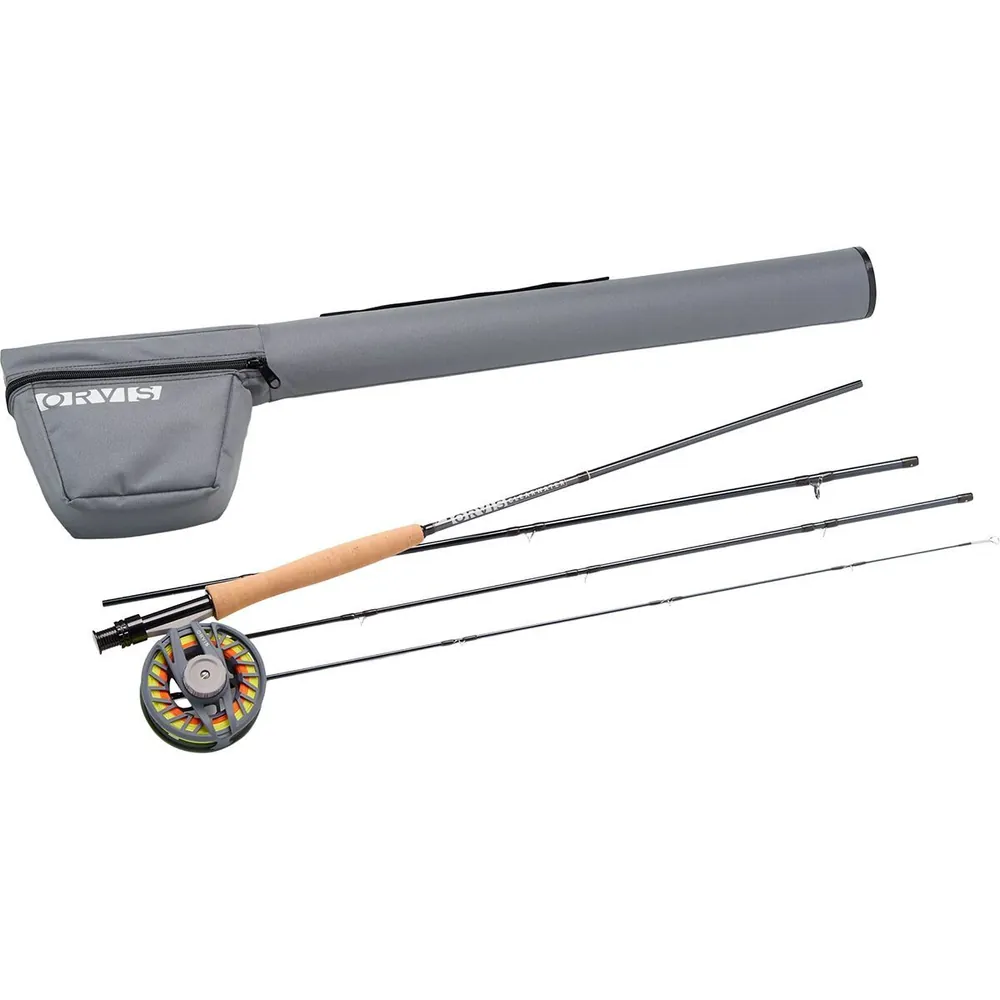
Entry-level fly fishing outfit

Smallmouth Bass
If you want consistent action and do not care about the prestige of trout, smallmouth bass are the answer. Maine has outstanding smallmouth water, and the fish are hard fighters in cold, clean lakes.
Belgrade Lakes: The Belgrade chain, Great Pond, Long Pond, Messalonskee Lake, McGrath Pond, and several others, is the best smallmouth bass fishery in Maine. Fish average 2 to 3 pounds with 4- to 5-pound fish taken regularly. The rocky shorelines, sunken boulders, and crayfish-rich bottom structure are ideal smallmouth habitat. June is the best month, right after the spawn, when fish are aggressive and shallow.
Penobscot River: The main stem of the Penobscot below Old Town holds excellent smallmouth fishing from June through September. Wade the gravel bars and riffles above Bangor, casting crayfish-pattern flies or small jerkbaits to the current seams. This is big-river fishing with a surprising amount of solitude, most people drive past the Penobscot without realizing it is a top-tier bass river.
China Lake: In central Maine, China Lake is a 3,900-acre warm-water fishery with strong populations of smallmouth and largemouth bass. The north basin is shallower and warmer, favoring largemouth. The south basin is deeper and rockier, favoring smallmouth. Both are productive from late May through September.
Cobbosseecontee Lake: Known locally as Cobbossee, this 5,543-acre lake in Kennebec County is one of the largest in central Maine and holds healthy populations of smallmouth bass, largemouth bass, and chain pickerel. The weed beds along the western shore are productive for largemouth. The deeper structure on the east side holds smallmouth.
Androscoggin Lake: This shallow, warm 3,826-acre lake straddling Wayne and Leeds is one of the better warm-water bass fisheries in central Maine. The shallow average depth heats the whole water column through summer, and the weedy coves and four islands give largemouth and smallmouth plenty of structure. It also holds chain pickerel and yellow perch.
Fly Fishing Rivers
Maine’s rivers are the backbone of its fly-fishing reputation. Several hold wild populations of multiple species and offer the kind of uncrowded, wade-accessible fishing that barely exists elsewhere in the eastern United States. If you are putting a setup together for these waters, our fly fishing gear guide covers rods, waders, and flies matched to Maine streams.
Kennebec River: Below the Harris Station Dam in The Forks, the upper Kennebec is a cold tailwater fishery with excellent populations of brook trout, landlocked salmon, and brown trout. The cold-water releases keep temperatures fishable even in August, when most Maine rivers are too warm. The river is wide enough to wade comfortably and has long riffles that concentrate fish in predictable lies.
Rapid River: Connecting Lower Richardson Lake to Umbagog Lake in the western mountains, the Rapid River is fly-fishing-only, catch-and-release-only water that produces some of the largest brook trout and salmon in the state. Fish over 20 inches are taken regularly. Access is by foot trail or boat. There is no road to the river. That remoteness is the reason the fish are as good as they are.
Roach River: Flowing into Moosehead Lake from the east, the Roach River system has three ponds connected by fishable river stretches. It is fly-fishing-only with a two-fish limit. The combination of brook trout and landlocked salmon in fast, wadeable water makes this one of the best multi-species fly-fishing destinations in New England.
Magalloway River: In the far northwestern corner of Maine, the Magalloway flows through remote timberland from Aziscohos Lake to Lake Umbagog. It is wide, slow, and full of brook trout and salmon. The Upper Magalloway above Aziscohos Dam is wadeable and productive. The lower section fishes best from a canoe or drift boat.
Organized tackle storage
2026 Regulations Quick Answers
Regulations questions have short answers and long footnotes. Here are the short answers, current as of July 2026. The footnotes live in the official 2026 Open Water and Ice Fishing Laws from the Maine Department of Inland Fisheries & Wildlife, which is the final word on any water you plan to fish.
Do I need a fishing license? Yes, if you are 16 or older. Maine requires a valid fishing license to fish inland waters or to transport fish taken from them. Anyone under 16 fishes free, resident or not.
How much does a license cost? For 2026: a resident season license is $30, and a non-resident season license is $83. Short-term licenses cost the same whether you are a resident or not, $18 for 1 day, $30 for 3 days, $62 for 7 days, and non-residents can also buy a 15-day license for $66. Those figures do not include the agent fee, and combination fishing-and-hunting licenses are priced separately. The full table is on IFW’s license requirements and fees page.
Are there free fishing days? Yes. Twice a year, Maine runs a free fishing weekend when anyone can fish without a license (every other law and limit still applies). The next two are February 13-14 and June 5-6, 2027.
When is the season? Under the general law: rivers, streams, and brooks are open to open-water fishing from April 1 through August 15, restricted to artificial lures or flies only from August 16 through September 30, and closed October 1 through March 31. Lakes and ponds are open year-round in the South Zone; in the North Zone they are open April 1 through September 30 and closed the rest of the year.
How do I check the rules for a specific lake or river? Hundreds of Maine waters carry special rules that override the general law, fly-fishing-only, catch-and-release, slot limits, bag limits, gear restrictions. If your water is listed in the lawbook’s special fishing laws, those rules win. IFW’s laws and rules page has the current lawbook plus FLOAT, a map-based online angling tool that pulls up the regulations for the exact water you click.
How to Get a Maine Fishing License
The fastest route is online through Maine’s official licensing system, run by the Department of Inland Fisheries & Wildlife. It works around the clock, and you print your license at home in minutes, no waiting for anything to arrive in the mail.
If you would rather buy in person, license agents are everywhere: sporting goods stores, many convenience stores, town clerks’ offices, and turnpike service centers all sell licenses, as does the IFW office in Augusta. In fishing towns like Rangeley and Greenville, the shop that sells you flies can usually sell you the license too. Agents add a processing fee on top of the state price, so the counter total runs slightly higher than the fee table.
Buy it before you leave cell coverage, and bring a printed copy. Most of the waters in this guide are a long way from a signal.
Carry a printed copy of the regulations book for the region you are fishing. Many of Maine’s best waters have special rules, fly-fishing-only, catch-and-release, slot limits, or gear restrictions. They vary by water body and by season. The regulations are not intuitive, and cell service is nonexistent at most remote fishing spots.
Season Overview
Ice-out (mid-April to mid-May): The best two weeks of the year for landlocked salmon. Fish feed aggressively on smelt near the surface. Sebago clears first (mid-April), Moosehead last (early May).
May: Most waters are already fishable under the general law (see the regulations section above). Brook trout fishing is excellent in streams as water temperatures climb into the mid-50s. Black flies are out in force, bring a head net.
June: The best all-around month. Water temperatures are ideal for trout and salmon. Smallmouth bass are post-spawn and aggressive. Hatches of mayflies and caddis bring dry-fly fishing to its peak. Bug pressure eases by late June.
July and August: Surface water temperatures push trout and salmon deep in many lakes. Shift to early mornings, late evenings, or deeper presentations. Rivers with cold-water releases (Kennebec, West Branch Penobscot) remain fishable all day. Smallmouth bass fishing stays strong.
September and October: Water cools, fish return to shallower water. Brook trout spawn in October, many waters close or go to catch-and-release. Landlocked salmon run up tributary streams in late September and October, providing excellent river fishing. Foliage makes this the most scenic time to be on the water.
November through March: Ice fishing begins when ice reaches safe thickness (usually mid-December in southern Maine, January in the north). Moosehead, Rangeley, Sebago, and the Belgrade chain are all popular ice-fishing destinations. Brook trout, salmon, and perch are the primary targets through the ice.
Do I need a guide to fish in Maine?
Not legally, but for remote brook trout ponds and technical fly-fishing rivers, a Registered Maine Guide is worth the investment. They know the water, handle boat logistics, and many of the best spots (Grand Lake Stream, Rapid River, Kennebago) are significantly easier to access with a guide. For bass fishing on the Belgrade Lakes or salmon trolling on Sebago, most anglers do fine on their own.
What is the best month to fish in Maine?
June is the best all-around month. Water temperatures are ideal, hatches are heavy, bass are aggressive, and you can target any species in the state. For landlocked salmon specifically, the two weeks after ice-out (late April to mid-May depending on the lake) are the peak window. For brook trout in remote ponds, September offers cooler weather, fewer bugs, and fish that are fattening up before winter.
Can I eat the fish I catch in Maine?
Yes, on most waters. Maine issues consumption advisories for mercury in certain species and water bodies. Brook trout and landlocked salmon from remote waters are generally safe to eat in reasonable quantities. Check the Maine CDC fish consumption advisory for specific guidance. Many of the best waters have catch-and-release regulations or restrictive bag limits, so read the rules for the water you plan to fish.
Is fly fishing required on all Maine waters?
No. Most Maine lakes and rivers are open to all legal methods, spinning gear, bait, and flies. However, many of the best trout and salmon waters have fly-fishing-only regulations. Rapid River, Kennebago Lake, the Roach River system, and several stretches of the Kennebec are restricted to artificial flies or lures only. Always check the specific regulations for the water you plan to fish before you go.