

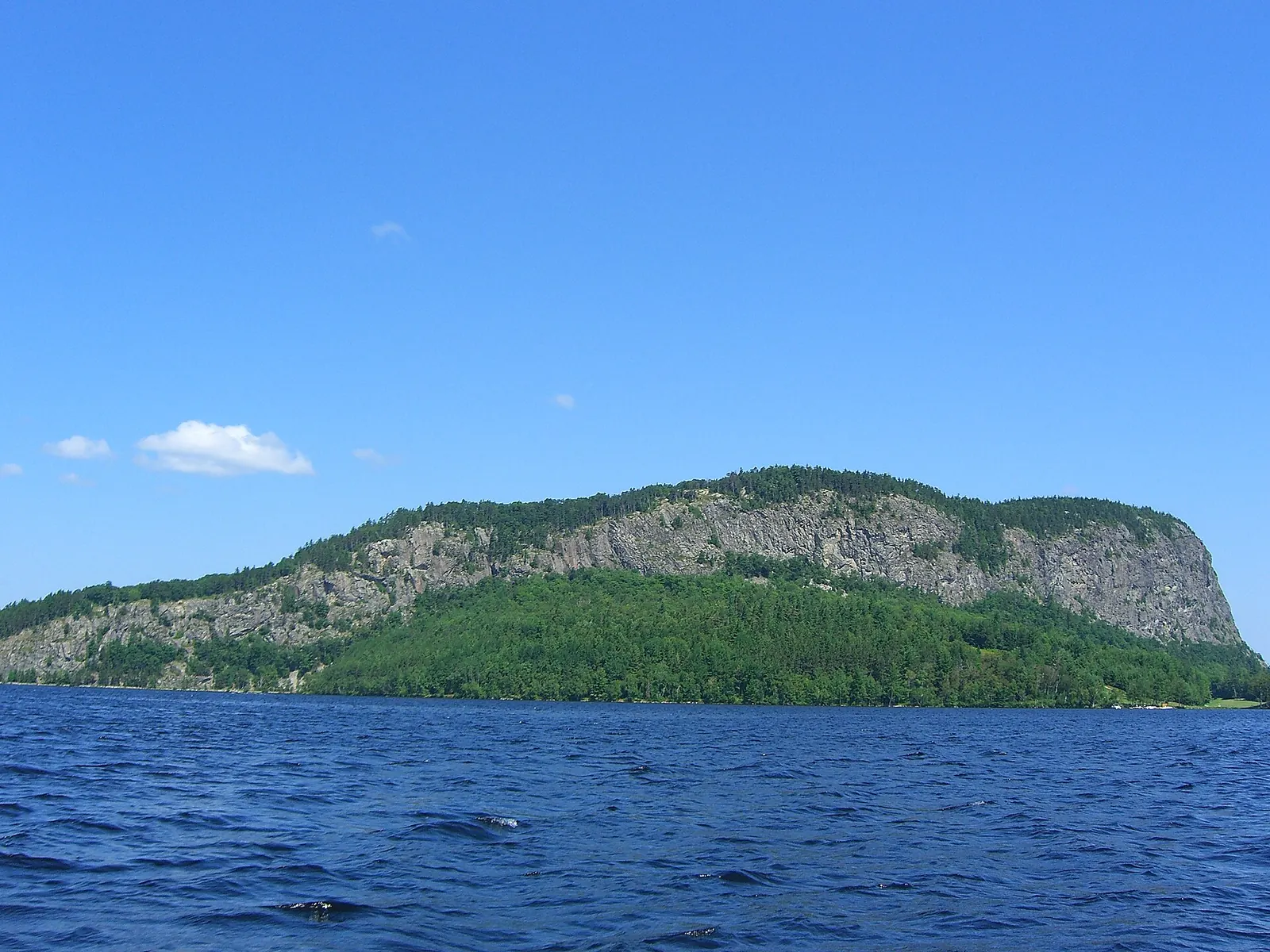
For a trip built around seeing wild moose, start with Greenville and Moosehead Lake, Jackman, Baxter State Park, or the Rangeley area. Northern and western Maine hold the core of the population. Choose a base where you can spend an early morning or late afternoon outdoors; a long drive inland after a day on the coast leaves less useful viewing time. No road, pond or tour guarantees a sighting.
The practical choice is access: a guided outing from town, a public-road trip with safe stopping places, or a planned walk or paddle. Here is how to choose one that fits your visit.
Pick the outing that fits your trip
- First visit, one overnight: use Greenville as a base and compare a guided wildlife outing with a short, planned visit to accessible habitat. Our Moosehead region guide gives the rest of the trip a purpose if no moose appears.
- Already driving through western Maine: choose Jackman or Rangeley along your existing route. Scout legal stopping places in daylight. A public highway is a transport route, not a place to stop in the travel lane.
- Already visiting Baxter: check the Sandy Stream Pond access details below before driving to Roaring Brook. Parking availability matters as much as the time of day.
- Staying on the coast: treat moose-watching as a separate inland leg. Acadia’s park biologists describe moose as very rarely seen. Keep your Acadia plans worthwhile on their own.
Near Portland and considering the wildlife park in Gray? On September 16, 2026, the Maine Wildlife Park’s moose page states that it does not currently have a moose in its care. Check the park’s current animal information before traveling specifically for moose. Older recommendations may be out of date.
When to Look
Early morning and late afternoon are useful starting points, not appointment times. Plan around the actual sunrise, sunset and weather for your date. A fixed “5 PM to dark” window means something different in June and October.
Visit Maine identifies mid-May through July and the fall breeding season as useful viewing periods. The habitat to watch changes through the year:
- Late spring and early summer: watch suitable wetlands from a legal, distant vantage point. Give new calves space, and plan for insects, muddy access and chilly mornings.
- Midsummer: look for water with aquatic vegetation and nearby cover. Moose move back into shade between feeding bouts. An empty pond is a reason to wait or leave, not to follow an animal into cover.
- Fall: include young forest growth in your search. Breeding activity increases movement, but water is less of a draw after vegetation dies back. Check access and current hunting seasons.
- Winter: choose an outing already suited to winter conditions. Snow, road closures and short daylight change access. Never chase a moose along a trail or force it into deep snow.
This seasonal distinction comes from Maine moose biologist Lee Kantar’s viewing guidance. He describes the rut as late September into early October and emphasizes that feeding, resting and movement happen throughout the day. Allow time to wait quietly, and make peace with leaving without a sighting.
Top 8 Moose-Watching Spots
Compare the access and travel commitments of these eight areas. The right base lets you spend more time outdoors and less time relocating between regions. Sighting rates have not been measured for this guide.
| Area | Fits this kind of trip | Check before you go |
|---|---|---|
| Jackman / Route 201 | A western Maine road trip | Safe pull-offs and the return drive in daylight |
| Greenville / Moosehead Lake | A town base with guided outings | Meeting point, walking or paddling, and what the guide supplies |
| Baxter State Park | A planned walk to Sandy Stream Pond | Roaring Brook parking and limited Moose Pass availability |
| Rangeley area | A lakes-and-mountains visit | Public road access; separate permissions for private woods roads |
| Aroostook County | An existing northern Maine itinerary | Distances, fuel and any checkpoint requirements |
| 100-Mile Wilderness | A prepared hiking or paddling trip | Exact trailhead, road manager and return plan |
| Debsconeag Lakes | A prepared walk or paddle near Millinocket | Current preserve map, rough-road access and trail conditions |
| Grafton Notch | A western Maine park visit | Designated parking and a walk worth doing without wildlife |
1. Moose Alley (Route 201)
Jackman and The Forks give you a public-road route through northern forest without committing to a remote gravel-road excursion. Local outfitter Northern Outdoors uses “Moose Alley” for Route 201, but the nickname is used for other roads too. Use the actual road and town names when planning your route.
Choose lawful stopping places before the light fades. Keep the driver focused on driving, leave busy shoulders clear, and never turn a sighting into an abrupt stop or U-turn. If the safe place to stop is behind you, let that sighting go.
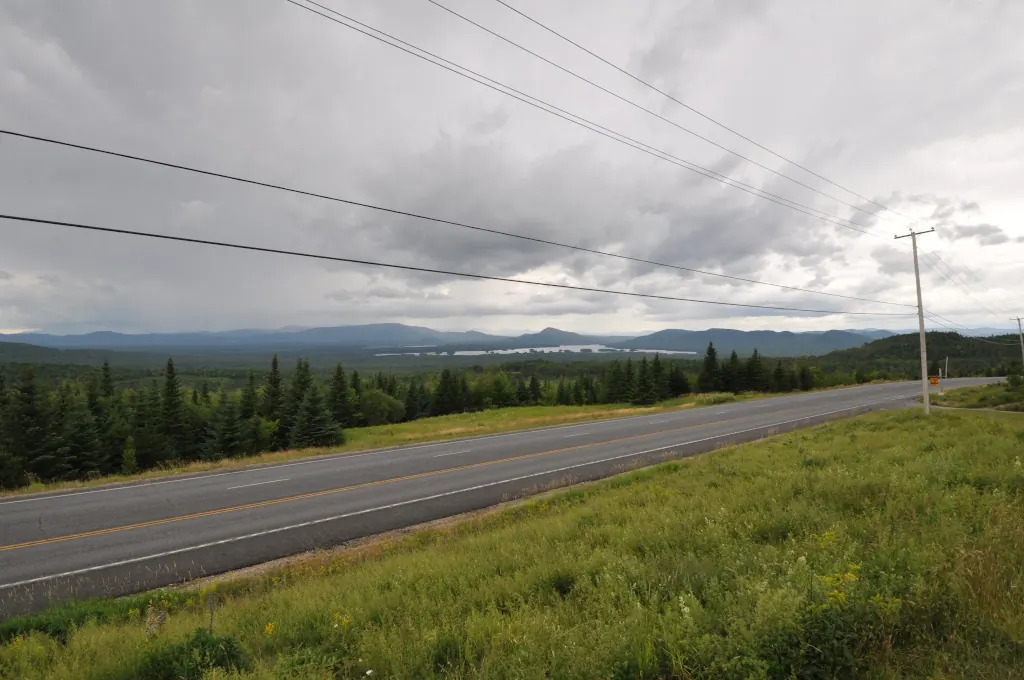
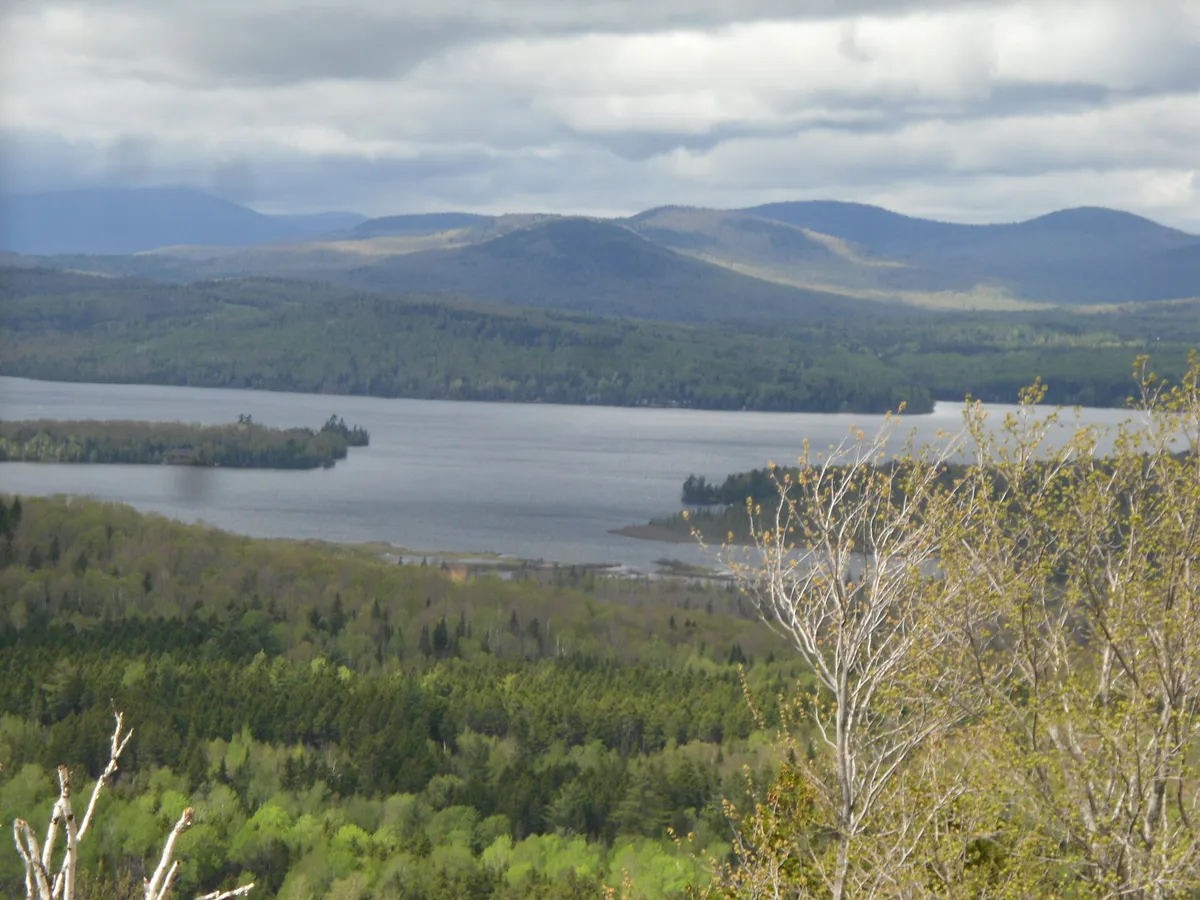
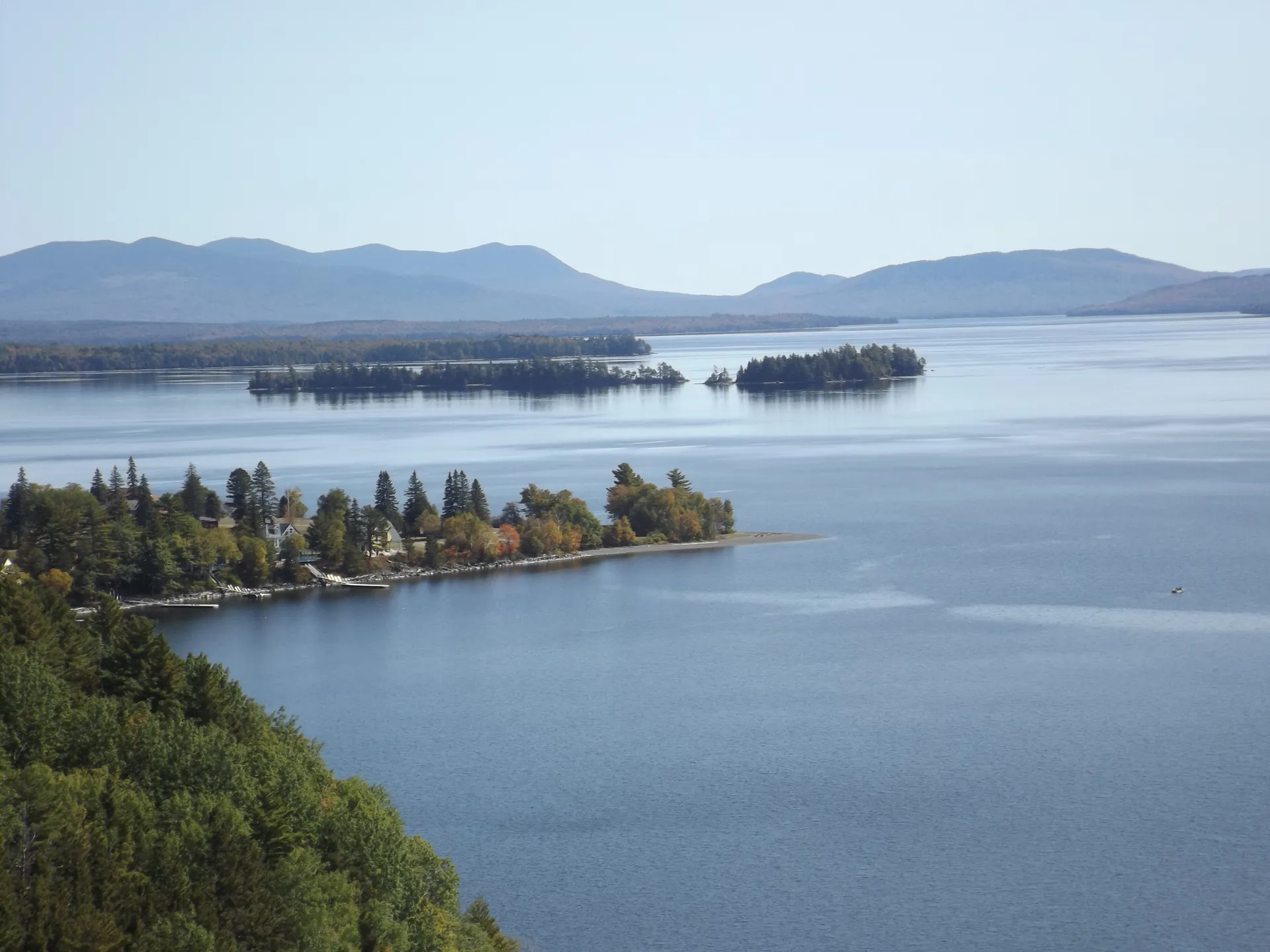
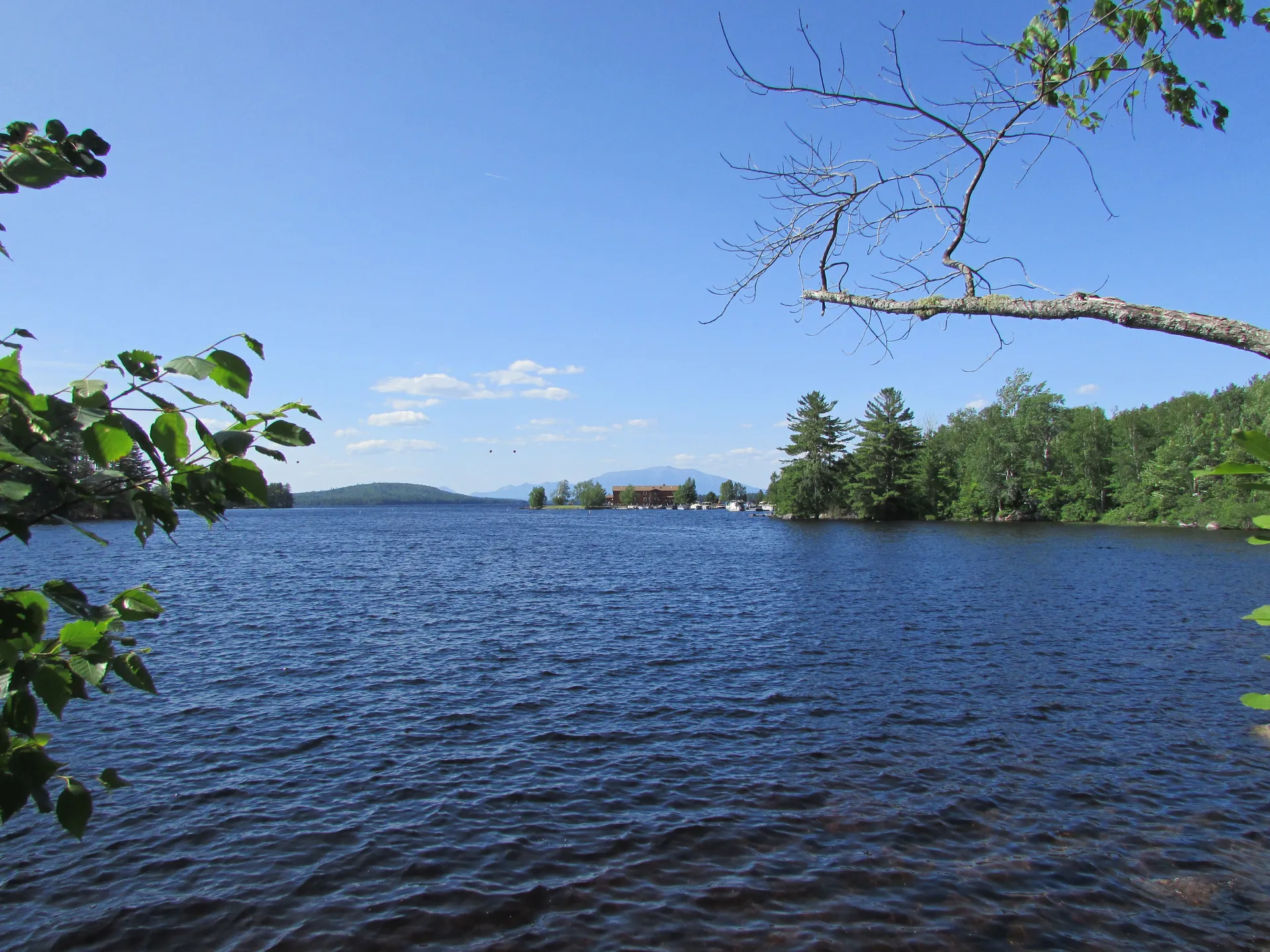
Attean Pond is near Jackman; the photograph identifies the landscape, not a current moose location. If you want to leave the highway for a walk or paddle, plan that access separately. A waterbody on a map does not establish public parking or a boat launch.
2. Moosehead Lake and Greenville
Greenville works well when you want lodging, meals and a meeting point for an outing in one base. Use Destination Moosehead Lake’s guide directory to find operators, then ask what their particular trip involves. A van outing, canoe trip and open-lake boat ride have different mobility, weather and clothing needs.
The Moosehead Lake guide can help you plan the rest of the stay. Looking for moose does not mean cruising the middle of the lake: the useful question for an operator is which habitat the outing visits and how much time is spent watching it. Ask about any walk to the water, seating, toilets and the return time before booking.
3. Baxter State Park
Sandy Stream Pond is a specific wildlife-viewing destination, but access is limited. Baxter describes a half-mile walk from Roaring Brook Campground. Allow for the return walk and check the park map for the exact route to the viewing area.
Roaring Brook is also a busy Katahdin trailhead. For a pond-only visit, Baxter’s current guidance says to ask at Togue Pond Gatehouse about a Moose Pass. Limited passes permit three hours of parking and are issued first come, first served. This is different from a Katahdin Trailhead Pass for the mountain. Do not assume a pond visit requires a mountain parking reservation, or that a pass will be available when you arrive.
Approach quietly, use the designated viewing area, and leave room for other visitors. If access is full, ask park staff for an appropriate alternative rather than parking along the road. Read our Baxter guide alongside the park’s current conditions and access information.
4. Rangeley Area
Rangeley makes sense for a trip already focused on western Maine’s lakes and mountains. The Flagstaff Area Business Association’s moose-watching guide calls Route 16 between Stratton and Rangeley “Moose Alley.” This is a separate road from the Route 201 trip through Jackman. Confirm which route an operator or accommodation is describing before arranging your day.
Keep public-road touring separate from visits to private forest roads. Do not treat an old recommendation for a checkpoint, pond or logging road as current permission to enter.
Combine your visit with the western mountains guide. Choose an outing you want to do in its own right, then allow time to watch suitable habitat where access is permitted. For a dedicated wildlife trip beyond those roads, ask a local operator about current access and the vehicle required.
5. Aroostook County
The Aroostook and Katahdin region sits within northern Maine’s broader moose country, but “go to Aroostook” is not a usable set of directions. Select a town base and a particular accessible route before setting out. Leave room in the day for fuel, food and the drive back.
If your route enters land managed through North Maine Woods, its visitor regulations require checkpoint entry and exit. Commercial trucks have priority. Check that your intended route is open, and do not block side roads when stopping.
6. 100-Mile Wilderness
The 100-Mile Wilderness is a hiking destination, not an easy roadside wildlife circuit. Choose it because you are prepared for the route, with moose as a possible encounter along the way. Do not follow an animal off-trail or set out toward a remote pond solely because its name appears in a list.
Trail access can involve working forest roads. For routes through the KI Jo-Mary forest, check the land manager’s current visitor rules, including checkpoint requirements. Carry the relevant map and leave your route and expected return with someone.
7. Debsconeag Lakes
The Debsconeag Lakes Wilderness Area offers hiking and paddling northwest of Millinocket. Use The Nature Conservancy’s current preserve information to choose between the trails and carry-in launches.
The manager describes the Ice Caves Trail as two miles round trip over terrain that includes granite boulders. That is a walking and footing decision for your group, not a guaranteed family moose stop. Check the map, road conditions and available daylight before choosing it over a simpler outing.
8. Grafton Notch State Park
Grafton Notch is a practical park stop on a western Maine trip, with designated parking and short walks. The official park guide and map identifies the trailheads and fee stations.
Plan for the scenery and trails. Moose live in the wider western mountains, but there is no basis here for promising routine sightings beside Route 26. A name such as Moose Cave describes an attraction, not an animal-viewing schedule.
Safety First
Watch without changing the animal’s behavior. MDIFW’s wildlife-viewing guidance says to back away slowly if wildlife reacts to your presence. A fixed number of feet is not permission to approach. Keep extra space around cows with calves and during the breeding season. Never feed, follow or crowd a moose for a photograph.
Keep children close and never get between a cow and calf. If a moose approaches, increase your distance and keep a substantial barrier available, such as a vehicle or large tree. Alaska’s wildlife agency explains the warning signs and response to an aggressive moose. Keep pets under control and follow the land manager’s pet rules; an outing may exclude pets entirely.
Moose and cars
Low light may help wildlife watching, but it makes driving harder. MaineDOT advises slowing down, staying inside the vehicle, and not trying to drive around a moose in or beside the road. Watch for additional animals and drive at a speed that lets you stop within the distance you can see.
Plan your return before setting out. Skip an extra loop if it means a tired drive on unfamiliar roads after dark. Never stop in a travel lane or on a busy shoulder to watch wildlife.
What Gear Helps
Start with what you already have: weather-appropriate layers, drinking water, insect protection when needed, and a route you can follow without cell service. Bring a working light if the walk could extend into low light. Ask a guide whether binoculars and any paddling equipment are included before buying or packing extras.
Binoculars help you watch from farther away. An existing comfortable pair is enough to try the activity; you do not need a new camera or a bigger lens to justify the trip. Keep a phone photo as a record if that is what you have, and leave the animal room instead of moving closer to fill the frame.
About Moose Safaris and Tours
A guide can handle unfamiliar access and explain recent local conditions; that service does not establish a guaranteed sighting. Use the Moosehead guide directory as a starting point, then confirm details directly with the operator:
- What is the outing? Ask how much is driving, walking, waiting or paddling, and whether it suits everyone’s mobility and experience.
- What is included? Confirm the total price, transport, equipment and any access fees for your actual party and date.
- What happens if plans change? Read the weather cancellation, refund and no-sighting policies. Do not assume there is a free repeat trip.
- Where and when do we finish? Match the return time to your lodging and driving plan.
What the population estimate tells you
MDIFW’s July 2025 viewing article estimates 40,000–60,000 moose statewide. That is a broad population estimate, not a live count or a probability of seeing one at a named pond. We have not measured success rates for these eight areas and do not assign them numerical odds.
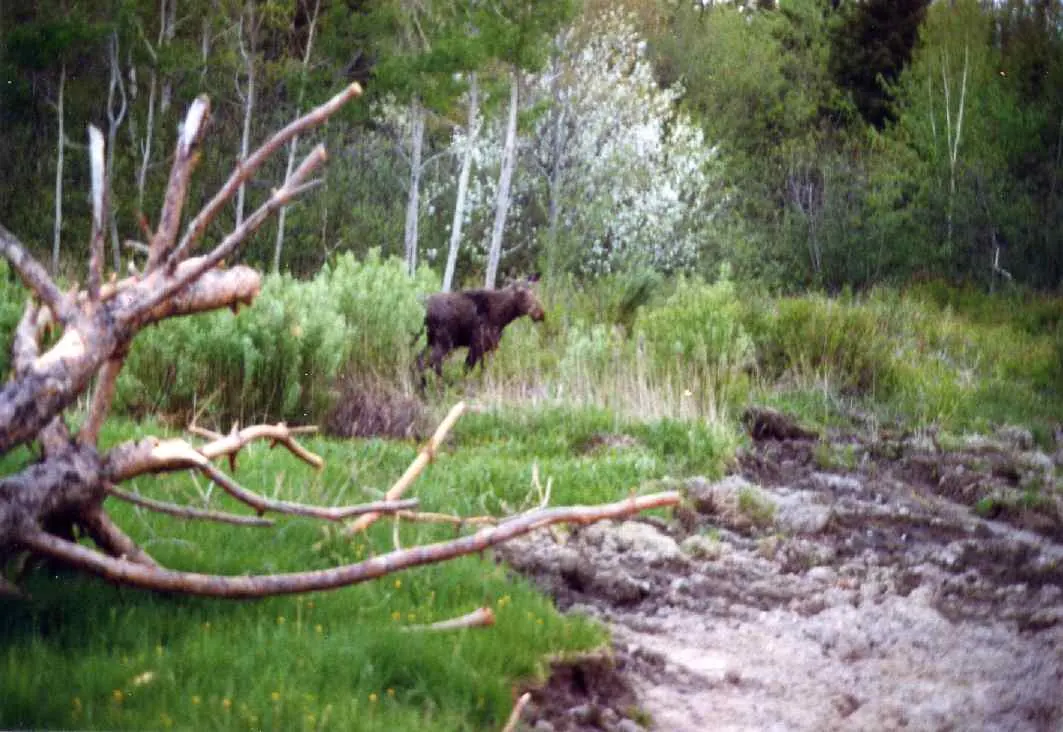
This archival Trenton photograph shows that a coastal encounter is possible. It does not make the coast a dependable place to plan a moose outing; keep the broader northern and western range in mind.
Questions before you go
What is the best time of day to see moose in Maine?
Start with early morning or late afternoon and use the sunrise, sunset and weather for your date. Moose feed and rest throughout the day, so those windows improve your planning rather than guarantee a sighting.
What is the best month to see moose in Maine?
Visit Maine points to mid-May through July and the fall breeding season. In summer, watch suitable wetlands from a permitted vantage point. In fall, moose also use young forest growth. Leave extra space around calves and during the rut.
Do I need a reservation to visit Sandy Stream Pond?
For a pond-only visit from Roaring Brook, ask at Baxter's Togue Pond Gatehouse about a limited, first-come Moose Pass allowing three hours of parking. This is different from a Katahdin Trailhead Pass. Check the park's current access guidance before traveling.
Where is Moose Alley in Maine?
The nickname is used for more than one road. MaineDOT identifies Route 16 between Stratton and Rangeley; local outfitters also use it for Route 201 through The Forks and Jackman. Plan with actual road and town names and identify safe, legal stopping places. The nickname does not identify a managed viewing site.
Can I see moose in Acadia National Park?
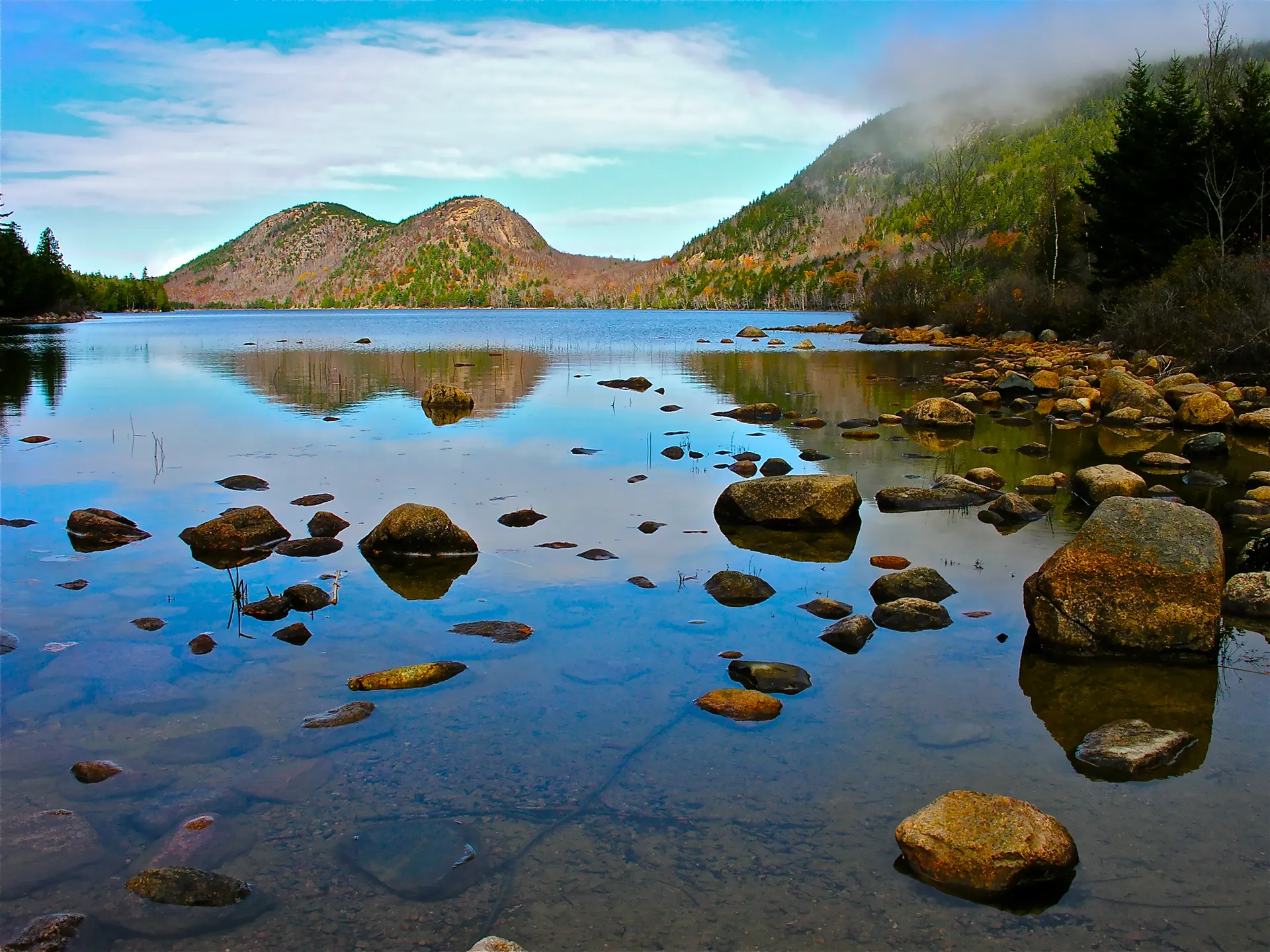
Moose are very rarely seen in Acadia, according to the National Park Service. If wild moose are a priority, plan a separate inland stay in northern or western Maine. Keep your Acadia itinerary focused on the park's coastal scenery and trails.
Does Maine Wildlife Park in Gray have a moose?
As checked September 16, 2026, the park says it does not currently have a moose in its care. Check the park's moose page for changes before making a trip specifically to see one.
Do I need a guide or new binoculars?
Neither is required for a carefully planned outing with suitable access. A guide can help with logistics and current conditions, especially on an unfamiliar route. Use binoculars you already own or ask whether the operator supplies them before buying a pair.
Research and access check: September 16, 2026. This guide draws on MDIFW biology and viewing guidance, Visit Maine, National Park Service information, Baxter’s access instructions, and the land managers linked above. It is a planning guide, not a record of our own sightings or a live report of road and animal conditions. Recheck the relevant manager’s notices before departure.