A Wilderness Park That Requires a Plan
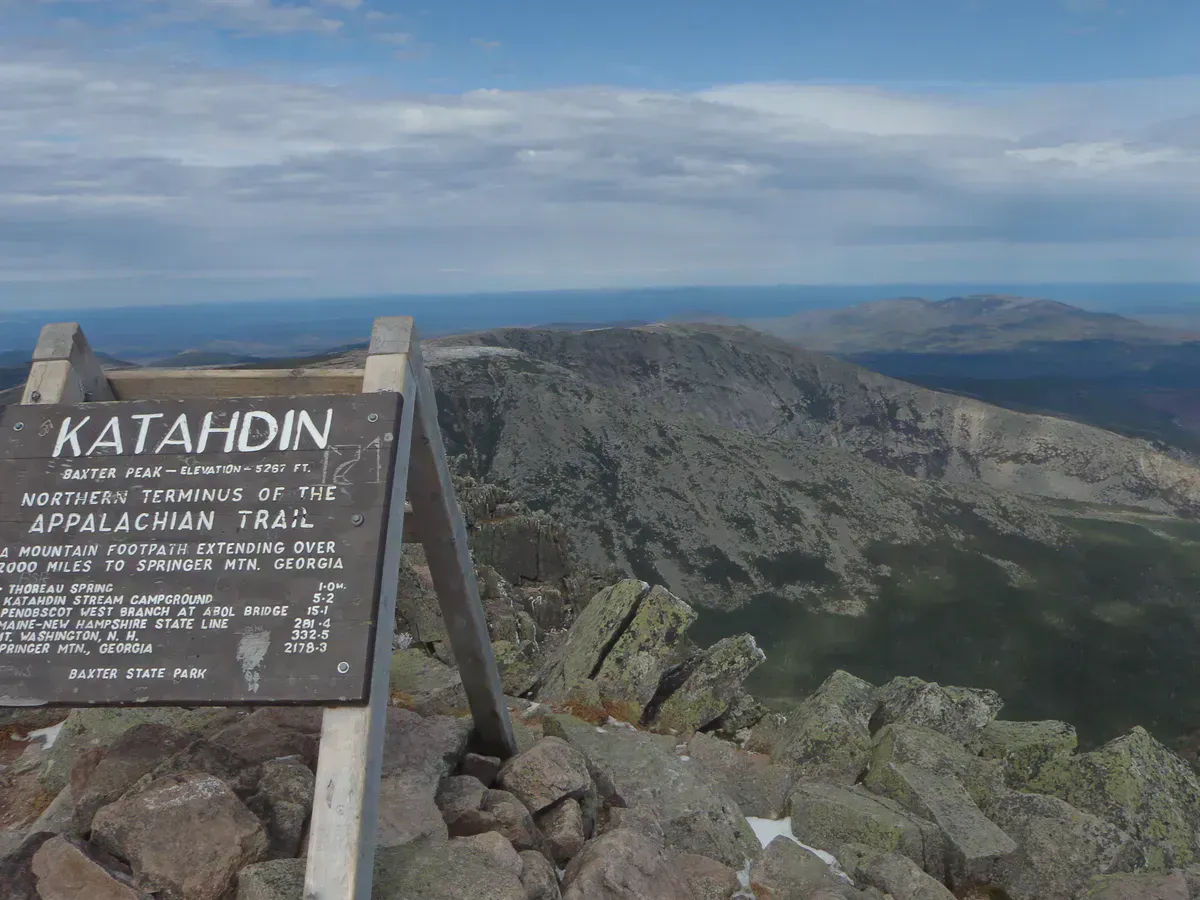
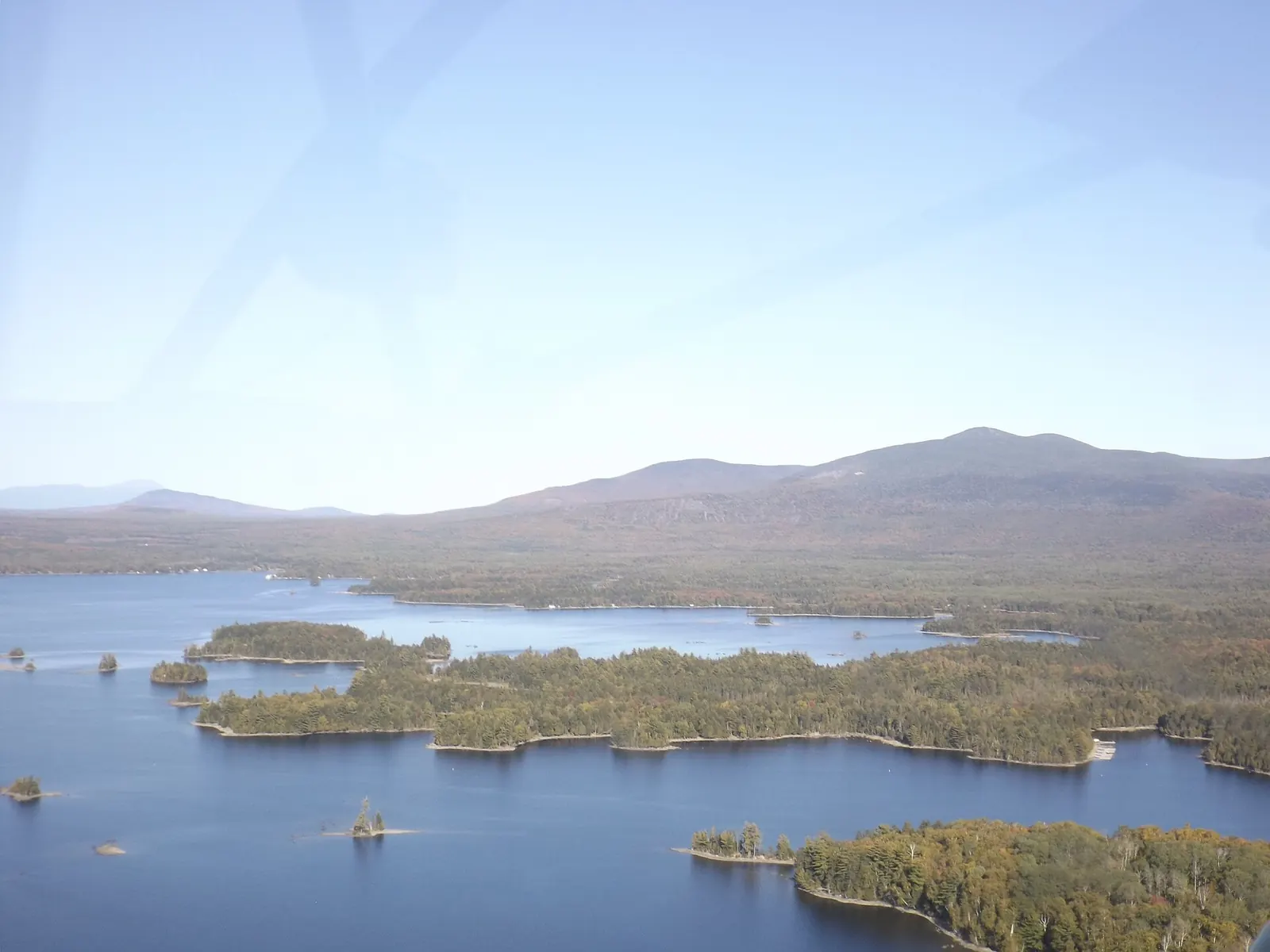
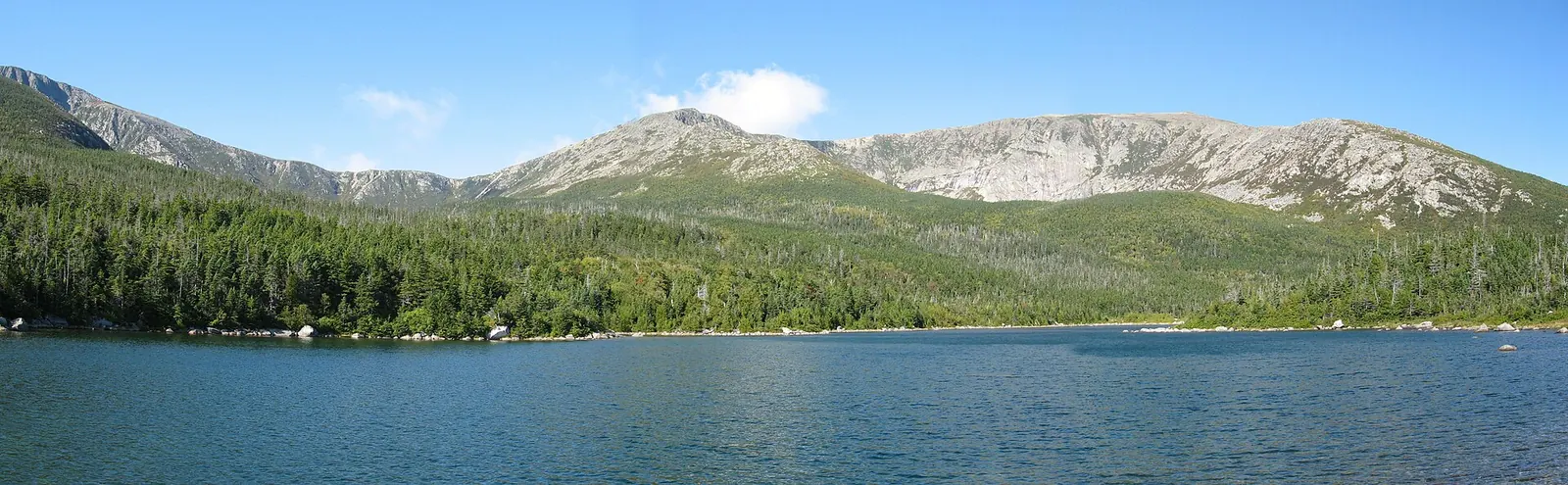
Baxter State Park protects 209,644 acres of forest, mountains, ponds, and backcountry in northern Maine. Mount Katahdin rises at its center to 5,268 feet, the highest point in Maine and the northern end of the Appalachian Trail. Yet the mountain is only one part of the park, and a summit plan is only one kind of Baxter trip.
Former governor Percival Baxter assembled and donated the land with a trust direction that it remain “forever wild.” That idea still governs the visitor experience. Roads are gravel, services are limited, cell coverage is absent, and the reservation system controls pressure on popular places. Baxter is not difficult because information is unavailable. It is difficult because the rules, gates, parking pass, campsite, weather, and travel time all have to line up.
Before choosing a trail, make three decisions:
- Which gate? Togue Pond serves the southern Katahdin side from Millinocket. Matagamon serves the north from Patten.
- Day use or camping? A campsite changes both your arrival plan and whether you need a Katahdin Trailhead Pass the next morning.
- Katahdin or the wider park? Katahdin parking is a separate reservation problem. Ponds, lower peaks, wildlife, and northern trails can make a complete visit without a summit attempt.
This guide handles those decisions in order.
Gates, Day-Use Hours, and Entrance Fees (checked July 2026)
Baxter has two primary road entrances:
- Togue Pond Gate is the southern entrance reached through Millinocket. Use it for the Katahdin side of the park, including access toward Katahdin Stream, Abol, and Roaring Brook.
- Matagamon Gate is the northern entrance reached through Patten. Use it for the northern park rather than assuming every Baxter trip begins in Millinocket.
Day-use access runs from 6 a.m. to 10 p.m. Maine-registered vehicles enter free. A non-resident vehicle costs $20 for a day or $50 for a season pass. These hours and fees were checked July 2026; confirm the current fee schedule and gate notices before travel.
The gate shown on a map is not the same thing as a trailhead. Once inside, Baxter’s gravel roads add real time. Do not calculate an arrival based only on the drive to Millinocket or Patten. Build in the park road, gate check, and the possibility of slower travel after rain.
If Katahdin is the goal, orient the entire trip around Togue Pond Gate and its early deadline. If the northern park is the goal, build around Matagamon and Patten. A room that looks close to the park on a regional map may be poorly placed for the gate you actually need.
Katahdin Trailhead Passes (checked July 2026)
A Katahdin Trailhead Pass, usually shortened to KTP, is required from June through October to park at three trailheads:
- Katahdin Stream
- Abol
- Roaring Brook
The pass costs $10 and is tied to the trailhead and date. Reservations open April 1. Each person is limited to two KTP reservations per month, and the passes are non-refundable.
The deadline is as important as the reservation. You must clear Togue Pond Gate by 7 a.m. If you have not cleared the gate by then, the reservation is cancelled and the parking space can be released. Arriving at the park boundary is not enough. Plan to be through the gate before the cutoff, with margin for the approach road and check-in.
A KTP is not required when you camped inside Baxter the previous night. That exception makes an in-park campsite more than lodging: it removes the day-hiker gate race from the summit morning. The campsite still needs its own reservation, and camping does not erase weather closures or trail rules.
Use the park’s reservation site for current KTP availability. Treat the KTP, the vehicle entrance fee, and camping as separate pieces:
- Vehicle access gets a vehicle through the gate.
- KTP reserves parking at one of the three Katahdin trailheads for a day hike.
- Camping reservation reserves a site, lean-to, bunk, or cabin and removes the next-morning KTP requirement for campers already inside.
A Katahdin parking reservation is cancelled if you do not clear Togue Pond Gate by 7 a.m. Do not plan to arrive at the deadline. Account for the full drive, the gate line, and slow gravel roads, then set a turnaround plan in case the morning has already gone wrong.
Avoid the Common Reservation Mismatches
Most preventable Baxter problems happen before anyone reaches a trail. A visitor secures one piece of the plan and assumes it covers the others. Use the confirmation emails and the park map together, then check each of these pairings.
Gate and destination: Togue Pond is the entry for the southern Katahdin side. Matagamon is the entry for the northern park. A valid reservation does not make the wrong gate convenient, and a lodging search centered on the word “Baxter” may put you on the opposite side from the place you booked.
KTP and trailhead: A Katahdin Trailhead Pass reserves one of three parking areas, not generic Katahdin access. Katahdin Stream, Abol, and Roaring Brook begin different approaches. A pass for one does not put the vehicle at another, so the route name and the parking name must agree before the trip.
Campsite and summit morning: Camping inside the park the prior night removes the need for a KTP, but the campground still has to fit the intended trailhead. The useful advantage is waking inside Baxter, not teleporting between campground areas. Read the campground and route together.
Reservation channel and site type: The rolling online window does not apply in the same way to every booking. May stays, backcountry locations, bunkhouses, and group sites use phone, mail, or in-person booking. If the desired option does not appear online, check whether it belongs to an offline category before deciding it is unavailable.
Finally, save every confirmation offline. The moment to discover that a reservation shows the wrong date, trailhead, or guest name is while reliable service and the reservation office are still available, not in the gate line.
Baxter Campgrounds at a Glance (checked July 2026)
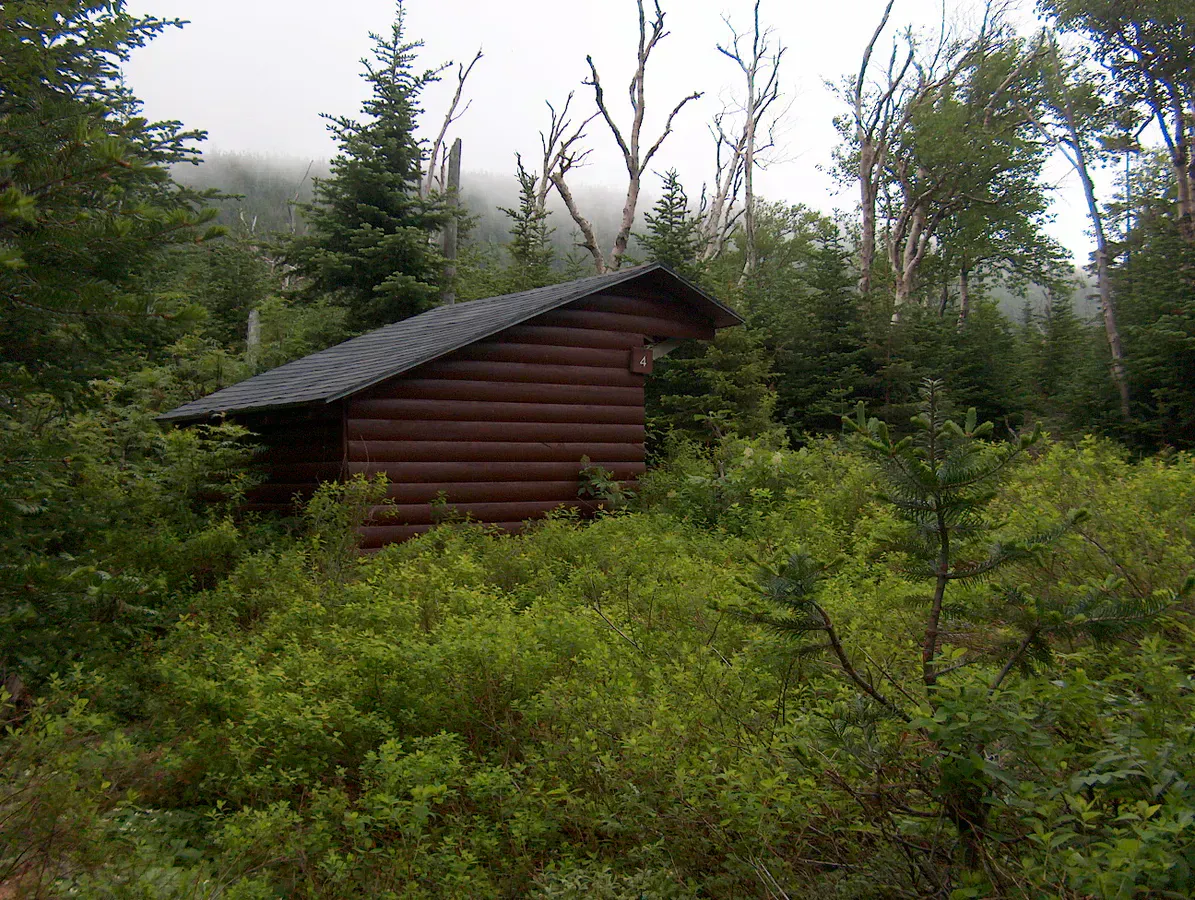
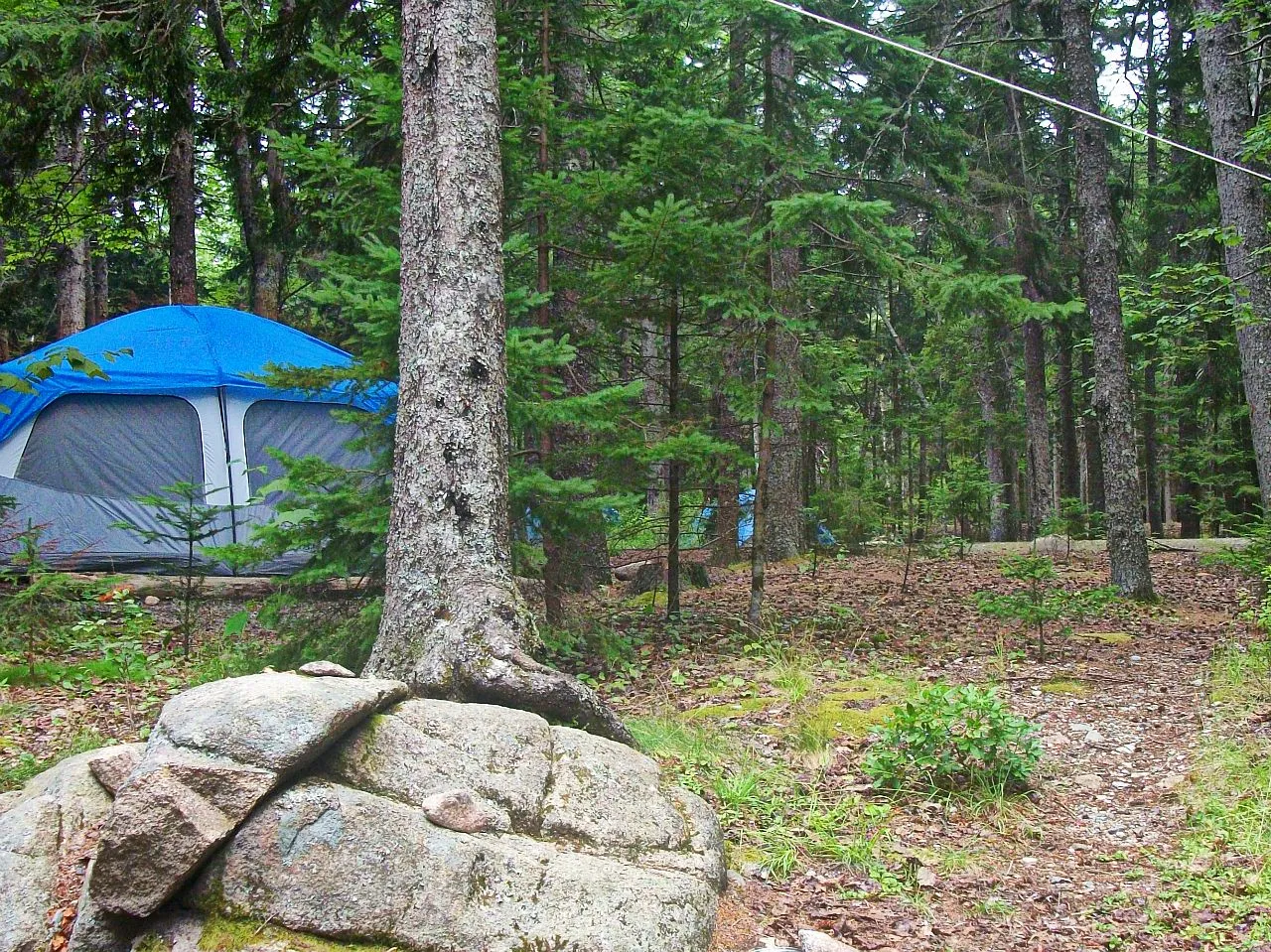
Baxter’s camping inventory is a mix of roadside tent sites and lean-tos, pond cabins, group sites, bunkhouses, and hike-in backcountry bases. The name “campground” does not tell you how you will reach it. Start by separating roadside places from cabins and backcountry sites.
Roadside campgrounds
| Campground | Inventory | 2026 operating dates |
|---|---|---|
| Katahdin Stream | 12 lean-tos; 10 tent sites; 3 group sites | May 15–October 22 |
| Abol | 12 lean-tos; 9 tent sites | May 15–October 15 |
| Roaring Brook | 9 lean-tos; 10 tent sites; 10-person bunkhouse; 3 group sites | May 15–October 15 |
| Nesowadnehunk Field | 11 lean-tos; 11 tent sites; bunkhouse and cabin | Opens Friday before Memorial Day |
| South Branch Pond | 12 lean-tos; 21 tent sites; bunkhouse | May 15–October 15 |
| Trout Brook Farm | 1 lean-to; 14 tent sites; 4 group sites | May 15–October 15 |
The first three are the names most Katahdin hikers encounter because they align with the three KTP trailhead areas. That does not make them interchangeable. Match the campground to the side of the mountain or the non-summit activity you actually plan to use.
South Branch Pond and Trout Brook Farm shift the focus toward the northern park. Nesowadnehunk Field offers several lodging types in one area. If Katahdin is not the objective, these locations keep the trip centered on Baxter without forcing every day through the busiest southern trailheads.
Cabins and backcountry sites
| Location | Inventory or access | Important 2026 detail |
|---|---|---|
| Daicey Pond | 10 wilderness cabins | Confirm current opening dates when booking |
| Kidney Pond | 13 cabins | One cabin requires canoe or hike-in access |
| Chimney Pond | 9 lean-tos and a bunkhouse | Opens June 1; 3.3-mile hike from Roaring Brook ; leave Roaring Brook by 5 p.m. |
| Russell Pond | 5 lean-tos; 3 tent sites; bunkhouse | 7.2–9.6 miles in; 2 p.m. departure cutoff |
Daicey Pond and Kidney Pond are cabin trips rather than ordinary drive-up campsites. Daicey Pond is already known for quiet water and a view toward Katahdin. Kidney Pond includes one cabin that requires canoe or foot access, so read the exact unit description rather than assuming every cabin has the same arrival.
Chimney Pond and Russell Pond are backcountry commitments. Chimney Pond opens June 1 and requires a 3.3-mile hike from Roaring Brook. Campers must leave Roaring Brook by 5 p.m. Russell Pond requires a longer approach, between 7.2 and 9.6 miles depending on route, and carries a 2 p.m. departure cutoff. Those times are safety constraints, not suggestions for an ideal itinerary.
Choose a Base by the Trip, Not by Availability Alone
An open site is useful only if it supports the visit you want. Baxter’s campground names often double as trailhead or pond names, so it is easy to select a vacancy first and discover later that the daily objective begins somewhere else.
Katahdin Stream is the logical base for the Hunt Trail side of Katahdin. It also puts a camper inside the park before summit morning, avoiding the day-use KTP requirement. Choose it because the intended hike starts there, not simply because Katahdin appears in the name.
Abol supports the Abol side and its steeper mountain approach. It is a separate starting point from Katahdin Stream. A group that has researched the Hunt Trail should not switch campgrounds without also reconsidering the route.
Roaring Brook serves the approach to Chimney Pond and the eastern side of the mountain. It is also the departure point for campers hiking the 3.3 miles to Chimney Pond. Anyone staying at Chimney Pond has two linked plans: reach Roaring Brook correctly, then leave it before the backcountry cutoff.
Daicey Pond and Kidney Pond are better framed as pond-and-cabin trips than as generic substitutes for a Katahdin trailhead. They make sense when quiet water, a cabin base, and time inside the park matter more than being beside one of the three summit parking lots.
South Branch Pond and Trout Brook Farm place the visit in the northern park. Pair them with Matagamon Gate and northern objectives rather than building every Baxter itinerary around Millinocket. Nesowadnehunk Field offers a wider mix of roadside lodging types for a trip that is not tied to one Katahdin approach.
Russell Pond is the remote backcountry choice. Its mileage range and early departure cutoff mean the approach is part of the stay. It should never be treated as a campsite that can be added casually after another long activity.
If the first-choice base is unavailable, change the trip along with the campground. A coherent second-choice itinerary is safer and more satisfying than keeping the original hike while moving the overnight to an unrelated part of the park.
Camping Reservations and Check-In (checked July 2026)
Camping uses a rolling four-month reservation window. A basic tent site costs $38 per night. The following reservations cannot be completed through the ordinary online path and must be booked by phone, mail, or in person:
- All May dates
- Chimney Pond
- Russell Pond
- All backcountry sites
- Bunkhouses
- Group sites
The reservation office number is 207-723-5140. Campers must check in at the gate by 8:30 p.m. These prices, booking channels, and the check-in deadline were checked July 2026. Call the reservation office when the site type or arrival route is unclear; a cabin, bunkhouse, lean-to, and group site can have different booking mechanics even when they share a campground name.
The rolling window rewards preparation. Decide on a first choice, a second campground, and acceptable dates before the relevant day opens. If your trip depends on Katahdin, match the campsite to the trailhead before paying. If the trip is about Baxter more broadly, choose the setting first and let that dictate the hikes.
For a deeper look at how the camping areas fit together, use the site’s live Baxter State Park camping guide. This page remains the overview for gates, fees, and the wider visit.
What Camping in Baxter Means
Baxter is intentionally less developed than a national park campground. There is no cell service and no retail stop inside the park. The gravel roads, limited services, and quiet are part of the trust’s “forever wild” design, not missing amenities waiting to be added.
Arrive with the food, layers, lighting, and paper navigation needed for the stay. Download maps before leaving reliable service, then carry a paper backup. Tell someone outside the park where you are staying and which route you intend to use. A campsite provides a base, not instant access to supplies or rescue.
The benefit is direct immersion in the park. A night inside removes a long predawn approach for a Katahdin day, allows more time at ponds and lower trails, and gives you a chance to experience Baxter after day-use traffic leaves. The tradeoff is that small planning mistakes become large problems once the gate is behind you.
Hiking Katahdin: The Hub-Level Version
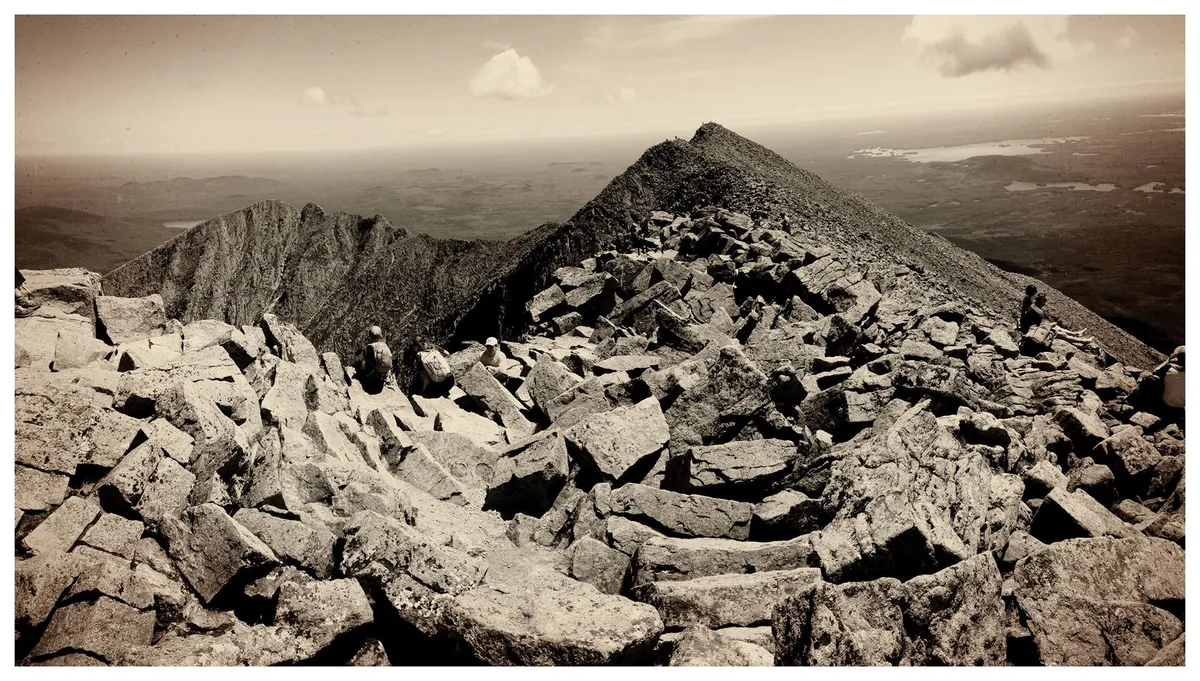
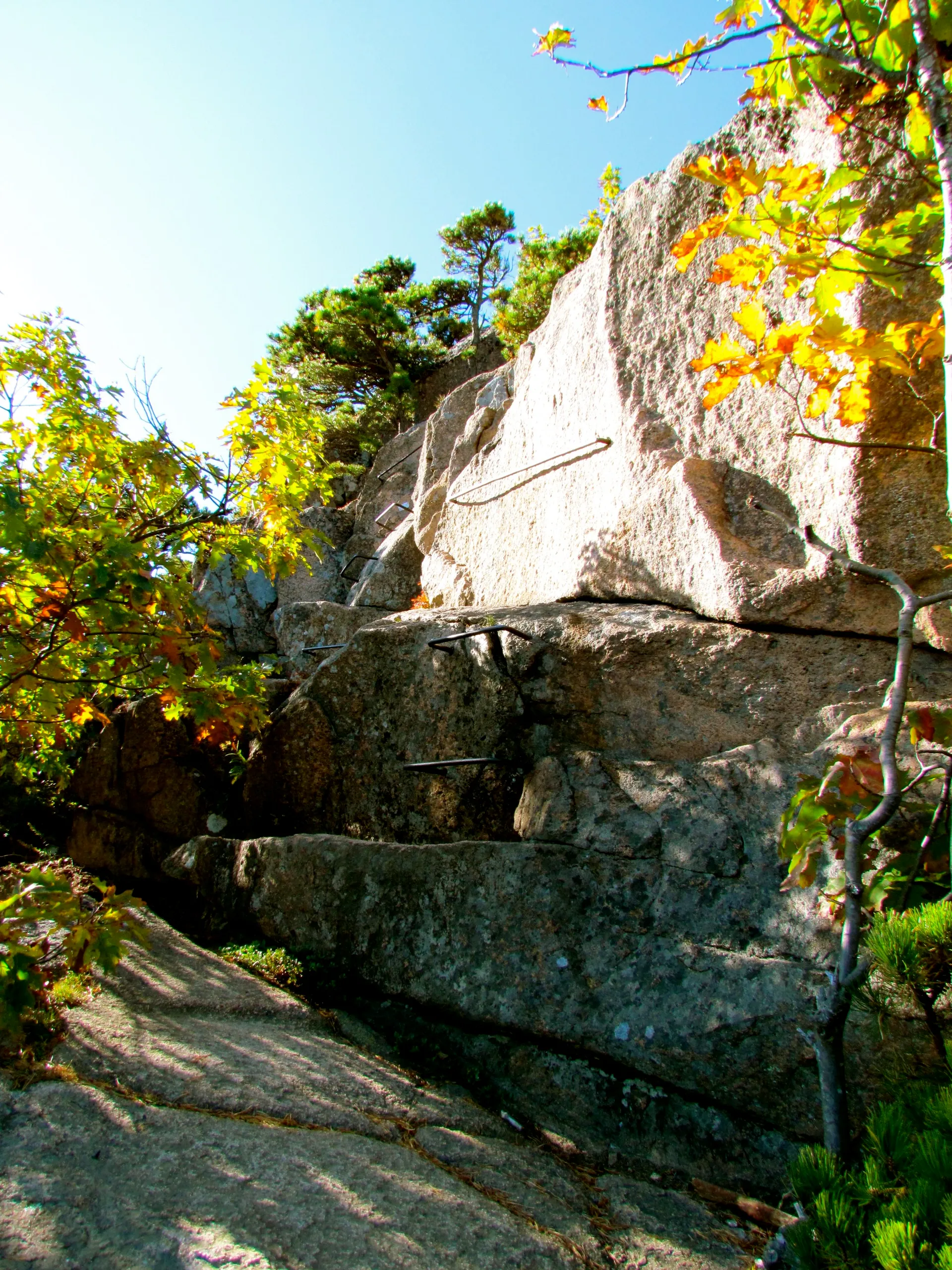
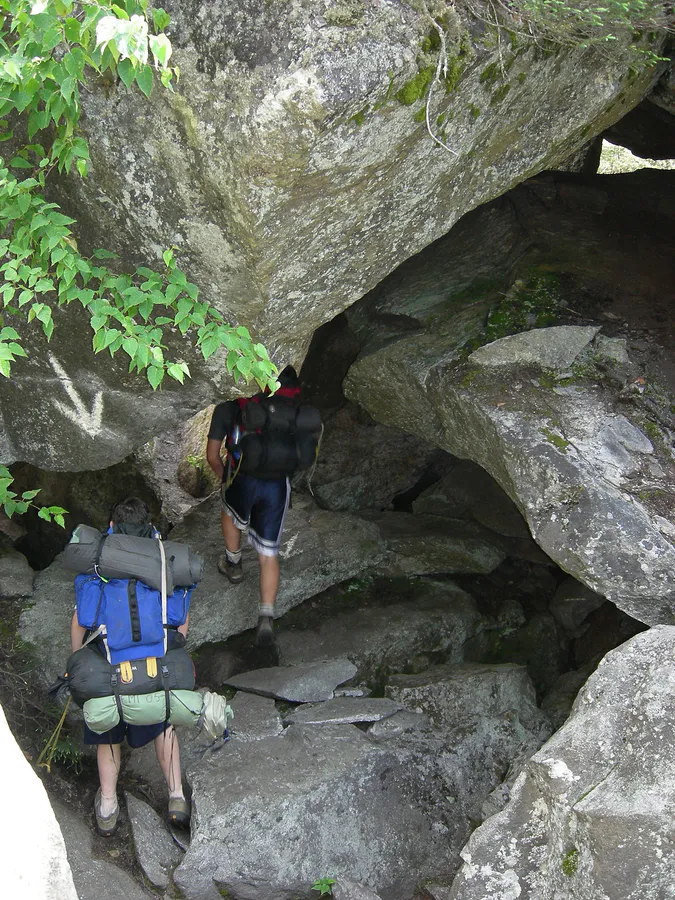
Katahdin is a serious full-day mountain, not an attraction reached by a short summit path. Every route to Baxter Peak involves major elevation gain, rock, and fast-changing weather. The Hunt Trail starts from Katahdin Stream and carries the Appalachian Trail to its northern terminus. Abol provides a steeper approach from its own trailhead. Roaring Brook is the entry to Chimney Pond and the mountain’s eastern routes. The Knife Edge is an exposed ridge option, never a required part of reaching Baxter Peak.
This guide intentionally stays at that level. The planning decision here is not which boulder to climb. It is whether your group has the fitness, weather, daylight, parking, and turnaround discipline for any Katahdin route.
Bad weather can close upper trails, and a parking pass does not override a closure. Do not attempt exposed terrain in rain, fog, or high wind. Turn around when conditions deteriorate, even after a difficult reservation and a long drive.
For most first visits, the right sequence is:
- Secure the correct KTP or an in-park campsite.
- Confirm that the chosen trailhead matches the intended route.
- Check current trail status before leaving home.
- Read the posted weather class before starting.
- Carry a turnaround time and honor it.
The summit is only a successful plan if the group returns safely. Baxter’s ponds, lower mountains, and forest trails remain available when Katahdin is closed or the group decides the conditions are wrong.
Beyond Katahdin
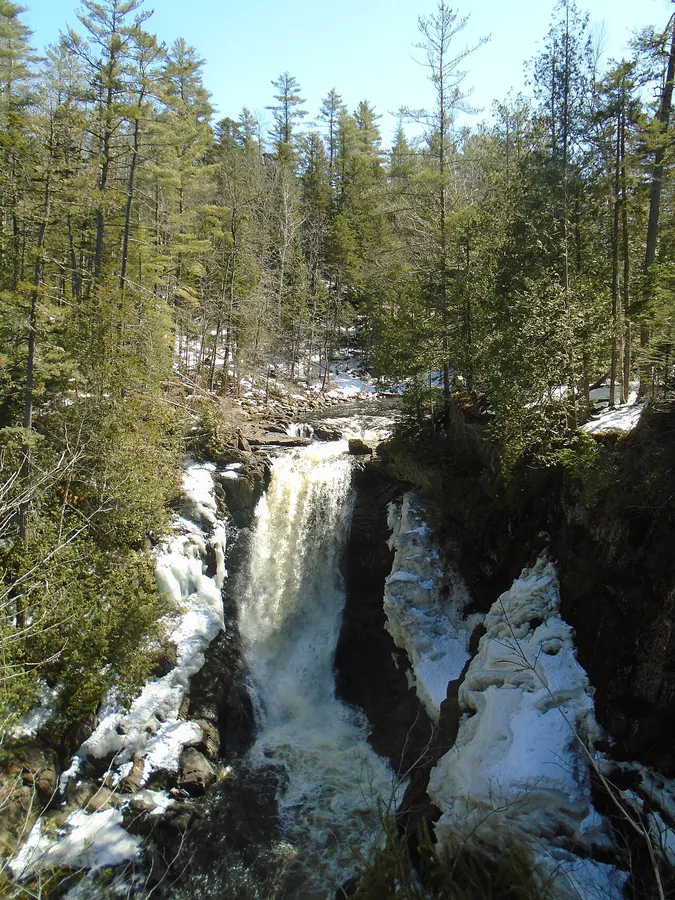
Baxter has more than 200 miles of trails. The Brothers, Doubletop Mountain, the Traveler range, South Turner Mountain, and the park’s pond country spread visitors well beyond Baxter Peak. Those alternatives matter on a trip when the summit forecast fails, and they are reason enough to visit even if nobody in the group wants a major climb.
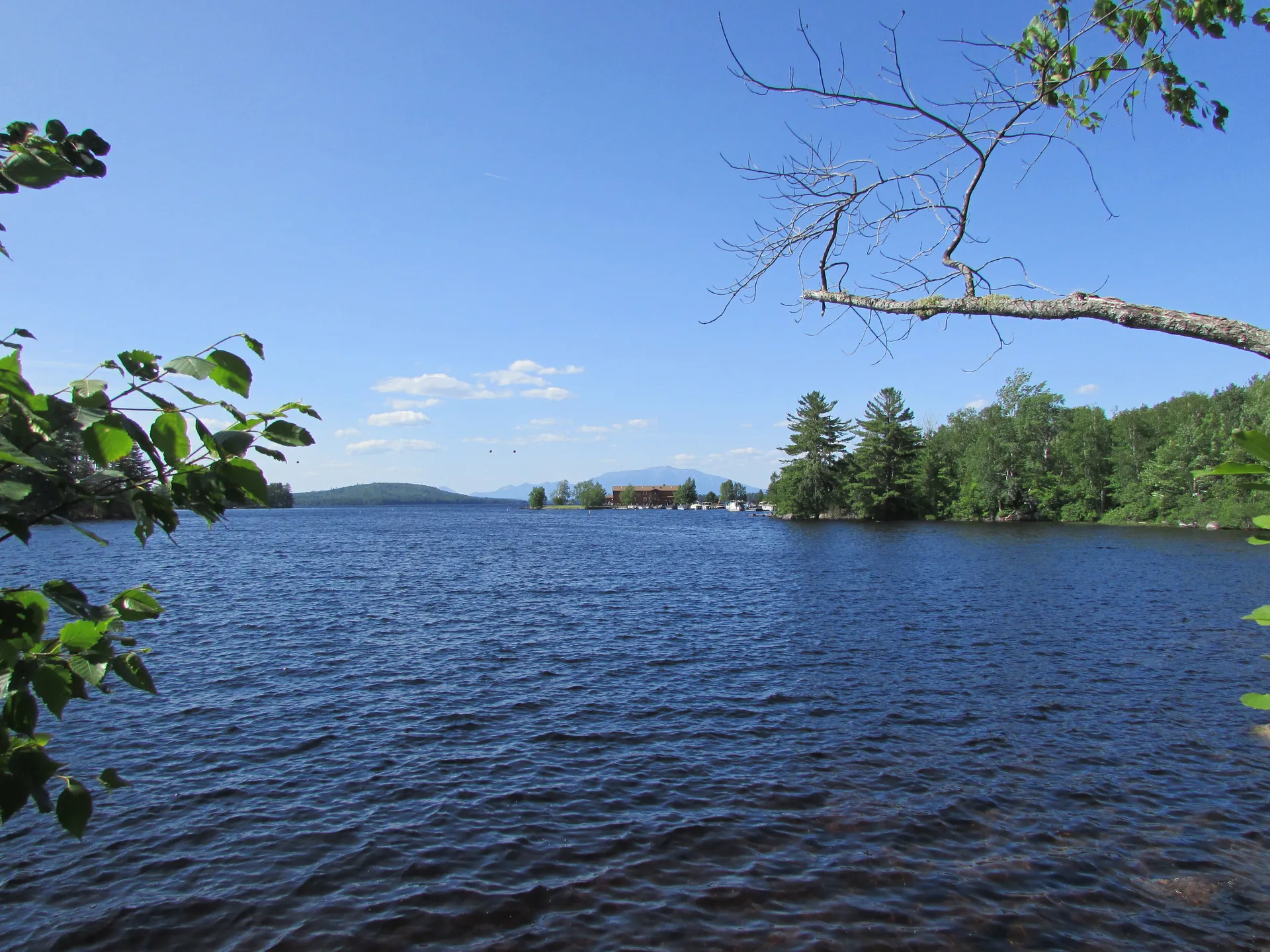
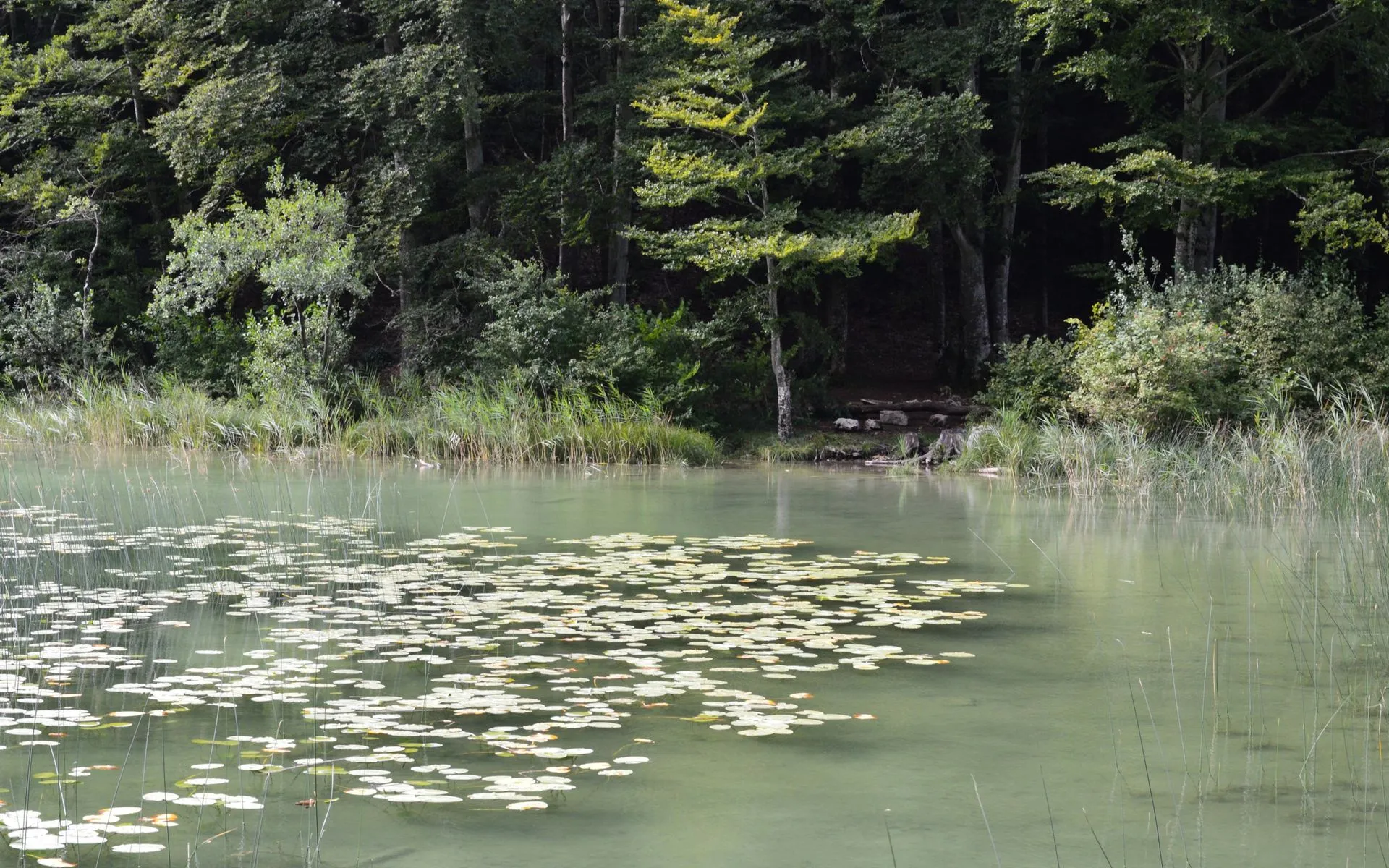
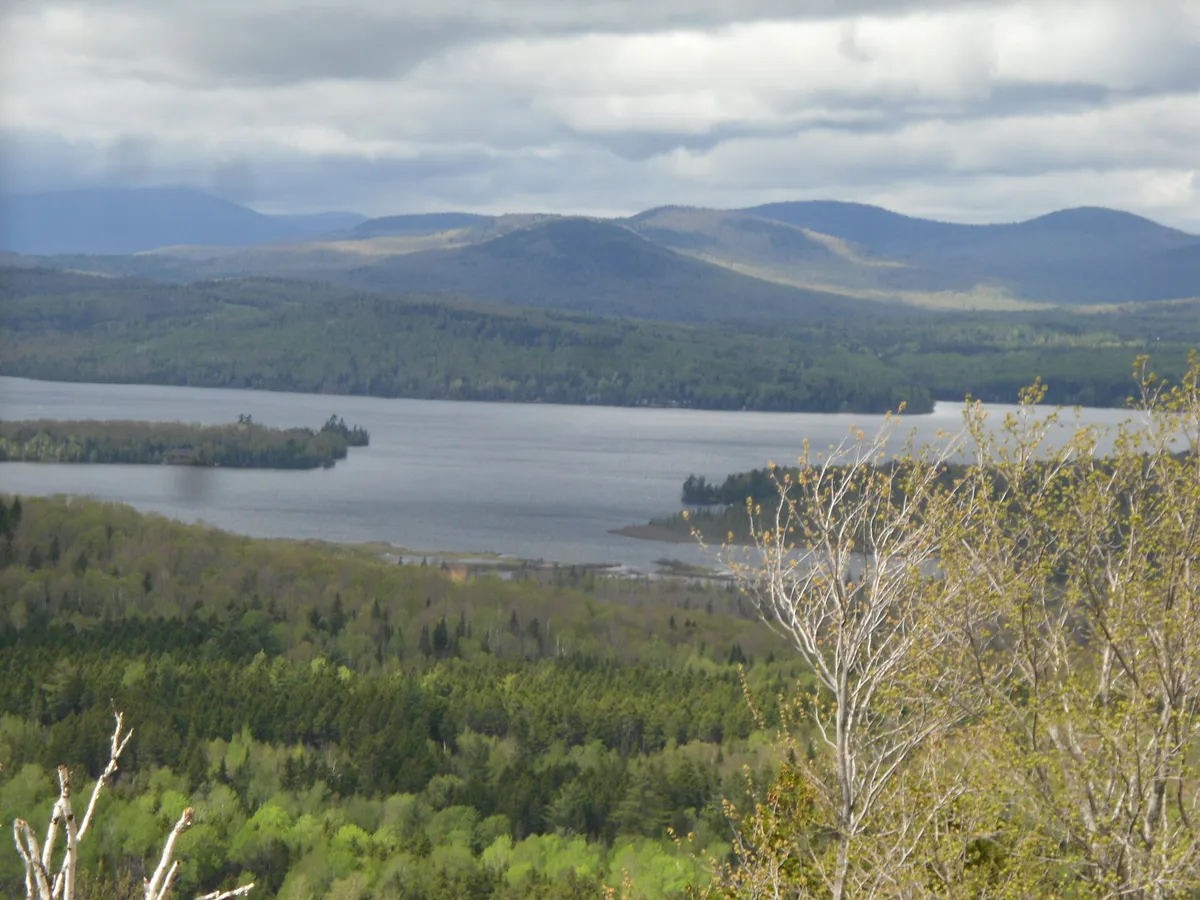
South Turner Mountain is the established shorter option near Roaring Brook, with a broad view back toward the Katahdin massif. Daicey Pond offers quiet water and a reflected mountain view. Katahdin Lake provides another mountain-and-water landscape reached away from the main summit parking problem. South Branch Pond anchors the northern park and gives visitors a reason to enter through Matagamon rather than treating Togue Pond as the only gate.
The park’s ponds and streams support fishing, paddling, and wildlife watching already described in this guide. Dawn and dusk near water are the natural windows for patient wildlife observation. Keep distance, do not block roads, and never let an animal sighting erase the need to reach a gate or campsite on time.
Write down one non-Katahdin day before the trip. When the mountain closes, visitors who prepared only for a summit often waste the day deciding what remains. A pond, a lower peak, or a northern-park route turns a weather refusal into a Baxter visit rather than a failed trip.
Rules, Weather Class, and Trail Season (checked July 2026)
Baxter’s rules protect both visitors and the “forever wild” trust. As checked July 2026, the park states that pets are prohibited parkwide, children under age 6 are not allowed above timberline, and the maximum party size is 12. Confirm the current wording on the park’s site before travel, especially when planning for a child, group, or any animal in the vehicle.
The daily mountain weather class is posted at about 8:15 a.m. The system uses Classes 1 through 4 plus closed days. Read the day’s posting rather than trying to infer summit conditions from weather in Millinocket or at a campground. The mountain can be cold, wet, and windy while the gate area feels calm.
Trails open progressively from late May through mid-June. A campground opening does not guarantee that every high trail is open, and a date that worked in a previous year is not a current trail report. Check conditions close to the trip and carry a lower-elevation alternative.
Spring
Trails open progressively from late May into mid-June. Snow, mud, and insects can overlap, so current conditions control the plan.
Summer
The broadest access and highest demand for KTPs and campsites. Weather can still close upper trails.
Fall
Cooler conditions and early high-elevation foliage. Campground closing dates vary by location.
Winter
Ordinary warm-season access does not apply. Winter Katahdin is an expert mountaineering objective with separate park requirements.
Safety and Self-Reliance
There is no cell service in the park. Leave an itinerary with someone outside Baxter, including the gate, campground or trailhead, intended route, and expected return. If something goes wrong, reaching a ranger station or campground may be the only way to summon help.
Carry enough water and food for the full day, layers for conditions above timberline, rain protection, a headlamp, first-aid supplies, and paper navigation. Upper mountain water is not reliable. Granite becomes dangerous when wet, and the temperature difference between a sheltered campground and the summit can be substantial.
Before Entering Baxter
- Correct gate and trailhead written down
- KTP or camping confirmation saved offline
- Gate and check-in deadlines confirmed
- Current trail status and weather class plan
- Paper map plus offline navigation
- Food, water, layers, rain gear, and headlamp
- Itinerary left with someone outside the park
- A lower-elevation backup day
Getting There and Stocking Up
Togue Pond Gate is approached through Millinocket. From Bangor, the trip to the southern entrance is about 90 minutes; from Portland, plan roughly four and a half hours. Matagamon Gate is approached through Patten for the northern park. Stock up before entering because the park does not provide the services visitors may expect inside a more developed park.
Gas, groceries, and a last weather check belong outside the gate. Once inside, drive the gravel roads conservatively and expect the trip to a campground or trailhead to take longer than the mileage suggests.
If you are deciding between Maine’s two marquee parks, the live Acadia vs. Baxter State Park comparison explains the difference in access, crowds, and wilderness feel. Acadia is easier to sample casually. Baxter rewards a trip built around one gate, one base, and a small number of well-prepared objectives.
FAQ
Which entrance should I use for Baxter State Park?
Use Togue Pond Gate from Millinocket for the southern Katahdin side, including Katahdin Stream, Abol, and Roaring Brook. Use Matagamon Gate from Patten for the northern park.
How much does it cost to enter Baxter State Park?
As checked July 2026, Maine-registered vehicles enter free. Non-resident vehicles cost $20 per day or $50 for a season pass. Camping and a Katahdin Trailhead Pass are separate charges.
Do I need a Katahdin Trailhead Pass?
For day-use parking from June through October at Katahdin Stream, Abol, or Roaring Brook, yes. As checked July 2026, a KTP costs $10, reservations open April 1, the limit is two per person per month, and passes are non-refundable. Campers who stayed inside the park the prior night do not need one.
What happens if I reach Togue Pond Gate after 7 a.m.?
As checked July 2026, a KTP holder who has not cleared Togue Pond Gate by 7 a.m. loses the reservation. The space can be released, so plan to arrive with substantial margin.
How far ahead can I reserve a Baxter campsite?
Camping uses a rolling four-month window. As checked July 2026, a basic tent site costs $38 per night, while May dates, backcountry sites, Chimney Pond, Russell Pond, bunkhouses, and group sites must be booked by phone, mail, or in person.
Can I bring a dog or a young child above timberline?
As checked July 2026, park rules prohibit pets parkwide and children under age 6 above timberline. The maximum party size is 12. Confirm the current wording on the park's site before travel.
When do Katahdin trails open?
Trails open progressively from late May through mid-June. Exact timing depends on current conditions, so a campsite opening or a past year's date does not guarantee that an upper trail is open.
Is there cell service in Baxter State Park?
No. Plan for no service. Save reservations and maps offline, carry a paper map, and leave a detailed itinerary with someone outside the park.
Do I have to climb Katahdin to enjoy Baxter?
No. The park has ponds, lower peaks, wildlife areas, more than 200 miles of trails, and northern campgrounds reached through Matagamon. A non-summit plan is also the essential backup when weather closes Katahdin.