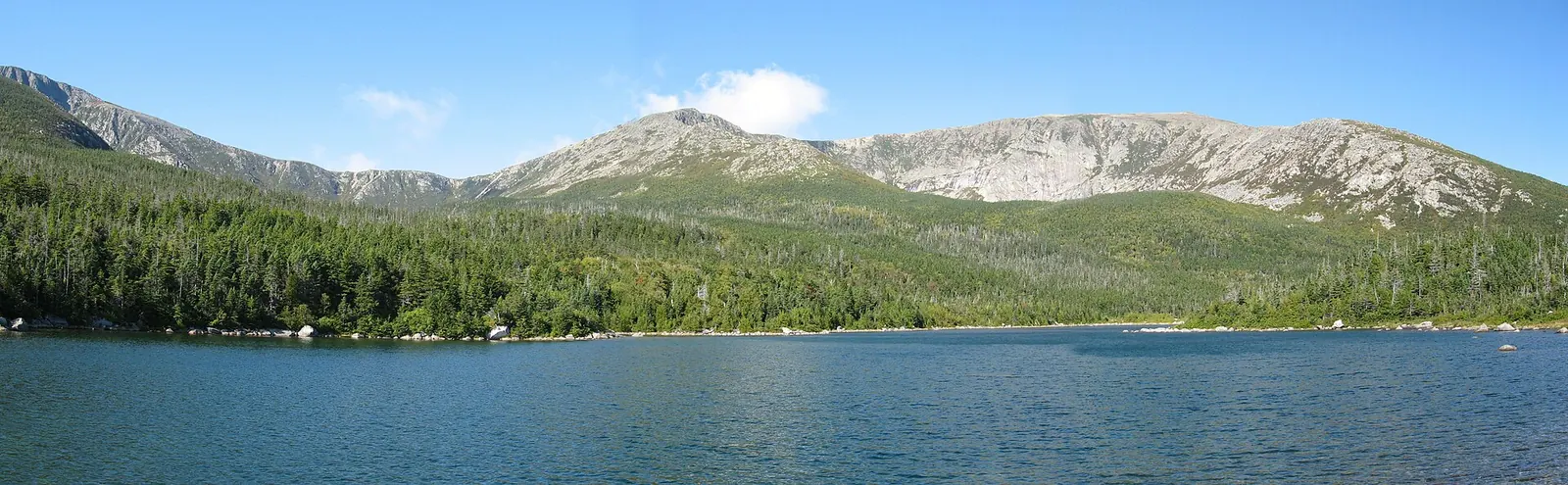
Maine’s Newest National Monument
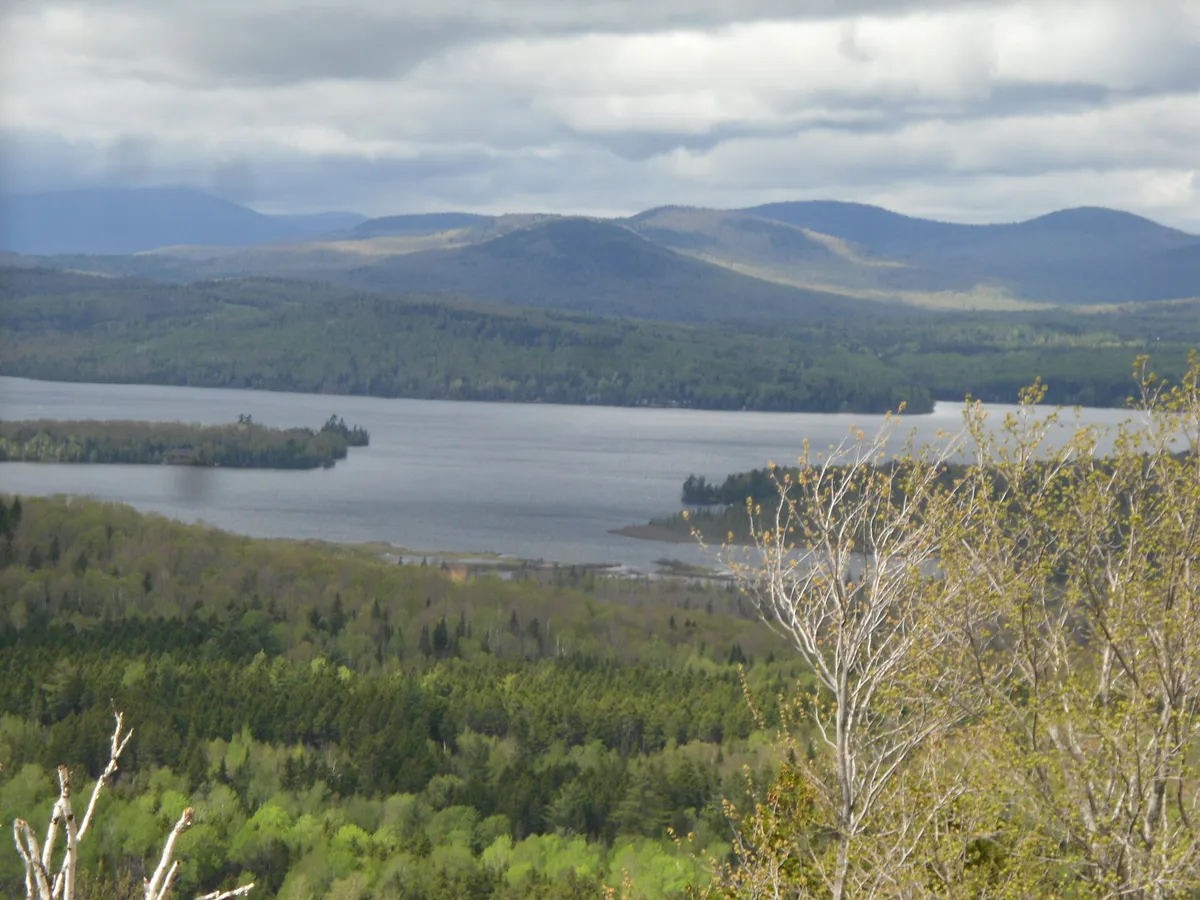
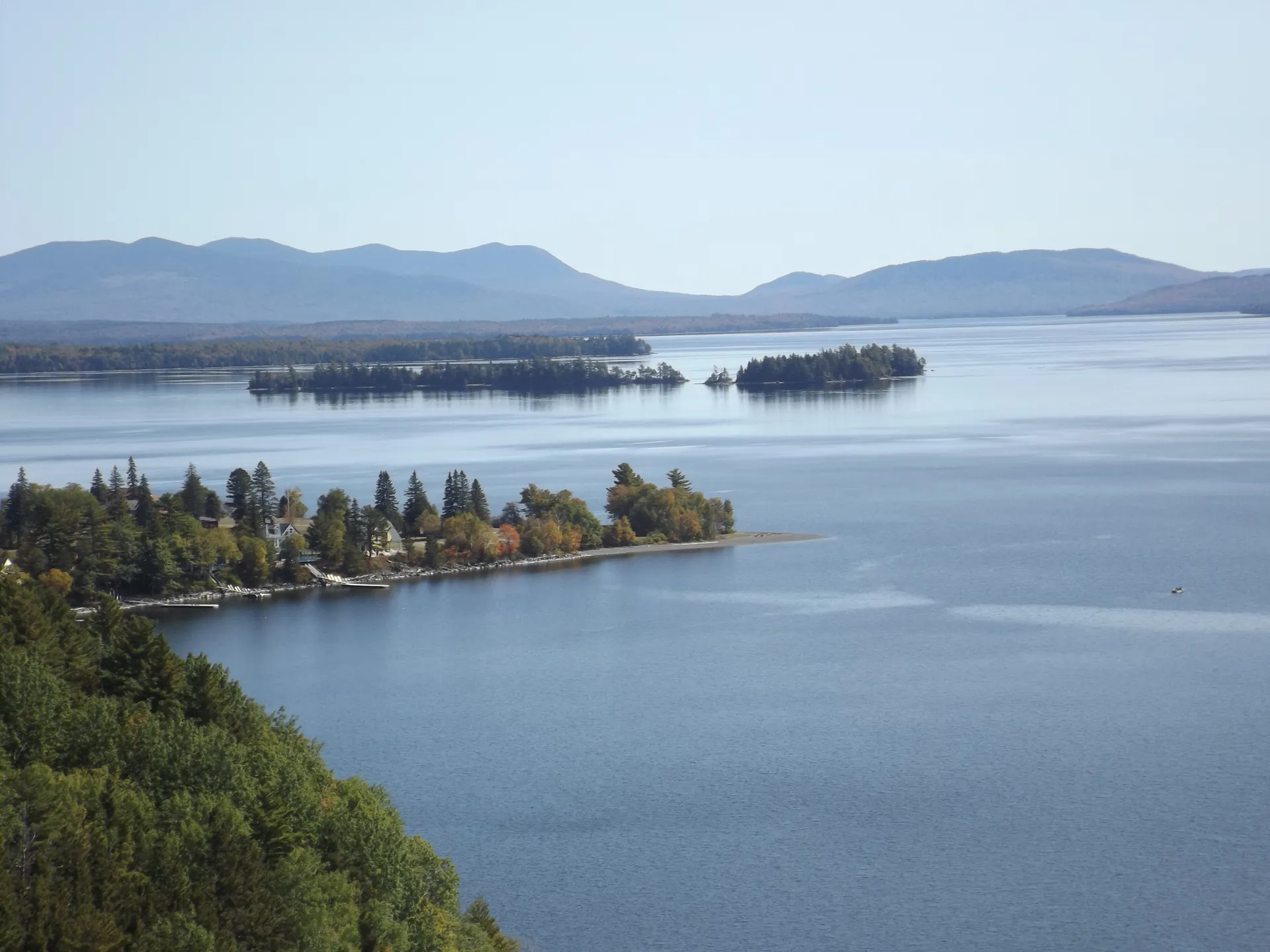
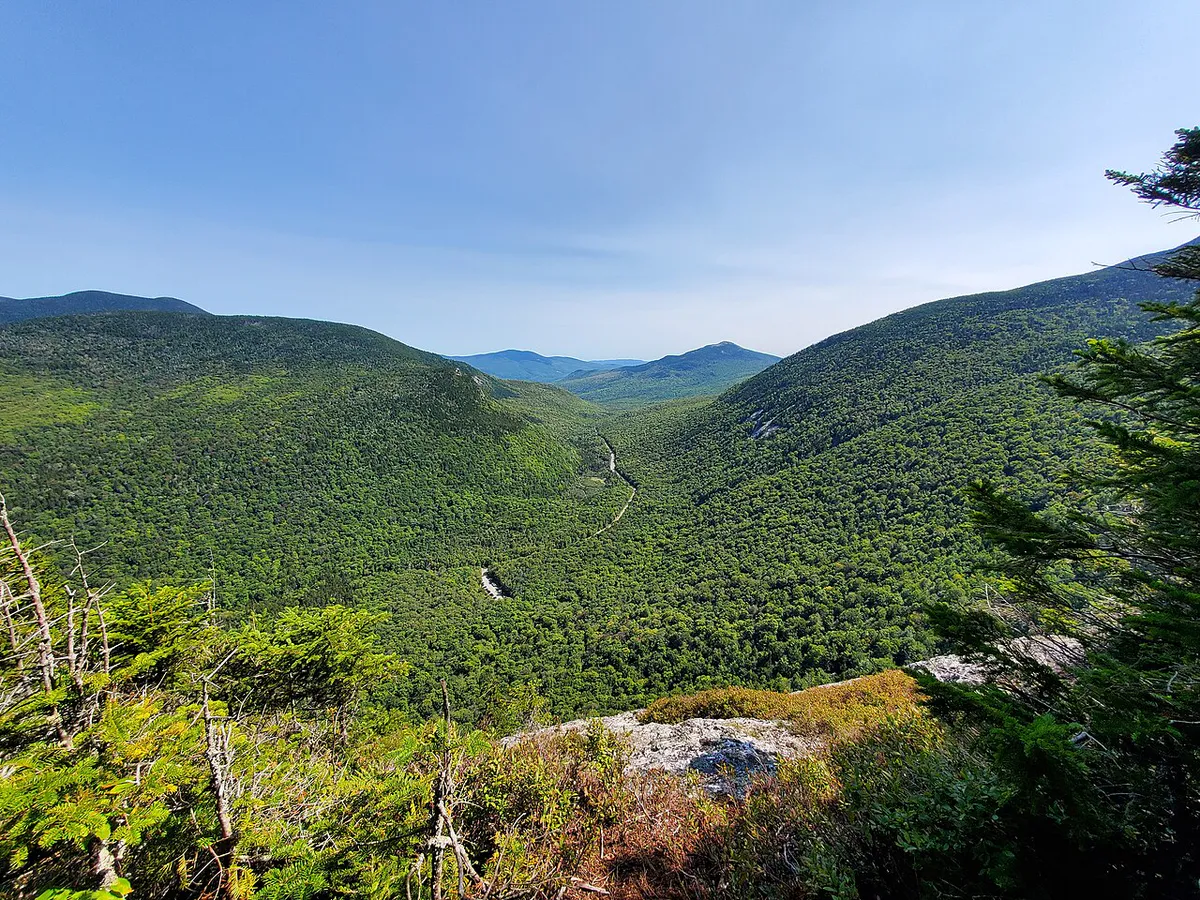
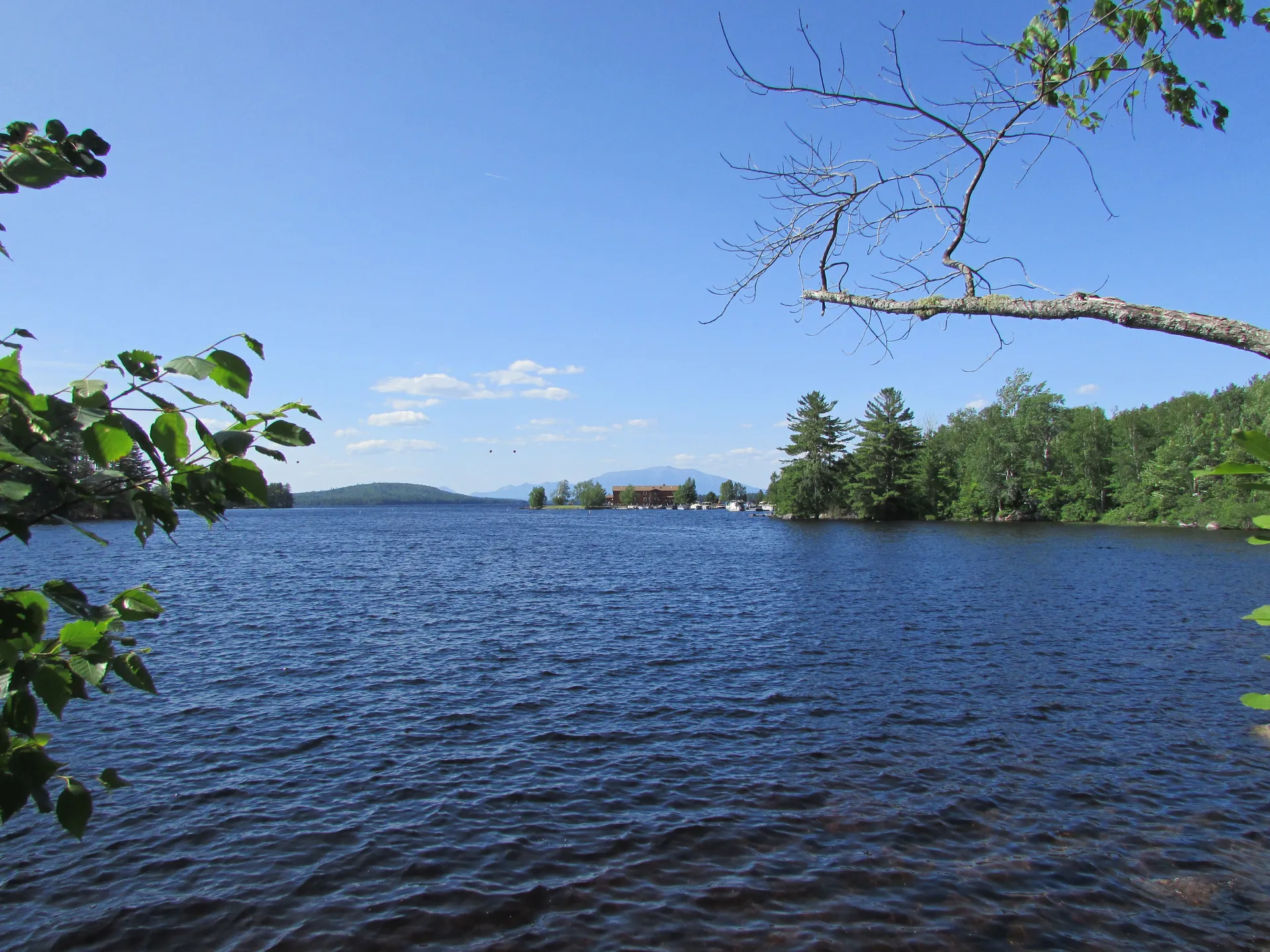
Katahdin Woods & Waters National Monument covers 87,500 acres of northern Maine forest, rivers, and mountains east of Baxter State Park. Designated in 2016, it is the newest national monument in the northeastern United States. The camping here is free, primitive, and genuinely remote. There are no paved roads, no potable water, no camp stores, and no cell service anywhere in the monument.
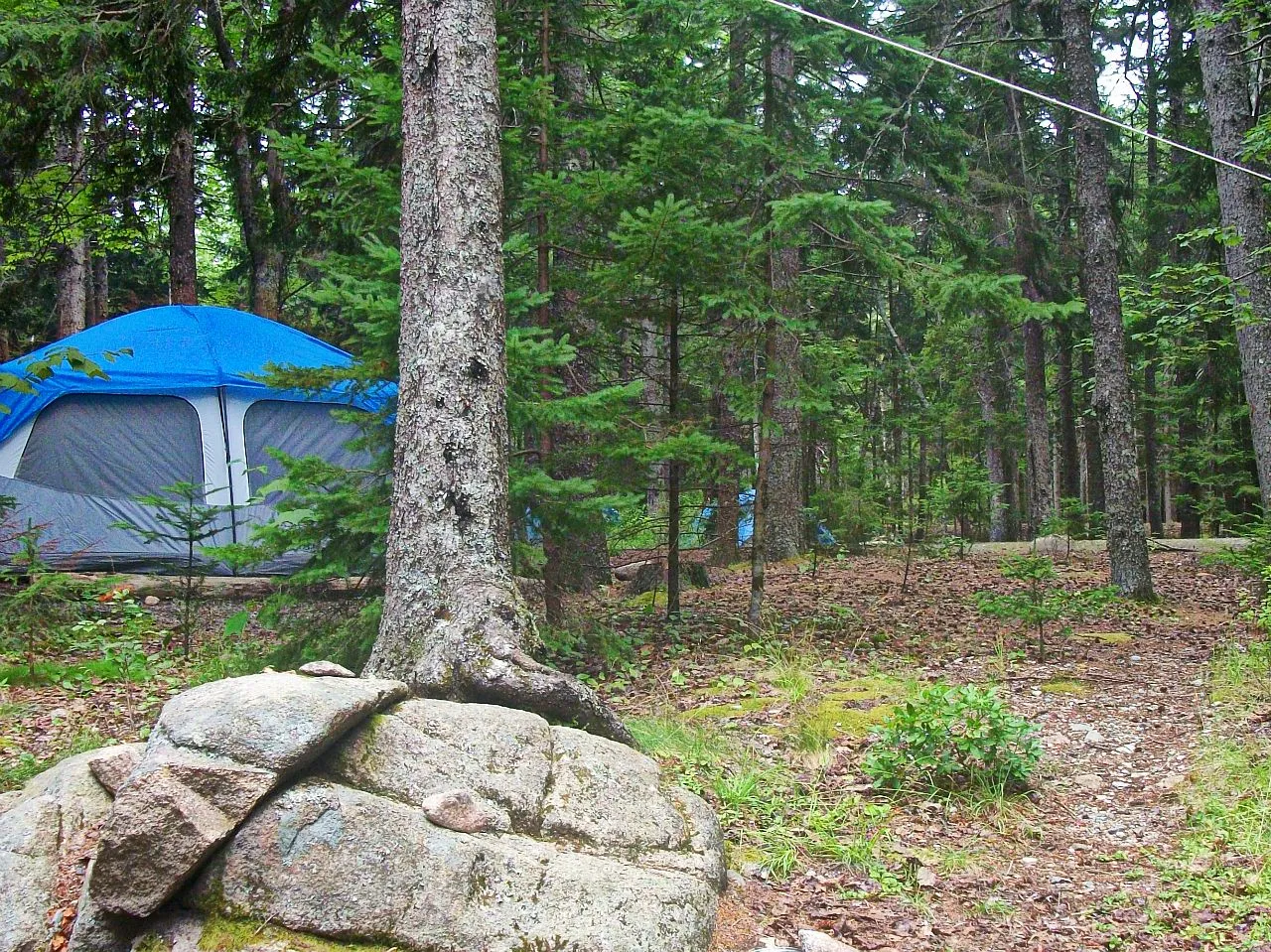
The monument offers 18 drive-in campsites, 4 lean-to shelters, and 2 winter huts spread across the landscape. Every site has a picnic table and fire ring but nothing else. You pack in everything you need and pack out everything you bring.
There is no treated or potable water anywhere in Katahdin Woods & Waters. Bring all the water you need or carry a reliable filtration system. The East Branch of the Penobscot River runs through the monument but must be filtered or treated before drinking.
Getting There and Getting Around
All roads within the monument are unpaved. High-clearance vehicles are recommended, though most passenger cars can handle the main roads in dry conditions. After heavy rain, some roads become rutted and muddy. Check conditions with the ranger station in Patten before heading in.
The main entrance is off Route 11 near Patten, about 90 minutes north of Bangor. From Portland, plan on a solid four-hour drive. There is no gas inside the monument, so fill up in Patten or Stacyville before entering.
Download the NPS app and offline maps before you arrive. There is absolutely zero cell service inside the monument. Paper maps are available at the entrance kiosk and at the Patten ranger station.
Campsites and Reservations
Campsites are available on a first-come, first-served basis outside of peak season. From Memorial Day through October, reservations are available through Recreation.gov and are recommended, especially for weekend stays. Even during peak season, this place rarely fills up the way Acadia does. Midweek visits almost always have open sites.
The lean-to shelters are spaced along trails and rivers. They are basic three-sided structures with a roof and a raised sleeping platform. Bring a sleeping pad and bag rated for cold nights, because temperatures in northern Maine drop fast after sunset even in summer.
The two winter huts have wood stoves and are available from December through March. They are a solid option for winter camping without a four-season tent. Firewood is provided at the huts.
The sites along the East Branch of the Penobscot River are the most scenic. Site locations are marked on the monument map but not heavily signed on the ground. Count road junctions carefully and match them to your map.
Dark Sky Sanctuary
Katahdin Woods & Waters is designated an International Dark Sky Sanctuary with a Bortle Class 2 rating. That puts it among the darkest places in the eastern United States. On a clear night, the Milky Way is so bright it casts a visible shadow.
The NPS runs Stars Over Katahdin programs during summer months, with rangers and astronomers setting up telescopes at designated viewing areas. Check the monument’s event calendar for dates.
The best dark sky viewing is from the open fields near the Katahdin Loop Road. Tree cover at most campsites blocks some of the sky, but the clearings offer unobstructed 360-degree views.
What to Do
Over 50 miles of hiking trails wind through the monument, ranging from easy river walks to ridge hikes with views of Mount Katahdin. The monument is adjacent to Baxter State Park, so you can combine trips.
Paddling the East Branch of the Penobscot is excellent for both flatwater kayaking and more challenging whitewater sections. Fishing for brook trout and landlocked salmon is productive, especially in spring and early fall.
Cycling the gravel roads is increasingly popular. The main loop road is roughly 16 miles and makes a good half-day ride through forest and along the river.
Spring
Roads may not open until late May. Mud season makes access unpredictable. Blackflies heavy in June.
Summer
Roads open, ranger programs active, longest daylight. Bring serious bug protection through July.
Fall
Foliage peaks late September. Cool nights, minimal bugs. Roads close mid-November.
Winter
Roads closed to vehicles. Snowmobile and ski access only. Winter huts available with wood stoves.
Packing List
Katahdin Woods & Waters Packing List
- Tent with full rain fly
- Sleeping bag (30F rated for shoulder seasons)
- Sleeping pad (insulated for cold ground)
- Water filter or purification tablets
- All water you need or filtration capacity for the trip
- Camp stove and fuel (no camp stores nearby)
- Bear canister or hang bag with rope
- Headlamp with extra batteries
- Bug spray and head net (essential May through July)
- Offline maps downloaded to phone
- Paper map as backup
- First aid kit
- Full tank of gas before entering
FAQ
Is camping really free at Katahdin Woods & Waters?
Yes. There are no entrance fees and no camping fees. The monument is entirely free to visit. This is one of the only places in the NPS system where you can camp at no cost.
Do I need a reservation?
Reservations through Recreation.gov are available and recommended from Memorial Day through October. Outside that window, sites are first-come, first-served. The monument rarely fills to capacity, but weekend reservations are a good idea in July and August.
Is there cell service?
No. There is zero cell service anywhere in the monument. Download maps, contact information, and anything else you need before you arrive. The nearest reliable cell service is in Patten.
Can I bring my dog?
Yes. Dogs are allowed on all trails and at all campsites. They must be on a leash no longer than 6 feet at all times.
How dark is it really?
Bortle Class 2, which means the Milky Way is bright enough to cast shadows and you can see the zodiacal light. It is significantly darker than Acadia's Bortle 4 rating. If you have never seen a truly dark sky, this will change your frame of reference.
Can a regular car make it in?
In dry conditions, most passenger cars can handle the main gravel roads. After rain, higher clearance helps. Avoid the monument after heavy storms unless you have a truck or SUV. Check road conditions with the Patten ranger station before entering.