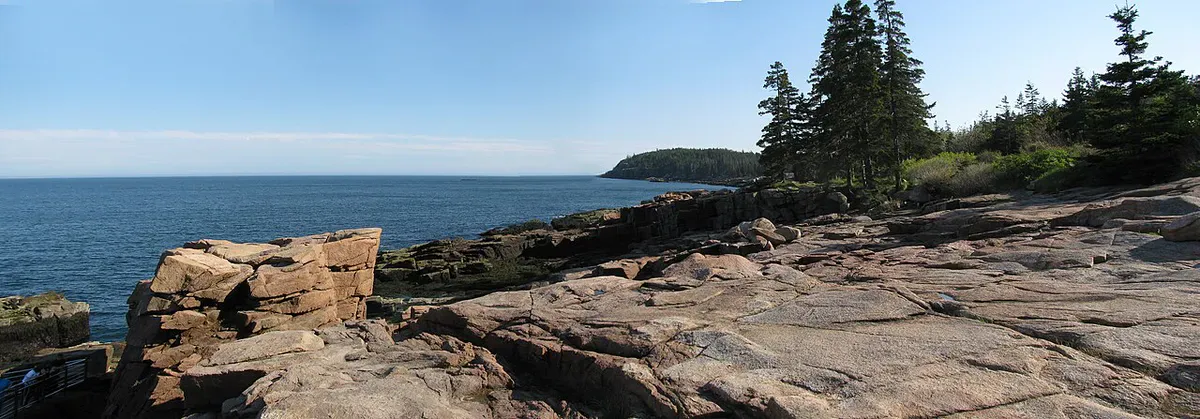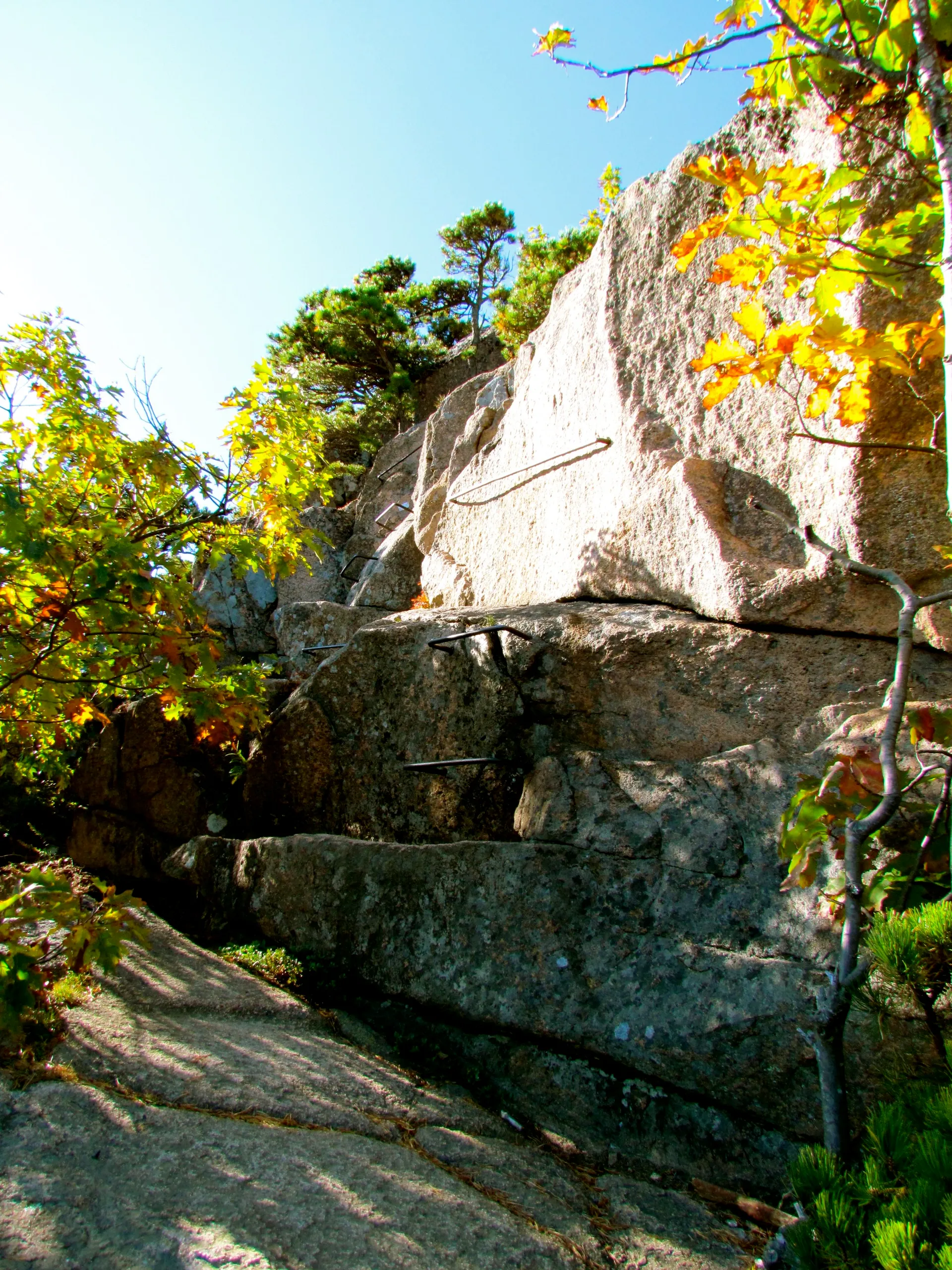
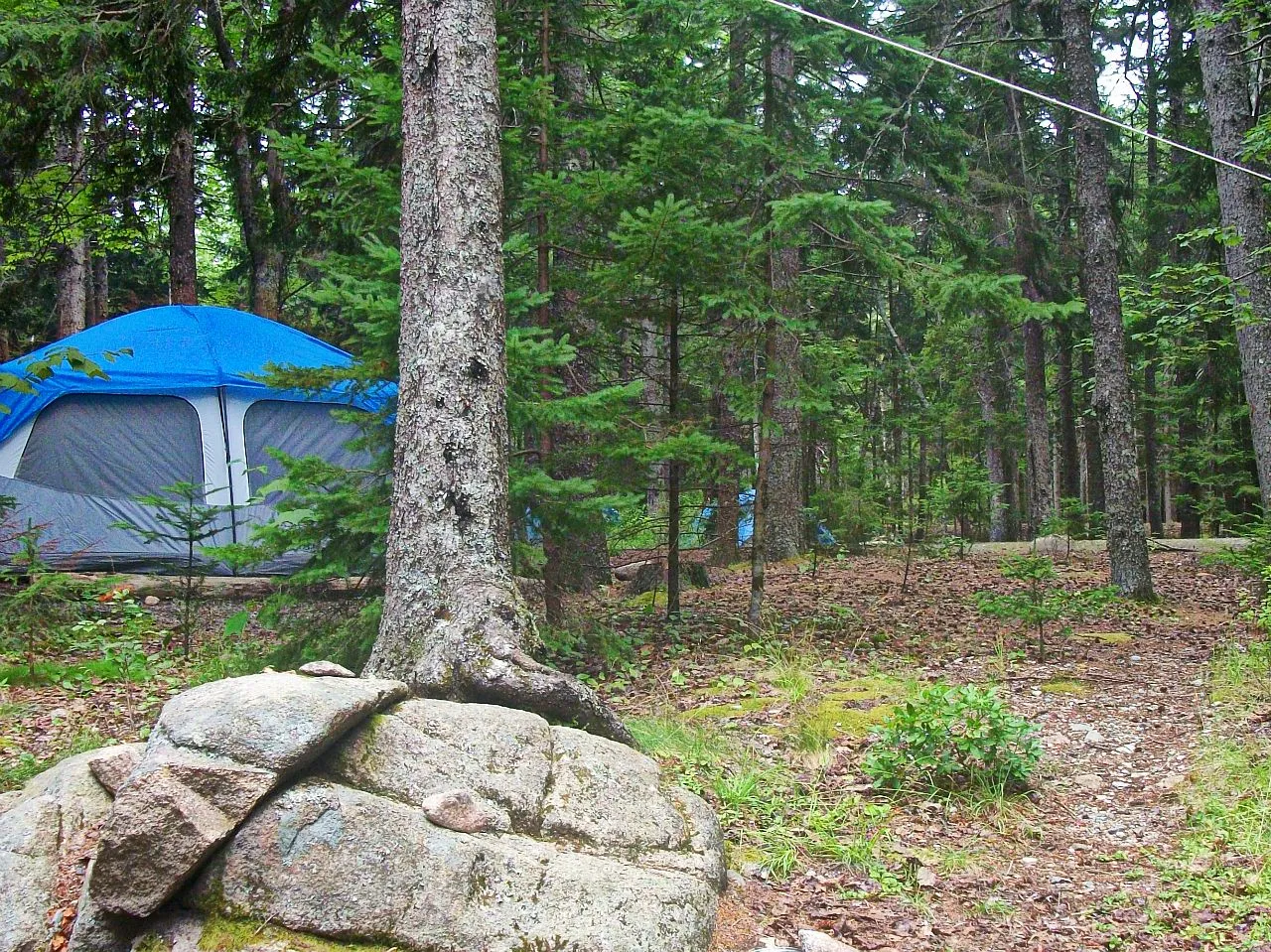
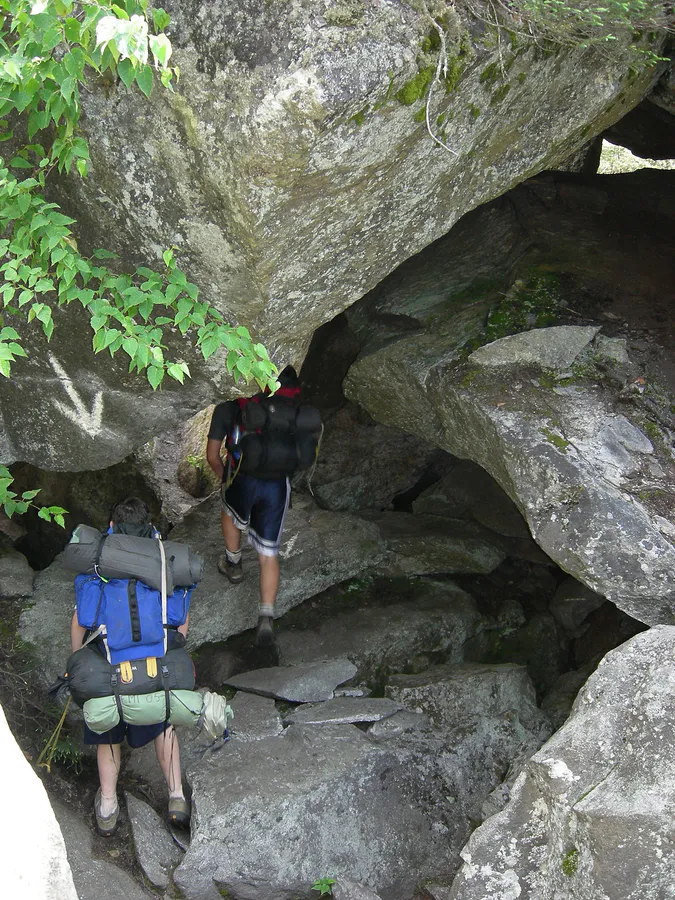
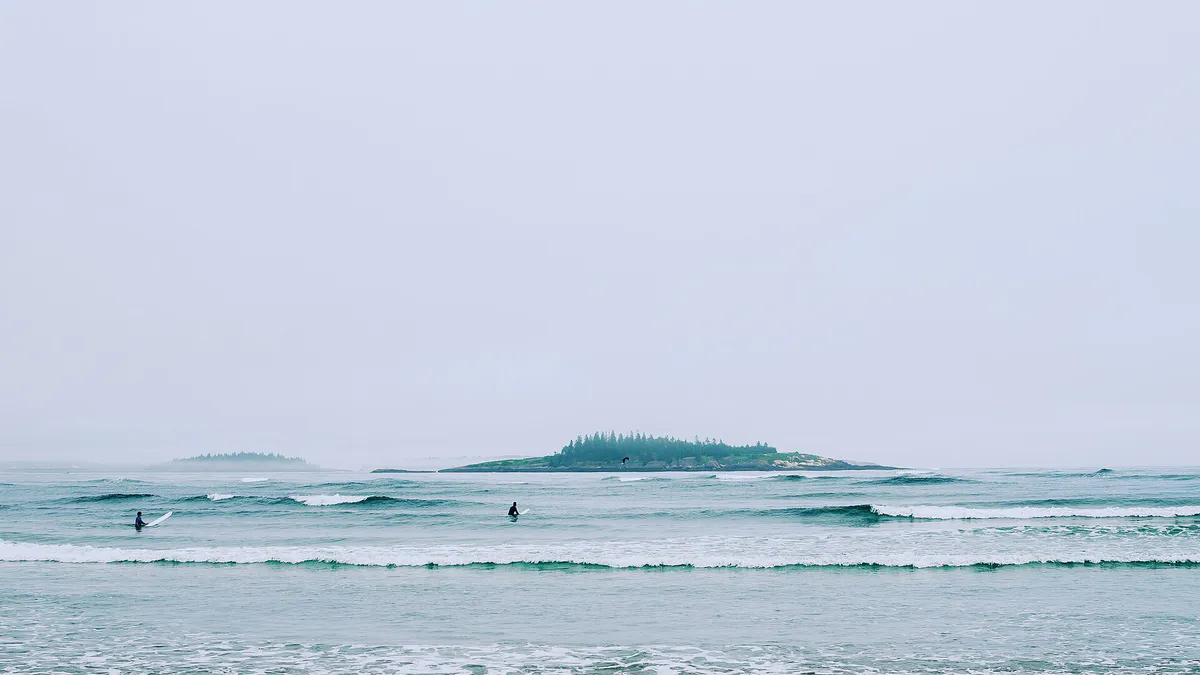
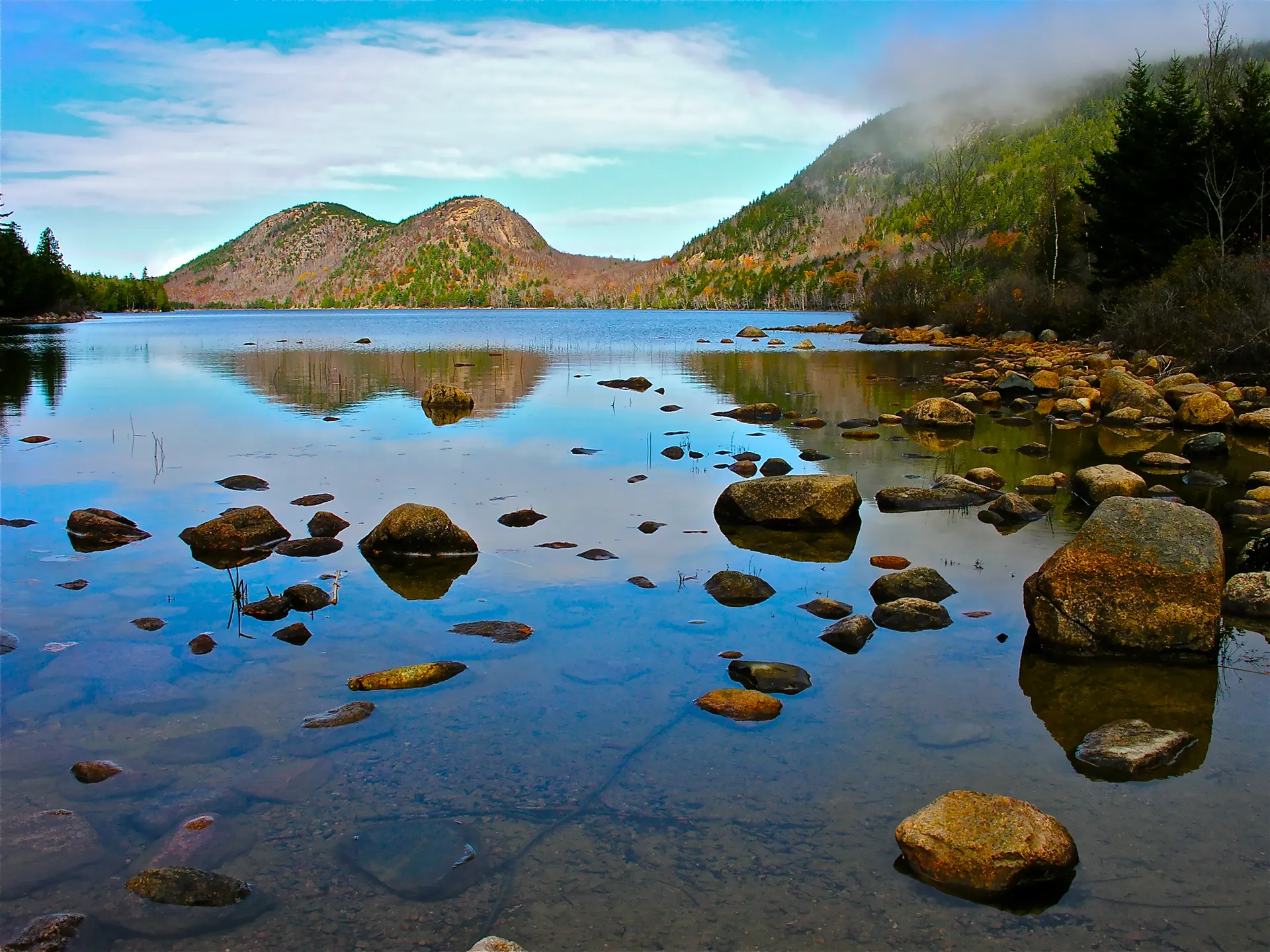
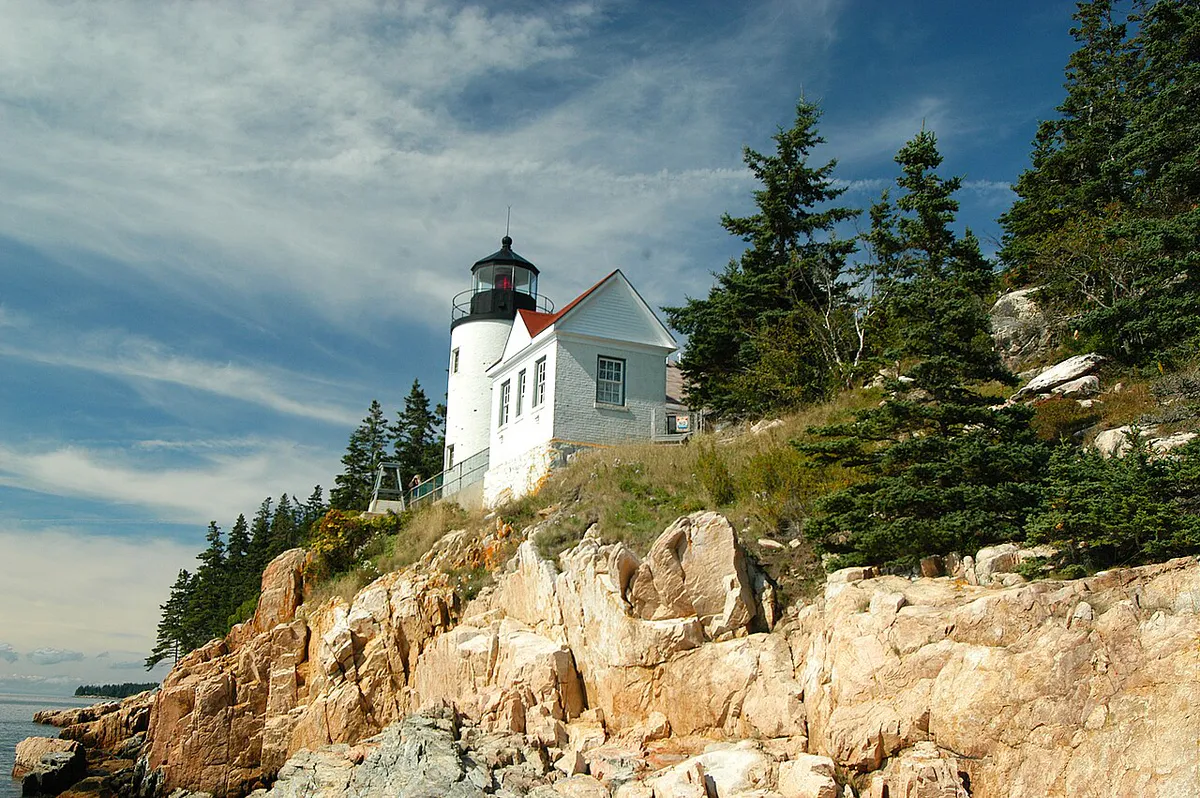
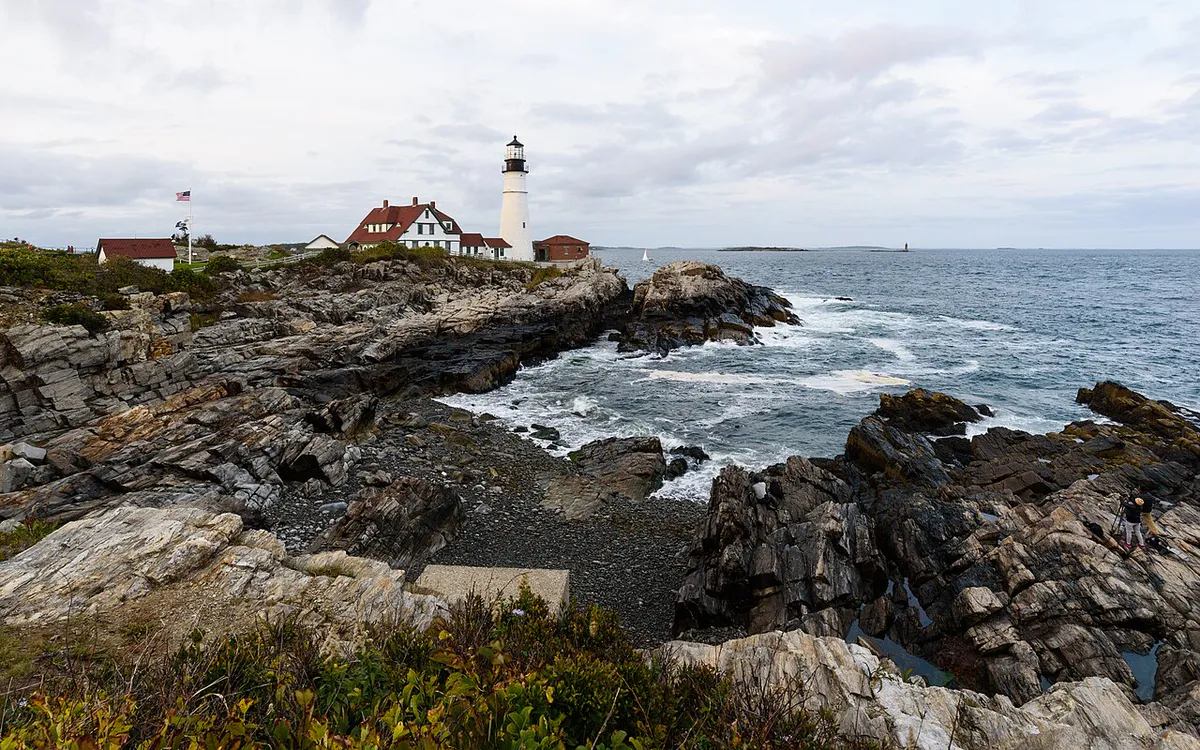
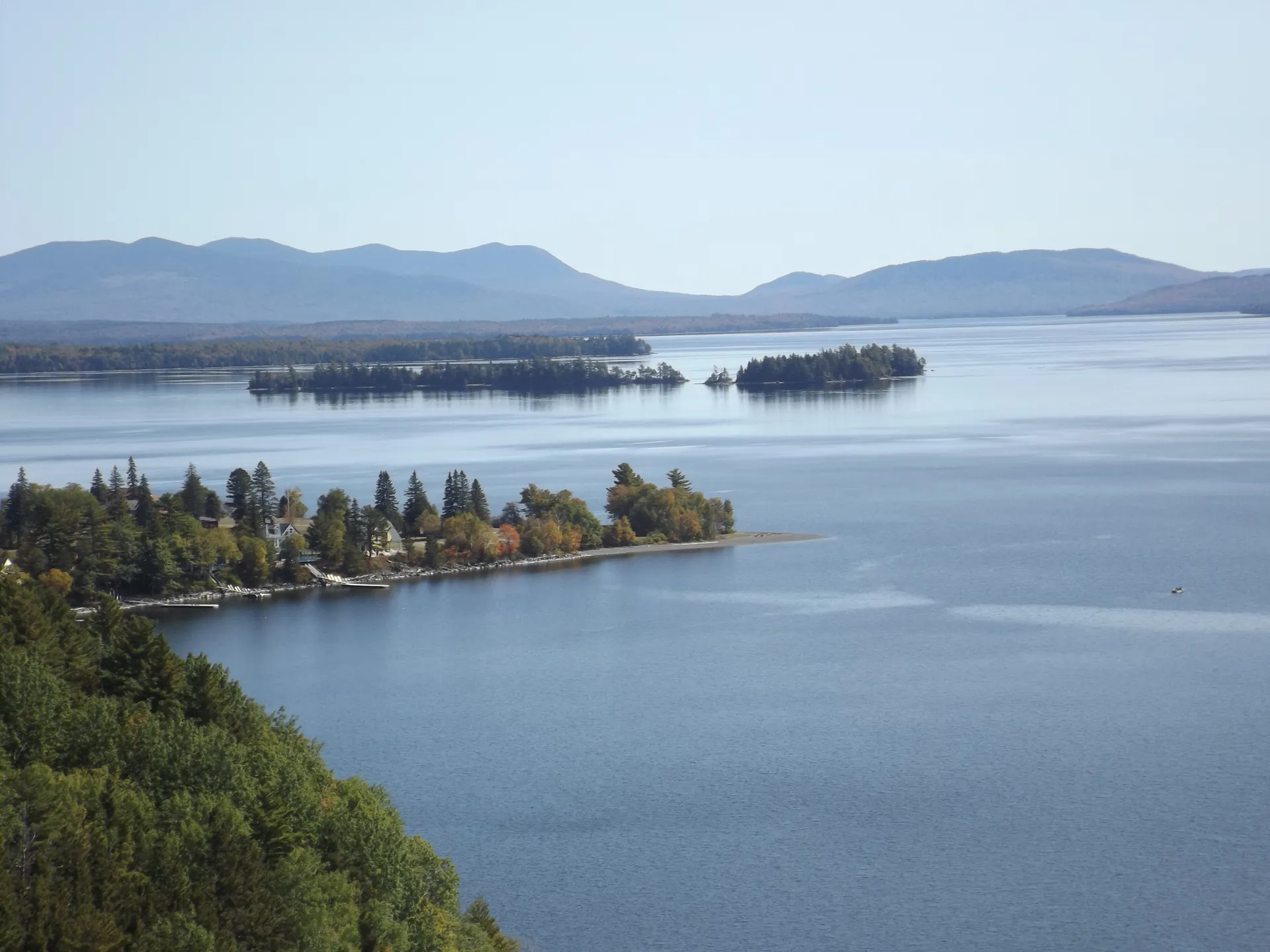
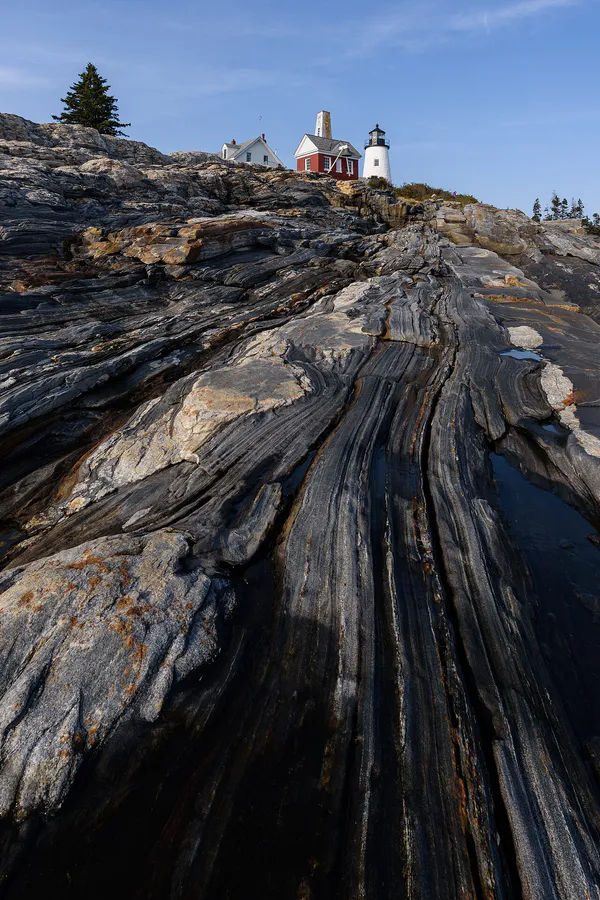
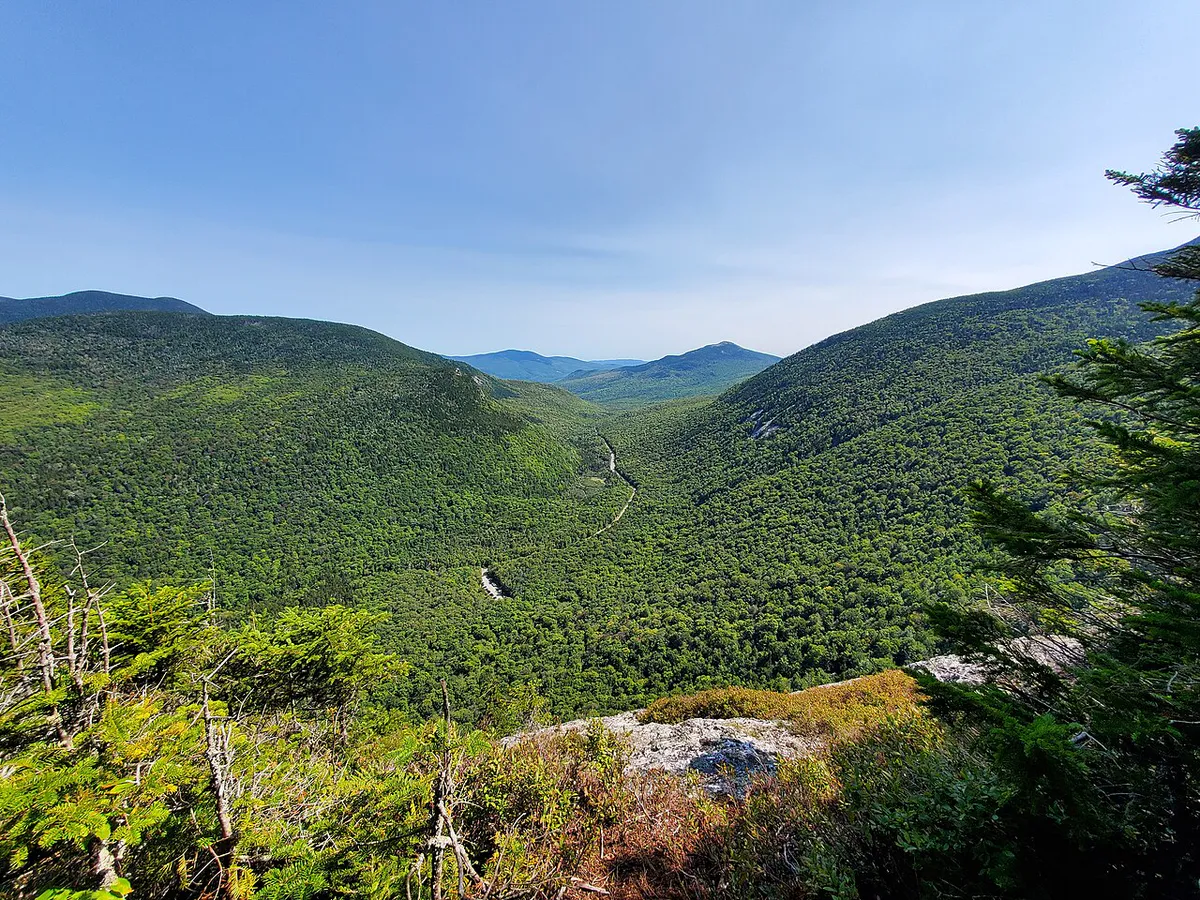
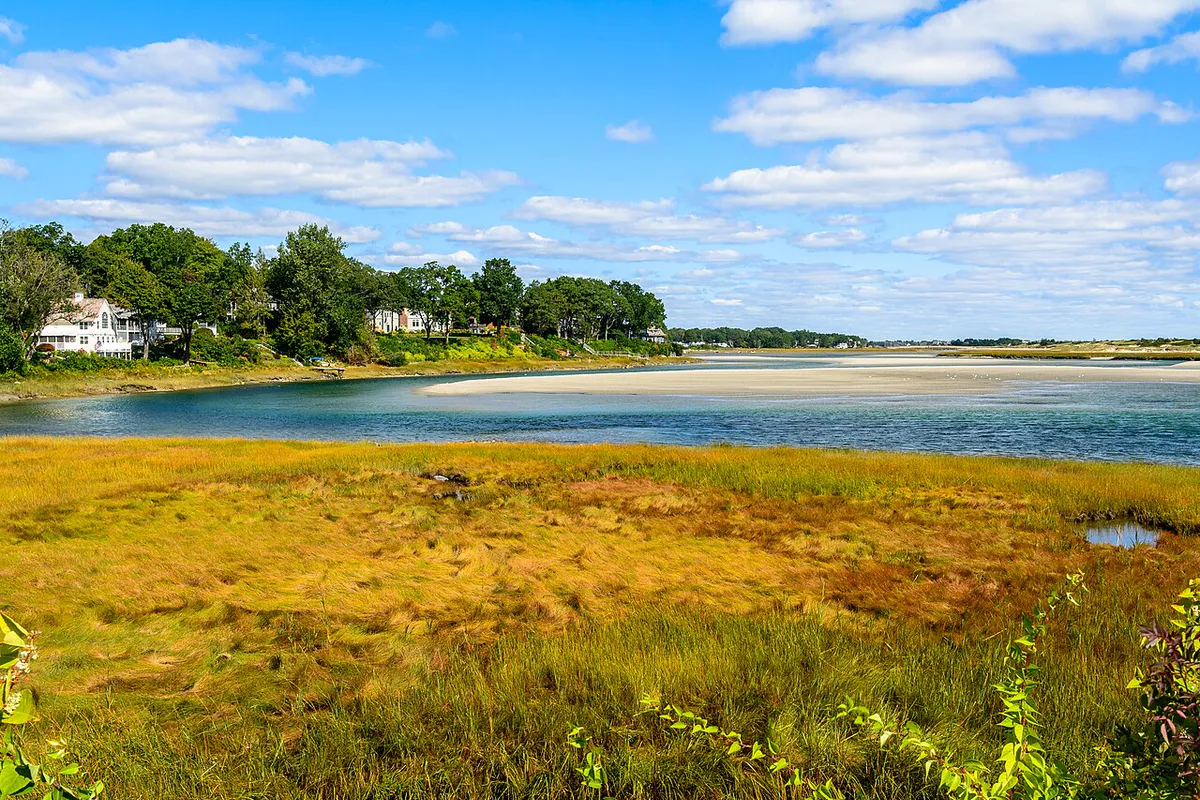
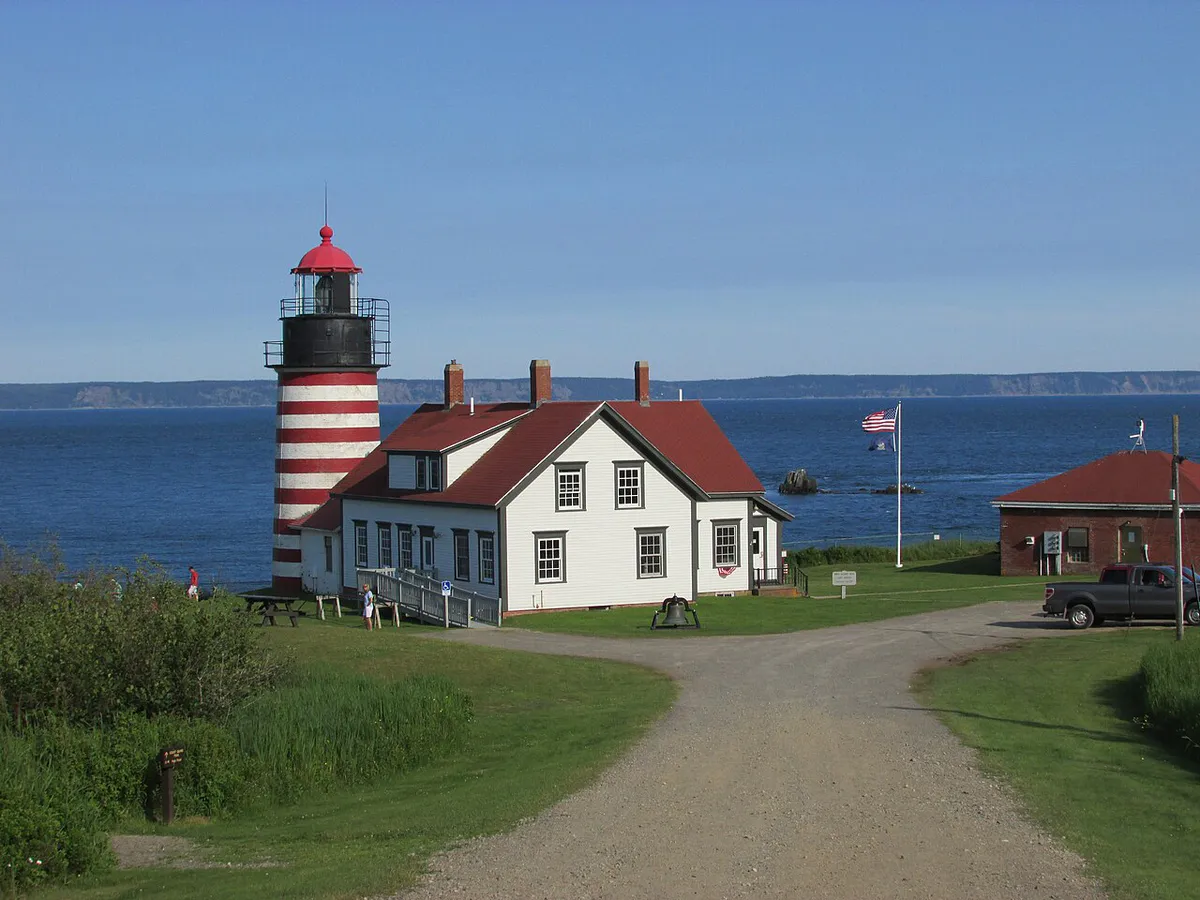
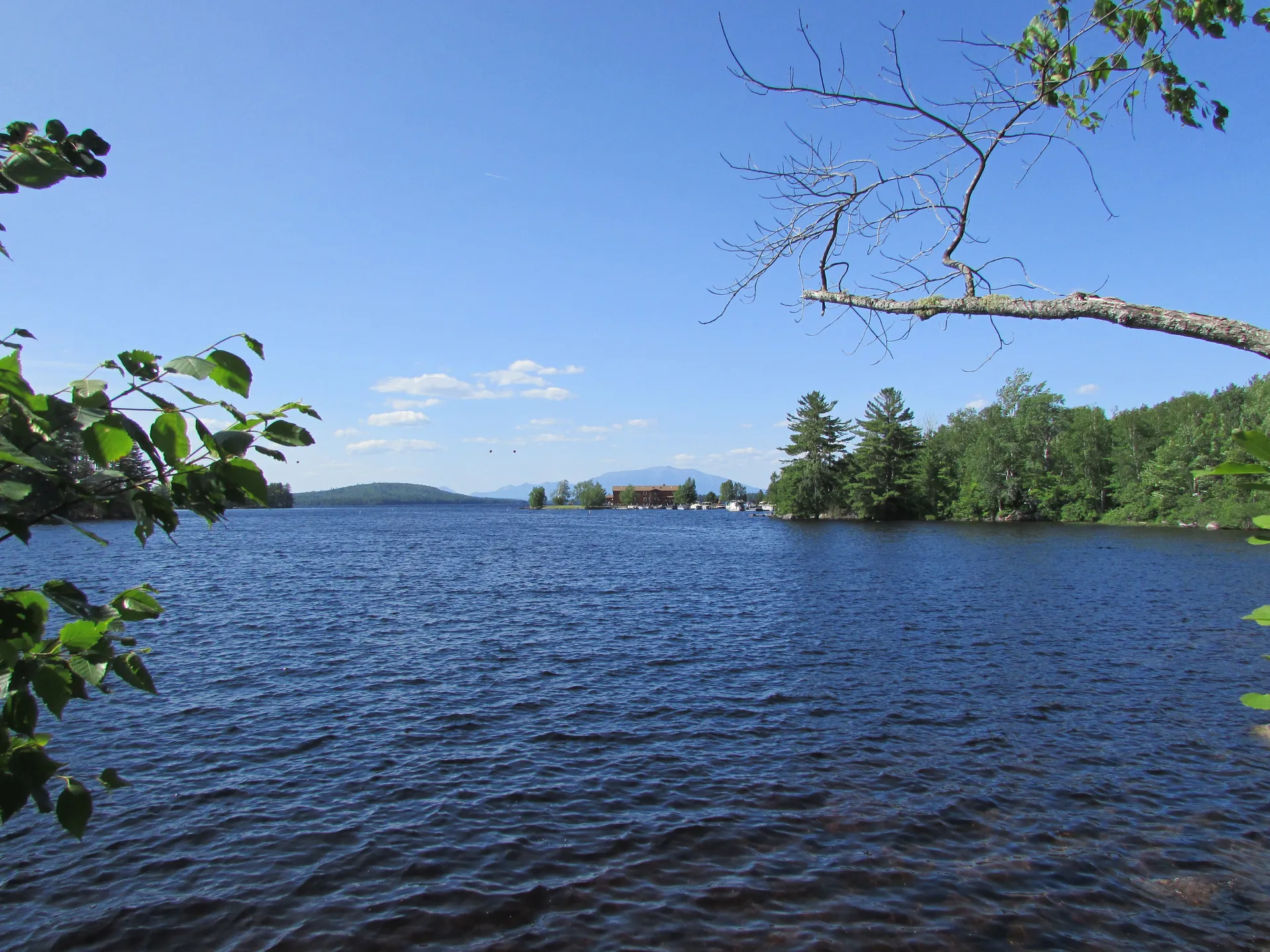
The first wet-root-and-granite run in Maine teaches you everything you need to know about your shoes. You’re moving along a stretch of singletrack on Gorham Mountain, the morning fog still clinging to the spruce, and then your forefoot lands on a tea-colored root slicked with overnight dew. If your outsole rubber is wrong, your foot is gone before your brain registers it. The granite is worse. Acadia’s pink slabs are gorgeous and grippy when dry, but add a film of fog or a passing shower and they turn into something close to wet glass. The shoe on your foot is the only thing standing between you and a hard landing.
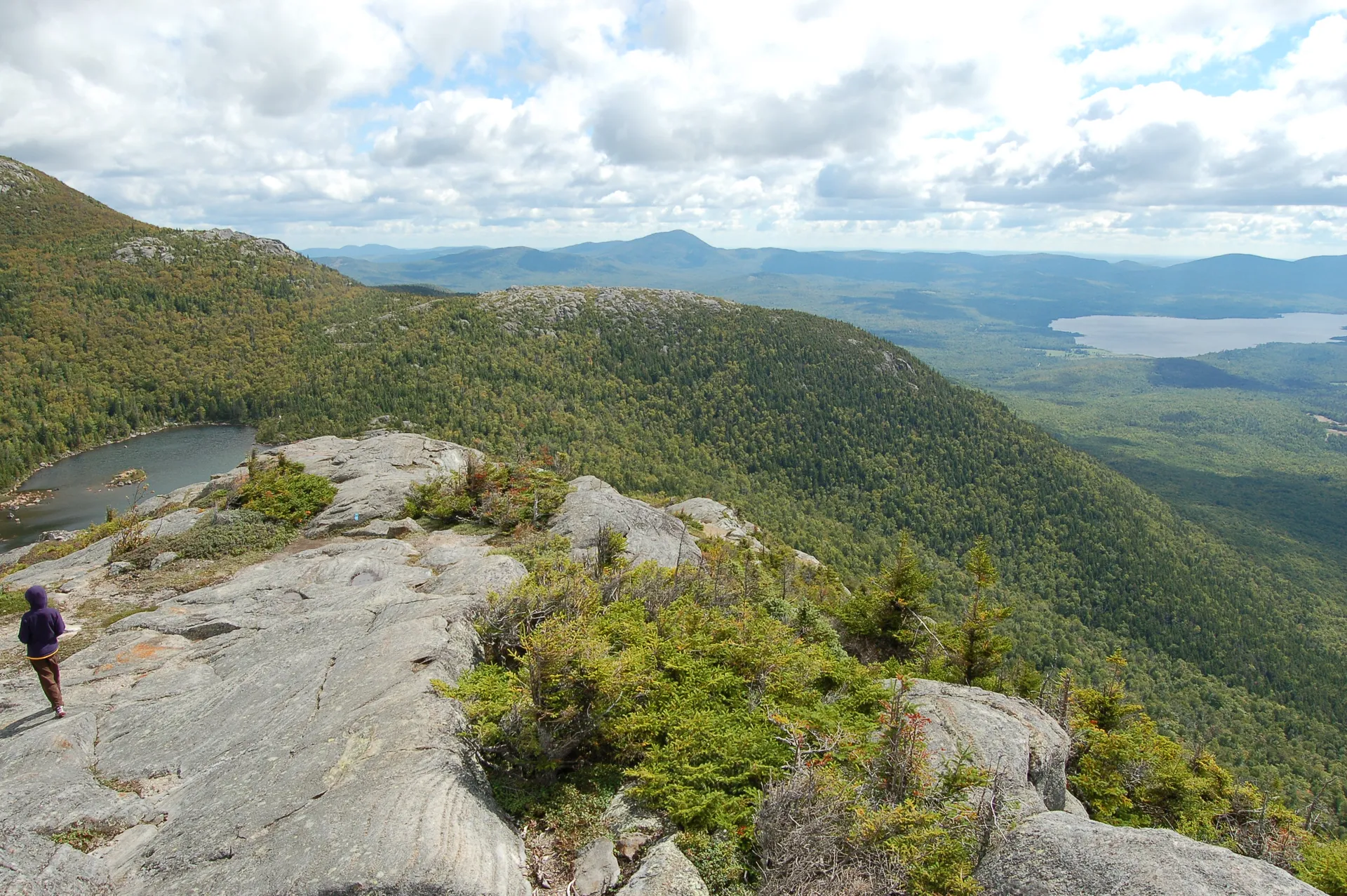
Maine throws a specific set of problems at a trail runner. There’s the root-and-rock chaos of the coastal trails, where you almost never get more than a few strides on smooth dirt. There’s the western mountains, where a climb up Tumbledown means steep, technical granite and loose talus that rewards precise footing. And then there’s mud season, the long stretch from snowmelt through early summer when the low trails turn to ankle-deep soup and the only shoes that survive are the ones with lugs deep enough to find something solid underneath.
We pulled together seven of the current shoes we’d actually trust in those conditions, weighing outsole rubber and lug depth for wet-rock and mud grip, midsole drop and cushion for the pounding of technical descents, drainage for the inevitable stream crossings, and the waterproof options worth considering for shoulder-season slop. None of these are abstract picks. They’re the shoes that handle the way Maine trails actually run.
| Shoe | Price | Drop | Traction | Rating |
|---|---|---|---|---|
| Premium | 4mm | Aggressive | 4.7 | |
| Mid-range | 8mm | Versatile | 4.6 | |
| Mid-range | 8mm | Stable | 4.5 | |
| Mid-range | 0mm | Grippy | 4.5 | |
| Mid-range | 4mm | Aggressive | 4.6 | |
| Premium | 6mm | Technical | 4.6 | |
| Topo Ultraventure 4 | Mid-range | 5mm | Grippy | 4.4 |
How We Chose
We judged each shoe against the terrain it would actually face in Maine, not bench specs. Four things mattered most, in this order: outsole rubber and lug depth, stability on technical ground, drainage, and drop. Maine punishes the first one hardest. The single biggest predictor of staying upright on a wet Beehive Trail approach or a fog-slicked Ocean Path run is the outsole compound. We weighted shoes with sticky rubber (Vibram Megagrip, Contagrip, FriXion) heavily, because no amount of cushion saves you when the rubber slides on granite.
The second filter was lug depth and pattern. Maine’s mud season is real, and a 3mm lug that’s great on hardpack clogs and skates the moment the trail turns to soup. We favored 4mm-plus lugs for the mud-and-roots shoes, while keeping a couple of shallower-lugged all-rounders for the runners who spend more time on packed dirt and rock than in the mud.
Third was drainage. You will cross water in Maine, and a shoe that holds it turns into a sponge that blisters your feet for the rest of the run. We looked for mesh uppers that shed water fast and midsoles that don’t waterlog. Drop came last, because it’s the most personal: we list the actual drop for each shoe so you can match it to what your legs are used to rather than chasing a number.

The Shoes We Recommend
Hoka Speedgoat 7 - Best Max Cushion
Premium
Hoka Speedgoat 7
Who it’s forBest max-cushion shoe for long technical Maine miles
Why we picked itVibram Megagrip with 5mm lugs grips wet granite and mud confidently
Pros
- Plush max cushion absorbs the pounding on long technical descents
- Roomier toe box than earlier versions for all-day comfort
- Drains and dries fast after stream crossings
Know before you buy
- Tall stack feels less stable on off-camber granite slabs
- Premium price for a shoe that wears down on abrasive rock
The Speedgoat 7 is the shoe we’d reach for on a long, technical day where the descents are going to hurt. The Vibram Megagrip outsole runs deep 5mm lugs, and on the wet granite slabs coming down off Cadillac Mountain it bites with a confidence most shoes can’t match. That sticky rubber is the whole point: Maine’s wet rock is where shoes go to slide, and the Speedgoat’s compound holds when the surface is glassy with fog.
The max cushion is the second reason it’s here. At a 4mm drop with a tall, plush stack, it soaks up the repeated pounding of a long rocky descent in a way that lets your quads survive the last few miles. The toe box leaves useful room for feet that swell on the back half of a run. The mesh upper drains quickly, so the stream crossing two miles in doesn’t follow you home.
The honest trade-off is the height. That tall stack puts your foot farther from the ground, and on sharply off-camber granite slabs you feel a little less planted than you would in a low-profile shoe like the Bushido. For most Maine running, the cushion is worth it. For pure technical scrambling on steep rock, the lower shoes on this list give you more precision.
Salomon Sense Ride 5 - Best All-Rounder
Mid-range
Salomon Sense Ride 5
Who it’s forBest do-everything trail shoe for mixed Maine conditions
Why we picked itVersatile all-rounder that handles roots, mud, and buffed singletrack
Pros
- Quicklace system cinches secure over technical Acadia terrain
- Balanced cushion that stays nimble without feeling harsh
- Contagrip outsole bites well on wet rock
Know before you buy
- 4mm lugs clog faster than deeper-lugged shoes in deep mud
- Quicklace pocket can be fiddly to tuck
If you run one shoe for everything Maine throws at you, the Sense Ride 5 (Search Amazon) is the safest bet on this list. It sits in the middle of every spectrum: an 8mm drop most runners are already used to, a balanced cushion that’s plush enough for long miles but nimble enough for footwork, and a Contagrip outsole that handles roots, packed dirt, and wet rock without specializing in any one of them. On a mixed run that links buffed singletrack to a rocky Ocean Path section, it never feels out of its depth.
The Quicklace system is the Salomon signature, and it earns its keep on technical terrain. One pull cinches the whole shoe tight, so when you’re picking through roots and rock you get a locked-down fit that doesn’t loosen mid-stride. The fit is secure through the midfoot without being punishing, which suits the all-day, all-terrain role this shoe is built for.
The compromise is the lug depth. At 4mm the lugs are shallower than the dedicated mud shoes, and in true Maine mud-season soup they clog faster and find less purchase than the Peregrine. The Quicklace pocket can also be fiddly to tuck on the move. For most of the year, though, this is the shoe that does the most things well.
Brooks Cascadia 17 - Best Stability
Mid-range
Brooks Cascadia 17
Who it’s forBest stable, durable shoe for rocky Maine trails
Why we picked itStable Pivot Post platform keeps you planted on off-camber rock
Pros
- Durable build holds up to abrasive Maine granite
- Reliable rock plate protects against sharp edges and roots
- Roomy fit suits wider feet and longer days
Know before you buy
- Heavier than nimble racing-style shoes
- Trail feel is muted compared to lower-stack options
The Cascadia 17 is the shoe for runners who value staying upright over feeling fast. Its Pivot Post platform is built to keep your foot stable when you land on an awkward edge, which is exactly the situation Maine trails create constantly. On the off-camber granite and rooty steps of a Tumbledown approach, that stability translates to fewer ankle rolls and more confidence on terrain that wants to throw you sideways.
This is also the most durable shoe here. The build is overbuilt in the right ways, with a tough upper and an outsole that holds up to the abrasive granite that chews through softer shoes. The rock plate is reliable without being a board, so you’re protected from the sharp edges and pointed roots without losing all feel. The fit runs roomy, which suits wider feet and the swelling that comes on a long day.
The price you pay is weight and feel. The Cascadia is heavier than the nimble shoes on this list, and the trail feel is muted because there’s a lot of shoe between your foot and the ground. If you want to feel every contour and move fast over technical rock, the Bushido is the opposite philosophy. If you want a stable, tough, planted ride that gets you home, this is it.
Altra Lone Peak 8 - Best Zero-Drop
Mid-range
Altra Lone Peak 8
Who it’s forBest zero-drop shoe for natural footwork on technical terrain
Why we picked itZero-drop platform and wide toe box let toes splay for balance on granite
Pros
- Generous FootShape fit accommodates swelling on long runs
- MaxTrac outsole with TrailClaw lugs grips loose and muddy ground
- Light and natural-feeling for technical footwork
Know before you buy
- Zero drop demands an adjustment period for new users
- Cushion compresses faster than firmer midsoles over high mileage
The Lone Peak 8 takes a different approach than everything else here, and on Maine’s technical granite that approach has real merit. The zero-drop platform keeps your heel and forefoot level, and the famously wide FootShape toe box lets your toes splay and grip the way they’re meant to. On the bare granite of a Beehive Trail approach, that splay gives you a wider, more stable base on the rock, and the natural foot position makes precise placement feel intuitive.
The MaxTrac outsole with TrailClaw lugs is built to grip loose and muddy ground, angling the lugs to bite on climbs and brake on descents. The shoe is light and low to the ground, which is what you want when the footwork gets technical and you need to feel where your foot is landing. The generous fit also gives your feet room to swell over a long run without the toe-box squeeze that narrower shoes inflict.
The catch is the zero drop itself. If your legs are used to an 8mm or 10mm drop, jumping straight to zero loads your calves and Achilles in a new way, and you need to build up to it gradually or you’ll regret it. The cushion is moderate and compresses faster than firmer midsoles over high mileage. For runners who already love the natural-foot philosophy, though, there’s nothing else on this list that feels like it.
Saucony Peregrine 14 - Best Aggressive Traction
Mid-range
Saucony Peregrine 14
Who it’s forBest aggressive-traction shoe for mud and wet roots
Why we picked itAggressive 5mm PWRTRAC lugs dig into mud and wet roots
Pros
- Protective rock plate without feeling stiff
- Snug, secure fit locks the foot down on steep descents
- Available in a waterproof GTX version for shoulder-season slop
Know before you buy
- Snug toe box runs narrow for wide feet
- Cushion firmer than max-stack shoes on long road approaches
When the trail turns to mud and slick roots, the Peregrine 14 is the shoe we want underfoot. Its PWRTRAC outsole runs aggressive 5mm lugs that dig into soft ground and find purchase on wet roots where shallower-lugged shoes skate. In Maine mud season, when the low trails are ankle-deep and every root is a banana peel, that deep, sharp lug pattern is the difference between running and slipping.
The fit is snug and secure, which is what you want when you’re braking hard on a steep, greasy descent. The rock plate protects against the sharp edges without making the shoe feel like a plank, and the 4mm drop sits in a comfortable middle ground for most runners. There’s also a waterproof GTX version, which is the one to consider for cold shoulder-season runs when keeping water out matters more than fast drainage.
The trade-offs are about fit and feel. The toe box runs narrow, so wide-footed runners should size carefully or look at the Lone Peak or Ultraventure instead. The cushion is firmer than the max-stack shoes, which is great for ground feel but less forgiving on the long road or smooth-trail approaches that bookend a lot of Maine runs. For pure dirty-conditions traction, though, this is the pick.
On Maine’s wet granite slabs, it’s the outsole compound, not the lug depth, that keeps you upright. Deep lugs grip mud and soft ground, but on smooth wet rock they actually reduce contact area. What you want there is sticky rubber (Vibram Megagrip, Salomon Contagrip, La Sportiva FriXion) pressed flat against the stone. When you hit a slick slab, plant your whole foot flat, keep your weight centered directly over it, and take short, deliberate steps. Edging or pushing off hard is exactly how you slide.
La Sportiva Bushido II - Best for Technical Granite
Premium
La Sportiva Bushido II
Who it’s forBest precision shoe for steep, technical granite
Why we picked itLow, stable platform built for precise footing on technical granite
Pros
- FriXion XF outsole with deep lugs grips steep wet rock
- Locked-down, glove-like fit for scrambly terrain
- Tough, abrasion-resistant upper survives rock and scree
Know before you buy
- Firm, minimal cushion punishes long road or smooth-trail miles
- Narrow fit is unforgiving for wide feet
The Bushido II is the precision tool of this list, built for the steep, technical granite that defines Maine’s hardest trails. It sits low to the ground on a stable platform, so when you’re picking a line up the rock on a Tumbledown scramble, your foot is close enough to the stone to feel exactly what it’s doing. That low stack is the opposite of the Speedgoat’s plush tower, and on technical terrain the trade pays off in control.
The FriXion XF outsole runs deep, sharp lugs that grip steep wet rock and loose talus, and the fit is glove-like, locking the foot down so it doesn’t shift around when you’re moving through scrambly terrain. The upper is tough and abrasion-resistant, which it needs to be, because the kind of rock that demands this shoe also shreds softer uppers. This is a shoe that asks for technical ground and rewards it.
The cost of all that precision is comfort over easy miles. The cushion is firm and minimal, so the long road or smooth-trail approaches that lead into a lot of Maine summits feel harsh. The fit is also narrow and unforgiving for wide feet. If most of your running is buffed singletrack, this is the wrong shoe. If you live for steep granite, nothing here matches it.
Topo Athletic Ultraventure 4 - Best Roomy Long-Hauler
Mid-range
Topo Athletic Ultraventure 4
Who it’s forBest roomy, low-drop shoe for long comfortable miles
Why we picked itRoomy toe box with a low 5mm drop for natural alignment
Pros
- Generous cushion that stays stable on uneven ground
- Vibram Megagrip outsole grips wet granite and roots
- Comfortable straight out of the box for long days
Know before you buy
- Less aggressive lugs than dedicated mud-and-soft-ground shoes
- Heavier than minimalist trail options
The Ultraventure 4 splits the difference between Altra’s natural-foot philosophy and a more conventional cushioned shoe, and that combination makes it our pick for long, comfortable Maine miles. It pairs a roomy anatomical toe box with a low 5mm drop, so your toes get room to splay and your foot sits in a fairly natural position, but without the full commitment of going zero-drop. On a long day linking Ocean Path to the rockier trails above, that roominess keeps your feet happy as they swell.
The cushion is generous but stays stable on uneven ground, which is the hard balance to strike. A lot of cushioned shoes get tippy on rocky terrain, but the Ultraventure keeps you planted. The Vibram Megagrip outsole grips wet granite and roots well, so you’re not giving up much traction for all that comfort, and the shoe is comfortable straight out of the box with no break-in penance.
The limits show up in the dirt and on the scale. The lugs aren’t as aggressive as the Peregrine’s, so in deep mud it finds less bite, and it’s heavier than the minimalist shoes here. But for runners who want a roomy, low-drop, cushioned shoe that disappears under them on long days, it’s a comfortable, grippy choice.
Waterproof trail shoes are a trap in warm-weather Maine. A GTX membrane keeps light rain and morning dew out, but the moment you go over the top in a stream crossing or sink into mud season soup, that same membrane traps the water inside and your shoe never drains. For most spring and summer running on Maine’s wet, crossing-heavy trails, a fast-draining non-waterproof mesh shoe keeps your feet drier overall. Save the waterproof versions for cold shoulder-season runs where the goal is keeping cold water and slush out.
Acadia granite is at its most treacherous in the hour after fog lifts or a shower passes, when the rock looks dry but still has an invisible film on it. We slow down on the slabs for the first mile of any damp morning until we’ve tested how the rock is grabbing. And we keep a second pair of shoes and dry socks in the car. After a mud-season run on the carriage roads or the low trails, you’ll want them, and so will whoever you carpooled with.
Do I need waterproof trail running shoes for Maine?
Usually not for spring and summer. Maine trails are full of stream crossings and mud, and a waterproof membrane that keeps water out also traps water in once you go over the top, leaving you with a soggy shoe that never drains. A fast-draining non-waterproof mesh shoe keeps your feet drier across a typical wet Maine run. Save the GTX versions, like the Saucony Peregrine 14 GTX, for cold shoulder-season runs where keeping slush and cold water out matters more than drainage.
What outsole grips wet granite best in Acadia?
Sticky rubber compounds are what matter on wet rock, more than lug depth. Vibram Megagrip (on the Hoka Speedgoat 7 and Topo Ultraventure 4), Salomon Contagrip, and La Sportiva FriXion all grip wet granite well. On smooth wet slabs, deep lugs actually reduce contact, so you want sticky rubber pressed flat against the stone with your weight centered over your foot.
What drop should I choose for technical Maine trails?
Drop is personal, so match it to what your legs are used to rather than chasing a number. Most runners are comfortable in the 4mm to 8mm range, like the Salomon Sense Ride 5 (8mm) or the Speedgoat 7 (4mm). Lower drops, like the Altra Lone Peak 8 (zero) or Topo Ultraventure 4 (5mm), put you in a more natural position that some find better for technical footwork, but switching to a much lower drop loads your calves and Achilles and requires a gradual transition.
How deep should the lugs be for Maine mud season?
For mud season, look for 4mm-plus lugs with an aggressive, well-spaced pattern that sheds mud instead of clogging. The Saucony Peregrine 14 (5mm) and Hoka Speedgoat 7 (5mm) are good examples. Shallower 3mm to 4mm lugs on all-rounders like the Sense Ride 5 are fine for packed dirt and rock but find less purchase and clog faster in deep soup.
Should I size up trail running shoes for long Maine runs?
A half size up from your road running size is a common choice for trail running, because feet swell on long days and you want room in the toe box for downhill braking without jamming your toes. Shoes with roomy fits, like the Altra Lone Peak 8 and Topo Ultraventure 4, give that room built in, while snugger shoes like the Peregrine and Bushido run narrow and demand careful sizing for wide feet.
Can I use trail running shoes for hiking in Maine too?
Yes, and many Maine hikers prefer them over heavy boots for the grip, drainage, and lighter weight on rocky, rooty trails. A stable, durable shoe with a protective rock plate, like the Brooks Cascadia 17, handles loaded day-hike use well. The trade-off versus boots is less ankle support and less protection on rough talus, so the choice comes down to how much weight you're carrying and how technical the terrain is.