
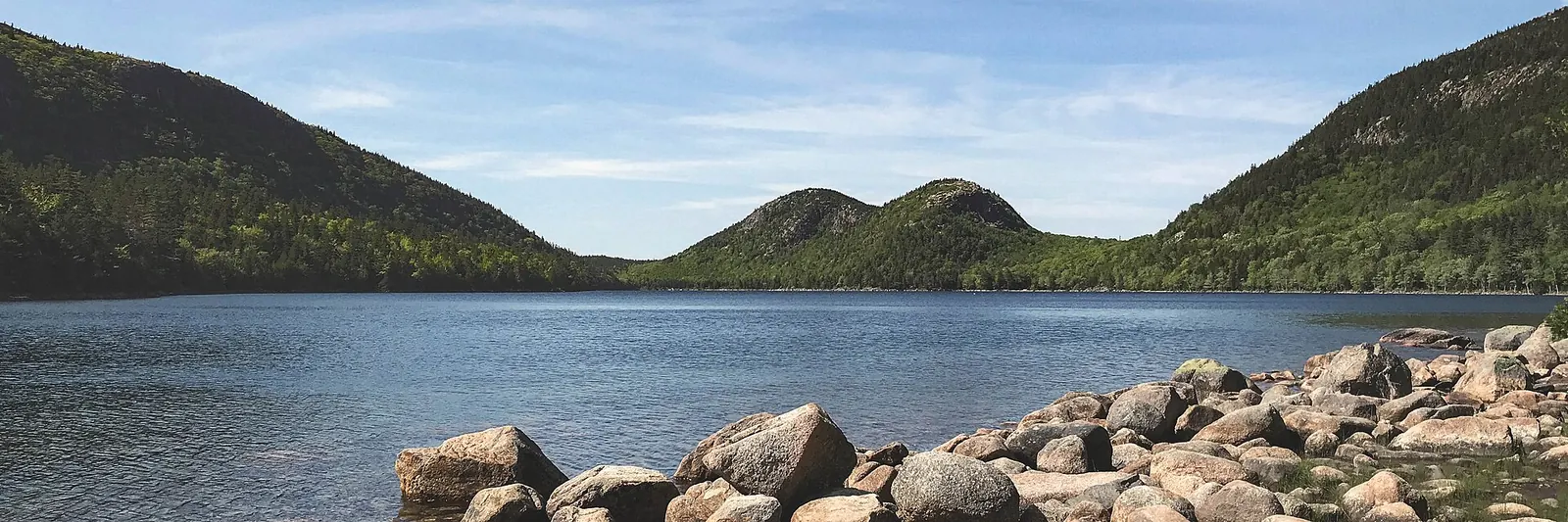
A Figure-Eight by the Sea
Ship Harbor gets its name from a legend about a colonial-era ship that took refuge in this narrow inlet during a storm and was unable to get back out. The ship supposedly rotted away in the harbor, and the name stuck. Whether the story is true or embellished by a few centuries of retelling, the harbor itself is real, a long, narrow tidal inlet that fills and drains with each tide cycle, creating a shifting ecosystem of mudflats, channels, and shallow pools.
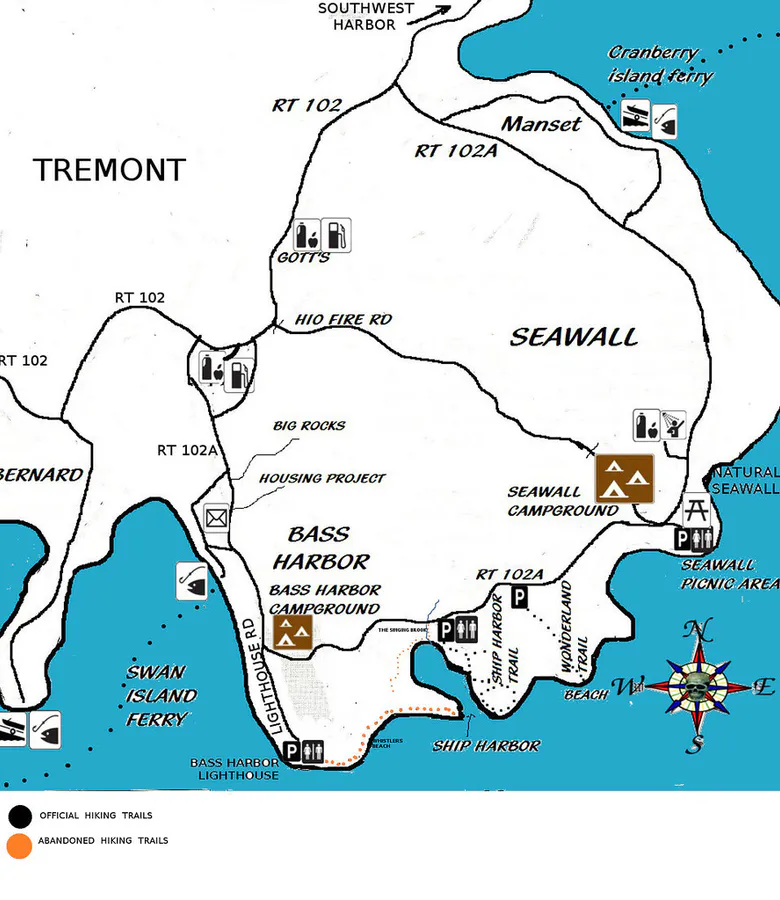
The trail wraps around this inlet in a figure-eight pattern, giving you two loops of roughly equal length. The inner loop follows the harbor shore through forest and along the mudflats. The outer loop heads seaward to a rocky headland overlooking the open Atlantic. Together they cover about 1.3 miles of easy, mostly flat terrain.
Like its neighbor Wonderland across Route 102A, Ship Harbor sits on the quiet western side of Mount Desert Island. The parking area is small and the trail is not on most first-time visitors’ itineraries, which means you can often walk the entire loop without seeing more than a handful of other people, even in July.
The Inner Loop: Harbor and Mudflats
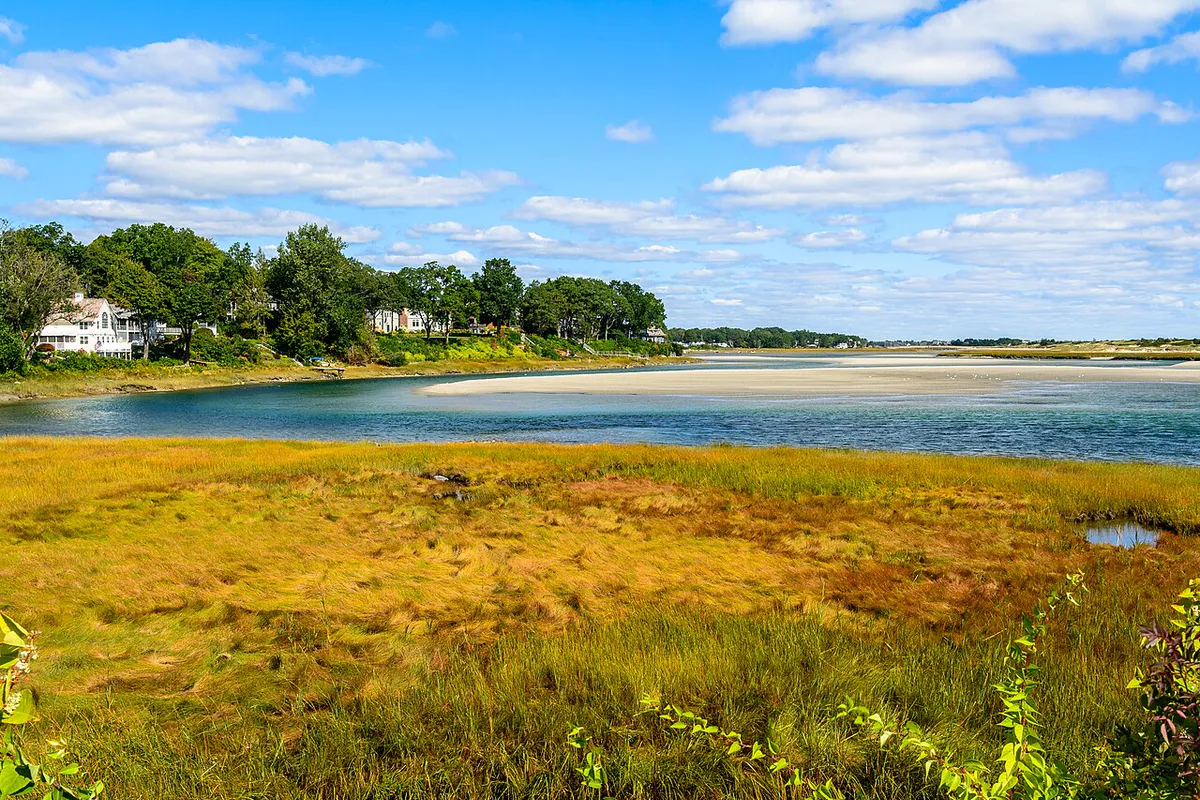
Starting from the parking area, the trail drops gently through spruce forest to the shore of Ship Harbor. At low tide, the harbor is a broad expanse of mudflat, and the channel narrows to a trickle winding between exposed rocks and seaweed. At high tide, the entire basin fills with seawater and the harbor looks like a proper cove.
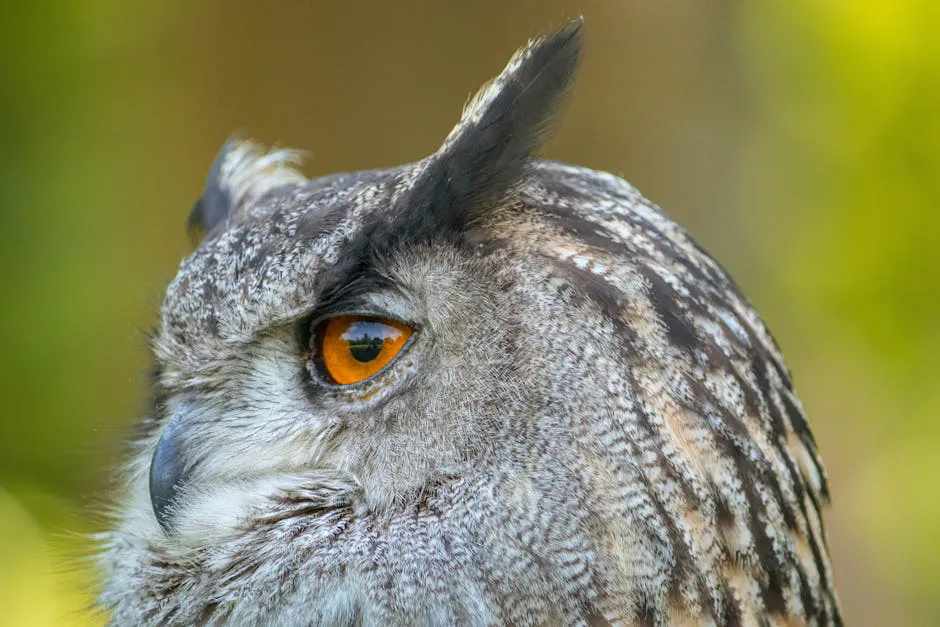
The mudflats are excellent for birding. Great blue herons wade through the shallows hunting for small fish. Sandpipers and plovers work the mud edges. Eider ducks and cormorants float in the deeper channel. During spring and fall migration, you may see osprey, various species of terns, and migrating shorebirds passing through.
The inner loop along the harbor shore is one of the best casual birding spots on the quiet side of Acadia. Great blue herons are almost always present at low tide, and the variety of shorebirds passing through during migration seasons can be impressive. A pair of binoculars transforms this walk.
The trail along the harbor is flat and well-maintained, with a few sections of wooden boardwalk crossing wet areas. The forest here is a mix of spruce, fir, and birch, and the ground cover includes bunchberry, starflower, and various mosses.
The Outer Loop: Rocky Headland
Where the inner loop turns back toward the parking area, the outer loop continues south toward the open ocean. The trail passes through thicker forest before emerging onto a rocky headland with views across the mouth of Ship Harbor to the Atlantic.
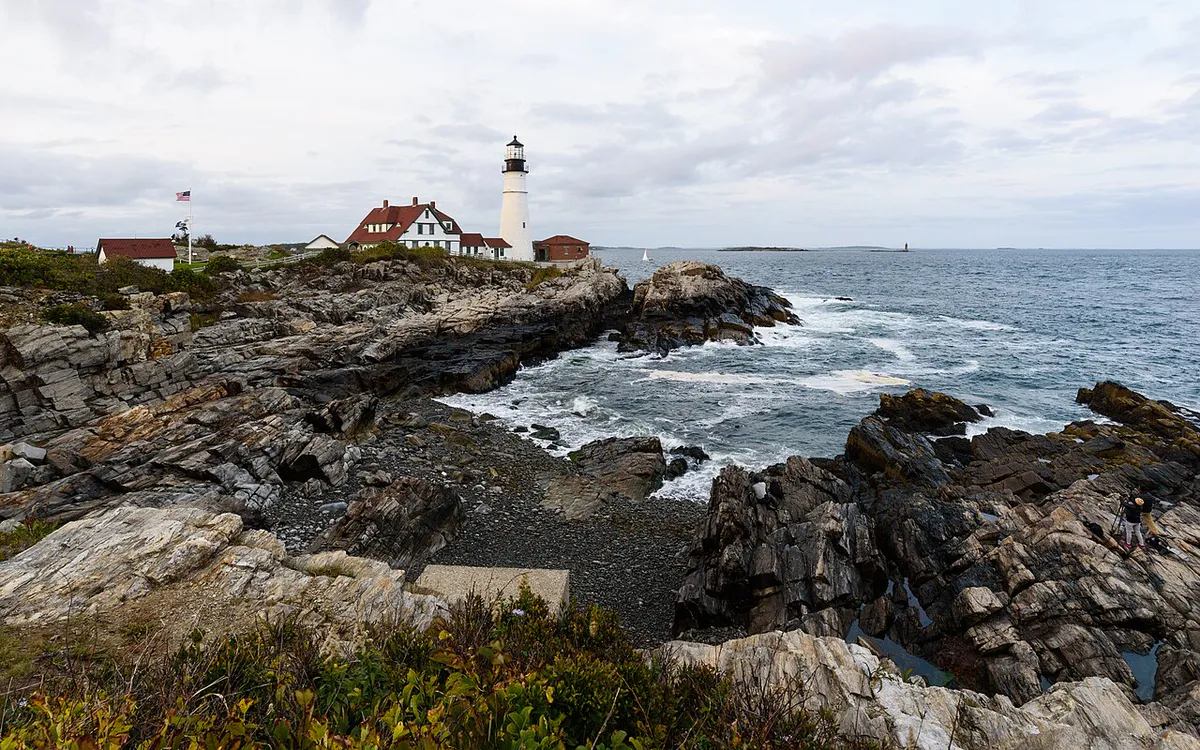
The shore here is rougher than Wonderland, more broken rock and less smooth granite shelf, but equally beautiful. The ledges are layered and angled, creating small channels and pools where the surf pushes in and retreats. On a calm day, the water is clear enough to see the bottom through several feet of ocean. On a rough day, the spray reaches well past the lower ledges.
The outer headland is exposed and the rocks near the waterline are slippery. Storm waves and rogue swells can reach farther than you expect. Stay back from the edge during rough seas. The rocks between the two loops can be wet and uneven.
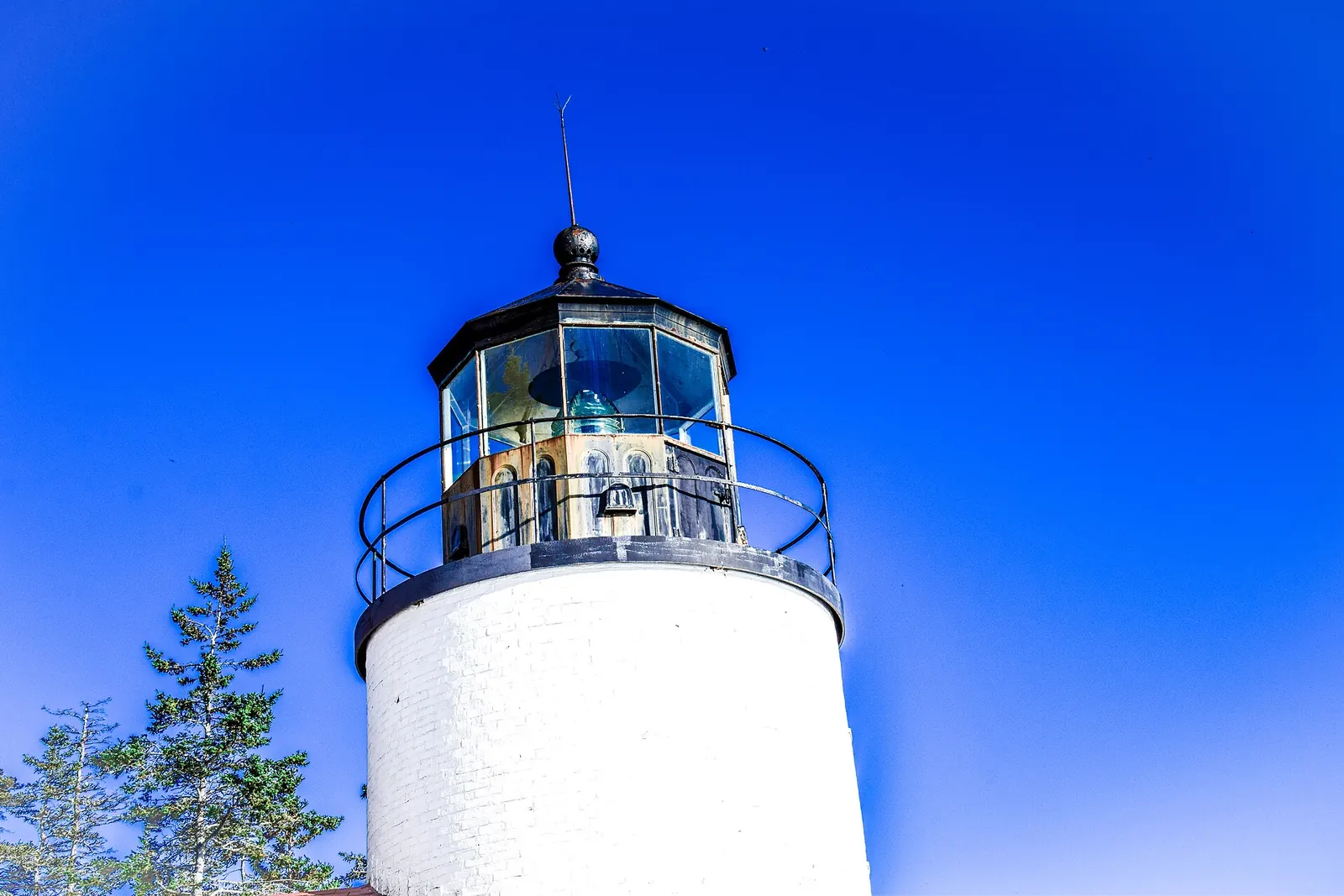
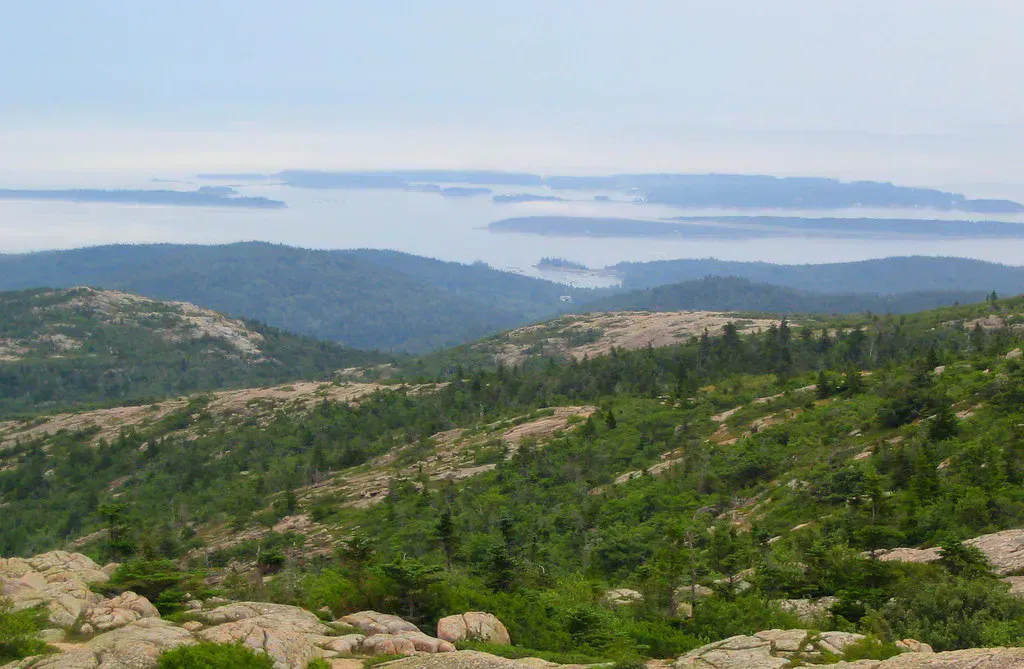
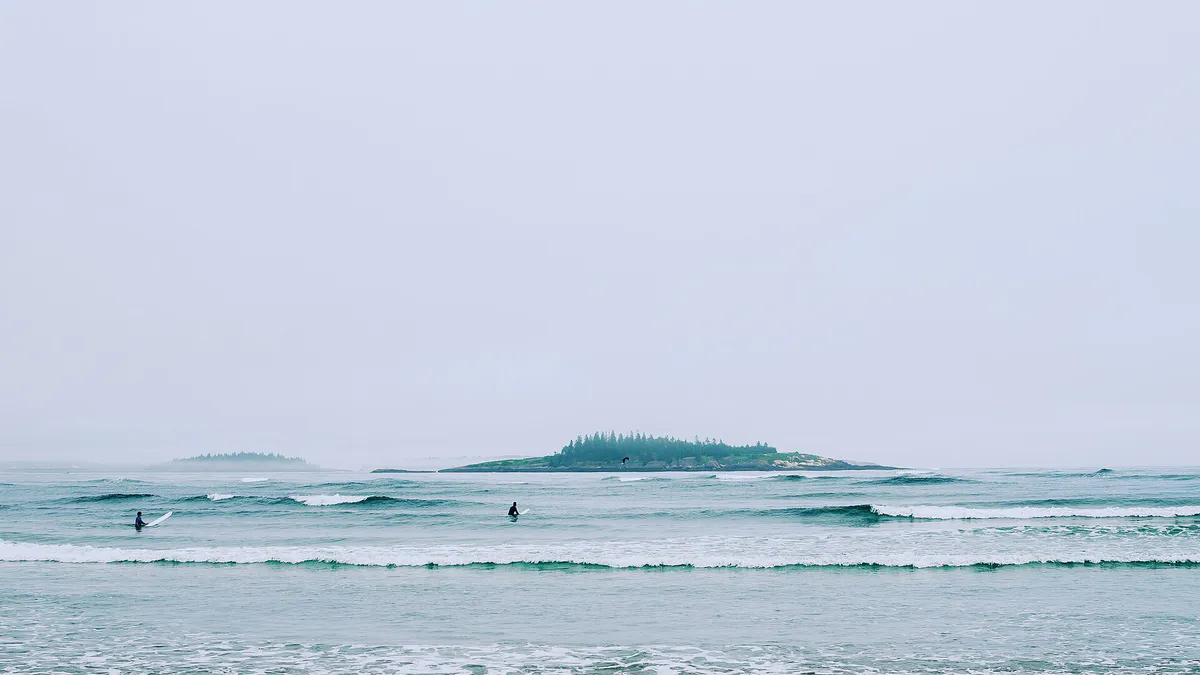
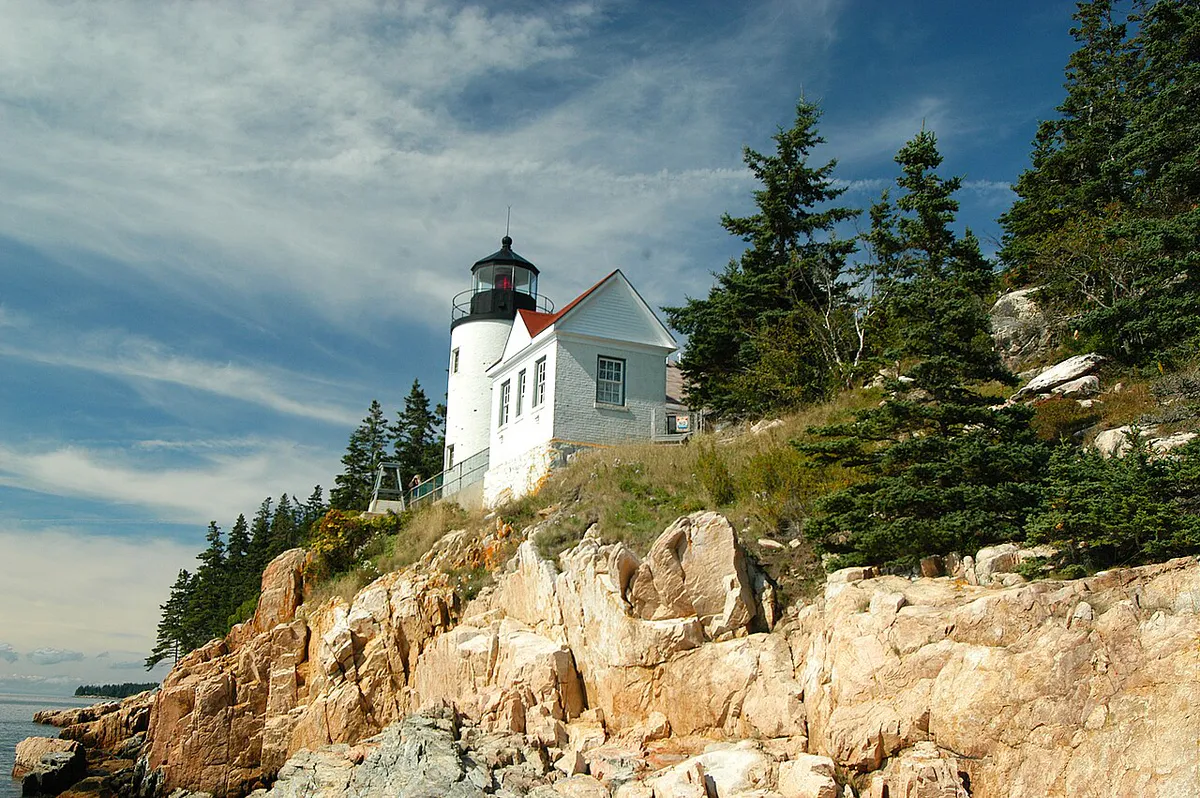
The headland offers views south to the Cranberry Isles and east along the coastline toward Bass Harbor Head Lighthouse. On clear days, the ocean is an impossible shade of blue, and the contrast against the pink granite and dark spruce creates the kind of scene that people put on calendars.
When to Go
Spring
Migrating birds make the mudflats lively. Trail can be muddy in spots. Wildflowers appear in May.
Summer
Warm, calm days are ideal. The harbor is alive with bird activity. Late afternoon light is beautiful on the headland.
Fall
Fall migration brings interesting birds. Fewer visitors, cooler temps, spectacular light. September and October are prime.
Winter
Accessible year-round but cold and windy on the headland. Harbor waterfowl are present. Bundle up.
Walk both Ship Harbor and Wonderland in the same morning. They share a parking area and together make less than 3 miles of easy walking. Do Ship Harbor first if the tide is going out (better mudflat birding), then cross the road to Wonderland for tide pool exploring as the water drops to its lowest.
Nature Notes
The forest along Ship Harbor is a good example of how coastal ecology shapes the landscape. The spruce trees near the shore are noticeably shorter and more twisted than those farther inland, sculpted by salt spray and winter wind. This “wind pruning” effect is called krummholz, and it creates a natural hedge along the coastline.
The mudflats of Ship Harbor are rich with clam worms, periwinkles, and hermit crabs. At low tide, you can see the trails and burrows of various invertebrates crisscrossing the exposed mud. The ecological productivity of these tidal flats is what draws so many birds.
What to Bring
Ship Harbor Trail Packing List
- Binoculars (essential for the harbor birding)
- Camera with zoom lens if you have one
- Shoes with good grip for the rocky headland
- Light layers (sheltered harbor is warm, headland can be windy)
- Water and a snack
- Bird identification guide or app
FAQ
How long does Ship Harbor Trail take?
The full figure-eight loop is 1.3 miles and takes 30 to 45 minutes of walking. Add time for birding, photography, and exploring the headland. Most people spend about an hour total.
Is Ship Harbor Trail good for kids?
Yes. The trail is flat, short, and the mudflats are fascinating for children. Low tide exposes crabs, snails, and other marine life in the harbor. The outer headland requires some caution with young children near the rocks.
Can you combine Ship Harbor and Wonderland trails?
Absolutely. The two trailheads are directly across Route 102A from each other. Together they make about 2.7 miles of easy walking and showcase different types of coastline. Plan 2 hours for both with exploring time.
Are dogs allowed on Ship Harbor Trail?
Yes, dogs are allowed on leash. The flat terrain is easy for dogs and the mudflats are interesting for them to sniff around. Keep them leashed and away from nesting birds during spring.