The Last Roadless Village in Maine
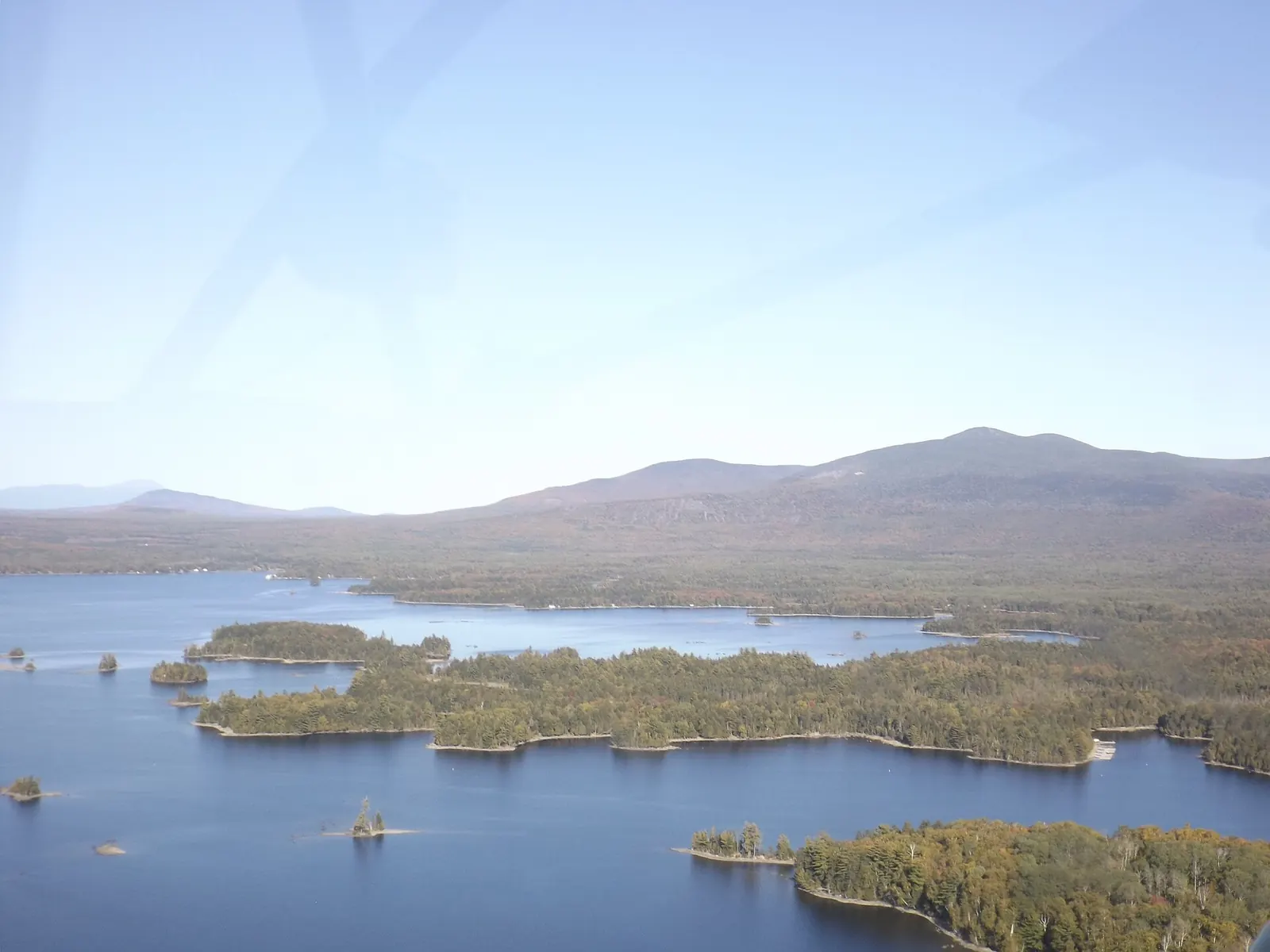
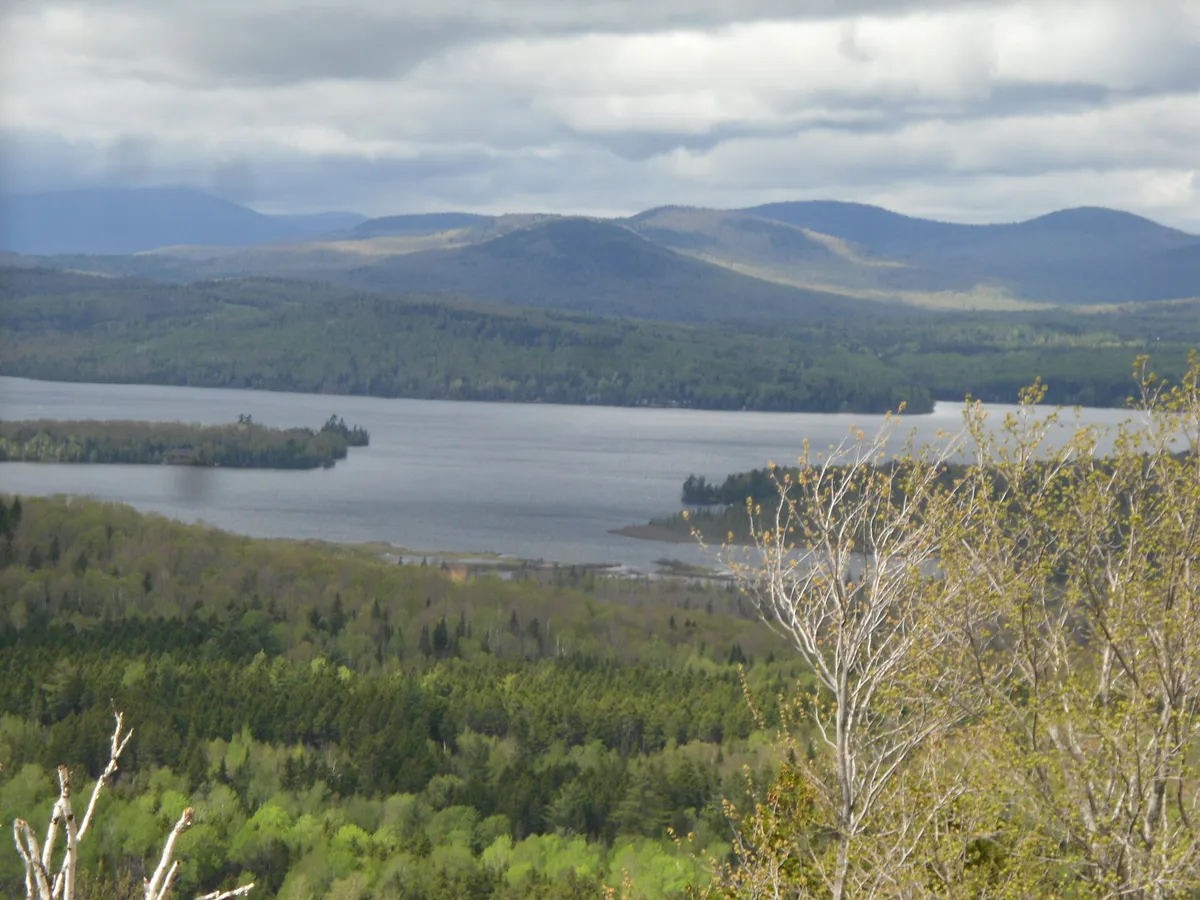
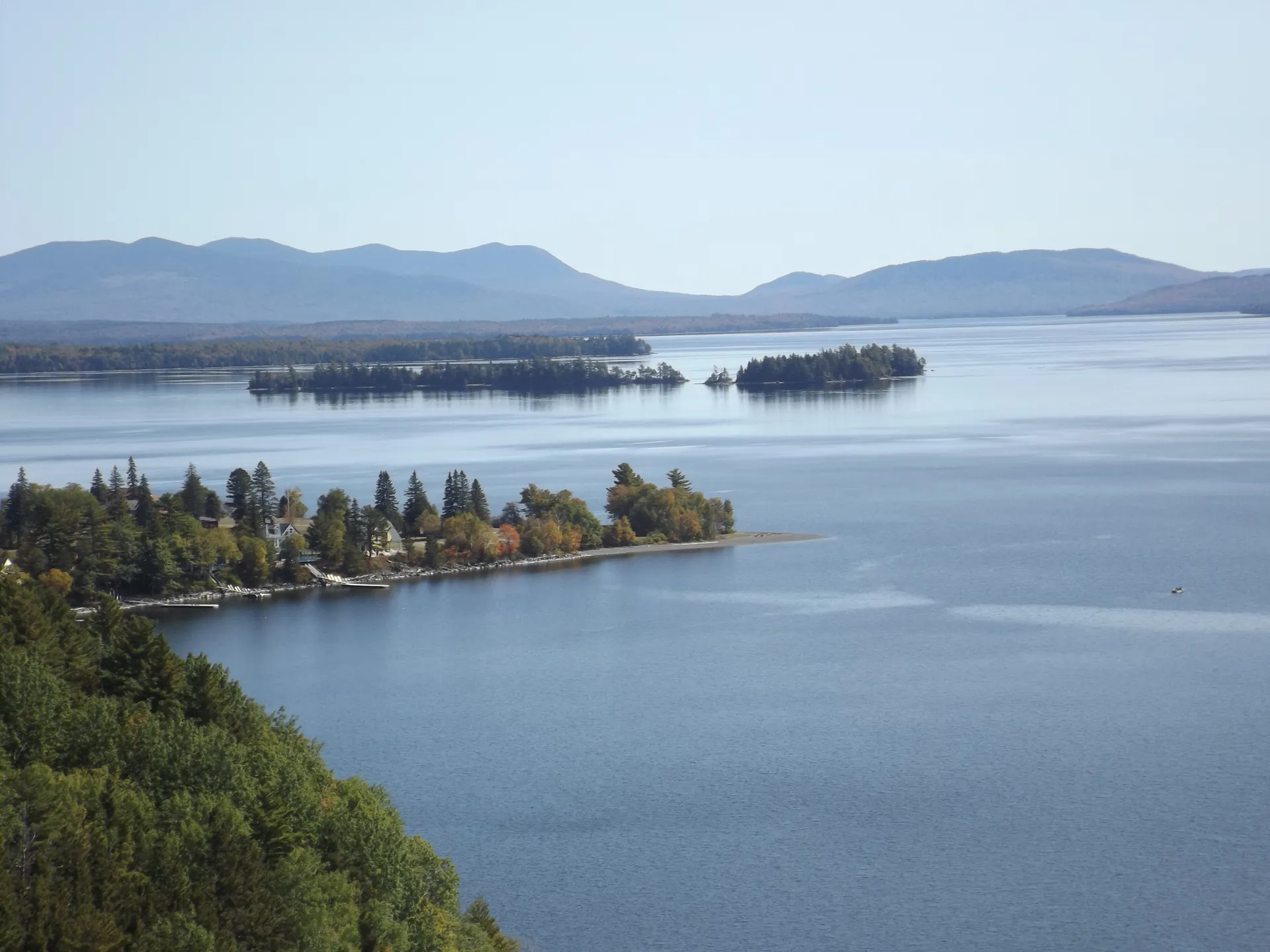
Chesuncook Lake stretches 22 miles through the center of Maine’s North Woods, covering roughly 25,000 acres of dark, cold water surrounded by unbroken forest. It is the third-largest body of fresh water in the state, and from its shores the nearest paved road feels like it belongs to a different world entirely. On the northwestern shore sits Chesuncook Village, a tiny settlement of about ten year-round residents that holds the distinction of being the last village in Maine accessible only by boat, floatplane, or a four-mile overland hike. The lake sits deep in the Moosehead region, Maine’s largest stretch of undeveloped forest and water.
Henry David Thoreau visited Chesuncook in 1853 during his Maine Woods travels, and the landscape has not changed as much as you might expect. The forest is still vast, the lake is still wild, and the village is still a place where the sound of a floatplane engine on the water is more common than a car horn.
Chesuncook Lake is remote. There is no cell service, no roadside assistance, and no quick way out if something goes wrong. The lake is large enough to produce dangerous waves in wind, and afternoon storms can build fast. Do not attempt to paddle or boat here without proper gear, experience, and a plan filed with someone who knows your itinerary.
The Lake
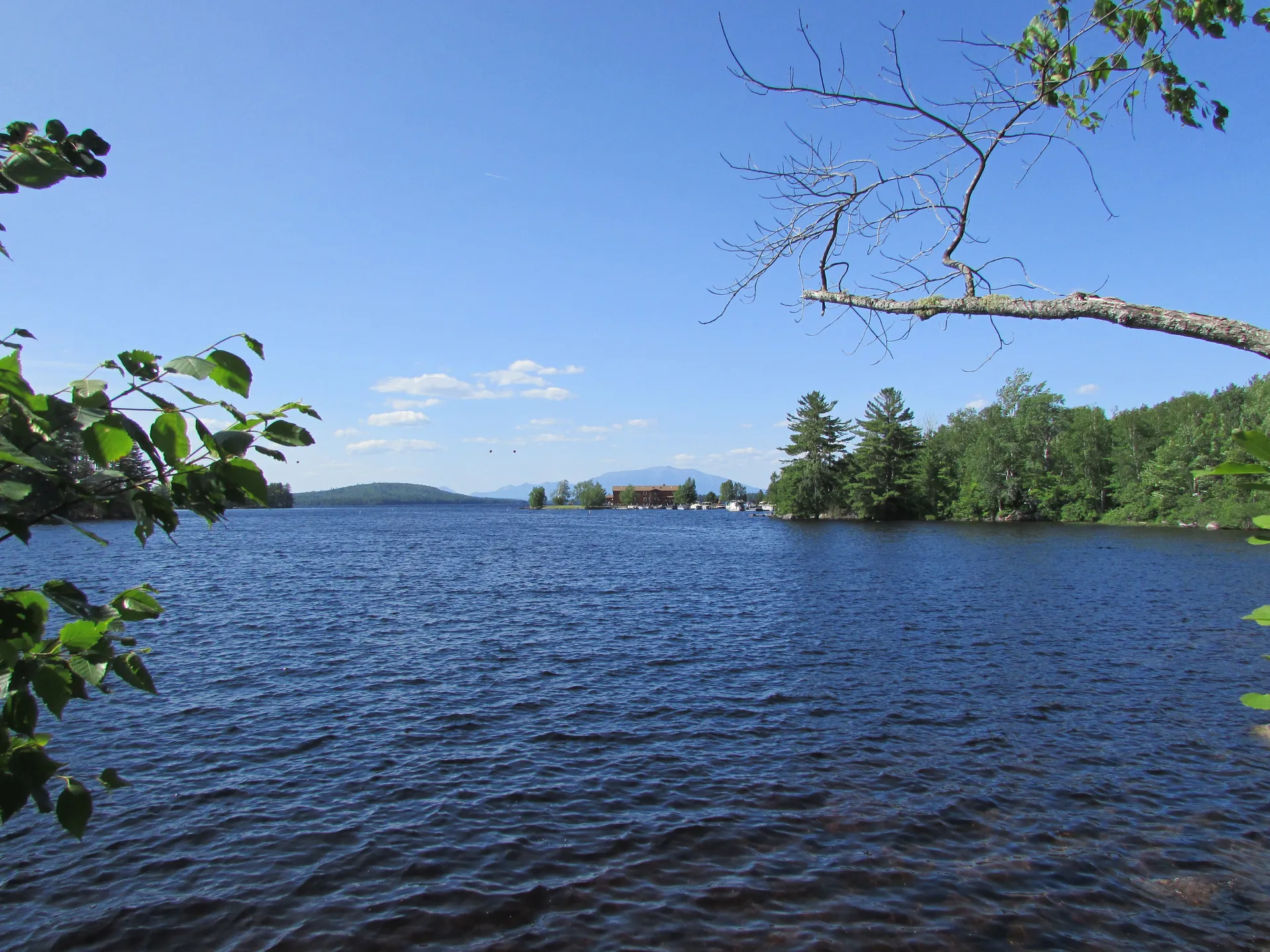
Chesuncook is approximately 22 miles long and one to four miles wide, with a maximum depth of 150 feet. The water is clear and cold, ringed by dense spruce-fir forest with very few camps or structures visible from the water. The shoreline is irregular, with numerous coves, points, and islands that reward exploration by canoe or kayak.
The lake was raised by a dam at its outlet, Ripogenus Dam, which was originally built to support the log drives that once sent millions of board feet of timber down the West Branch of the Penobscot River. That logging history is embedded in the landscape. Old boom piers, submerged log pilings, and the occasional artifact from the driving era still turn up along the shores.
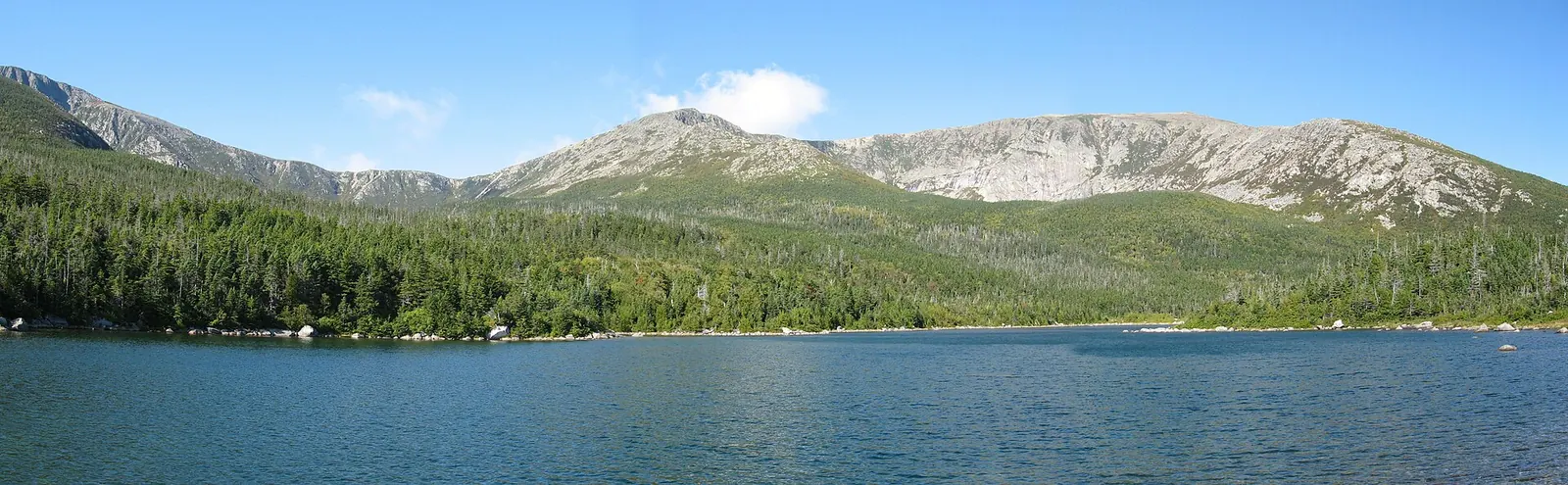
The western shoreline between Chesuncook Village and Gero Island is the most scenic paddling on the lake. The water is often calmer on the west side in the morning, and the views of Mount Katahdin across the lake to the northeast are outstanding on clear days. Gero Island, a state-owned 3,845-acre preserve, has primitive campsites and is worth a day trip by canoe.
Chesuncook Village
The village is a handful of buildings on a grassy clearing above the lake. About ten people live here year-round. In summer, the population swells to around a hundred as seasonal residents, fishermen, and hunters arrive. The Chesuncook Lake House, a historic inn that has operated in some form since the mid-1800s, offers rooms and meals. It is one of the most remote accommodations in the eastern United States.
Getting to the village requires a boat from the public access points at Ripogenus Dam or the Caucomgomoc Stream area, or a floatplane from Greenville. Some visitors hike in on a four-mile trail from the nearest logging road. None of these options are trivial, which is exactly the point. The people who come here want the remoteness.
Currier’s Flying Service in Greenville runs floatplane flights to Chesuncook Village and other remote lakes in the region. The flight itself is a scenic experience, passing over miles of unbroken forest and lake country. Book ahead in summer.
Fishing
Chesuncook Lake has excellent fishing for landlocked salmon, brook trout, lake trout (togue), and smallmouth bass. The cold, deep water supports healthy populations of cold-water species, and the fishing pressure is a fraction of what more accessible lakes receive.
Spring fishing after ice-out, typically mid-May, is the prime window for salmon and brook trout. Fish move to the surface and into tributary mouths when the water is still cold. Summer pushes salmon and trout deep, and trolling with lead-core or downriggers is the method. Togue fishing is productive through the summer in the deep basins. Ice fishing runs from late December through March.
A Maine fishing license is required. There are no bait shops at the lake. Bring everything you need, including a water filter and fishing gear.
Access
The most common access point is via logging roads from the Greenville area. These are private roads managed by North Maine Woods, Inc., which charges a day-use fee (currently around $15 per vehicle for non-residents). The roads are rough gravel, suited to high-clearance vehicles, and conditions vary with weather. Check with North Maine Woods or outfitters in Greenville for current road conditions.
Boat launches exist at several points around the lake. The Chesuncook Village area has a landing, and there are additional access points near Ripogenus Dam.
Floatplane access from Greenville takes about 30 minutes and offers the most dramatic approach. Several flying services operate from Moosehead Lake.
When to Visit
Spring
Ice-out in mid-May. Prime fishing. Logging roads can be muddy and gated until late May. Black flies are intense.
Summer
Best paddling and camping conditions. Long days, warm enough for swimming. Bug pressure decreases by late July.
Fall
Spectacular foliage. Excellent fishing. Fewer visitors. Cool nights require warm gear.
Winter
Ice fishing for togue and salmon. Snowmobile access only. Extreme cold and short days.
July and August offer the most comfortable conditions for camping and paddling. September brings foliage and cooler weather with virtually no crowds. Winter is for serious ice fishermen and snowmobilers only.
Packing List
Chesuncook Lake Trip
- Full camping gear (no services at most sites)
- Water filter or purification
- Canoe or kayak with PFDs
- Maine fishing license and tackle
- Bug spray and head net (May through July)
- Paper map of the area
- First aid kit
- Satellite communicator or PLB (no cell service)
Getting There
Chesuncook Lake sits deep in Maine’s North Woods, and there is no direct road to the lake itself and no paved route to Chesuncook Village. Getting here takes planning.
Most visitors stage from Greenville on Moosehead Lake. From Greenville, the main overland option is the Golden Road, a private logging road system that runs northeast toward Ripogenus Dam on the West Branch of the Penobscot. This gravel route through North Maine Woods territory requires a day-use fee (recently around $15 per vehicle for non-residents), and high-clearance vehicles are recommended. Road conditions vary with weather, so check with North Maine Woods or a Greenville outfitter before heading out. A public boat launch is located at Ripogenus Dam, and from there you can boat up to Chesuncook Village or other points on the lake.
Millinocket is a second common staging point. From Millinocket, you can reach Ripogenus Dam via the Golden Road as well.
For direct access to Chesuncook Village, the most straightforward option is a floatplane from Greenville. Flying services on Moosehead Lake, such as Currier’s Flying Service and Jack’s Air Service, run charters to Chesuncook and other remote lakes; the flight takes about 30 minutes. A four-mile overland trail from the nearest logging road is the other way in to the village.
There is no cell service in this area. Bring paper maps, a satellite communicator or PLB, and file your itinerary with someone before you go. GPS coordinates for the lake center are 45.9875, -69.3349. From Portland, plan roughly 4.5 hours of driving to Greenville; from Bangor, about 2.5 hours to Greenville, plus additional time on logging roads to the lake.
FAQ
Can you drive to Chesuncook Lake?
You can drive on logging roads to access points near the lake, but not to Chesuncook Village. The village is accessible only by boat, floatplane, or a four-mile hike. Logging roads require a day-use fee through North Maine Woods, Inc.
How big is Chesuncook Lake?
Chesuncook Lake covers approximately 25,000 acres, stretching 22 miles long and one to four miles wide. It is the third-largest body of fresh water in Maine with a maximum depth of 150 feet.
Is there lodging at Chesuncook Lake?
The Chesuncook Lake House in Chesuncook Village offers rooms and meals in a historic inn setting. It is one of the most remote accommodations in the eastern United States. Book well ahead for summer.
Is there cell service at Chesuncook Lake?
No. There is no cell service anywhere around the lake. A satellite communicator or personal locator beacon is strongly recommended for safety.
What fish are in Chesuncook Lake?
Chesuncook supports landlocked salmon, brook trout, lake trout (togue), and smallmouth bass. Spring and fall are the best fishing seasons for cold-water species. Summer fishing requires trolling deep for togue and salmon.