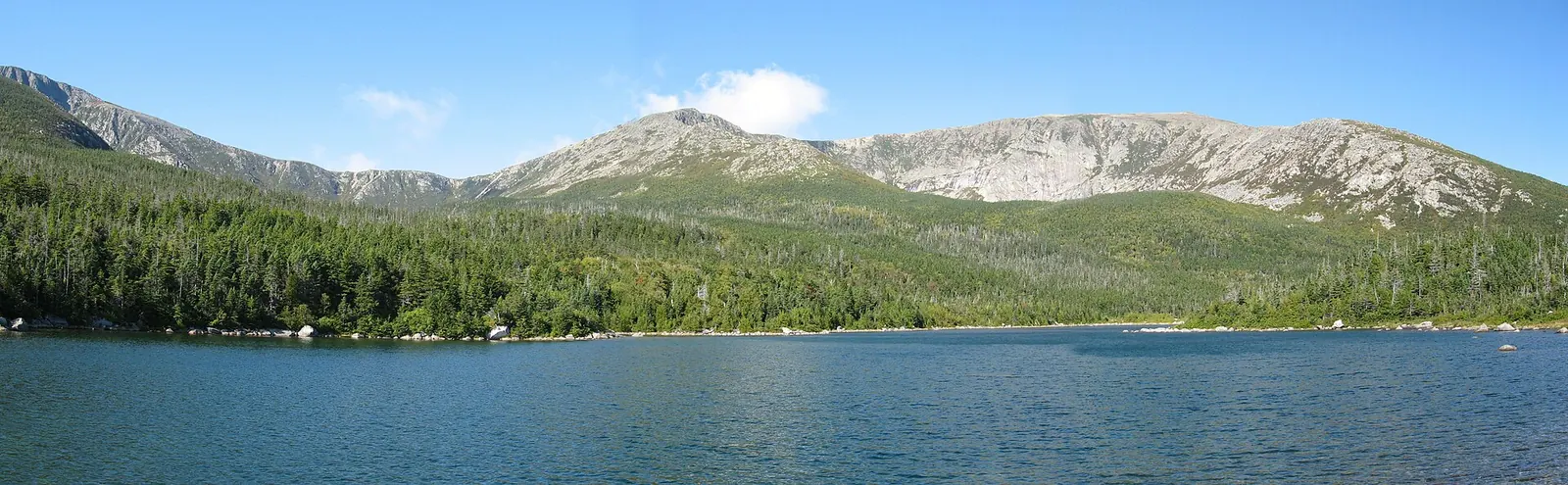
Crystal Water in the Far North
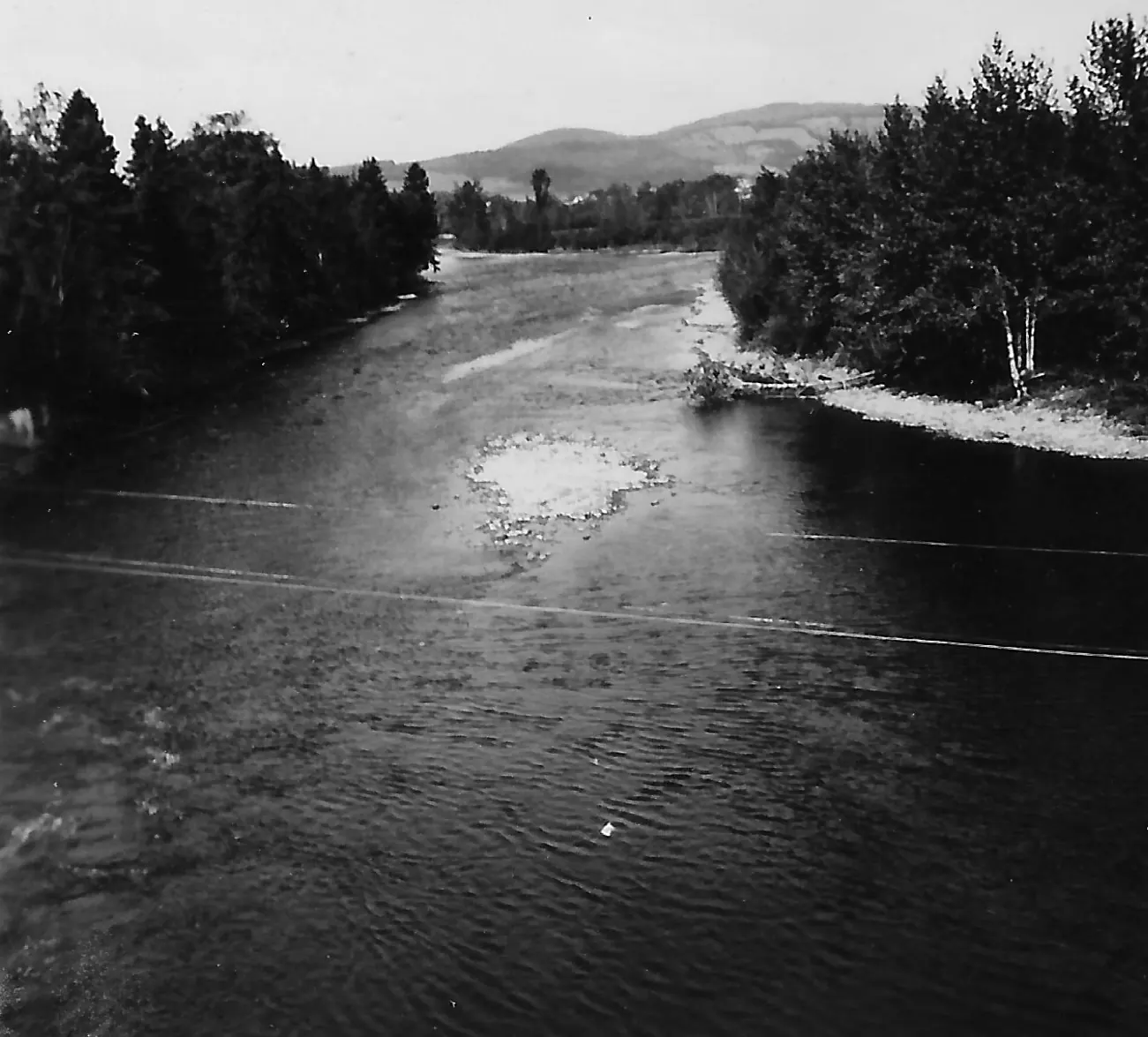
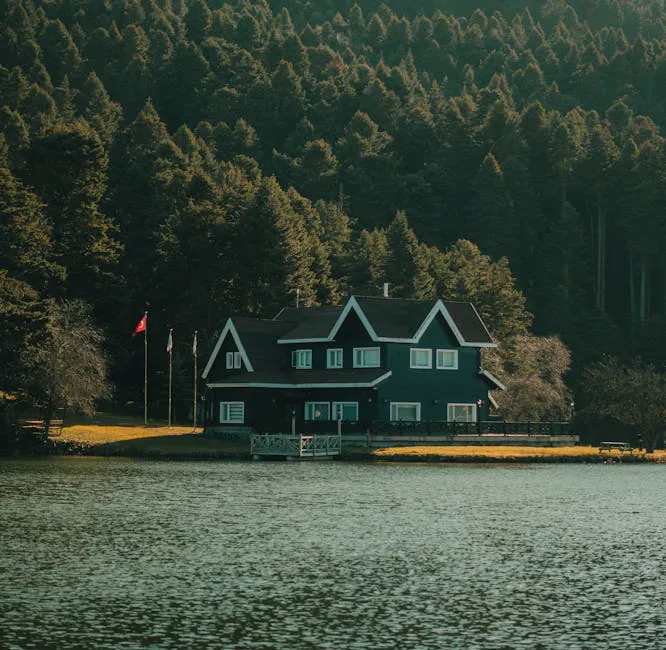
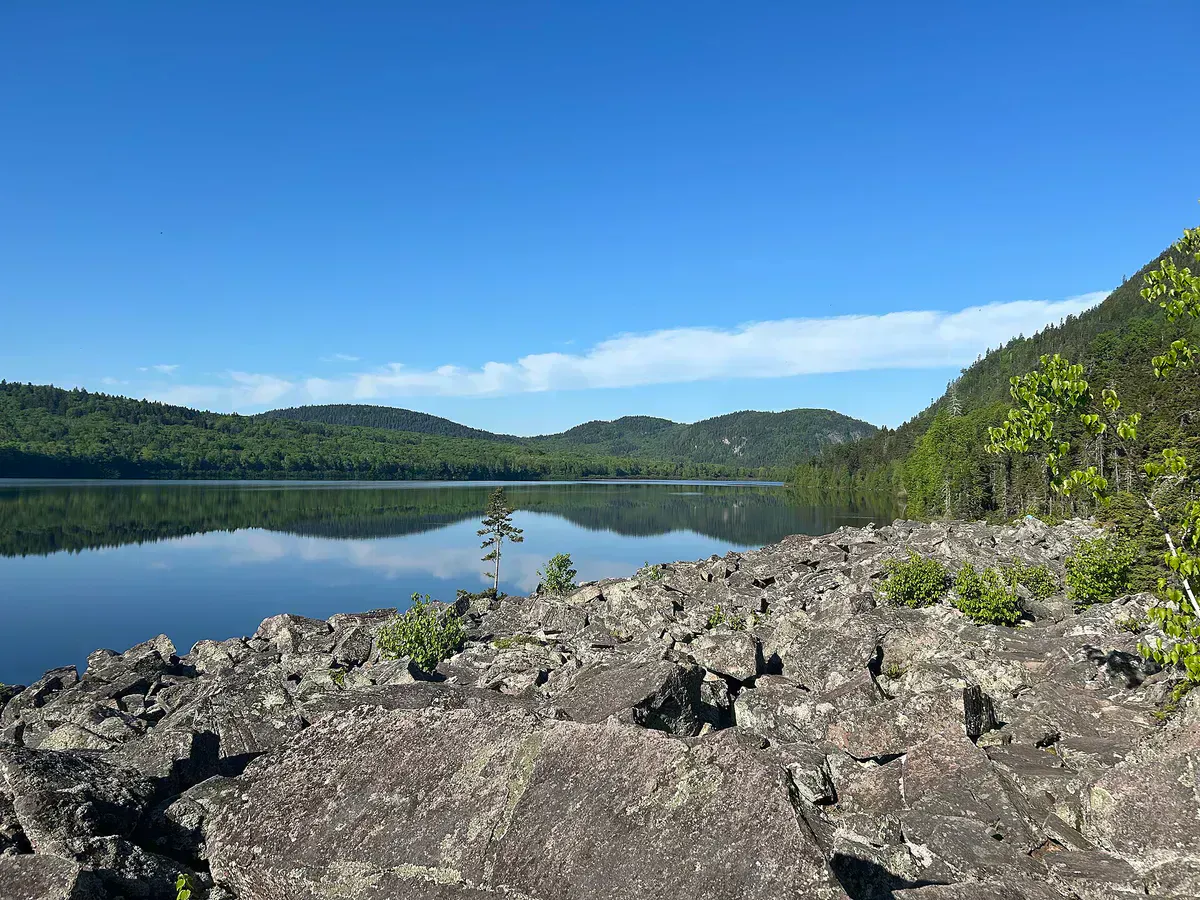
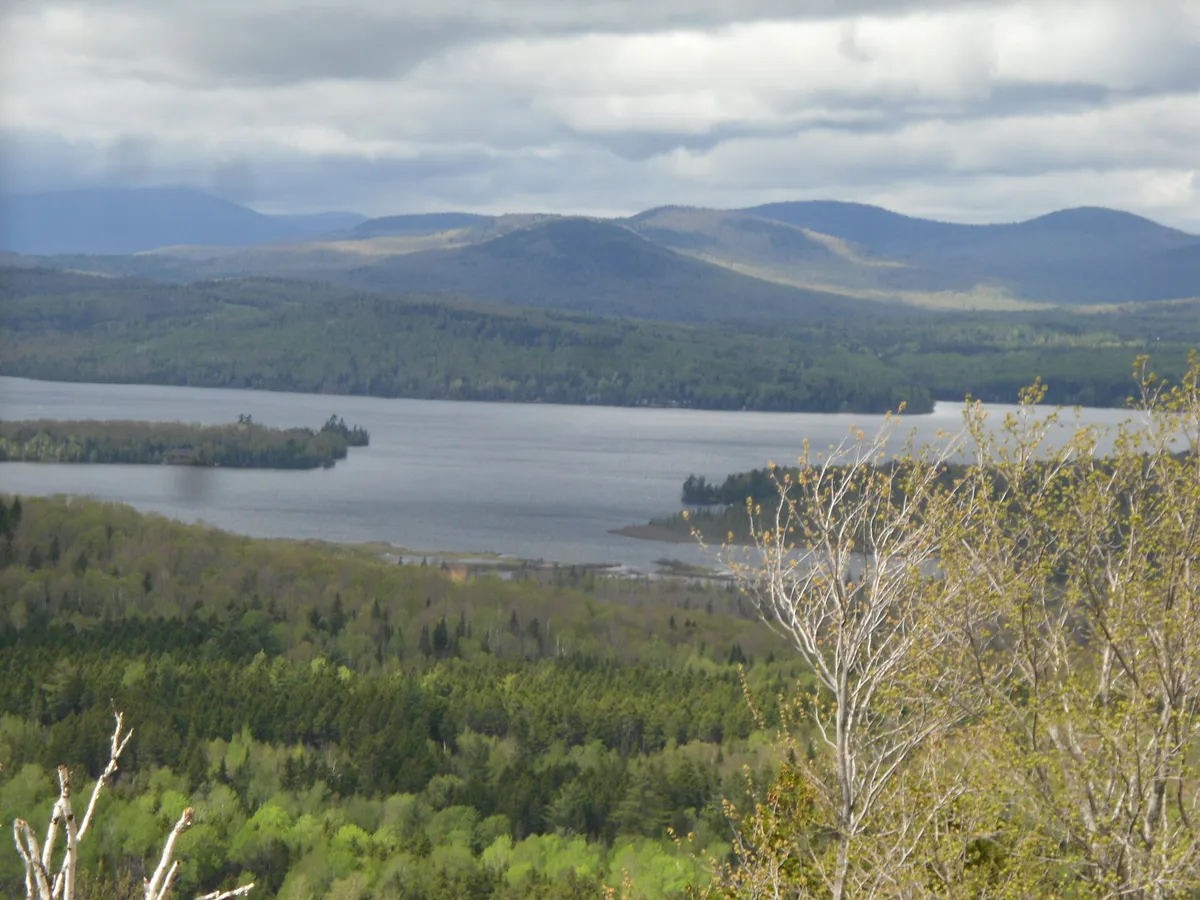
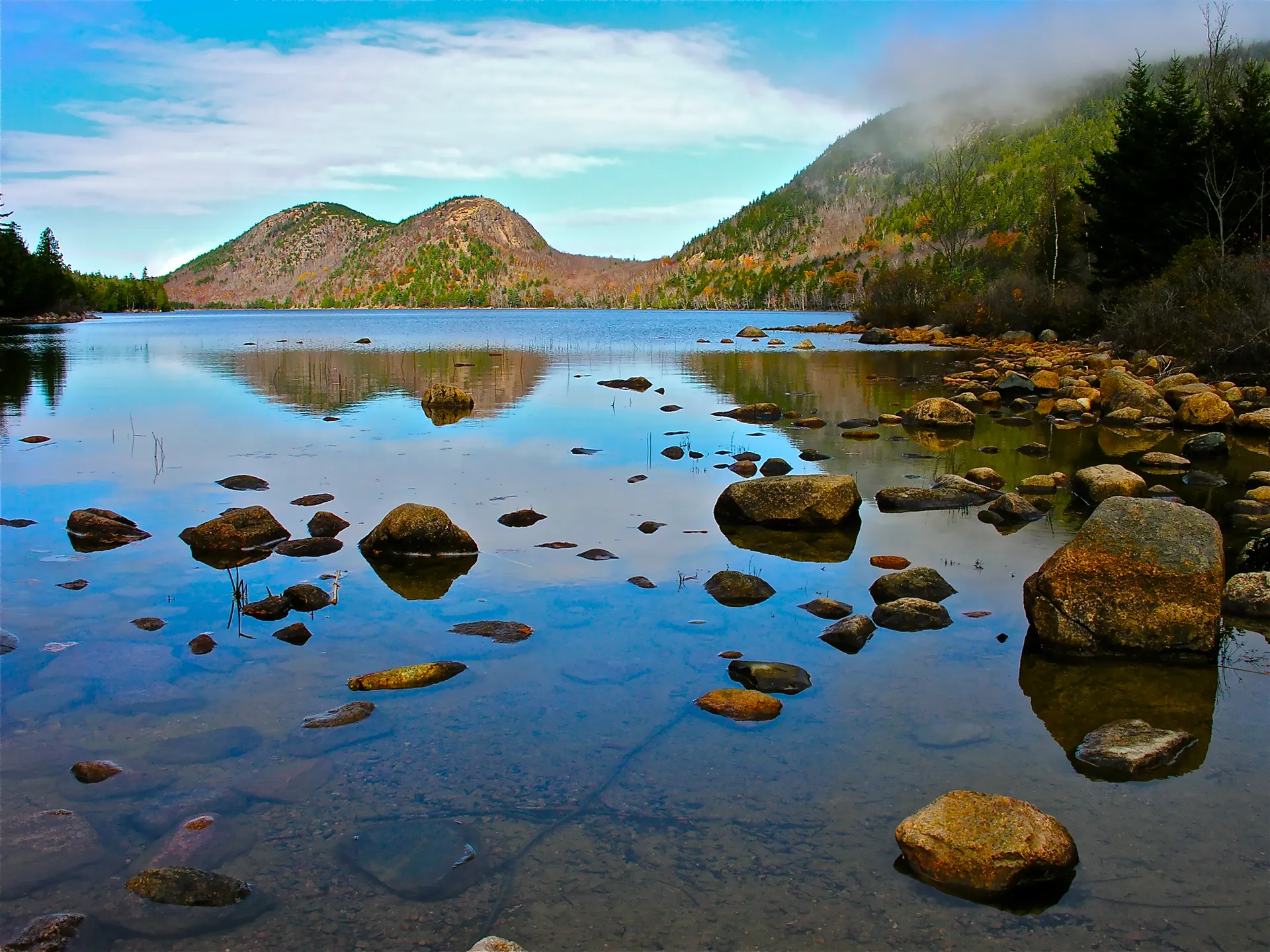
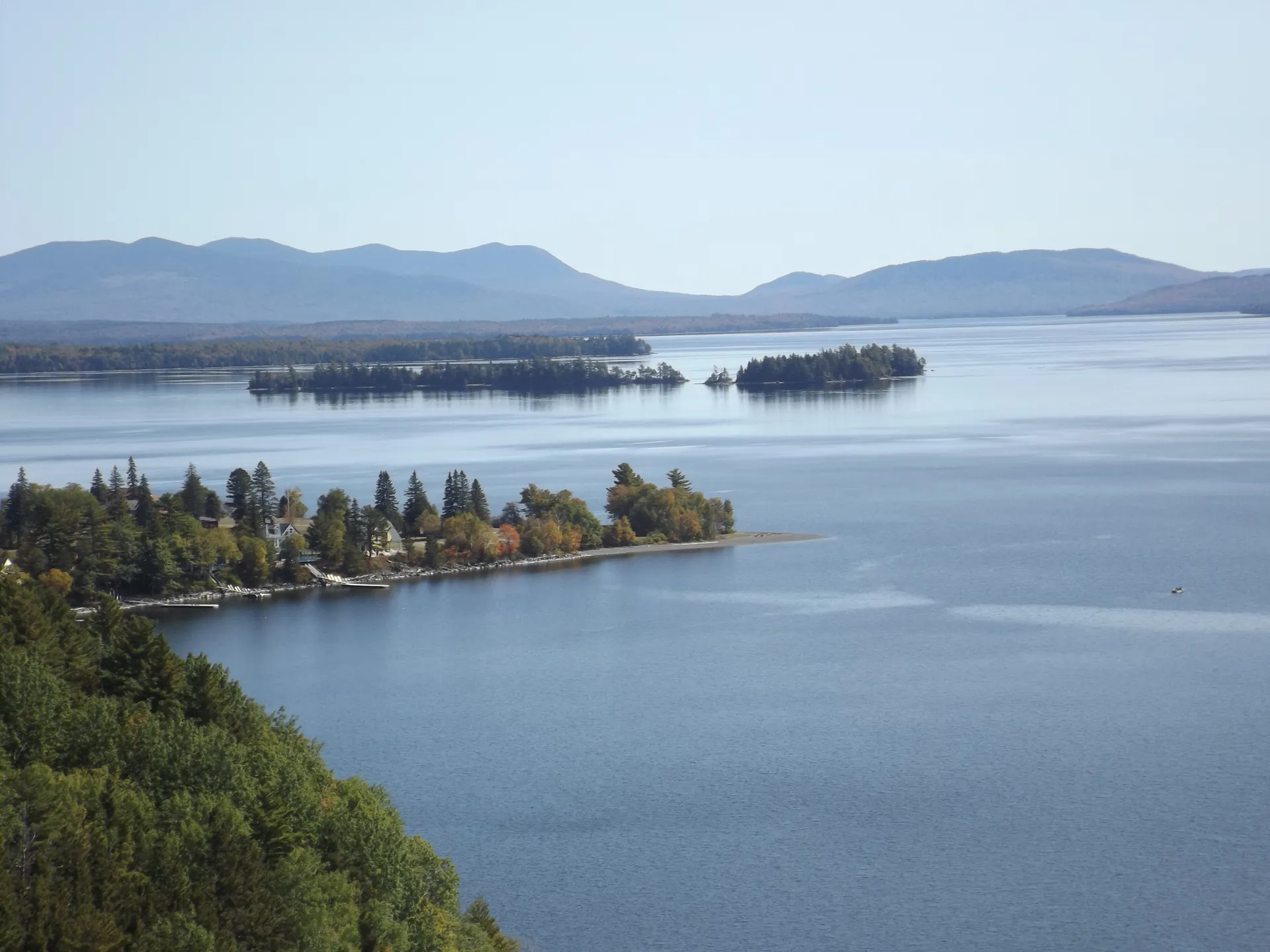
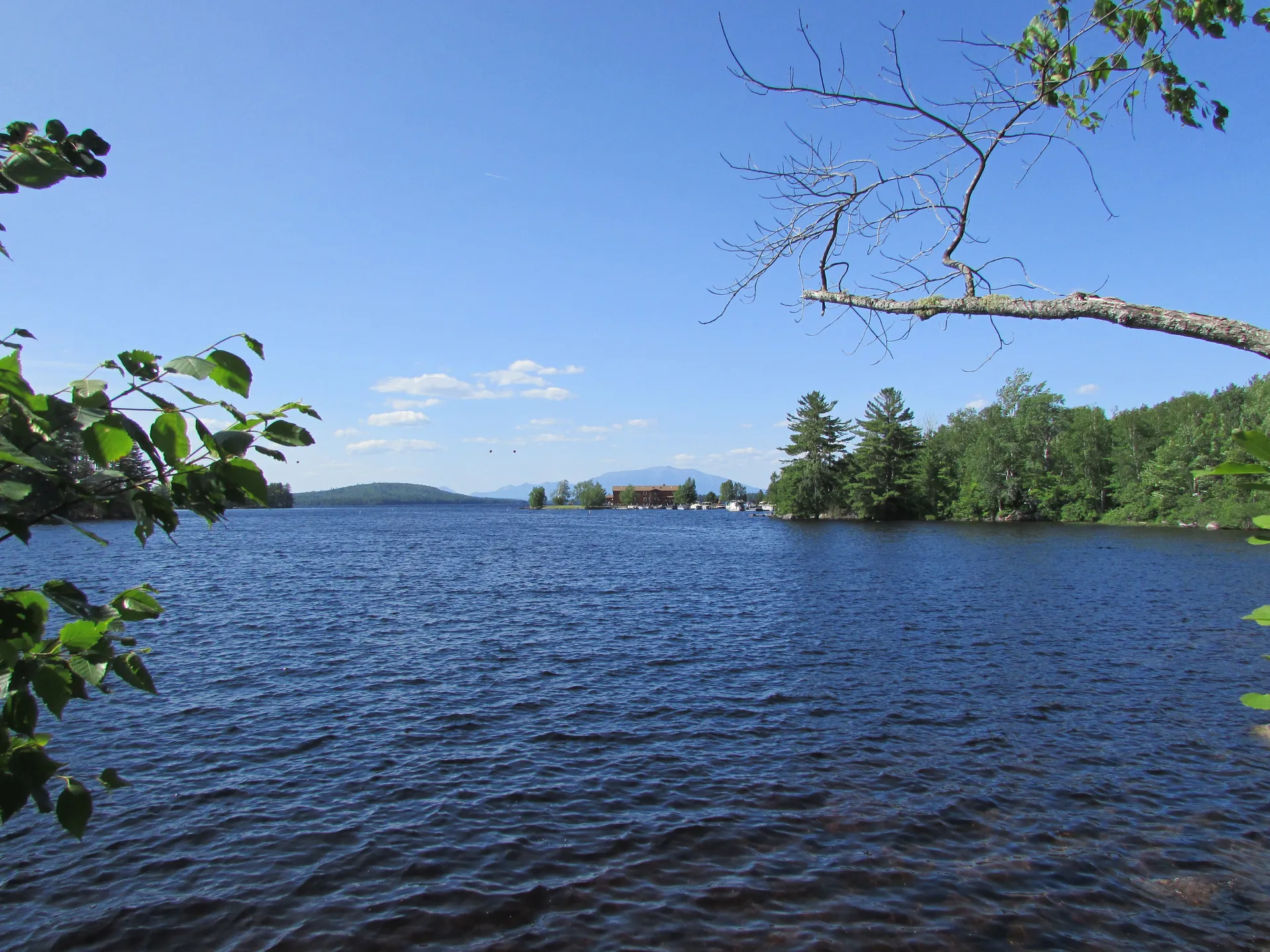
St. Froid Lake lies in Winterville Plantation, Aroostook County, about as far north as you can drive in Maine without crossing into Canada. The lake covers roughly 1,660 acres and is known for water clarity that borders on startling. You can see bottom in ten feet of water on a calm day, the rocks and sand as sharply defined as if viewed through glass. That clarity is the product of a clean, undeveloped watershed, cold northern temperatures, and the granitic geology that underlies this corner of Maine.
The lake sits at an elevation of 596 feet on the eastern edge of the Fish River chain, adjacent to Eagle Lake to the north and connected to Long Lake to the south. Together with Eagle Lake, Long Lake, Square Lake, and Cross Lake, St. Froid is part of the Fish River chain of lakes, a series of connected waters that drains north through the Fish River into the St. John River and eventually to the Atlantic in New Brunswick. This is one of Maine’s most significant lake systems, and St. Froid is among its most scenic.
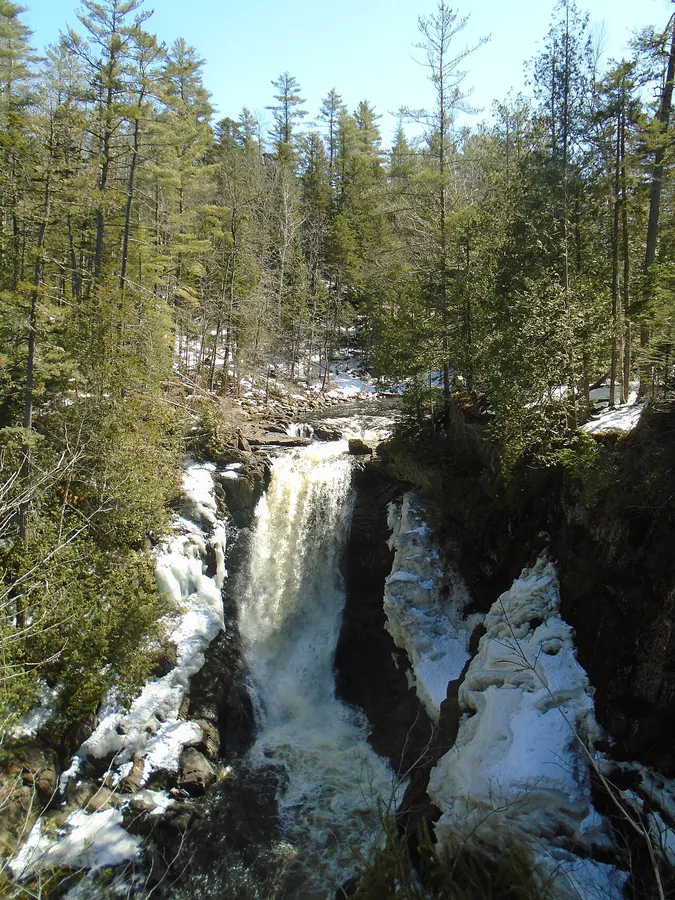
The surrounding landscape is a mix of farmland, forest, and the open sky that defines Aroostook County. The horizon line is low here. Fields roll out toward the tree line, and the lake sits in the middle of it all, reflecting whatever weather the north country sends.
Fishing St. Froid Lake
St. Froid Lake holds brook trout and lake trout (togue), both of which thrive in the cold, well-oxygenated water. The brook trout are wild fish, native to these waters, and the clear water means they can be both a delight and a challenge to catch. They can see your line, your fly, and you.
Togue fishing is best in the spring after ice-out, when the lake trout are in shallow water and accessible by trolling streamers and spoons. As summer progresses and the surface warms, togue drop into the deeper, cooler layers and require lead-core line or downriggers to reach. Fall fishing is productive again as the thermocline breaks down and togue move shallow.
Brook trout are found near tributary inlets, along the cooler margins of the lake, and in the connecting waters between St. Froid and the adjacent lakes. Fly fishing with small streamers, wet flies, and nymphs produces the most consistent results for brookies.
Fish the mouths of inlet streams in spring and fall. Brook trout and togue both stage near tributary inflows where cold, oxygenated water enters the lake. A small streamer or nymph drifted through the current seam where stream meets lake is often the most productive presentation.
The lake also holds landlocked salmon, white perch, and smelt. A Maine fishing license is required for anyone 16 and older.
The Fish River Chain
St. Froid Lake’s position in the Fish River chain makes it part of a remarkable interconnected lake system. Paddlers and boaters can travel from St. Froid north into Eagle Lake, or south through the thoroughfare into Long Lake, and from there into the broader chain. The throughfare connections are navigable by canoe and small motorboat at normal water levels.
This connectivity gives St. Froid access to a vast area of water and shoreline. A multi-day paddling trip through the chain is a world-class experience, combining big-water lake paddling with narrow thoroughfare passages through marshes and forests. The entire chain lies in the least populated corner of the state, and days can pass without seeing another paddler.
The general store in Eagle Lake village, a few miles north, is your last reliable supply stop before heading to St. Froid. Stock up on ice, bait, snacks, and fuel. The store also has local knowledge about current fishing conditions and lake levels.
Swimming and Recreation
The clarity of St. Froid Lake makes swimming here a unique experience. The water is cool, even in midsummer, surface temperatures rarely exceed the mid-60s, but on a warm July afternoon, the sensation of swimming in water so clear you can see your shadow on the bottom is worth the initial chill.
Access for swimming is available at the public boat launch area and along sections of shoreline accessible from the road. There is no formal public beach, but the gravel and sand shores at several points around the lake are suitable for wading and swimming.
The water in St. Froid Lake is cold. Even in midsummer, temperatures rarely exceed the mid-60s. Hypothermia is a risk for extended immersion, especially in spring and fall. Wear a life jacket when boating, and limit swimming to the warmest afternoons.
Planning Your Visit
Spring
Ice-out late April to early May. Togue fishing peaks. Roads clear of snow by mid-May. Blackflies arrive late May.
Summer
Warmest weather and water. Best conditions for swimming, paddling, and camping. Long days. Bug pressure decreases by late July.
Fall
Foliage peaks late September. Fishing picks up as water cools. Cool nights, pleasant days. Far fewer visitors.
Winter
Excellent ice fishing for togue and brook trout. Strong snowmobile trail network connects the Fish River chain. Cold, temperatures below zero are common.
St. Froid Lake Trip Packing List
- Fishing gear: trolling rod, fly rod, streamers, spoons
- Maine fishing license (required for age 16+)
- Canoe, kayak, or boat with motor
- Warm layers even in summer (cold water, cool evenings)
- Sunscreen and hat
- Bug spray (essential late May through July)
- Camera for the crystal-clear water and northern landscapes
- Cooler with ice
- Road atlas or GPS (cell service is limited)
- Extra fuel (gas stations are sparse in the area)
Getting There
From Bangor, take I-95 north to Houlton, then Route 1 north to Presque Isle, and Route 11 north through Ashland and Portage to Eagle Lake and Winterville Plantation. The drive is about 3 hours and 40 minutes. From Portland, allow roughly 6 hours and 20 minutes via I-95 and Route 11. The lake is also accessible from Fort Kent, about 30 miles north via Route 11.
Cell service is spotty in the Winterville and Eagle Lake area. Verizon has some coverage; other carriers are unreliable. Download maps and make plans before leaving Presque Isle or Fort Kent.
FAQ
How clear is St. Froid Lake?
Exceptionally clear. Visibility extends to ten feet or more on calm days. The lake's clean watershed, cold temperatures, and granitic geology produce some of the clearest water in Maine.
What fish are in St. Froid Lake?
Brook trout, lake trout (togue), landlocked salmon, white perch, and smelt. The brook trout are wild native fish, and the togue fishery is strong year-round.
Is St. Froid Lake connected to other lakes?
Yes. It is part of the Fish River chain, connected to Eagle Lake to the north and Long Lake to the south. Paddlers and boaters can travel between these lakes through navigable thoroughfares.
Is there ice fishing on St. Froid Lake?
Yes. Ice fishing is popular and productive, targeting togue and brook trout. The lake typically freezes in November and stays frozen through April. The area has a strong snowmobile network for winter access.
Where is the nearest town to St. Froid Lake?
Eagle Lake village is a few miles north and has a general store, gas, and basic services. Presque Isle, about 60 miles south, is the nearest full-service town with grocery stores, restaurants, and lodging.