Deep Water in the Downeast Wilderness
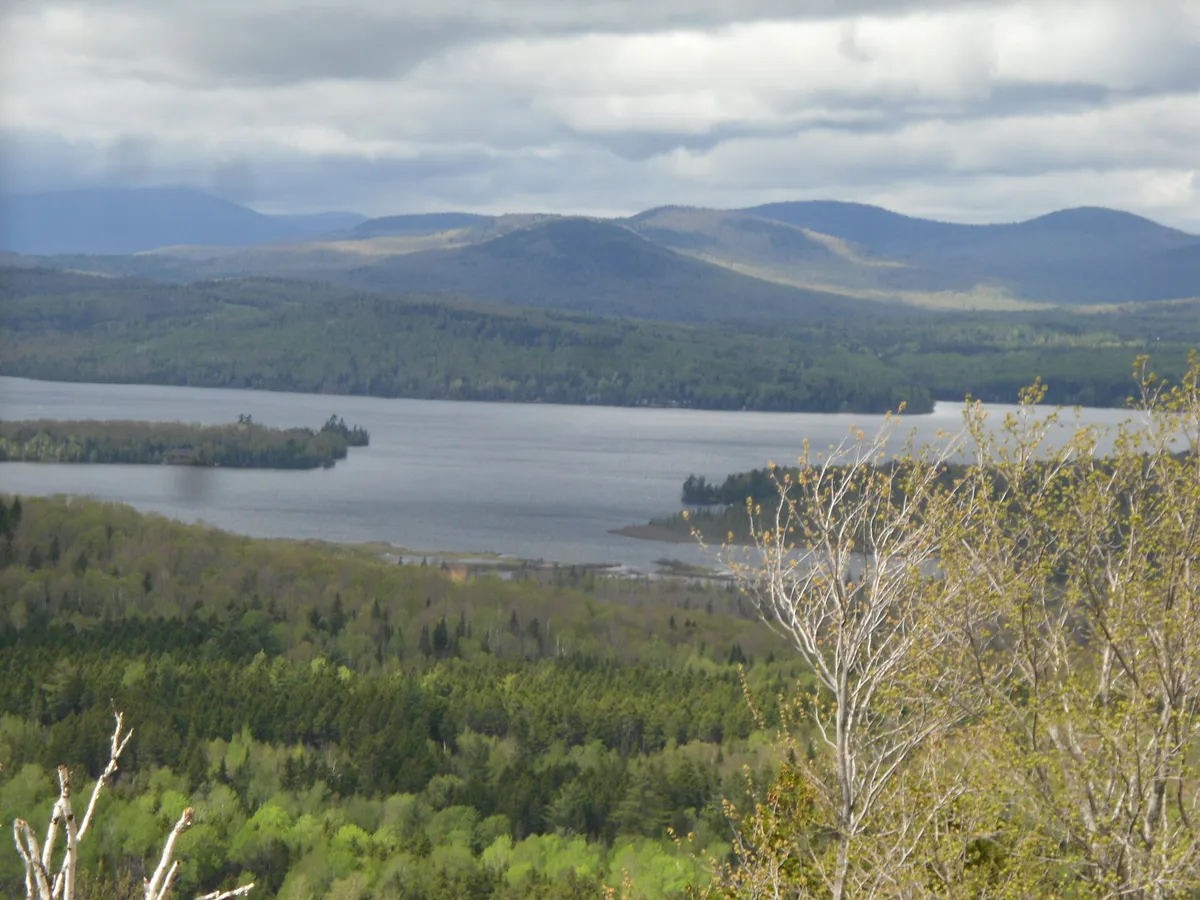
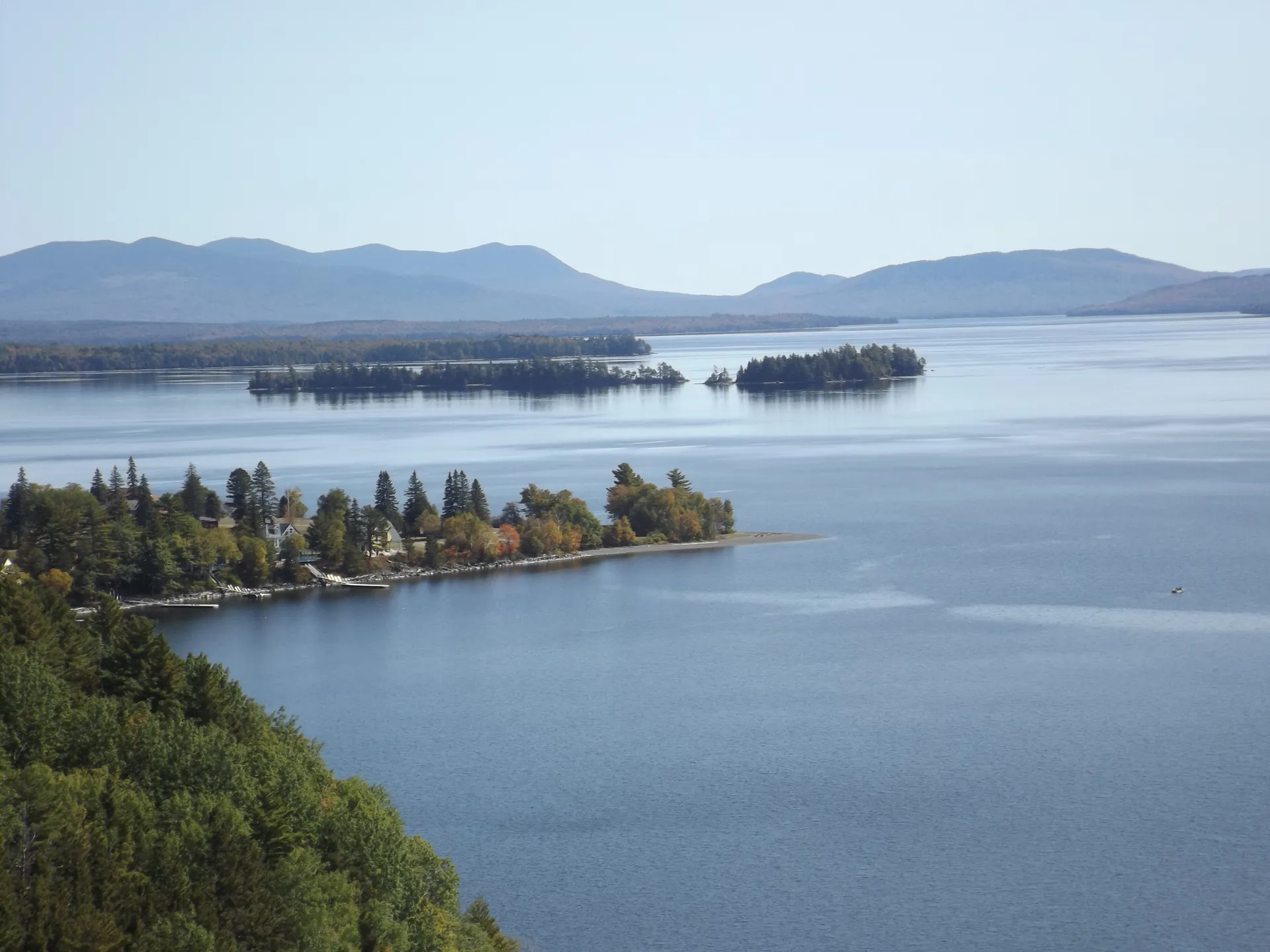
Tunk Lake lies about 12 miles east of Ellsworth in the quiet heart of Downeast Maine, a 2,072-acre body of water with the kind of depth and clarity that most Maine lakes lost to development decades ago. The lake reaches 222 feet at its deepest point, making it one of the deeper lakes in the state, and the water is cold and clean enough to support a healthy population of lake trout (togue) and landlocked salmon year-round.
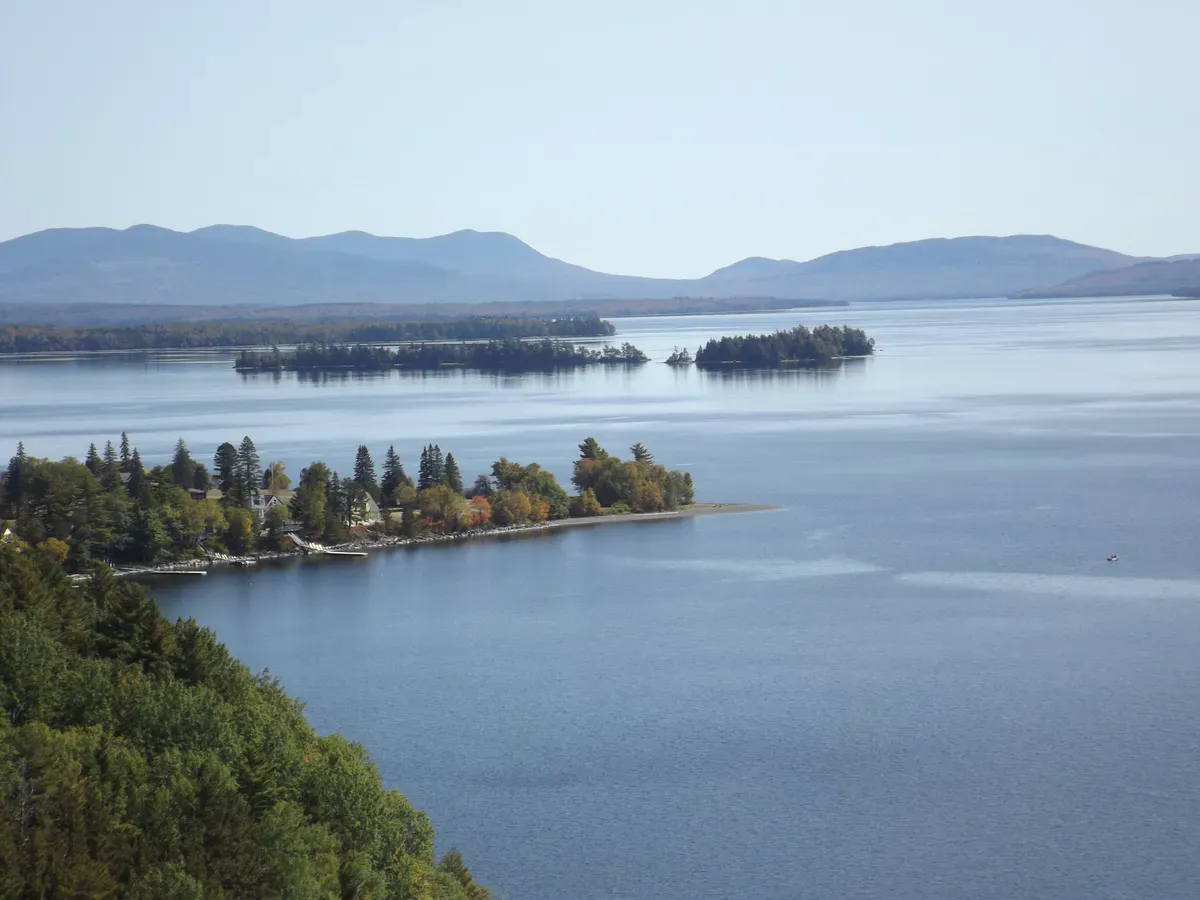
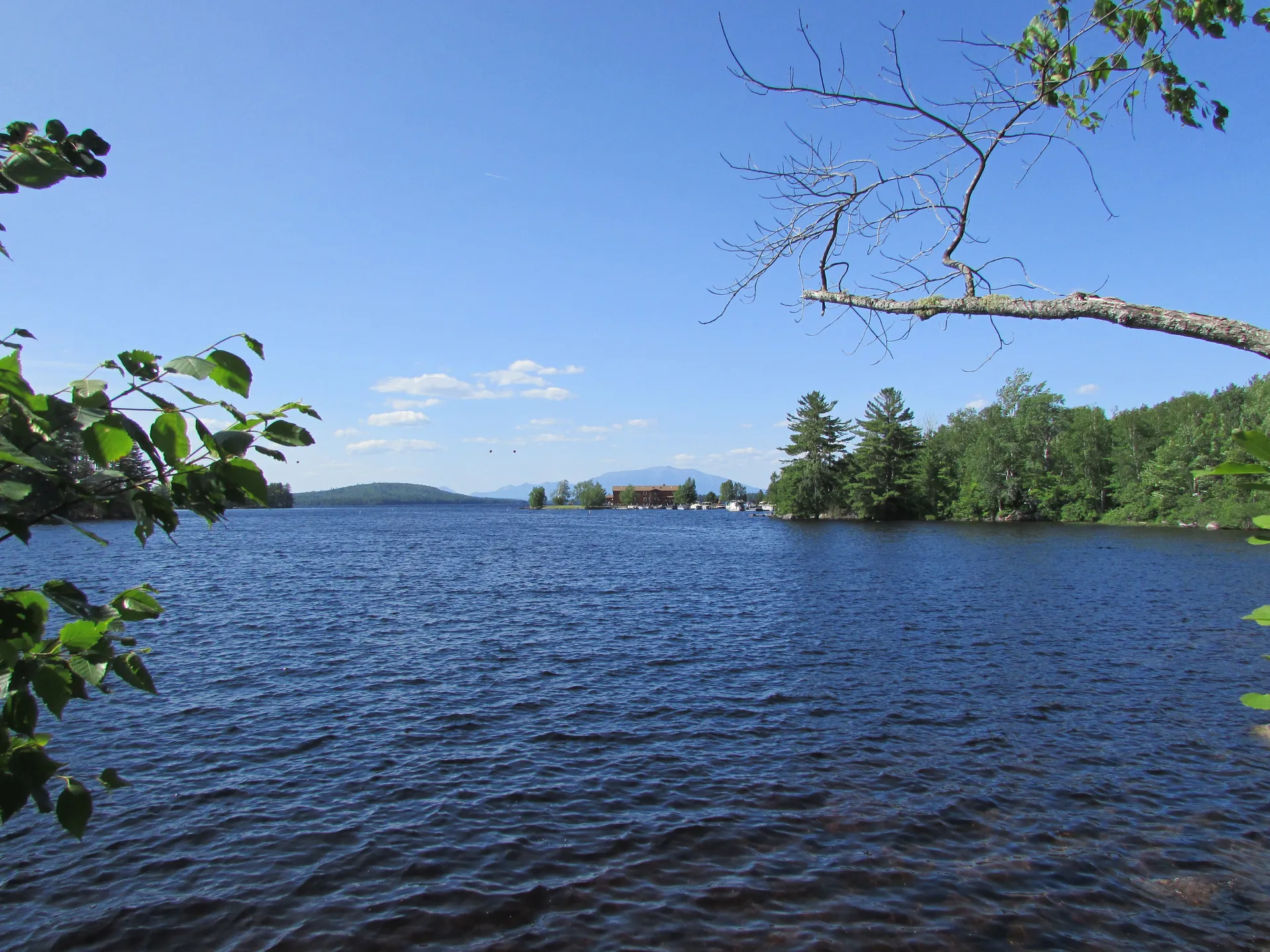
What sets Tunk Lake apart is what is not here. Over 14,000 acres of the surrounding land are owned by the state and managed by the Bureau of Public Lands as part of the Donnell Pond unit. Another 6,215 acres are designated as an Ecological Reserve. The shoreline is almost entirely undeveloped. There are no marinas, no lakeside restaurants, no jet ski rentals. You will hear loons, see bald eagles, and paddle for hours without encountering another boat on a weekday.
For anglers and paddlers who want a lake that feels like the Maine of a century ago, Tunk Lake delivers.
On the Water
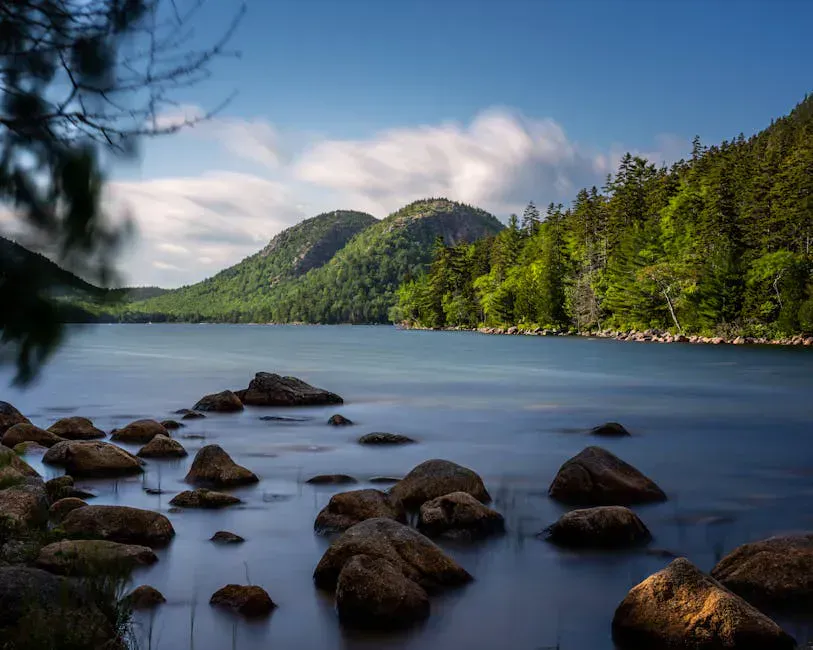
The lake is large enough to handle motorboats, but most visitors come with canoes, kayaks, or small boats with trolling motors. The undeveloped shoreline and clean water make for outstanding paddling. The western shore in particular has several coves and rocky points that are perfect for exploring by kayak.
A public boat launch provides access on the eastern side of the lake. The launch is a gravel ramp suitable for car-top boats and small trailers. On busy summer weekends, the launch area can get crowded with trailers, but parking is available along the access road.
Swimming is possible anywhere along the shore, though the water is cold. Tunk Lake’s depth means the surface warms slowly in summer. By late July and August, the shallows near shore are comfortable enough, but the open water stays cold.
The best paddling is in early morning before the wind picks up. Tunk Lake is oriented roughly north-south, and afternoon winds can create significant chop on the open water. Plan to be on the water by 7am for the calmest conditions and the best chance of seeing wildlife along the shore.
Fishing
Tunk Lake is a coldwater fishing destination. The principal species are lake trout (togue) and landlocked salmon, both of which thrive in the lake’s deep, cold, well-oxygenated water. Brook trout are present in smaller numbers, and warmwater species like smallmouth bass and perch inhabit the shallows.
Lake trout fishing is best from ice-out through mid-June, when the fish are still in the upper water column and can be reached by trolling. As surface temperatures rise through summer, the togue drop deep and you will need downriggers or lead-core line to reach them. Fall turnover in October brings them back to fishable depths.
Landlocked salmon follow a similar pattern but are more likely to be found near the surface in spring and fall. Trolling streamer flies or small spoons along the rocky points and drop-offs produces results.
A Maine fishing license is required for anyone 16 and older. Check the Maine Department of Inland Fisheries and Wildlife website for current regulations on Tunk Lake, including any special slot limits on lake trout.
Tunk Lake gets far less fishing pressure than better-known lakes like Moosehead or the Rangeleys. If you are willing to make the drive to Downeast, you will have excellent water with very few other boats. The lake trout population here is healthy and the fish run large.
When to Go
Spring
Ice-out fishing for salmon and togue. Black flies arrive in late May. The access road can be muddy.
Summer
Warm days for paddling. Cold water for swimming (bring your courage). Fewer bugs by late July. Long daylight hours.
Fall
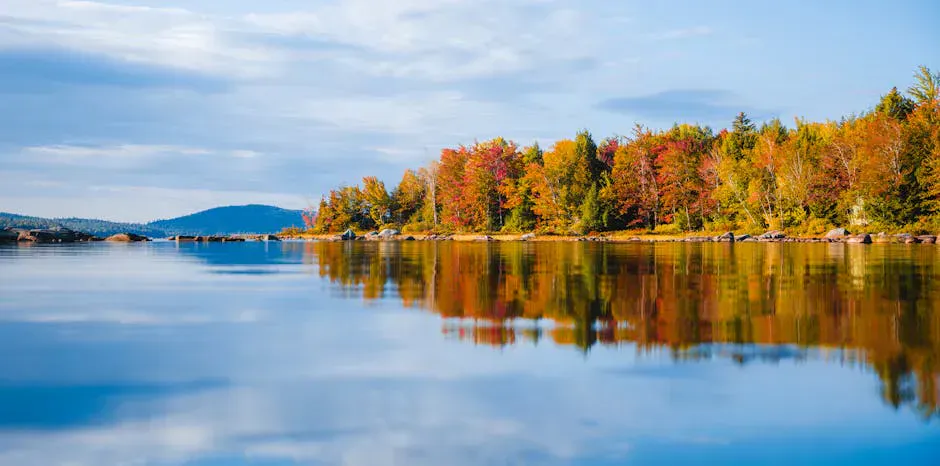
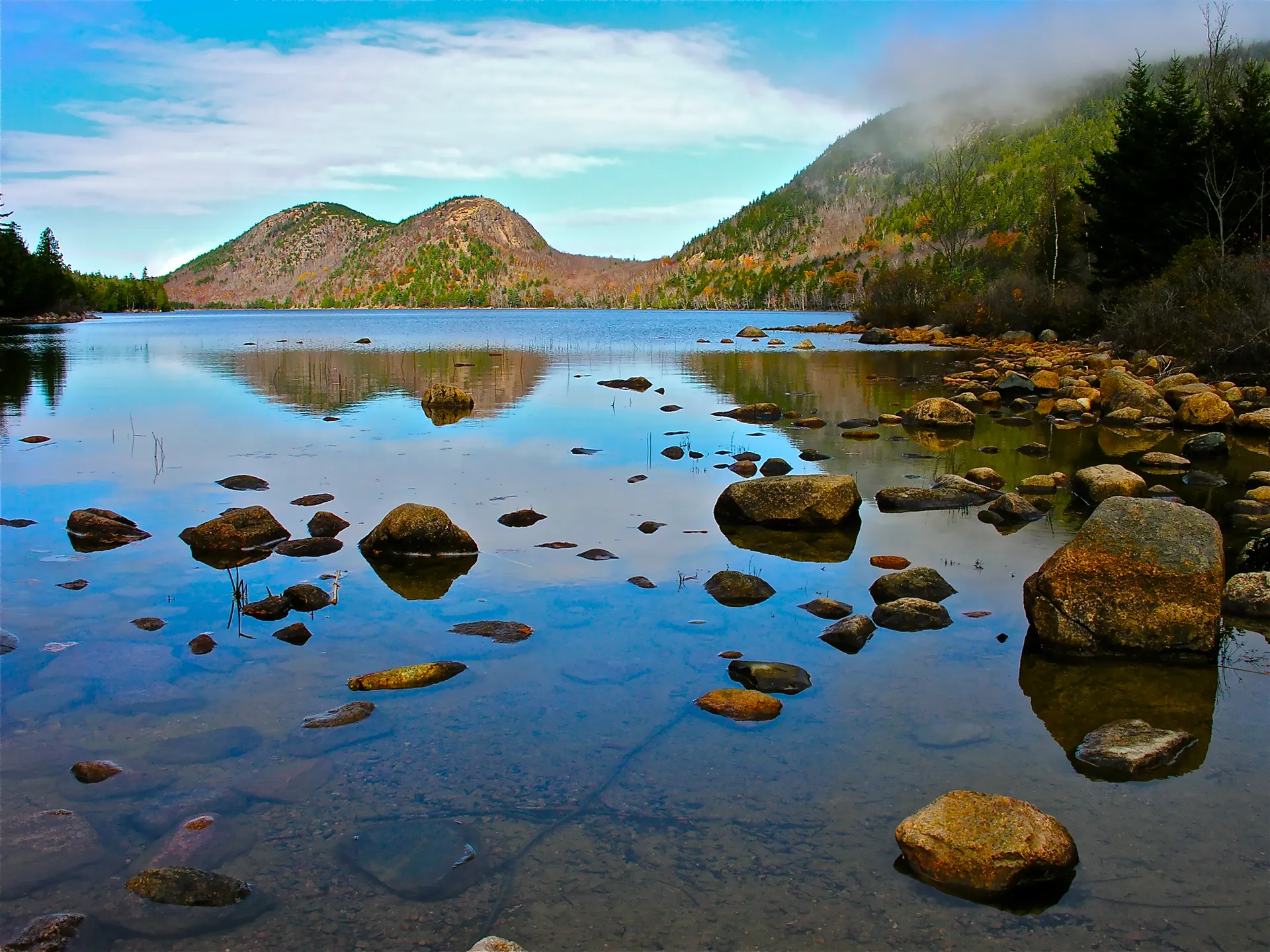
Fall foliage reflected in clear water. Excellent fishing during turnover. Quiet and uncrowded.
Winter
Ice fishing for togue and perch. Access road may not be plowed. Dress for the cold.
Practical Notes
The access road to Tunk Lake is gravel and passable for most vehicles in summer, but can be rough in spring or after heavy rain. There are no developed facilities at the lake beyond the boat launch and a basic parking area. No bathrooms, no trash collection, no water. Pack out everything you bring in.
Cell service is nonexistent at Tunk Lake and throughout most of the surrounding area. Plan accordingly.
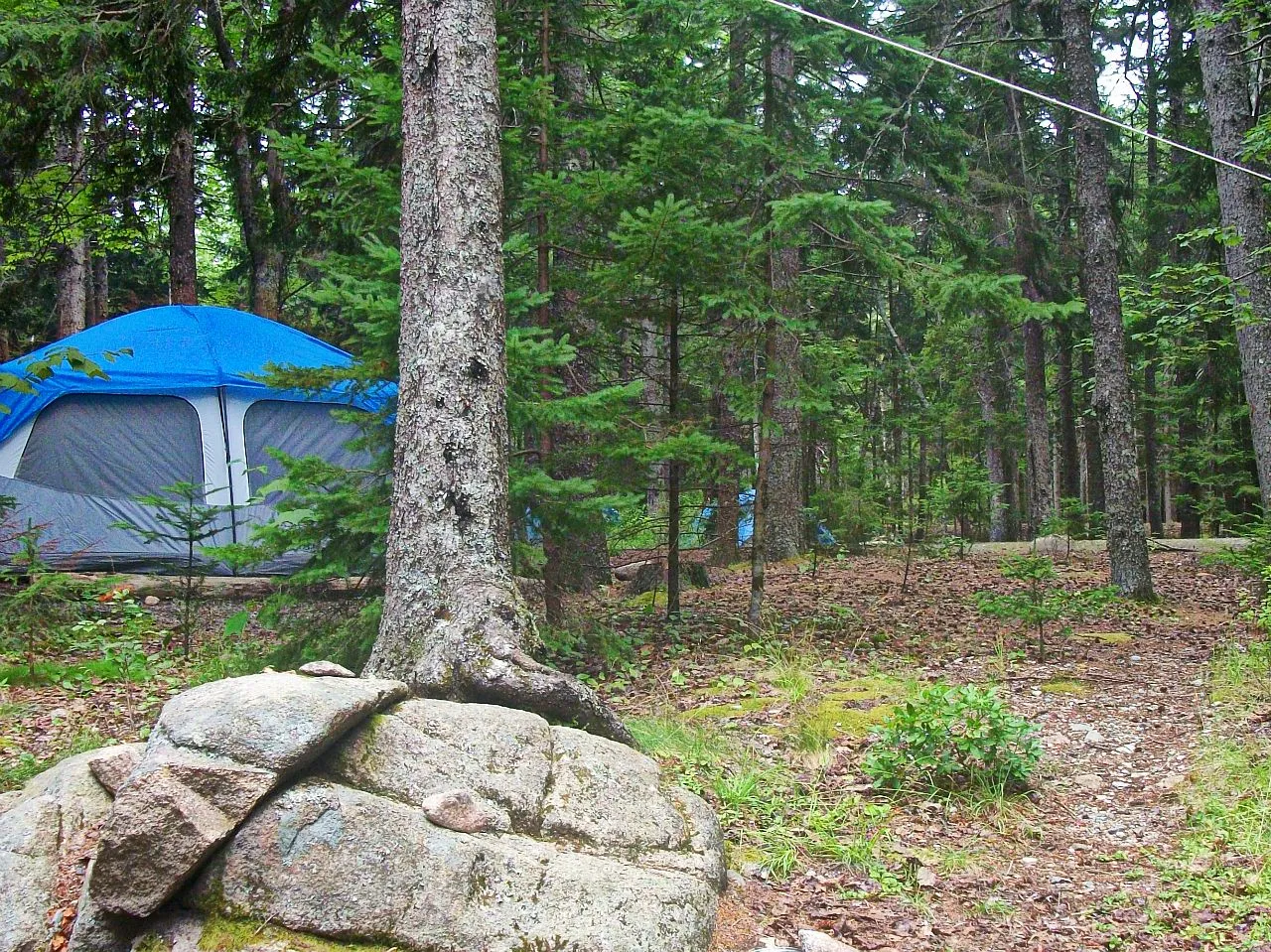
The Donnell Pond unit of the Bureau of Public Lands offers camping at primitive campsites (first-come, first-served) on nearby Donnell Pond and Spring River Lake. If you want to spend more than a day in the area, these campsites are your best option. For a land-based outing nearby, the Down East Sunrise Trail runs for miles through this stretch of Washington and Hancock counties and is a flat, easy way to walk or bike the surrounding woods.
Packing List
Tunk Lake Day Trip
- Fishing license (if fishing)
- Boat or kayak with life jackets
- Plenty of water and food (no services nearby)
- Bug spray (essential May through July)
- Sunscreen
- Layers (the water keeps it cool)
- Trash bags (pack it out)
- First aid kit
- Downloaded maps (no cell service)
Getting There
From Ellsworth, take Route 1 east (or Route 182, the Blackwoods Scenic Byway) to the access road for Tunk Lake. The turnoff is roughly 12 miles east of Ellsworth. Follow the gravel road to the boat launch. From Bangor, the drive is about an hour. From Portland, about 4 hours.
Route 182 between Ellsworth and Cherryfield is one of the most scenic drives in Downeast Maine, passing through undeveloped forest, past Donnell Pond, and along the ridge above Tunk Lake. It makes the drive part of the experience.
FAQ
How big is Tunk Lake?
Tunk Lake is 2,072 acres with a maximum depth of 222 feet. It is one of the deeper and cleaner lakes in Hancock County.
What fish are in Tunk Lake?
The principal species are lake trout (togue) and landlocked salmon. Brook trout, smallmouth bass, and perch are also present.
Is Tunk Lake developed?
Almost entirely undeveloped. The surrounding land is owned by the state as part of the Donnell Pond Bureau of Public Lands unit. There are no commercial facilities on the lake.
Can I camp at Tunk Lake?
There are no established campsites directly on Tunk Lake, but the nearby Donnell Pond and Spring River Lake have primitive campsites managed by the Bureau of Public Lands. They are first-come, first-served.
Is there a boat launch?
Yes. A gravel boat launch on the eastern side of the lake provides access for car-top boats and small trailers.