Central Maine’s Gentle River
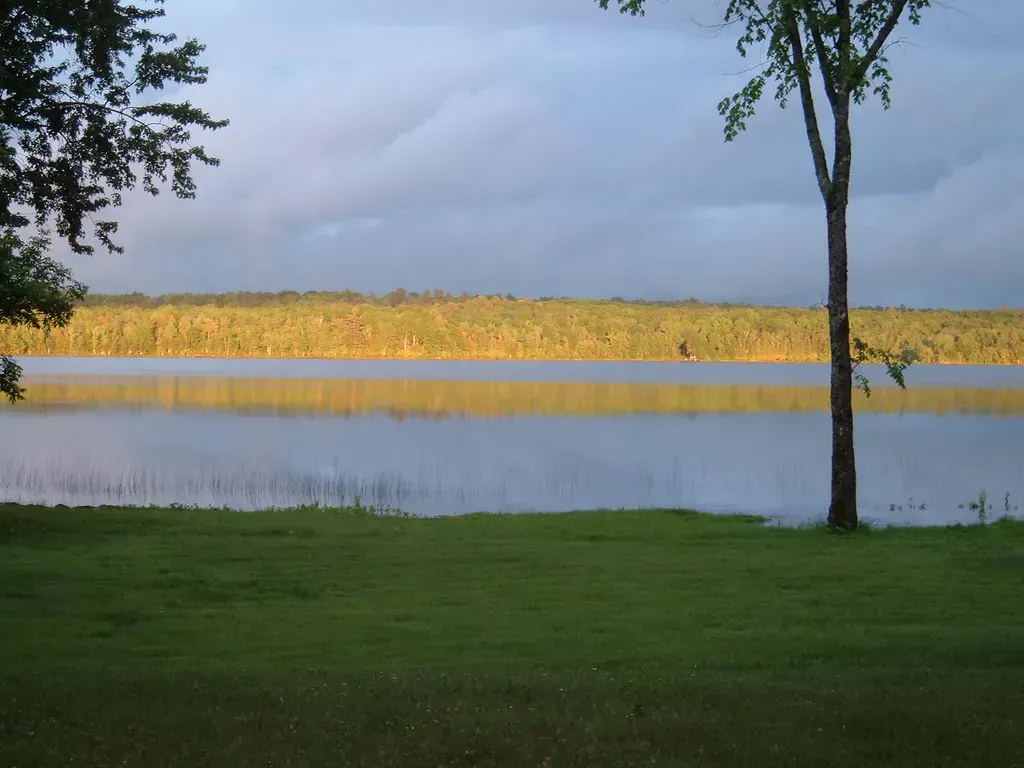
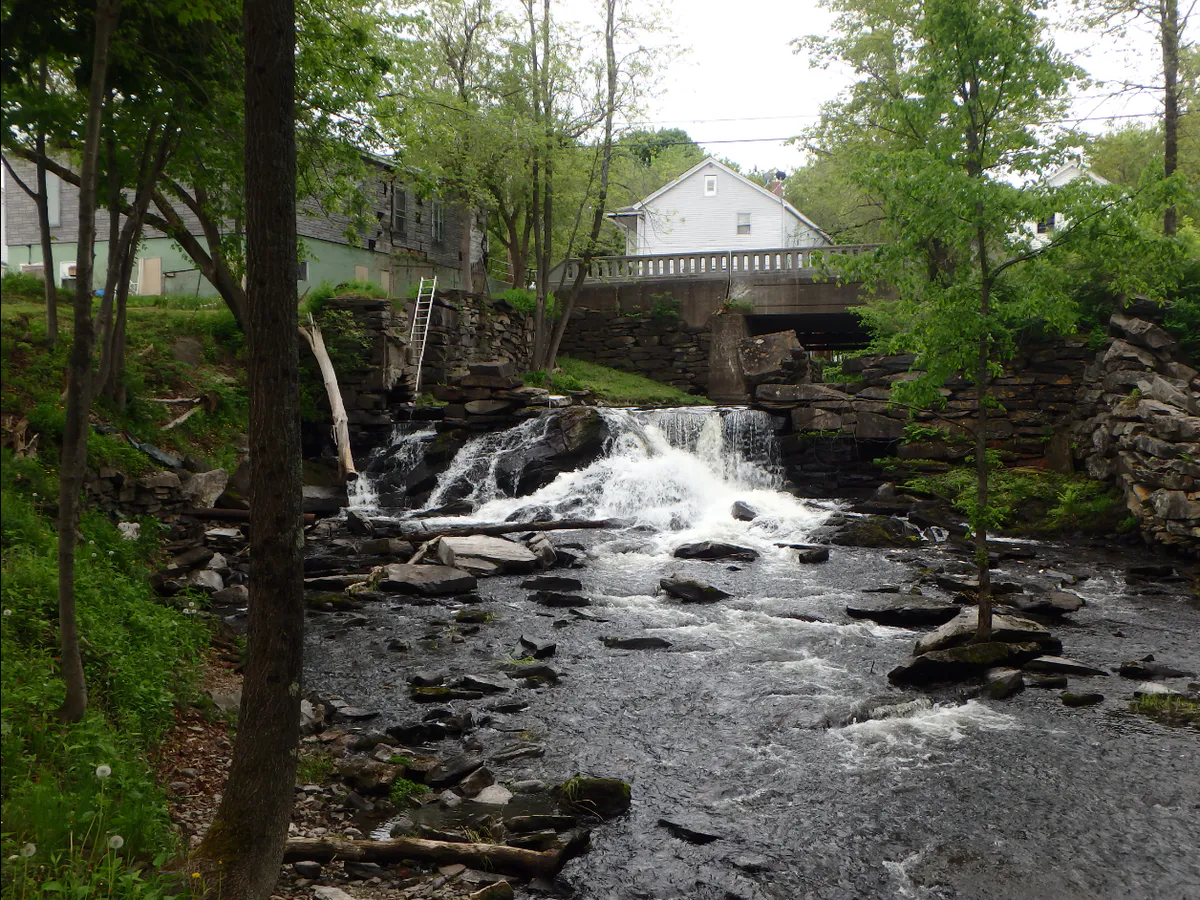
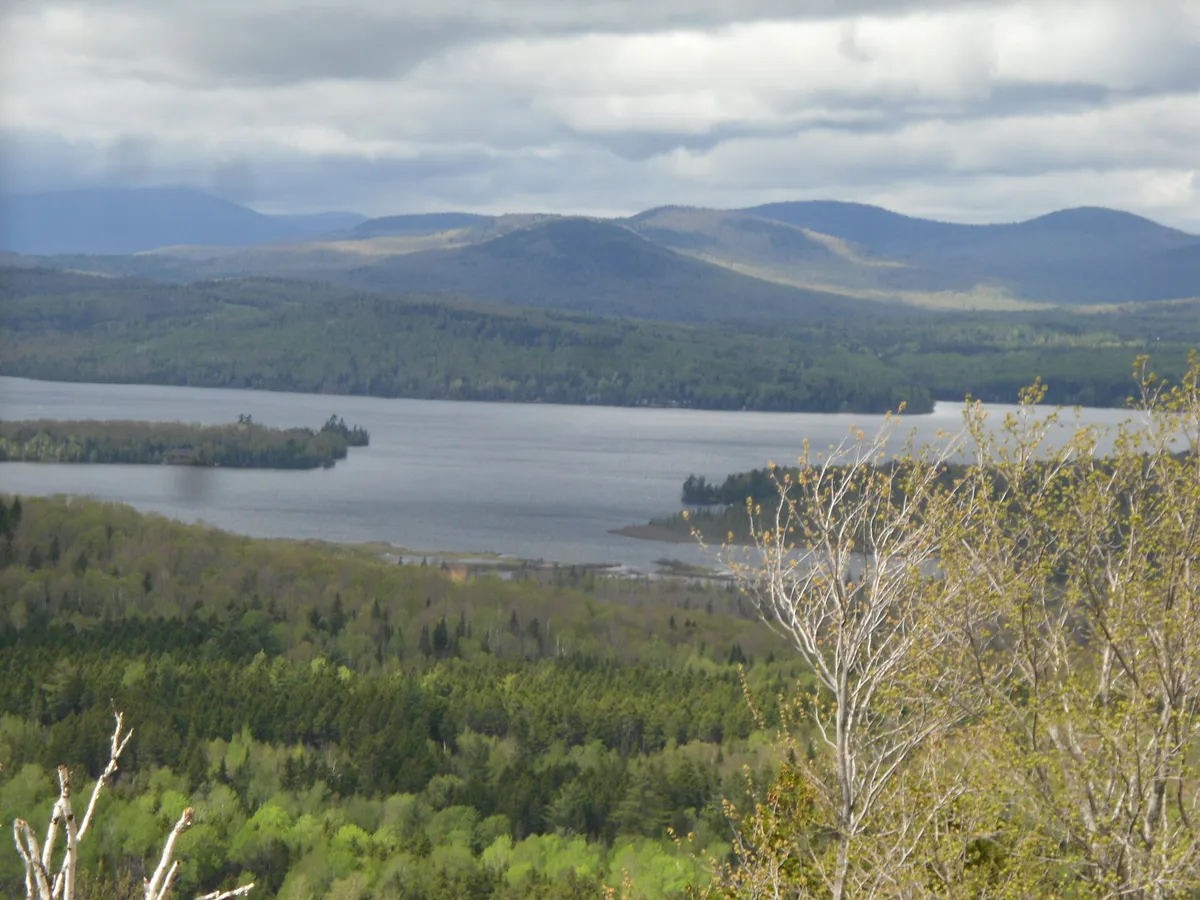
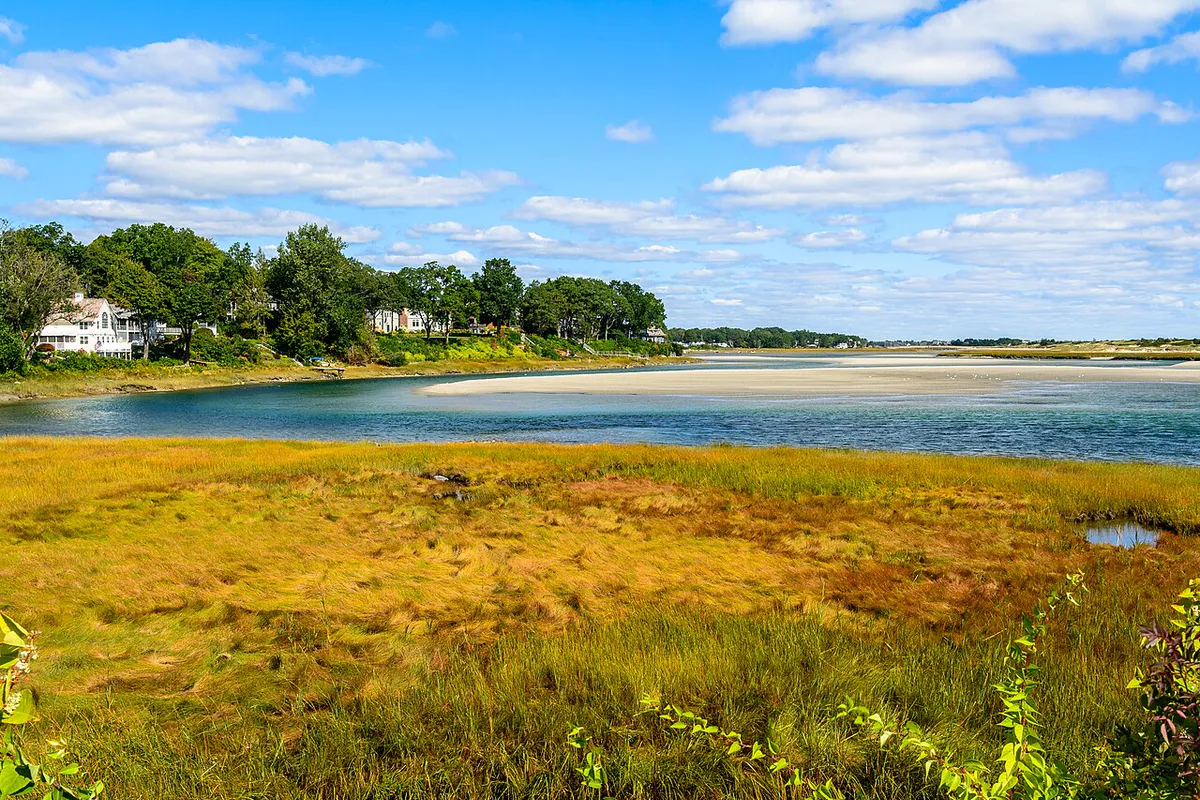
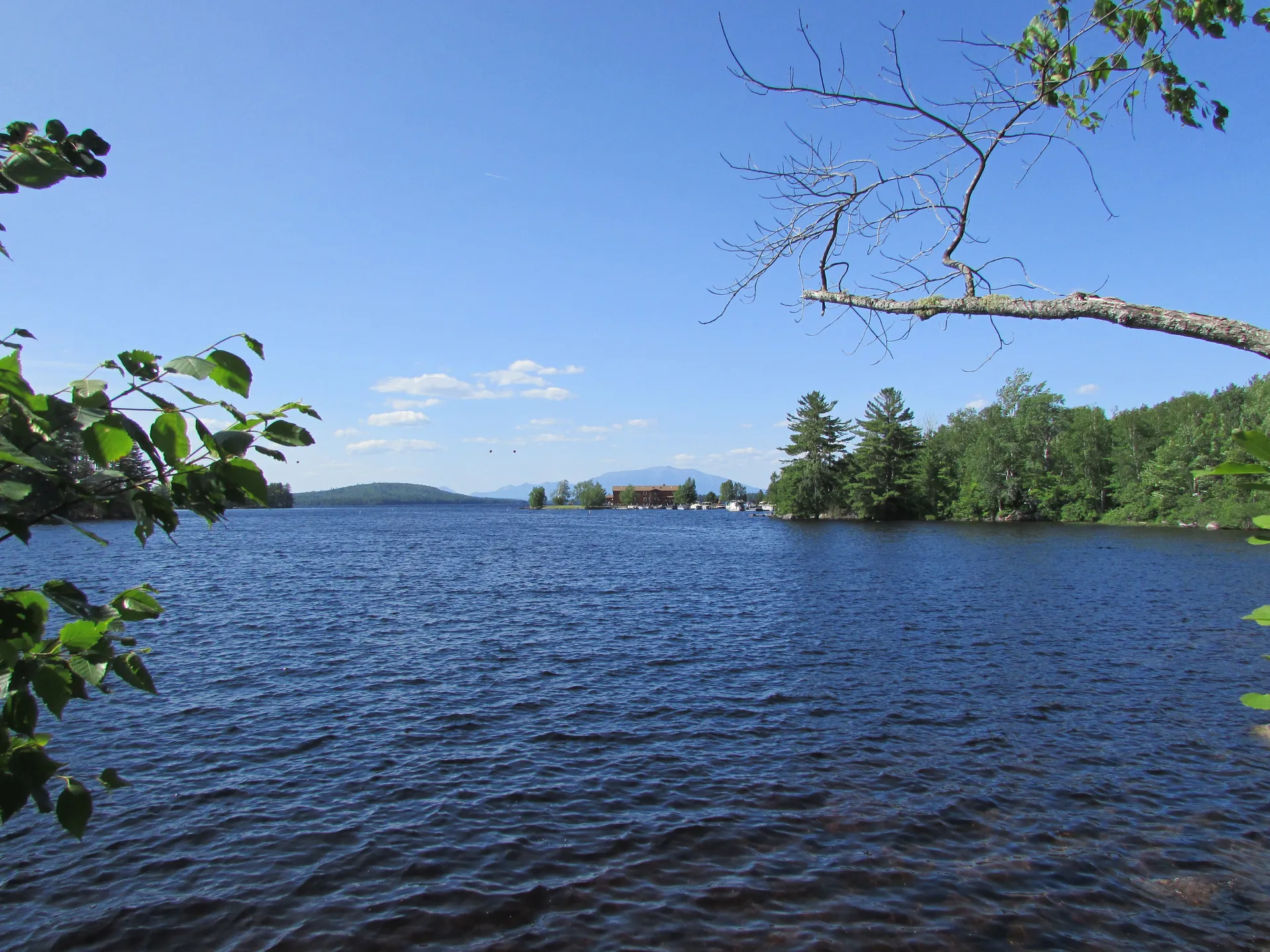
The Sebasticook River winds through the agricultural heartland of central Maine, connecting a chain of lakes and ponds before joining the Kennebec River at Winslow. The roughly 30-mile stretch from Newport downstream to Winslow offers relaxed flatwater paddling through a landscape of working farms, small villages, and riverside meadows. The gradient is minimal, the current is gentle, and the scenery is the quiet, unhurried beauty of rural Maine.
What makes the Sebasticook remarkable is its alewife run. Following the removal of the Edwards Dam on the Kennebec in 1999 and subsequent fish passage improvements on the Sebasticook, river herring returned in staggering numbers. Millions of alewives now migrate upstream each spring, making the Sebasticook one of the most important alewife rivers on the East Coast. During the peak run in late May and June, the river comes alive with fish, birds, and the spectacle of nature reclaiming a waterway.
For paddlers, the Sebasticook is a low-key alternative to more famous Maine rivers. You will not find whitewater or dramatic scenery, but you will find solitude, good fishing, and a peaceful day on the water.
Time your paddle for late May or early June to witness the alewife migration. The fish move upstream in such numbers that the water appears to boil in narrow sections. Eagles, osprey, herons, and gulls gather in concentrations you rarely see outside Alaska salmon runs. It is one of New England’s great wildlife spectacles and it happens on a river most people have never heard of.
Paddling the River
The most popular day section runs from Newport downstream to Burnham, roughly 10 miles of easy flatwater. The put-in at Newport is accessible from a public boat launch near the Route 2 bridge, and basic kayaking gear handles this gentle water with ease. From here, the river meanders through low-lying farmland, passing under occasional bridges and alongside open meadows.
The current moves at about one to two miles per hour, enough to carry you along without effort. The riverbed alternates between sand, gravel, and mud. Depth is generally three to five feet in the channel, though it shallows on gravel bars during dry summers.
Below Burnham, the river continues through similar terrain to Clinton and then Benton, where it widens into a more lake-like section before the final run into Winslow and the Kennebec confluence. Each of these sections can be paddled as standalone day trips.
The Sebasticook can become very shallow in August and September during dry years. Gravel bars that were submerged in June may require dragging your boat across by late summer. Check water levels before planning a trip after mid-July.
Fishing
The Sebasticook holds good populations of smallmouth bass, chain pickerel, and white perch, so bring fishing gear along on the paddle. The bass fishing picks up in June after the alewife run brings a protein surge that fattens every predator in the river. Largemouth bass hold in the slower, weedier sections.
Brook trout are present in some of the colder tributary streams that feed the Sebasticook, though the mainstem water temperatures are too warm for trout in summer. The fishing pressure is light, and on a weekday you may not see another angler.
The stretch between Newport and Corinna has the most consistent bass fishing. Look for submerged logs, bridge abutments, and undercut banks where smallmouths hold in the shade. Topwater poppers in the early morning produce explosive strikes. The bass here do not see much fishing pressure and they are not shy about hitting lures.
When to Go
Spring
Alewife run in May-June. High water makes paddling easy. Spectacular wildlife gathering.
Summer
Warm weather, calm water, good fishing. Water levels drop by August.
Fall
Low water may limit paddling. Foliage along farmland borders. Quiet and peaceful.
Winter
River is too cold and partially frozen.
Spring is the prime season, combining the alewife run with reliable water levels and comfortable temperatures. Summer works well through July, though water levels can drop. The alewife run alone makes a May visit worthwhile even if you only paddle for an hour.
Practical Information
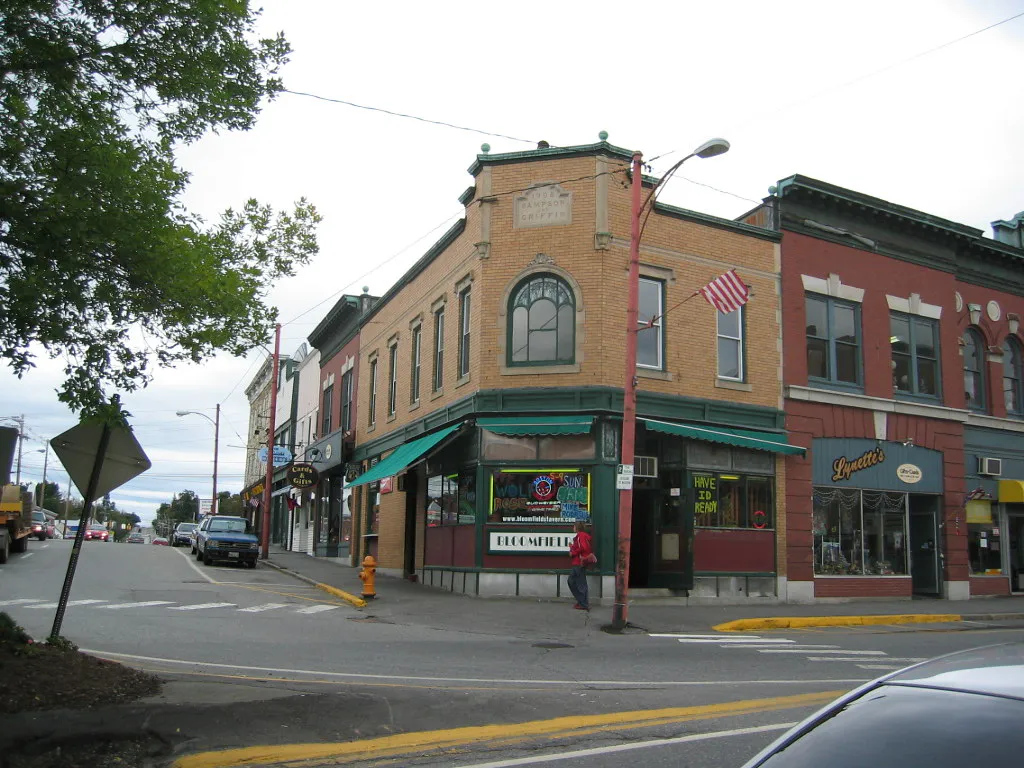
There are no outfitters on the Sebasticook. Bring your own boat and arrange your own shuttle. The river towns (Newport, Corinna, Burnham, Clinton) are small communities with basic services. Newport has the most options for gas, food, and lodging.
Cell service is good throughout the corridor. The roads parallel the river closely, and you are never far from a bridge or access point.
Packing List
Sebasticook River Day Paddle
- Canoe or kayak
- PFD/life jacket for every paddler
- Sunscreen and hat
- Plenty of drinking water
- Snacks or packed lunch
- Dry bag for phone and keys
- Fishing rod and Maine license
- Binoculars for bird watching
- Bug spray (mosquitoes near marshy areas)
- Shuttle vehicle at take-out
Getting There
The Newport boat launch is off Route 2 near the Route 7/11 junction. From Bangor, take I-95 south to Exit 157 (Newport), about 35 minutes. From Portland, take I-95 north to the same exit, about 1 hour 45 minutes. The launch has free parking and easy water access.
The Burnham access is at the Route 100 bridge, about 10 miles downstream. Clinton and Winslow have access points at their respective Route 100 and Route 201 bridges.
GPS coordinates for Newport boat launch: 44.8370, -69.2760
FAQ
How difficult is the Sebasticook River?
The Sebasticook is easy flatwater with no rapids. It is suitable for beginners, families, and casual paddlers. The only challenge is occasional shallow spots in late summer.
When is the alewife run?
The alewife migration peaks in late May and early June. Millions of fish move upstream, attracting eagles, osprey, and other predators. It is one of New England's largest alewife runs.
Can I paddle the whole river in one day?
The full 30 miles from Newport to Winslow would be a very long day. Most paddlers choose 8-12 mile sections for comfortable day trips. Newport to Burnham (10 miles) is the most popular section.
Is there camping along the river?
There are no designated riverside campsites. The riverbanks are mostly private farmland. Nearby campgrounds in the Newport and Burnham area offer overnight options.
What fish can I catch?
Smallmouth and largemouth bass, chain pickerel, and white perch are the main species. Fishing is best from June through September. A valid Maine fishing license is required.