




Two Preserves, One Tidal River
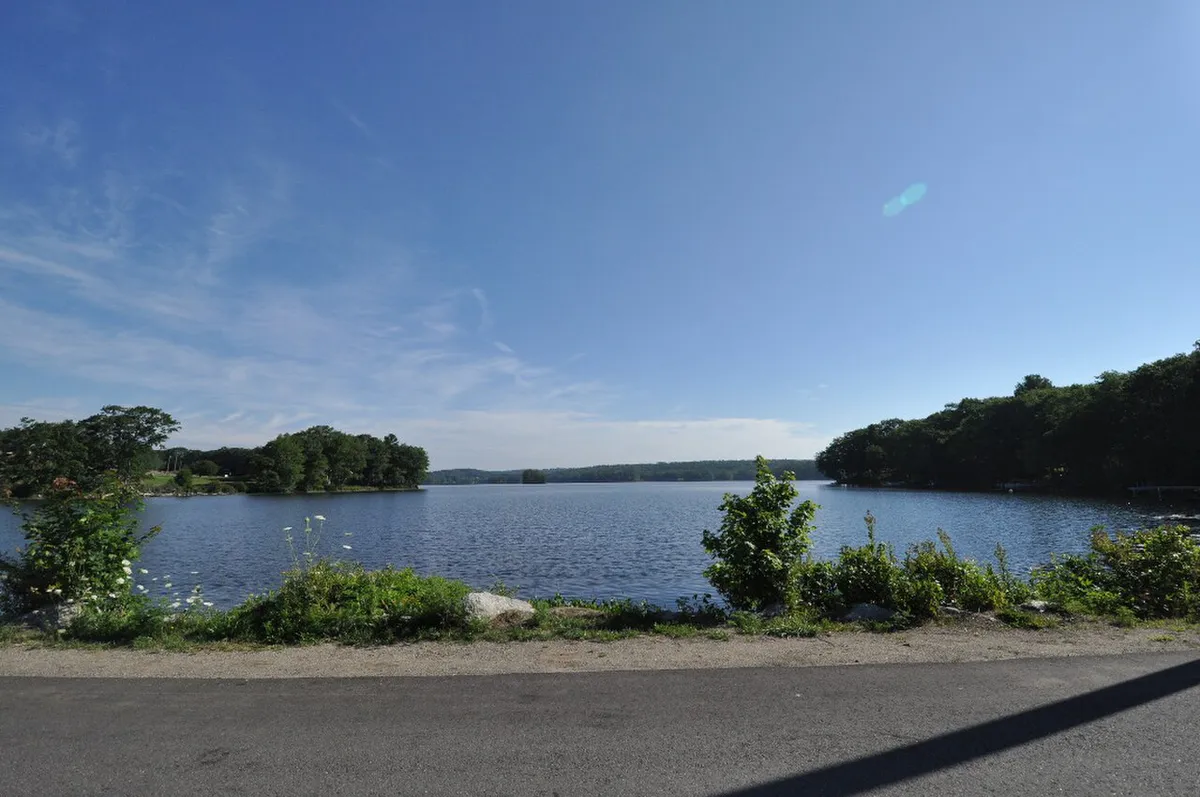
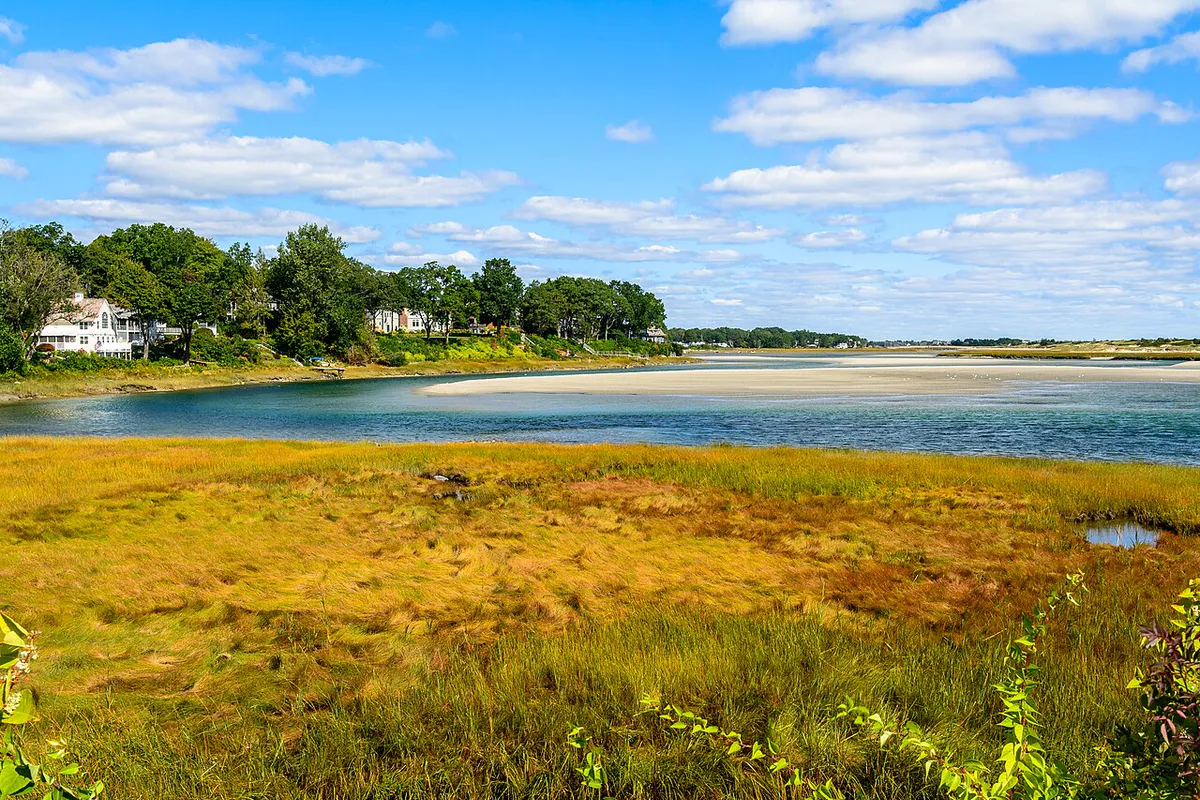
Ovens Mouth Preserves sit on opposite banks of the Cross River’s tidal narrows in Boothbay, where the river squeezes between two forested peninsulas before opening into a wider estuary. The name “Ovens Mouth” refers to the shape of this narrows, an opening in the rock where tidal currents rush in and out with a force that surprised early settlers and continues to impress visitors today.
The preserves are owned and managed by the Boothbay Region Land Trust (BBRLT), which has protected this land since the 1980s. Together, the East and West preserves encompass roughly 145 acres and offer 3.5 miles of trails that wind through coastal forest, along rocky shoreline, and to viewpoints overlooking the Cross River and its tidal dynamics.
These are not wilderness preserves in the backcountry sense, but they feel remarkably wild for their proximity to Boothbay Harbor, just a few miles down the road. The combination of tidal energy, old-growth trees, diverse habitats, and well-maintained trails makes Ovens Mouth one of the midcoast’s best short hikes.
Ovens Mouth East
The East preserve covers about 75 acres on the eastern side of the narrows. The trail loop is approximately 1.6 miles and passes through a mature spruce-fir forest before descending to the rocky shoreline of the Cross River.
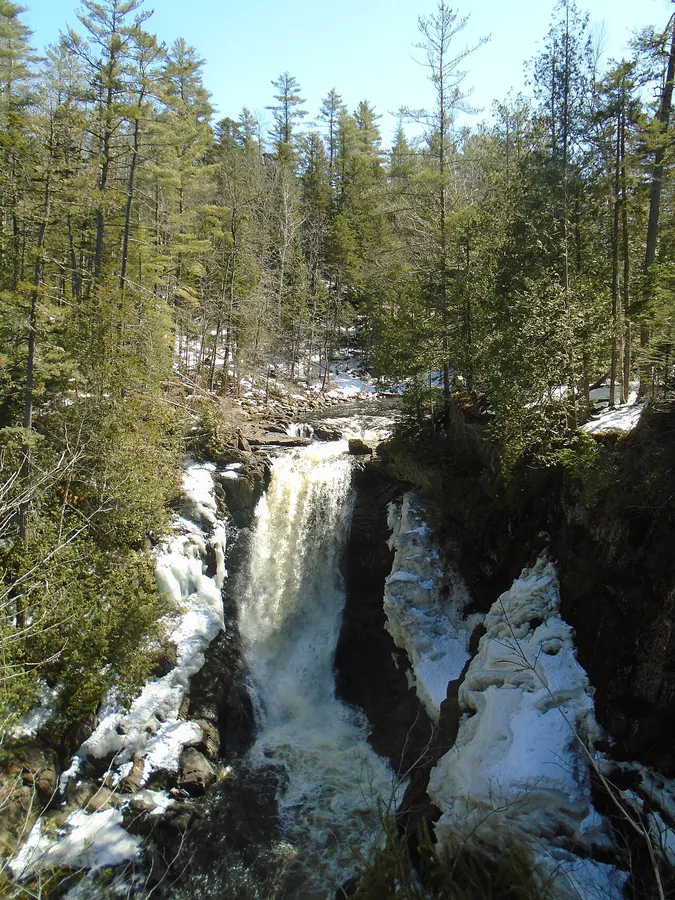
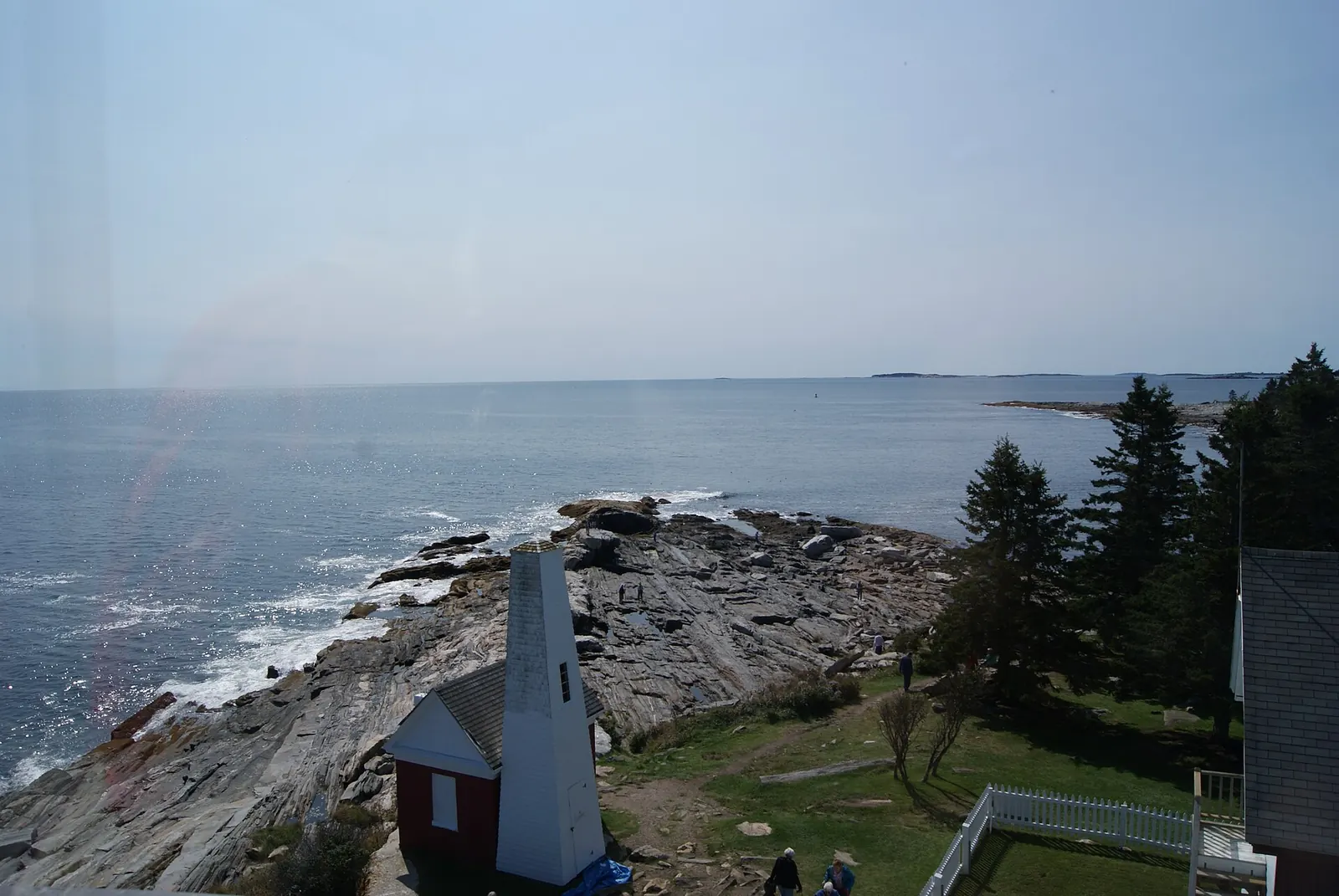
The highlight of the East preserve is the shoreline section at the narrows. Here, tidal currents funnel through a gap in the rock, creating a powerful flow that reverses direction with each tide change. At peak tidal flow, the water moves fast enough to create standing waves and eddies that are mesmerizing to watch.
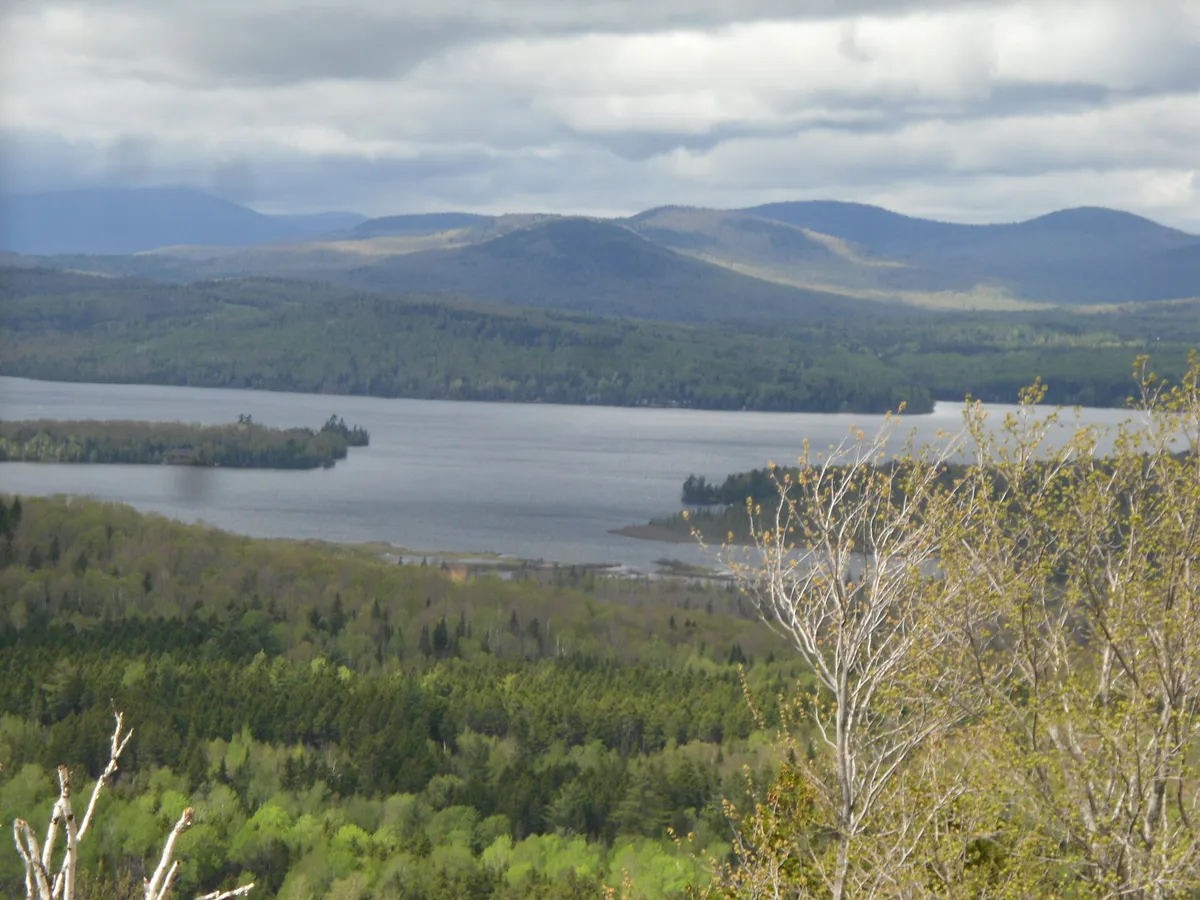
The trail follows the shoreline past the narrows and continues along the river’s eastern bank, offering views across the water to the West preserve. Rocky outcrops provide natural seating for watching the tide and scanning for seals, ospreys, and great blue herons.
Visit at mid-tide for the most dramatic tidal flow through the narrows. At slack tide (high or low), the water is calm. The rushing current happens during the middle hours of the tidal cycle, when the volume of water moving through the gap is at its peak.
Ovens Mouth West
The West preserve is slightly smaller and has about 1.9 miles of trail. The character is different from the east side, the forest includes more mixed hardwoods, and the shoreline faces west, catching afternoon light.
The West preserve trail descends gradually from the parking area to a series of overlooks on the western bank of the narrows. The views from the west side complement those from the east, and visiting both preserves gives you a complete picture of the Cross River’s tidal dynamics.
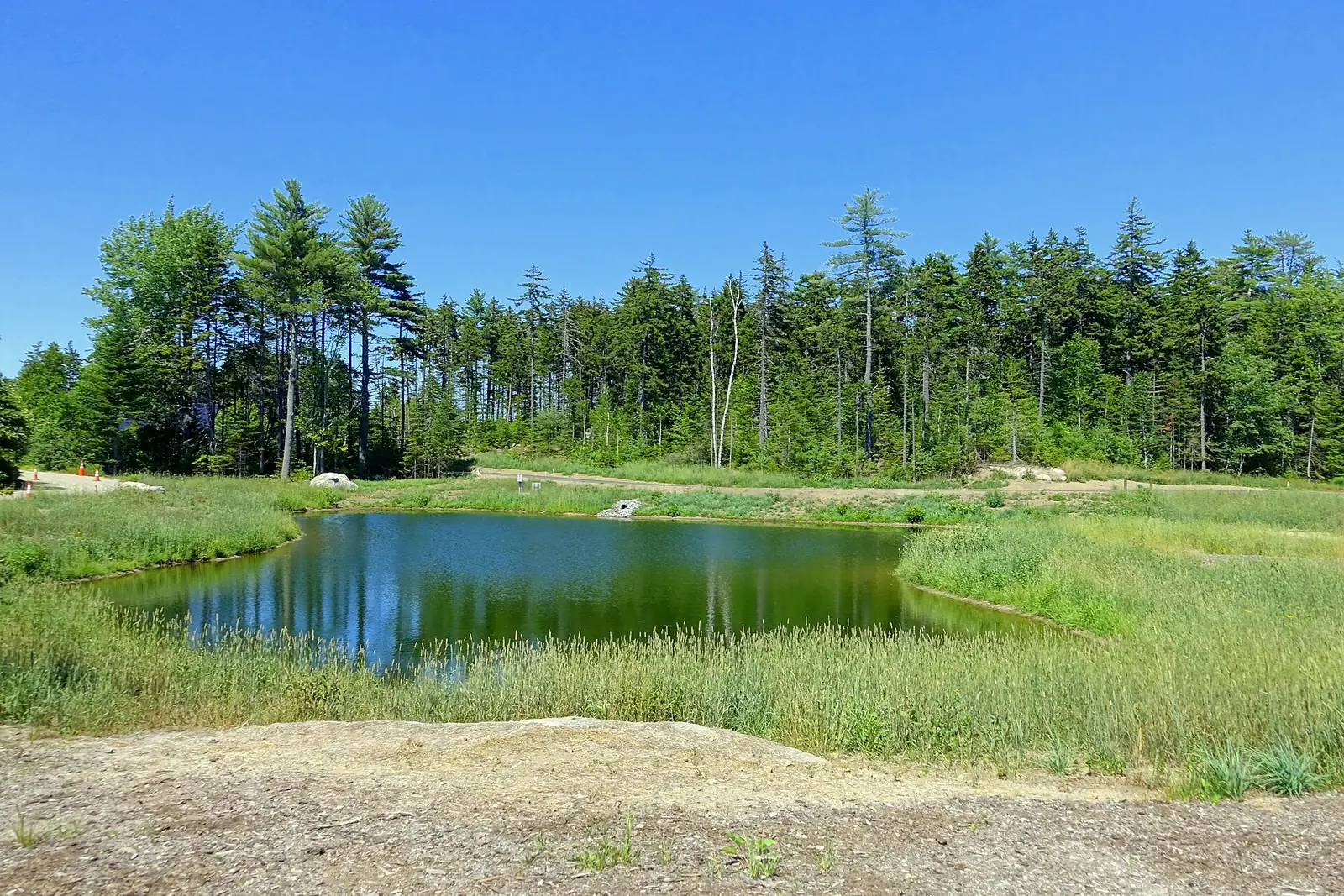
An ice pond trail loop in the western preserve passes a historic ice harvesting pond, a reminder of the era when Boothbay’s ice industry supplied cities up and down the coast. The pond is now a quiet freshwater habitat surrounded by mixed forest.
Walk both preserves in a single visit. Start at the East preserve parking area, complete that loop, then drive the short distance to the West preserve parking area and walk that loop. The total walking time is about two to three hours at a comfortable pace with stops, and you will see two very different perspectives on the same tidal landscape.
Wildlife
The tidal narrows at Ovens Mouth create a concentration of marine and estuarine life that attracts a diverse community of predators. Harbor seals haul out on the rocks near the narrows, especially during low tide. Ospreys nest in the area and fish the Cross River throughout summer. Great blue herons stalk the shallows, and bald eagles patrol from high perches in the white pines along the shore.
In the forest, look for pileated woodpeckers, barred owls, and an assortment of songbirds. The spruce-fir sections of the East preserve host boreal species like red-breasted nuthatches and golden-crowned kinglets. The mixed hardwood sections of the West preserve attract species like ovenbirds, red-eyed vireos, and wood thrushes.
The tidal pools at the narrows support periwinkles, barnacles, sea urchins, and hermit crabs. At low tide, these pools are accessible from the shore and fascinating to explore.
The rocks at the tidal narrows are slippery when wet, which they often are from spray and tidal wash. Stay on the trail and use caution at the shoreline overlooks. The tidal current through the narrows is powerful, do not attempt to swim or wade in the narrows.
Planning Your Visit
Spring
Migrating songbirds pass through in May. Wildflowers bloom in the forest. Trails may be muddy through April. Osprey return to nesting platforms.
Summer
Full foliage. Seals on the rocks. Osprey and eagle activity high. Warm enough for comfortable shoreline exploring. Bring bug spray for the forest sections.
Fall
Hardwood foliage peaks late September to early October. Fewer visitors. Cool walking weather. Fall light on the water is beautiful.
Winter
Trails open but may be icy near the shoreline. Sea ducks on the river. Fewer birds but dramatic winter light. Dress warmly.
Ovens Mouth Preserves Visit
- Hiking shoes with traction (rocky, root-covered trails)
- Binoculars for seals, eagles, and shorebirds
- Camera
- Water bottle and snack
- Bug spray (mosquitoes in the forest, especially summer)
- Tide chart (check NOAA for Cross River/Boothbay)
- Rain jacket or wind layer for the shoreline
- Trail map (available at kiosks or BBRLT website)
- Dogs welcome but must be leashed
- Leave no trace: pack out everything you bring
Getting There
From Route 1 in Damariscotta, take Route 27 south toward Boothbay Harbor. After about 8 miles, turn right onto Dover Road, then right again onto Dover Cross Road. The East preserve parking area is on the left. For the West preserve, continue on Dover Cross Road to the end and turn right; the parking area is a short distance ahead on the left. From Portland, the drive is about 1 hour and 20 minutes. From Bangor, about 2.5 hours. Parking at both preserves is limited to about five to eight vehicles.
FAQ
Are there two separate preserves?
Yes. Ovens Mouth East and Ovens Mouth West are on opposite sides of the Cross River narrows. They have separate parking areas and separate trail loops, but both are managed by the Boothbay Region Land Trust.
Are dogs allowed?
Yes. Dogs are welcome at Ovens Mouth Preserves but must be kept on leash at all times.
How long are the trails?
The East preserve loop is about 1.6 miles. The West preserve loop is about 1.9 miles. Walking both preserves takes two to three hours at a comfortable pace.
What is the Ovens Mouth?
The name refers to the tidal narrows where the Cross River squeezes between two rocky peninsulas. The shape of the opening resembles the mouth of an oven. Tidal currents rush through this gap with significant force during mid-tide.
Is there a fee?
No. Both preserves are free and open to the public year-round, dawn to dusk.