Protecting the Edge of the Sea
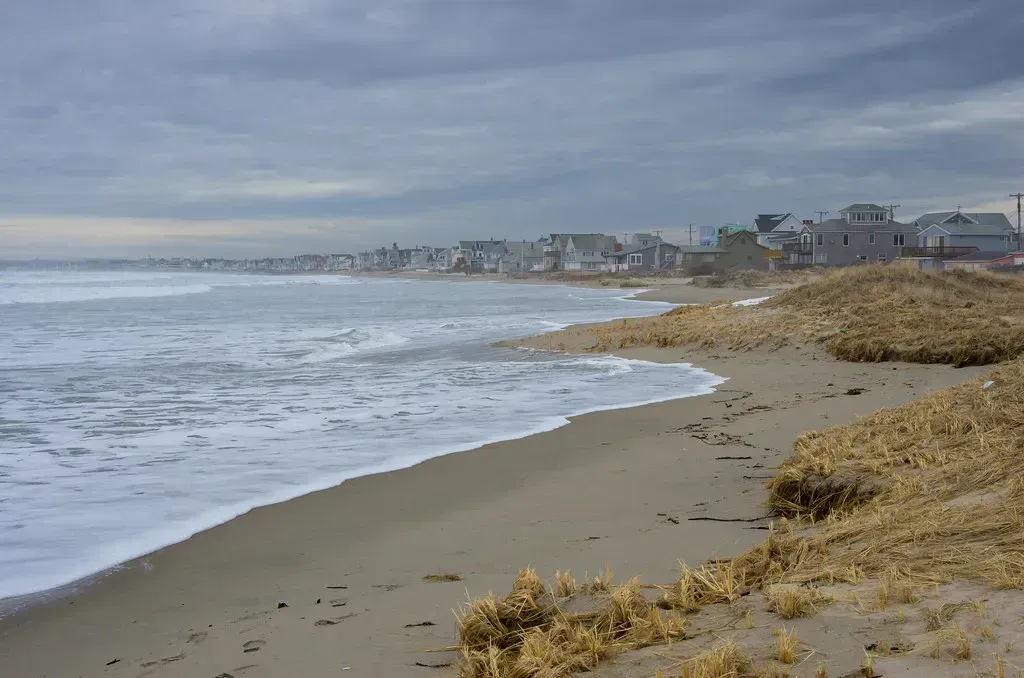
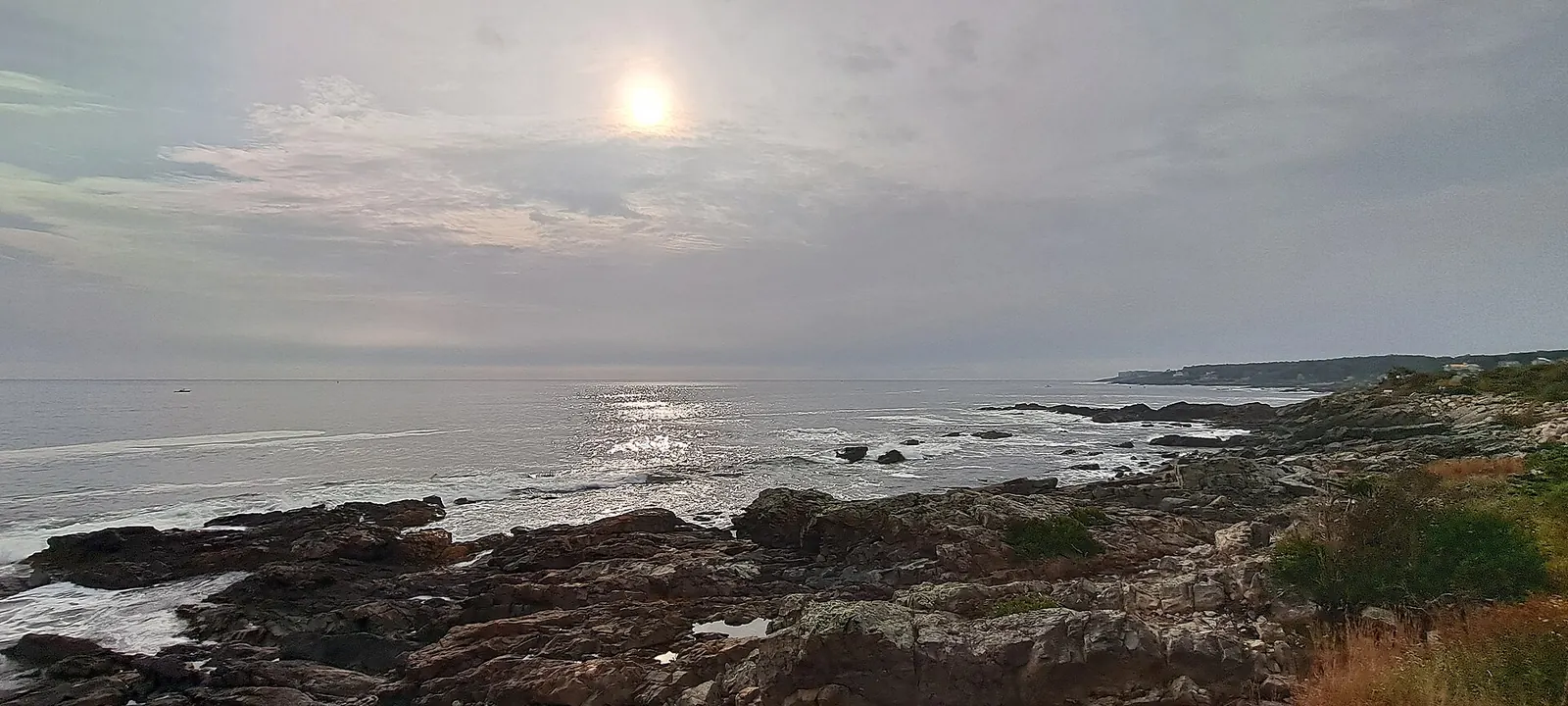
Rachel Carson National Wildlife Refuge stretches across 9,125 acres of salt marsh, estuary, beach, and coastal forest along 50 miles of southern Maine’s coast. The refuge is organized into 11 divisions spanning from Kittery at the New Hampshire border north to Cape Elizabeth near Portland, making it one of the most geographically dispersed refuges in the National Wildlife Refuge System.
The refuge was established in 1966 as the Coastal Maine National Wildlife Refuge to protect critical migratory bird habitat. It was renamed in 1969 in honor of Rachel Carson, the marine biologist and author of Silent Spring, who spent summers in nearby Southport and drew much of her inspiration from Maine’s coast. When land acquisitions are complete, the refuge will encompass approximately 14,600 acres.
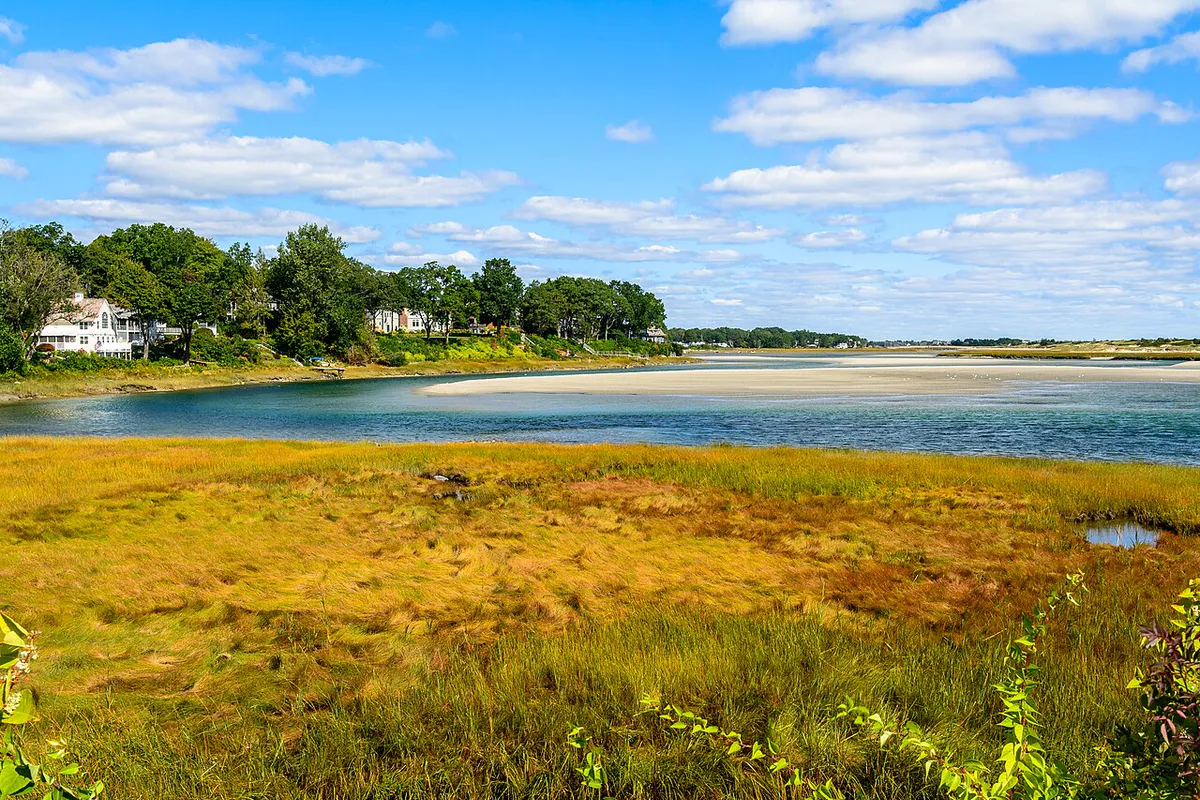
The salt marshes and estuaries protected by the refuge are among the most biologically productive ecosystems on Earth. They filter pollutants, absorb storm surge, buffer coastal flooding, and provide nursery habitat for fish and shellfish. For birds, these marshes are essential fueling stops on the Atlantic Flyway, the migration route that funnels millions of shorebirds, waterfowl, and songbirds along the eastern seaboard each spring and fall.
The Carson Trail
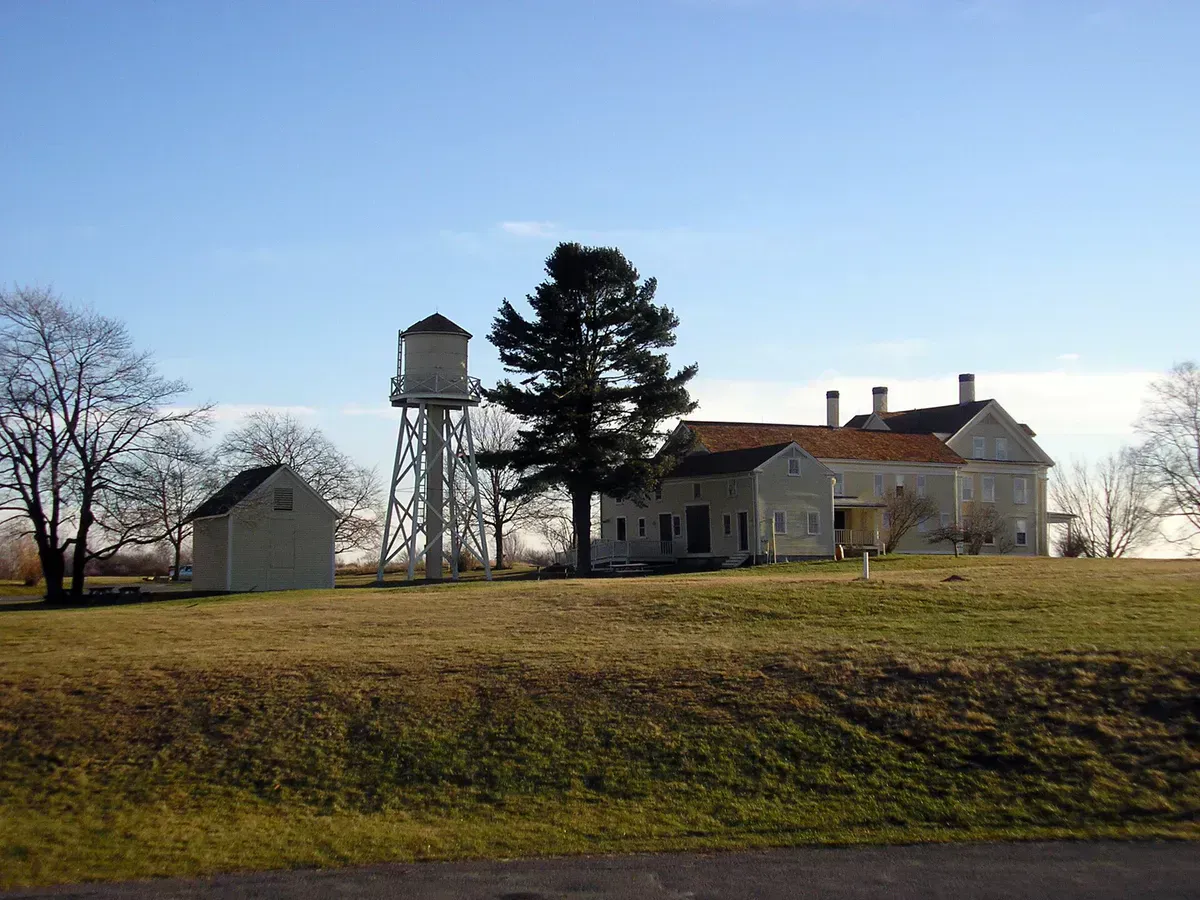
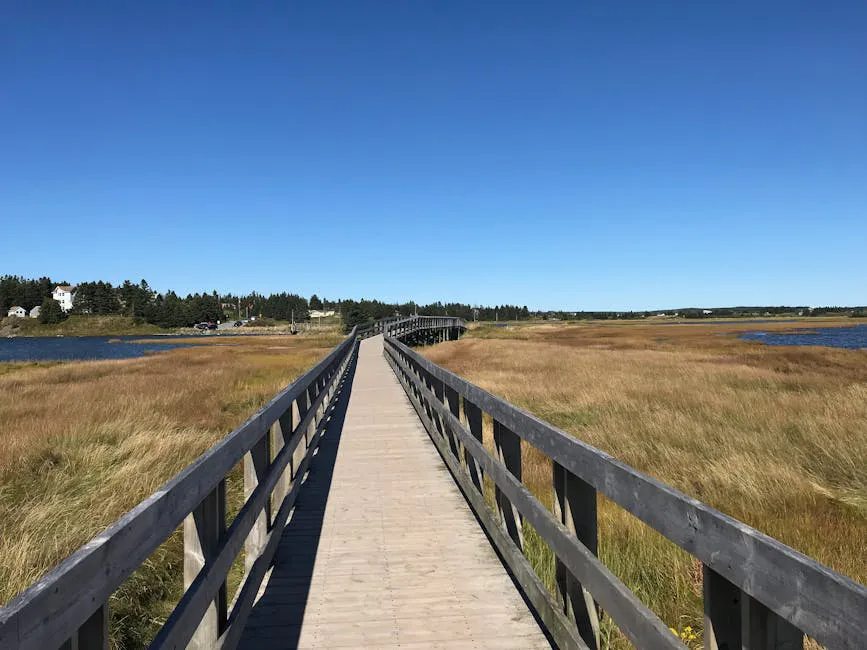
The most visited section of the refuge is the Carson Trail at the headquarters on Route 9 in Wells. This one-mile loop trail follows a level path through forest, along the edge of a salt marsh, and across a salt pannes area to a viewpoint overlooking the Little River estuary.
The trail is well-maintained with a packed-gravel surface and interpretive panels explaining the ecology of the salt marsh, the role of cordgrass, the tidal cycle, and the wildlife that depends on this habitat. The walk takes about 30 to 45 minutes and is accessible for most visitors.
Walk the Carson Trail in the early morning, especially during spring and fall migration. The forest edge along the first half of the trail is productive for warblers and other songbirds, and the marsh viewpoint at the end of the loop catches the morning light beautifully. Bring binoculars and a field guide.
The 11 Divisions
The refuge’s 11 divisions protect distinct parcels of coastal habitat along the southern Maine coast. Each division centers on a river mouth, salt marsh, or estuary.
| Division | Town(s) | Acres | Primary Habitat |
|---|---|---|---|
| Brave Boat Harbor | Kittery, York | 748 | Rocky coast, salt marsh |
| Moody | Ogunquit , Wells | 403 | Salt marsh, dune |
| Lower Wells | Wells , Kennebunk | 1,003 | Salt marsh, estuary |
| Upper Wells | Kennebunk | 667 | Salt marsh, upland forest |
| Mousam River | Kennebunk, Kennebunkport | 516 | Tidal river, marsh |
| Goose Rocks | Kennebunkport | 542 | Barrier beach, marsh |
| Little River | Kennebunkport , Biddeford | 266 | River mouth, marsh |
| Biddeford Pool | Biddeford | ~500 | Tidal pool, mudflat |
| Goosefare Brook | Saco , OOB | ~500 | Marsh, upland |
| Spurwink River | Scarborough, Cape Elizabeth | ~500 | River marsh, meadow |
| Marshall Point | Scarborough | ~400 | Marsh, upland forest |
Most divisions do not have developed visitor facilities. The headquarters in Wells is the primary public access point. Some divisions have informal access points or are visible from public roads and adjacent properties.
Wildlife
The refuge’s primary mission is protecting habitat for migratory birds, and it delivers. More than 250 species of birds have been recorded across the refuge’s divisions.
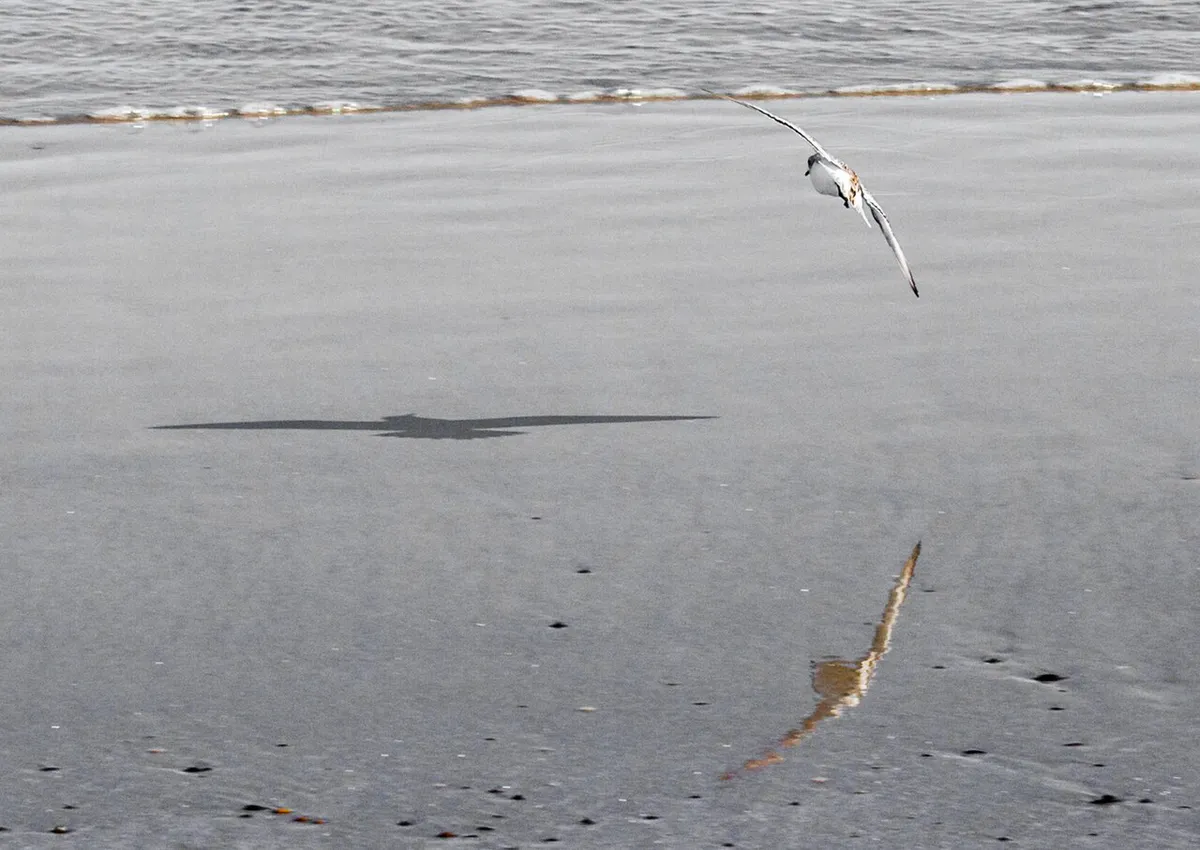
Shorebirds are the main attraction during fall migration, from late July through September. The mudflats and marsh edges host semipalmated sandpipers, least sandpipers, semipalmated plovers, greater and lesser yellowlegs, and dunlin. Peak shorebird numbers occur in August.
Waterfowl concentrate in the marshes during spring and fall migration. Black ducks, green-winged teal, and mallards are common. The marshes also support wintering populations of several duck species.
Wading birds including great blue herons, green herons, snowy egrets, and glossy ibis feed in the tidal channels throughout summer.
Songbirds use the forest edges and shrub habitat during migration. The Carson Trail in Wells is productive for warblers in May and September.
Saltmarsh sparrows nest in the high marsh grasses. This species is of conservation concern because it nests exclusively in salt marshes and is highly vulnerable to habitat loss and rising sea levels.
The Brave Boat Harbor division in Kittery is the least-visited section of the refuge and one of the most scenic. It includes rocky coastline, pocket coves, and views into the mouth of the Piscataqua River. Access is limited but worth the effort for experienced walkers.
When to Go
Spring
Warbler migration peaks in May. Shorebirds arrive. Marshes green up. The Carson Trail is alive with birdsong.
Summer
Nesting season for marsh birds. Wading birds active. Warmer weather for comfortable walking. Peak visitor season.
Fall
Shorebird migration peaks August through September. Hawk migration in October. Marshes turn golden. Fewer visitors.
Winter
The refuge is open year-round. Winter brings sea ducks, loons, and raptors. The Carson Trail is walkable but can be icy. The headquarters building is closed.
Spring and fall migrations are the prime times for birding. Summer offers consistent wildlife viewing and the most comfortable weather. Winter is quiet but can reward dedicated birders.
Rachel Carson’s Legacy
Rachel Carson spent summers on the Maine coast and conducted much of the field research for her books Under the Sea-Wind, The Sea Around Us, and The Edge of the Sea in Maine’s tidal pools and coastal waters. Her final book, Silent Spring (1962), documented the environmental damage caused by pesticide use and is widely credited with launching the modern environmental movement.
The naming of this refuge in her honor in 1969 recognized both her scientific contributions and her deep connection to the Maine coast. The refuge embodies the ethic she championed: that wild places and the creatures they support have intrinsic value and deserve protection.
Practical Notes
The refuge headquarters is at 321 Port Road (Route 9) in Wells. The Carson Trail and parking area are at the headquarters. Parking is free and the trail is open year-round from half an hour before sunrise to half an hour after sunset. There is no entrance fee.
Dogs are not permitted on the Carson Trail or in most refuge areas. This policy protects nesting birds and other wildlife. Leave your dog at home or make other arrangements before visiting.
The headquarters building has restrooms and informational displays when open (typically weekdays). The surrounding area of Wells has full services including restaurants, lodging, and gas.
Packing List
Rachel Carson NWR Visit
- Binoculars (essential for birding)
- Field guide for birds
- Camera with telephoto lens
- Bug spray (mosquitoes near marsh edges in summer)
- Sunscreen and hat
- Water
- Comfortable walking shoes (trail is flat but can be muddy after rain)
Getting There
From Portland, take I-95 south (Maine Turnpike) to Exit 19 (Wells). Follow Route 1 south, then turn east on Route 9 (Port Road). The refuge headquarters is about 1 mile on the right. The drive from Portland is about 45 minutes. From Bangor, the drive is approximately 3 hours via I-95.
FAQ
Is there an entrance fee?
No. The refuge is free to visit. Parking at the headquarters and access to the Carson Trail are free year-round.
How long is the Carson Trail?
The Carson Trail is a 1-mile loop. Most visitors complete it in 30 to 45 minutes, though birders may take longer.
Can I kayak in the refuge?
Kayaking is possible in some divisions, particularly on tidal rivers and estuaries accessible from public boat launches outside the refuge. There is no kayak launch at the headquarters. Check with refuge staff for current access information.
Why is it called the Rachel Carson refuge?
The refuge was renamed in 1969 in honor of Rachel Carson, the marine biologist and author of Silent Spring, who spent summers on the Maine coast and drew much of her scientific inspiration from Maine's tidal environments.
Are dogs allowed?
No. Dogs are not permitted on the Carson Trail or in most refuge areas to protect wildlife habitat.