
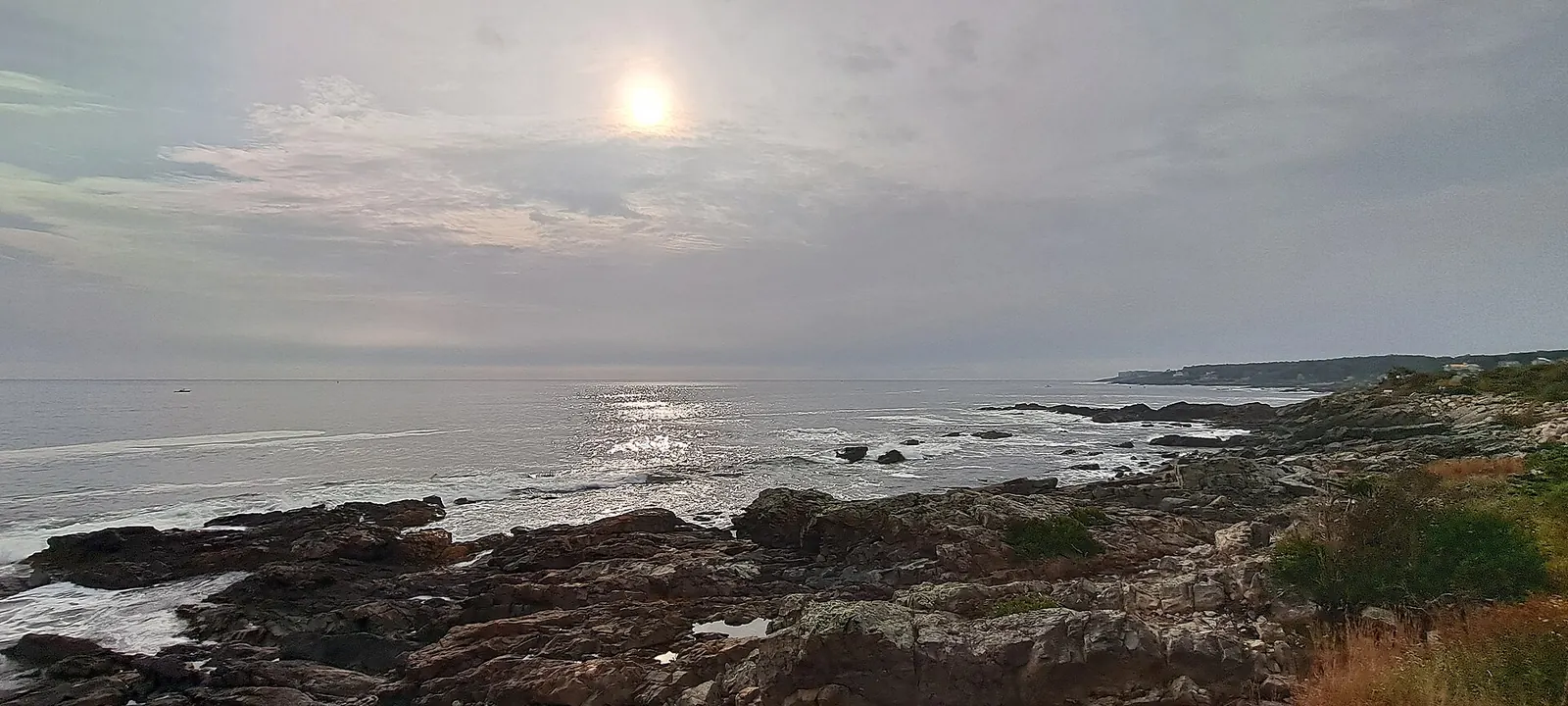
Where the Farm Meets the Marsh Meets the Sea
The Wells Reserve at Laudholm occupies 2,250 acres at the confluence of the Webhannet River and the Little River in Wells, where upland forest gives way to salt marsh, and salt marsh gives way to a barrier beach facing the open Atlantic. At the heart of the property stands Laudholm Farm, a handsome cluster of nineteenth-century buildings on a rise overlooking the marshes. The combination of habitats, history, and easy access makes this one of the finest natural areas in southern Maine.
The reserve is part of the National Estuarine Research Reserve System, a network of protected estuaries managed through a partnership between NOAA and state agencies. Maine’s reserve here in Wells is the largest of these sites in the northeastern United States. The designation means the property serves as both a public recreation area and an active research station, where scientists study the ecology of estuaries, the effects of climate change on coastal habitats, and the health of salt marsh ecosystems.
For visitors, the research mission is mostly invisible. What you experience is seven miles of well-maintained trails through some of the most varied coastal scenery in York County.
The Trail System
Seven trails loop through the reserve, ranging from short interpretive walks to longer routes that reach the beach. All trails begin at the Laudholm Farm campus and are well-marked with maps at every junction.
Laird-Norton Trail (1.0 mile): The main artery, connecting the farm campus to Laudholm Beach. This wide, easy path passes through forest and along the edge of the salt marsh before reaching the barrier beach. Most visitors walk this trail, and for good reason.
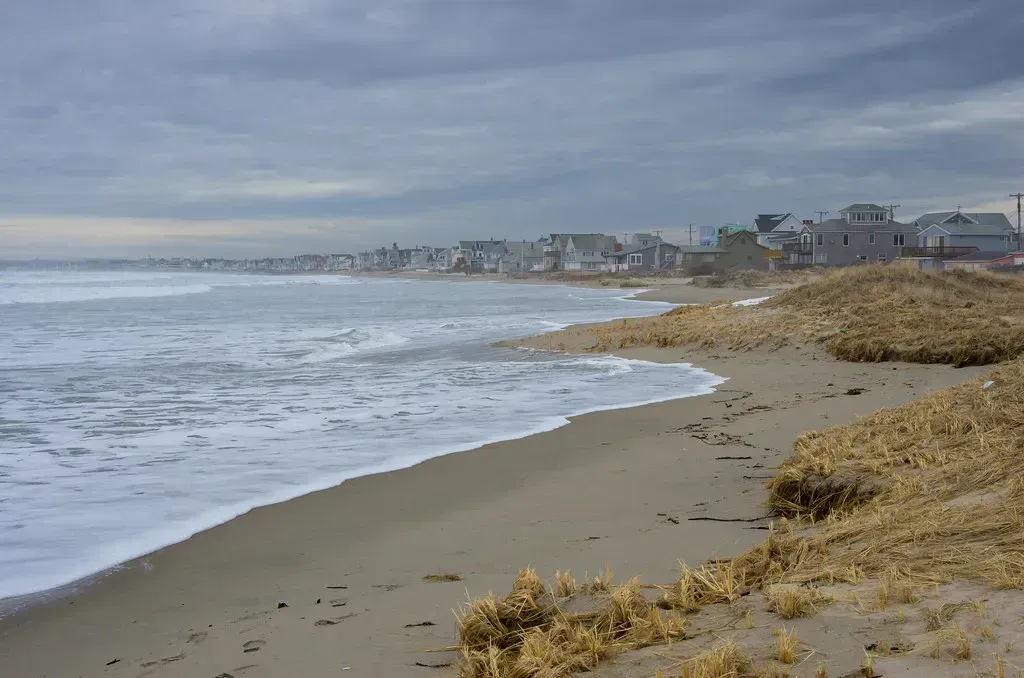
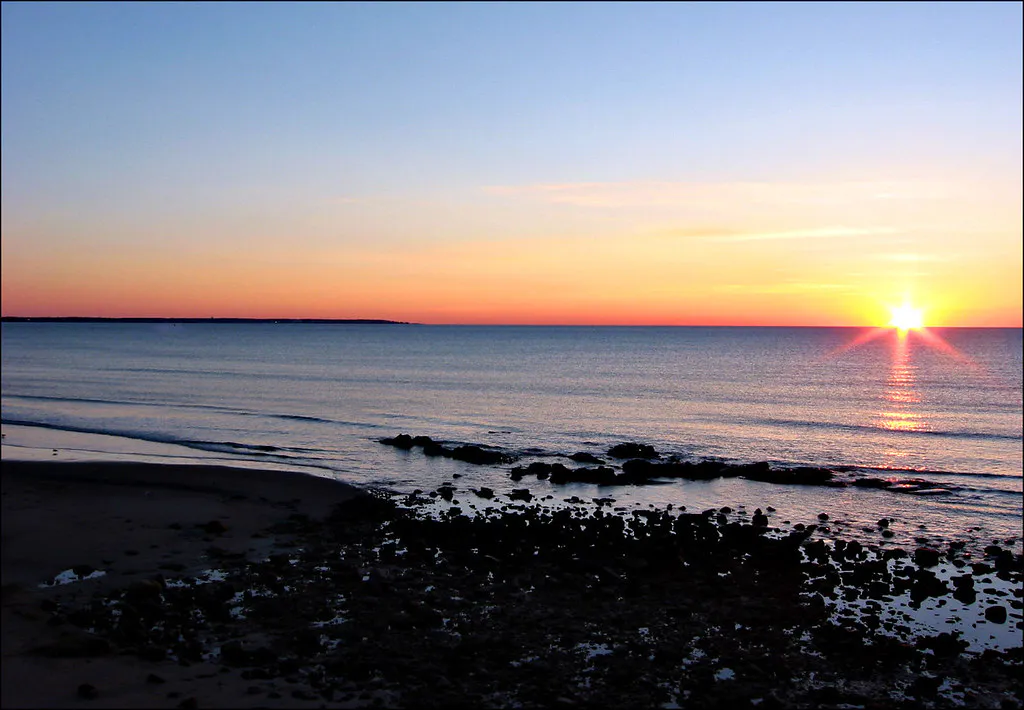
Barrier Beach Trail (0.5 mile): A spur from the Laird-Norton Trail that follows the beach itself. The beach is beautiful: wide, clean, and backed by dune grass with the salt marsh stretching behind it. In summer, beachgoers swim and sunbathe here. In the off-season, it is quiet and windswept.
Muskie Trail (1.5 miles): A loop through upland forest with stands of white pine and mixed hardwoods. The forest floor is rich with ferns and wildflowers in spring. This trail sees fewer visitors and offers good birding in the woodland edge habitat.
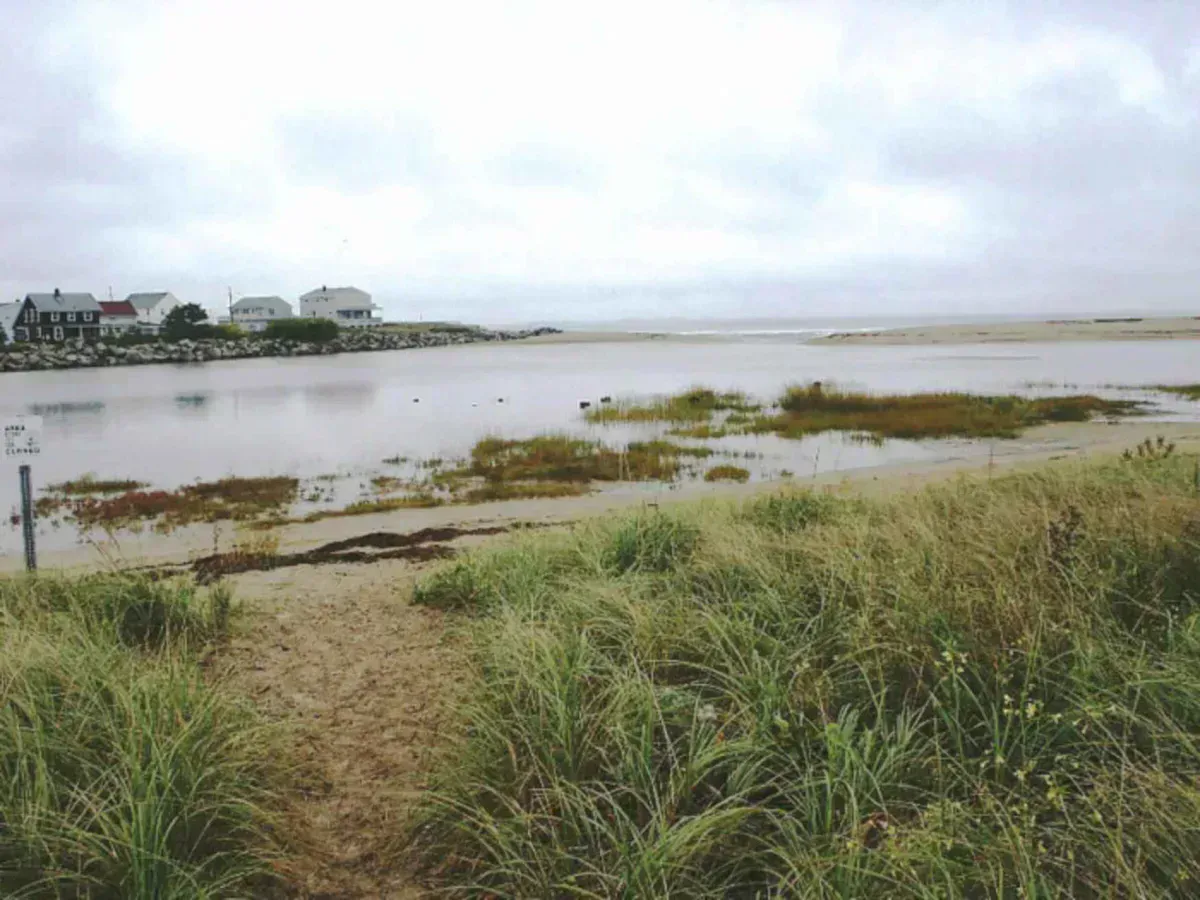
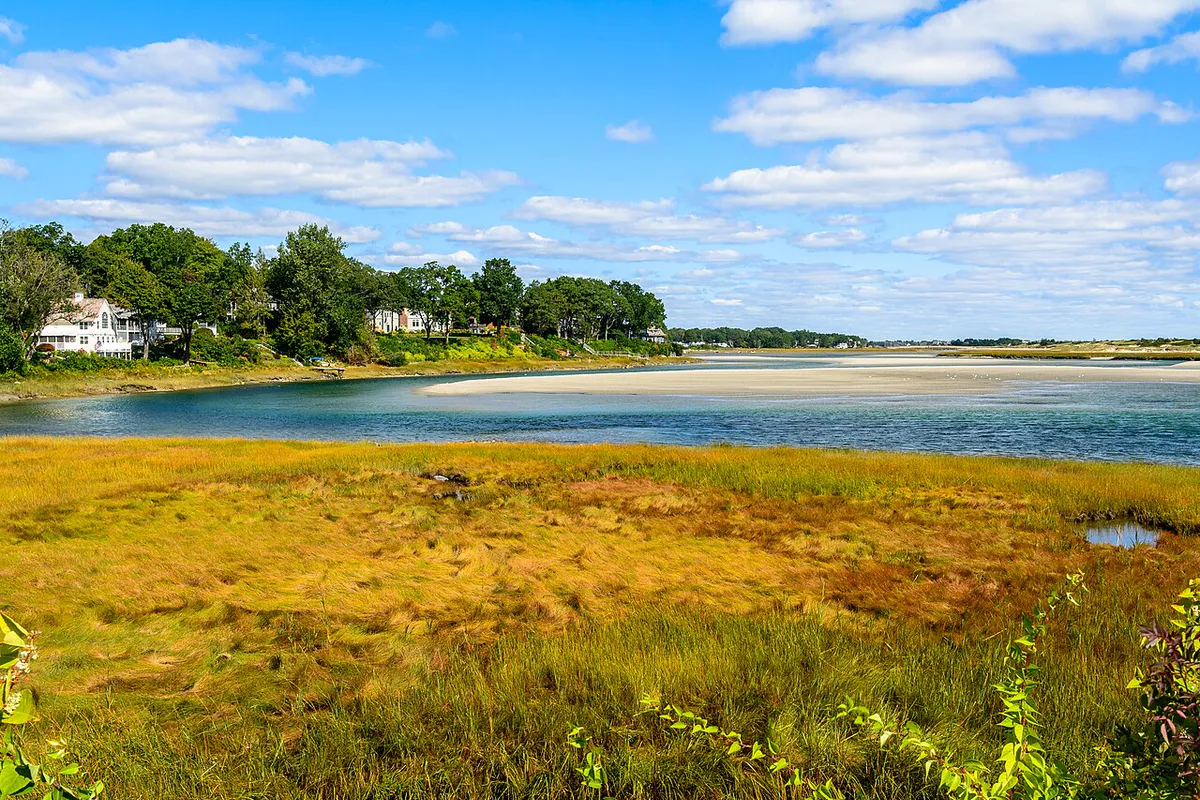
Salt Marsh Loop (1.0 mile): Follows the edge of the Webhannet River salt marsh with views across the cordgrass flats. At low tide, fiddler crabs emerge by the thousands and great blue herons stalk the channels. This is the best trail for understanding the salt marsh ecosystem.
Laudholm Farm
The historic farm complex sits on a small hill at the center of the property and serves as the reserve’s visitor center and education hub. The main farmhouse dates to 1867 and has been beautifully restored. Several barns and outbuildings have been converted to classrooms, research labs, and exhibit space.
The visitor center inside the farmhouse has exhibits on estuarine ecology, local wildlife, and the history of the property. A small gift shop carries nature books, maps, and locally made items. The campus also hosts a popular summer concert series and nature programs throughout the year.
Birding
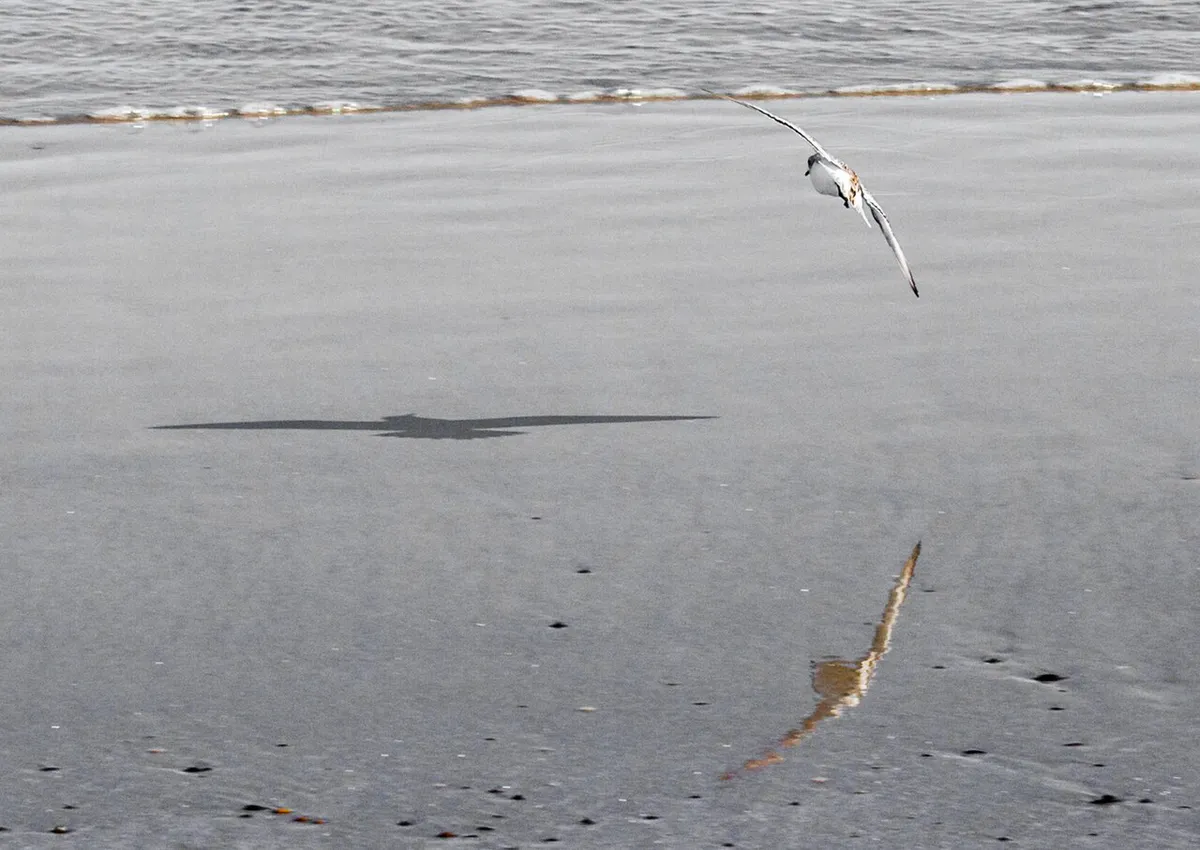
The Wells Reserve is one of the top birding destinations in southern Maine. The variety of habitats within a compact area attracts an impressive diversity of species. Salt marsh sparrows nest in the cordgrass, a globally threatened species dependent on this specific habitat. Glossy ibis wade through the marsh channels. Snowy egrets and great blue herons are common through the summer. In fall, migrating shorebirds gather on the beach and mudflats.
The upland forest supports warblers, vireos, and thrushes during spring and fall migration. The forest edge and shrubland habitats are good for sparrows and flycatchers. The reserve maintains a bird checklist with over 280 species recorded on the property. In summer, listen in the marsh for the buzzy song of nesting saltmarsh sparrows, a species of conservation concern. Greenhead flies can be brutal in the marsh in July, so go early or late in the day with repellent.
When to Go
Summer
Beach season. Warm weather for swimming at Laudholm Beach. Parking fee in effect. Salt marsh is lush and green. Nesting birds are active.
Fall
Shorebird migration peaks in August-September. Salt marsh turns gold. Fewer visitors, no parking fee after Columbus Day. Nature Crafts Festival in September.
Spring
Warbler migration passes through the upland forest. Wildflowers bloom. Marshes come alive with returning birds. No parking fee.
Winter
Trails are open and free. The beach is wild and windswept. Wintering ducks and raptors use the marsh. Snowshoeing and cross-country skiing on trails when conditions allow.
Practical Notes
The parking lot fills on hot summer weekends, sometimes by mid-morning. Arrive early or visit on weekdays during peak season. Admission is charged per person year-round: $7 for visitors over 16, $2 for ages 6 to 16, and free for children under 6 and Laudholm members. It covers parking, the visitor center, restrooms, trails, and the beach.
Dogs are not allowed on the trails or the beach. This policy protects nesting birds and the reserve’s research activities. Service animals are permitted.
The reserve is about a mile from Route 1 in Wells. Turn onto Laudholm Farm Road from Route 1 (watch for the brown sign) and follow it to the parking area. The campus and trailheads are a short walk from the lot.
Checklist
What to Bring
- Stop at the visitor center for trail maps and exhibits
- Walk the Laird-Norton Trail to Laudholm Beach
- Explore the Salt Marsh Loop at low tide for fiddler crabs
- Bring binoculars for birding across all habitats
- Wear waterproof shoes for marsh-edge trails
- Apply tick repellent before walking through grass
- Bring water and snacks, no food service on trails
- Check the event calendar for nature programs
- Arrive early in summer to secure parking
- Allow 2-3 hours for a thorough visit
FAQ
Is there a beach at the Wells Reserve?
Yes. Laudholm Beach is a barrier beach at the end of the Laird-Norton Trail, about a mile from the parking area. Swimming is permitted in summer. There are no lifeguards.
Are dogs allowed at the Wells Reserve?
No. Dogs are not permitted on the trails, the farm campus, or the beach. This policy protects nesting birds and ongoing research.
Is there a fee to visit?
Yes, year-round admission is $7 for visitors over 16 and $2 for ages 6 to 16. Children under 6 and Laudholm members are free. Admission covers parking, the visitor center, trails, and the beach.
How long are the trails?
The reserve has seven miles of trails total. The most popular route to the beach and back is about 2 miles round trip. A circuit combining multiple trails runs about 3.5 miles.
What is a National Estuarine Research Reserve?
A protected coastal area managed jointly by NOAA and state agencies for research, education, and public access. The Wells Reserve is one of 30 such sites nationwide and the largest in the northeastern United States.