Science and Salt Marsh
The Wells National Estuarine Research Reserve is not your typical park. It is a working research station, one of 30 in the national estuarine research reserve system, and the trails wind through active study areas where scientists monitor water quality, marsh ecology, and coastal change. But it is also one of the finest walking destinations on the southern Maine coast, with 7 miles of trails passing through salt marsh, barrier beach, mixed forest, and the beautifully restored buildings of the 19th-century Laudholm Farm.
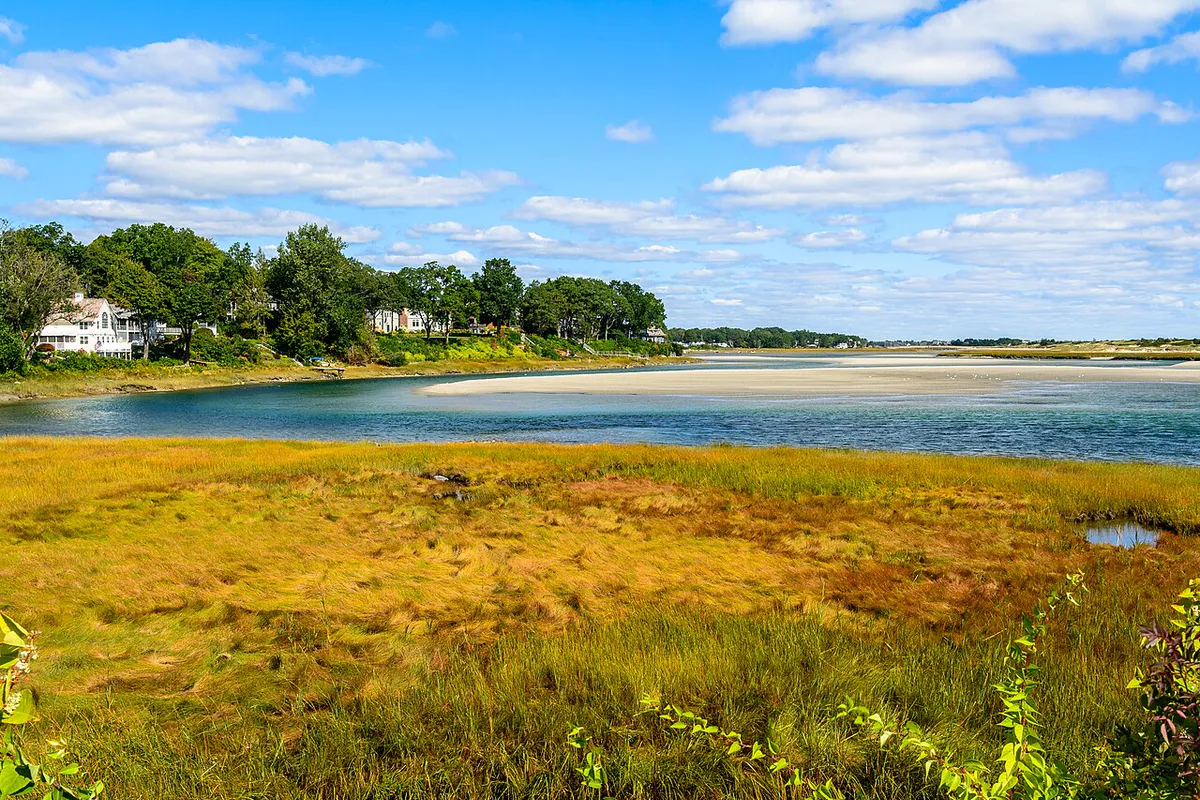
The reserve protects over 2,250 acres at the confluence of the Little River and the Webhannet River estuaries. The landscape is flat. This is coastal plain, not mountain country, but the ecological diversity is remarkable. In a single walk, you can pass through upland forest, old-field meadow, freshwater wetland, salt marsh, dune grass, and beach. Each habitat supports different plant communities and different birds, making this one of the richest birding sites in York County.
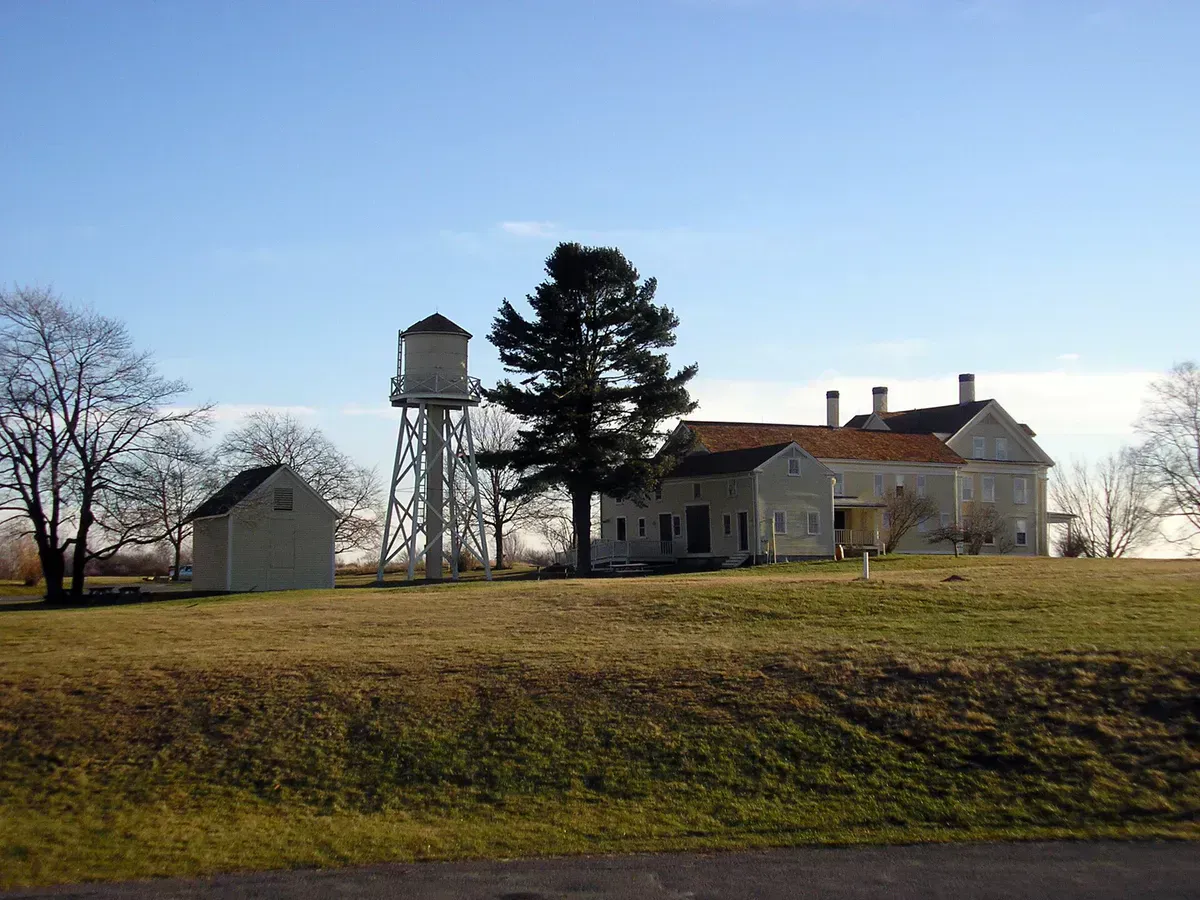
Laudholm Farm, the historic center of the reserve, dates to the mid-1800s and has been beautifully restored. The barn houses exhibits on estuarine ecology, and the farmhouse serves as the visitor center. The grounds around the buildings include gardens, apple trees, and rolling lawns that make it feel more like a country estate than a research station.
Trail Options
The trail network offers loops of varying length, and you can customize your walk from a quick 1-mile stroll to the full 7-mile circuit. The key trails are:
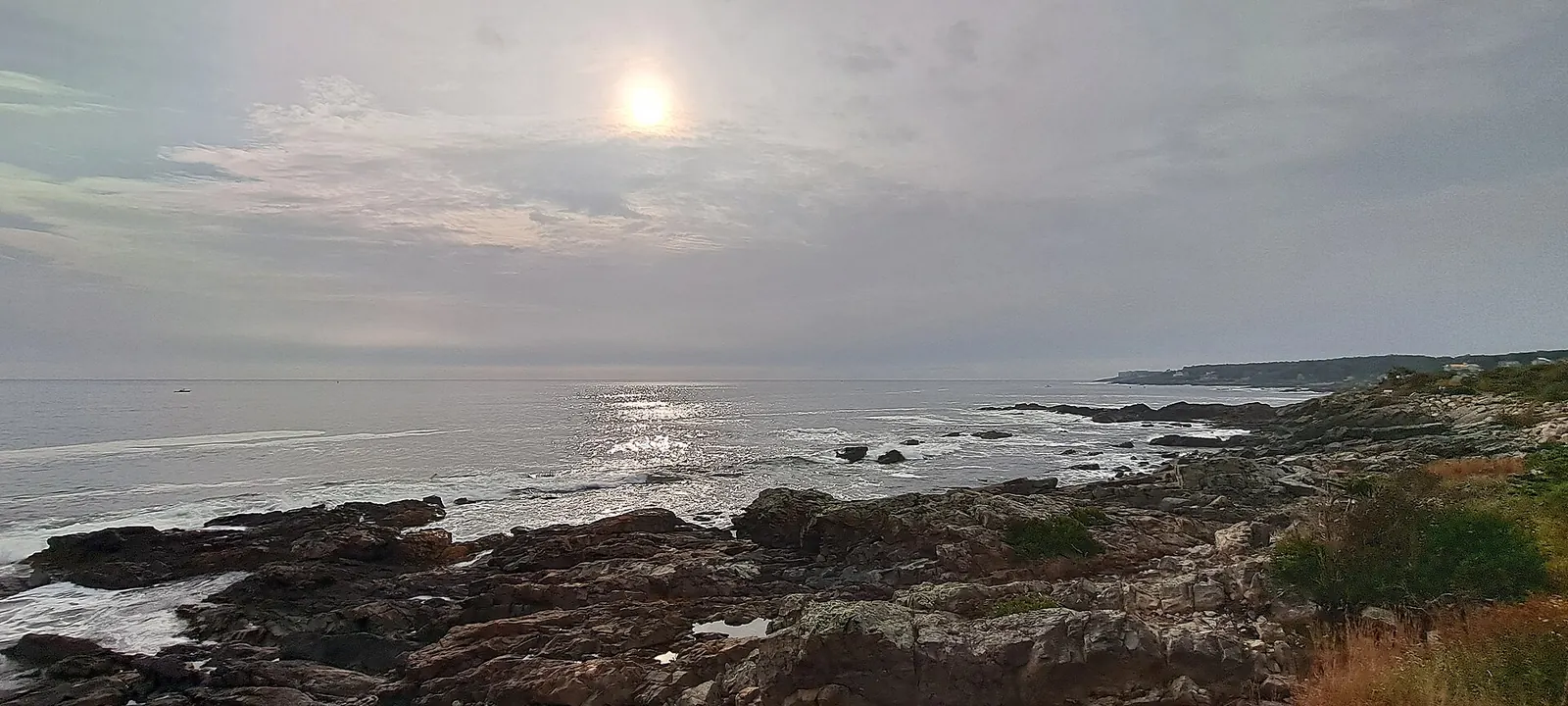
The Barrier Beach Trail is the most popular, following the Little River estuary out to a barrier beach on the Gulf of Maine. The walk is about 1.5 miles each way, passing through salt marsh on a well-graded path. The beach at the end is a pristine strand with views up and down the coast.
The Laird-Norton Trail loops through upland forest and meadows on the interior of the property, passing old stone walls and cellar holes from the farming era. This is the best trail for spring wildflowers and fall foliage.
The Muskie Trail follows the edge of the Webhannet River salt marsh with excellent birding. The Cart Path connects the various trails and provides the backbone of the full network circuit.
The Barrier Beach Trail through the salt marsh is the signature experience at Wells Reserve. Time your visit so you are walking through the marsh near high tide, when the channels fill and the marsh grasses stand in water. Then reach the beach as the tide is going out for the most expansive beach walking. The contrast between the two environments is striking.
Birding at Wells Reserve
This is one of the premier birding locations in southern Maine. The mix of habitats, salt marsh, beach, forest, meadow, and freshwater wetland, attracts an exceptional variety of species. Over 250 species have been recorded on the property.
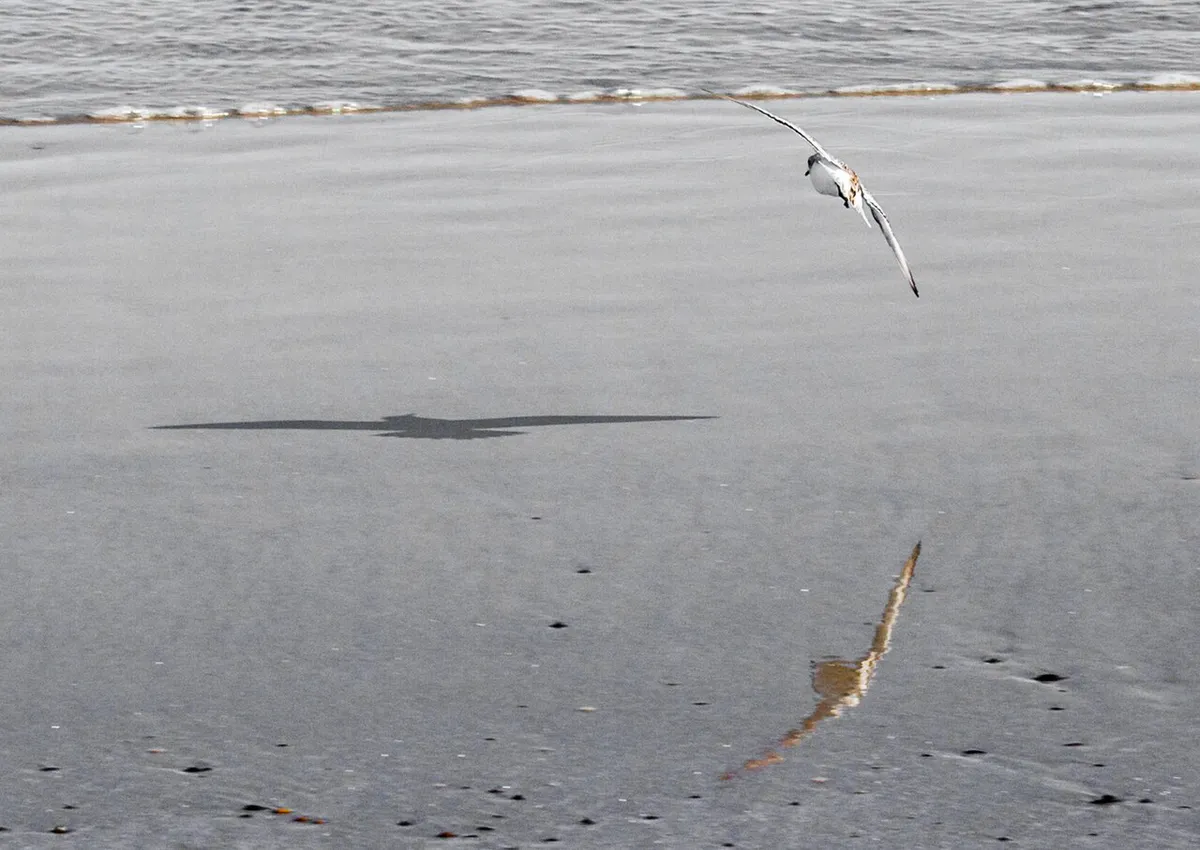
Spring migration brings warblers through the forest canopy and shorebirds to the marsh edges. Summer sees nesting saltmarsh sparrows (a species of conservation concern), osprey, and snowy egrets. Fall migration is spectacular, with hawks overhead and shorebirds staging on the beach and mudflats. Winter brings rough-legged hawks over the marshes and waterfowl in the estuaries.
Check the reserve’s eBird hotspot before your visit to see what has been reported recently. The staff at the visitor center are knowledgeable birders and can point you to where the best species are being seen on any given day. The salt marsh boardwalk section is the single best birding spot on the property.
The Salt Marsh
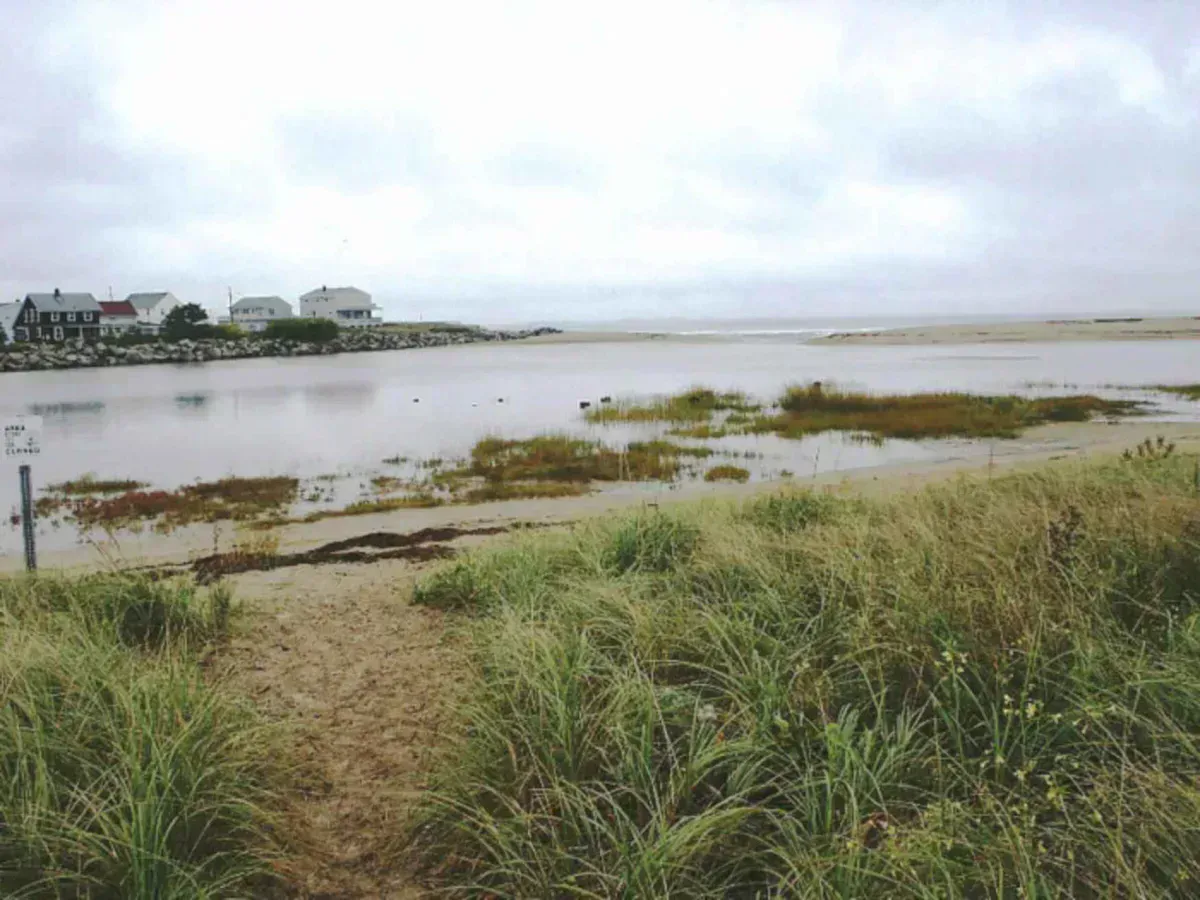
The salt marsh is the ecological engine of the reserve. Twice daily, the tide floods the marsh with seawater, bringing nutrients and marine organisms that support the entire food web. The marsh grasses, primarily Spartina alterniflora and Spartina patens, filter water, buffer storms, and provide habitat for fish, crabs, and birds.
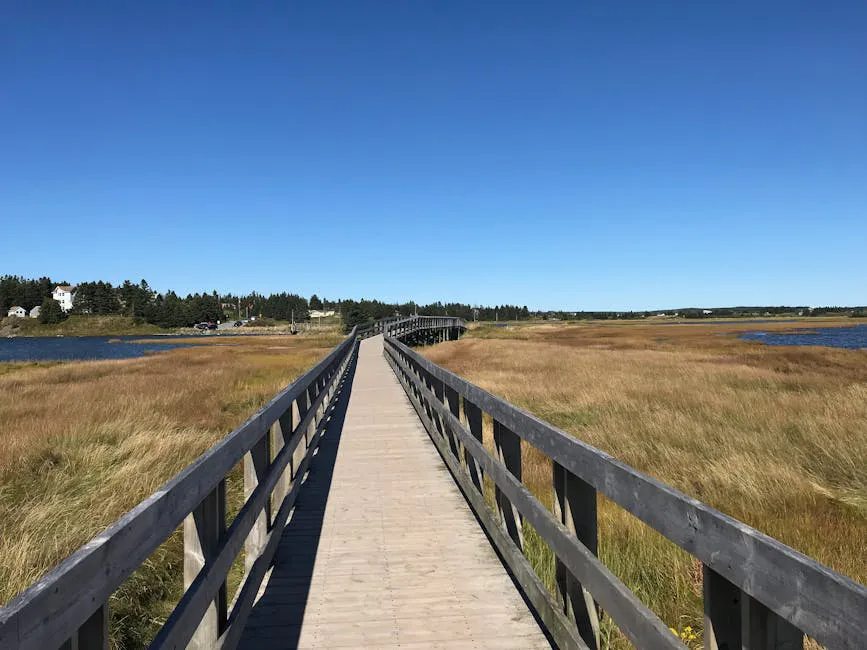
Walking through the marsh on the boardwalk and raised path, you can watch the tide rise and fall, see fiddler crabs by the thousands at low tide, and listen to the distinctive buzzy song of saltmarsh sparrows nesting in the grass. The marsh smells like salt, mud, and life.
Dogs are not allowed on the Wells Reserve trails. The property is a research reserve and wildlife habitat, and dogs disturb sensitive nesting species, particularly saltmarsh sparrows and shorebirds. Please leave pets at home.
When to Go
Spring
Warbler migration in May. Wildflowers in the forest. The marsh greens up. Shorebirds return.
Summer
Nesting birds, beach access, warm weather. Greenhead flies can be brutal in the marsh in July. Visit early morning or late afternoon.
Fall
Fall migration peaks in September. Hawks overhead, shorebirds on the beach. The marsh turns golden. Fewer insects.
Winter
Wintering raptors, waterfowl, and winter finches. Trails are quiet. The beach is wild and beautiful in winter light.
What to Bring
Wells Reserve Trail Packing List
- Binoculars (essential. This is a premier birding site)
- Bird identification guide or app
- Camera with zoom lens
- Bug spray (summer, greenhead flies in the marsh, mosquitoes in the forest)
- Sunscreen for the beach and marsh sections
- Water and snacks
- Hat (little shade on the marsh and beach trails)
FAQ
Are dogs allowed at Wells Reserve?
No. Dogs are not permitted on the trails. The reserve is a research site and critical habitat for sensitive species. Please leave pets at home.
Is there a fee for Wells Reserve?
From Memorial Day through Columbus Day, parking is $5 per vehicle. Off-season access is free. The trails are open year-round from 7am to sunset.
Can you swim at the Wells Reserve beach?
Yes. The barrier beach at the end of the Barrier Beach Trail is open for swimming. There are no lifeguards or facilities at the beach itself. The walk to the beach is about 1.5 miles each way.
How long do the Wells Reserve trails take?
The full 7-mile network takes 3 to 4 hours. The popular Barrier Beach Trail out-and-back is about 3 miles and takes 1.5 to 2 hours. The Laird-Norton forest loop is about 2 miles and takes an hour.