The Oldest Salmon Hatchery in America
On the shore of Alamoosook Lake in East Orland, a cluster of buildings and raceways marks the site of the oldest Atlantic salmon hatchery in the United States. Craig Brook National Fish Hatchery was established in 1871, when the wild Atlantic salmon runs in Maine’s rivers were already in steep decline from dam construction and overfishing. For more than 150 years, the hatchery has worked to preserve and restore Atlantic salmon in New England, a mission that has evolved from simple propagation to a complex effort to save a species now listed as endangered.
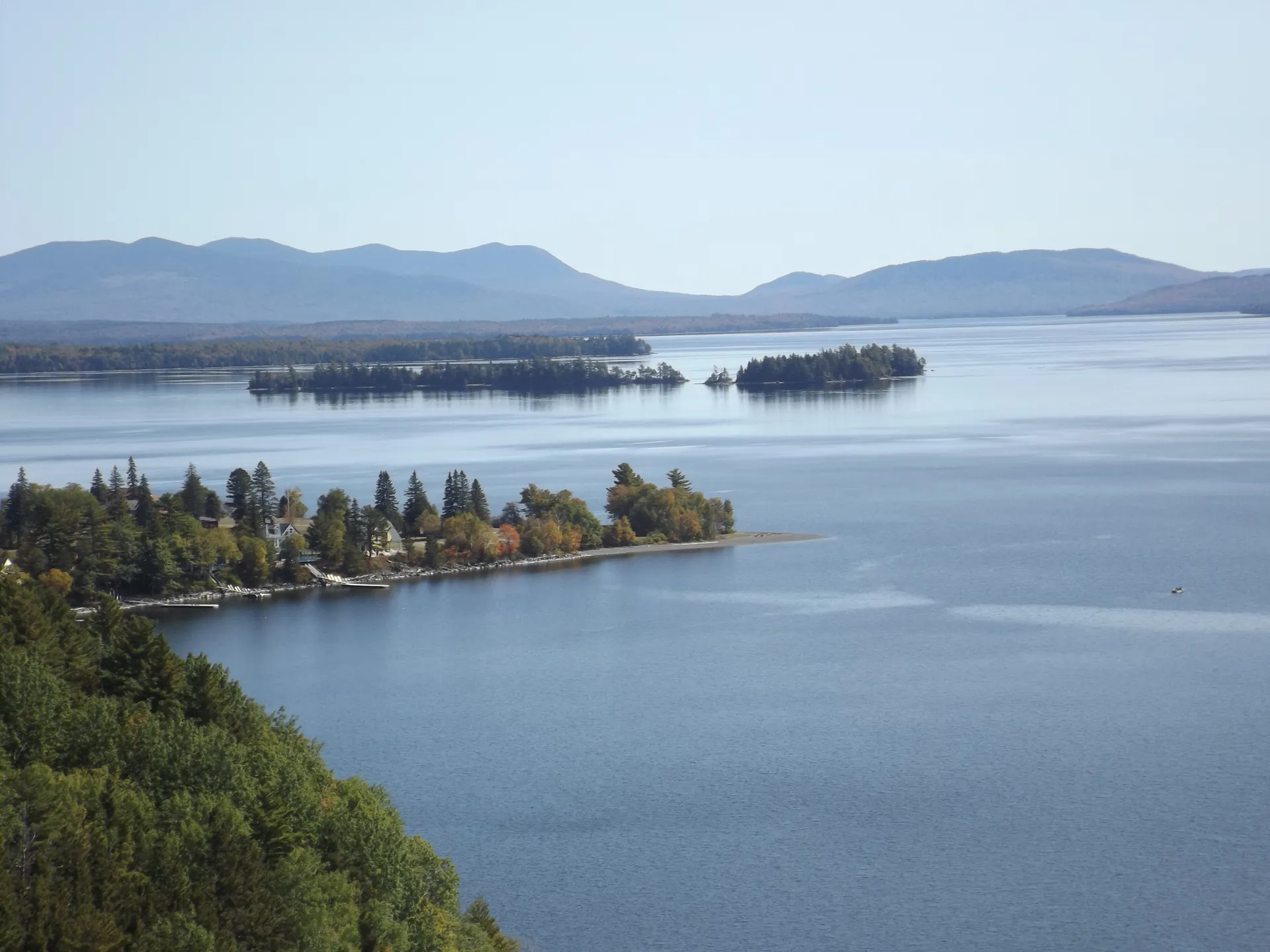
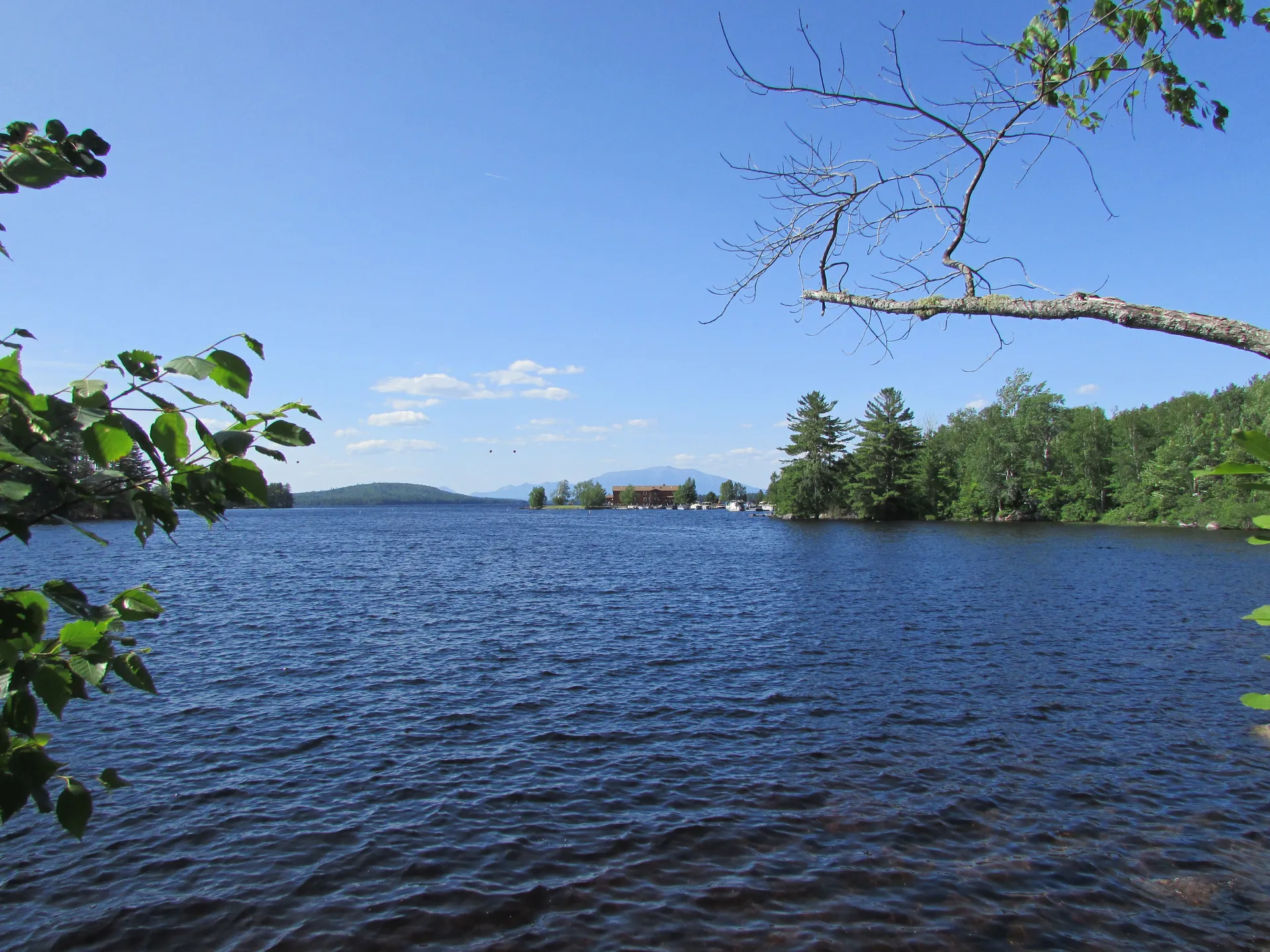
The hatchery is operated by the US Fish and Wildlife Service and is open to the public at no charge. What makes it worth visiting is the combination of the hatchery itself, where you can see Atlantic salmon at every life stage, a small but excellent visitor center with historical exhibits and an aquarium, and nature trails on the surrounding property that offer views of Alamoosook Lake and the surrounding hills.
The Hatchery
The working hatchery is the centerpiece of any visit. Outdoor raceways hold Atlantic salmon and landlocked salmon at various stages of development. In spring, you can see tiny salmon fry, barely an inch long, darting through the shallow water. By fall, the fish are smolts preparing for release into Maine rivers. Adult broodstock, the mature salmon used for egg collection, are held in larger tanks and are impressively large, some exceeding 15 pounds.
The hatchery staff are genuinely enthusiastic about their work and happy to answer questions. They can explain the lifecycle of Atlantic salmon, the challenges of restoring wild runs in Maine rivers, and the science behind the breeding and stocking programs. If you visit during egg-taking season (October and November), you may be able to observe the process.
The Visitor Center and Aquarium
The visitor center occupies a building near the main hatchery. Inside, exhibits trace the history of Atlantic salmon in Maine, from their abundance in pre-colonial rivers to their current endangered status. Maps show the historical range of salmon in Maine rivers and the dams, pollution, and habitat changes that reduced the runs.
A small aquarium displays native fish species found in Maine waters, including Atlantic salmon, brook trout, landlocked salmon, and various other freshwater species. The tanks are well-maintained and the fish are healthy and active. It is a genuinely educational stop, especially for children who have never seen a live salmon up close.
The center also houses the Atlantic Salmon Heritage Museum, which covers the cultural significance of salmon fishing in Maine, with historical fishing equipment, photographs, and stories from the era when salmon rivers were a cornerstone of Maine’s identity.
The Trails
Two nature trails wind through the hatchery property, offering forest walking and lake views.
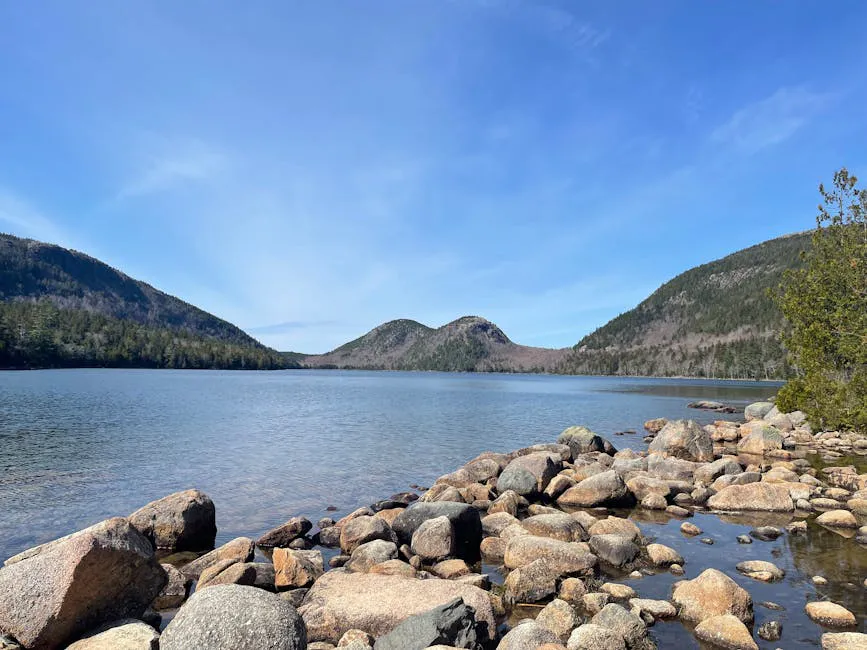
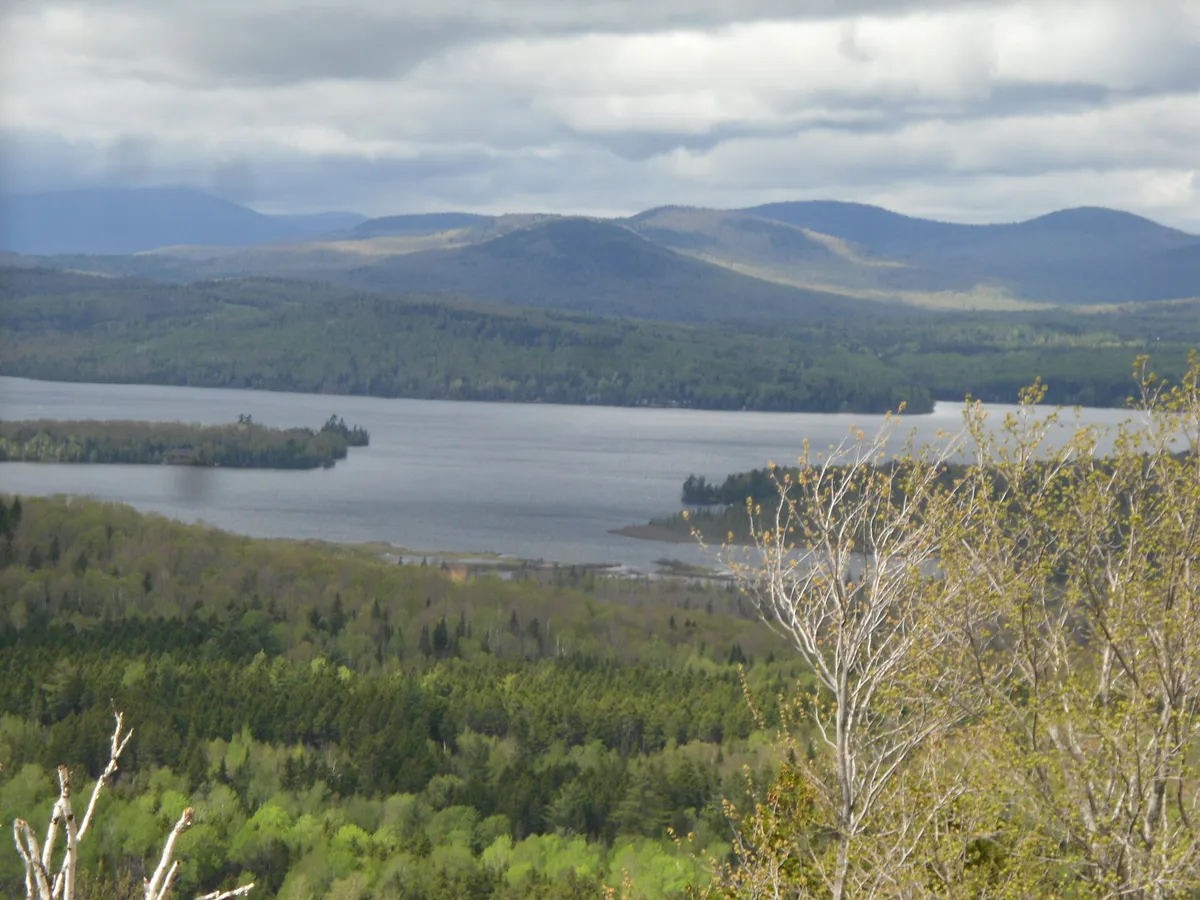
The Hatchery Trail (0.8 miles) loops through the forest behind the hatchery buildings and climbs to a ridge with views over Alamoosook Lake. The trail passes through mixed hardwood forest with mature oaks and maples, and the lake viewpoint is a pleasant spot to rest.
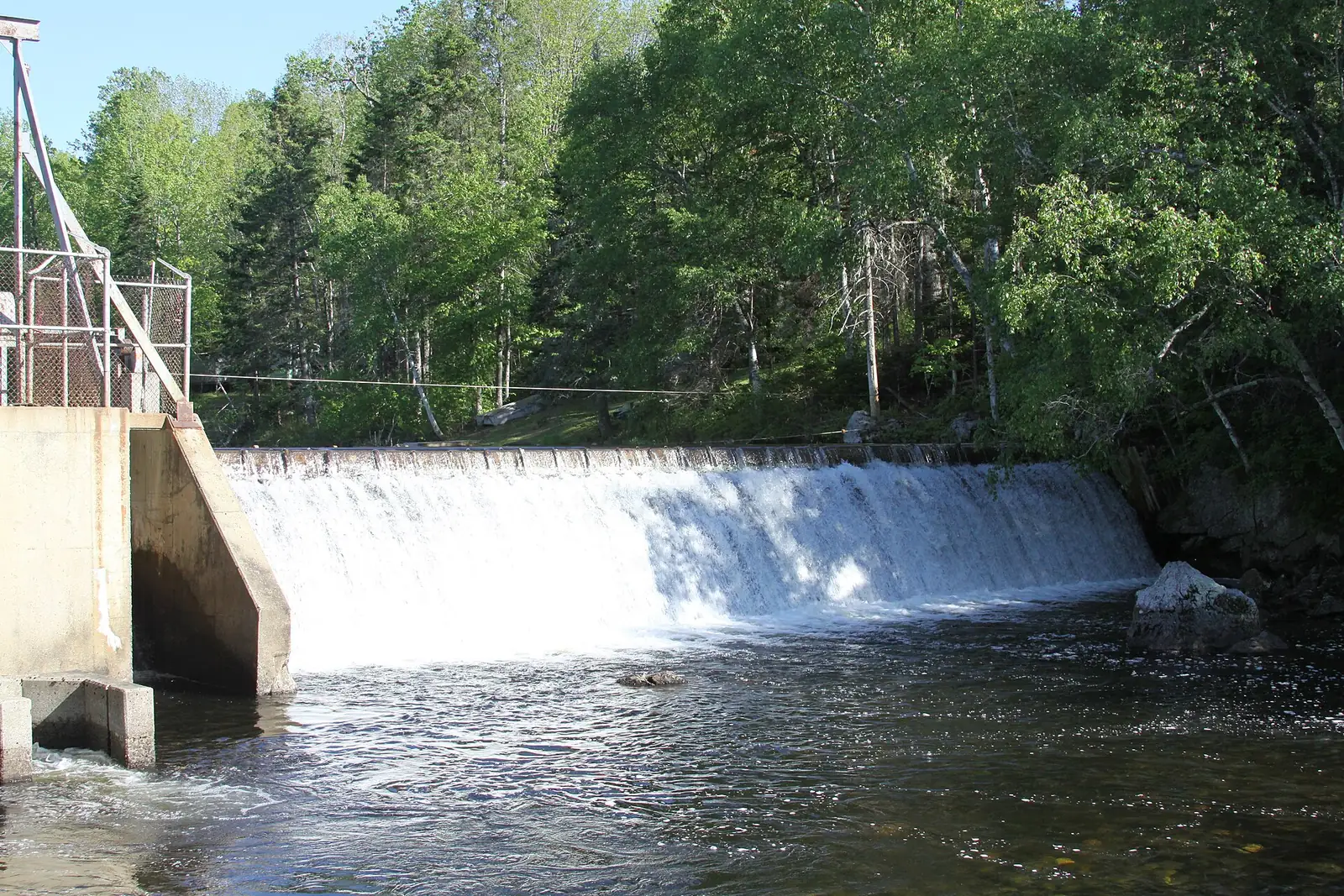
The Craig Brook Trail (1.2 miles) follows Craig Brook from the hatchery downstream toward the Penobscot River. This trail passes through riparian habitat and is good for bird watching. In fall, you may see adult salmon moving through the brook.
Both trails are easy to moderate, with some modest elevation gain on the ridge trail. They are well-marked and maintained by the Fish and Wildlife Service.
When to Go
Summer
Extended visitor center hours. Salmon smolts in the raceways. Lake is warm enough for paddling. Trails are in good condition.
Fall
Egg-taking season in October-November. Adult salmon return to the hatchery. Beautiful foliage around the lake. This is the most interesting time to visit the hatchery itself.
Spring
Salmon fry in the raceways. Wildflowers on the trails. Spring migration brings warblers through the surrounding forest.
Winter
Grounds and trails are open. Visitor center has limited hours (weekdays only). Hatchery operations continue year-round. Snow may cover trails.
Practical Notes
The hatchery is located on Hatchery Road off Route 1 in East Orland, well-marked with USFWS signs. The parking area is large and free. Restrooms are available at the visitor center. Picnic tables are set on the grounds overlooking the raceways.
Dogs on leash are welcome on the grounds and trails. The site is family-friendly and especially good for children, who enjoy watching the fish in the raceways and the aquarium.
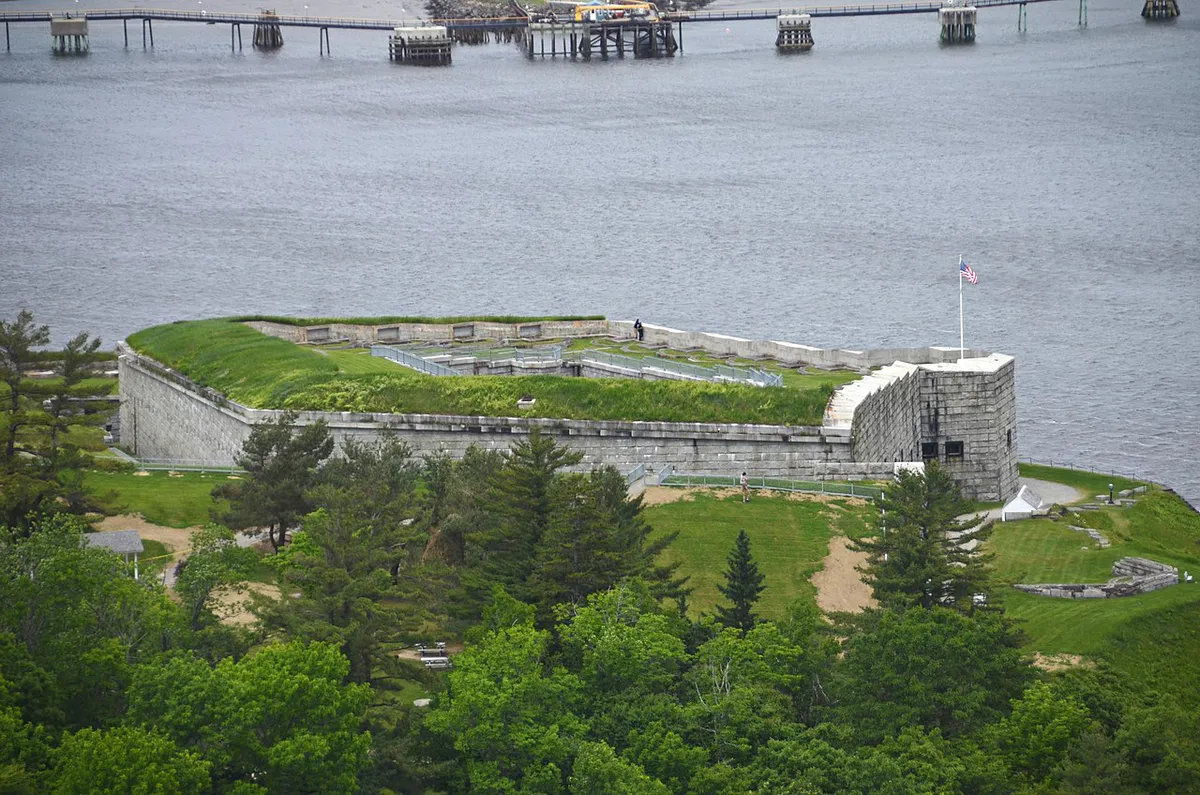
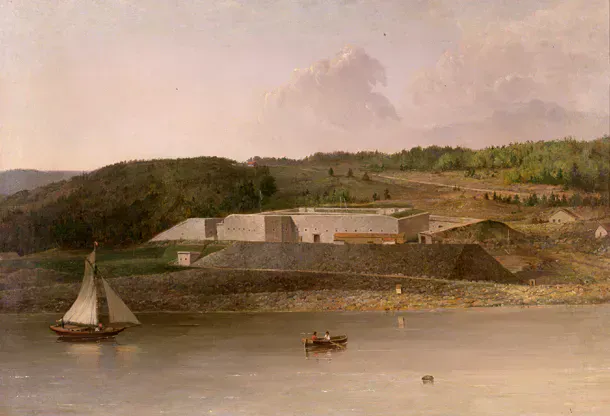
The hatchery is about 25 minutes from Bangor and makes an easy side trip en route to Acadia National Park or the Blue Hill Peninsula. It combines well with a visit to Fort Knox and the Penobscot Narrows Observatory, which are about 10 minutes south.
Checklist
What to Bring
- Stop at the visitor center for exhibits and the aquarium
- Walk along the outdoor raceways to see salmon at all stages
- Ask hatchery staff about the salmon restoration program
- Hike the Hatchery Trail for Alamoosook Lake views
- Visit in October-November for egg-taking season
- Bring a kayak or canoe for the free boat launch
- Pack a picnic for the tables overlooking the raceways
- Bring binoculars for eagles over the lake
- Allow 1-2 hours for the hatchery and trails
- Combine with Fort Knox and the observatory nearby
FAQ
Is there a fee to visit Craig Brook Hatchery?
No. The hatchery, visitor center, aquarium, and trails are all free and open to the public.
When was Craig Brook Hatchery established?
In 1871, making it the oldest Atlantic salmon hatchery in the United States. It has been in continuous operation for over 150 years.
Can you see salmon at the hatchery?
Yes. Outdoor raceways hold Atlantic salmon and landlocked salmon at various life stages year-round. Adult broodstock are especially impressive in fall.
Is the hatchery good for kids?
Yes. Children enjoy watching the fish in the raceways and the aquarium. The visitor center has educational exhibits about salmon biology and Maine river ecology. The trails are easy enough for families.
What is the connection to the Penobscot River?
Craig Brook flows into the Penobscot River, and the hatchery raises salmon that are released into the Penobscot and other Maine rivers to support the endangered Atlantic salmon restoration effort.
Combine your visit with Fort Knox State Historic Site and the Penobscot Narrows Bridge Observatory in Prospect, about 10 minutes south.