Walking on Water
The Orono Bog Boardwalk is a 4,800-foot wooden walkway that extends from the Bangor City Forest into a northern peat bog straddling the line between Bangor and Orono. The boardwalk hovers a few inches above the surface of a living sphagnum mat, a spongy carpet of moss and specialized plants floating on water that accumulated here over thousands of years. Walking on it feels slightly surreal. The ground beneath the boardwalk moves. If you step gently beside the walkway (you should not, but if you did), your foot would sink into a wet, spongy mass that looks like solid ground but is mostly water.
Peat bogs are among the oldest and least disturbed ecosystems in Maine. This one began forming after the last glacier retreated roughly 12,000 years ago, when a depression left by the ice filled with water and gradually accumulated layers of dead sphagnum moss, each layer compressing the one below. The result is a dome of peat several feet deep, saturated with acidic water, poor in nutrients, and home to a community of plants and animals found almost nowhere else in the region.
What You See
The boardwalk is divided into seven octagonal interpretive stations, each 10 feet wide, with panels explaining the geology, botany, and ecology of the bog. Between the stations, the boardwalk passes through distinct zones that change as you move from the forested edge toward the open bog center.
The Wooded Fen: The first section passes through a mixed wooded fen, a transitional zone between the upland forest and the open bog. Tamarack (larch), black spruce, and red maple grow here, their roots reaching into the saturated peat. The understory is thick with ferns, mosses, and sphagnum.
The Open Bog: As the forest thins, the boardwalk enters the open peat bog itself. The sphagnum mat spreads in every direction, a landscape of subtle reds, greens, and browns. Scattered bog shrubs, including leatherleaf, sheep laurel, and Labrador tea, rise a few feet above the moss surface. Small black spruce trees, stunted by the nutrient-poor soil, stand like bonsai across the bog.
Carnivorous Plants: The bog’s nutrient-poor conditions have produced one of nature’s most fascinating adaptations: plants that eat insects. Sundews (Drosera) dot the sphagnum surface, their tiny reddish leaves covered in sticky droplets that trap insects. Pitcher plants (Sarracenia purpurea) grow in clusters, their tubular leaves collecting rainwater that drowns insects and digests them for nutrients the soil cannot provide.
Birds of the Bog
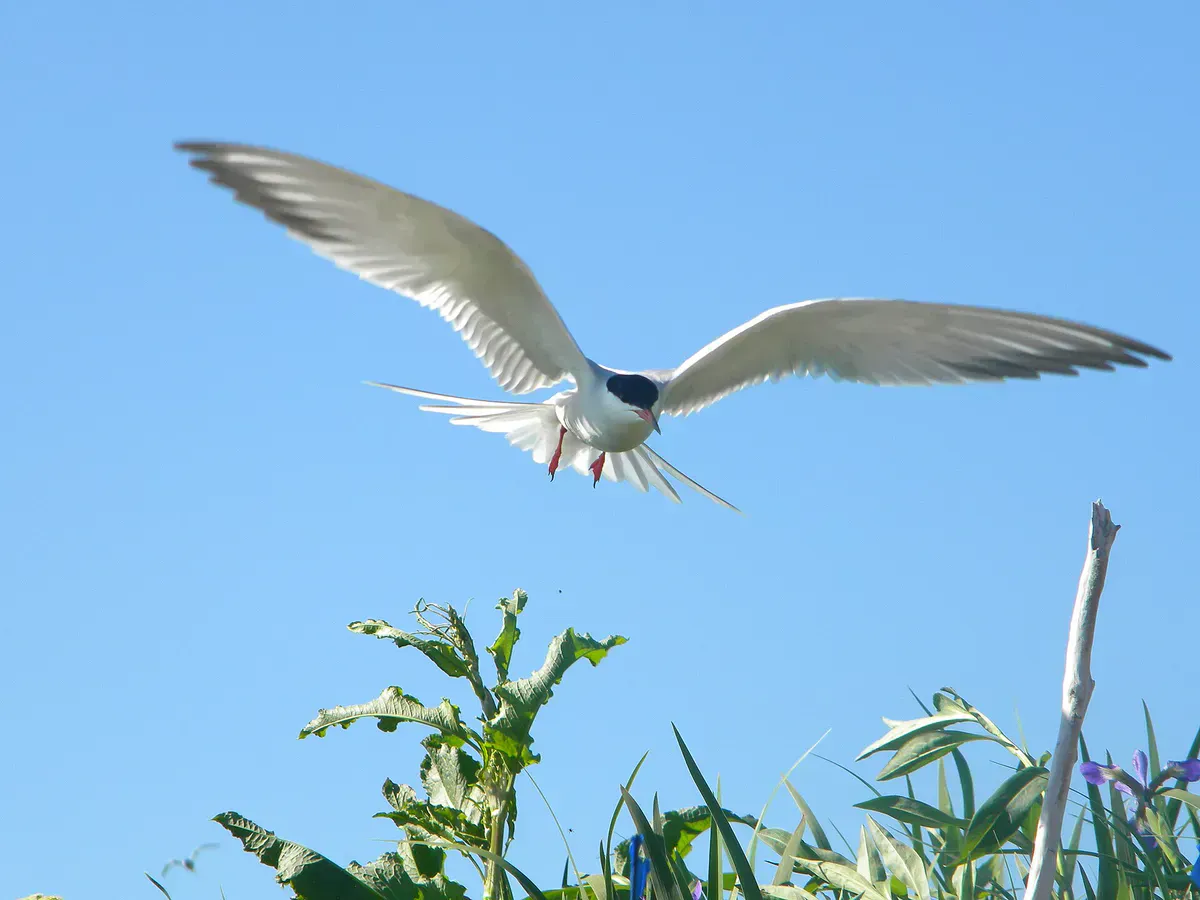
The bog supports a community of boreal birds that are uncommon in southern Maine. Lincoln’s sparrows sing from the shrub layer, their buzzy song a signature of northern bogs. Palm warblers bob their tails from the tips of stunted spruce. In the wooded edges, look and listen for boreal chickadees, yellow-bellied flycatchers, and olive-sided flycatchers. Great blue herons wade in the open water sections, and in fall, migrating raptors pass over the bog.
The boardwalk’s elevated position gives you an eye-level view into the shrub layer where many of these birds nest and feed. Early morning visits, when birds are most active and the bog is quietest, offer the best birding.
Accessibility
The Orono Bog Boardwalk is fully wheelchair accessible and ADA compliant. The boardwalk is flat, level, and wide enough for wheelchair passage throughout. Benches are placed every 200 feet for resting and contemplation. This is one of the most accessible natural experiences in Maine, and the interpretive stations make it an excellent destination for families with children of all ages.
The boardwalk does not form a loop. It extends into the bog and returns along the same route, for a total walk of roughly one mile out and back. The pace is naturally slow, as the interpretive stations and the surrounding ecology invite lingering. Most visitors spend 45 minutes to an hour.
When to Go
Spring
Boardwalk opens May 1. Warbler migration peaks in May. Pitcher plants begin to grow. The bog is lush and green. Mosquitoes can be heavy.
Summer
Pitcher plant flowers bloom. Sundews are most active and visible. Dragonflies patrol the open bog. Warm days but bring bug spray for the wooded sections.
Fall
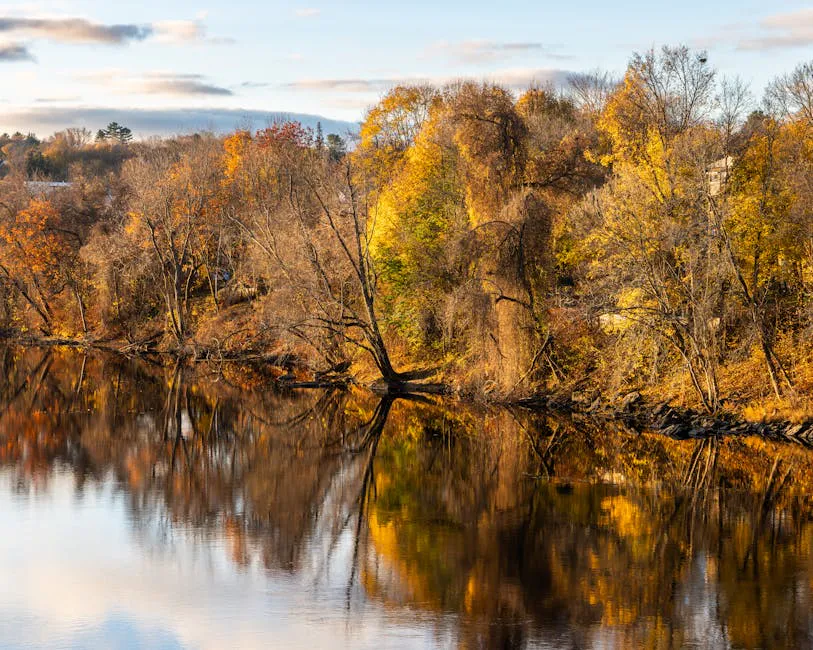
Tamarack trees turn golden, the only conifer in Maine that drops its needles. Cranberries ripen on the bog surface. Fewer bugs. Boardwalk closes the last Sunday in November.
Winter
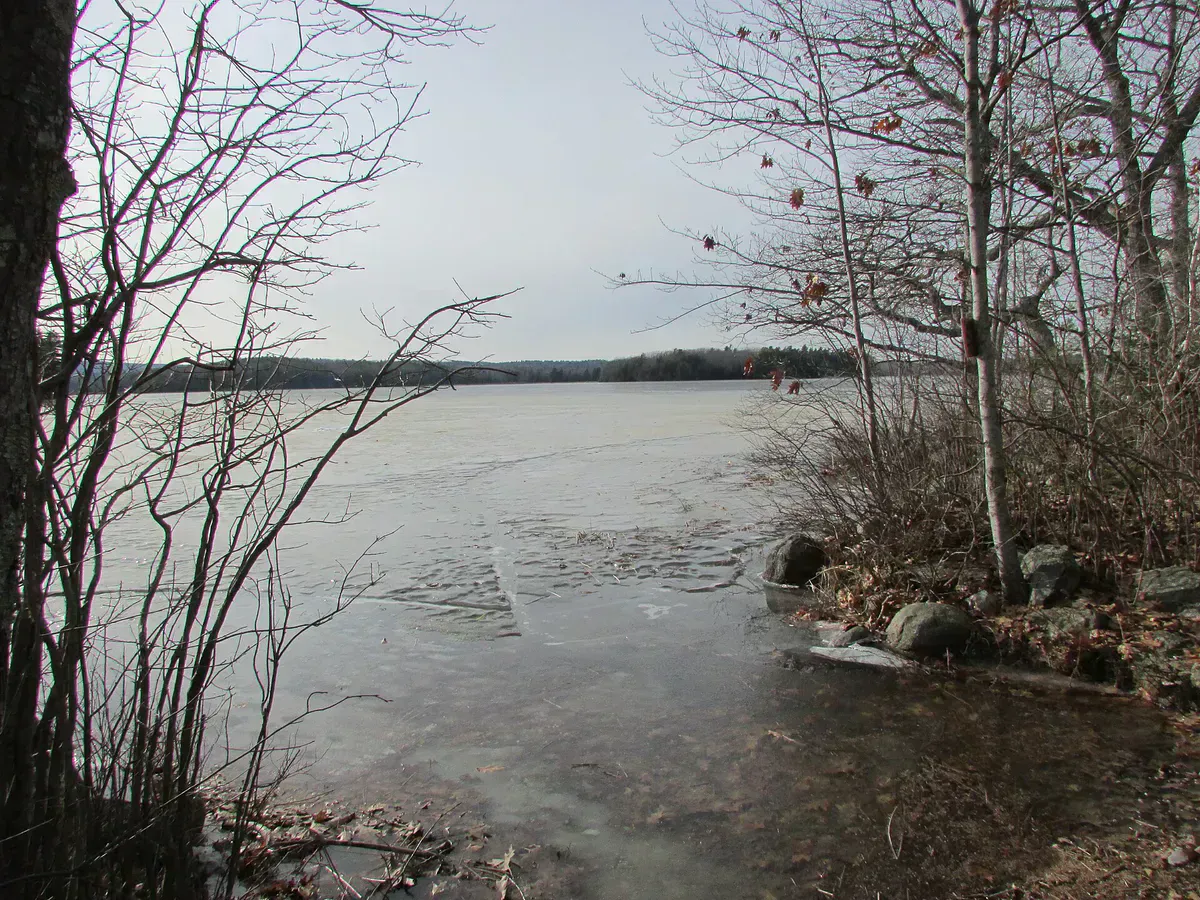
Boardwalk is closed. The bog is frozen and snow-covered. No access.
Practical Notes
The boardwalk is accessed from the Bangor City Forest, which has a parking area, restrooms, and several miles of walking trails through the forest in addition to the boardwalk. The Bangor City Forest trails are open year-round, even when the boardwalk is closed.
Dogs, bicycles, and strollers are not permitted on the boardwalk. The boardwalk surface can be wet, but it is treated to prevent slipping. There is no food or water available; bring your own.
Getting There
From I-95, take Exit 186 (Stillwater Avenue) in Bangor. Turn right onto Stillwater Avenue and continue approximately 1.5 miles. Turn left onto Tripp Drive, which leads to the Bangor City Forest parking area. The boardwalk entrance is at the far end of the forest trail system.
From downtown Bangor, the drive is about 10 minutes. From Portland, about 2 hours and 10 minutes via I-95.
GPS coordinates for the parking area: 44.8550, -68.7170
FAQ
Is the Orono Bog Boardwalk wheelchair accessible?
Yes. The boardwalk is fully ADA compliant and wheelchair accessible throughout its 4,800-foot length. The surface is flat and level with benches every 200 feet.
Is there a fee to visit the boardwalk?
No. The boardwalk is free and open to the public from May 1 through the last Sunday in November.
Are dogs allowed on the boardwalk?
No. Dogs are not permitted on the boardwalk. They are allowed in the Bangor City Forest on leash.
What are the carnivorous plants in the bog?
Two types of carnivorous plants grow in the bog: sundews (Drosera), which trap insects with sticky droplets on their leaves, and pitcher plants (Sarracenia purpurea), which collect rainwater in tubular leaves that drown and digest insects.
How long does it take to walk the boardwalk?
The boardwalk is about one mile round trip. Most visitors spend 45 minutes to an hour, stopping at the seven interpretive stations and observing the plant and animal life along the way.