A Peatland on the Edge of Town
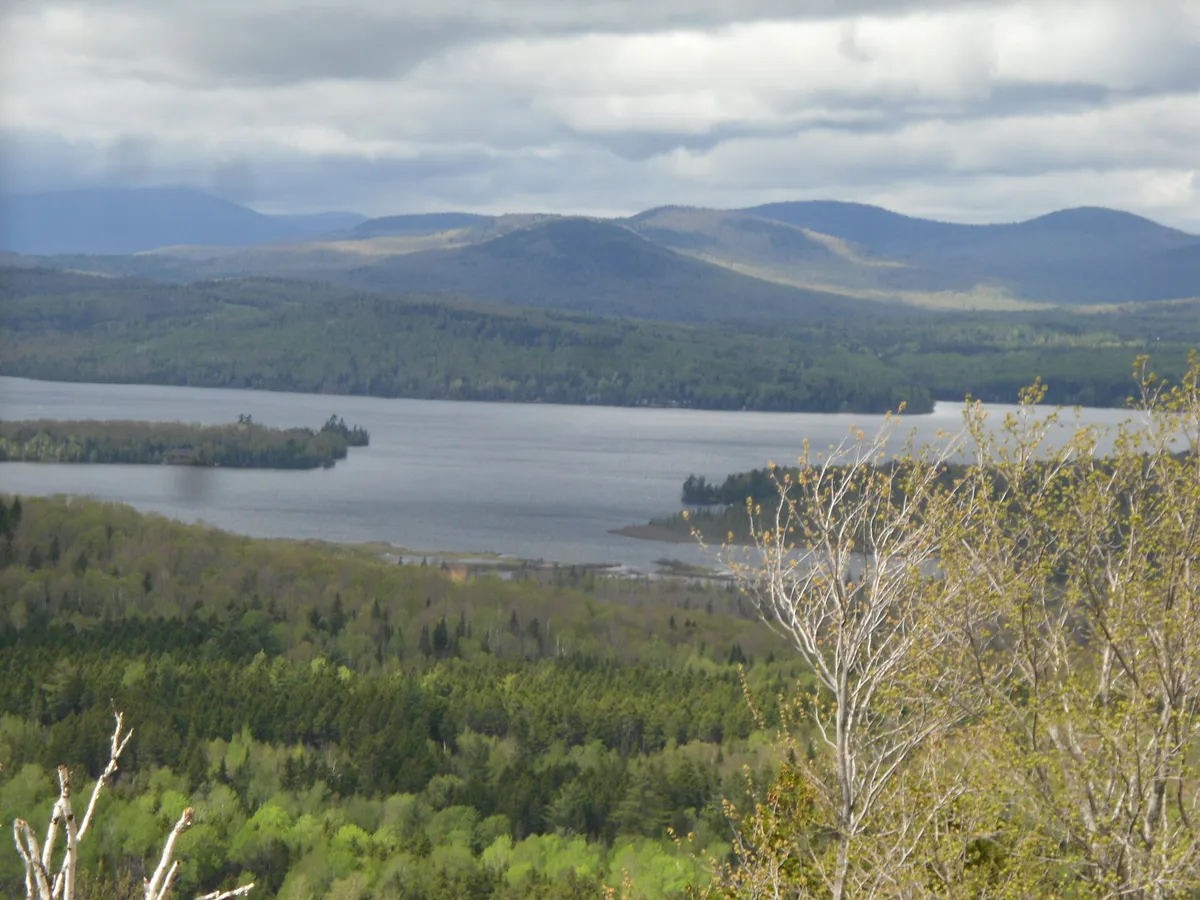
Sunkhaze Meadows National Wildlife Refuge occupies 11,848 acres of peatland, forested wetland, and upland habitat in Milford and the surrounding unorganized townships of Penobscot County. It protects the second-largest peatland in Maine, a vast, flat landscape of bogs, fens, marshes, and swamps that stretches for miles along Sunkhaze Stream and its tributaries. The refuge sits just 20 minutes from downtown Bangor, making it one of the most accessible wilderness-quality wildlife areas in the state.
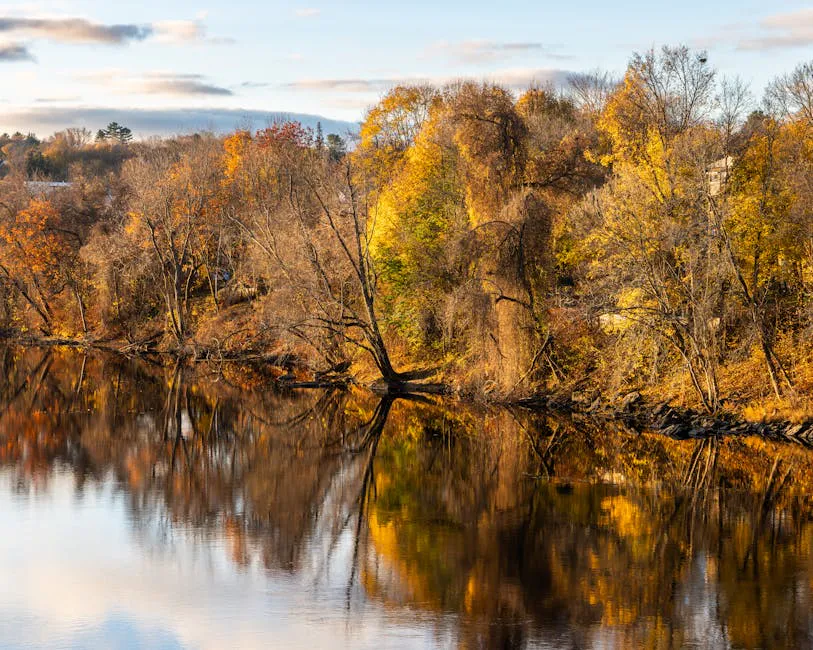
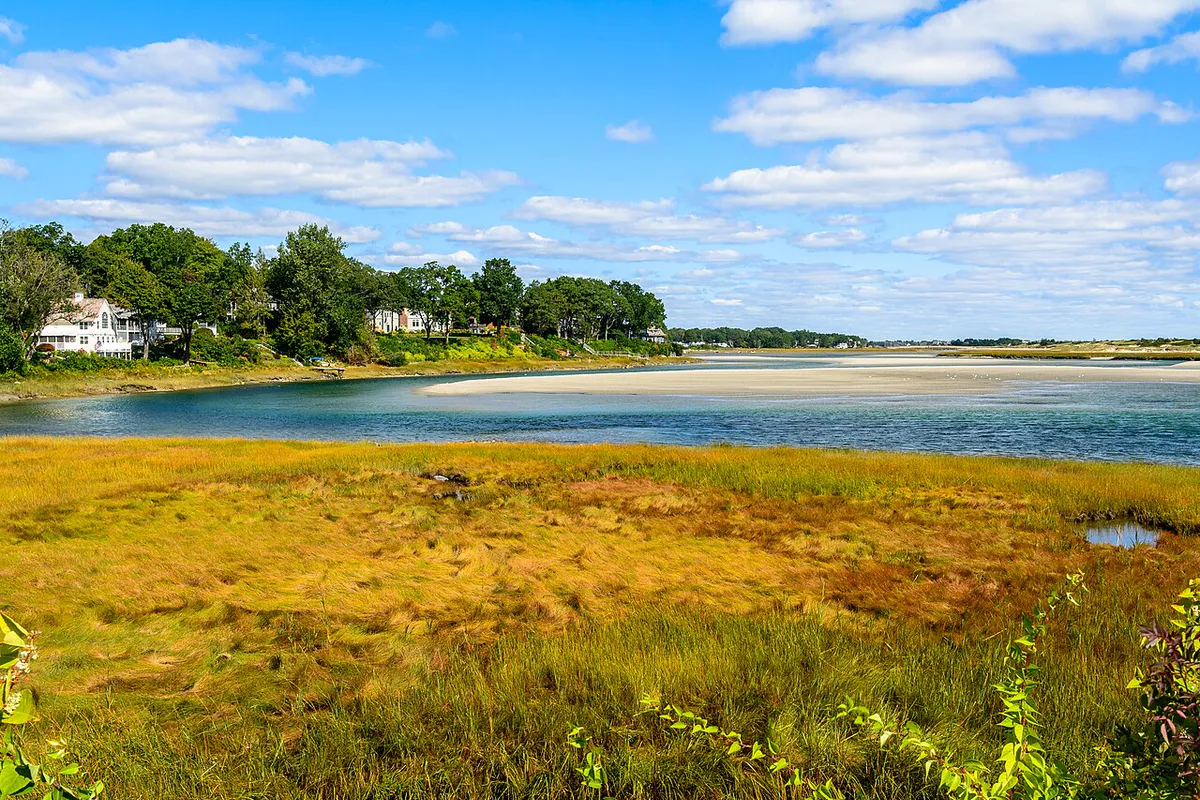
The word “meadows” in the name is misleading. This is not pastoral grassland. It is a wild, wet, densely vegetated landscape dominated by sphagnum moss, sedges, leatherleaf, Labrador tea, and scattered stands of black spruce and tamarack. The peatland has been forming for roughly 10,000 years since the last glacial retreat, accumulating organic material in the waterlogged, acidic conditions that slow decomposition. In places, the peat is more than twenty feet deep.
The U.S. Fish and Wildlife Service established the refuge in 1988 to protect this regionally significant wetland complex. Since then, the refuge has grown through acquisitions and conservation easements, creating a contiguous block of protected habitat that supports an impressive diversity of wildlife.
The Trails
Sunkhaze Meadows has approximately five miles of trails across several access points. The trails are generally flat, following old logging roads and purpose-built paths through the forest and along the edges of the peatland.
Ash Hill Trail (2.1 miles)
The Ash Hill Trail is the most popular route, beginning at the main trailhead off County Road in Milford. The trail follows an old logging road through mixed forest, gradually descending to the edge of the peatland. Views open up over the bog where the forest thins, and observation points provide overlooks across the wetland complex.
Johnson Brook Trail (1.5 miles)
The Johnson Brook Trail branches off the Ash Hill Trail and follows Johnson Brook through a riparian corridor that is particularly good for songbird habitat. The trail is narrower and wetter than Ash Hill, with occasional muddy sections.
Bog Boardwalk
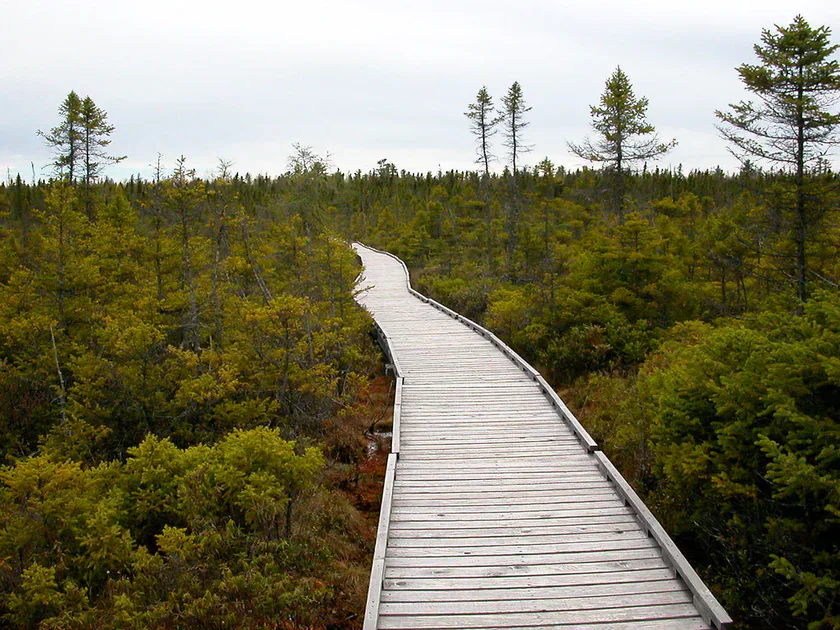
A short boardwalk section extends into the peatland from one of the observation points, allowing visitors to walk out over the sphagnum surface and observe bog plants up close without damaging the fragile habitat.
Visit at dawn or dusk for the best chance of seeing moose. The edges of the peatland where forest meets open bog are prime moose feeding habitat, especially in early morning when moose browse on aquatic vegetation in the shallow wetlands. Park at the Ash Hill trailhead and walk quietly toward the first bog overlook.
Moose Country
Sunkhaze Meadows is one of the most reliable places to see moose in central Maine. The combination of extensive wetlands, aquatic vegetation, and adjacent forest cover creates ideal moose habitat, and the refuge’s 11,848 acres provide enough space for a healthy resident population.
Moose are most commonly seen feeding in the shallow water and wet meadows at the edges of the peatland. They wade into the bogs to eat water lilies, pondweed, and other aquatic plants, and they browse on hardwood saplings and shrubs along the forest margins. A cow moose with calves in June or July is a common sight for patient early-morning visitors.
Moose are wild animals and can be dangerous, especially cows with calves. Maintain a distance of at least 100 feet. Never approach, follow, or attempt to feed moose. If a moose pins its ears back or raises the hair on its neck, you are too close. Back away slowly.
Bog Orchids and Rare Plants
The peatland at Sunkhaze Meadows supports a specialized plant community adapted to the acidic, nutrient-poor conditions. Several species of orchids grow in the bog, including rose pogonia, calopogon (grass pink), and arethusa (dragon’s mouth). These orchids bloom in June and July, their delicate flowers rising from the sphagnum moss in shades of pink and purple.
Carnivorous plants are present as well. Pitcher plants and sundews dot the open bog surface, supplementing the meager soil nutrients by capturing and digesting insects. Cotton grass waves its white tufts above the sphagnum in June, and cranberry vines trail across the bog surface, producing berries in fall.
Late June is peak orchid season at Sunkhaze Meadows. The rose pogonias and calopogons bloom together, creating pink-flowering patches across the sphagnum surface visible from the boardwalk and overlook points. Bring a camera with a macro lens. These orchids are worth photographing.
Birding
The refuge’s mix of wetland, forest, and edge habitat supports a diverse bird community. More than 200 species have been recorded at Sunkhaze Meadows over the years.
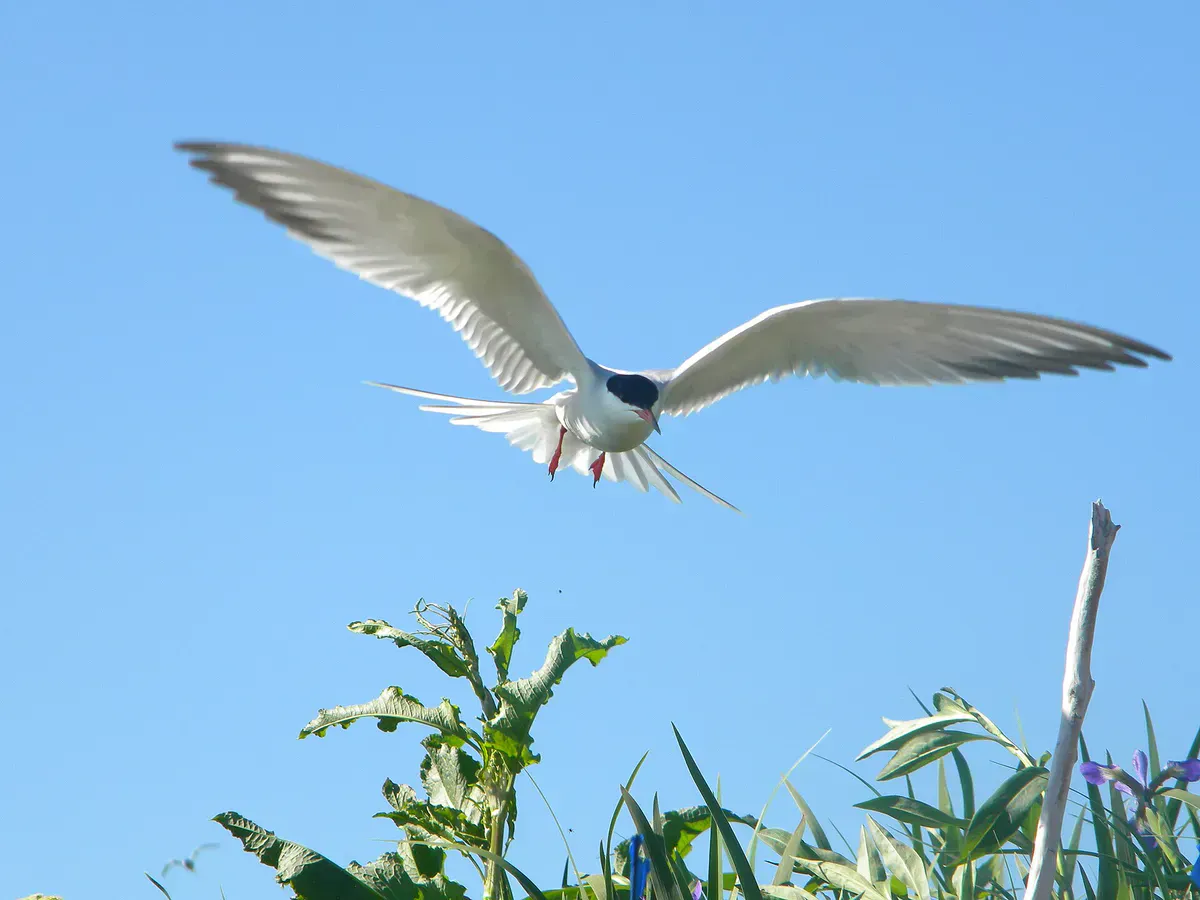
Spring and summer bring nesting warblers to the forest understory, black-throated blue, Canada, Nashville, and magnolia warblers among them. Palm warblers nest in the open bog. Olive-sided flycatchers call from snag tops at the bog edge. American bitterns boom from the marsh, and Virginia rails skulk through the dense sedge.
Waterfowl use the refuge’s streams and pools extensively. Wood ducks, black ducks, ring-necked ducks, and hooded mergansers all nest here. Great blue herons fish the waterways, and the occasional night-heron is spotted.
Raptors include northern harriers hunting over the open wetlands, barred owls in the forest, and the occasional short-eared owl in fall and winter.
Planning Your Visit
Spring
Warblers arrive in May. Moose active. Trails may be wet and muddy through mid-May. Black flies peak in late May and June.
Summer
Orchids bloom June and July. Best weather for walking. Moose with calves. Mosquitoes present but manageable with repellent.
Fall
Tamarack turns gold in October. Moose rut in September and October. Waterfowl migration. Cool, comfortable walking. Fewer bugs.
Winter
Trails open for snowshoeing and cross-country skiing. Moose tracks visible in snow. Quiet and cold. Raptors present.
Sunkhaze Meadows NWR Visit
- Binoculars (essential for moose and bird watching)
- Camera with telephoto and macro lenses
- Waterproof hiking boots (trails can be wet year-round)
- Bug spray and head net (critical May through August)
- Water and snacks
- Field guide for birds, orchids, or bog plants
- Rain jacket
- Patience, wildlife viewing here rewards quiet, slow observation
- Dogs welcome but must be leashed on trails
Getting There
From Bangor, take Route 2 east to Milford, then turn right onto County Road. The main trailhead and parking area are about 2 miles down County Road on the left, marked with a U.S. Fish and Wildlife Service sign. The drive from downtown Bangor is about 20 minutes. From Portland, allow about 2 hours and 35 minutes via I-95 north to Bangor.
Cell service is spotty at the refuge. You will likely have some signal at the parking area but lose it on the trails. Download maps before arriving.
FAQ
Will I see moose at Sunkhaze Meadows?
Moose sightings are common, especially at dawn and dusk along the peatland edges. They are not guaranteed on any single visit, but patient early-morning visitors who walk quietly toward the bog overlooks have a good chance.
Is there a fee to visit?
No. Sunkhaze Meadows NWR is free and open to the public year-round, dawn to dusk.
Are dogs allowed?
Yes. Dogs are welcome on the refuge trails but must be kept on leash at all times.
How long are the trails?
The refuge has approximately five miles of trails. The main Ash Hill Trail is 2.1 miles. The Johnson Brook Trail adds another 1.5 miles. Walking the main trails takes one to three hours depending on pace and wildlife stops.
Can I kayak at Sunkhaze Meadows?
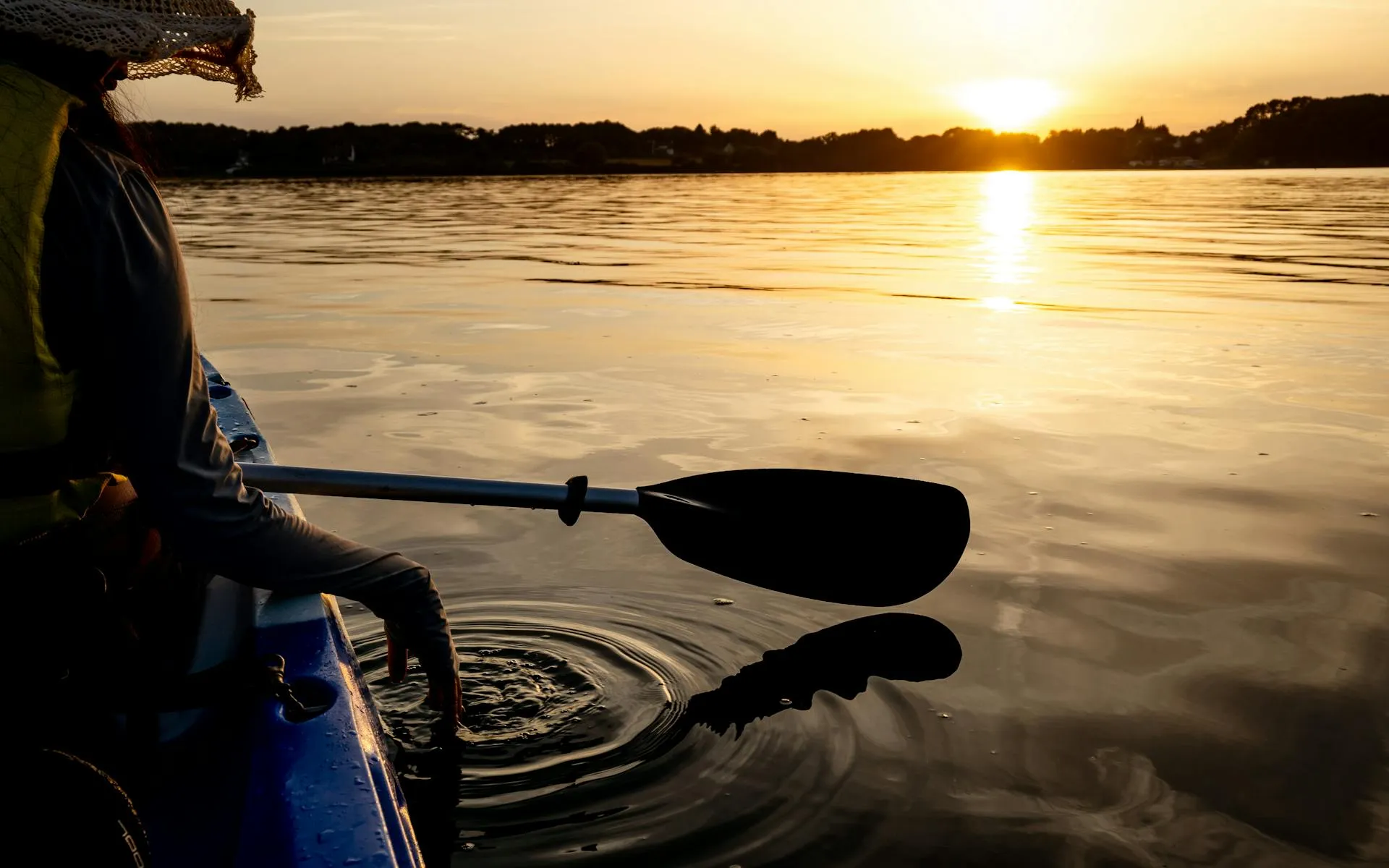
Kayaking and canoeing are possible on Sunkhaze Stream during periods of sufficient water level, typically spring through early summer. The stream is narrow, winding, and often obstructed by beaver dams. It is an adventure paddle, not a recreational float.