
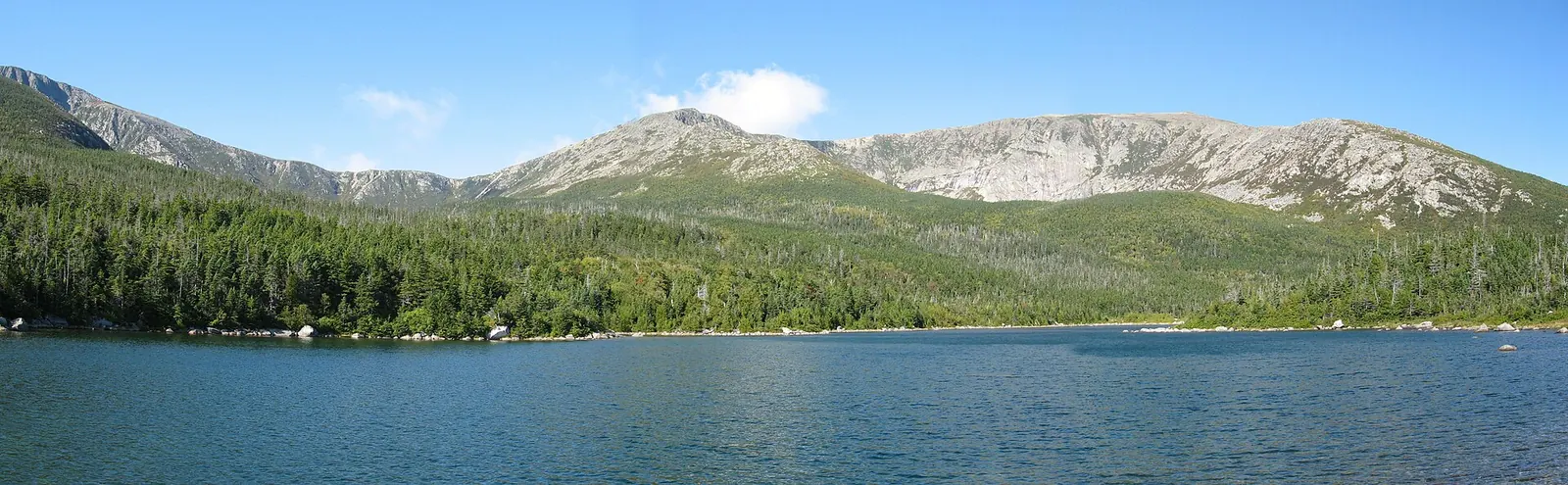
A Quiet Kingdom of Bogs and Ponds
Hirundo Wildlife Refuge sprawls across 2,440 acres of wetlands, forests, and ponds on the border of Alton and Old Town, about 20 minutes north of Bangor. The name comes from the Latin for swallow, a nod to the barn swallows and tree swallows that course over the refuge’s ponds each summer. The property was assembled over decades through donations of private land, much of it formerly logged or farmed, and has been allowed to return to a wild state managed for wildlife and low-impact public access.
What distinguishes Hirundo from other natural areas in the Bangor region is its size and its wetland diversity. The refuge encompasses four ponds, extensive bogs, wooded swamps, and the riparian corridors that connect them. Boardwalks thread through the wettest areas, putting you at eye level with the bog ecosystem and giving access to habitats that would otherwise be unreachable on foot.
The refuge has a long relationship with the University of Maine in nearby Orono. UMaine researchers have used the property for ecological studies for decades, and the refuge hosts educational programs and field trips. But on most days, you will have the trails largely to yourself.
The Trail System
Approximately four miles of trails and boardwalks cross the refuge, connecting the ponds and threading through the various habitats. The trails are mostly flat and easy, though some sections can be muddy. Trail maps are available at the kiosk near the parking area.
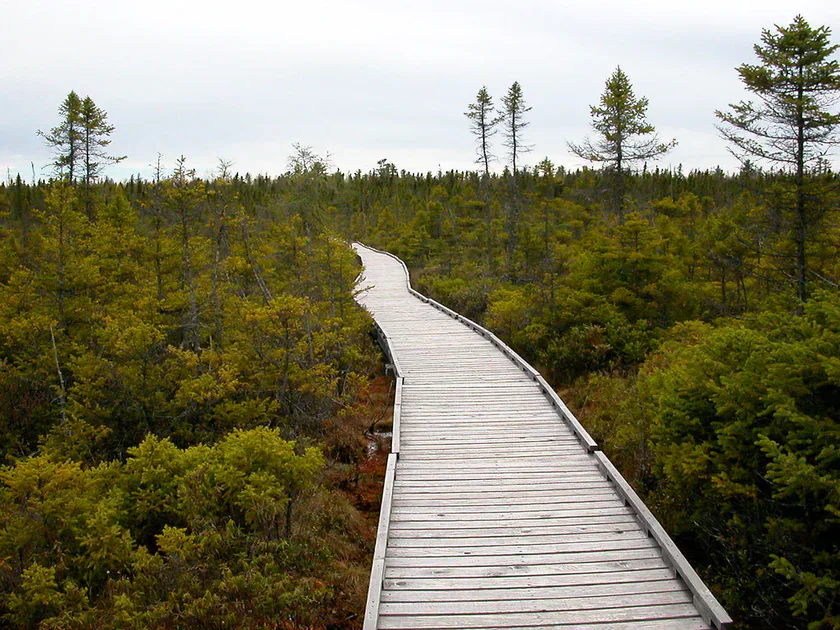
The Boardwalk Loop: The signature feature of Hirundo is its extensive boardwalk system through the bog and wetland areas. The boardwalks hover above the sphagnum surface, winding through black spruce, tamarack, and the specialized plants of the northern peatland. Pitcher plants and sundews grow along the boardwalk edges, and the views across the open bog are quietly remarkable.
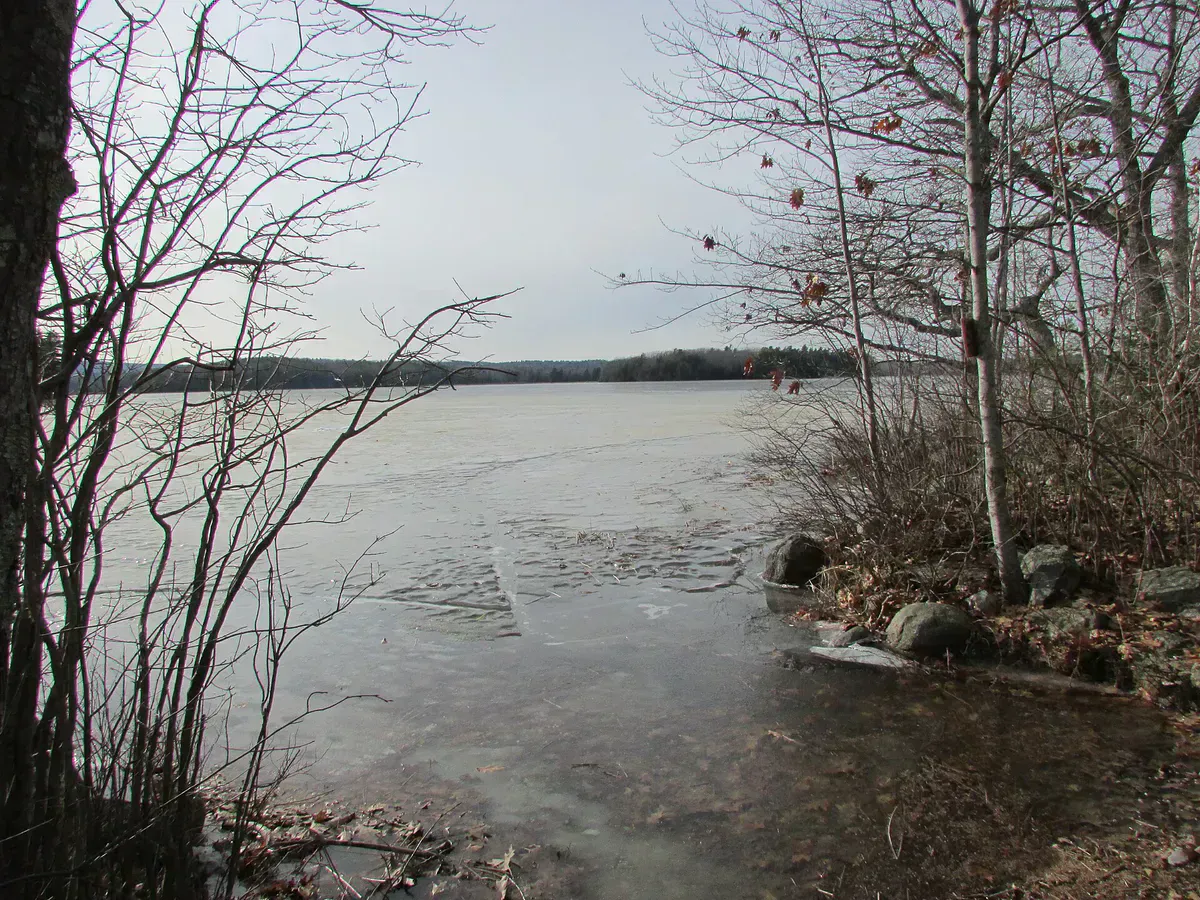
The Pond Trails: Paths lead to four ponds on the property: Caribou Bog Pond, Dead Stream Pond, and two smaller unnamed ponds. The pond edges are prime habitat for moose, beaver, and waterfowl. In early morning, you may see moose feeding in the shallows or beaver swimming across the open water.
The Forest Trails: Upland sections pass through mixed forest of birch, maple, spruce, and fir. The forest floor is carpeted with bunchberry, clintonia, and other boreal wildflowers in spring and summer.
Wildlife
Hirundo’s combination of wetland habitats supports an impressive diversity of wildlife. The refuge bird list exceeds 150 species, with strong representation of boreal and wetland specialists.
Birds: Loons nest on the ponds. Wood ducks raise broods in the forested pond margins. Barred owls and great horned owls call from the deeper woods. In spring and fall, migrating warblers fill the forest edges. The open bog supports palm warblers, Lincoln’s sparrows, and occasionally spruce grouse.
Mammals: Moose use the ponds and wetlands throughout the year. Beaver are active on all four ponds, and their dams and lodges are visible from the trails. River otter, mink, and ermine are present but less commonly seen. White-tailed deer browse the forest edges.
Amphibians and Reptiles: The bogs and ponds support wood frogs, spring peepers, and several salamander species. In spring, the chorus of frogs after dark is deafening.
When to Go
Spring
Frog chorus at peak. Migrating warblers and waterfowl. Boardwalks may be wet but passable. Wildflowers emerge. Mosquitoes arrive in May.
Summer
Nesting birds active. Pitcher plants and sundews visible on the bog. Moose in the ponds. Mosquitoes and deer flies can be heavy, bring repellent.
Fall
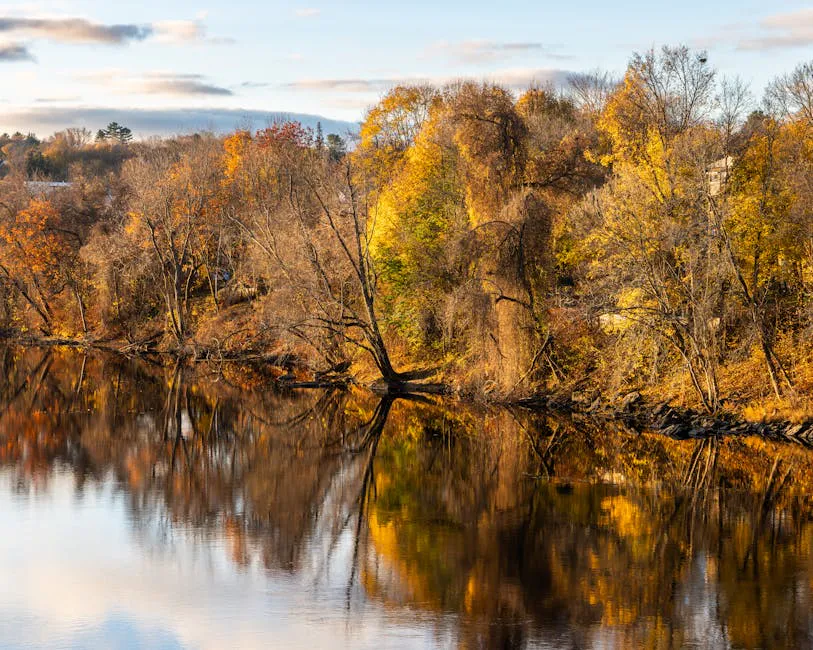
Foliage colors the surrounding forest. Tamarack turns gold in the bog. Fewer bugs. Moose are in rut. Migrating birds pass through.
Winter
Trails are open for snowshoeing and cross-country skiing. Animal tracks in the snow reveal wildlife patterns. Ponds freeze. Quiet and solitary.
Getting There
From I-95, take Exit 197 (Old Town/Orono). Follow Route 43 north through Old Town toward Alton. The refuge entrance is on the Horseback Road, approximately 8 miles from Old Town. Watch for the Hirundo Wildlife Refuge sign on the right. The gravel access road leads to a small parking area.
From Bangor, the drive takes about 20 minutes. From Orono, about 15 minutes.
Checklist
What to Bring
- Pick up a trail map at the parking area kiosk
- Walk the boardwalk loop through the bog
- Bring binoculars for pond and wetland birding
- Visit at dawn for best moose and beaver sightings
- Apply heavy insect repellent May through July
- Wear waterproof footwear for wet trail sections
- Camera with telephoto lens for wildlife
- Allow 2-3 hours for the full trail system
- Stay on boardwalks in the bog, the surface is fragile
- Check for recent wildlife sighting reports
FAQ
Is Hirundo Wildlife Refuge free?
Yes. The refuge is free and open to the public year-round from dawn to dusk.
Are dogs allowed at Hirundo?
No. Dogs are not permitted on the refuge to protect wildlife and nesting birds.
Can you see moose at Hirundo?
Yes. Moose use the ponds and wetlands throughout the year. Early morning visits to the pond trails give the best chance of sightings. Moose are most active at dawn and dusk.
How long are the trails?
The trail system covers approximately 4 miles total. The boardwalk loop is about 1 mile. A full visit covering the major trails and ponds takes 2 to 3 hours.
Are the mosquitoes really that bad?
Yes. Hirundo is surrounded by bogs and wetlands, which are prime mosquito habitat. From late May through July, insect pressure is significant. Come prepared with repellent and protective clothing.
For another bog boardwalk experience in the Bangor area, visit the Orono Bog Boardwalk in the Bangor City Forest, about 20 minutes south.