An Island You Can Drive To
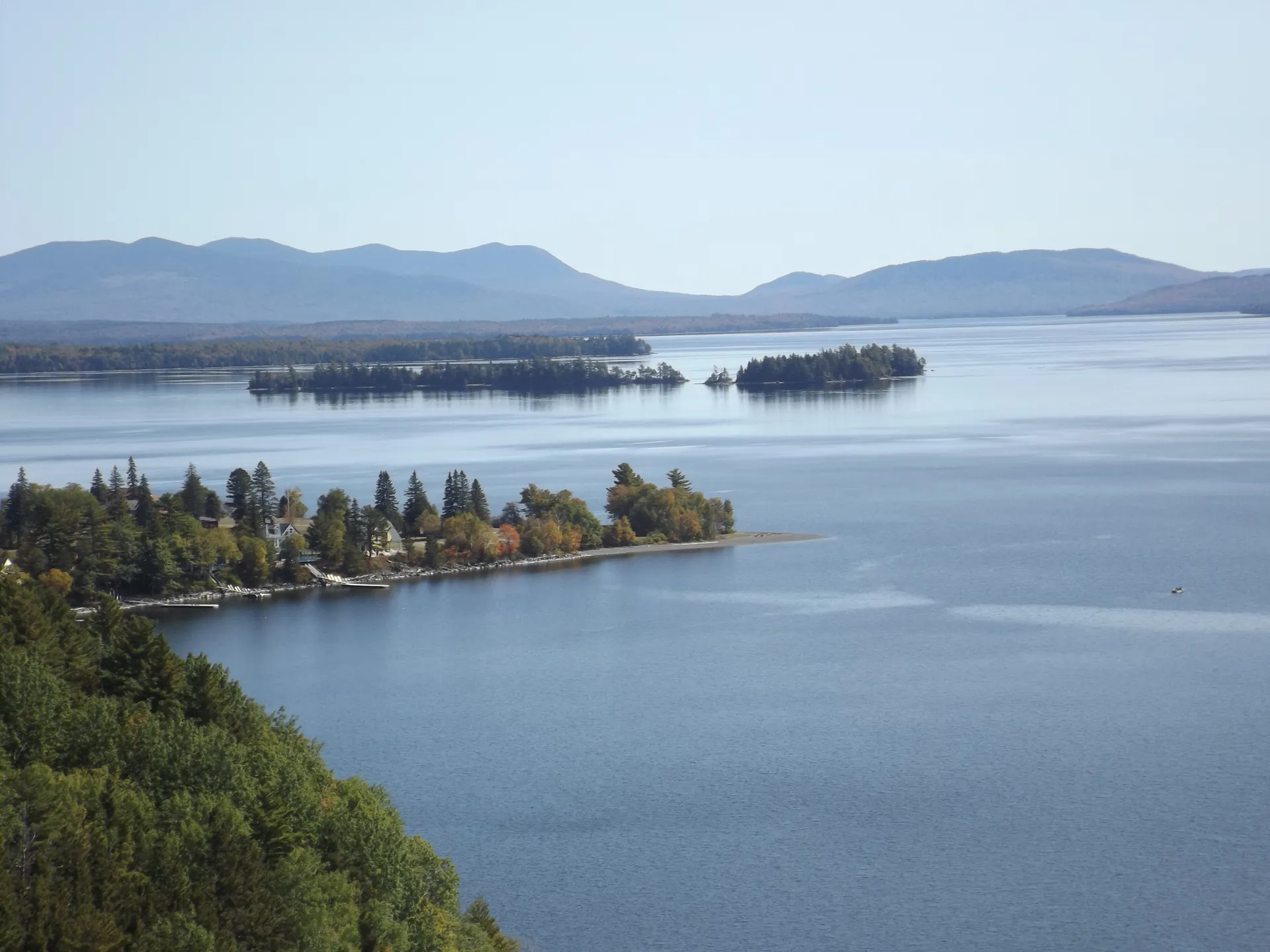
Sears Island sits in the upper reaches of Penobscot Bay off Searsport, connected to the mainland by a causeway built in the 1980s. At 940 acres, it is the largest undeveloped, uninhabited, causeway-accessible island on the eastern coast of the United States. That distinction alone makes it remarkable, but what makes Sears Island worth visiting is simpler than that: it is a wild, quiet place minutes from Route 1 where you can walk through old forest, along cobble beaches, across tidal flats, and around a coastline that looks much as it did before European settlement.
The island is state-owned land administered as part of the Town of Searsport. After decades of debate over proposed development, a landmark conservation agreement in 2009 placed 600 of the island’s 940 acres under a perpetual conservation easement held by Maine Coast Heritage Trust. The remaining 340 acres at the island’s western end were reserved for potential port development, though no development has occurred. For visitors, the result is an island that feels entirely wild despite being minutes from the highway.
What to See and Do
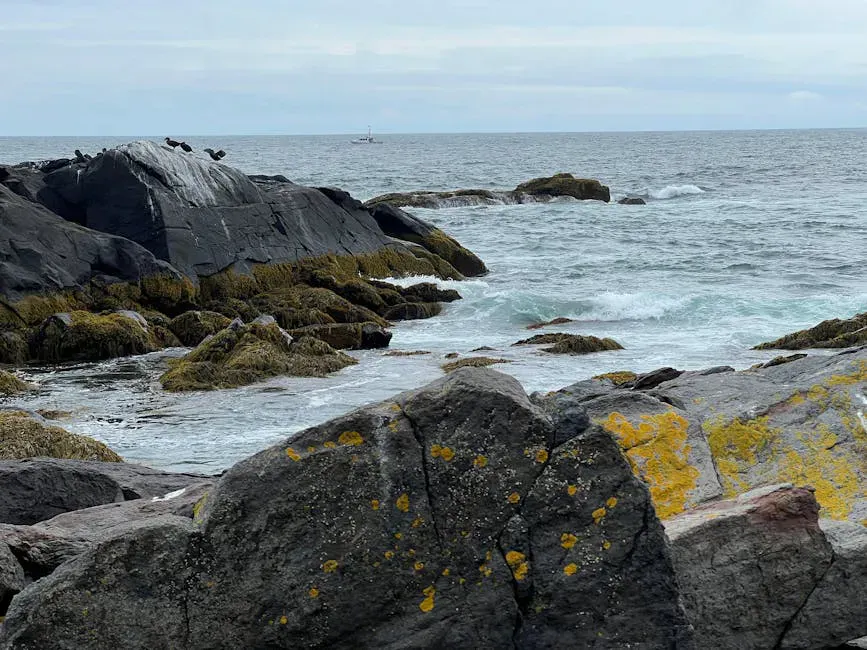
A network of informal trails and old roads circles much of the island, totaling roughly 6 miles of walkable paths. There is no single marked loop, but the terrain is gentle, and the trails are easy to follow. The coastline is the main attraction, with a mix of cobble beaches, rocky ledges, tidal flats, and small coves.
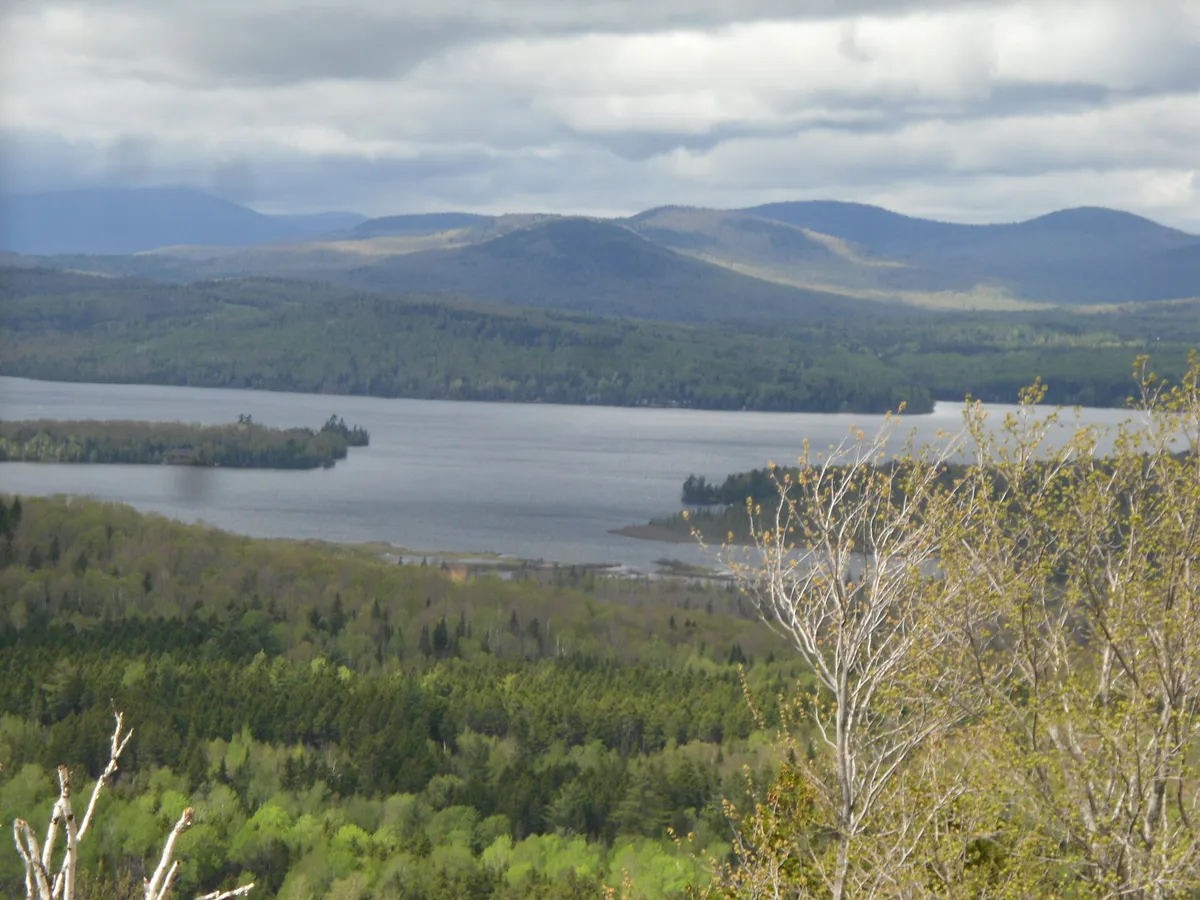
The Causeway Walk: The causeway itself is about half a mile long and provides open views across the bay to Islesboro and the Camden Hills. A gate at the island end of the causeway bars vehicle traffic (no cars are allowed on the island), so you park in the lot before the gate and walk across. The causeway has become a destination in its own right for birdwatchers, who scan the tidal flats on either side for shorebirds, herons, and eagles.
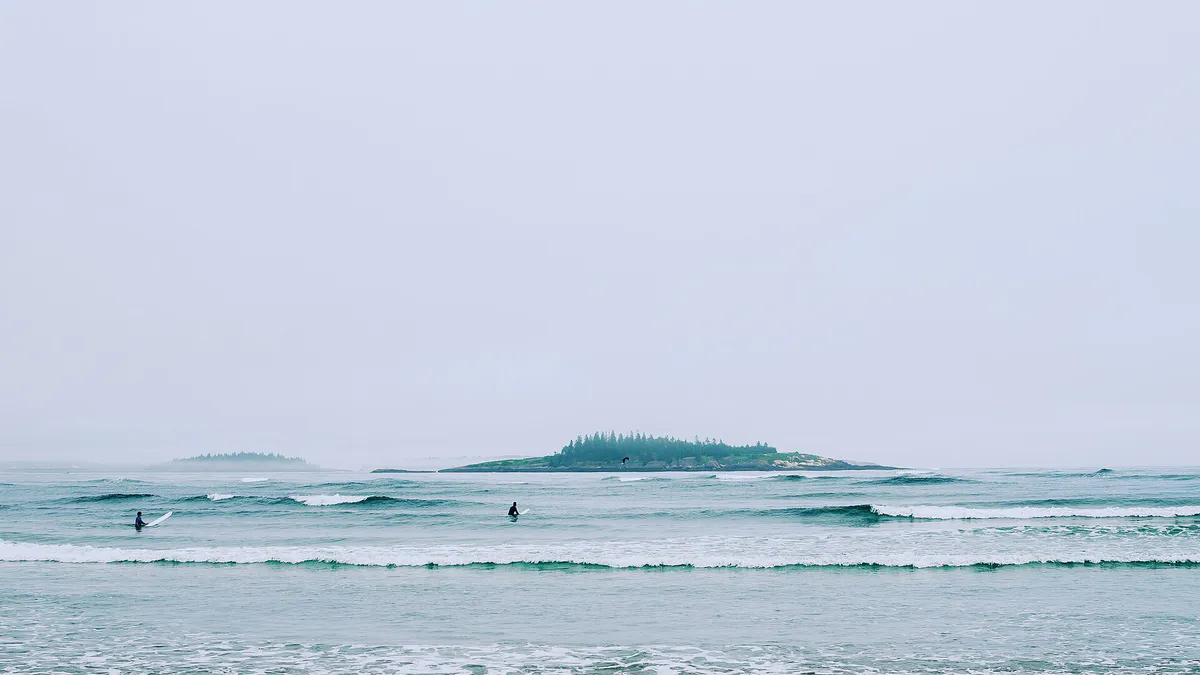
The Perimeter Trail: An informal trail follows roughly the eastern and northern shoreline, passing through mature spruce-fir forest and along cobble beaches. The views across Penobscot Bay to Islesboro and the open ocean are expansive. Look for harbor seals hauled out on the offshore ledges, especially at low tide.
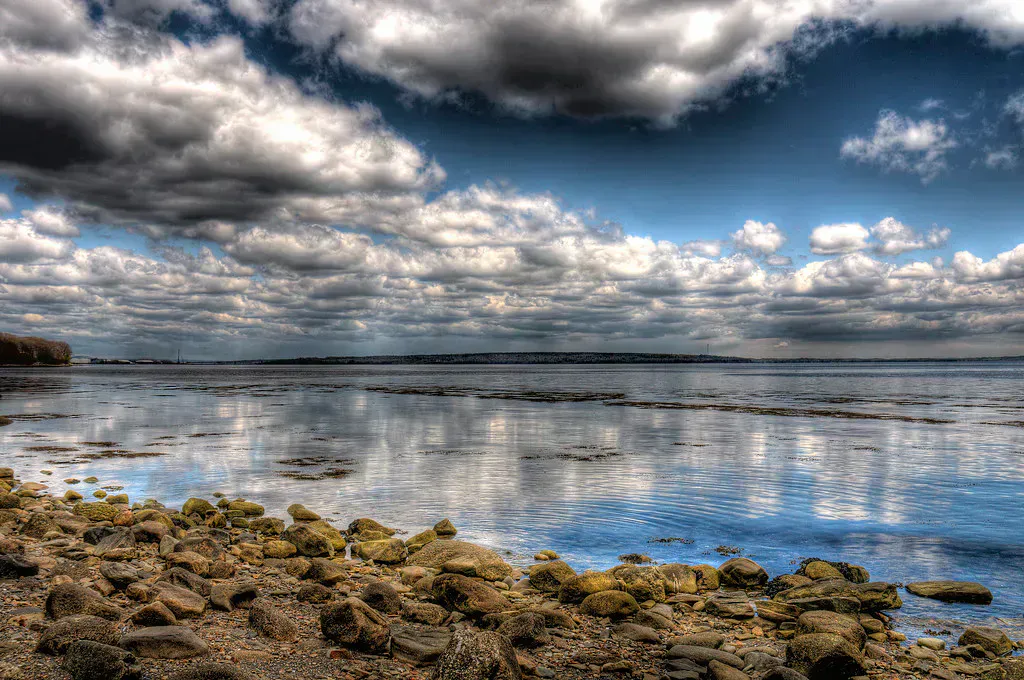
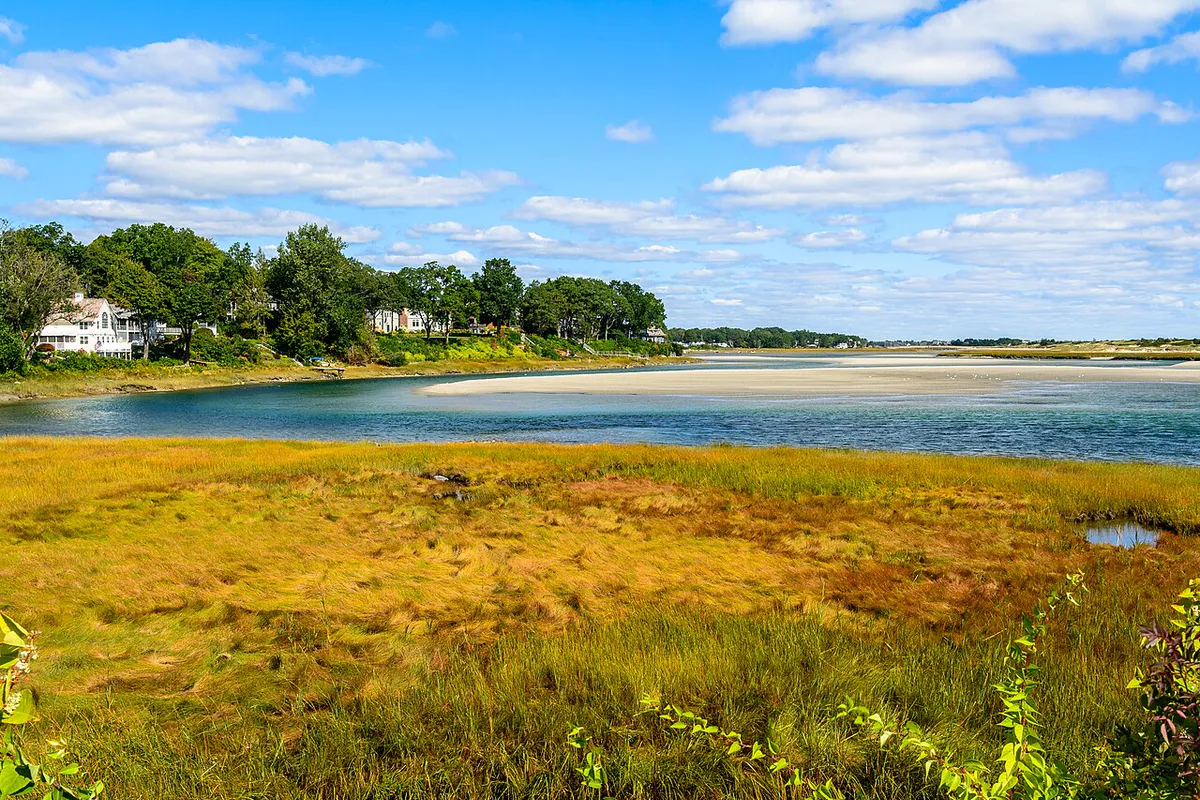
Tidal Flats and Eelgrass: The shallow shoal off the island’s western shore supports one of the most important eelgrass meadows in upper Penobscot Bay. Eelgrass beds serve as nursery habitat for juvenile fish, crabs, and lobsters, and as feeding grounds for migratory waterfowl. At low tide, the flats are exposed and you can walk out to explore the edge of the eelgrass zone.
Wildlife
The island supports an impressive array of wildlife for its size. Bald eagles nest in the tall spruce trees and are seen regularly soaring over the shoreline. White-tailed deer browse in the forest clearings. Harbor seals haul out on the offshore ledges, particularly along the eastern shore. The tidal flats attract great blue herons, snowy egrets, and shorebirds including semipalmated plovers and sandpipers during migration.
The forest interior is mature spruce-fir and mixed hardwood, with a dense understory of mosses, ferns, and wildflowers. Spring brings trillium, bunchberry, and Canada mayflower to the forest floor. The island’s isolation from heavy human use has allowed these communities to develop in ways that are increasingly rare along the Maine coast.
The Conservation Story
Sears Island has been the subject of one of Maine’s longest and most contentious conservation battles. The state acquired the island in the 1990s for potential cargo port development, which sparked decades of opposition from environmental groups, local residents, and fishing families who relied on the surrounding waters. The 2009 conservation easement was the result of a three-year consensus process led by the Maine Department of Transportation and a joint-use planning committee.
The agreement preserved 600 acres in perpetuity under Maine Coast Heritage Trust while reserving 340 acres for potential future development. The conservation area includes the island’s most ecologically sensitive habitats: the old-growth forest, the eastern shoreline, and the tidal flats with their eelgrass beds. The arrangement has been held up as a model for balancing conservation and economic interests.
When to Go
Spring
Migrating birds arrive. Wildflowers bloom in the forest. Ticks are active. The island is very quiet with few other visitors.
Summer
Warmest weather for beach walking and exploring. The forest provides shade on hot days. Mosquitoes and deer flies can be persistent in the interior.
Fall
Fall migration brings shorebirds to the flats. The hardwood trees on the island turn color. Cool days are ideal for walking the full trail network.
Winter
The island is open but exposed and cold. Bald eagles are active year-round. Snow and ice may cover the trails. Very few other visitors.
Getting There
From Route 1 in Searsport, turn onto Sears Island Road, following signs toward the island. The parking area is at the beginning of the causeway. No vehicles are permitted beyond the gate. From Bangor, the drive is about 30 minutes south via Route 1A. From Portland, about 2 hours north via I-295 and Route 1.
GPS coordinates for the parking area: 44.4383, -68.8742
FAQ
Can I drive onto Sears Island?
No. Vehicle access is blocked by a gate at the island end of the causeway. Park in the lot before the gate and walk across the causeway. Bicycles are also allowed.
Is there a fee to visit Sears Island?
No. The island is open to the public at no charge, dawn to dusk, year-round.
Is Sears Island really the largest undeveloped causeway-accessible island on the East Coast?
Yes. At 940 acres, it holds that distinction. The causeway was built in the 1980s, and the island has never been developed. A perpetual conservation easement protects 600 of its 940 acres.
Are dogs allowed on Sears Island?
Yes. Dogs are allowed on leash. Be mindful of nesting birds along the shoreline in spring and summer.
How long does it take to walk around Sears Island?
The full trail network is roughly 6 miles. A perimeter walk takes 2 to 3 hours at a relaxed pace, depending on how much time you spend exploring the beaches and tidal areas.