

The Sound of the Coast
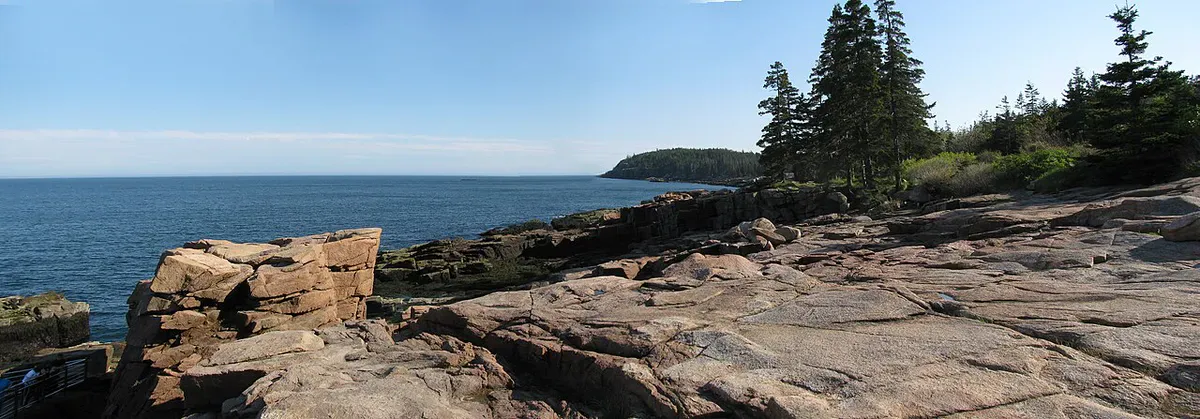
Thunder Hole is a narrow inlet carved into the pink granite shoreline of Mount Desert Island, about two miles south of Sand Beach along Acadia National Park’s Park Loop Road. When conditions align, incoming waves funnel into the tight channel, compress air trapped in a cavern at the back of the inlet, and release it with a deep, percussive boom that reverberates across the rock. The spray can reach 40 feet or more, drenching spectators on the viewing platform above. It is one of the most dramatic natural sound-and-water displays on the Atlantic coast, and it happens on a schedule you can roughly predict if you understand the tides.
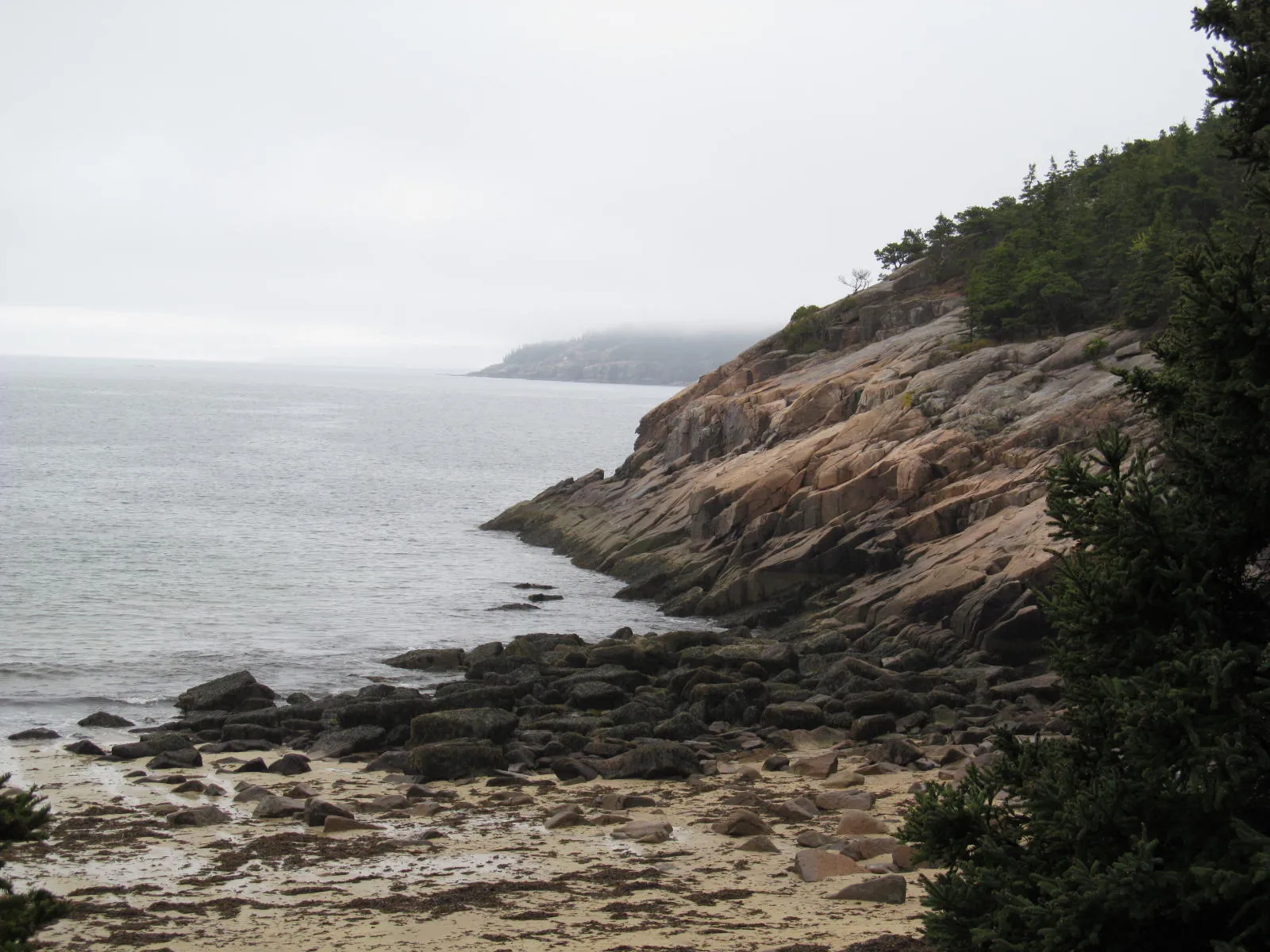
The phenomenon is straightforward geology in action. The granite bedrock of Acadia formed roughly 420 million years ago when magma cooled beneath the Earth’s surface. Fractures and fault lines in the rock created weaknesses that wave erosion has exploited over thousands of years, carving the narrow channel and the cavern behind it. Each wave forces water and air into the cave simultaneously. The air compresses against the back wall, the wave recedes, and the trapped air escapes with a thunderclap. The sound is not a rumble or a splash. It is a sharp, concussive boom you can feel in your chest.
Timing Your Visit
Timing is everything at Thunder Hole. The boom and spray depend on wave energy, which is a function of tide stage, swell direction, and wind.
On calm days at low tide, the inlet is quiet and you may see nothing more than a gentle surge of water washing in and out of the channel. Many visitors arrive during these conditions and leave disappointed because they did not check the tides first. Conversely, during or after a storm with easterly or southeasterly winds, Thunder Hole can put on a performance that draws crowds even in the rain, with waves exploding out of the channel and spray reaching well past the viewing area.
The Viewing Area
A concrete-and-metal staircase leads from the parking lot down to a viewing platform at the edge of the inlet. The platform sits close enough to feel the spray on rough days. Metal railings line the edge, and an upper viewing area provides a broader perspective of the inlet and the coastline beyond.
The former ranger station building near the parking area now houses the Thunder Hole Gift Shop, which sells souvenirs and snacks. Portable restrooms are available in the parking area. The parking lot is small and fills quickly in summer, especially in the hours before high tide when word has spread that conditions are right.
Ocean Path Connection
Thunder Hole sits along the Ocean Path, a 2-mile paved trail that follows the coastline between Sand Beach and Otter Point, connecting many of Acadia’s most popular coastal attractions. Walking from Sand Beach to Thunder Hole takes about 30 minutes at a relaxed pace and passes along some of the most scenic coastline in the park.
The full Ocean Path itinerary includes:
- Sand Beach: Half a mile north. One of the few sand beaches in the park.
- Thunder Hole: The main attraction along the path.
- Monument Cove: A secluded cobble cove with a prominent sea stack.
- Otter Cliff: A mile south. Dramatic 110-foot sea cliffs popular with rock climbers.
- Otter Point: The southern terminus, with tide pools and sheltered picnic areas.
Walking or biking the Ocean Path to Thunder Hole avoids the parking headache entirely. The free Island Explorer shuttle (Route 3, Sand Beach) also stops at Thunder Hole from late June through Columbus Day.
When to Go
Summer
Best weather. Island Explorer shuttle running. Time visits to incoming tide. Parking lot fills early on weekends. Morning visits are less crowded.
Fall
Fewer crowds, beautiful light on the granite. Storm season can produce dramatic wave action. Shuttle runs through Columbus Day.
Spring
Park Loop Road opens mid-April. Cool and windy. Storm-driven waves can produce excellent thunder. Fewer visitors.
Winter
Park Loop Road closed to vehicles. Walk or bike in from the gate. Winter storms produce powerful waves but conditions are harsh and the area is exposed.
Practical Details
Acadia National Park entrance fees are $35 per vehicle for seven days (2026). Annual passes and America the Beautiful passes are accepted. There is no additional charge for Thunder Hole.
Dogs are allowed on leash at Thunder Hole and on the Ocean Path. The staircase to the viewing platform is steep. Wheelchair users can view from the upper platform area, which is accessible from the parking lot.
Getting There
Thunder Hole is on the eastern side of Mount Desert Island along the one-way section of Park Loop Road. From the park entrance off Route 3 near Bar Harbor, follow Park Loop Road south. Thunder Hole is about 2 miles past Sand Beach, well-marked with signs. From Bar Harbor, the drive takes about 15 minutes.
GPS coordinates: 44.3209, -68.1891
FAQ
What is the best time to visit Thunder Hole?
Visit 1 to 2 hours before high tide, ideally during or after a storm with easterly winds. Incoming tide combined with wave energy produces the loudest booms and highest spray. Check the Bar Harbor tide chart before your visit.
Is Thunder Hole worth visiting at low tide?
The thunder effect is minimal or absent at low tide. The rock formations and ocean views are still scenic, but if you want to experience the waves booming, you need to time it with the incoming tide.
How much does it cost to visit Thunder Hole?
Thunder Hole is part of Acadia National Park. The entrance fee is $35 per vehicle, valid for seven days. There is no additional charge for Thunder Hole specifically.
Can I walk to Thunder Hole from Sand Beach?
Yes. The Ocean Path connects Sand Beach to Thunder Hole along the coastline. The walk is about half a mile and takes 20 to 30 minutes. The trail is paved and mostly level.
Is Thunder Hole dangerous?
It can be. Rogue waves have swept people off the rocks, causing injuries and fatalities. Stay behind the metal railings at all times, especially during high tide and rough seas. Do not climb down to the water.